Urban Legends From Every State Part 1

From Reader’s Digest:

No matter where in the United States you’re from, your home state is sure to have its share of urban legends and urban myths. These scary stories aren’t just for Halloween; they’re whispered between campers, passed from town to town and reserved for nights when the power goes out. Urban legends may be spooky stories, but they aren’t necessarily ghost stories. They could have happened to someone you know, a relative or friend. These are the stories that make you do a double-take when you walk past abandoned places or make you check to make sure your door is locked when you’re home alone. Be careful next time you’re driving the back roads of America. You never know what scary urban legends you might encounter.

Alabama: Huggin’ Molly

The legend of Huggin’ Molly is clearly a tool used by parents to get their children to obey the rules: The story, native to Abbeville, tells of a phantom woman who appears to children if they stay out late at night. She grips the lingering child tightly and screams in their ear—she’s not meant to cause death, just one heck of a fright. Sounds like something straight out of a horror movie!

Alaska: The qalupalik

The qalupalik, an Inuit version of a mermaid or siren, calls with a hum to children who are wandering too close to the seashore, then takes them away in her baby pouch. The greenish, womanlike creature will never return a child once taken into the depths. Sounds like a good way to convince your kids not to go in the water, if you ask us.

Arizona: Slaughterhouse Canyon

Also known as Luana’s Canyon, the urban legend of Slaughterhouse Canyon tells the gruesome tale of a 19th-century gold miner who failed to come home to his family one night. Without his earnings, the mother and her children couldn’t buy food and began to starve. When she couldn’t stand it any longer, the wife chopped her kids into pieces, tossed them into the nearby river and died of despair. Her cries can still be heard echoing through the canyon.
Arkansas: The Gurdon Light

Like many urban legends, the story of the Gurdon Light has several variations. In one, a railroad worker was hit by a train and decapitated. His spirit can still be seen today, searching for his lost light. In another, the railroad worker bore a violent grudge against his boss who had fired him. He murdered his former employer with a railroad spike, and the victim now wanders the tracks. While the Gurdon Light is well documented, no one has been able to offer an explanation as to what it really is …

California: Char Man of San Antonia Creek

Per local lore, a father and son were trapped in a horrible fire. The father perished, and before help could arrive, the traumatized son lost his mind. He skinned his father and then ran into the forest. Now, known forever as Char Man, his blackened, burnt body is said to attack motorists on Creek Road in Ojai as he seeks more human skins.

Colorado: The Ridge Home Asylum

The Ridge Home Asylum was a real facility that opened in Arvada in 1912, but it’s become an urban legend because of its history. It reportedly housed patients who were horribly mistreated—some of whom weren’t even mentally incapable but had just been forsaken by their families. Though it was demolished in 2004, people say they can still hear the screams and see the apparitions of former patients on the grounds.

Connecticut: Dudleytown

The misfortunes that have occurred in Dudleytown, starting in the 1700s, are so terrible and numerous that its nickname is “Village of the Damned.” The now completely deserted town is said to have been home to many suicides, disappearances and even demonic activity that have given rise to several urban legends. It is believed that the founders of the village—and by extension, the village itself—are forever cursed.

Delaware: Fort Delaware

A prisoner camp during the Civil War, Fort Delaware in Delaware City was ultimately home to more than 30,000 Confederate soldier inmates. The few thousand who died before they could leave the Union fort are said to still haunt the area.

Florida: Captain Tony’s

Since 1852, Captain Tony’s, the oldest saloon in Key West, has been known to be haunted: Doors slam for no apparent reason, and there are inexplicable banging noises and frequent ghostly visitations. Perhaps that’s because it’s the site of the town’s original morgue and was built around a tree that the town once used for hanging pirates.

Georgia: “The Song of the Cell”

As urban legend goes, in 1848 Elleck and his wife, Betsy, both slaves, were in their home one night when their master, drunk and belligerent, crashed open the door. He attempted to attack Betsy, but Elleck fought him off. Undeterred, the master chased Elleck up a ladder into a loft. As the struggle continued, the master lost his balance, fell out of the loft and died. Even though Elleck turned himself in to the sheriff the next morning, explaining that what happened was self-defense, he was still charged with murder (par for the course in the antebellum South). Elleck was imprisoned in the Old Lawrenceville Jail and later executed unjustly for the crime. People say they can still hear his sorrowful song traveling through the walls of the old jail.

Hawaii: Pali Highway

Pele, the Hawaiian volcano goddess, has many myths attached to her name. One tells of her ill-fated union with the demigod Kamapua’a, who was half-pig, half-human. The two supernatural beings had a terrible breakup, agreeing to never see each other again. That’s why, as urban legend has it, if you carry pork with you when you travel over the Pali Highway in O’ahu, your car will come to an inexplicable halt. Next time you’re in the area, we advise sticking to chicken!

Idaho: The Water Babies of Massacre Rocks

This urban legend is about starvation and infanticide, so if you’re squeamish, you may want to skip ahead. When famine hit the local area of Pocatello, mothers resorted to drowning their babies in the rivers instead of letting them starve to death. It is said that those babies turned into fish-like imps whose new mission was to trick, or even murder, people.

Illinois: Bachelor’s Grove Cemetery

Often referred to as one of the most haunted graveyards in America, this 82-plot cemetery is known as the home of many phantom sightings. People who have visited the site have seen numerous inexplicable illusions, from a ghostly “White Lady” to an ephemeral white farmhouse.

Indiana: 100 Steps Cemetery

If you visit this cemetery in the town of Brazil and climb the 100 steps in the total darkness of night, urban legend has it you’ll see the ghost of the original caretaker appear before you on the top of the hill. Apparently he will give you a preview of what your own death will look like!

Iowa: Stony Hollow Road

As the saying goes, a woman scorned is not someone you want to mess with. Lucinda of the town of Burlington is no different. Legend says that when her fiancé failed to meet her there as promised one night, she threw herself off the bluffs along Stony Hollow Road. Ever since, her ghost has appeared to countless people. What’s (much) worse, if she leaves a rose at your feet, you are destined to die within 24 hours, or so the story goes …

Kansas: Molly’s Hollow

The urban legend of Molly’s Hollow speaks to the country’s racist history. As the legend goes, when the local townsfolk found out that Molly, an African American woman, was involved with a white man, she was lynched. People claim her spirit is still there, screaming at night.

Kentucky: Hogan’s Fountain

In Cherokee Park, you’ll find Hogan’s Fountain, which features a statue of Pan, the pastoral yet devious Greek god. At every full moon—some versions say every night at midnight—the figure of Pan wanders the park, causing mischief for passersby.

Louisiana: The Carter Brothers

Back in the early 1930s, a young woman escaped from the home of the Carter Brothers in New Orleans with slash marks on her wrist. She told the police that the brothers were feeding off her blood. The cops stormed the French Quarter residence where they found more young women in similar states, their blood draining from their bodies. The brothers, now thought to be vampires, were captured and executed, only for it to be discovered years later that their crypts were empty.

Maine: Seguin Island Lighthouse

Like many urban legends, the one in Maine has to do with isolation. As legend has it, in the 1800s, the caretaker of the Seguin Island Lighthouse and his wife were the only two people living on the tiny spit of land. They naturally grew increasingly bored and isolated. The caretaker bought a piano so his wife could play it to keep them both entertained, but she only knew one song. The insufferable repetition of the same tune, combined with severe isolation, drove the husband mad. He took an ax, chopped the piano and his wife into bits, and then killed himself. Or so the story goes …

Maryland: Bigg Lizz and the Greenbrier Swamp

During the Civil War, Bigg Lizz, a very large woman, was a slave who became a spy for the Union troops. But her espionage was found out by her master, who decided to exact revenge. Urban legend says he took Bigg Lizz to Greenbrier Swamp so she could help him bury a treasure. Bigg Lizz dug the hole, and was subsequently decapitated by her evil master, who threw her body into the grave she had just unwittingly dug for herself. It is said that if you travel to that spot during the dead of night, you will see her spirit there, attempting to lure you into the murky swamp.

Massachusetts: The Ghost of Sheriff George Corwin

When you think of haunted locales and birthplaces of urban legends in the United States, Salem is no doubt one of the top places that comes to mind. A key character in the Salem Witch Trials, Sheriff Corwin was the most infamous and brutal when it came to interrogating and handling accused witches, earning himself the nickname “The Strangler” for his torturous methods. A building called the Joshua Ward House now stands on top of the land where Corwin lived and died, and many people say they’ve seen him in the windows or even felt his hands pressing down around their necks when they’re inside the space.

Michigan: The Nain Rouge

This is one of the urban legends still recognized today, celebrated by the people of Detroit every year. They say there’s a devilish creature, known as the Nain Rouge (French for “red dwarf”), who causes mayhem in the city. He’s thought to be seen when disaster is about to strike and is even said to be the reason for the Cadillac company’s downfall in the city.

Minnesota: The Wendigo

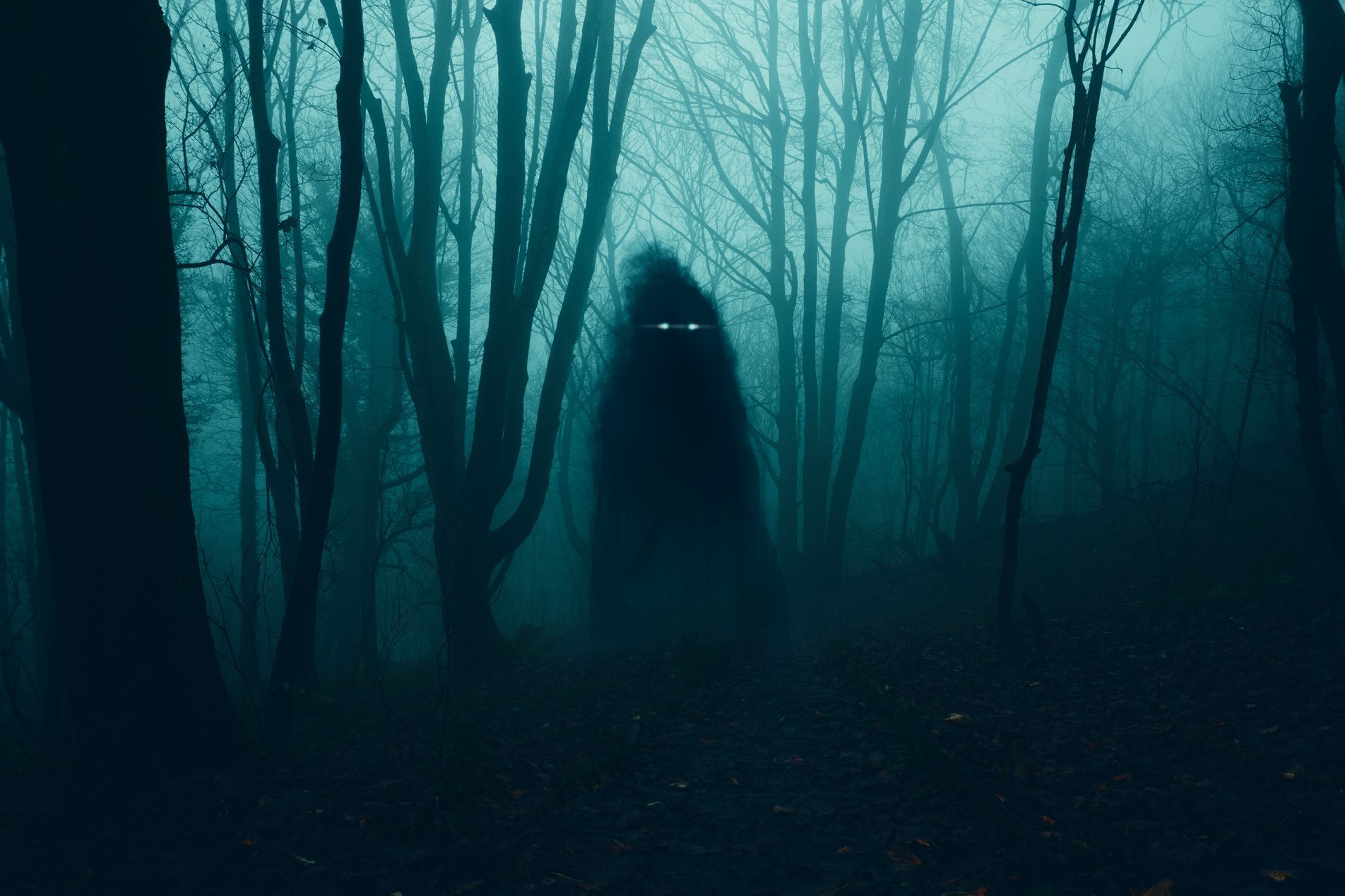
The wendigo is a creature of Native American folklore that is thought to be the result of cannibalism. A person will turn into a wendigo, a fang-bearing creature that is tall, skeletal and hairy, if they resort to eating another human being. Will you fall prey to the glowing eyes and snake-like tongue of the wendigo, or is it just an urban legend?

Mississippi: The Witch of Yazoo

While living on the Yazoo River, an old woman allegedly lured boatsmen to their deaths with her magic. One day, the local sheriff chased her into a swamp, and as she drowned in quicksand, she put a curse upon the town. In 20 years, she said, she would return to set the city aflame. Eerily, in 1904 the city was hit with a massive fire, believed to be the work of the witch. The next day, when people went to visit her grave at the Glenwood Cemetery, they saw that the chain links around her grave had been broken. Or so the urban legend goes …

Missouri: The Landers Theater

The Landers Theater in Springfield is supposedly beyond haunted: From fires to stabbings to accidental deaths, this theater has seen it all and has many urban legends to tell. Locals and performers have alleged that they’ve seen the ghosts of the people believed to have perished there, including the janitor who was said to have died during a 1920 fire.
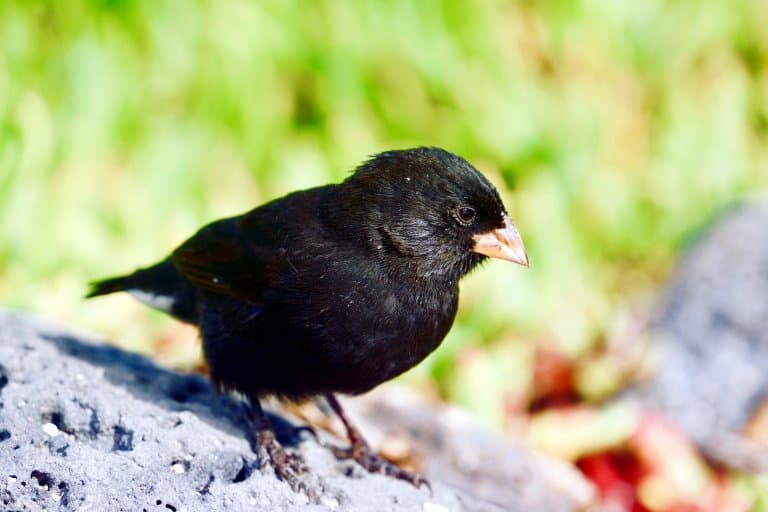
The Vampire Ground Finch

The Galapagos Islands are home to some of the strangest and most unique creatures on earth. For what appears to simply be an unassuming little bird, there’s a lot of competition to stand out.

This ground finch makes sure to fit in amongst this archipelago of misfits by drinking the blood of other birds, and is therefore known as the vampire ground finch.

The vampire ground finch can be found on the Galapagos islands, which are located around 600 miles off the coast of Ecuador.

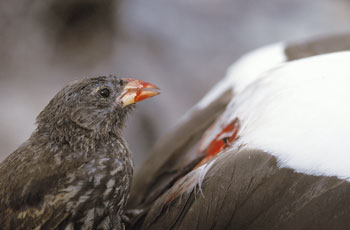
The vampire ground finch looks a lot like any other finch. You may mistake the red stain on its lips for berry juice, but this one really does have a hankering for bird blood.

It used to be considered a subspecies of the sharp-beaked ground finch, however strong genetic evidence suggests they are not closely related and they are considered their own species.

These are a vulnerable species, endemic to only two islands in the Galapagos, and they’re at risk of extinction from a new parasite.

However, they do appear to be adapting quickly and living up to their names as one of the 13 species of Darwin’s Finches found in the archipelago.

Here are some cool things about Vampire finches.

Interesting Vampire Ground Finch Facts

They like to drink from boobies

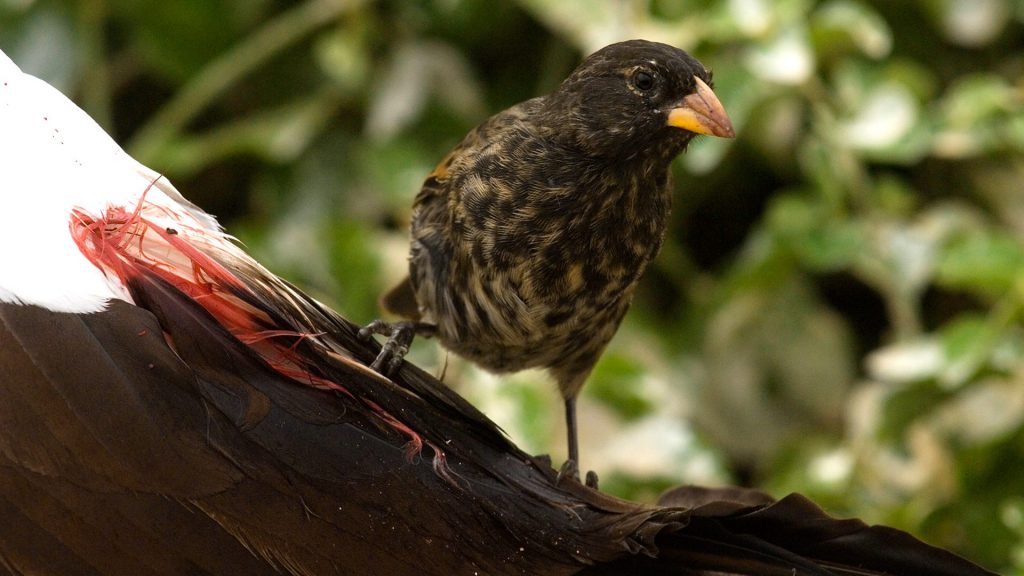
Let’s get this one out of the way, shall we? The vampire ground finch is peculiar in its choice of diet; part of which comes from the body of red, masked and blue-footed boobies. These tiny finches have been seen pecking at the skin of the boobie and ‘milking’ them for their blood.

This is where the name originates and is a behavior that – so far – hasn’t been seen in any other bird species. They seem to do it during times of drought, and for some reason, the boobies don’t seem to mind.

It’s possible that this behavior originated from a form of commensalism in which the ancestor of the vampire finch would pick off parasites from the boobie, and gradually evolved into cutting out the middle-man entirely. The finches then capitalized on an alternative food source!

While this is a mild irritance for adult blue-footed boobies, it’s potentially deadly for young chicks.

Vampire ground finch also eat eggs

While not exclusive to this bird, this is quite unusual for a finch.

This little vampire rolls eggs out of the nest by slapping their beak into the ground and pushing with their legs.

They occupy two islands

These finches are found on two islands in the Galapagos: Darwin and Wolf. Their habitat is greatly restricted and they’re unable to take on long flights, so each population has to stay put.

Each population has a different song

Strangely, both populations have their own song.

Much like its namesake, the Wolf Island population has a long and melodious call. In contrast, the Darwin population have what’s been described as a buzzing call.

They’re troubled by flies

Among the invasive species that threaten the ground finches of the Galapagos, a particular parasitic fly that was thought to have been introduced in the ‘60s has proven to be one of the most destructive.

These flies infect baby finches, and in a cruel twist of irony, parasitize them, often killing them in the process. This botfly is called the ‘avian vampire fly’, and threatens to wipe out populations of finches all over the Galapagos.

They contributed to the theory of evolution

Some people think the word theory means a simple idea, but in science, it refers to a form of robust and well-examined consensus.

Much like the theory of gravity, the theory of evolution was developed as an idea and then modelled and studied thoroughly into what we consider about as certain as we can be on any topic.

Legendary naturalist, Charles Darwin, had one of his most groundbreaking discoveries of evidence for evolution on the Galapagos, and much of his studying revolved around these finches.

These finches have become known as ‘Darwin’s Finches’, of which there are 13 species – the bloodsuckers being one of them. Each species evolved a different bill size and shape, which allows them to exploit different diets and food.

The vampire fly is forcing the vampire finch to evolve

Evolution isn’t a conscious adaptation to circumstances; it’s simply the product of useful random mutations, that happen to come in handy and then get passed on, or ‘selected for’.

The invasion of these vampire flies has been shown to affect the young of finches with lower levels of brood care instinct. That means females who naturally want to spend more time with their young are reproducing more successfully.

Over time, this trend may push out inattentive mothers and genetically reinforce those who show improved brood care as the genes that predispose the birds to this behavior faced with these selective pressures, changing the genetic buildup of the finch population and hopefully cementing this adaptation to the invasive fly problem.

They have unusual guts

Every animal on earth has at least billions of microbes living in its digestive system that help break down what they eat into useful building blocks. Different bacteria allow for different types of food to be broken down. For example, a cow has bacteria that produce the enzyme cellulase, which breaks down the cell walls of plants, and is how they manage to extract the protein for all that muscle only from grasses and herbs.

As any dog owner will recognize, dogs don’t have these bacteria, which is why when they eat grass, it comes out undigested; all stringy and gross in their poo. So, the bacteria in our body determine what we can eat, and finches are no different.

It’s been found that almost all of Darwin’s finches have very similar ranges of these bacteria living inside them with one exception: the vampire finch.

This bird has microbiota that are much more common in predatory birds and reptiles and goes a long way to explaining how they’re able to digest such unusual food.

Cotton bedding might help vampire ground finch conservation

One of the many suggested resolutions to the vampire fly/finch struggle is to infuse a type of cotton with an insecticide. The cotton is then supplied to the finches as nesting material and can kill 100% of the parasitic flies in the nest.

You might be wondering why conservationists are favoring one vampire over another, but it’s important to remember that the flies are an invasive species, and these can wreak havoc on local populations that have never had time to adapt to equilibrium with them; especially on islands – just ask New Zealand!

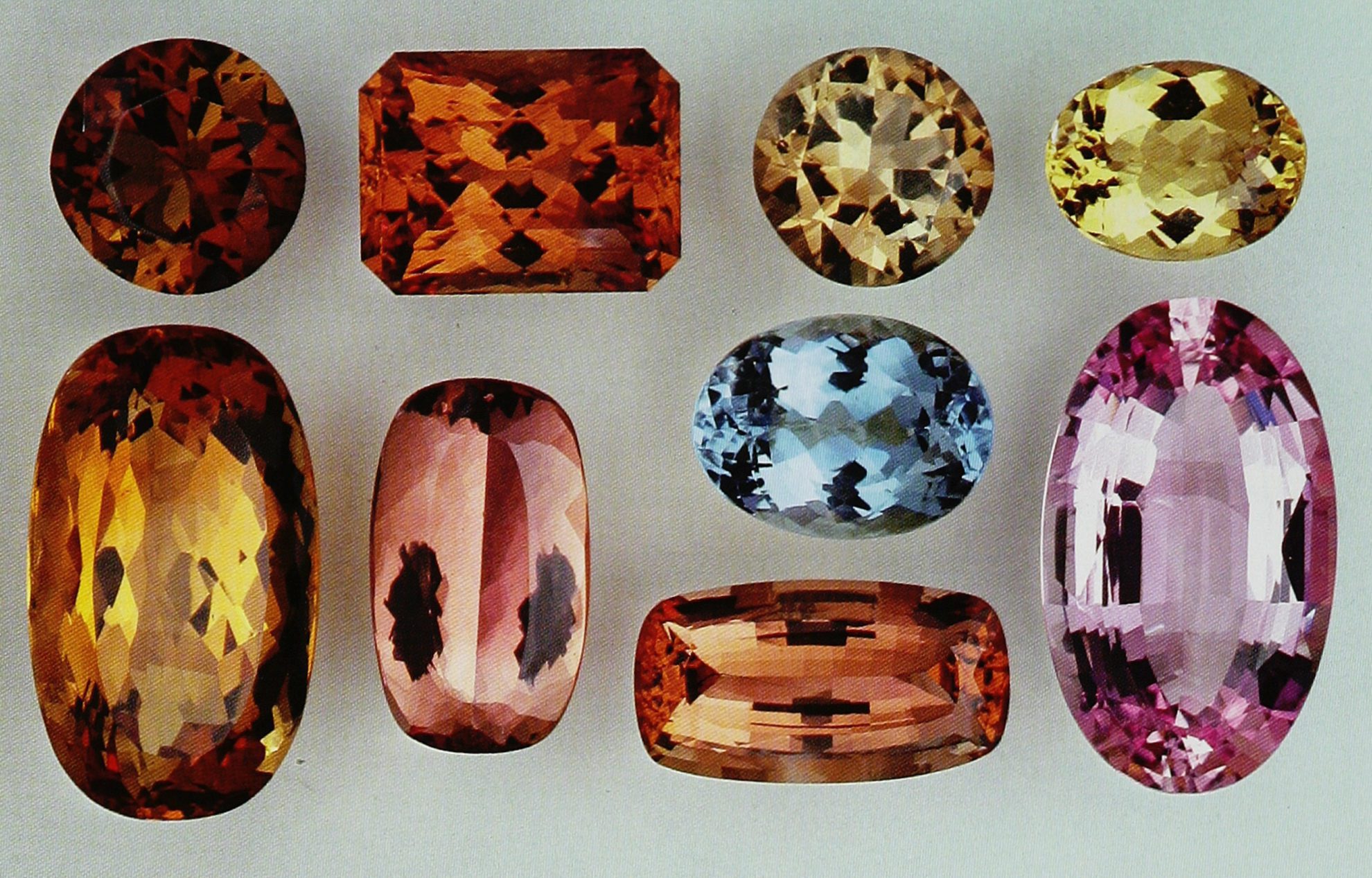
Topaz

Most authorities agree that the name topaz comes from Topazios, the old Greek name for a small island in the Red Sea, now called Zabargad. (The island never produced topaz, but it was once a source of peridot, which was confused with topaz before the development of modern mineralogy.) Some scholars trace the origin back to Sanskrit (an ancient language of India) and the word topas or tapaz, meaning “fire.”

The ancient Greeks believed that topaz gave them strength. In Europe during the Renaissance (the period from the 1300s to the 1600s) people thought that topaz could break magic spells and dispel anger. For centuries, many people in India have believed that topaz worn above the heart assures long life, beauty, and intelligence.

The name for imperial topaz originated in nineteenth-century Russia. At the time, the Ural Mountains were topaz’s leading source, and the pink gemstone mined there was named to honor the Russian czar. Ownership of the gem was restricted to the royal family.

The name topaz has been used for any yellowish gemstones for at least two thousand years. Gem traders did not know that these yellowish stones were actually different minerals until about two hundred years ago. Gem traders recognized that quartz, beryl, corundum and olivine all had yellow variants and were not true topaz and that topaz could be other colors not just yellow. In addition, the island Topazios, after which the gemstone has been named, never produced topaz, but was a source of peridot, or olivine often confused as topaz. The island is now called Zabargad Island.

Ancient Egyptians believed that yellow topaz received its golden color from the Sun God, Ra. The ancient Greeks believed that topaz gave them strength and topaz is mentioned in the modern translation of the bible, although the word probably referred to a yellow stone, not necessarily true topaz.

During the middle ages, the main source of topaz was from a deposit in the Erzgebirge Mountains in Germany. Hundreds of kilograms of yellow to brown topaz crystals were mined from the deposit. Then in the 1730s, a large topaz deposit was discovered in the Minas Gerais region of Brazil. During this period, Brazil was a colony of Portugal, so in 1768, the Portugese Government officially recognised the deposit as an important commercial mine, and most of the gems were transported back to Europe. Brazil remains the largest producer of Topaz in the world.

Gem quality topaz was first found in Australia as a by-product of metal mining operations. In 1872, tin was discovered in the New England area of New South Wales and mining commenced shortly afterwards. When the miners concentrated the alluvial material, sometimes they found pebbles of topaz. Waterworn topaz was found associated with gold, tin and wolfram deposits throughout eastern Australia.

From Lover to Monster: Bela Lugosi

On October 20, 1882, one of the world’s most gifted performers was born. In his heyday, Bela Lugosi was hailed as the undisputed king of horror. Today, more than 85 years after he first donned a vampire’s cape, Lugosi’s take on Count Dracula is still widely hailed as the definitive portrayal of the legendary fiend. But who was the man behind the monster?

Bela Lugosi worked with the National Theater of Hungary.

To the chagrin of his biographers, the details concerning Bela Lugosi’s youth have been clouded in mystery. (In a 1929 interview, he straight-up admitted “for purposes of simplification, I have always thought it better to tell [lies] about the early years of my life.”) That said, we do know that he was born as Béla Ferenc Dezső Blaskó on October 20, 1882 in Lugoj, Hungary (now part of Romania). We also know that his professional stage debut came at some point in either 1901 or 1902. By 1903, Lugosi had begun to find steady work with traveling theater companies, through which he took part in operas, operettas, and stage plays. In 1913, Lugosi caught a major break when the most prestigious performing arts venue in his native country—the Budapest-based National Theater of Hungary—cast him in no less than 34 shows. Most of the characters that he played there were small Shakespearean roles such as Rosencrantz in Hamlet and Sir Walter Herbert in Richard III.

Bela Lugosi fought in World War I.

The so-called war to end all wars put Lugosi’s dramatic aspirations on hold. Although being a member of the National Theater exempted him from military service, he voluntarily enlisted in the Austro-Hungarian Army in 1914. Over the next year and a half, he fought against Russian forces as a lieutenant with the 43rd Royal Hungarian Infantry. While serving in the Carpathian mountains, Lugosi was wounded on three separate occasions. Upon healing from his injuries, he left the armed forces in 1916 and gratefully resumed his work with the National Theater.
When Bela Lugosi made his Broadway debut in 1922, he barely knew any English.
In December 1920, Lugosi boarded a cargo boat and emigrated to the United States. Two years later, audiences on the Great White Way got their first look at this charismatic stage veteran. Lugosi was cast as Fernando—a suave, Latin lover—in the 1922 Broadway stage play The Red Poppy. At the time, his grasp of the English language was practically nonexistent. Undaunted, Lugosi went over all of his lines with a tutor. Although he couldn’t comprehend their meaning, the actor managed to memorize and phonetically reproduce every single syllable that he was supposed to deliver on stage.


Universal didn’t want to cast Bela Lugosi as Count Dracula.


The year 1927 saw Bela Lugosi sink his teeth into the role of a lifetime. A play based on the novel Dracula by Bram Stoker had opened in London in 1924. Sensing its potential, Horace Liveright, an American producer, decided to create an U.S. version of the show. Over the summer of 1927, Lugosi was cast as the blood-sucking Count Dracula. For him, the part represented a real challenge. In Lugosi’s own words, “It was a complete change from the usual romantic characters I was playing, but it was a success.” It certainly was. Enhanced by his presence, the American Dracula remained on Broadway for a full year, then spent two years touring the country.

Impressed by its box office prowess, Universal decided to adapt the show into a major motion picture in 1930. Horror fans might be surprised to learn that when the studio began the process of casting this movie’s vampiric villain, Lugosi was not their first choice. At the time, Lugosi was still a relative unknown, which made director Tod Browning more than a little hesitant to offer him the job. A number of established actors were all considered before the man who’d played Dracula on Broadway was tapped to immortalize his biting performance on film.

Most of Bela Lugosi’s Dracula-related fan mail came from women.

The recent Twilight phenomenon is not without historical precedent. Lugosi estimated that, while he was playing the Count on Broadway, more than 97 percent of the fan letters he received were penned by female admirers. A 1932 Universal press book quotes him as saying, “When I was on the stage in Dracula, my audiences were composed mostly of women.” Moreover, Lugosi contended that most of the men who’d attended his show had merely been dragged there by female companions.

Bela Lugosi turned down the role of Frankenstein’s monster.

Released in 1931, Dracula quickly became one of the year’s biggest hits for Universal (some film historians even argue that the movie single-handedly rescued the ailing studio from bankruptcy). Furthermore, its astronomical success transformed Lugosi into a household name for the first time in his career. Regrettably for him, though, he’d soon miss the chance to star in another smash. Pleased by Dracula’s box office showing, Universal green-lit a new cinematic adaptation of Mary Shelley’s Frankenstein. Lugosi seemed like the natural choice to play the monster, but because the poor brute had few lines and would be caked in layers of thick makeup, the actor rejected the job offer. As far as Lugosi was concerned, the character was better suited for some “half-wit extra” than a serious actor. Once the superstar tossed Frankenstein aside, the part was given to a little-known actor named Boris Karloff.

Moviegoers eventually did get to see Lugosi play the bolt-necked corpse in the 1943 cult classic Frankenstein Meets the Wolf Man. According to some sources, he strongly detested the guttural scream that the script forced him to emit at regular intervals. “That yell is the worst thing about the part. You feel like a big jerk every time you do it!” Lugosi allegedly complained.

Bela Lugosi’s relationship with Boris Karloff was much more cordial than it’s usually made out to be.

It’s often reported that the two horror icons were embittered rivals. In reality, however, Karloff and Lugosi seemed to have harbored some mutual respect—and perhaps even affection for one another. The dynamic duo co-starred in five films together, the first of which was 1934’s The Black Cat; Karloff claimed that, on set, Lugosi was “Suspicious of tricks, fearful of what he regarded as scene stealing. Later on, when he realized I didn’t go in for such nonsense, we became friends.” During one of their later collaborations, Lugosi told the press “we laughed over my sad mistake and his good fortune as Frankenstein is concerned.”

That being said, Lugosi probably didn’t appreciate the fact that in every single film which featured both actors, Karloff got top billing. Also, he once privately remarked, “If it hadn’t been for Boris Karloff, I could have had a corner on the horror market.”

Bela Lugosi was a major soccer fan.

In 1935, Lugosi was named Honorary President of the Los Angeles Soccer League. An avid fan, he was regularly seen at Loyola Stadium, where he’d occasionally kick off the first ball during games held there. Also, on top of donating funds to certain Hungarian teams, Lugosi helped finance the Los Angeles Magyar soccer club. When the team won a state championship in 1935, one newspaper wrote that the players were “headed back to Dracula’s castle with the state cup.”

Bela Lugosi was a hardcore stamp collector.

Lugosi’s fourth wife, Lillian Arch, claimed that Lugosi maintained a collection of more than 150,000 stamps. Once, on a 1944 trip to Boston, he told the press that he intended to visit all 18 of the city’s resident philately dealers. “Stamp collecting,” Lugosi declared, “is a hobby which may cost you as much as 10 percent of your investment. You can always sell your stamps with not more than a 10 percent loss. Sometimes, you can even make money.” Fittingly enough, the image of Lugosi’s iconic Dracula appeared on a commemorative stamp issued by the post office in 1997.

Bela Lugosi almost didn’t appear in Abbott and Costello Meet Frankenstein … because the studio thought he was dead!

The role of Count Dracula in this 1948 blockbuster was nearly given to Ian Keith—who was considered for the same role in the 1931 Dracula movie. Being a good sport, Lugosi helped promote the horror-comedy by making a special guest appearance on The Abbott and Costello Show. While playing himself in one memorable sketch, the famed actor claimed to eat rattlesnake burgers for dinner and “shrouded wheat” for breakfast.

A chiropractor filled in for Bela Lugosi in Ed Wood’s Plan 9 From Outer Space.

Toward the end of his life, Lugosi worked on three ultra-low-budget science fiction pictures with Ed Wood, a man who’s been posthumously embraced as the worst director of all time. In the 1953 transvestite picture Glen or Glenda?, Lugosi plays a cryptic narrator who offers such random and unsolicited bits of advice as “Beware of the big, green dragon who sits on your doorstep.” Then came 1955’s Bride of the Monster, in which Lugosi played a mad scientist who ends up doing battle with a (suspiciously limp) giant octopus.

Before long, Wood had cooked up around half a dozen concepts for new films, all starring Lugosi. At some point in the spring of 1956, the director shot some quick footage of the actor wandering around a suburban neighborhood, clad in a baggy cloak. This proved to be the last time that the star would ever appear on film. Lugosi died of a heart attack on August 16, 1956; he was 73 years old.

Three years after Lugosi’s passing, this footage was spliced into a cult classic that Wood came to regard as his “pride and joy.” Plan 9 From Outer Space tells the twisted tale of extraterrestrial environmentalists who turn newly-deceased human beings into murderous zombies. Since Lugosi could obviously no longer play his character, Wood hired a stand-in for some additional scenes. Unfortunately, the man who was given this job—California chiropractor Tom Mason—was several inches taller than Lugosi. In an attempt to hide the height difference, Wood instructed Mason to constantly hunch over. Also, Mason always kept his face hidden behind a cloak.

Bela Lugosi was buried in his Dracula cape.

Although Lugosi resented the years of typecasting that followed his breakout performance in Dracula, he asked to be laid to rest wearing the Count’s signature garment. Lugosi was buried under a simple tombstone at California’s Holy Cross Cemetery.

SOURCE: MENTAL FLOSS

Tourmalines

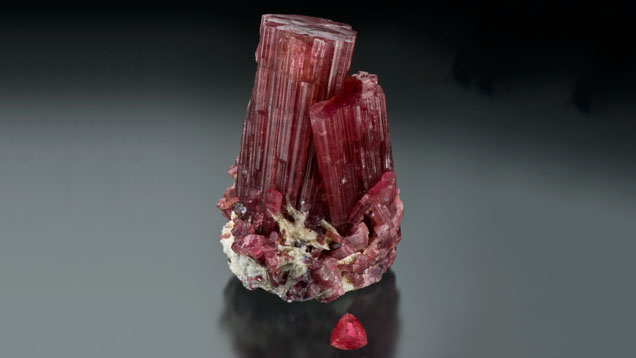
Tourmalines come in a wide variety of exciting colors. In fact, tourmaline has one of the widest color ranges of any gem species, occurring in various shades of virtually every hue.

Many tourmaline color varieties have inspired their own trade names:

Rubellite is a name for pink, red, purplish red, orangy red, or brownish red tourmaline, although some in the trade argue that the term shouldn’t apply to pink tourmaline.

Indicolite is dark violetish blue, blue, or greenish blue tourmaline.

Paraíba is an intense violetish blue, greenish blue, or blue tourmaline from the state of Paraíba, Brazil.

Chrome tourmaline is intense green. In spite of its name, it’s colored mostly by vanadium, the same element that colors many Brazilian and African emeralds.

Parti-colored tourmaline displays more than one color. One of the most common combinations is green and pink, but many others are possible.

Watermelon tourmaline is pink in the center and green around the outside. Crystals of this material are typically cut in slices to display this special arrangement.

Some tourmalines also show a cat’s-eye effect called chatoyancy. Cat’s-eye tourmalines are most often green, blue, or pink, with an eye that’s softer and more diffused than the eye in fine cat’s-eye chrysoberyl. This is because, in tourmaline, the effect is caused by numerous thin, tube-like inclusions that form naturally during the gem’s growth. The inclusions are larger than the inclusions in cat’s-eye chrysoberyl, so the chatoyancy isn’t as sharp. Like other cat’s-eyes, these stones have to be cut as cabochons to bring out the effect.

A tourmaline’s chemical composition directly influences its physical properties and is responsible for its color. Tourmalines make up a group of closely related mineral species that share the same crystal structure but have different chemical and physical properties. They share the elements silicon, aluminum, and boron, but contain a complex mixture of other elements such as sodium, lithium, calcium, magnesium, manganese, iron, chromium, vanadium, fluorine, and sometimes copper.

Tourmaline’s colors have many different causes. It’s generally agreed that traces of iron, and possibly titanium, induce green and blue colors. Manganese produces reds and pinks, and possibly yellows. Some pink and yellow elbaites might owe their hues to color centers caused by radiation, which can be natural or laboratory-induced.

SOUCRE: GIA

Victoria Crowned Pigeon

Strikingly beautiful and intelligent, the Victoria crowned pigeon is a fascinating ground bird to watch. It is common to see at a zoo or aviary. Although this is a gentle bird, it is not a bird for novices. Even pigeon fanciers and experienced bird owners need to ensure they have the dedicated space and time required by these majestic creatures.

Originally from New Guinea and introduced to nearby islands, the Victoria crowned pigeon has been bred in captivity for hundreds of years. They’re a common sight in the United States and the United Kingdom at zoos and aviaries, though they are somewhat rare in the pet bird trade.

This bird is the largest living pigeon and the closest remaining relative to the extinct dodo bird. It was named in honor of Queen Victoria for its flashy blue crown of intricate lace-like patterns and its regal poise.

In the tropical rainforests of New Guinea, Victoria crowned pigeons were hunted for their meat and feathers. Due to hunting and habitat destruction, the wild population had declined rapidly, endangering the species to near extinction. As a protected species, it has improved from being a “threatened” and “vulnerable” species to “near threatened.” Deforestation of its natural habitat still occurs.

Temperament

Victoria crowned pigeons are known to be intelligent and quite easy to tame. This bird is docile by nature, which is why they’re a frequent attraction at zoos. They are often left to roam the grounds freely and tend to be happiest when foraging for food on the ground and wandering around.

This bird can fly short distances but will only fly when necessary, usually when startled, in danger, or in need of a high roost in the trees for the night.

Speech and Vocalizations

The call of this pigeon is unlike breeds you may be used to. It is not a soothing, cooing pigeon. Victoria crowned pigeons let out more of a hollow “boom” sound that can be quite loud and surprising.

Victoria Crowned Pigeon Colors and Markings

A stunning bird, Victoria crowned pigeons sport powdery blue feathers on their bodies with red eyes, a dark mask, and maroon breasts. They display a lighter shade of blue on their wings and in a band on their tailfeathers.

The crest looks like a beautiful display of dark blue lace with vivid white tips. This crown makes them seem more like a peacock than a pigeon.

This bird is a monomorphic species, meaning males and females look alike. A male may be slightly larger than a female, but it’s barely noticeable. To figure out the sex of your bird, it would require a surgical sexing procedure or a genetic test.

Caring for Victoria Crowned Pigeons

Victoria crowned pigeons spend quite a bit of time on the ground and need plenty of room to run around and exercise. They need a minimum of 200 square feet of ground space in their enclosures. They also need roosts at various heights. 

These space requirements can be hard for even the most dedicated enthusiast to meet. In other words, if you can’t provide your bird with a flight the same size as the average bedroom, then you should not consider adopting a Victoria crowned pigeon.

These pigeons tend to do best as a pair in a single flight enclosure; a solo bird may become too lonely. During the breeding season, males may fight each other. The males have an elaborate courtship dance. Generally, a mating pair will only produce a maximum of three eggs each year. Both the male and female incubate the eggs, which takes around a month to hatch and raise the young squabs.

Despite their docile personality, this is not a low maintenance bird. Since they are foragers, clean the enclosure regularly, so they don’t get health issues from eating their droppings along with their food.

Keep in mind that the birds are native to a tropical climate and will do best in warm, humid regions. They cannot tolerate temperatures below 40 degrees Fahrenheit. If your region gets cold, you’ll need to figure out how to provide heat. The enclosure should also protect the birds from wind and rain.

Victoria crowned pigeons generally tolerate birds of other species quite well. It is often best when they’re the only ground bird. For example, you do not want to keep these birds with a busy flock of chickens; it will stress out the pigeons that often prefer a calm environment.

Common Health Problems

The biggest health threats for these birds are fungal infections they can get from their fecal droppings. The birds breathe in fungal spores that form on their droppings. These spores can cause potentially fatal respiratory diseases, such as histoplasmosis and candidiasis.

Diet and Nutrition

Like all pigeons, Victoria crowned pigeons feed on the ground. In the wild, their diet consists mainly of fallen fruits, seeds, grains, and small invertebrates. They’re particularly fond of figs.

Captive crowned pigeons do well on a high-quality seed and grain mix, and many keepers stick with a standard dove mix. They should also get regular servings of fresh fruits and vegetables. Offer about a 1 cup of seed mix and 1 cup of fruits and vegetables per day—adjust the daily portion according to their appetite. This species is not known for overeating. Remove any uneaten fresh food at the end of each day to prevent spoilage.

SOURCE: SPRUCEPETS

Trivia Tuesday: Halloween Version

What were the first jack o lanterns made of?

Some end up wearing their clothing inside out on Halloween – why is that?

Which phobia denotes an intense fear of Halloween?

Who’s said to haunt the White House Rose Garden?

What’s the mega-popular Halloween candy that was named after a horse?

According to the National Retail Federation, which children’s costume continues to hold the number one spot year after year?

What does it mean if you see a spider on Halloween?

Who creates the creature in Mary Shelley’s Frankenstein?

According to a legend, tattoos, a unibrow, and a long middle finger are signs of what Halloween creature? (Clue: NOT JOHN FETTERMAN)

Halloween originated in Ireland: true or false?

Where can you be fined for using Silly String on Halloween?

Which US state produces the most pumpkins?

What was voted the most popular Halloween candy for trick-or-treaters?

According to superstition, if you stare into a mirror at midnight on Halloween what do you see?

How many witches were burned at the stake at the Salem Witch Trials?

What does the English word “Hallow” mean?

ANSWERS

Turnips

Allegedly, wearing your clothes inside out on Halloween and walking backward means you could see a witch at midnight.

Samhainophobia

The ghost of First Lady Dolley Madison

Snickers

Princess

It’s thought to be a loved one’s spirit guarding the person who found the spider

Victor Frankenstein

A werewolf

True

Hollywood. If you use Silly String on Halloween in Hollywood, you could receive up to a $1,000 fine.

Illinois

Reese’s Peanut Butter Cups

Your future spouse

None

Saint

How didja do?

Cosmos

Cosmos are freely flowering annuals that are easy to grow by sprinkling some seeds in the garden after any danger of frost has passed. These quintessential cottage garden flowers reach full maturity in about two months. Cosmos can be slower to germinate, but it blooms quickly after that and continues to flower through the fall. The flowers sit atop long slender stems and form a cloud of attractive color all summer that attracts bees, butterflies, and birds to your garden. Cosmos flowers look a lot like daisies. They come in a broad range of colors, with more cultivars developed every year. The leaves grow opposite on stems and are deeply lobed, pinnate, or bipinnate and feathery-looking depending on the type. If you plan to have cosmos and live in the southern U.S., consider keeping them as potted plants since they tend to be invasive there.

Cosmos grow easily in beds and make great cut flowers. When established, the plants can handle drought, poor soil conditions, and general neglect. They even self-sow. This is a truly low-maintenance plant.

While some pests, like aphids, flea beetles, and thrips feed on cosmos, they’re easy to control with a strong spray of water or insecticidal soap. Aster yellows, bacterial wilt, and powdery mildew may also affect cosmos. Space plants accordingly to ensure good airflow to avoid diseases.

Taller varieties look good in the middle or rear of the border with goat’s beard, coneflowers, and black-eyed Susans. Shorter varieties make very colorful, airy edging plants.

Light

For the best flowering, choose a site that gets full sun. Cosmos will grow in partial shade but will have fewer blooms and be less vigorous when planted in shady areas. These plants will also thrive under uninterrupted full sun in the hottest conditions, much like their native habitat: the arid regions of Mexico and Central America.

Soil

Cosmos plants prefer a neutral soil with a pH of 6.0 to 8.0, although they will grow in poor soil where many flowering plants languish. They perform best in medium moisture, well-drained soils, but they will perform adequately in dry soils. Avoid planting in a rich soil; it can cause the plants to get too tall and flop over. You can prevent drooping by staking the plants or growing them close to other plants that can support them.

Water

Once established, you will not need to water your cosmos plants unless there is a prolonged drought. Where water is limited, these are the last plants that require irrigation.

Temperature and Humidity

Hot weather is ideal for cosmos, and they thrive in any humidity level.

Fertilizer

Fertilizing can negatively impact cosmos. Cosmos can handle poor soil. Too much fertilizer can often lead to strong plants with lots of foliage but few blooms. Unless your plants seem to be struggling, these plants do not need fertilizer.

Types of Cosmos

There are over 25 species of cosmos. However, three species are most commonly used in gardens and landscaping. Cosmos sulphureus is native to Mexico, Central America, and northern South America. With golden yellow blooms, it is very drought tolerant and loves hot weather. The plant grows 2 to 6 feet tall and comes in double and semi-double flowers. Some of the more recent cultivars tend to be shorter, more orangy, and with smaller flowers.

Cosmos bipinnatus are colorful daisy-like flowers that come in white, pinks, reds, and orange. At 1 to 4 feet in height, they are shorter than C. suphureus and are available in several popular hybrid series. Although they are not quite as heat tolerant as C. sulphureus, C. bipinnatus will grow well in just about any sunny space.

Chocolate cosmos are a separate species: Cosmos atrosanguineus. The dark red flowers smell like chocolate. This perennial is hardy to USDA zone 7, but it is higher maintenance than annual cosmos. Like dahlias, it grows from tubers.

Other common cosmos cultivars include:

‘Bright Lights’ mix: This variety boasts a blend of exuberant yellows, oranges, and reds.

‘Cosmic Orange’: This brilliant, semi-double orange flower has great drought tolerance.

‘Peppermint Candy’: An award-winning variety, the petals are splashed in magenta and white.

‘Sea Shells’ series: A pretty mix of pastel colors, it has distinctive tubular petals.

‘Ladybird’: This cosmos is a shorter variety that blooms in red, yellow, orange, or gold, averaging 18 to 24 inches tall. 

SOURCE: The Spruce

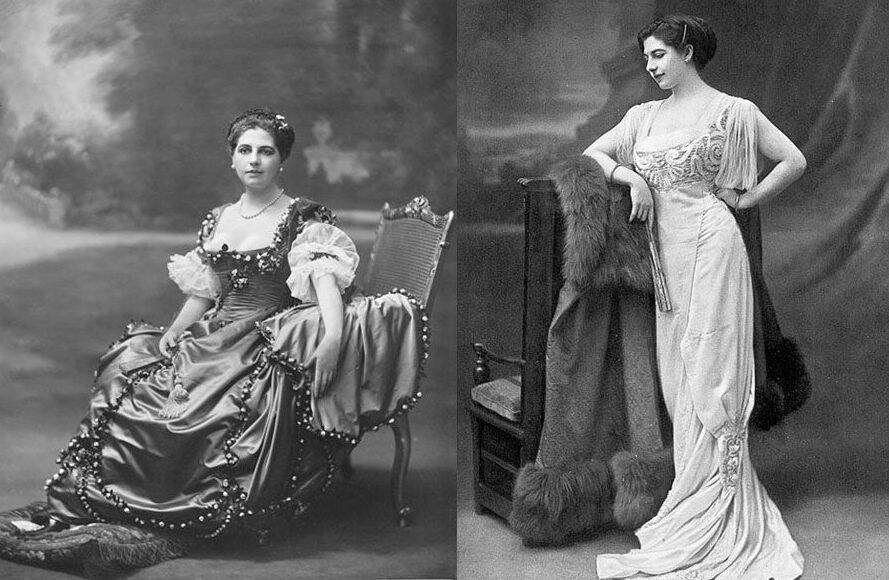
Mata Hari

Mata Hari was executed on October 15, 1917 more than a hundred years ago today.  I found an article on All That’s Interesting chronicling her life and death.

In 1917, Dutch exotic dancer Mata Hari was executed by the French for working with the Germans. But her apparent role as a double agent remains unclear to this day.

Many have heard of Mata Hari, the famous exotic dancer who supposedly became a lethal wartime spy. But few know exactly which parts of her fascinating story are fact and which parts are fiction.

What we do know is that Hari was well-traveled and fluent in several different languages. And during World War I, her romantic exploits with soldiers landed her in a web of espionage so tangled that not even her fame could save her.

In 2017, the French government finally declassified the so-called “Mata Hari papers” — trial archives that were kept secret for an entire century. And around that same time, a cache of Hari’s personal letters was also released.

But in many ways, this has only deepened the mystery.

The Early Life of Mata Hari

The details of Mata Hari’s early life are sadder than they are glamorous.

Born Margaretha Geertruida Zelle on August 7, 1876, in Leeuwarden, Netherlands, Mata Hari was known for her dark hair and eyes — which were unusual among her Dutch peers. She was also known for being sociable and bright. Hari’s father, who owned a hat shop, was relatively wealthy and doted on his daughter.

However, Hari’s luck soon changed. Her father went bankrupt, her parents divorced, and her mother died all by the time she was in her early teens. Her father remarried and sent Hari and her siblings to live with other relatives.

After being expelled from school for having an “affair” with the headmaster, Hari ran away to live with her uncle in The Hague. (Hari was only 16 years old at the time of the alleged “affair,” so historians believe she may have been sexually abused.)

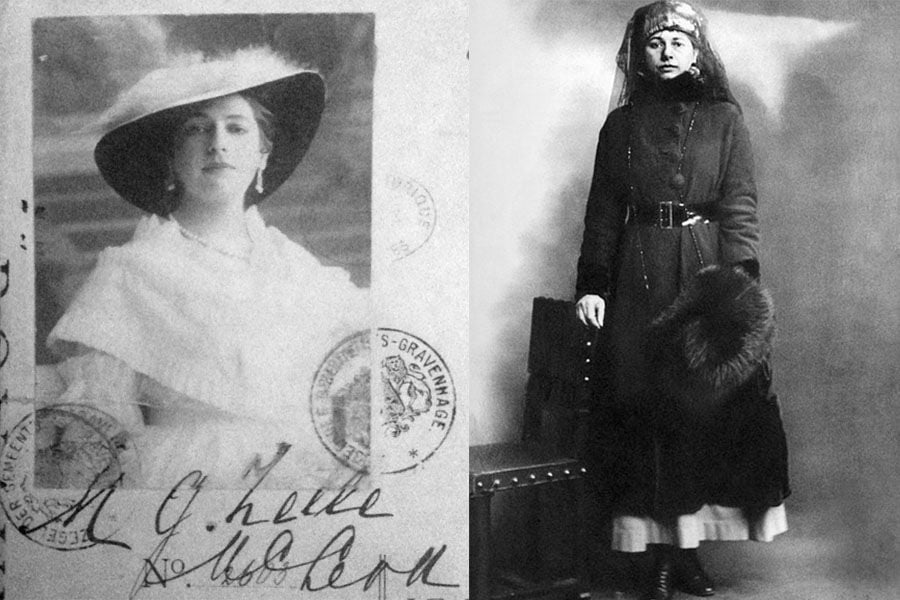
At age 18, she answered a lonely-hearts ad written by 39-year-old Dutch soldier Rudolf MacLeod. The two married in 1895, she became Margaretha Geertruida MacLeod, and the couple moved to the island of Java in Indonesia (formerly the Dutch East Indies). The union was not a happy one.

MacLeod drank frequently and kept a mistress — something that didn’t sit well with his new wife. But around this time, Hari also began immersing herself in Indonesian culture, which would prove useful later on.

The couple had two children, both of whom fell very ill in 1899. Their son died that year at the age of two, but their daughter survived.

The young boy’s cause of death is widely believed to have been congenital syphilis — contracted from his parents. However, other sources claim that he died after a disgruntled nanny poisoned both of the kids.

After the tragic death, MacLeod left the army, and the couple returned to the Netherlands, where they parted ways. They officially divorced in 1902.

At first, the couple’s daughter mostly stayed with her mother, but Hari had difficulty finding work as there were few jobs available for women.

Without the means to support her child, Hari made a difficult decision. She handed her daughter over to her ex-husband — and moved to Paris.

The Paris Years

Hari first arrived in Paris in 1903. While she was grateful to have a fresh start, she missed her daughter — and she still struggled to make money.

From giving piano lessons to teaching German, Hari tried to make ends meet however she could. By 1904, she confessed in a personal letter that she had turned to prostitution in order to support herself. She also worked as an artist’s model for painters.

But then, a friend suggested working as a dancer — a career that would change her life. By 1905, she was not only finding success in her new profession but also crafting a couple of new personas for herself.

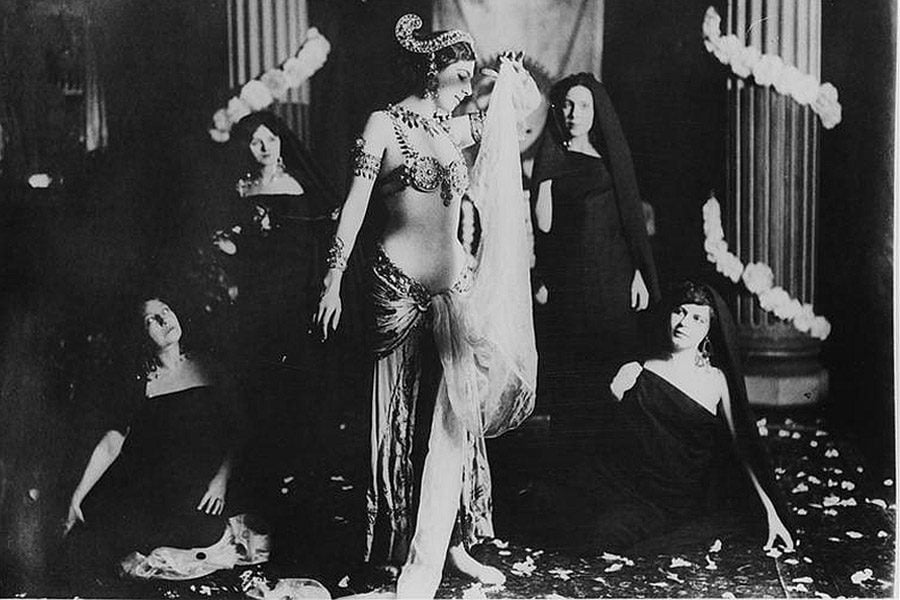
Claiming variously to be a Hindu artist, the daughter of an Indian temple dancer, or a European who was born in Java, she took the stage name “Mata Hari,” which means “eye of the day” in Malay. She drew crowds for her provocative “sacred dance” — which was basically just a striptease.

After her debut at the Musée Guimet in Paris, the name Mata Hari would be known all over Europe. She was an undeniable sensation. On top of her seductive performance, she also had the rare advantage of “educating” her audience on a different culture and way of life. That way, both she and her audience had a respectable reason for being at the show.

Men around the world would covet her, but Mata Hari mostly had eyes for military officers — a preference that would later get her in serious trouble after Europe plunged into World War I.

Mata Hari’s Connection to World War I

Given the Netherlands’ neutral stance in World War I, Mata Hari had no trouble crossing national borders. So she did that often — which is why she appeared on a watch list for both French and British intelligence.

What happened next depends on who’s telling the story. It remains unclear whether Mata Hari was actually a lethal spy for the Germans or for the French, or which country she agreed to help first and for what reason.

One version of the story is that around 1914, Hari had personal property (including furs) confiscated in Germany. As the story goes, she went back to the Netherlands shortly thereafter. And in 1915 or 1916, the Germans approached her about going back to France to work as a spy — offering her 50,000 francs to do so. They apparently thought that she would be valuable to them due to her many romantic connections with soldiers.

While she allegedly accepted the money, she later claimed that she did so only to get back what the Germans had taken from her — and wasn’t seriously intending on spying. However, she did make two trips to France in 1915 and 1916 — during which she fell in love with a Russian officer.

And in 1916, she reportedly accepted an offer from the French counter-intelligence chief to spy for his country for a million francs. She would later claim that this was only so that she could retire from her former life and settle down with the man she truly loved. But this decision would ultimately spell her doom — as she was soon caught working as a double agent.

However, another version claims that she accepted a lucrative offer from the French to spy first (again, because of her romantic links to soldiers). In this story, she gets falsely labeled as a German spy — after an unsuccessful attempt to extract information from a German attaché.

That said, it is possible that she simply accepted money from either or both sides just for the sake of supporting herself and her lover. But even if she never took a single spying assignment, this suspicious connection with different intelligence programs would lead to her downfall.

The Arrest and Trial for Espionage

In 1916, when a ship Mata Hari was aboard entered the English port of Falmouth, police arrested her, believing she was a different spy. Though she was ultimately released, things quickly began to go downhill from there.

In January 1917, an officer at the German Embassy in Madrid sent a coded message to Berlin outlining the activities of a German spy named H-21. The French intercepted this message and identified H-21 as Mata Hari.

However, many believe that German intelligence knew this code had already been cracked. In other words, they were setting Hari up for the fall. And at some point in February, she was arrested in a Paris hotel room and promptly thrown in a rat-infested jail cell.

Mata Hari’s trial, which would be held at a military tribunal, was set for July. The charges included spying for the Germans and thus causing the deaths of some 50,000 soldiers.

On the stand, Mata Hari admitted to accepting money from a German to spy on France — but claimed she didn’t do the deeds he asked of her. She said she only offered trivial, meaningless information to demonstrate her ultimate loyalty to her adopted country of France.

She added that she considered the money payment for her formerly confiscated property. But the French didn’t believe that she was innocent. The military tribunal deliberated for only 45 minutes before declaring her guilty — which led to her being sentenced to death.

Mata Hari could only plead her innocence to the Dutch Ambassador in Paris: “My international connections are due of my work as a dancer, nothing else. Because I really did not spy, it is terrible that I cannot defend myself.”

Mata Hari’s Execution and Legacy

A trailer for the 1931 film Mata Hari, starring Greta Garbo as the titular character.

Regardless of whether Mata Hari was guilty or innocent, her fate was sealed. She would be executed by a firing squad on October 15, 1917.

The details of her death, like her life, are mired in mystery and myth. Some say she blew a kiss to the firing squad before they began shooting. Others say she refused a blindfold and bravely looked her executioners in the eyes.

Perhaps the most believable is this eyewitness testimony: “She displayed unprecedented courage, with a small smile on her lips, just like in the days of her great triumphs on stage.” Nobody arrived to claim her body.

For nearly 100 years after her death, Mata Hari was portrayed as the ultimate “Femme Fatale” who preyed on unsuspecting soldiers. She also became a small fixture in pop culture — especially after she was portrayed by Greta Garbo in the 1931 film Mata Hari.

But outside of the notorious spy legend, the recently released documents on Hari attempt to paint a more complete picture of her life. And it’s a sad picture indeed. Not only was Hari abused and abandoned by many people, she very well may have been used as a scapegoat or pawn during her trial — perhaps because of her controversial profession and reputation.

On top of that, France or Germany (or both) may have also been angry at her for failing to produce useful information. In addition, it’s possible that France wanted someone to blame for issues they were facing during the war.

But unfortunately, the full truth behind the legend probably died with Hari.

To this day, historians still argue over whether Mata Hari was indeed a double agent or even a spy at all. With every recounting of her story more complicated than the last, it seems that she may have been — if anything — a victim of sexual politics. After all, she was not a chaste, self-sacrificing woman — so it’s little wonder why she wasn’t trusted.

SOURCE: all that’s interesting

Markhor

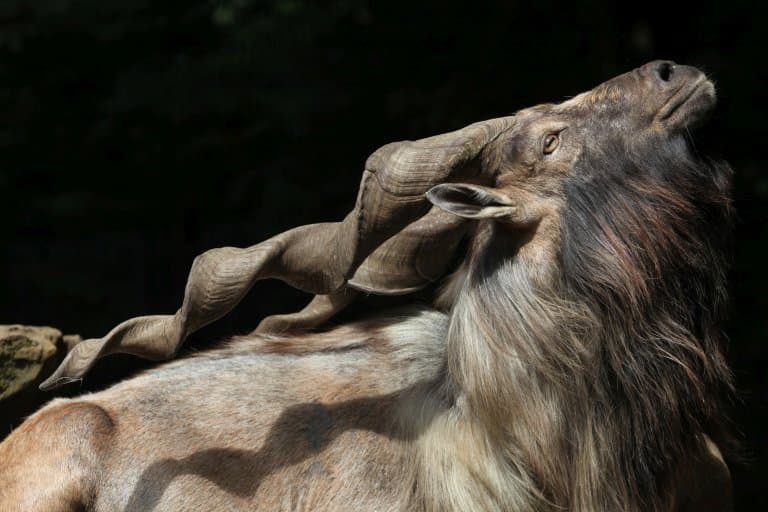
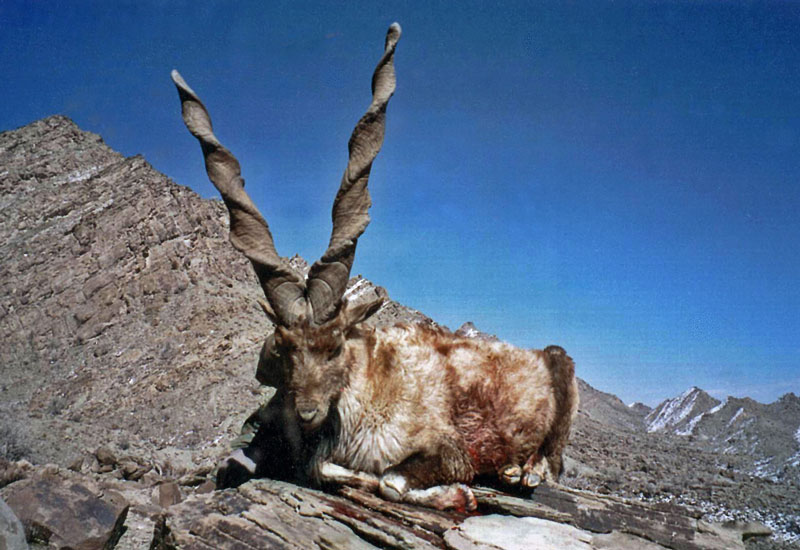
There are 5 subspecies of the markhor that have been recognized, with the main differences being their location and shapes of their horns, which can differ in size and shape of the corkscrew.

The subspecies are the Astor markhor (or ‘flare-horned markhor’), Bukharan markhor, Kabul markhor, Kashmir markhor and Suleiman markhor.

Markhor are adapted to mountainous terrain and are generally found at high elevations between 2,000-12,000 feet, where females they live in herds of up to ten animals. They are excellent climbers and jumpers.

They are herbivorous, and graze in the summer and eat leaves and shoots from trees in the winter.

They have a red–brown coat in the summer, which turns to a long, grey and silky coat in the winter. Males can be distinguished by their long and heavy fringe on their throat and chest. They stand at a height of approximately 95-102cms up to 160cms.

The markhor is listed by the IUCN as near threatened, but some subspecies vary between endangered and critically endangered. The reason for their decline is due to them being overhunted for their meat and their prized horns.

There’s a high price tag to hunt Markhor

The wildlife department in Pakistan issues permits to selected bidders for trophy hunting of markhor and other species each year. The award of an annual markhor trophy hunting permit fetched a whopping $597,200 from different bidders in the winter of 2021.

The highest bidder was an offer for $160,250 for a single markhor to be hunted in a game reserve called Toshi-I in the Chitral district. This is the highest rate ever offered in history for this type of markhor trophy hunting.

80% of the proceeds from this program will be distributed to local communities. Excessive hunting has caused the population to decrease.

They are the largest of the goat family

Markhor are large goats and can reach up to 1.6m in length and weigh as much as 110kg.

Markhor corkscrew horns can grow over 60 inches

Males have much longer horns, while female horns typically only grow to 10 inches.

Markhor fight for the right to breed

While Markhor will use them in defense against predators, they will also use them against other males when fighting for a mate.

They will fight each other by lunging, locking horns and pushing each other off balance on the rocky mountain. Mating season occurs during winter and the gestational period is between 135-170 days.

Markhor do not like the cold

Markhor do not like to be in deep snow or in cold temperatures. They prefer to be in dry terrain and they have the tendency to stay close to the mountains below the altitudes of 2,200m in winter.

Markhor smell really bad!

The are known to be one of the smelliest goat species. It’s thought that their smell might help them repel predators, and mark their territory.

The Government are trying to protect the species

In Pakistan, hunting markhor is limited and only legal with expensive hunting licenses. In India, it is illegal to hunt markhor. Governments are working hard to protect the species from poaching.

In the South of the Khyber Pass in Pakistan in the tribal areas, there are no wildlife laws, so the straight horned markhor is most at risk. They require protection as there are possibly fewer than 2,000 individuals due to the scattered populations.

This total is comprised of flare-horned markhor in eastern Afghanistan and in the Chitral, Dir and western region of Pakistan at around 1,500. Many more exist further east along the upper Indus.

Markhor horns are likened to snakes

The word Markhor is derived from two Persian words, ‘Mar’ which means ‘snake’ and ‘khor’ which means eater.

In Folklore it is believed that it is able to kill snakes by using its horns and then it can eat them, although there is no evidence that this is true.

It is more likely that the Markhor has the ability to kill snakes with its strong hooves and that their horns actually resemble snakes due to their features.

The male markhor is a solitary animal

The male markhor tends to be seen alone on the open grass and clear slopes, whilst in comparison the females tend to be in herds and want to climb up to the high ridges which are rocky.  This makes them difficult to catch as they stand up on these areas.

The markhor has some unusual predators

Alongside lynx, leopards, wolves and bears – feral dogs are suspected to be threat to the markhor as they have increased in the communities.

There has been calls for more control of the feral dog population and more education around the clean environment and disposal of waste correctly for biodiversity conservation.

Incredibly golden eagles have also been reported to prey upon young markhor.

Markhor were considered one of the most challenging game species

This is due to the danger involved in hunting them in then rocky mountainous terrain at high altitudes.  Markhor are also extremely aware of their surroundings, with excellent hearing and eyesight and will quickly run and let out an alarm call from any potential threat.

It’s estimated there are under 6,000 Markhor left in the wild

Markhor are classified as a near threatened species due to its small population size, which was estimated below 6,000 in 2013.  While there are concerns over poaching and habitat destruction, ongoing conservation efforts seem to be helping maintain population levels.

SOURCE: FACT ANIMAL