It’s All in the Details!

The food at the Thanksgiving table is usually the star and focus of the event. But before the meal hits the table, guests usually arrive and the focus shifts momentarily to the table itself.  Some people love simple tables, some prefer elaborate settings.  But I think it’s a little over the top to have every place setting use 15 plates and attending silverware, because someone’s gotta do all those dishes and it’s usually me…so that’s a big NO for me!

Still some people prefer off the wall table decor…purple cornucopia and disco balls?

And nothing says Thanksgiving quite like blue pumpkins, right?

And THIS one? A definite NO from me.  I would never put lit candles near dried out grassy wheat (?) on a table where anyone can bump the table and start a 5 alarm fire.

There’s understated and then there’s laziness—letting the napkins drape off the table—like an afterthought. Another NO for me.

So, if you want to add some appeal to your Thanksgiving table, that’s cool, cute and easy to do…here’s a wonderful meme for folding your paper napkins into adorable turkeys.  And there’s plenty of time to practice before the big day!

PS: This is one idea I wished I had started years ago. You have every guest sign the tablecloth and then you stitch out the names.  This would have been an awesome keepsake. Sadly, our big Thanksgiving dinners are no more.

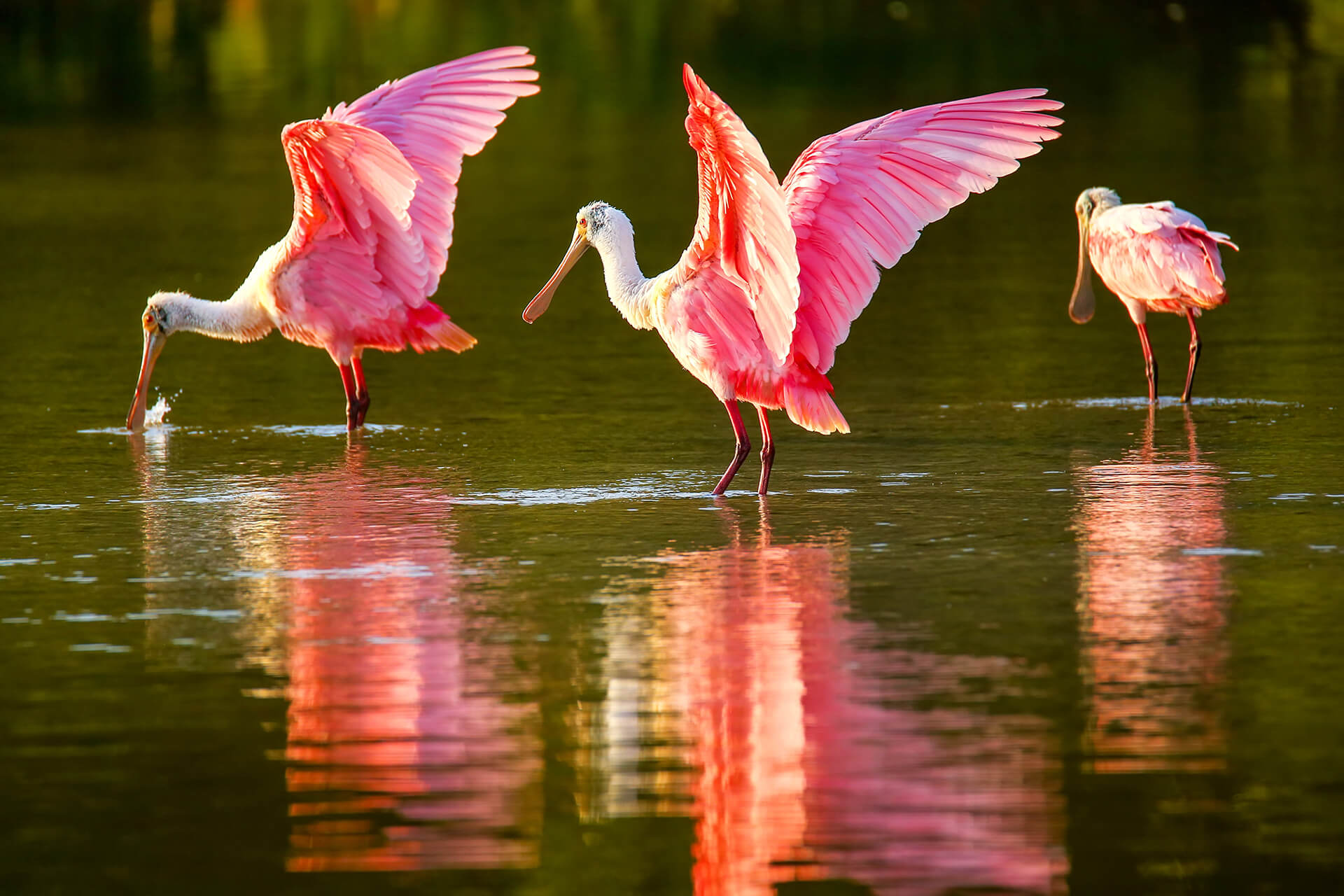
Roseate Spoonbill

Physical Description

The roseate spoonbill is a large wading bird known for its pink plumage and distinctive spoon-shaped bill. Its upper neck and back are colored white, while the wings and feathers underneath display the more recognizable light shade of pink.

The wings and tail coverts are deep red, along with the legs and the iris of the eyes. Part of the spoonbill’s head is a distinct yellow-green. When they are young, the birds are duller in appearance, brightening as they mature.

Size

Reaching a height of up to 2.5 feet, the roseate spoonbill’s wingspan can stretch 1.5 times as wide, reaching up to 4 feet.

Native Habitat

In the United States, the roseate spoonbill can be found in southern Florida, coastal Texas and southwestern Louisiana. Their breeding range extends south from Florida through the Greater Antilles to Argentina, Chile and Uruguay. Roseate spoonbills usually live in marsh-like areas and mangroves.

Communication

While feeding, spoonbills utter a low, guttural sound. They are also known to call during breeding displays and when flying.

Food/Eating Habits

Using its spoon-like bill to scoop prey up from shallow water, the roseate spoonbill’s diet typically includes minnows, small crustaceans, insects and bits of plants. They feed in the early morning and evening hours in both fresh and saltwater wetlands. It is believed the roseate spoonbill receives its bright coloring from the pigments of the crustaceans that it eats.

At the Smithsonian’s National Zoo, they are fed flamingo pellets, sea duck pellets and insects.

Social Structure

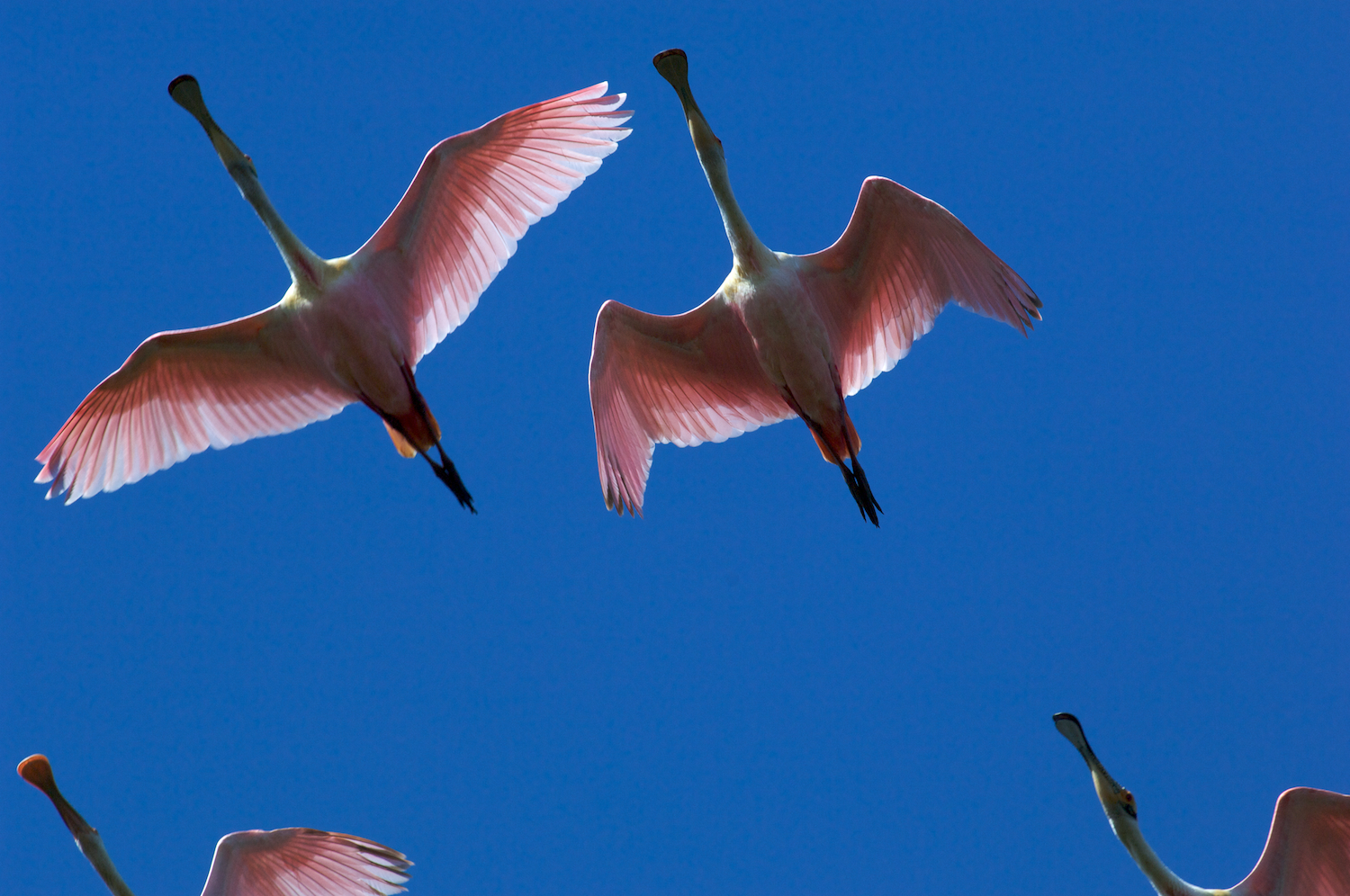
A social bird, the roseate spoonbill often feeds, roosts and flies in formation with its species. They nest singly or in pairs, usually in trees over water and sometimes on small islands.

Reproduction and Development

Typically roseate spoonbills do not breed until their third year. To attract one another, courtship displays include ritualized exchanges of nest material, dancing and clapping. Female spoonbills create deep, well-constructed nests out of sticks using materials brought to them by males. The Florida population usually nests in red and black mangroves sometimes with wood storks, while the Texas and Louisiana populations often nest on the ground in offshore island mixed colonies with gulls, terns and herons.

A female lays a clutch of one to five eggs. Both parents share incubation duties, which last about 22 to 24 days. A newly hatched chick has mostly pink skin with a sparse covering of white down. The parents feed the chick by dribbling regurgitated material into the baby’s upturned bill. After one month, the chick will begin to exercise by clambering through the branches or foliage surrounding the nest, and by six weeks, it will have developed wing feathers large enough for flight.

Sleep Habits

The roseate spoonbill sleeps standing, usually on one leg, with its head tucked beneath its back and shoulder feathers.

Lifespan

They can live up to 15 years in human care and an estimated 10 years in the wild.

SOURCE: national zoo.edu

Happy Veterans Day!

I found this information of on the US Department of Defense website:

Veterans Day is a well-known American holiday, but there are also a few misconceptions about it — like how it’s spelled or whom exactly it celebrates. To clear some of that up, here are the important facts you should know.

Veterans Day does NOT have an apostrophe.

A lot of people think it’s “Veteran’s Day” or “Veterans’ Day,” but they’re wrong. The holiday is not a day that “belongs” to one veteran or multiple veterans, which is what an apostrophe implies. It’s a day for honoring all veterans — so no apostrophe needed.

Veterans Day is NOT the Same as Memorial Day.

A lot of Americans get this confused, and we’ll be honest — it can be a little annoying to all of the living veterans out there.

Memorial Day is a time to remember those who gave their lives for our country, particularly in battle or from wounds they suffered in battle. Veterans Day honors all of those who have served the country in war or peace — dead or alive — although it’s largely intended to thank living veterans for their sacrifices.

It was originally called Armistice Day, commemorating the end of World War I.

World War I officially ended when the Treaty of Versailles was signed on June 28, 1919. However, the fighting ended about seven months before that when the Allies and Germany put into effect an armistice on the eleventh hour of the eleventh day of the eleventh month.   

For that reason, Nov. 11, 1918, was largely considered the end of “the war to end all wars” and dubbed Armistice Day. In 1926, Congress officially recognized it as the end of the war, and in 1938, it became an official holiday, primarily a day set aside to honor veterans of World War I.

But then World War II and the Korean War happened, so on June 1, 1954, at the urging of veterans service organizations, Congress amended the commemoration yet again by changing the word “armistice” to “veterans” so the day would honor American veterans of all wars.  

For a while, Veterans Day’s date was changed, too, and it confused everybody.

Congress signed the Uniform Holiday Bill in 1968 to ensure that a few federal holidays — Veterans Day included — would be celebrated on a Monday. Officials hoped it would spur travel and other family activities over a long weekend, which would stimulate the economy.

For some inexplicable reason, the bill set Veterans Day commemorations for the fourth Monday of every October.

On Oct. 25, 1971, the first Veterans Day under this new bill was held. We’re not sure why it took three years to implement, but not surprisingly, there was a lot of confusion about the change, and many states were unhappy, choosing to continue to recognize the day as they previously had — in November.

Within a few years, it became pretty apparent that most U.S. citizens wanted to celebrate Veterans Day on Nov. 11, since it was a matter of historic and patriotic significance. So on Sept. 20, 1975, President Gerald Ford signed another law (Public Law 94-97), which returned the annual observance to its original date starting in 1978.

Other countries celebrate it, too, in their own ways.

World War I was a multinational effort, so it makes sense that our allies also wanted to celebrate their veterans on Nov. 11. The name of the day and the types of commemorations differ, however.

Canada and Australia both call Nov. 11 “Remembrance Day.” Canada’s observance is pretty similar to our own, except many of its citizens wear red poppy flowers to honor their war dead. In Australia, the day is more akin to our Memorial Day.

Great Britain calls it “Remembrance Day,” too, but observes it on the Sunday closest to Nov. 11 with parades, services and two minutes of silence in London to honor those who lost their lives in war.

Sundown

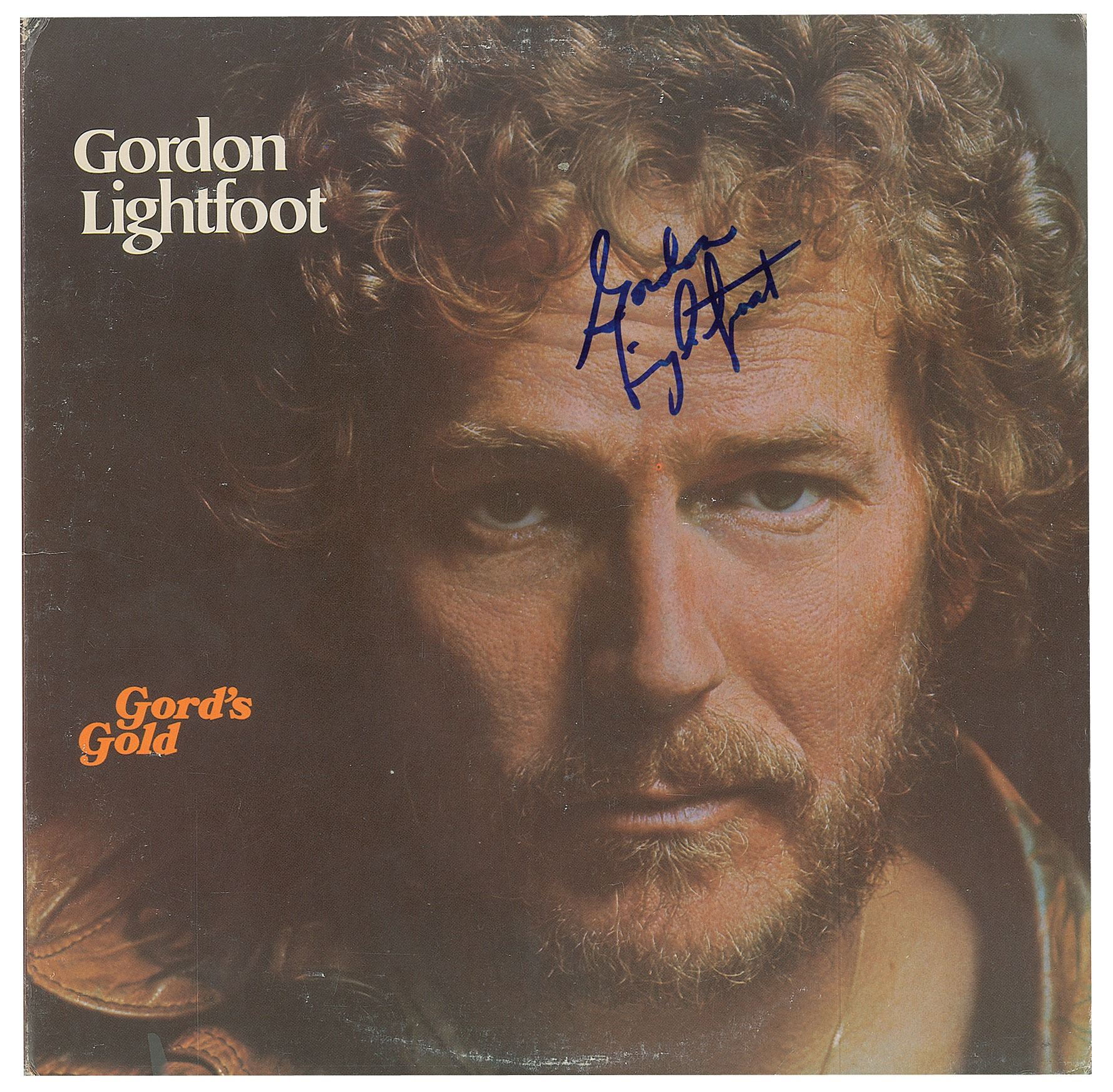
Today is the anniversary of the wreck of the Edmund Fitzgerald and I thought in honor of Gordon Lightfoot’s epic song about that tragedy and his birthday later this month, I’d present another Lightfoot favorite of mine…Sundown.

I can see her lyin’ back in her satin dress

In a room where ya do what ya don’t confess

Sundown you better take care

If I find you been creepin’ ’round my back stairs

Sundown ya better take care

If I find you been creepin’ ’round my back stairs

She’s been lookin’ like a queen in a sailor’s dream

And she don’t always say what she really means

Sometimes I think it’s a shame

When I get feelin’ better when I’m feelin’ no pain

Sometimes I think it’s a shame

When I get feelin’ better when I’m feelin’ no pain

I can picture every move that a man could make

Getting lost in her lovin’ is your first mistake

Sundown you better take care

If I find you been creepin’ ’round my back stairs

Sometimes I think it’s a sin

When I feel like I’m winnin’ when I’m losin’ again

I can see her lookin’ fast in her faded jeans

She’s a hard lovin’ woman, got me feelin’ mean

Sometimes I think it’s a shame

When I get feelin’ better when I’m feelin’ no pain

Sundown you better take care

If I find you been creepin’ ’round my back stairs

Sundown you better take care

If I find you been creepin’ ’round my back stairs

Sometimes I think it’s a sin

When I feel like I’m winnin’ when I’m losin’ again

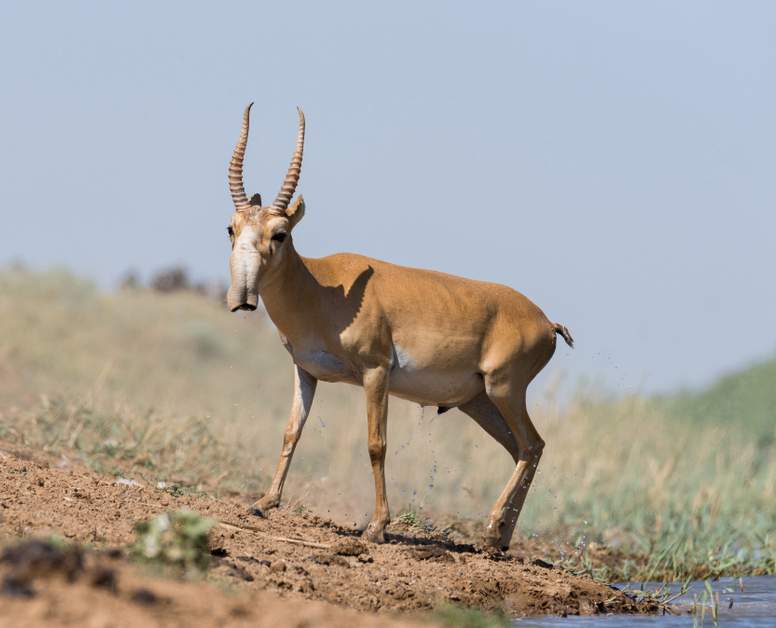
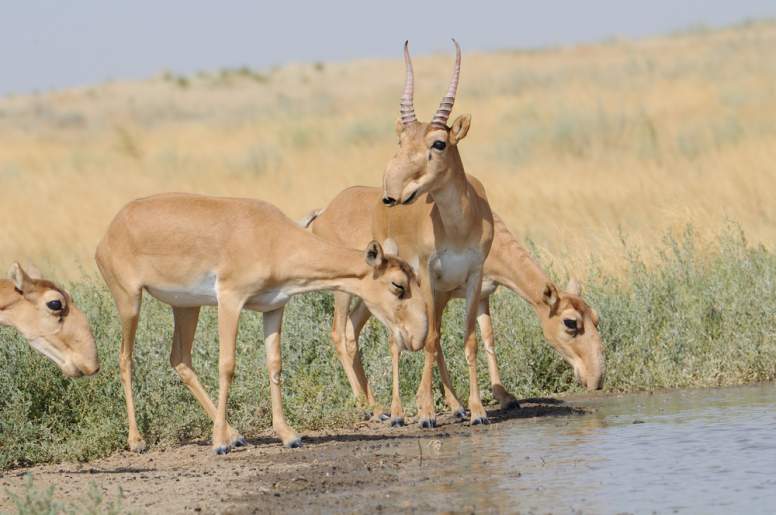
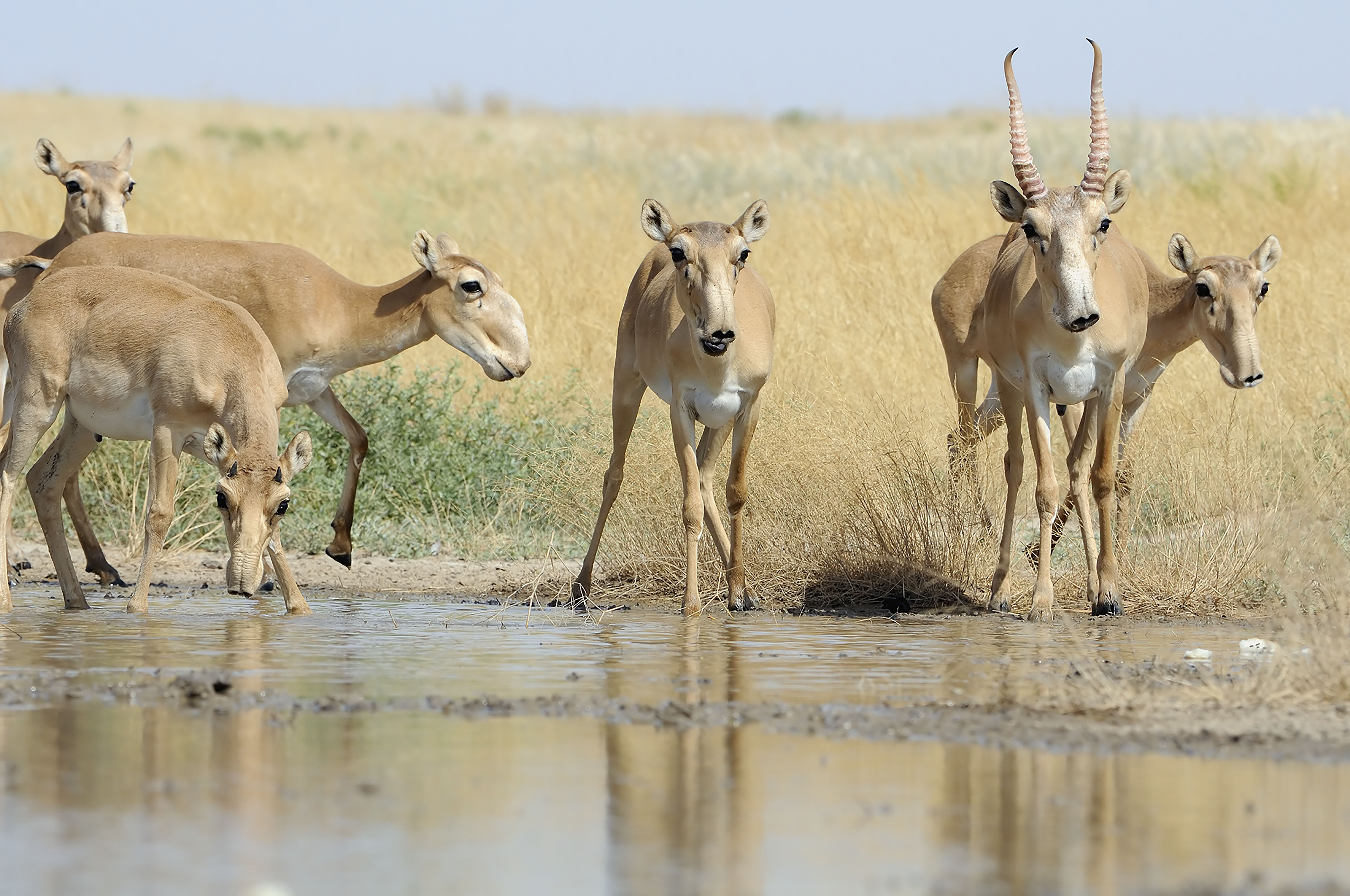
Saiga Antelope

The Saiga Antelope originally inhabited a vast region of the Eurasian steppe zone. Their range once went from the foothills of the Carpathian Mountains and Caucasus to Dzungaria and Mongolia.

The dominant species of this animal is currently found in just one location in Russia and three areas in Kazakhstan. Some of the animals located in the Ustiurt region of Kazakhstan migrate south to Uzbekistan and as far as Turkmenistan in winter.

The Saiga antelope is extinct in China and Mongolia. Due to extensive hunting in Romania and Moldova, it is extinct in those areas as well. A Mongolian subspecies is all that remains in Mongolia.

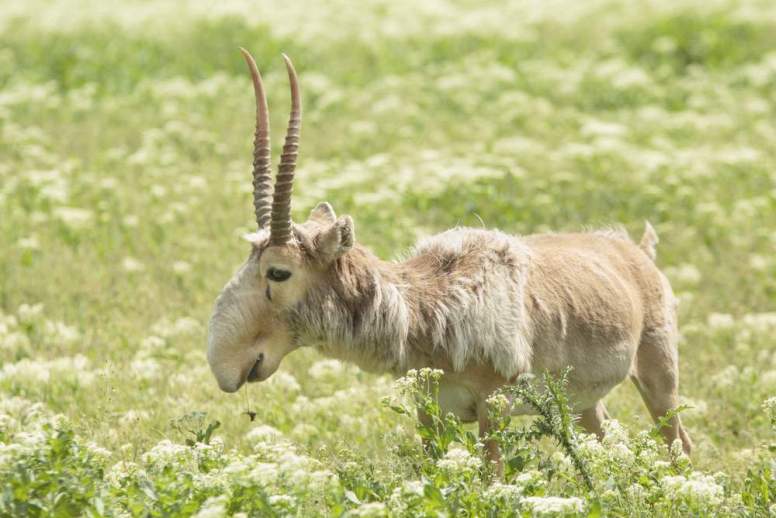
They have an unusual hanging nose, which makes them look like a camel, although they are goat-sized, and male saigas have horns.

The saiga antelope typically forms rather large herds that will graze in various landscapes including steppes, semi-desert, grasslands and sometimes open woodlands.

Their diet consists mostly of several plant species as well as some that are poisonous to other animals. Their range is also vast as these animals can cover great distances. They will swim across rivers, but tend to shy away from steep or rugged regions.

Saiga antelopes have a head and body length of between 3 and 5.6-feet. Their tail can be between 2.4 and 5.2-inches in length and they can have a shoulder height of 2 to 2.6-feet. Depending on the sex and age, saiga antelopes can weigh between 57 and 152-pounds.

They have a very unusual looking face with a large, inflatable nose that makes them look a bit like a camel although the body structure of the saiga strongly suggests a similarity to small sheep. Saiga antelope also have long, spindly legs that aid in their speedy travel.

Their coat is a cinnamon buff to yellowish red in color and somewhat lighter on the under belly. During the summer, the coat is thinner and light while during winter it becomes thick and denser. It is also almost twice as long in the winter and almost 70% thicker than the summer coat. Their waxy-colored horns are semi-translucent and grow to between 8 and 10-inches in length. They contain several rings around the bottom two-thirds of their length.

The Memorandum of Understanding (MoU) Concerning Conservation, Restoration and Sustainable Use of the Saiga Antelope was concluded and put into effect in September 2006. It was under the auspices of the Convention on Migratory Species of Wild Animals (the Bonn Convention).

The decline in the saiga antelope population has been identified as one of the fastest population collapses of large mammals in recent memory. The MoU was developed to assist in reducing the exploitation of the animal and to restore its population in Central Asia.

Interesting Saiga Antelope Facts

Their inflatable, humped nose which hangs over its mouth and points downwards helps filter out dust kicked up by the herd.

It also helps cool the animals blood quickly. They also have a large head that has a bulging shape.

Only male Saiga Antelope have horns.

These horns are thick, wax colored, slightly translucent and can grow as long as 15 inches in length.

These animals are known for extensive migratory habits.

The saiga antelope is much like the Mongolia gazelle in that they will travel great distances to avoid any kind of natural disaster.

A number of different predators threaten the existence of these creatures.

In addition to hunting by man, the saiga is vulnerable to wolves. Younger saigas are the target of foxes, ravens, dogs, steppe eagles and golden eagles.

The use of the saiga antelope horn for medicinal purposes has greatly impacted the animal population.

Traditional Chinese medicine has been responsible for the demand for saiga antelope horns. The horns sell for as much as $150 USD and poachers and smugglers have contributed to the extinction of this animal in China.

Although it is probably not a record, Chinese customs officials at the Kazakh Border uncovered a huge shipment of saiga horns in 2014.

A total of 66 cases were seized containing a total of 2,351 saiga antelope horns. The estimated value at the time was over $11-million USD. That would have made each horn worth just over $4,600 USD.

The hunting of saigas has gone on for many centuries.

In fact, estimates point to saiga antelope hunting dating back as far as prehistoric times when hunting was the primary source of food collection.

The saiga antelope has commercial value in the consumer marketplace.

In addition to horns, saiga antelope meat and skin are exported annually from Kazakhstan.

Saiga horn, known as comu antelopis, has many uses in traditional Chinese medicine.

The horn is used as an extract or powder additive which is mixed into elixirs, drinks and ointments for various remedies.

The banning of rhinoceros horn in 1993 has aided the shift in use to saiga horn.

Although the rhinoceros horn has a greater value, following the banning of its use, saiga horn became the logical and affordable alternative in many recipes used in traditional Chinese medicine.

Although the hunting and trade of saiga antelope horns is considered illegal, it still happens.

In fact, horn products are easy to locate and purchase in a variety of venues and businesses. They are also sold openly and publicly.

The meat of the saiga is popular.

Not only is it comparable to that of lamb, saiga meat is said to be both nutritious and delicious. It is also not that difficult to locate recipes for cooking the meat.

Over a 34 year period, massive numbers of saiga antelope were hunted and killed for their meat.

Between 1955 and 1989 over five million saiga antelope were killed in Kazakhstan. It totaled well over 87-thousand tons of meat.

The skin of the saiga is also valuable.

About 45 to 80 square decimeters of skin can come from a single saiga antelope, depending on age and sex. The skin is used for producing suede as well as box calf.

The saiga has varying degrees of sensitivity to their senses.

These animals have both poor hearing and a poorly developed sense of smell. However, their eyesight is considered to be acute. In fact, the saiga can see danger as far as a kilometer away.

SOURCE: FACT ANIMAL

What Shall We Make Today?

(Pat’s Note: This is a guest open from my hubby.)

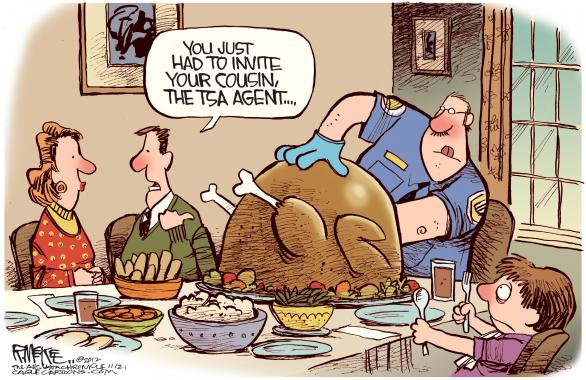
In keeping with the Thanksgiving theme of the month, today’s recipe is for an important part of the Thanksgiving meal…the gravy!

You can simmer, you can stir, but for the absolute best turkey gravy?  Simply open and heat.

(Pat again) This is something we disagree on, but since I rarely eat gravy anyway, I’ll allow it…LOL

101 Greatest Animal Facts: Part 2

The Edible Dormouse (Glis glis) is able to hibernate the longest – up to 11-months of the year when food availability is low.

To be able to pull of this feat, they double or even triple their body weight before hibernation. During hibernation they are able to reduce their metabolic rate and the animal may stop breathing for periods of up to an hour at a time.

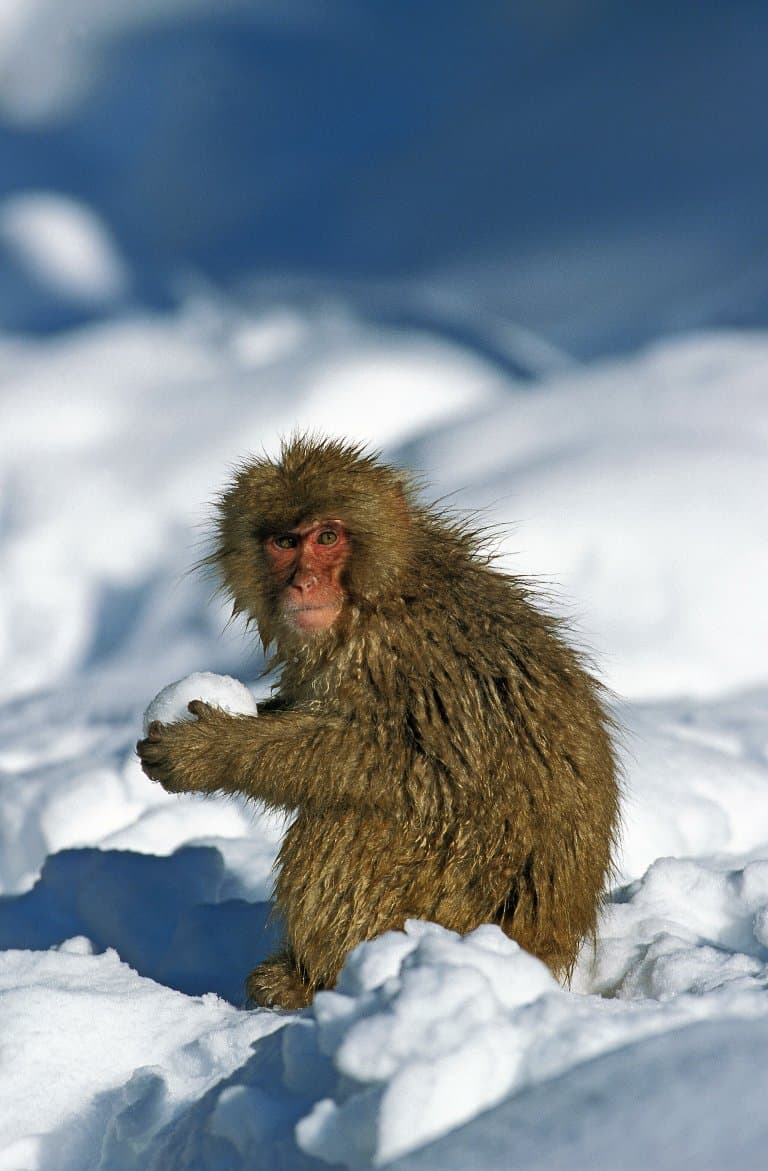
Japanese Macaques play with snowballs for fun.

These snow monkeys have been observed rolling up snowballs, then pushing them down hills just for the heck of it. Others gather lumps of snow in a ball and carry them around, proudly sometimes to the envy of other monkeys who try to steal it.

Sperm whales are the world’s largest predator.

They can be up to 20m long and weigh up to 80 tons. These giant whales dive down to almost 3,000m below the surface where they hunt giant squid. Giant squid can be the same size or bigger than sperm whales and will fight viciously with them. Adult whales can be seen with scars on their heads from the beaks of giant squid.

The largest insect to ever live was a “dragonfly” with a wingspan of over 2 and a half feet across.

They are called Meganeuropsis and were around 247 million years ago. They were proficient predators, with large mandibles that they used to capture fish, amphibians and insects.

Koala’s have fingerprints almost identical to human.

It is so hard to distinguish between the fingerprints of koalas and humans that even under a microscope it is hard to tell. There are even reported cases of a koala’s fingerprints confusing forensics at crime scenes.

Greenland sharks are the longest living vertebrates on earth, with one individual thought to be over 400 years old

Greenland sharks are giant, reaching up to 5m in length, and live in the cold deep waters of the North Atlantic. They are rarely seen, and little is known about them.

The blood ‘Dracula ant’ has the fastest recorded animal movement when it snaps its mandible.

This cannibalistic ant can go from zero to 200mph in 0.000015 seconds when it snaps its mandibles, that’s roughly 5,000 times faster than human’s blink. This is the fastest recorded movement in the animal kingdom.

The box jellyfish is considered the most venomous marine species in the world.

These cube shaped jellyfish have long tentacles and can be over 3m in length. Their toxin, delivered via stinging cells in their tentacles, is so potent that many die before they can even reach the shore.

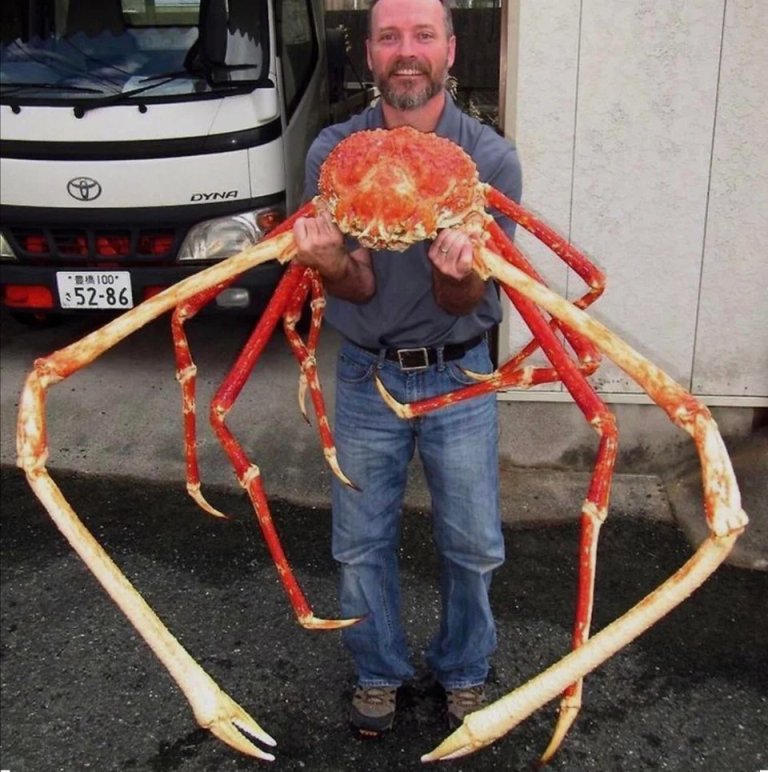
The Japanese Spider Crab has the longest leg span of any arthropod.

From the tip of one claw to the other can be as long as almost 4m! Japanese spider crabs have 10 legs stretching out from a central body, giving it its spider like appearance. They live deep in the oceans south of Japan.

Some albatrosses are lesbians.

Albatrosses form bonds for life, returning to the same place every year to raise their young. Some of these bonds are between two female albatrosses, with a study finding that in one breeding area 31% of pairs were two females.

Some corvids (crows, rooks, ravens etc,) can understand physics.

Corvids are highly intelligent. They can use tools, solve puzzles, recognize faces, and even understand physics. Tests show that rooks have the same level of understanding of physics as a 6-month-old baby, which is higher than some apes.

Sheep can recognize faces.

As social animals, sheep are capable of recognizing familiar and unfamiliar faces. Studies even suggest that they miss other sheep when they are taken away for a long time afterwards.

Tardigrades can survive in space and go without eating for more than 10 years.

Tardigrades are microscopic animals with crazy endurance abilities. They can survive in temperatures as high as 149oC or as low as -272oC and pressures 6 times more intense than the bottom of the ocean. They also look like tiny bears!

Duck-billed platypus don’t have nipples, instead they concentrate milk to their belly and feed their young by sweating it out.

The milk emerges from pores in the skin of the abdomen which the platypus puggles then lap up.

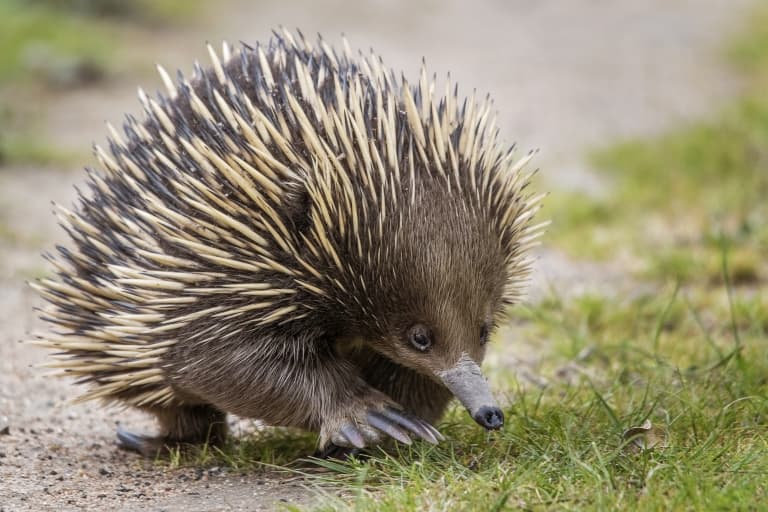
Echidnas are relatives of duck-billed platypuses and have a beak, spikes, a kangaroo-like pouch, and lays eggs.

They are small at just 30–45cm and are known as spiny anteaters. One of the few egg-laying mammals, echidna lay a tiny egg which is then transferred into a kangaroo-like pouch where it then hatches.

Rabbits don’t have pads on their paws. Only fur.

Rabbits are a bit like hobbits, in that they have furry feet! They are the only land mammals that do not have paw pads. Paw pads are thought to help animals run faster, whereas rabbits move in a different way, and the thick fur still provides cushioning.

The Yangtze giant softshell turtle is the biggest freshwater turtle in the world.

It weighs between 330 to 485 pounds and is over 39 inches in length. They are found primarily in the area of the Yangtze River in China.

Pea Crabs are miniature crabs that spend their whole lives inside oysters, clams, and mussels.

Named because it is the size of a pea, this tiny crab relies entirely on its host for food.

The Mariana snailfish is the deepest fish in the ocean, living up to around 8,000m below the surface.

They live down in the deepest trenches of the ocean where they hunt invertebrates, such as crustaceans and shrimp.

The shoebill stork can swallow baby crocodiles whole.

These huge birds are over a meter tall (up to 5 feet) and have a wingspan of more than 2 m (almost 8 feet!). Its name comes from its huge beak which is over 20cm long and almost that wide. Along with lungfish, it also eats baby turtles and baby crocodiles whole.

Lungfish are the only fish that have both lungs and gills.

This allows them to survive when the water in their ponds/lakes dries up.

Electric eels are in fact not eels, and give a shock strong enough to knock out a horse.

In the Tennessee Aquarium an electric eel’s tank has been hooked up to a computer programmed to send out a tweet whenever the eel produces enough electricity.

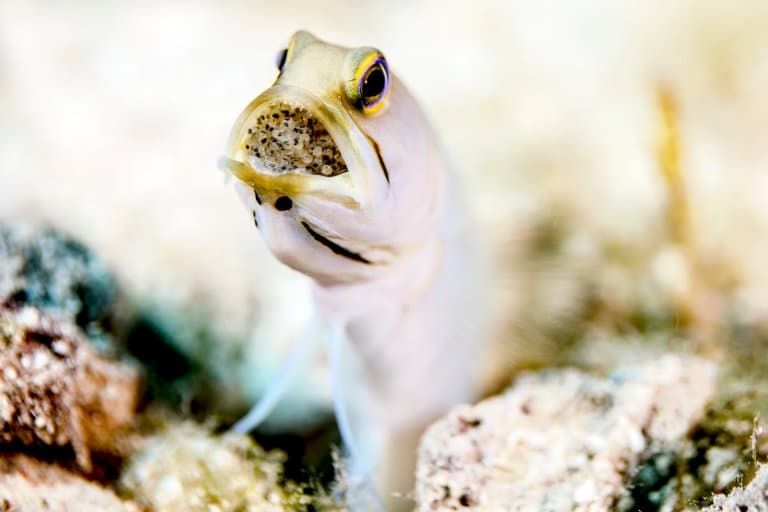
The yellowhead jawfish incubates its eggs in its mouth.

The male gathers up all of the eggs once they’ve been fertilized and stores them in his mouth until they hatch.

The patu digua is thought to be this smallest spider in the world at just 0.37 mm.

This Colombian spider is about one fifth the size of the head of a pin.

Vampire bats share blood with their friends.

Vampire bats need to eat blood at least every 48 hours to survive. Bats will share blood after a good meal with another bat that’s fed them in the past.

The U.S. military trained bottlenose dolphins.

Bottlenose dolphins were used in both the Vietnam and the Gulf to detect enemy swimmers trying to plant explosives on ships.

Wojtek the bear was a corporal in the polish military during WWII.

Wojtek was brought by polish shoulders while in Iran. He was made an officer so that he was allowed rations and eventually was promoted to corporal. He helped out by carrying boxes of ammunition.

Horned lizards shoot blood out of their eyes.

To scare of predators, this lizard shoots blood out of its eyes.

Cuckoo birds hide their eggs in the nests of other species.

The other bird species then raises the cuckoo chick as if it were its own, and the cuckoo mother doesn’t have to do any of the work.

Elephants mourn their dead.

Elephants will return to the place where family members died and stand in silence over the bones, sometimes bowing their heads.

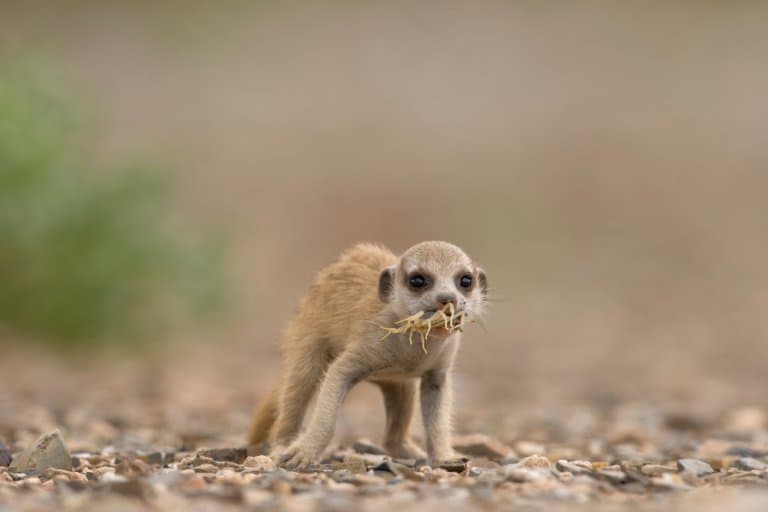
Meerkat parents train their offspring to hunt scorpions.

They will bring back dead or almost dead scorpions back to the younger ones so that they can practice killing them without getting stung.

Only 3-5% of mammals are monogamous.

The majority of mammals are not monogamous, making humans unusual.

Gorillas have been seen dismantling traps set by poachers.

Poaching is a big problem for gorillas, but young gorillas have learnt how to trap and dismantle snares.

The earliest found depictions of dogs come from 8,000 years ago.

Dogs have been human-kinds best friend for a long time, with a carving in a rock face in Saudi Arabia showing a man hunting with 13 dogs. Two of them even have leads!

Cats were domesticated 9,500 years ago in Ancient Egypt.

They were worshiped in Ancient Egypt and some historians report that it was illegal to kill a cat.

Emperor penguins are the world’s biggest penguins, and they trek 31–75 m across the Antarctic to reach breeding colonies.

The impressive emperor penguins reach 100 cm (39 in) in length and weigh 49 to 99 lb. They breed during winter, when they emerge from their more natural habitat in the ocean to trek long distances over treacherous ice.

Yaks are specially adapted to high altitudes, with a huge lung capacity and small red blood cells.

Native originally to Tibet, these giant oxen-like animals live at high altitudes in the Himalayas (4,000–6,000 metres). They are specifically adapted to the low oxygen levels with a lung capacity that is ~3 times that of normal cattle, and have smaller red blood cells to improve oxygen transport.

Cuvier’s Beaked whales are one of the deepest diving mammals and can collapse their lungs to survive the high pressure.

One of the deepest diving mammals, one individual was recorded diving down to 9,816ft below the surface. The pressure at these depths is so high that in order to survive it they have to collapse their lungs.

Orangutans are the heaviest tree-dwelling animals.

There are three species of orangutan and adult males of all three typically weigh around 165lb while females are 82 lb. They are 5ft tall and have a huge arm span of 6ft. They spend most of their time up in the canopy, making them the heaviest tree-dwelling animal.

Chimpanzees are very intelligent and make all kinds of tools.

For example, some use long sticks to fish out termites from their mounds. Other chimps have been recorded creating “spears” to hunt bushbabies!

Shrike’s impale their prey on sticks to save them for later.

Also known as “butcherbirds” they are famous for being fairly brutal songbirds. They catch all kinds of animals, including crickets, lizards, and small birds, and impale them on sticks to save them for later.

Vultures urinate and defecate on their own legs and feet to cool off on hot days.

This a cooling mechanism called ‘urohydrosis’. Weirdly this can also help kill any bacteria picked up from walking through dead animals which they prey upon.

The wood frog spends 7 months of the year frozen.

These Alaskan frogs freeze almost completely at the start of winter, with two-thirds of their body water turning into ice. To all intents and purposes, they seem dead; their heart stops beating, and their blood flow stops. However, once winter starts to thaw so do they and they hop back to life.

Certain animals have anti-freeze proteins that allow them to survive extreme temperatures.

These anti-freeze proteins prevent water in the cells of the animals from crystalizing and forming ice. Examples of animals with this superpower include the winter flounder and the eelpout.

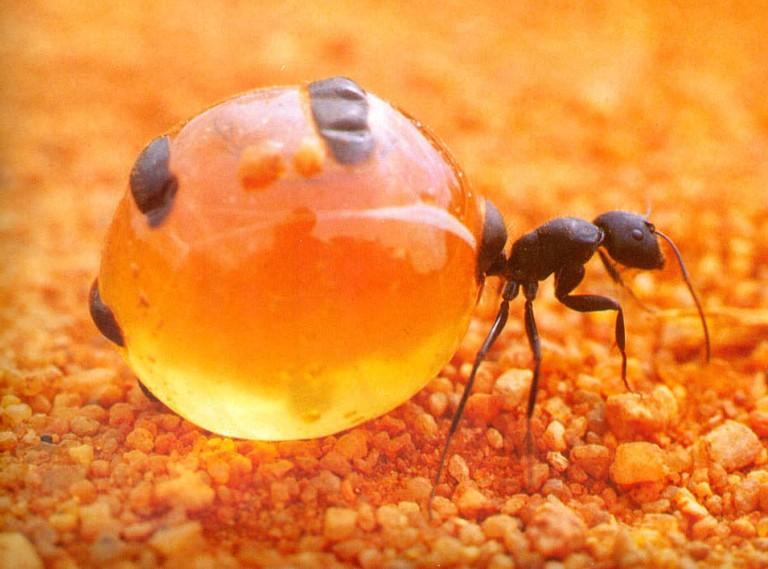
Honeypot ants swell up to a huge size with food.

Honeypot ants have to be seen to be believed. During wet season, certain ants consume huge amounts of nectar, making their abdomens swell up to the size of a grape. Then, during dry season, they provide the other ants with food by throwing the nectar back up again. Yum!

The lesula, discovered in 2007, has giant human like eyes and a blue bottom.

This relatively newly discovered monkey lives in the Congo. The lesula eyes are very distinctive because of their human-like appearance, as are their bright blue bums.

The Donald Trump caterpillar looks identical to the ex-president’s hair.

This species of caterpillar, prior to 2016, was known as the Flannel Moth Caterpillar (Megalopyge opercularis). It gained popularity as it is very furry and bright orange, giving it an uncanny resemblance to Trump’s hair. This ‘fur’ however, is actually composed of multiple venomous ‘hairs’. Grabbing hold of one of these caterpillars is a painful experience.

Bees have 5 eyes. 2 at the front like a fly, and 3 smaller eyes like a spider.

The three ‘ocelli’ eyes on the top of its head detect light, so the bee can sense if it’s being approached by a predator.

Giant vampire bats lived 100,000 years ago and had a wingspan of 20 inches.

These giant bats were roughly 30% larger than the modern vampire bats. The remains of one were recently found in a cave in Argentina.

There are no ‘male’ Mourning geckos.

They are an all-female species, as they are ‘parthenogenetic’, meaning it can reproduce without males. Around 70 species in the world have shown this behavior, including some crabs, snails and the Komodo dragon.

There are an estimated 8.7 million species on earth and more than 80% of them are undiscovered.

Based on current data, complex statistics, and models we can predict how many species there are on Earth, telling us how many are still left to be found. It will likely take another 500 years to find them all.

SOURCE: FACT ANIMAL

101 Greatest Animal Facts Part 1

Fact Animal is one of my favorite sites for information about animals.  I found this article the other day and wanted to share.

From Fact Animal:

Here’s our big list of the 101 greatest animal facts. This includes some of the most asked, fun, surprising and crazy animal facts from across the animal kingdom. The loudest, deadliest, fastest, largest, most bizarre and random, are all here in our big animal fact list.

The loudest animal in the world is a mere 2cm long, prawn. The Pistol Shrimp is capable of snapping its claw shut so rapidly, that it creates a bubble which collapses to produce a sonic blast, louder than a Concorde’s sonic boom.

The shock wave can reach 230 decibels, also louder than the sound of a gunshot. The imploding bubble for split seconds also generates temperatures of 4,400C, nearly as hot as the sun, killing its prey.

Flamingos are not pink. They are born gray, their diet of brine shrimp and blue green algae contains a natural pink dye called canthaxanthin that makes their feathers pink.

Flamingos in zoos often lost their coloring, until zoo keepers supplemented their diet.

Otters “hold hands” while sleeping, so they don’t float away from each other.

And it’s super-cute.

Hummingbirds are the only known birds that can also fly backwards.

They often do this when retreating away from flowers.

Dolphins use toxic pufferfish to ‘get high’.

Dolphins deliberately handle pufferfish causing them to release toxins as a defense mechanism. These toxins can be deadly in high doses, but also have a narcotic effect – and are a powerful hallucinogenic, which dolphins appear to enjoy. A documentary witnessed them passing around pufferfish in a pod, before floating just underneath the water’s surface, apparently ‘mesmerized by their own reflections’ afterwards.

The Inland Taipan (also known as, the Western Taipan) is the most venomous snake in the world. A single bite contains enough venom to kill at least 100 fully grown men, and can kill within just 30 minutes, if left untreated.

They very rarely ever come in contact with humans, however. Every reliable identification of a snake bite victim from an Inland Taipan have been herpetologists, when handling or studying the snakes. They have all survived, due to successful treatment with antivenom.

The world’s deadliest animal isn’t a shark, bear or tiger, but something far smaller – the mosquito. According to the World Health Organization, 725,000 people are killed each year from mosquito-borne diseases, such as Malaria, dengue fever and yellow fever.

Mosquito outnumber every other animal in the world, apart from ants and termites. They can also be found in nearly every part of the world, which all add up in the risk they pose to humans.

There are more than 1.4 billion insects for EACH HUMAN on the planet, according to recent estimates.

Ants have colonized almost every landmass on Earth. Their population is estimated as 107–108 billion alone, in comparison to approx. 7 billion humans on the planet.

The shortest living animal in the world is the Mayfly. Its entire adult lifespan is just 24hrs.

The Mayfly reproduces and then dies, during that short 24hr period of life. Some species of Mayfly only live for 8-10 hours. Although they have the shortest adult lifespan, they actually exist as a nymph in water from 3-7 years, depending on species. 

The horned lizard is able to shoot blood from its own eyes, up to a distance of 3 feet away. The rather bizarre and disgusting act is a defensive mechanism to confuse predators.

Their blood contains a chemical that is noxious to predators, and this isn’t its only trick – short-horned lizards are also capable of inflating their bodies up to twice their size to scare anything away.

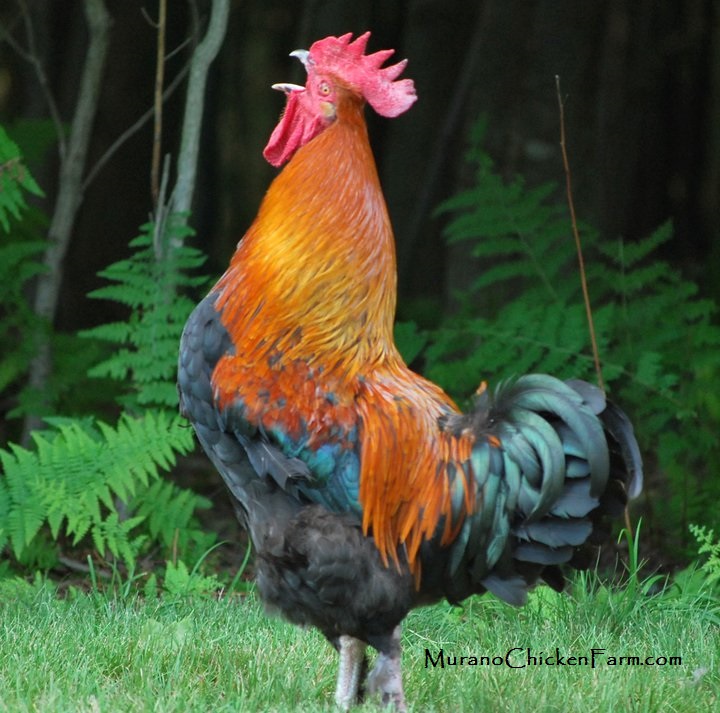
Roosters prevent themselves from going deaf due to their own loud crowing, by tilting their head backs when they crow, which covers their ear canal completely, serving as a built-in ear-plug.

A study showed that their crowing averages over 100 decibels, which is roughly the same as running a chainsaw.

Little is known about the elusive Giant squid, however the largest squid ever found measured over 50 feet and weighed nearly a ton.

To put that in perspective, that’s bigger than a bus.

The pangolin is able to roll up into an armor-plated ball, so lions can’t eat them.

If only this worked for poachers, who simply pick them up when they roll into a ball.

Koalas can sleep for up to 22 hours a day.

Koala need more sleep than most animals, because their diet of eucalyptus leaves contain toxins, are very low in nutrition, and high in fibrous matter – so they take a large amount of energy to digest!

Swifts spend most of their lives flying in the air, and can fly for almost an entire year, without ever landing.

A study showed that over a 10-month period, a swift stopped for just 2 hours.

Even after having its head cut off, a cockroach can still live for weeks.

Even stranger, a cockroach’s head can actually survive by itself for a few hours, too.

A group of parrots is known as a pandemonium.

And the collective noun for porcupines, is a prickle.

Cows poo up to 15 times a day, which can be as much as 115 pounds of manure per day, or approximately 21 tons per year.

The large quantities are often put to good use, though – manure, to fertilizer, to fuel, or biogas to create electricity and heat for developing parts of the world.

A common garden snail has 14,000 teeth.

Their microscopic teeth are called radula, and some species actually have over 20,000 teeth.

A Blue Whale’s tongue can weigh as much as a car, or a small adult elephant.

A Blue Whale’s tongue can weigh approx. 2.7 tons, or 6,000 – 8,000 pounds (2,720 – 3,630 kg).

The longest living, verified animal is a Madagascar radiated tortoise, which died at an age of 188 years in May 1965.

However, there might be even older. Adwaita, an Aldabra giant tortoise, died at an estimated age of 255 in March 2006 in Alipore Zoo, Kolkata, India. If verified, it will have been the oldest terrestrial animal in the world.

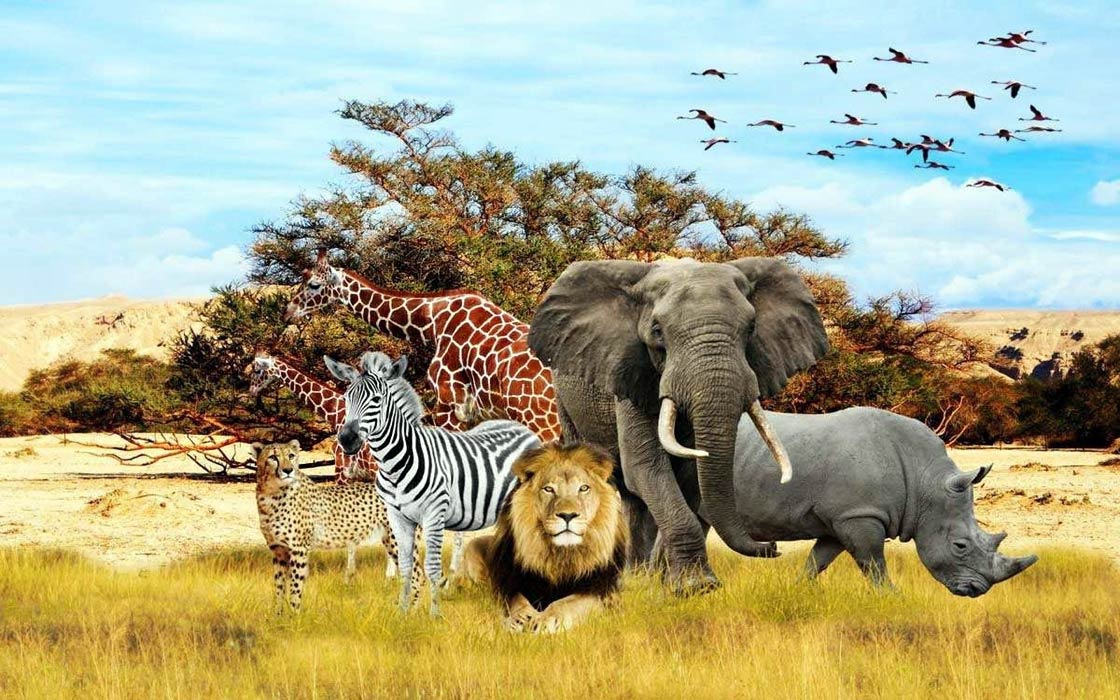
The fastest land animal on the planet is a cheetah. It can reach speeds of up to 75 mph (120 kph).

While the Peregrine Falcon is the fastest bird, with a diving speed of 242 mph (389 kph). The fastest animal in horizontal flight is the Brazilian free-tailed bat, which can reach speeds of 100mph. The sailfish and black marlin are joint fastest sea animals, and can swim up to 22 mph (36 kph).

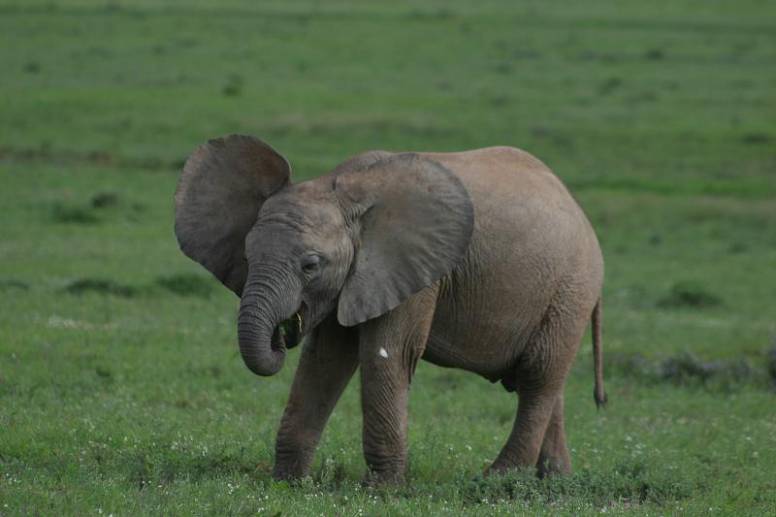
Baby elephants suck their trunks for comfort.

Just like babies and young children suck their thumbs, awwww.

The Nile crocodile’s jaws can apply 5,000 pounds of pressure per square inch – the strongest bite of any animal in the world.

A human’s jaw produces 100 pounds of pressure per square inch in comparison. A Nile crocodile’s bite is 10 times more powerful than that of a great white shark.

Axolotl are able to regenerate lost limbs and body organs.

Mexican walking fish can regrow the same limb up to 5 times, and even regenerate parts of its brain.

The Giant Pacific Octopus has 3 hearts, 9 brains and blue blood.

They are also able to change their color and texture to camouflage themselves in a blink of an eye.

A flea can jump distances 200 times their body length.

They are able to jump 10 inches vertically and up to 18 inches horizontally, making them one of the planets best jumpers relative to its size. It’s equal to a human jumping as high as the Empire State Building in New York.

The male seahorse goes through pregnancy and gives birth to babies. They are the only animal on earth where the male carries the baby rather than the female.

The male seahorse has a pouch on its stomach in which to carry babies—as many as 2,000 at a time.

Pufferfish can contain a tetrodotoxin, a toxin that is up to 1,200 times more deadly than cyanide to humans. There is enough toxin in one pufferfish to kill 30 adult humans, and there is no known antidote.

Amazingly despite this, some pufferfish meat is considered a delicacy in Japan. The meat called Fugu, is expensive and only prepared by licensed chefs with over 3 years of rigorous training who remove toxic parts of the meat for diners.

The loudest animal relative to size is the Water Boatman, which measures at just 12mm long, but can produce 99 dB of sound by rubbing its genitalia across its abdomen.

This is the equivalent noise level of operating a circular saw, or a drill.

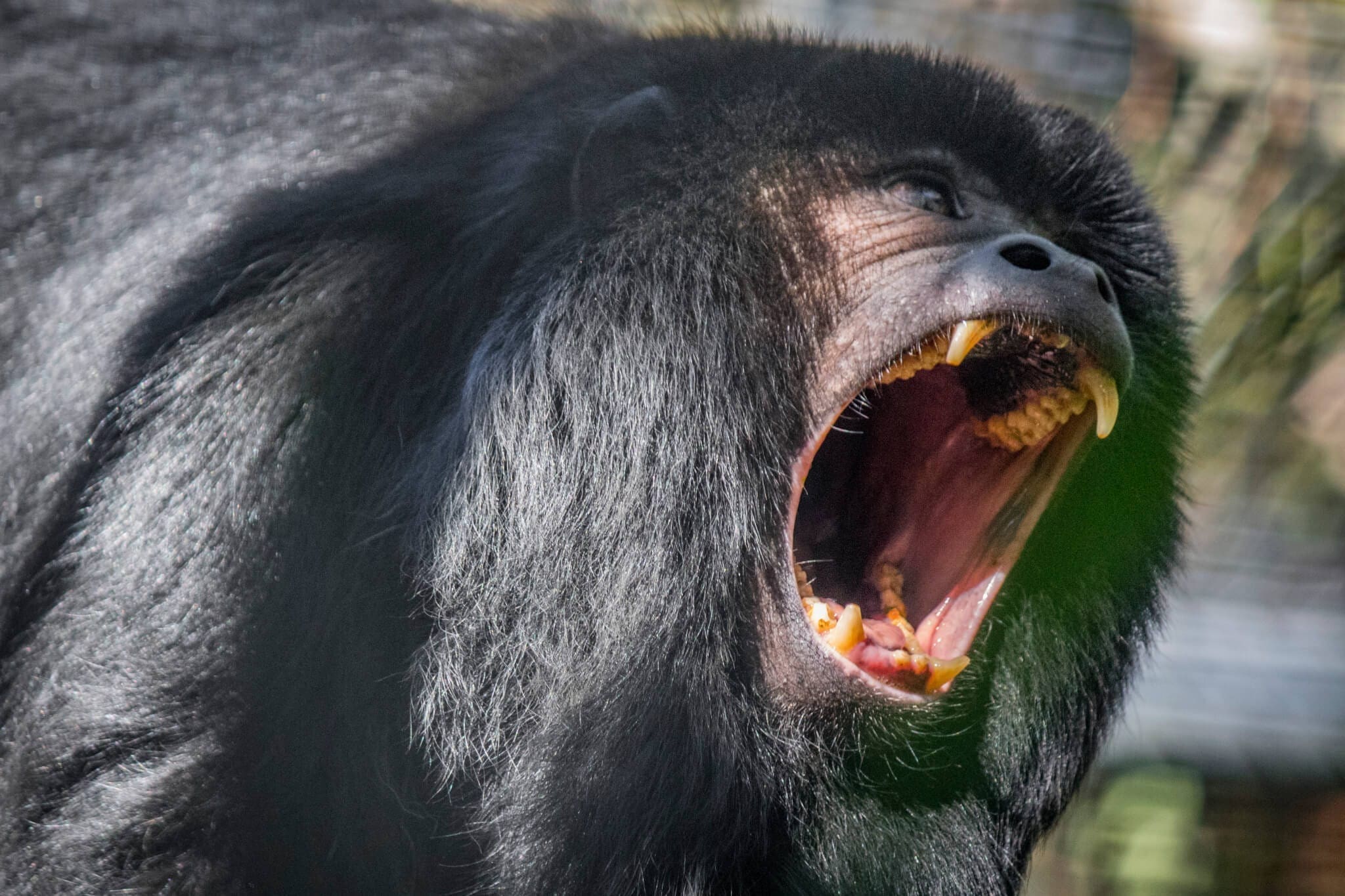
The howler monkey is the loudest land animal. Its calls can be heard from 3 miles away.

At its peak, the howler monkey can produce sounds that reach 140 decibels. That’s as noisy as a jet engine, on takeoff!

There is an average of 50,000 spiders per acre in green areas.

There are over 45,000 known spider species, with the venom of a few only known to be dangerous to humans.

The aptly named colossal squid’s eyes are as large as a basketball.

This allows the colossal squid to detect the faint light of a predator from over 400 feet.

White-tailed jackrabbits are the greatest land jumpers, having been recorded leaping an astonishing 21ft vertically.

That’s higher than 3 average sized men all stood on top of each other. This large species of hare can also run up to 35mph when escaping predators.  

Grey-headed Albatross can circle the globe in only 46 days.

The incredible round-the-world journey covers 14,000 miles over the 46 day period at a steady 13mph. The grey-headed albatross perform this feat by making various pit-stops along the way.

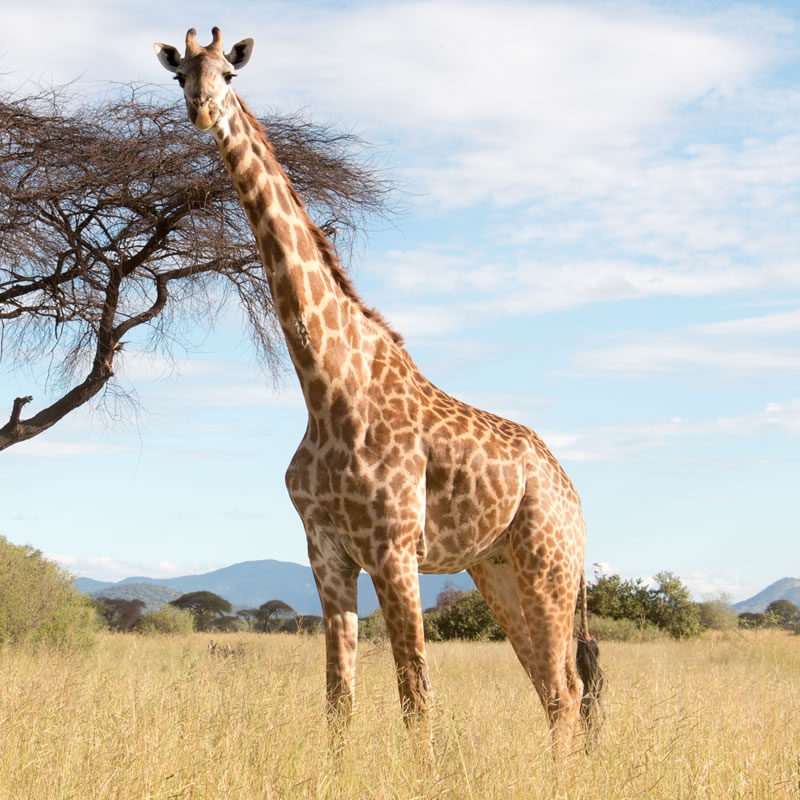
Giraffes are the tallest land animal in the world, reaching heights of 19ft. The ostrich is the world’s tallest bird. It can grow up to 9 feet tall.

Over 7ft of a giraffe’s total size is its famously long neck, which helps it reach leaves in tall trees.

An ostrich legs are so powerful that their kicks can kill a lion.

Or a human! Each two-toed foot has a long, sharp claw – making them formidable weapons. Animals often end up running away from the ostrich.

The dementor wasp paralyses cockroaches with venom to its head, turning them into a zombie-like state. The toxins leave the cockroach unable to control its own movements, which incredibly makes it run into the wasp’s nest to meet its demise.

The venom is thought to cut brain activity that makes cockroaches sense fear and run away to safety. The dementor wasp will then lay eggs on the cockroach to act as an incubator for its young.

More than half of all pigs in the world are kept by farmers in China.

There are over 440 million pigs in China. United States in comparison has a mere 73 million pigs.

Polar bears have jet black skin under their white fur coats.

It helps them absorb heat to keep warm, while the white fur helps provides camouflage in the snowy and icy environment they live.

Giant anteaters consume up to 35,000 ants and termites in a single day.

They use their long sticky tongues to slurp up hundreds of ants per minute. Interestingly, anteaters purposefully never destroy an ant nest, preferring to leave some ants alive to rebuild, so it can return and feed again in the future.

The little known pangolin is the worlds most poached and trafficked animal.

This is due to the high demand of their scales and meat in Asian cultures. 70% of Chinese citizens believe pangolin products have medicinal value, when it’s been scientifically proven to be false.

Great white sharks can detect a drop of blood in 25 gallons of water and can even sense tiny amounts of blood from 3 miles away.

They use their acute sense of smell to detect blood using an organ called the ‘olfactory bulb’.

The Naked Mole-Rat can live in an almost zero oxygen atmosphere.

Incredibly, in a zero-oxygen environment, the Naked Mole-Rat can still survive for up to 20-minutes without suffering any harm at all.

The smell of a skunk is powerful enough for a human to smell it up to 3.5 miles away.

The foul-smelling spray from a skunk can also cause skin irritation and even temporary blindness.

The most venomous fish in the world is the 30cm Stonefish.

Stonefish have 13 sharp fin spines on their back, each with two venom glands. Their stings are extremely painful, can be lethal to humans, and mostly occur as a result of stepping on the creature.

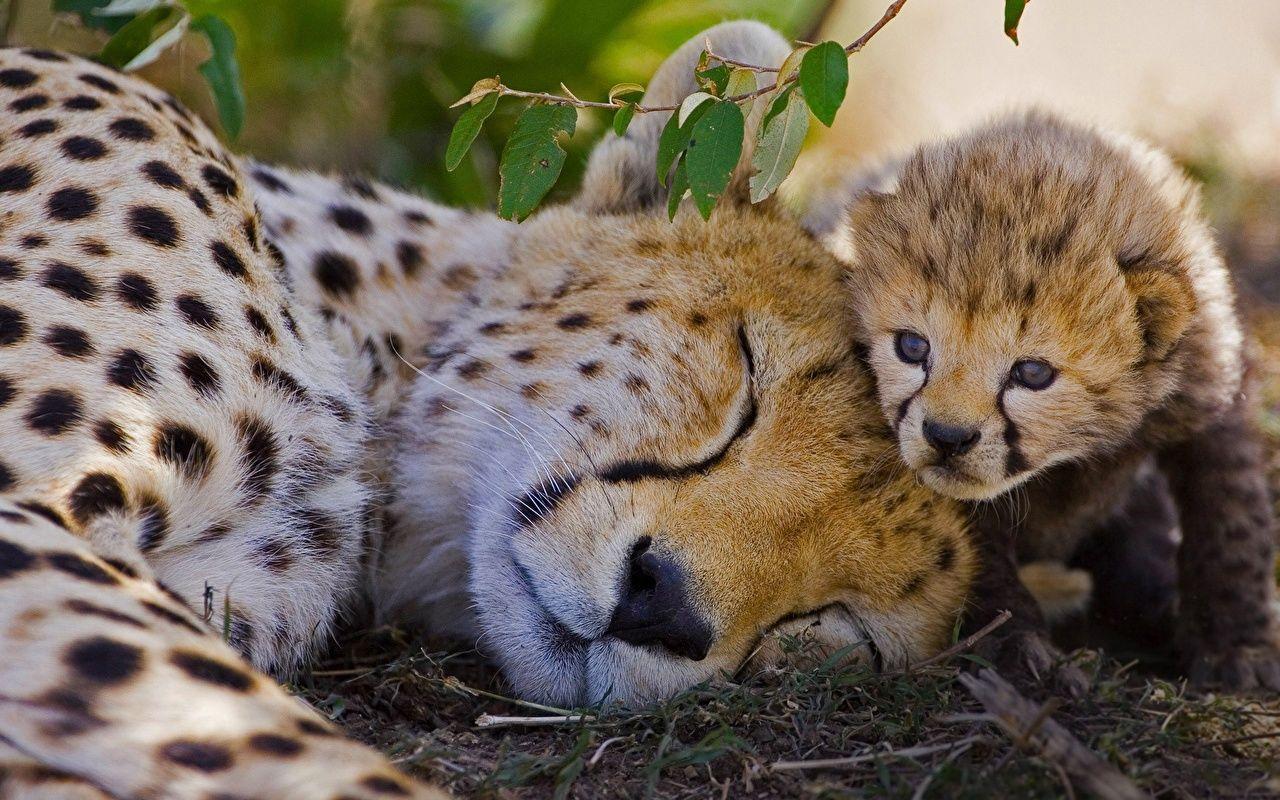
Only 5% of cheetah cubs survive to adulthood.

A study in the 90’s in the Serengeti found that 95% of cheetah cubs died before reaching adulthood. Many deaths were due to Lions, but also other predators and disease.

A tiger’s rear legs are so powerful, that they have been found remaining to stand even after death.

Tigers have been witnessed to have been shot, bled out, and died – and remained standing throughout.

A Rhinoceros‘s horns are made of ‘keratin’, the same type of protein that makes up hair and fingernails.

Some species of Rhinos have two horns, while others just have a single horn.

The Alpine Swift is able to stay airborne for over 6 months without touching down.

It holds the world record for the longest recorded uninterrupted flight by a bird, at over 200 days in the air as it hunted flying insects on its wintering range in the skies over West Africa. 

SOURCE: FACT ANIMAL

Peonies

Peonies are the spring-blooming stars of your garden. They have large, showy blooms, heady aromas, and loads of personality. By some estimates, there are as many as 33 different species within the genus Paeonia, known collectively as peonies. Most are herbaceous perennials, though a few are woody shrubs. Peonies are medium-sized, have tuberous roots that are a combination of thick storage roots and thin roots that are designed to absorb water and nutrients.  Careful handling of these roots is critical to planting or transplanting peonies, as well as when you are dividing plants to propagate them.

Slow-growing peonies are categorized in many different ways, such as by flower type or by growth habit. In addition to the familiar garden-variety herbaceous peonies with all their flower variations, there are special types such as fern-leaf peonies (Paeonia tenuifolia), a particularly sensitive and prized species, and tree peonies, which are woody, upright forms. These types have some special planting needs.

Bloom time for peonies varies from late spring to late summer, depending on variety, but all types are best planted in the fall, about six weeks before the ground freezes. This gives the plant time to settle in and establish roots before winter. This is especially true when planting bare root peonies or when transplanting, but even when planting potted peonies, fall planting gives better results than spring planting.

Peony Care

Peonies are classic garden plants that can thrive for decades with minimal care when planted in soil that meets their needs. One of the longest-lived of all garden plants, peonies are sometimes handed down from generation to generation in families. It is important to do the initial planting correctly because peonies can be temperamental about being moved once they are established.

Give each peony plant enough space to grow to maturitywithout being crowded. That means a 3- to 4-foot diameter for each plant. Choose a location that is sheltered from strong winds. The large heavy blooms of this plant can cause the stems to flop over during heavy rain and inclement weather. Your peonies will benefit from some type of support staking. Plant them well away from other trees and shrubs, since they don’t like to compete for nutrients and water.

Peonies like a good chill in the winter. In order to set their flower buds, peony roots should be planted relatively close to the soil surface—only about 2-to 3-inches deep. It may feel odd to leave roots so exposed, but peonies actually need this chilling to attain dormancy and set buds.

Light

Peonies need a location that receives at least 6-hours of sun each day and a full day of sun is even better. Without sufficient sunlight, you’ll get fewer blooms and smaller flowers, and the plants will have a greater risk of fungal diseases.

Soil

Peonies are very adaptable, but ideally, they like a well-drained, slightly acidic soil (6.5-7.0 pH). If you are planting in heavy, clay soil, amending with compost or a soil mix labeled for azaleas and rhododendrons will make it easier for your peony plant to settle in. Since peonies can remain in the same spot for upwards of 70 years, taking the time to prepare the soil before planting is time well spent.

Tree peonies like a slightly more alkaline soil than standard herbaceous peonies, and they do not want to compete with other shrubs.

Water

Peonies need moist, well-drained soil to thrive. Ideally, they should receive 1 to 2 inches of water weekly. They can thrive in relatively wet areas but are not drought-resistant. Mulch your peonies to help them retain water and lessen the likelihood of weeds.

Temperature and Humidity

Peonies prefer cooler areas (hardiness zones 3-8) and do best when they experience cold winters.
Fertilizer

Feed lightly. An annual application of compost mixed with a very small amount of fertilizer around the base of the plant is all that is needed. When you do feed with compost and fertilizer, do it just after the plants have finished blooming.

Don’t smother peonies with mulch in winter. In the first winter season, you can mulch loosely with pine needles or shredded bark, but mulch should be promptly removed in spring.

Tree peonies need iron and phosphate and do well with an annual feeding of sulfate and bone meal in spring. Unlike herbaceous peonies, they need regular feeding with a 5-10-5 fertilizer.

Peony Varieties

‘Big Ben’: boasts magenta flowers and a heady aroma

‘Festiva Maxima’: shows white blooms with specks of magenta

Pillow Talk‘: offers giant pink flowerheads with touches of yellow

‘Spider Green’: has a yellow center and large white petals

‘Sweet Marjorie’: presents hearty dark-pink blooms

SOURCE: The Spruce

Here’s Johnny…

I came across a long article detailing facts about Johnny Carson that surprised me.  I knew very little about a man I thought was truly funny. 

Magic John

Johnny Carson (born John William Carson) discovered his love for entertaining people when he found a book on magic at a friend’s house. He quickly ordered a magician’s kit through the mail and started practicing his skills on family members. His mother sewed him a cape and he got his first paid gig at the age of 14, when he performed as “The Great Carsoni” and was paid $3 for a show.

The Age of Innocence

Carson was born in Corning, Iowa and moved to Norfolk, Nebraska with his family when he was eight. He reportedly had a happy and peaceful childhood. Although he was a shy child, he was courageous enough to make his debut on the school stage and act as a bumblebee. Apart from school plays and his magic performances, Carson worked as a movie usher, sold newspaper subscriptions door-to-door, wrote a humor column in his high school newspaper, and contributed funny anecdotes in his school yearbook. Even before he hit it big, Carson was a busy guy!

Nautical Tales

Carson had been debating whether to become a psychiatrist or a journalist when he was accepted in the United States Navy’s V-12 training program at Columbia University. He eventually became a communications officer and was on the USS Pennsylvania “en route to the combat zone” when the war ended with the bombing of Nagasaki and Hiroshima.

More Nautical Tales

While he was still in the Navy, Carson posted a 10-0 boxing record on board his ship the USS Pennsylvania. He claimed that the highest point in his Navy life was when he performed magic tricks for the United States Secretary of the Navy, James V. Forrestal. Forrestal asked Carson to perform for him after he said he would work as a magician when he was discharged. Carson was happy to have successfully entertained Forrestal despite the general’s cranky and sophisticated demeanor.

Life After Navy

Carson joined the University of Nebraska-Lincoln after being discharged from the Navy. He decided to major in journalism, hoping to become a comedy writer. In fact, his thesis was actually on “How to write Comedian Jokes.” He graduated with a Bachelor of Arts in Radio and Speech and a minor in Physics.

The Radio Years

In 1950, Carson started his broadcasting career at WOW Radio and Television in Omaha. His first TV show was titled The Squirrel’s Nest and his routine was to interview “pigeons” on the rooftops of the courthouse to comment on the shady dealings of the politicians they witnessed from their perch. He later started another show titled Carson’s Cellar on the CBS-owned KNXT. It was from this show that comic Red Skelton sought him out and asked him to work as a writer for his show on another channel.

 Mission Television

Skelton once knocked himself out during a rehearsal and Carson was asked to fill in for him. He did it so successfully that he was asked to host a variety show on CBS titled The Johnny Carson Show. And that’s when he made it big, right? Nope, the show bombed. He later moved to New York to host Who Do You Trust? on ABC. This show, on the other hand, did extremely well and became “the hottest item on daytime television” in the six years that Carson was host.

Meet the Parents

Carson was born to Homer Lloyd “Kit” Carson—a power company manager—and Ruth Elizabeth Carson (nee Hook). They passed away at the ages of 83 and 84, respectively, and reportedly gave their children a stable, secure life. Some of Ruth’s friends believed that Carson had inherited his sense of humor from his mother, who had a “fine mind” and was a “sharp lady.”

Mommy Issues

Unfortunately, despite the general belief that the Carsons were great people who gave their kids a happy childhood, Carson himself did not have a good relationship with his mother. His closest friends believe that this was the reason why he was unable to have meaningful relationships with anyone at all. After his death, Carson’s lawyer and confidante Henry Bushkin wrote a tell-all book, claiming that Carson’s mother never showed him any affection and remained unimpressed by anything he achieved in his whole life. Sounds like a wonderfully pleasant lady alright…on her death, Carson reportedly declared that the “wicked witch” was dead and did not attend her funeral.

Star Gazer

Carson was fascinated by stars and considered himself an amateur astronomer. He owned several telescopes and one of his friends was astronomer and astrophysicist Carl Sagan.

Jazz Lover

Carson was also a jazz enthusiast and supported many jazz musicians on his show, including his friend Buddy Rich. He loved playing the drums himself as well.

Award Haul

Carson received many awards during his long and illustrious career. He was the recipient of six Emmy Awards, the Television Academy’s Governor Award, and a Peabody Award. He was inducted in the Television Academy Hall of Fame in 1987, was presented with the Presidential Medal of Freedom in 1992, and was given a Kennedy Center Honor in 1993.

(Can’t) Stick ‘em with the Pointy End

Interestingly, Carson enjoyed fiddling with pencils on his show. To prevent the possibility of anyone getting hurt, the studio gave him pencils with erasers on both ends. This was also pointed out on the show by his sidekick Ed McMahon, who told him the authorities had taken away pointed objects because they were afraid Carson might hurt himself. “But how can I write with this?” Carson asked. “There’s no need,” replied McMahon. “You’re a talker. You’re not a writer.”

Sidekick Ed

Carson interviewed McMahon in 1957 for the role of an announcer on Who Do You Trust?, which Carson was hosting at the time. The “interview” lasted all of five minutes and consisted of them commenting on a Schubert Theater sign being changed across the street. McMahon was certain that he had blown it and was not getting the job. He was then very surprised when he got a call from the studio a couple of weeks later to confirm that he was in.

Here’s Johnny

McMahon would introduce Carson by belting out the phrase “Heerre’s Johnny!” This became a “cultural catchphrase,” with Jack Nicholson echoing it in The Shining. Interestingly, a manufacturer of portable toilets wanted to use this phrase as the brand name of his product, but Carson successfully sued the company and got them to stop.

(Un)Happily Married

Carson married his college sweetheart, Joan “Jody” Morrill Wolcott in 1948. The marriage was marked by infidelities on both sides and was a volatile, unhappy affair. They had three sons, Richard, Christopher, and Cory. They got divorced in 1963, and she lost her case for an increase in her alimony in 1990.

Private Demons

Carson battled alcoholism for most of his life. Initially, he was just considered to be fond of his drink, but later it became clear that he had a far more serious problem than had previously been believed. Unfortunately, his son Richard inherited this from his father and they had a rocky relationship because of it. They almost came to blows at the 25th anniversary of The Tonight Show onboard a cruise ship, and when Richard was admitted in a hospital for his mental health, Carson refused to go visit him.

Tragedy

The father-son story had a heartbreaking ending when Richard passed away while on a drive in California. He had reportedly stopped to take some pictures, and his car toppled over a ridge. He fell 125 feet to his death. Carson was understandably devastated and paid tribute to his son on The Tonight Show.

Mind Your Language

Carson taught himself Swahili, which he used to speak when he went on trips to Africa after his retirement.

Married Again

A few months after his divorce from his first wife, Carson remarried. His new wife was Joanne Copeland and he had reportedly been involved with her long before his divorce was finalized. This marriage did not last a full decade, and they were divorced in 1972. She ended up receiving $6,000 from Carson every month for the rest of his life—giving him even more opportunity to make alimony jokes.

Third Time’s (Not) The Charm

The same year as his second divorce, Carson married Joanna Holland. She was a former model, and the marriage took place secretly in the afternoon of The Tonight Show’s tenth-anniversary party. This marriage also ended in divorce around 11 years after they got together. Holland received almost $20 million in cash and property in the divorce.

The Final Wedding

Carson married Alexis Maas in 1987. This marriage lasted until his death in 2005, although there had been indications that it might not even last a few months in the beginning. Reportedly Carson took offense to something innocuous Maas said on their honeymoon and told her that they’d been married three weeks, but if she said something like that again “this marriage won’t last another three weeks.” She either never said anything to offend him again, or he learned to live with what she did say.

Twister Tempest

The original influencer, Carson made the board game “Twister” go viral when he played it on his show in 1966 with Eva Gabor. Sales of the game soared the very next day!

The Great Toilet Paper Crisis

Carson’s influence was so huge that he created a toilet paper crisis by just joking about it. In 1973, in jest, Carson alluded to an alleged toilet paper shortage in the markets. This created such panic in his viewers that people began to buy and stock up on toilet paper, creating an actual shortage in the market. Stores and manufacturers had to ration supplies until the alarm ended and Carson apologized for his role in starting the brouhaha.

Politically Yours

Carson was a Liberal but did not like talking about politics on his show. He felt it was a divisive conversation, and he did not want to lose any of his viewers because of his own political views. He felt strongly about racial equality and opposed the Vietnam War, but tried to keep things breezy and light on air. That in itself would be a political statement in today’s world.

No Fat Jokes

Raymond Burr was frequently a target of Carson’s “fat” jokes. While body-shaming was not as frowned upon then as it is now, Burr was unhappy with being the butt of such humor and boycotted the show.

Not Mr. Rogers! Anyone but Him!

Carson also played an evil Mr. Rogers on his show. His version of Mr. Rogers was teaching kids about the birds and the bees using dolls and wanted them to steal money from their parents to keep his show on air. The real Mr. Rogers was unimpressed by this act and Carson later apologized for making fun of him.

A Tale of Two Networks

At one point, Carson had some issues with NBC, and as soon as ABC realized, they offered to double his pay if he left NBC and joined them. NBC wouldn’t give up without a fight, so they courted Carson with an offer of $25 million a year, gave him ownership of his show, decreased its duration, and reduced the number of shows he had to do in a year. Talk about being an invaluable employee!

Guests, Hosts, and Guest Hosts

There were many guest hosts on The Tonight Show with Johnny Carson. Most notable of these was Joey Bishop, who hosted the show more than anyone else—177 times! Joan Rivers was also a perennial guest host from 1983-1986, and icons like Jerry Lewis, David Letterman, and Frank Sinatra all took their turns behind Johnny’s desk.

Failed Investment

Carson was one of the main investors in the DeLorean Motor Company, which was famous for its time machine in the Back to the Future trilogy. Sadly, the company did not do well and lost all the money that had been invested in it.

Gues(t) Who?

Johnny’s first guest on The Tonight Show was Groucho Marx. His last guest—who sang him off—was Bette Midler. The guest he most wanted on the show was Cary Grant, but Grant never agreed to appear. Carson also desperately wanted Bill Boyd as a guest, but although Boyd was a big fan, he was uncomfortable coming on the show and feared it might hurt his image, so he never did either.

Hopelessly Difficult

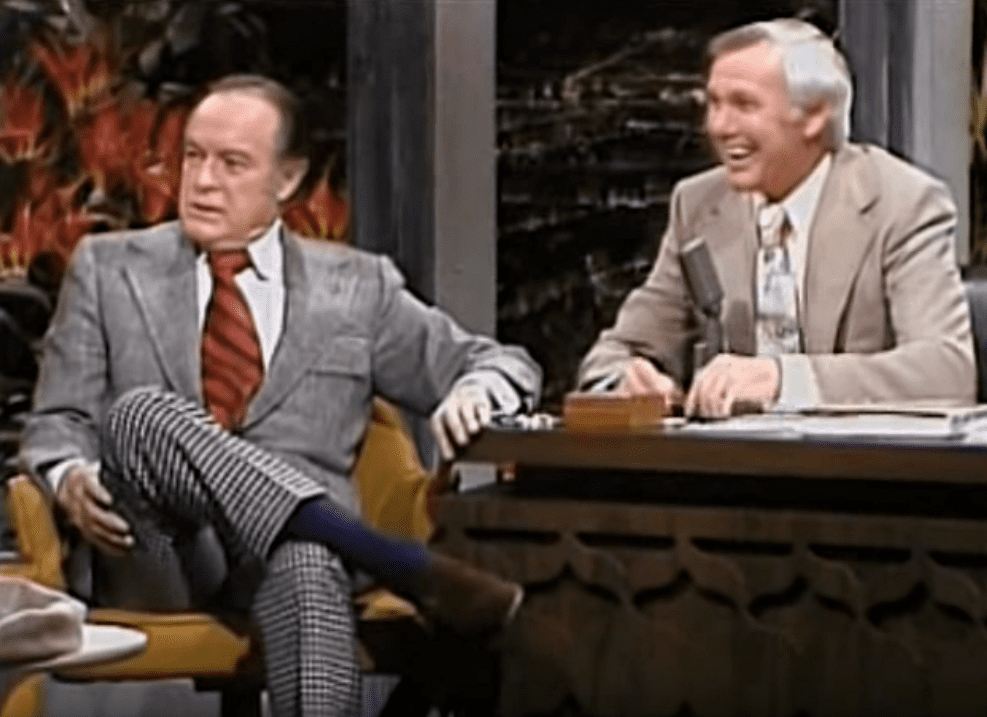
Carson had an extremely rocky relationship with one of his biggest guests. Considering the 100 plus appearances Bob Hope made on The Tonight Show, one would imagine Carson was a big admirer of the comedy legend. On the contrary, he did not enjoy hosting Hope at all and resented that he could come on whenever he wanted. NBC had a long-running relationship with the comedian, which allowed him to “write his own ticket on the network.” The two men were very different, with Hope relying on his writers for all his jokes and Carson playing it by ear. The latter did not like following a script all the time but had to, especially when Hope grew hard of hearing and couldn’t tell if Carson changed a question, answering what had been scripted even if it did not make sense. Carson reportedly told his team that if he ever ended up like Hope he wanted them to shoot him. Slightly extreme, but the man does not sound like the most level-headed person you’d know.

From Manhattan to Burbank

The Tonight Show Starring Johnny Carson started off from 30 Rockefeller Plaza in New York City and continued to be filmed there until 1972, after which production was moved to an NBC studio in Burbank, California. The show continued to be shot there until its end in 1992. Carson felt the facilities were much better in California and he liked living there because he enjoyed playing tennis and going to the beach whenever he wanted. He also appreciated having a house with yard, which wasn’t possible in New York.

Carson IRL

Although Carson displayed an extremely friendly, witty, and pleasant persona onscreen, he was actually a very shy and private person. He did not find it easy to socialize or make small talk, and his lavish Malibu residence only had a single bedroom. If any friends or family visited, they would stay in a guest house across the street.

Between Paar and Leno

Carson’s predecessor was Jack Paar, who hosted The Tonight Show for five years until 1962. Paar was a controversial figure because of his political leanings and sense of humor, and Carson’s apolitical stance led him to be viewed as very much Parr’s opposite. When Carson retired, he was succeeded by Jay Leno—but many people agree he wasn’t happy with the decision. It is believed that Carson felt David Letterman would have been a better choice, as he went on Letterman’s show twice, and would frequently send Letterman material for his monologues as well. He did none of this for Leno.

A Silent Affair

Once he retired, Carson mostly stayed away from the public eye. He did appear in a few cameo roles, the most famous of which was when he voiced himself on The Simpsons in 1993. His last appearance was on The Late Show with David Letterman, but although he came on stage to a standing ovation and sat behind Letterman’s desk, he left without addressing the audience at all. He later said he hadn’t spoken because of “acute laryngitis.” Talk about disappointing your fans. This episode surely must take the cake.

Au Revoir Johnny

Carson hosted his last show on May 22, 1992. His guests the night before—on his second last show—were Bette Midler and Robin Williams, but on his last night, he did not invite anyone from show business. The audience consisted only of friends, family, and crew members. Carson ended the show sitting on a stool at center stage. He thanked McMahon, Doc Severinsen, his crew, and his viewers and said he was very lucky that he got to do what he loved. He wrapped up the show with the words “I bid you a very heartfelt goodnight.” More than 50 million people tuned in to watch him say goodbye. That’s way more than the number of viewers who tuned in to HBO to watch the Game of Thrones series finale. In 2011, Johnny’s ultimate episode was ranked number 10 on the TV Guide Network Special: TV’s Most Unforgettable Finales.

Comedic Mentor

Carson introduced many iconic comedians on his show. If he found someone funny, he would invite them to join him for a chat on his couch. Almost every person who got called to the couch went on to become a famous comedian. Some examples are Joan Rivers, Jerry Seinfeld, Jim Carrey, and Ellen Degeneres. Carson was obviously a great judge of comic aptitude.

Smoking Kills

Carson was a heavy smoker. He often smoked on TV in the early episodes of his show. He reportedly smoked up to four packs a day for most of his life, and it eventually caught up to him. On January 23, 2005, Johnny Carson died due to respiratory failure at the age of 79.

Bombastic Bushkin

Henry Bushkin was Carson’s personal attorney for 18 years. He was also Carson’s friend, confidante, tennis and walking partner, and much more. He reportedly assisted Carson’s break-in of his second wife’s apartment to gather proof that she was cheating on him. Bushin drank with him, traveled with him, and basically enabled Carson in doing whatever he wanted…until he was fired over something minor in 1988. Until he was fired, Carson had referred to Bushkin as his closest friend, and would talk about him on his show as “bombastic Bushkin.”

The Bushkin Revelation

In 2013, Bushkin published a book about his former boss, titled Johnny Carson. He wrote about their time together and unveiled Carson as a cold, sullen, unhappy person who was unable to form meaningful relationships with anyone, and any women especially, because of his own relationship with his mother. Doc Severinsen, Carson’s bandleader, disagreed with Bushkin’s account and claimed that not only was Carson a good boss and a fair man, he was also always keenly aware of whatever was going on, and that was probably why he had dismissed Bushkin. He said that Bushkin had only written the scandalous book to make money.

The Rivers Fiasco

Carson disliked what he perceived as disloyalty, and he was famous for holding a grudge. He got extremely upset when Joan Rivers, whom he had single-handedly propelled to stardom and who was a frequent guest host on The Tonight Show for three years, was offered to host her own late-night show by Fox. The show only lasted a year, but was given the same time slot as Carson, and he saw her as a direct competitor. Rivers said he never talked to her again from the day he discovered she had accepted the offer, and she wondered if things might have been different if she had informed him herself and sought his blessings.

The Rivers’ Rumors

Rivers later mentioned that she and Carson had been involved in a short fling while they were working together. There is no proof to this story, which she admitted to after his death. However, if true, it might be a reason for his anger at her “betrayal.”

Producer Problems

Fred de Cordova started working as a producer on The Tonight Show in 1970 and stayed on until Carson’s last episode. However, his relationship with Carson had soured a year earlier after an incredibly callous moment from Cordova: While Carson was paying tribute to his son after his death in 1991, Cordova motioned to him that he needed to hurry up and speed things along.

Carson was absolutely furious, and things never went back to normal afterward—while he kept his title, Cordova wasn’t even allowed on set.

The One with Wayne Newton

Not everyone was a fan of Carson’s sense of humor—it can’t be denied he could be cruel and cutting when he wanted to. In 1980, Carson was interested in buying a hotel and resort in Vegas. However, he either backed out, or lost the deal to a group led by singer-entertainer Wayne Newton. The media portrayed this as a loss for Carson and win for Newton, which annoyed Carson so much that he started making jokes on his show targeting Newton’s masculinity. Newton was understandably upset, and after trying to get in touch with Carson several times, he walked into Carson’s office and threatened to beat him up if the jokes did not stop. Spoiler alert: they did. Years later, Newton opened up about the whole episode on Larry King Live, declaring: “Johnny Carson is a mean-spirited human being. And there are people that he has hurt that people will never know about.”

SOURCE: FACTINATE