[I found this article about Mr. Ed’s Elephants on the PA Bucketlist.com site!]
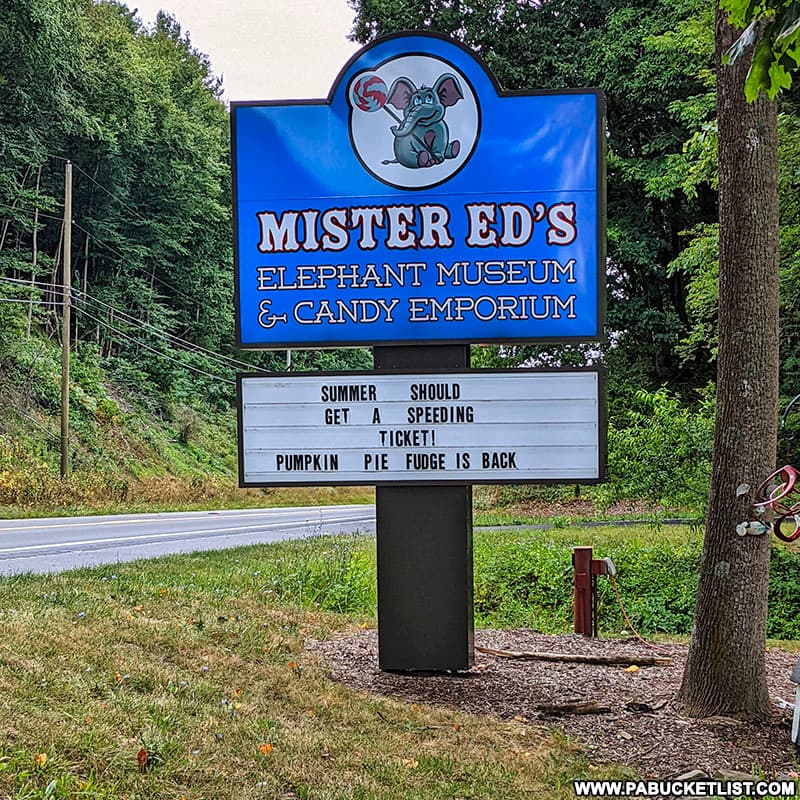
Mister Ed’s Elephant Museum and Candy Emporium just may be the best elephant-themed roadside attraction in Pennsylvania!
Elephants and candy everywhere you look.
Located just outside of Gettysburg, Mister Ed’s features a dizzying array of elephant figurines, circus souvenirs, toys, statues, gardens, and artwork, as well as over a thousand kinds of candy!
How to Find Mister Ed’s Elephant Museum and Candy Emporium
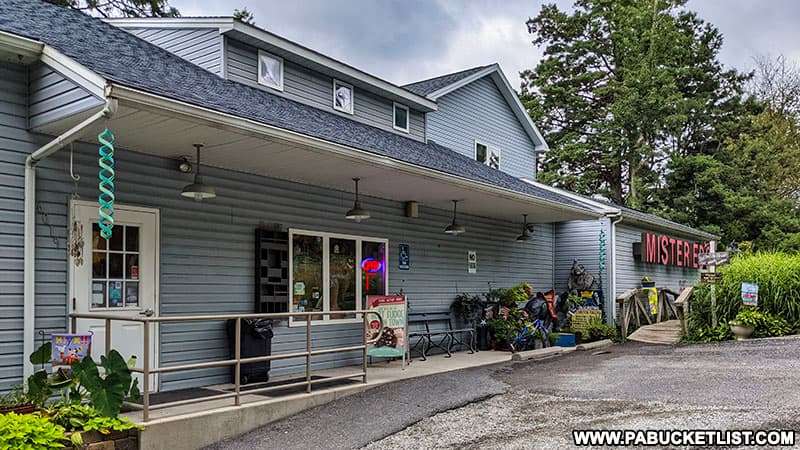
Mister Ed’s Elephant Museum and Candy Emporium is located at 6019 Chambersburg Rd, Orrtanna, PA 17353.
Exploring the Exterior of Mister Ed’s Elephant Museum
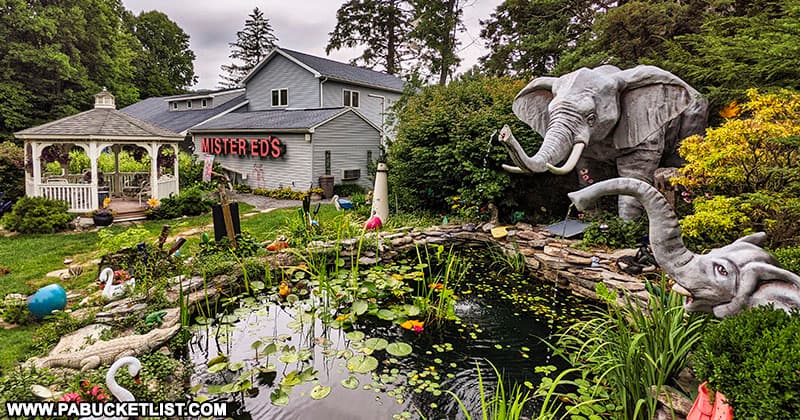
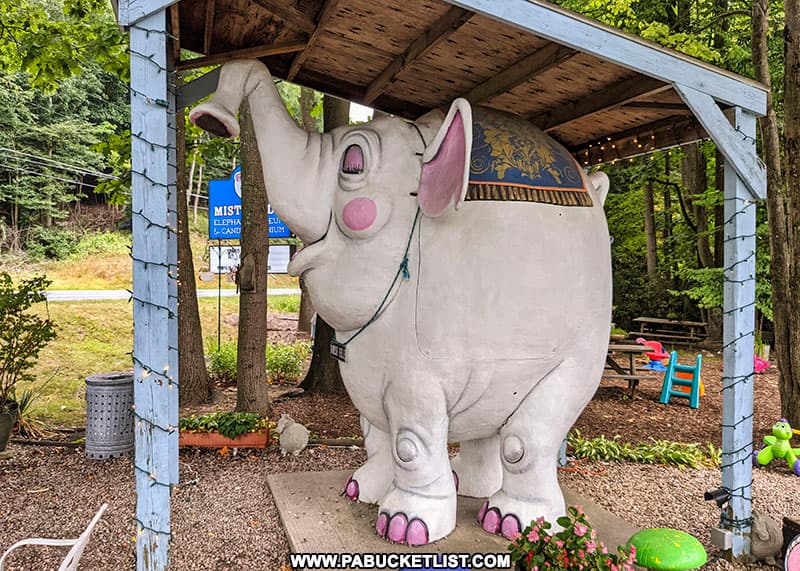
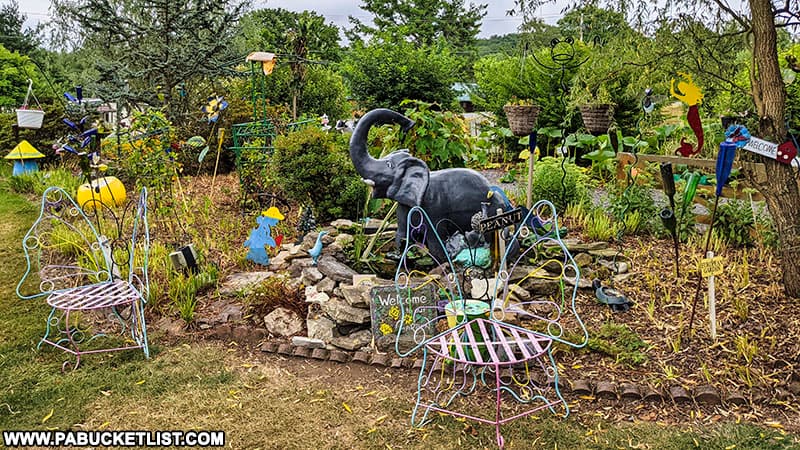
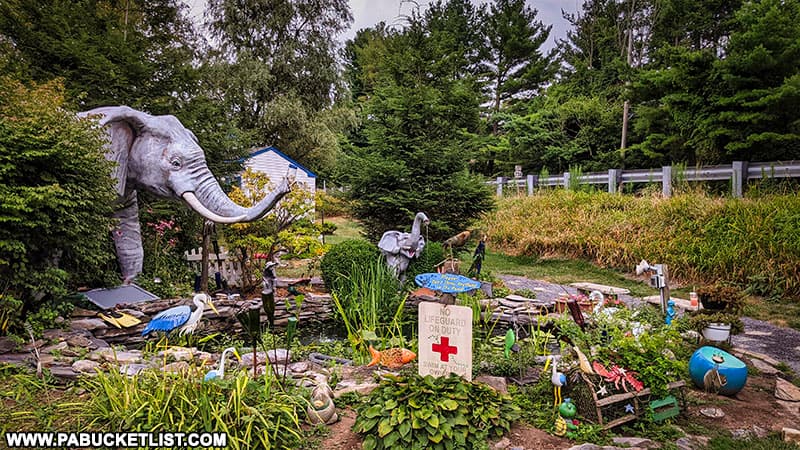
The grounds surrounding Mister Ed’s Elephant Museum and Candy Emporium are a collection of whimsically-decorated gardens incorporating elephants as the central theme (of course!).
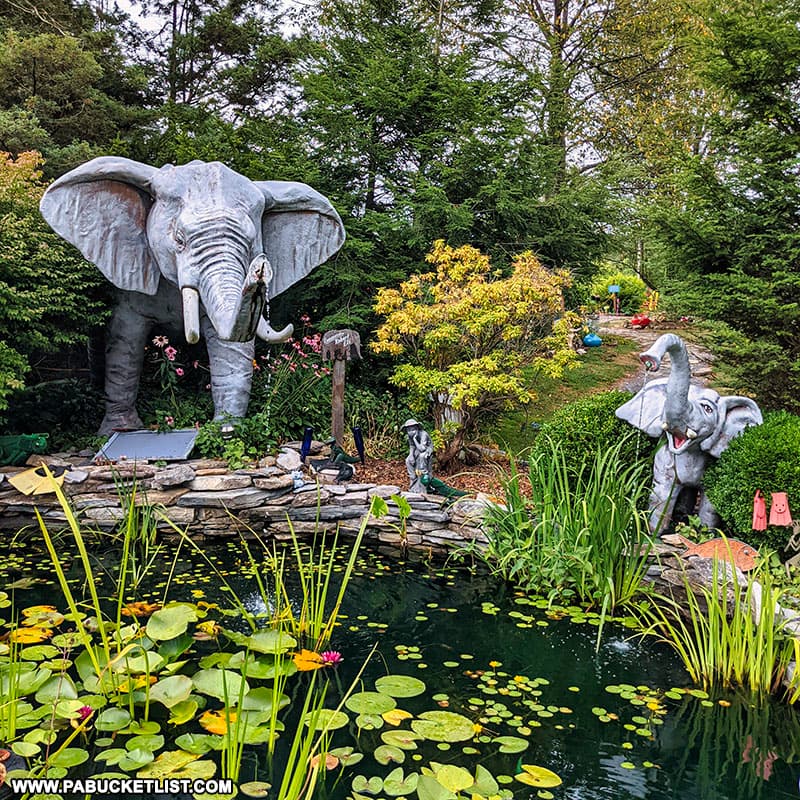
The water garden featuring a mother and baby elephant with water shooting out of their trunks caught my eye in particular, but all the gardens are a treat to walk through.
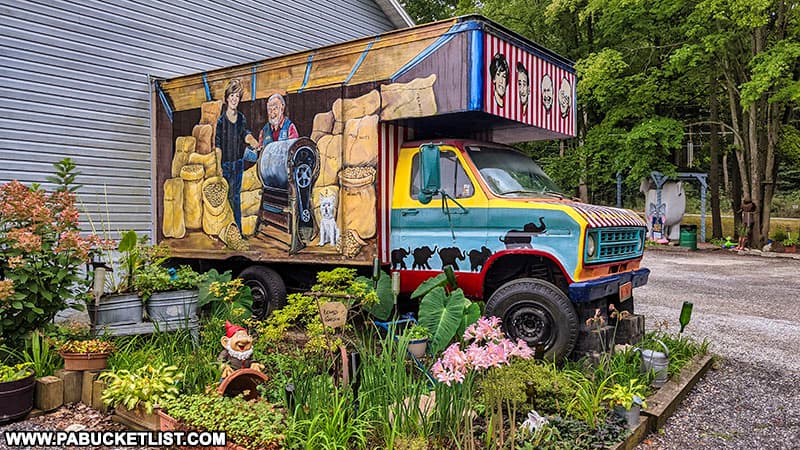
Even an old delivery truck becomes a unique piece of artwork in the gardens at Mister Ed’s Elephant Museum.
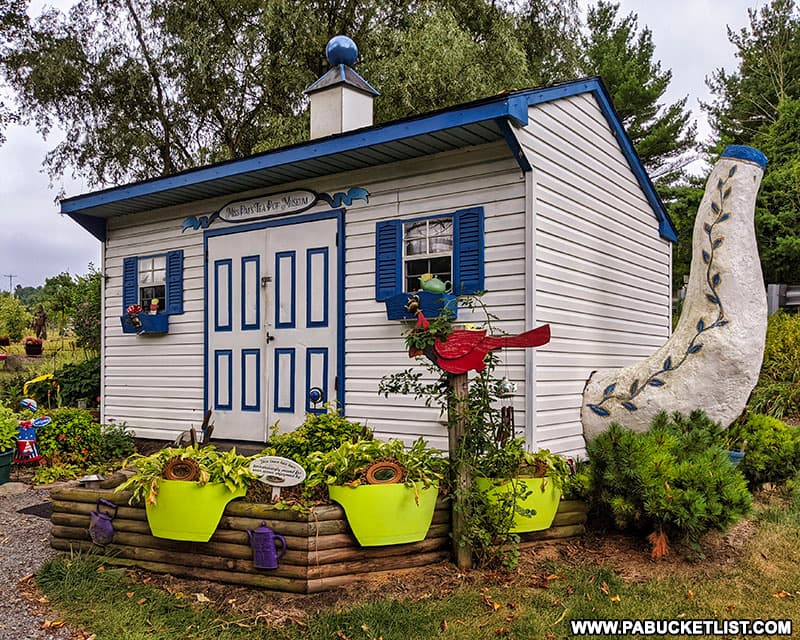
And while Bedford may be home to Pennsylvania’s largest roadside coffee pot, this teapot-shaped garden shed at Mister Ed’s is impressive in its own right, and fittingly it also houses a collection of teapots.
Step Inside Mister Ed’s Elephant Museum and Candy Emporium
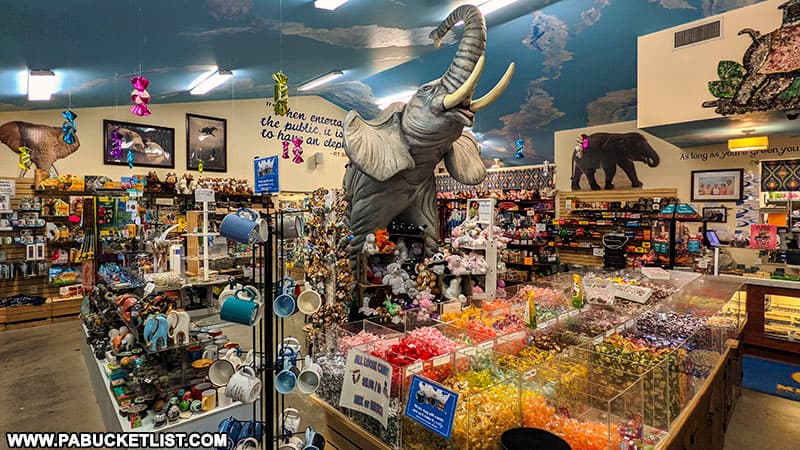
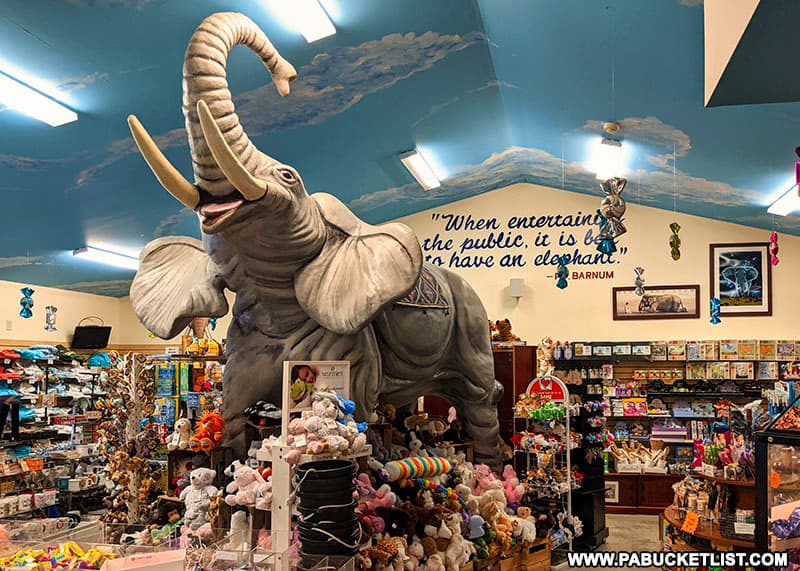
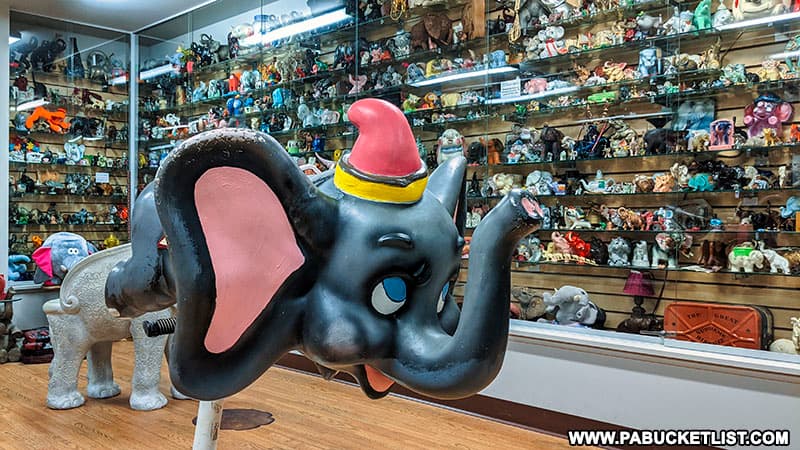
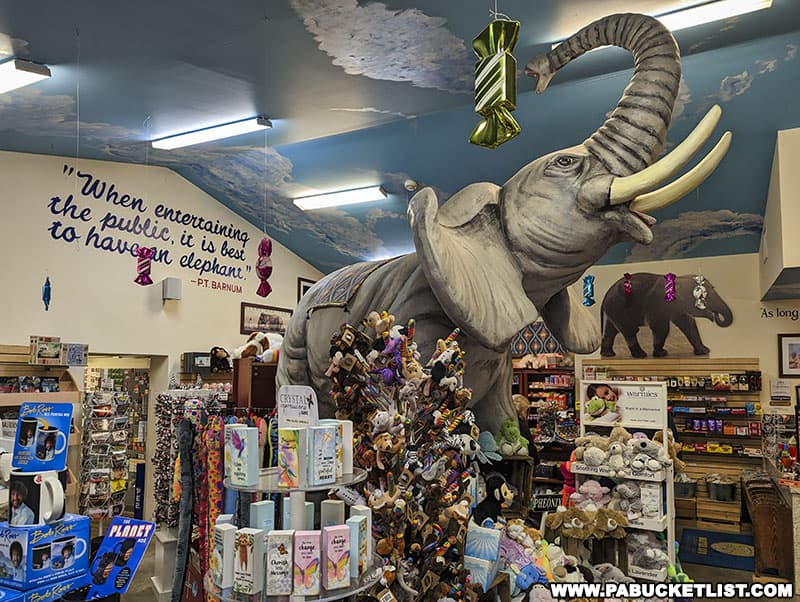
A quick glance around the inside of Mister Ed’s Elephant Museum and Candy Emporium is enough to cause massive sensory overload and a sugar rush!
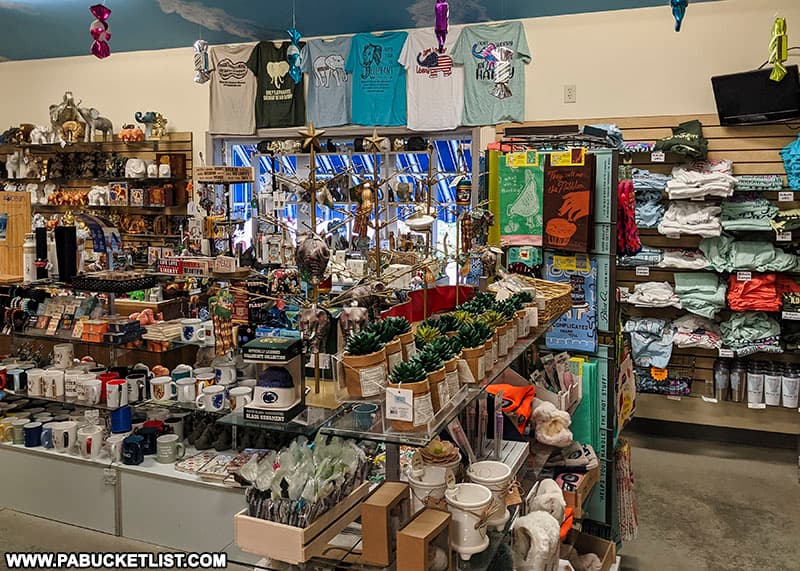
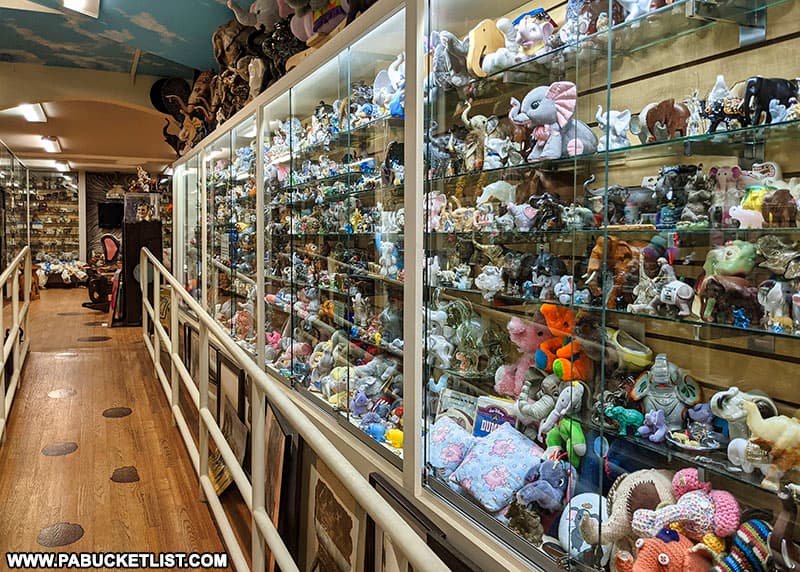
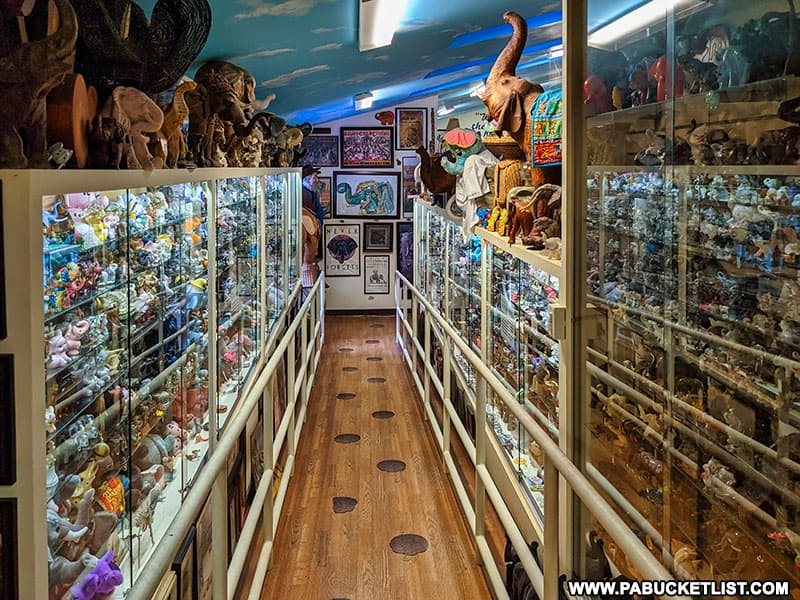
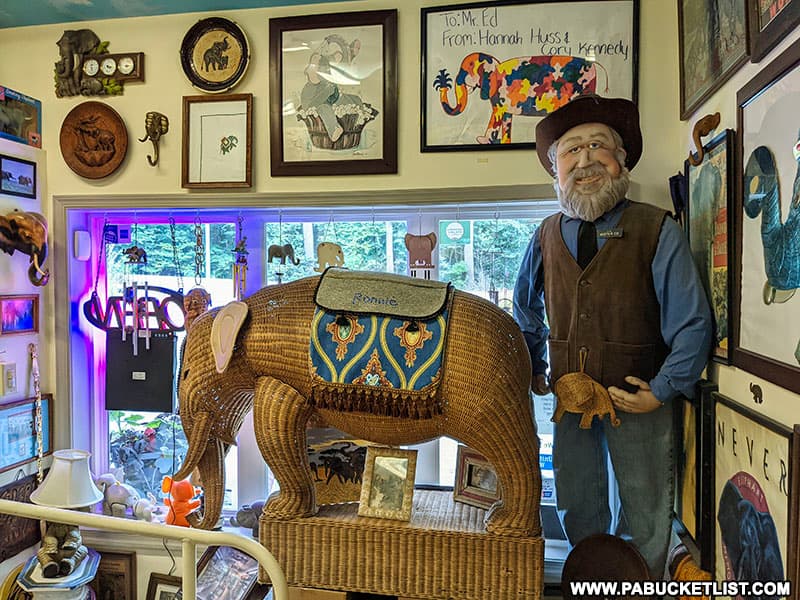
Everywhere you look, on the walls, ceilings, shelves, and countertops, you’ll see elephants and candy of every possible description.
More than 12,000 elephant-related mementos are on display, a feast for the eyes and an inspiration to those of us (myself included) who walk the fine line between collectors and hoarders!
If it existed in the 20th century and it had an elephant emblazoned on it, you’ll most likely find it at Mister Ed’s Elephant Museum.
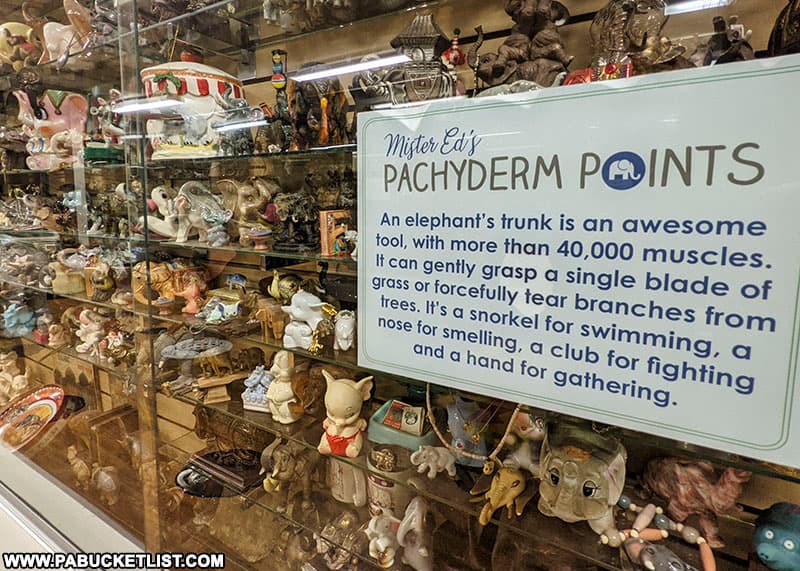
There are even “Pachyderm Points” displayed around the museum, imparting knowledge about real elephants on inquisitive visitors.
If you’re a hardcore fan of elephants or vintage toys, you’d best budget an hour or two just to explore the museum portion of Mister Ed’s!
The Candy Emporium at Mister Ed’s Elephant Museum
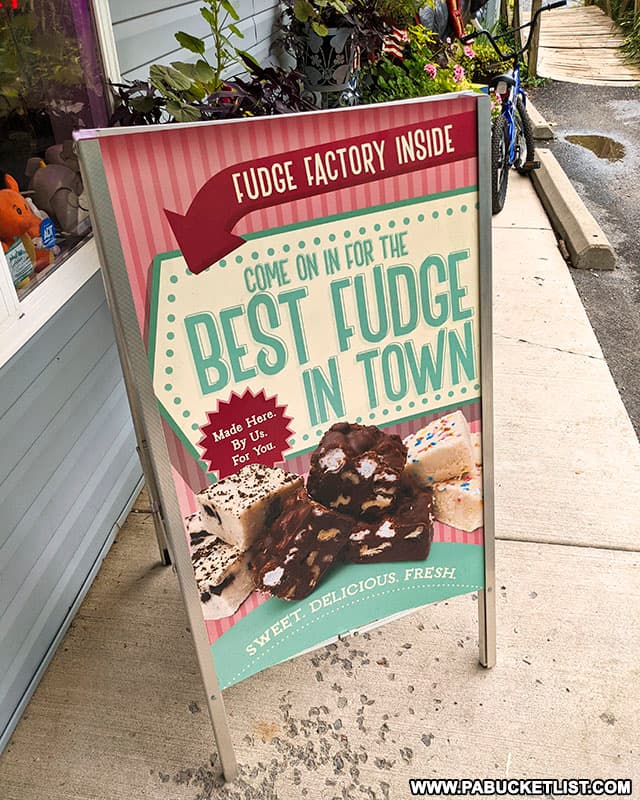
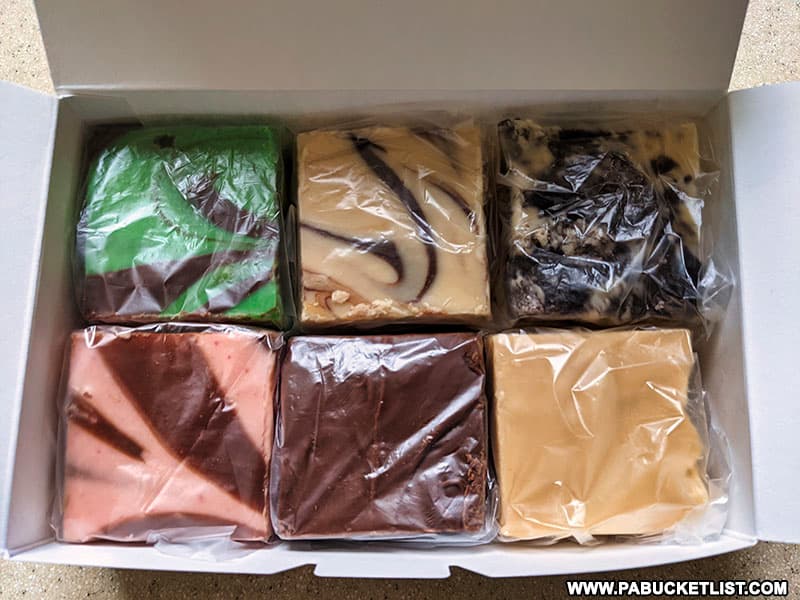
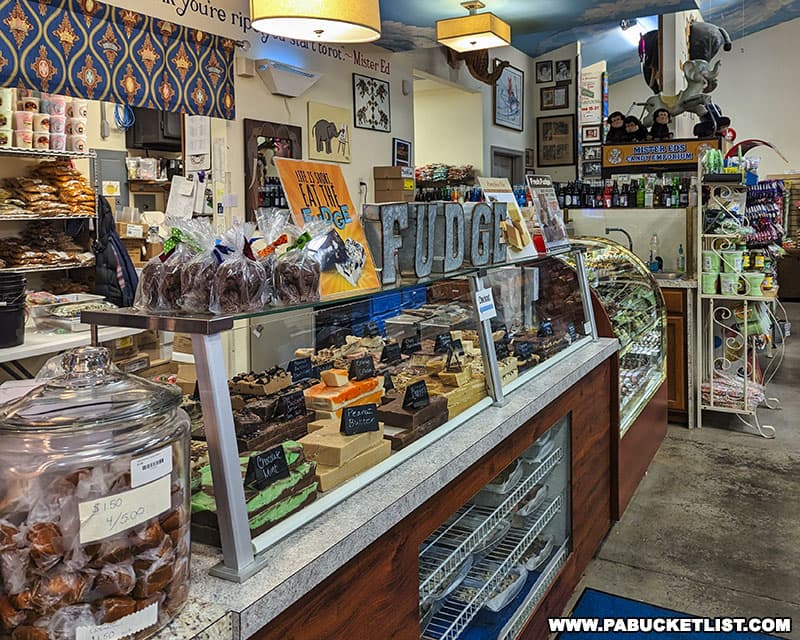
In case you missed the sign when you walked in the door, Mister Ed’s is also famous for homemade fudge!
Featuring more than 70 flavors of fudge, I’ve yet to try one that WASN’T delicious.
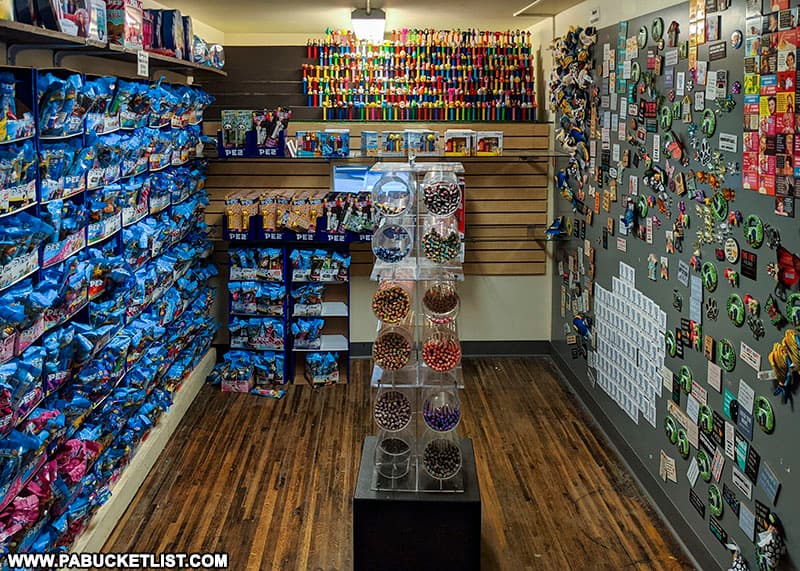
If fudge isn’t your thing, there are literally more than 1,000 different candy options, including an entire room full of PEZ candies and dispensers!
Christmas at Mister Ed’s Elephant Museum and Candy Emporium
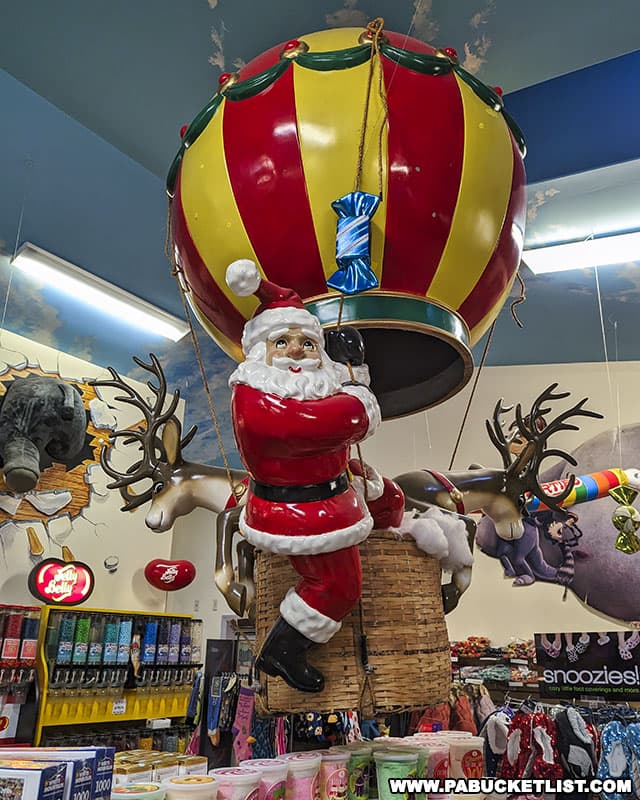
Mister Ed’s definitely gets in the spirit at Christmastime!
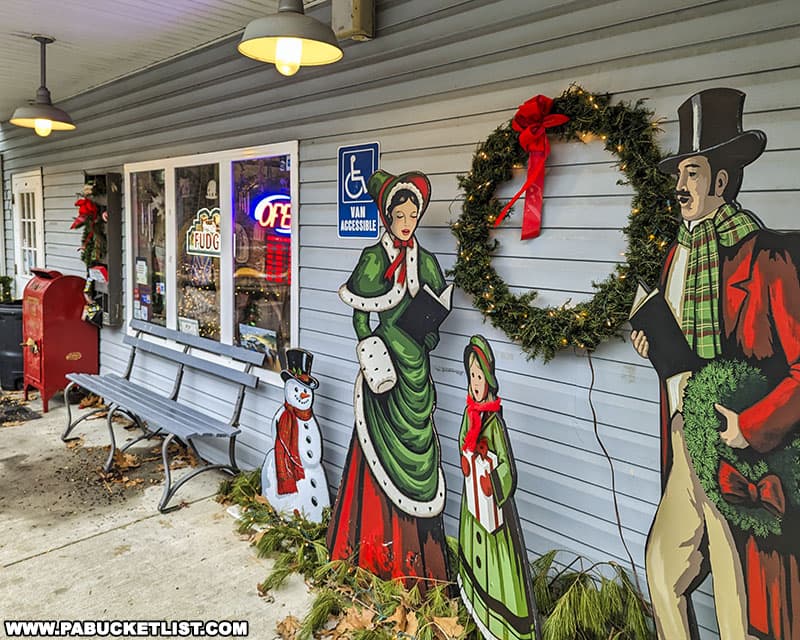
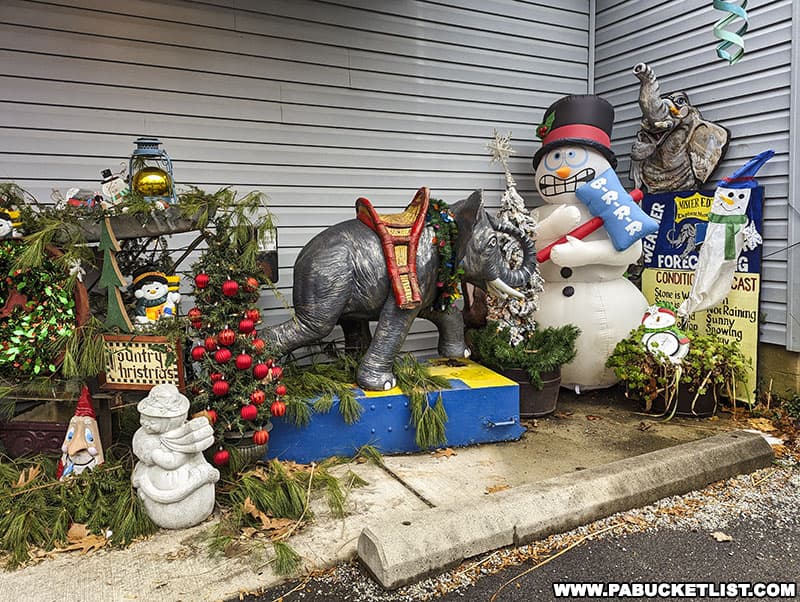
Inside the store and out, you’ll find all your favorite Christmas characters woven into the already busy tapestry of decorations and displays.
From traditional Dickens-like carolers…
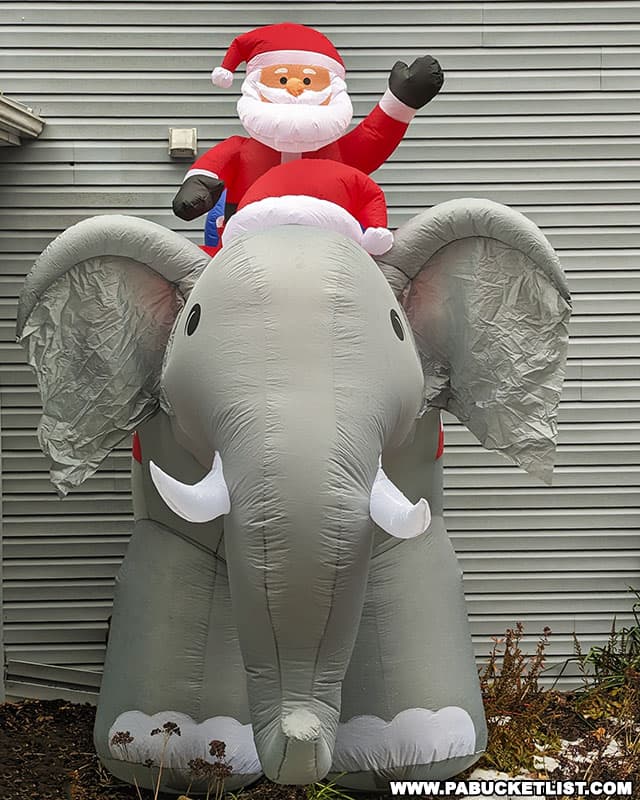
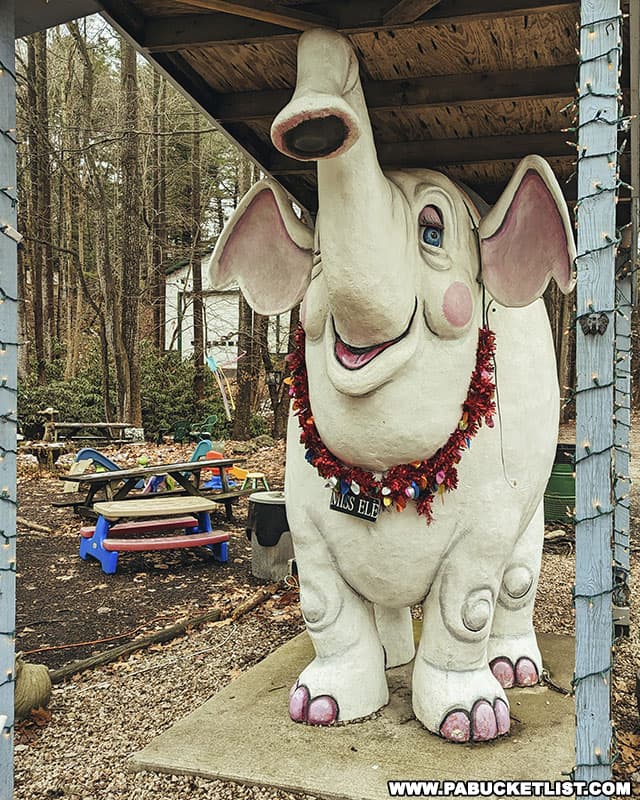
to the not-so-traditional Miss Ele out front.
Already one of the Gettysburg area’s most unique attractions and favorite candy stores, Mister Ed’s is the perfect place to shop for Christmas stocking stuffers.
If you’re road tripping through the Gettysburg area at Christmastime, make it a point to stop, stroll the grounds, and do a little shopping.
Planning Your Visit to Mister Ed’s Elephant Museum
Mister Ed’s Elephant Museum and Candy Emporium is open every day, from 9 a.m. to 7 p.m.
In the age of COVID, it’s probably prudent to call ahead and confirm those hours – the phone number there is (717) 352-3792.
There is no charge to walk the gardens or to tour the museum.
If you’ve got elephants on the brain, a hardcore sweet tooth, or just love quirky roadside attractions, Mister Ed’s Elephant Museum and Candy Emporium near Gettysburg checks all the right boxes!
Today is the anniversary of the day that Columbus discovered Jamaica, so I thought I’d bring an article from WeJamaicansBeLike.com on interesting facts about this gorgeous island.
Jamaica is what?
If you thought Jamaica was only about Bob Marley, Reggae Music and lighting up some good herbs, then you’re in for a big surprise when you check out some of these facts below.
As a small nation, Jamaica has a lot of influence in the world and its people are amongst the most progressive. From education, to politics, to entertainment, Jamaica is not only a leader in the Caribbean, but the world.
Here are some interesting facts about Jamaica you may not have known.
On to The Fun Facts About Jamaica
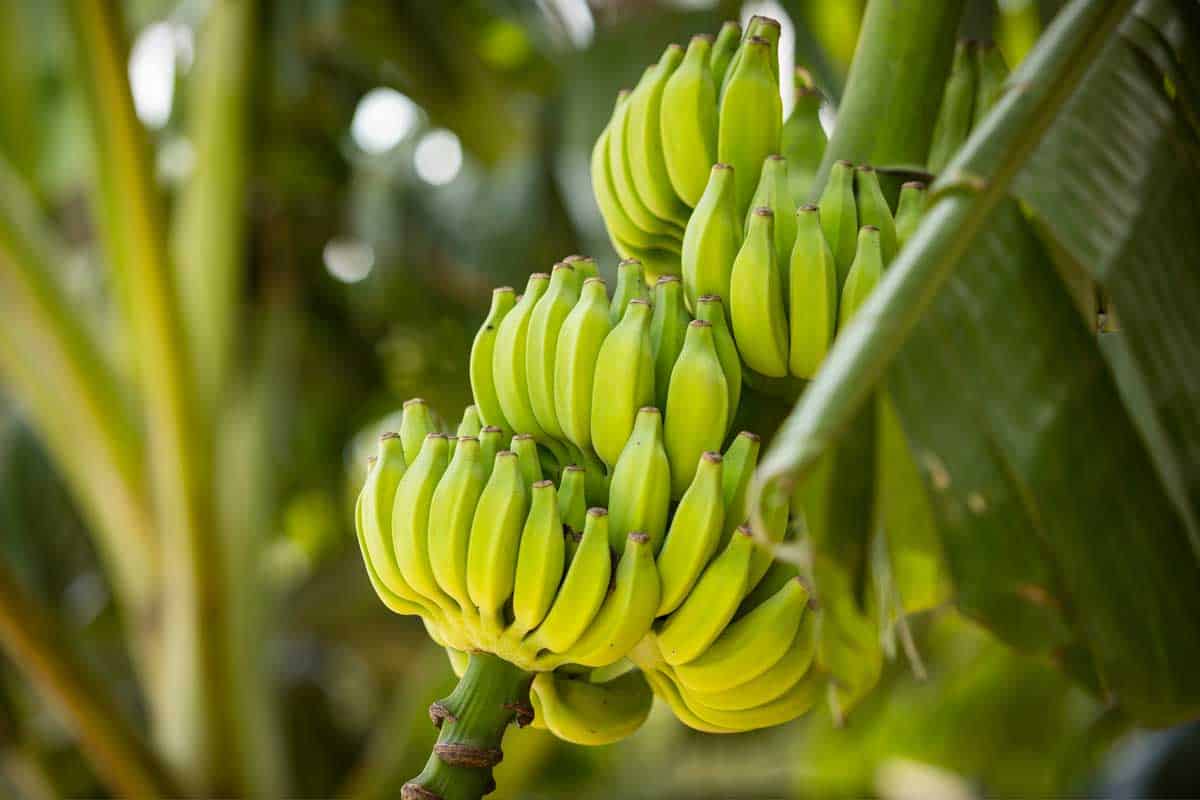
Jamaica is Bananas
If you don’t like bananas, blame Jamaica for it! If you do like bananas, well Jamaica is the reason why. Jamaica was the first country to export bananas establishing a global banana trade. Crop disease and major competition from Central America did the Jamaican banana trade in.
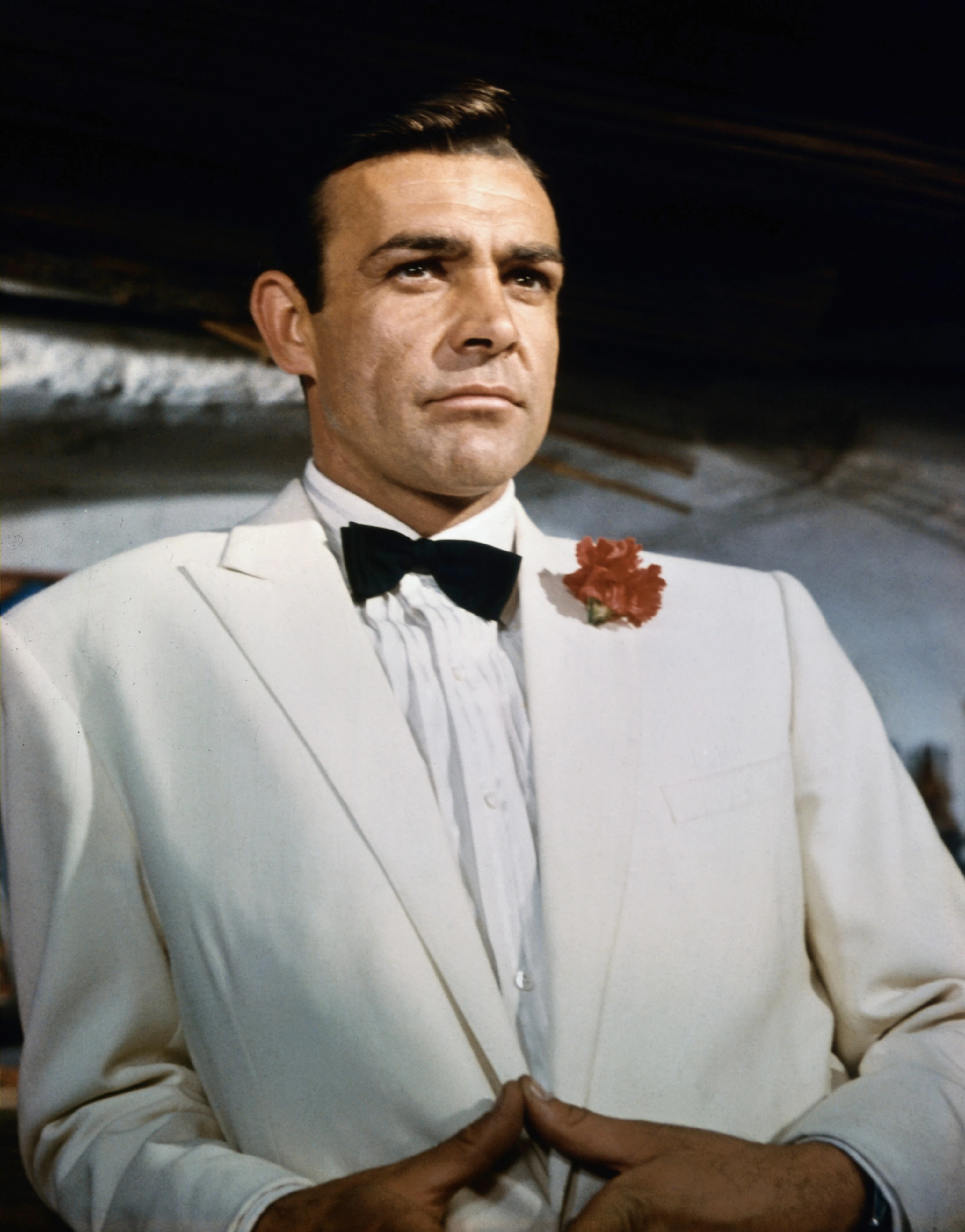
James Bond is Jamaican
On the shores of Ocho Rios, James Bond was born! Ian Flemming then lived in Jamaica when he penned the famous 14 James Bond novels. Jamaica is still home to the Golden Eye Hotel and Resort which began as the luxurious home of Ian Flemming. The novels have inspired 23 James Bond Films, one even with the hotel namesake – Goldeneye from 1995.
More Coffee Please
When you think of Jamaica you think sand and beaches, but many may not think coffee. Jamaica Blue Mountain Coffee is one of the most sought after and expensive coffees on the market.
What is Rastafarian? Think dreadlocks? Think Jamaica? When people think about Jamaica, they think about the popular deadlock style. Only 2 percent of the Rastafarian population in the world live in Jamaica.
Everybody Say Amen!
Jamaicans are very religious people. Jamaica has the most churches per capita in the world. According to the Guinness Book of World Records, Jamaica has over 1,600 “churches.”
Fresh From Abroad Jamaica’s indigenous people, the Arawaks cultivated corn and yams. The crops we know today like sugar cane, coconut, breadfruit, bamboo, bananas and mangoes are not native to Jamaica. The popular crops were imported at different times in Jamaica’s rich history.
Brrrr, Jamaicans Can Handle the Cold
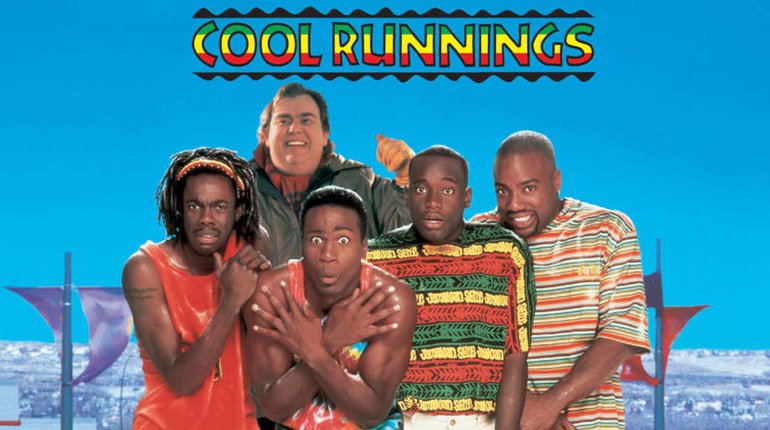
If you have not seen the movie Cool Running by now you are missing out on comedy gold. The movie is based on the 1988 Jamaican bob sled team. The team was the first tropical country to enter a Winter Olympic event.
Independence and a Queen
Jamaica was the first Caribbean nation to gain independence from the British Commonwealth in 1962. Jamaica had internal self-government years before it became an independent nation. To this day Queen Elizabeth II remains the Queen of Jamaica but by tradition only.
Raise Your Flags High
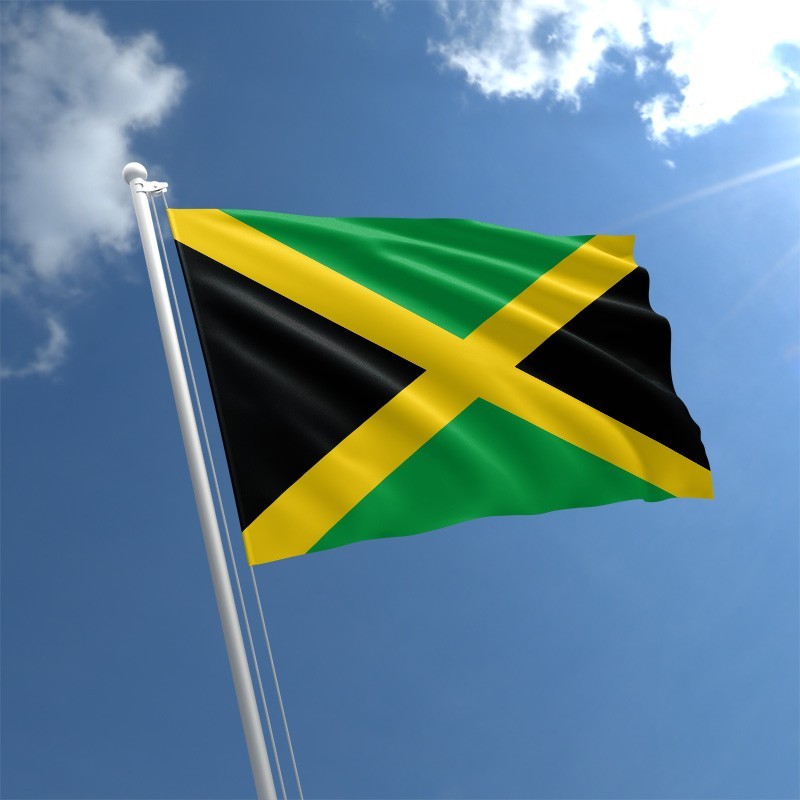
One of the most recognized flags in the world, the green, yellow and black Jamaican flag is only one of two countries in the world that has no colors in common with the flag of the United States of America. Mauritania, the other country, is green and yellow. The Jamaican flag is recognizable as the two yellow stripes intersect in an X with green filling in the top and bottom and black on either side.
All Aboard
Jamaica was the first country in the Western world to build a railroad, built just 18 years after Britain built theirs.
Blue Mountains and Moons
The Blue Mountains in Jamaica, named for the mist that covers them, are not just ideal for coffee. The mist that covers the mountain peaks appears to be blue. The blue mist also covers the moon making it appear blue. The phrase once in a blue moon does not cover the Blue Mountains as there have been dozen sightings of sapphire colored moons in the past 40 years
Orchids Everywhere
Some people would never think orchids when they think about Jamaica. With over 200 species of Orchids growing wild throughout the island of Jamaica an astounding 73 of the species are unique to Jamaica. With 1,000 species of trees and 500 species of ferns, visitors are pleasantly surprised to know that Jamaica is one of best place to see wild flora and fauna.
GoaLLLLLL
Futbol, football, soccer or whatever you call it, Jamaicans know how to play it! Jamaica is the first team from the English-speaking Caribbean to qualify for World Cup. The Reggae Boyz, as they are fondly known to the world, went on to World Cup soccer finals in France in 1998.
Most Beautiful Women
Many places brag about having the most beautiful women in the world, but Jamaica can brag and have the stats to prove it. Jamaican beautiful women stand strong, as they are the sixth country on the list of countries to win the Miss World titles. With 3 winners and 3 second runners-up, only Venezuela, UK, India, USA and Sweden have more winners. Just the size of Jamaica alone compared to these countries elevates the bragging rights.
I’m Drinking Rum and …
We all know Jamaicans love their rum! They love it so much, and wanted the world to know! Jamaica was the first island in the Caribbean to produce rum on a commercial basis.
Seeing Doubles
The little island Jamaica has more multiple (two or more) live births than anywhere else in the world. Who would have thought Jamaicans were so fertile?
Strong Politics
Jamaica is known for always making a clear stance. Jamaica was the first country to impose economic sanctions against the former apartheid regime of South Africa.
Google It
Jamaica is a great innovator. In 1994 Jamaica was the first country in the Caribbean region to launch a web site! www. jamaicatravel.com was launched in 1994 and took Jamaica to the world!
Mail It In
In 1688 Jamaica was the first British colonial territory to establish a postal service.
I stumbled upon a collection of truly “weird” homes and I plan on showcasing one of them a month…be prepared! This Weird Wednesday’s offering is called Luna Parc and it’s located in New Jersey. The house and property are not open to the public per se, but they hold tours in the spring to fall if you’re so inclined.
Luna Parc: Psychedelic Wonderland in the Woods
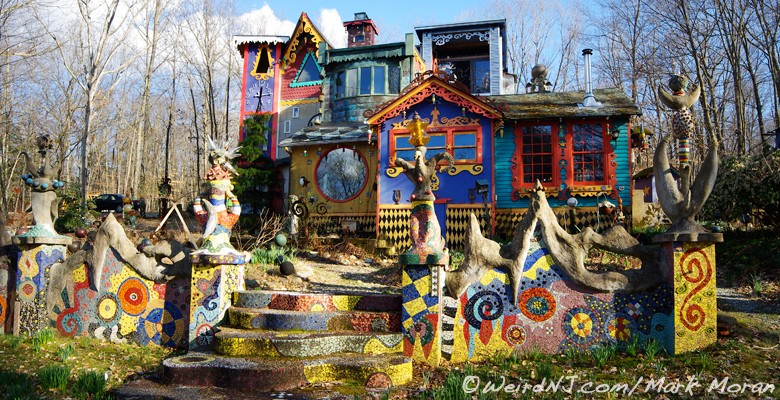
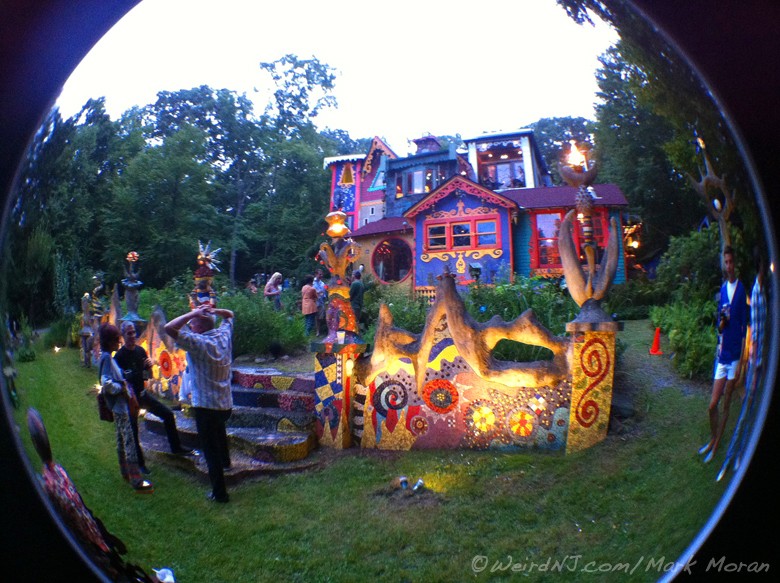
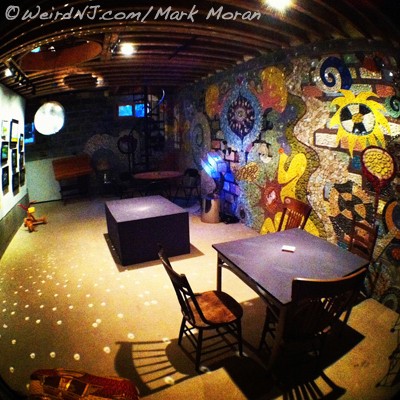
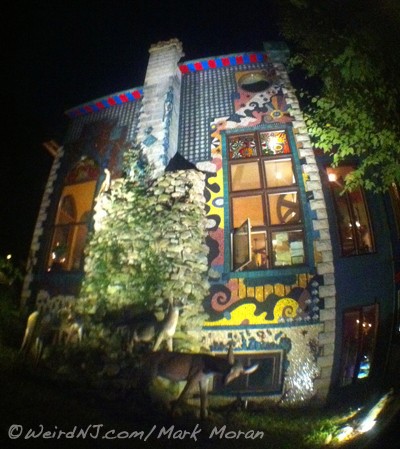
Upon entering the gates to Luna Parc, you are awestruck at the immensity of the project Boscarino has been building in the woods for all these years. The front yard is awash in brilliantly colored sculptures, walls and spires. Everything is encrusted with swirling mosaics of tile, glass, concrete and painted metal.
As we wound our way through the forests and farmlands of the Sussex County countryside, Mark and I wondered why Ricky Boscarino, owner of “Luna Parc,” decided that this remote locale would be the perfect place to create his own unique environment. We’ve visited Luna Parc several times over the past dozen years or so and it is always a thrill to see just how much it has continued to grow in new and fascinating ways with each visit we make. And it is always a real pleasure meeting Ricky, the mastermind behind this environmental madness.
Upon entering the gates to Luna Parc, you are awestruck at the immensity of the project Boscarino has been building in the woods for all these years. The front yard is awash in brilliantly colored sculptures, walls and spires. Everything is encrusted with swirling mosaics of tile, glass, concrete and painted metal. The house itself sits above the terraced yard looking like a technicolor gingerbread chalet in a psychedelic fantasy land.
Ricky, the proud creator of this unique home, is friendly and easy-going and always willing to give us a tour of the newest additions he has made to his one-of-a-kind-eastate in progress. We asked him how he first found the property.
“I grew up in Piscataway and I used to go to summer camp at Stokes, so I kinda knew the area a little. I started a jewelry business in 1986 and I was looking for a place of my own. I really just stumbled upon this place after pounding the pavement for about two years. It was an old hunting lodge, and the family that owned it hadn’t even been here for about ten years.”
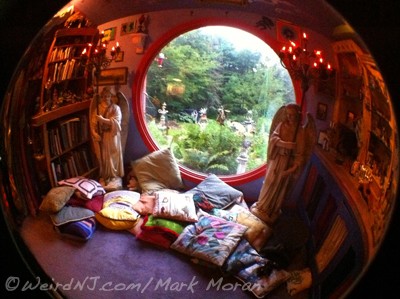
“Structurally it was fine, but it had to be rewired, etc. I should have knocked it down, but I needed a place to live! As soon as I walked up the driveway, I knew I would be here the rest of my life. My first vision was the round window. I started ripping shit out of the house from day one, and it’s been non-stop. Everything started to radiate from the house.”
The house is surrounded inside and out by whimsical multi-media art projects in various states of completion. Most are made entirely by Ricky’s own hands out of found objects, such as glass bottles, yardsticks, corks, bottle caps, stones, and other collected or donated materials. One of the outlying buildings in the front yard is a hut fashioned from thousands of brilliant blue glass bottles.
“Some are the Sky Vodka bottles and others are Arizona iced tea,” Ricky told us while scrounging through the pile recyclables. “Whenever I have an event here, I always get donations of various stuff I ask for. This project will be made entirely of blue glass bottles, which are the hardest to come by. I originally estimated I’d need 1,500 bottles to complete it, but now it looks like I’ll need about 3,000. And I didn’t drink even one of them!”
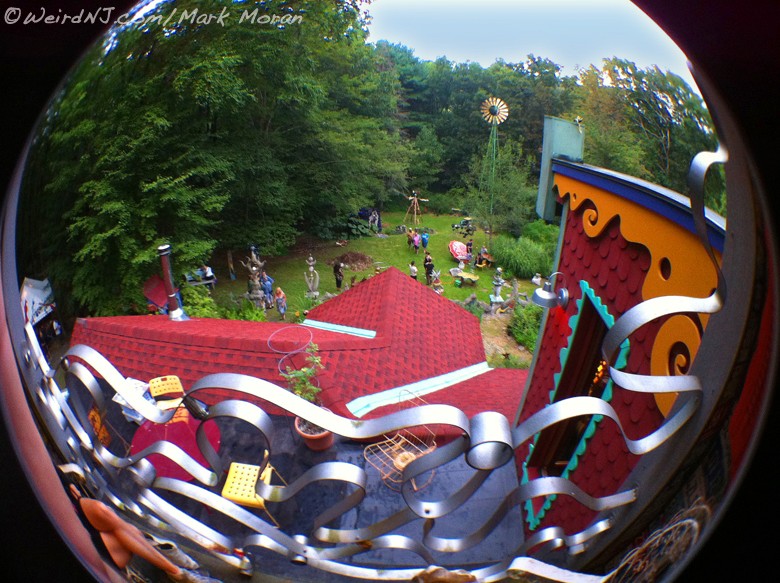
The 5-acre property is covered with an array of eclectic buildings and displays. A walk through the back property reveals more work-in-progress spread out amongst the trees and shrubbery. Walking amidst the trees and scattered sculptures, old movie set props and odd junk yard finds, we come to a chapel that Ricky has built as an homage to his grandfather, who, Ricky told us, once witnessed a miracle in Sicily.
“That’s where the crutches come in,” said Ricky, pointing to a dozen crutches leaning against a tree. “Kind of like ‘Catholic kitsch.’”
What we came across next were hundreds of empty Mrs. Butterworth glass bottles set into concrete blocks.
“This is going to be a nine-foot replica of Mrs. Butterworth built out of blocks which will be illuminated from the inside. Actually it’s almost better describing what its going to look like than what it might end up to be!”
In the middle of all of this material madness is Ricky’s studio, where he creates his finer pieces of jewelry and pottery, which he sells at art shows throughout the year.
“I do get a lot of visitors, but the place is not open to the public. I have an open house once in a while to sell the jewelry, which can be described as eclectic and fun, and people respond well to it. People get to walk through the property. This woman left a message on my machine today saying ‘I’ve got to come for my soul.’ What do you say to that?”
Standing amongst all the half-finished projects and piles of miscellaneous (but organized) clutter, we asked the question: “Where do you get all this stuff from?”
“I’m constantly scouring the area. I put the word out if I need stuff. Like in the kitchen, I covered the walls with corks. I just asked if anyone had any corks! Now I’ve created a monster and I don’t know what to do with all this stuff. They have a good dump here in the area. It’s not like an urban dump, which I guess would be more interesting, but there’s plenty of things to scavenge.”
And scavenge he does, like many of New Jersey’s visionaries who create a unique environment around themselves. We asked Ricky if he had a master plan, or message he’s trying to convey with Luna Parc.
“My master plan is to not have a master plan, which keeps me open. It’s all about ‘layering.’ I can take something down and improve on it, or move it around or add to it. There are no mistakes, that’s the magic of it. Things will always change. People have this misconception of the end product. If it starts to deviate from the original idea, they get frustrated. That’s the magic of creating stuff, that things do evolve.”
So, how do you balance your work for hire and your work on your house, which takes priority?
“The house definitely takes priority. I’m very fortunate that the business is successful and takes care of everything. It gives me the freedom to do all this. I spend way too much time working on the property.”
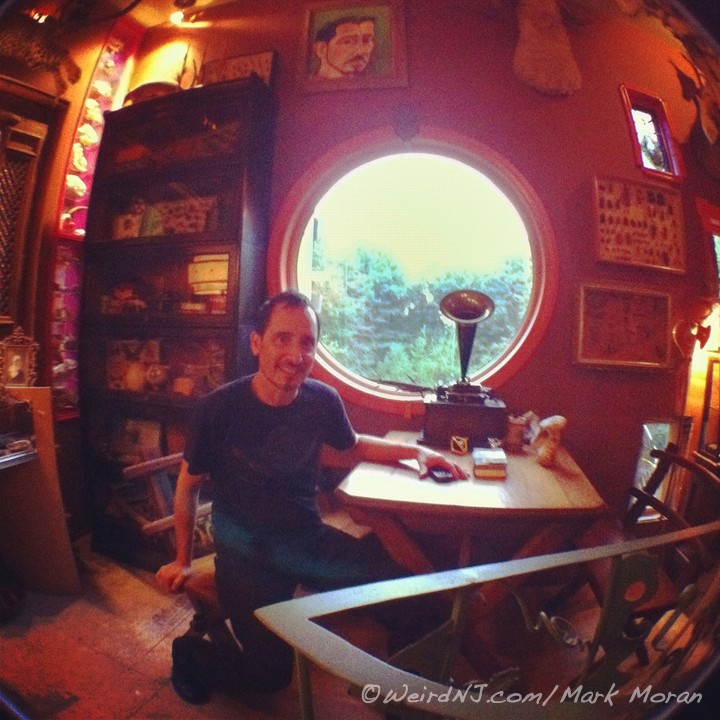
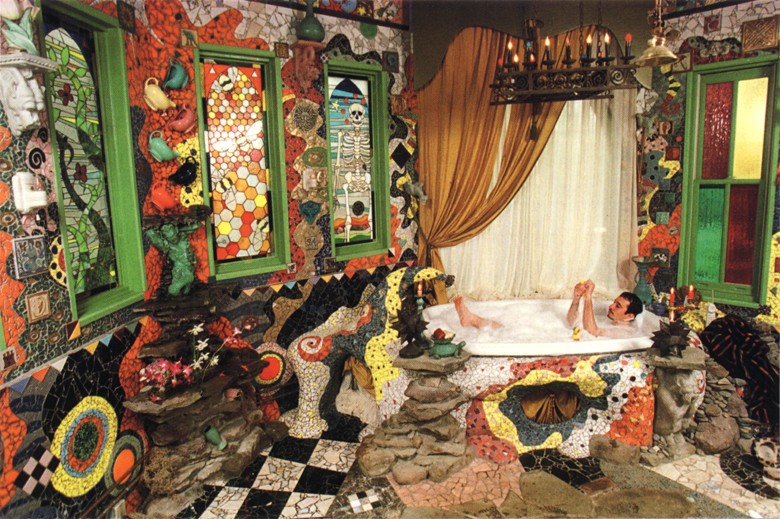
Inside the house, the art gets a little more intricate. Some rooms resemble a thrift store or museum, including collections of antique stringed instruments, taxidermied animals and strange religious artifacts. Ricky’s artwork is omnipresent, giving the place a feeling of controlled chaos. The bathroom, complete with a toilet, bode, urinal and oversized tub, is tiled from floor to ceiling in a swirl or patterns and textures, with a stream of running water trickling down through pastel colored gravy boats. The house, which started as a small hunter’s cabin, has grown into a vast labyrinth of stairways, hidden room and lookout towers, all decorated with Ricky’s own visionary artwork. There are self-portraits and paintings of Ricky’s friends on every wall. It is almost inconceivable that one man could produce such an extensive body of creative output in a single lifetime. We don’t really have any idea how he does it, but we are very thankful for the fact that he does, and we are certain that he will continue to amuse and fascinate us well into the future.
“I plan to live to be 100 and it’s my intention to see that Luna Parc is secure and safe.” Ricky told us. “I also plan to haunt the place after I die. I’m planning on building my mausoleum in the back.”
Luna Parc is a private home not open to the public other than by invitation. If you’d like to take the cyber tour of the property, you can visit www.lunaparc.com.
By the side of a small side-road between Quakertown and Dublin in Bucks County stands a memorial garden that’s no longer open to the public. It used to be a place of quiet reflection and peaceful meditation, but the group that ran it closed it down and painted No Trespassing signs all around it. Much of the garden is now hidden behind overgrown shrubs, but poking through the undergrowth are two large pyramids, and a mystery that goes back hundreds of years.
The land is owned by a Christian mystical sect called the Fraternitas Rosae Crucis, literally translated as the Brotherhood of the Rose Cross. They’re better known as Rosicrucians, and they have been a secretive but major presence in Pennsylvania since before the Revolutionary War. The Bucks County property with the pyramids is a place of worship and a training facility, but nobody outside the order really knows what goes on there. From the roadside, you can sometimes hear chants and catch a tantalizing glimpse of people in robes, but apart from that, the place is veiled in mystery. Anyone wandering around the property without permission is reportedly chased off.
Like many secretive organizations, the Rosicrucians deal in symbols. Pyramids loom large in their symbology, and even their name contains two powerful ciphers. The cross obviously reflects their Christian beliefs, but the rose has more ancient pagan origins. In Roman times, this flower was a symbol of secrecy. The legend went that Cupid gave Harpocrates, the god of silence, a rose in exchange for keeping Venus’s secrets. Roman banquet rooms were decorated with roses as a reminder to keep any confidences that were spoken under the influence of wine. This decorative habit gives the English language a real SAT-style word for secrecy, sub rosa, or under the rose.
Of course, this veil of secrecy means that it’s hard to get any solid details about the Rosicrucian order, but one or two elements are clear. The order grew in Germany with the 1614 publication of a book called Fama Fraternitas, describing the travels of a symbolic figure called Christian Rosenkreuz through Damascus, Egypt, and other biblical places. In these travels, the mythic character gathers the secret wisdom of the order whose true origins and nature are now lost to anyone outside the order. The book attracted many mystical Christian groups (such as Gnostics, Pythagoreans, Magi, and Freemasons) into an umbrella organization that shares many secret symbols. The most obvious symbol is the pyramid, which features prominently in Rosicrucian architecture.
By the roadside at the front of the Bucks County Rosicrucian garden is a yard-high pedestal that looks quite normal at first, but on closer investigation turns out to be a topless pyramid. It’s lined up perfectly through the bushes with a second pyramid more than five feet tall. This in turn lines up with a large pyramid-shaped mausoleum with bronze plates on it commemorating members of the order. This mausoleum gives tantalizing hints as to the structure and nature of the order. Those commemorated include members of Supreme Councils of nine, seven, and three, with titles such as Supreme Grand Master, Member Sublime Third, and Hierophant. The organization seems more egalitarian than many religions, since many of those named are women. And there have been some very influential members, including Benjamin Franklin and Abraham Lincoln.
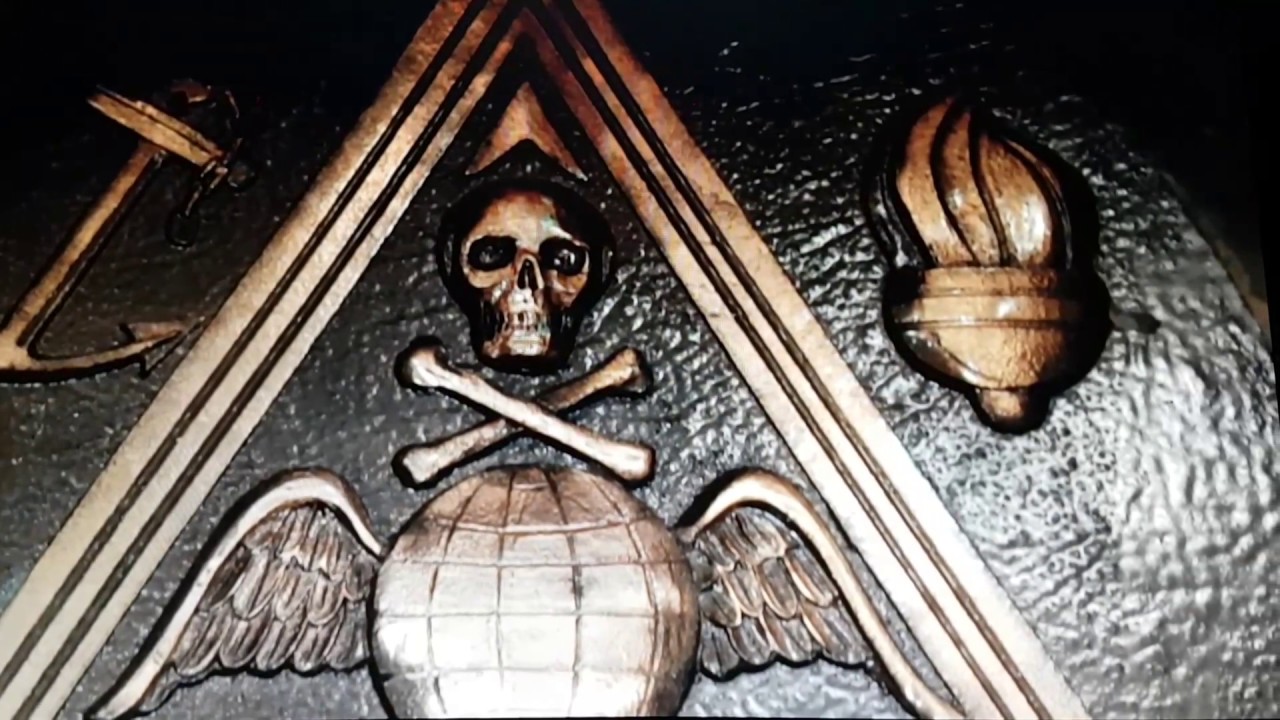
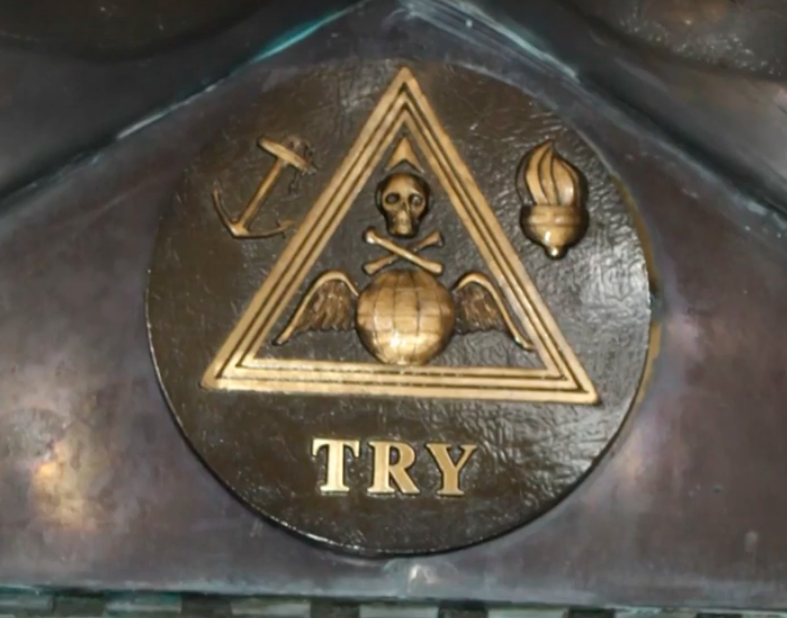
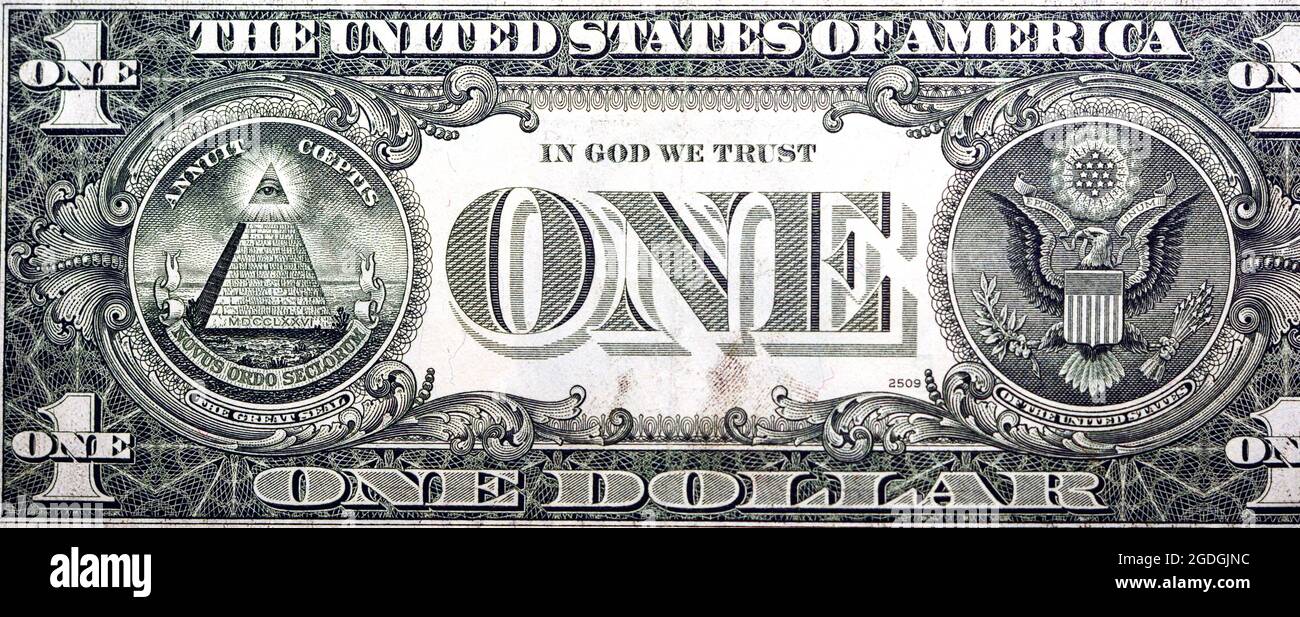
Looking inside the pyramid, you get a clearer idea of the symbols of the order. Over the gated doorway stands a circular plate with a winged world crowned by a skull and crossbones, with the word TRY underneath it. The torch, anchor and triangle in the design only confuse the uninitiated further. Peeking through the gate into the pyramid, however, gives you a jolt of recognition. On two walls of the four-sided pyramid are two very familiar circular designs: an unfinished pyramid topped with an eye and an eagle holding an olive branch and thirteen arrows. These are the two sides of the Great Seal of the United States, as portrayed on the reverse side of the dollar bill.
So why are these seals hidden inside a Rosicrucian monument? Is the order tipping its hat to the United States? Is it worshiping the mighty dollar? Or is this country actually being branded with the seal of a secret society? One piece of evidence at the Bucks County site leads to an inescapable conclusion. It is cast in bronze and screwed to the outside of the pyramid, and it’s the name of a prominent Council of Nine member—Benjamin Franklin. If one of the Founding Fathers of the country was a celebrated Rosicrucian, why wouldn’t the symbol of the new nation and its currency reflect that affiliation?
So next time you look at the All-Seeing Eye in the Sky on a dollar bill, remember that there’s a similar eye inside a pyramid near Nockamixon State Park. And take time to wonder what other secrets might be hidden there beneath the rose.
I saw this building while looking for other unrelated things and I knew I had to do a little research about it and bring it (for kea!).
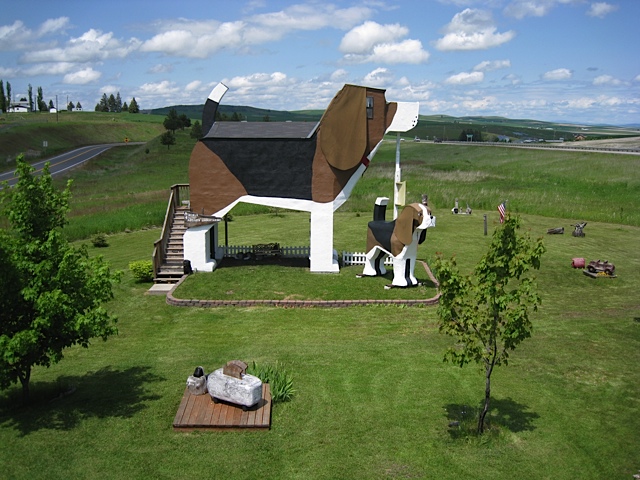
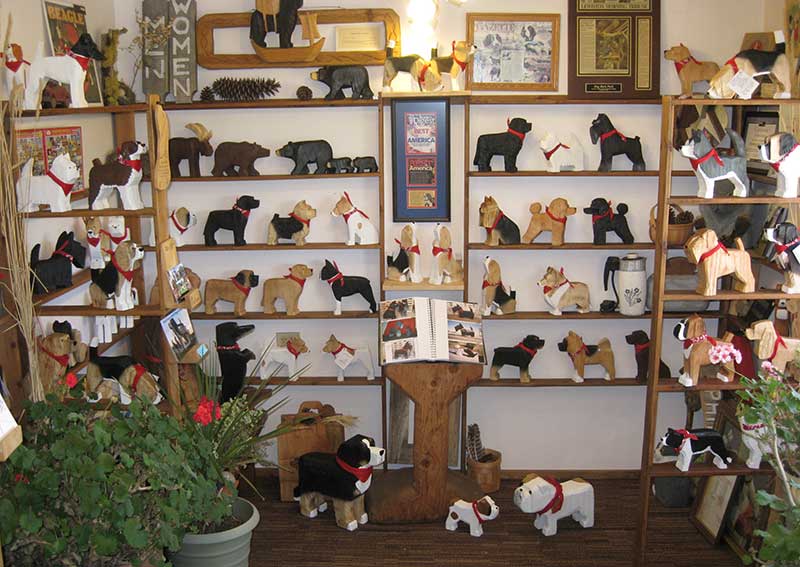
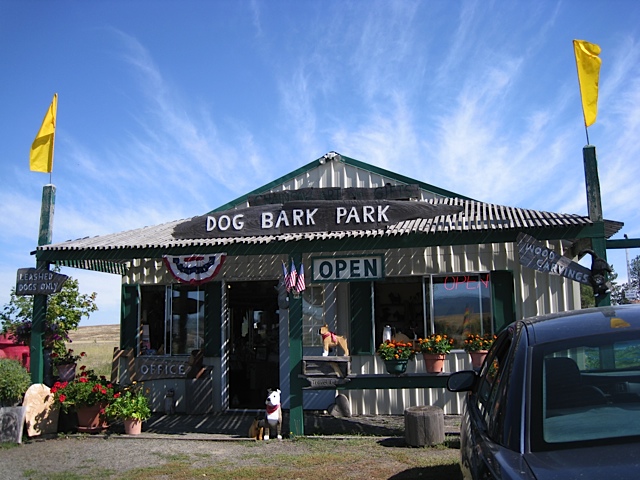
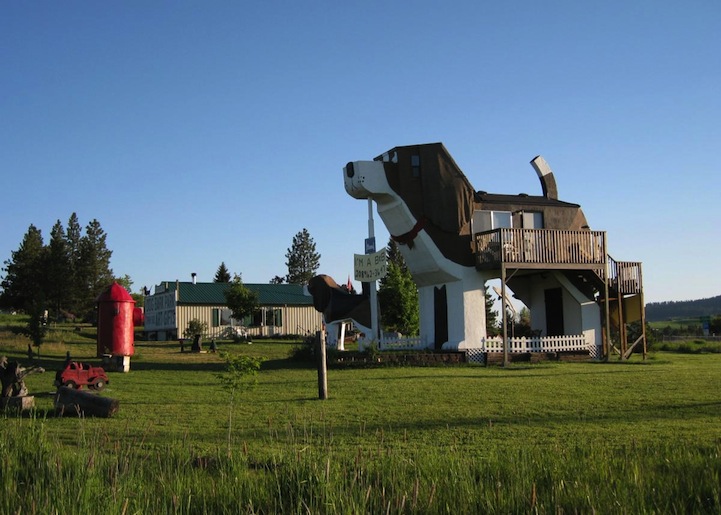
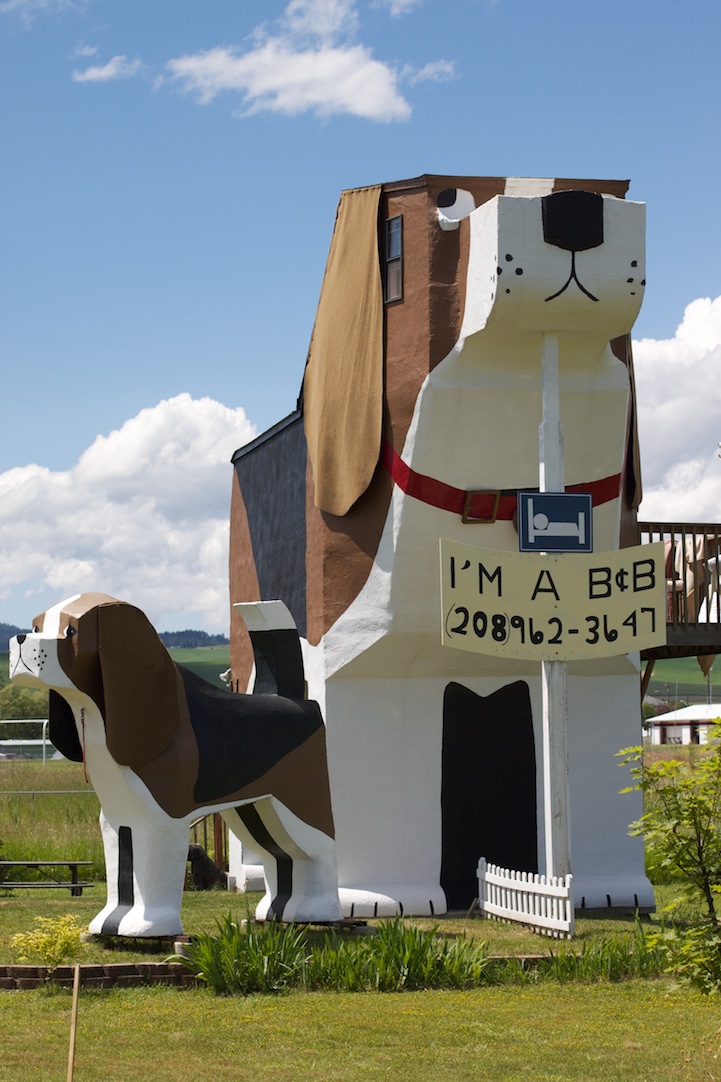
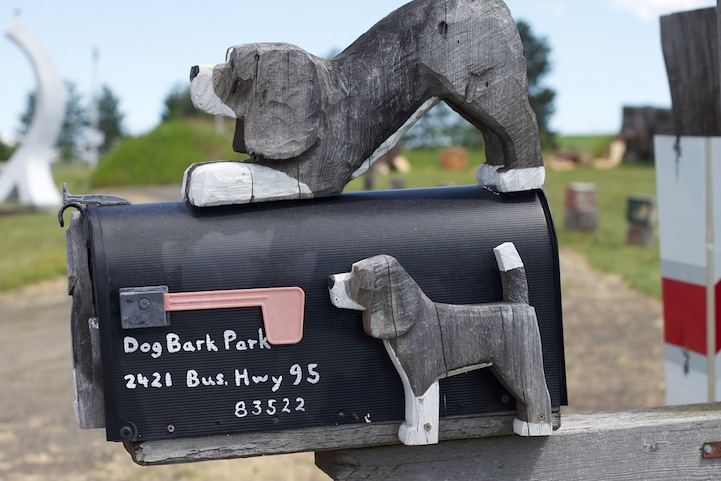
Dog Bark Park Inn is a guesthouse inside the World’s Largest Beagle. Some of the dog’s decorative furnishings are carvings by Dog Bark Park chainsaw artists Dennis and Francis. An adjacent gift shop offers an assortment of dog carvings. Visitors can also see how the carvings are made.
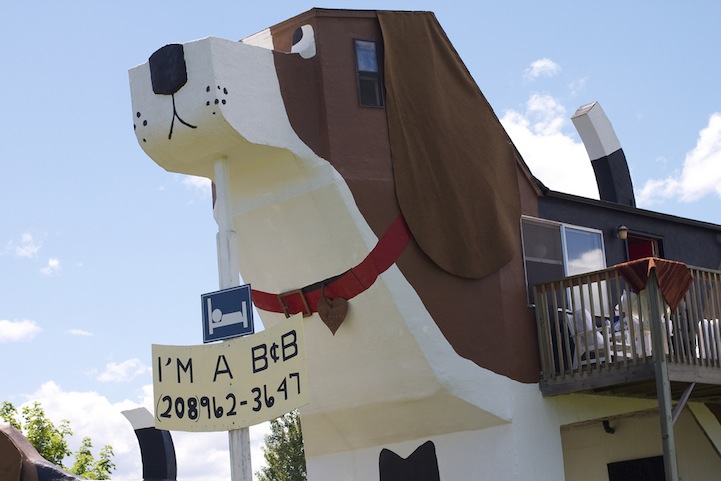
For dog lovers looking to take a trip to Idaho, we’ve found the perfect place to stay overnight! Located in Cottonwood, Idaho, Dog Bark Park Inn (aka Sweet Willy) is a specifically themed hotel shaped like a beagle. The two-bedroom bed & breakfast boasts a number of dog-themed design choices from the architecture itself to the interior decor.
The husband and wife wood carving artists behind the inn, Dennis Sullivan and Francis Conklin, first began experimenting with wood art nearly two decades ago. They say, “Our ‘big break’ came in 1995 when our carvings were sold on QVC television. We did nothing but carve wooden dogs for 18 months (our children barely remember seeing us during those days!), made what seemed like a bundle of money, invested it all in developing and building Dog Bark Park.”
Now, the couple continues to carve folk-art style wooden replicas of dogs, having already created over 60 different breeds of canines, and rent out their massive, towering tourist attraction. Check out the lodge’s website for a full list of amenities and pricing.
Dog lovers will appreciate this fun and functional roadside attraction on US Highway 95 at Cottonwood, Idaho.
Things To Know
Free visitor center & gallery gift shop open year-round.
Chainsaw dog carvings by resident artists are featured at Dog Bark Park.
Century-old Monastery of St. Gertrude & Historical Museum located near Cottonwood.
Enjoy seeing beautiful old wooden railroad trestles & bridges in the area.
Bed & breakfast season is April – August. Two night minimum stay.
I enjoy reading websites about my home state of Pennsylvania and this website—PABucketlist.com—always has great articles. This article, by Rusty Glessner, is all about eminent domain claiming a small town and then abandoning it.
Exploring the Abandoned Alvira Bunkers in Union County
By
Rusty Glessner
The abandoned Alvira bunkers are remnants of the American WWII war effort, as well as reminders of what lengths the federal government will go to to seize private property for “the greater good”.
Brief History of Alvira
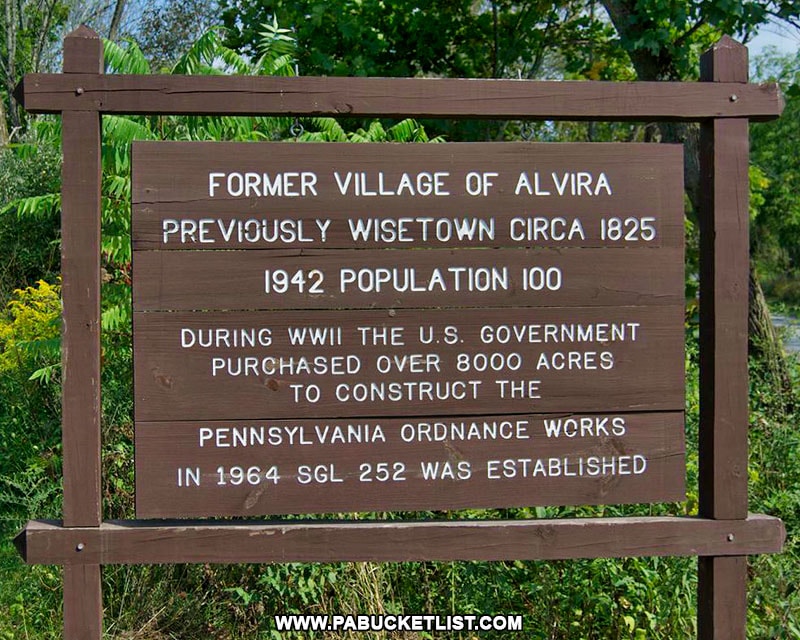
In the case of Alvira (originally founded as Wisetown in 1825), the federal government used the courts and eminent domain to force residents to accept buyouts of their homes, so that their entire town could be leveled and turned into a TNT manufacturing plant and storage facility known as the Pennsylvania Ordnance Works.
But just 11 months after the Pennsylvania Ordnance Works started manufacturing TNT, it was closed down due to a lack of need for the TNT being made and stored there.
And while the residents had been promised that they could buy back their land after the war, that promise was broken.
The federal government instead kept the land and gradually divvied it up, giving 4,000 acres to the Federal Bureau of Prisons to construct Allenwood Prison, and giving 3,000 acres to the state of Pennsylvania (including the land where the bunkers sit) which became State Game Lands 252.
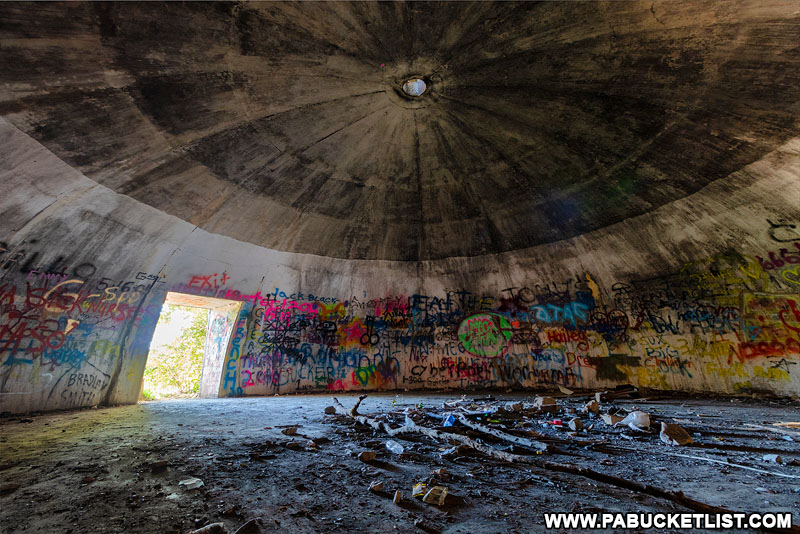
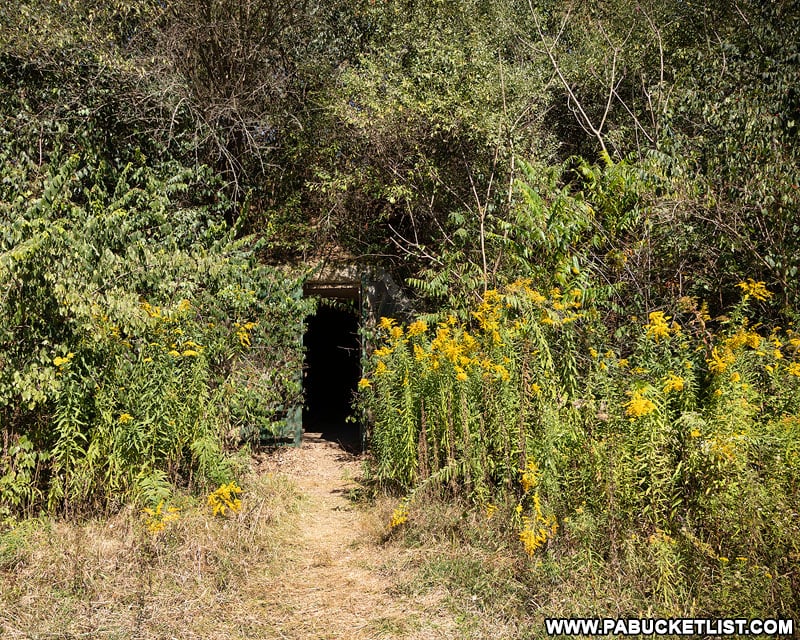
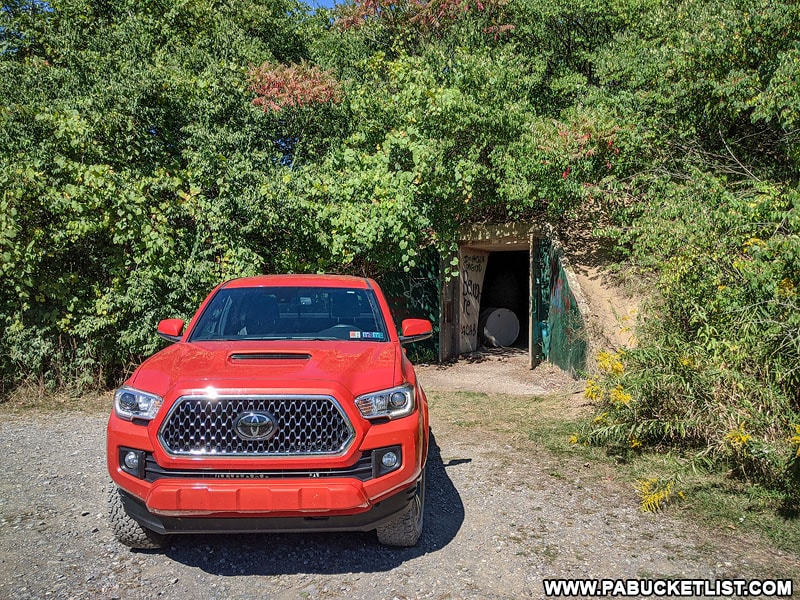
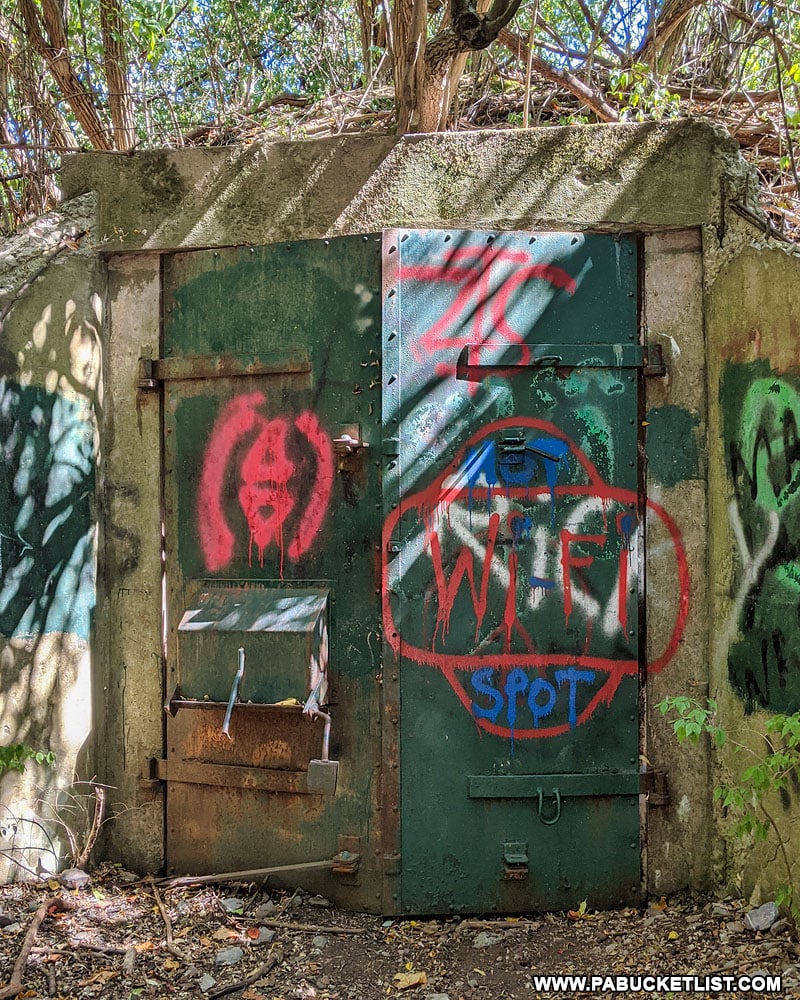
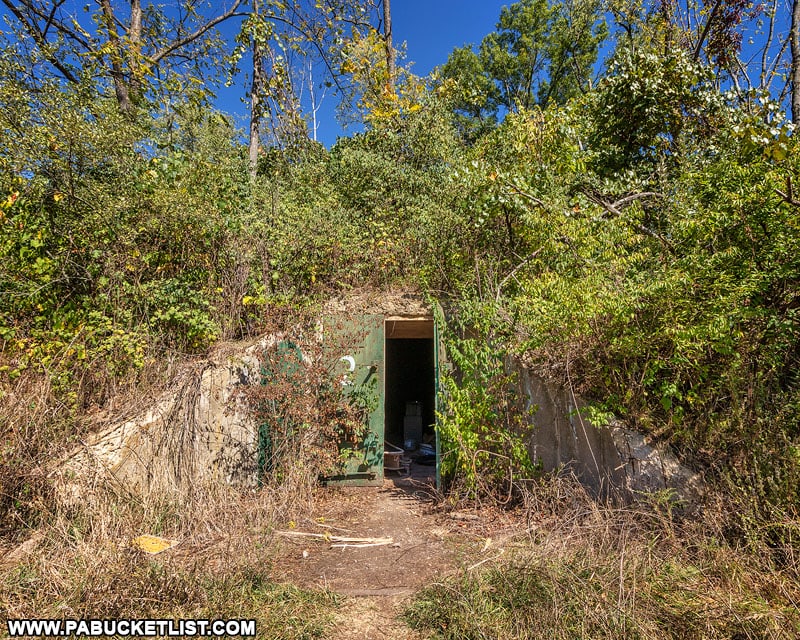
Today, the 149 dome-shaped concrete bunkers that once housed explosives for the US military are gradually being reclaimed by nature.
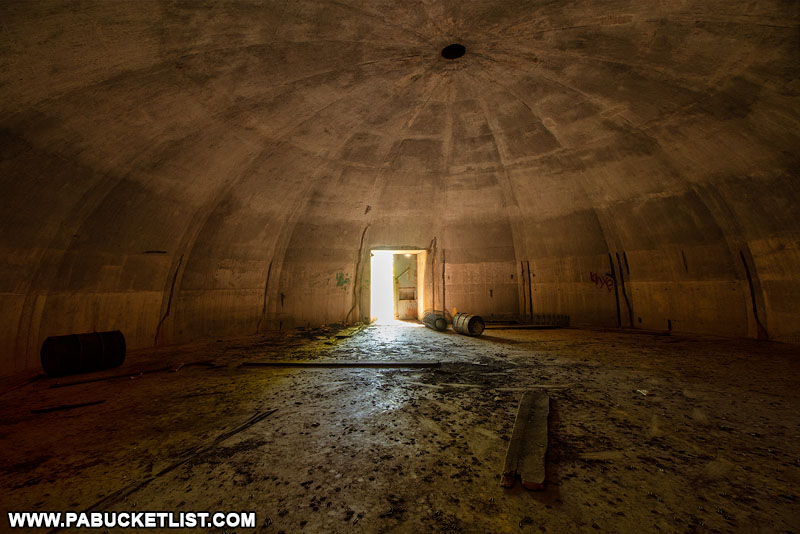
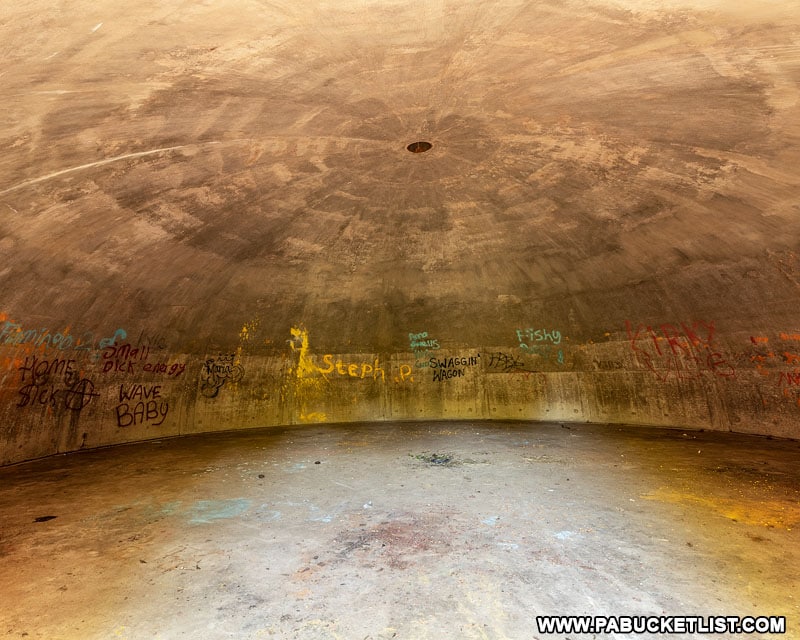
Designed to explode upwards in case of accidental detonation, and spaced far enough apart to prevent a chain-reaction spreading to other bunkers, these concrete igloos, nearly 80 years old now, have fared remarkably well on the inside.
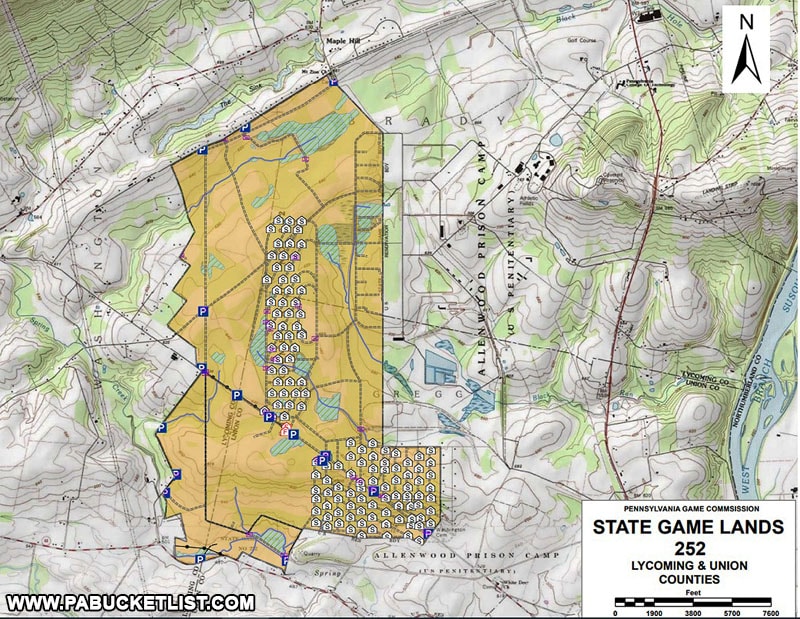
The official PA Game Commission map of SGL 252 shows the location of all the bunkers – all that is required of modern explorers is to do the bushwhacking!
Abandoned Alvira Bunkers FAQs
Where exactly are the abandoned Alvira bunkers located?
The Alvira bunkers are located in the Union County portion of State Game Lands 252, approximately 7 miles south of Williamsport.
Can I navigate to the Alvira bunkers by GPS?
Yes – use GPS coordinates 41.13618, -76.95924 to navigate to the first of several parking lots along Alvira Road.
Are any of the Alvira bunkers roadside and easy to reach?
Yes – in fact you can literally park right next to several of the bunkers along Alvira Road.
How many of the bunkers are you able to enter?
On a recent visit (Summer 2020) I was able to find and enter several dozenwithin a 2-hour time period. Please note – I have never tried to find all the bunkers, or get an exact count of how many are still accessible.
Are any of the bunkers still locked?
Yes, but again I have not attempted to determine an exact count of how many are locked/unlocked.
Are you able to see inside the bunkers without a flashlight?
The interiors of most of the unlocked bunkers are dimly lit by a small hole in the center of the roofs, but I would strongly recommend taking a flashlight along.
Are most of the bunkers full of trash and graffiti?
No – although none of the bunkers I’ve personally entered are in pristine condition, the further away you get from Alvira Road, the less vandalized the bunkers generally become.
What else is there to see at Alvira?
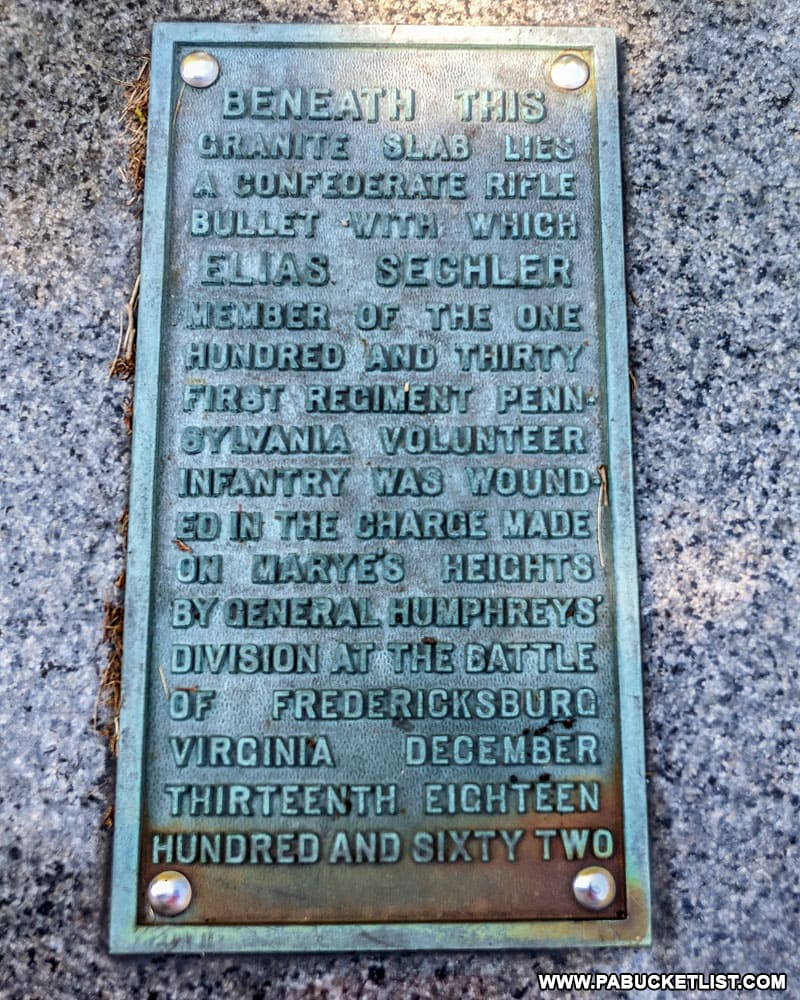
Several cemeteries still stand on Game Lands 252 (see map above), including many Civil War-era graves.
Final Thoughts on the Alvira Bunkers
The abandoned Alvira munitions bunkers are an interesting architectural relic of WWII-era America.
They are also a cautionary tale for what can happen to private individuals when the government decides it wants your property.
Or in the case of Alvira, wants your ENTIRE TOWN.
And what was once a thriving little hamlet in Union County, followed by a TNT factory and munitions depot, is now slowly being reabsorbed by nature and the elements.
The abandoned Alvira bunkers – go see them while you can!
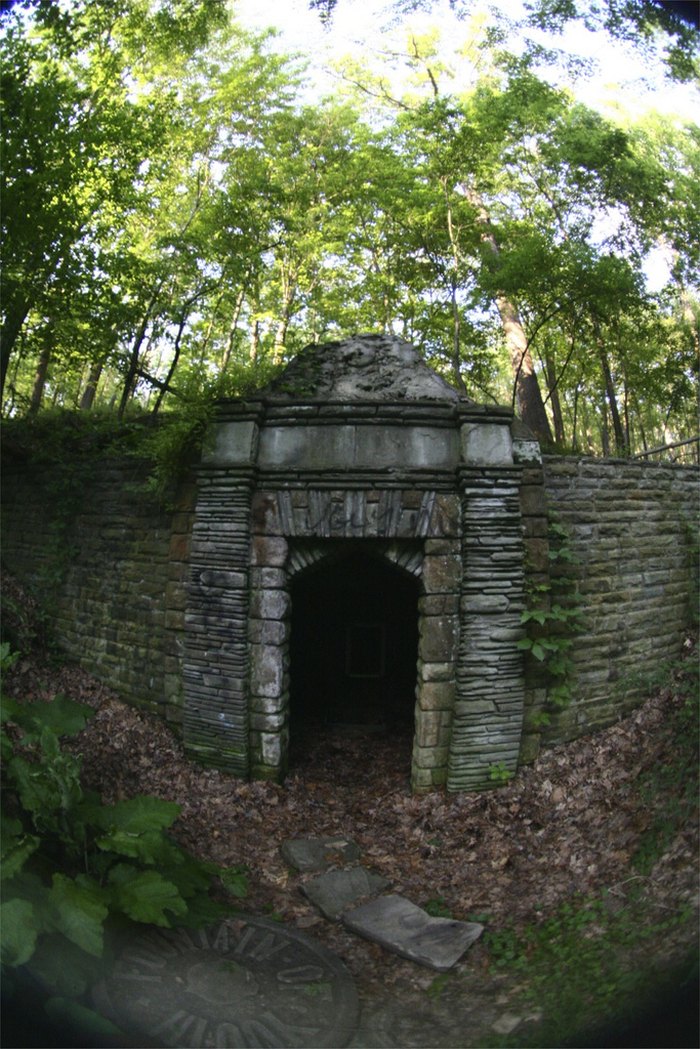
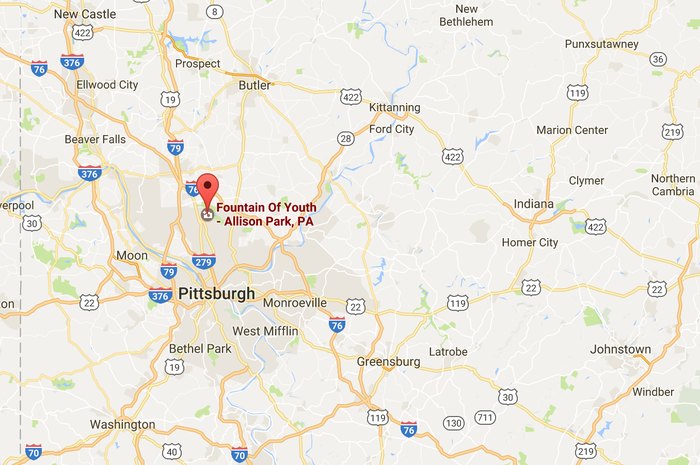
Most People Don’t Know There’s A Fountain Of Youth Hiding Deep In Pennsylvania’s WoodsTucked away in the woods of North Park near Wexford, Pennsylvania lies an attraction that relatively few know about: a Fountain of Youth. It borders on mythological, yet this small designated stone structure has become a landmark for photographers and explorers alike. Here’s more on this spring house structure and how you might find it:The Fountain of Youth is located in North Park, at 10127 Kummer Rd, Wexford, PA 15090.
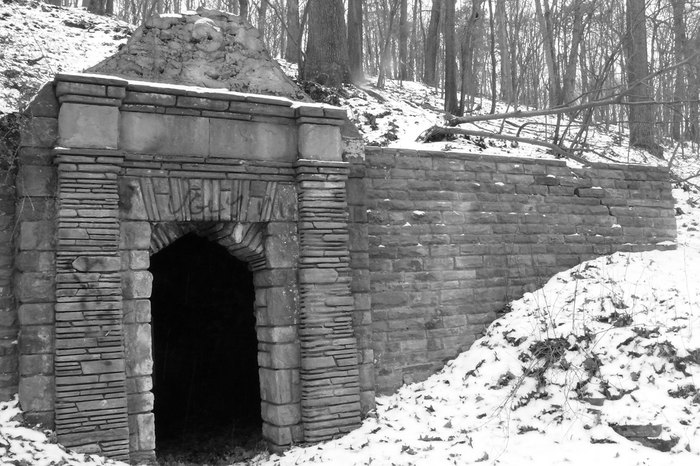
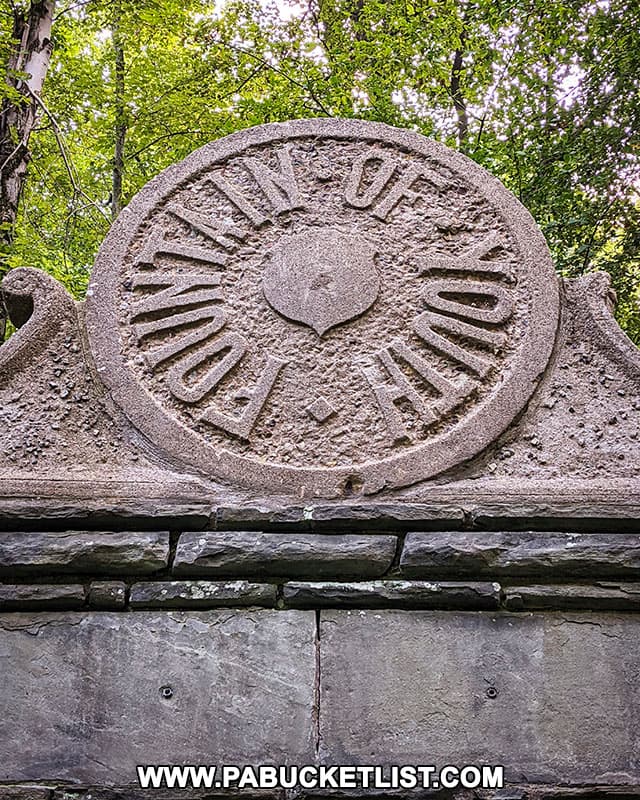
The springhouse was constructed in the 1930s in the style of a Roman cavern, complete with an archway made of stone and, of course, the center disc which reads “Fountain of Youth.”
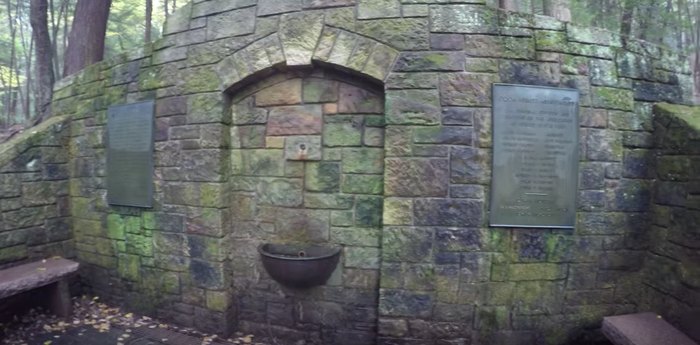
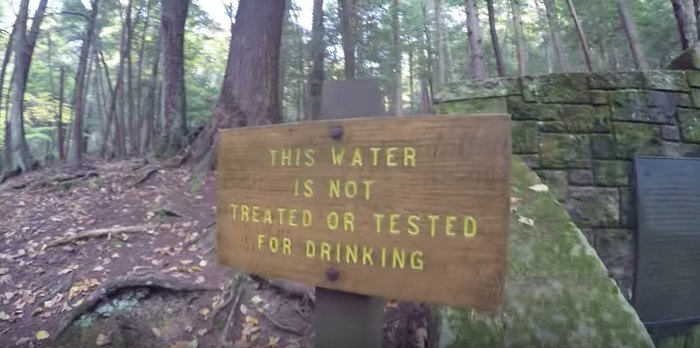
The structure is home to a spring, which until the 1950s was used as a local water source. Today, visitors will notice a warning sign that the water has not been treated.
Step inside to the cool, cave-like interior and on the back wall, you’ll notice the space where the pump was broken off after the water was considered unsafe.
You’ll then exit the space facing west, the direction that, according to local folklore, represents the struggles of middle age, the sacred feminine, and the power of water.
Whether or not you believe in the healing properties of this site (as the water itself is not safe to drink), there’s no denying its fascinating history and symbolism.
If you plan on visiting the Fountain of Youth, you’ll be in for a bit of a hike. Be sure to wear shoes that you can walk through the woods with.
The best way to access the Fountain of Youth springhouse is by parking along the small gravel pull-off and continuing along the path leading down to the creek.
TRUCKEE, Calif. —Western stagecoach companies were big business in the latter half of the 19th century. In addition to passengers and freight, stages hauled gold and silver bullion as well as mining company payrolls.
Stage robbery was a constant danger and bandits employed many strategies to ambush a stagecoach. Thieves rarely met with much resistance from stage drivers, since they had passenger safety foremost in mind. The gang was usually after the Wells Fargo money box with its valuable contents. Passengers were seldom hurt, but they were certainly relieved of their cash, watches and jewelry.
Before the completion of the transcontinental railroad over Donner Pass in 1868, the only transportation through the Sierra was by stage. Rugged teamsters held rein over six wild-eyed horses as they tore along the precipitous mountain trails. The stagecoaches were driven by skilled and fearless men who pushed themselves and their spirited horses to the limit.
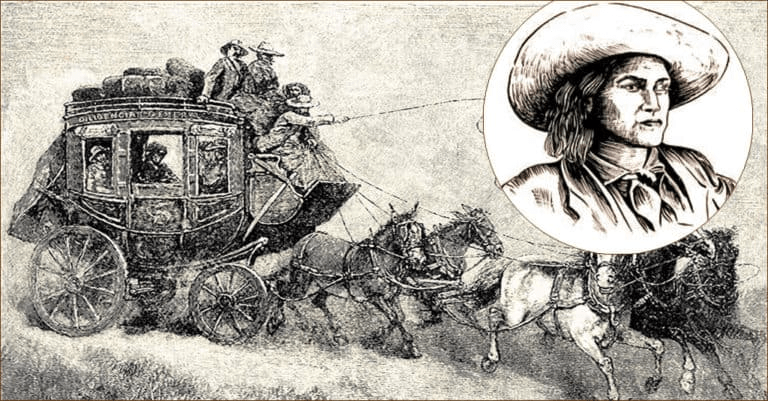
One of the most famous drivers was Charles Darkey Parkhurst, who had come west from New England in 1852 seeking his fortune in the Gold Rush. He spent 15 years running stages, sometimes partnering with Hank Monk, the celebrated driver from Carson City. Over the years, Pankhurst’s reputation as an expert whip grew.
Charley Parkhurst
From 20 feet away he could slice open the end of an envelope or cut a cigar out of a man’s mouth. Parkhurst smoked cigars, chewed wads of tobacco, drank with the best of them, and exuded supreme confidence behind the reins. His judgment was sound and pleasant manners won him many friends.
One afternoon as Charley drove down from Carson Pass, the lead horses veered off the road and a wrenching jolt threw him from the rig. He hung on to the reins as the horses dragged him along on his stomach. Amazingly, Parkhurst managed to steer the frightened horses back onto the road and save all his grateful passengers.
During the 1850s, bands of surly highwaymen stalked the roads. These outlaws would level their shotguns at stage drivers and shout, “Throw down the gold box!” Charley Parkhurst had no patience for the crooks despite their demands and threatening gestures.
The most notorious road agent was nicknamed “Sugarfoot.” When he and his gang accosted Charley’s stage, it was the last robbery the thief ever attempted. Charley cracked his whip defiantly, and when his horses bolted, he turned around and fired his revolver at the crooks. Sugarfoot was later found dead with a fatal bullet wound in his stomach.
In appreciation of his bravery, Wells Fargo presented Parkhurst with a large watch and chain made of solid gold. In 1865, Parkhurst grew tired of the demanding job of driving and he opened his own stage station. He later sold the business and retired to a ranch near Soquel, Calif. The years slipped by and Charley died on Dec. 29, 1879, at the age of 67.
A few days later, the Sacramento Daily Bee published his obituary. It read; “On Sunday last, there died a person known as Charley Parkhurst, aged 67, who was well-known to old residents as a stage driver. He was, in early days, accounted one of the most expert manipulators of the reins who ever sat on the box of a coach. It was discovered when friendly hands were preparing him for his final rest, that Charley Parkhurst was unmistakably a well-developed woman!”
Charlotte Parkhurst
Once it was discovered that Charley was a woman, there were plenty of people to say they had always thought he wasn’t like other men. Even though he wore leather gloves summer and winter, many noticed that his hands were small and smooth. He slept in the stables with his beloved horses and was never known to have had a girlfriend.
Charley never volunteered clues to her past. Loose fitting clothing hid her femininity and after a horse kicked her, an eye patch over one eye helped conceal her face. She weighed 175 pounds, could handle herself in a fistfight and drank whiskey like one of the boys.
It turns out that Charley’s real name was Charlotte Parkhurst. Abandoned as a child, she was raised in a New Hampshire orphanage unloved and surrounded by poverty. Charlotte ran away when she was 15 years old and soon discovered that life in the working world was easier for men. So she decided to masquerade as one for the rest of her life. The rest is history. Well, almost. There is one last thing. On November 3, 1868, Charlotte Parkhurst cast her vote in the national election, dressed as a man. She became the first woman to vote in the United States, 52 years before Congress passed the 19th amendment giving American women the right to vote.
The fire station in Soquel, California, has a plaque reading: “The first ballot by a woman in an American presidential election was cast on this site November 3, 1868, by Charlotte (Charley) Parkhurst who masqueraded as a man for much of her life. She was a stagecoach driver in the mother lode country during the gold rush days and shot and killed at least one bandit. In her later years she drove a stagecoach in this area. She died in 1879. Not until then was she found to be female. She is buried in Watsonville at the pioneer cemetery.”
Soquel, CA Plaque
In 1955, the Pajaro Valley Historical Association erected a monument at Parkhurst’s grave, which reads: “Charley Darkey Parkhurst (1812-1879) Noted whip of the gold rush days drove stage over Mt. Madonna in early days of Valley. Last run San Juan to Santa Cruz. Death in cabin near the 7 mile house. Revealed ‘one eyed Charley’ a woman. First woman to vote in the U.S. November 3, 1868.”
In 2007, the Santa Cruz County Redevelopment Agency oversaw the completion of the Parkhurst Terrace Apartments, named for the stagecoach driver and located a mile along the old stage route from the place of his/her death.
There was also a book written about Charley called “Charley’s Choice – The life and Times of Charley Parkhurst,” written by Fern J. Hill that might be of interest.
Bucks County, PA boasts many scenic spots, but there’s only one place to get an above-the-trees, bird’s-eye view of the surrounding countryside and Delaware River.
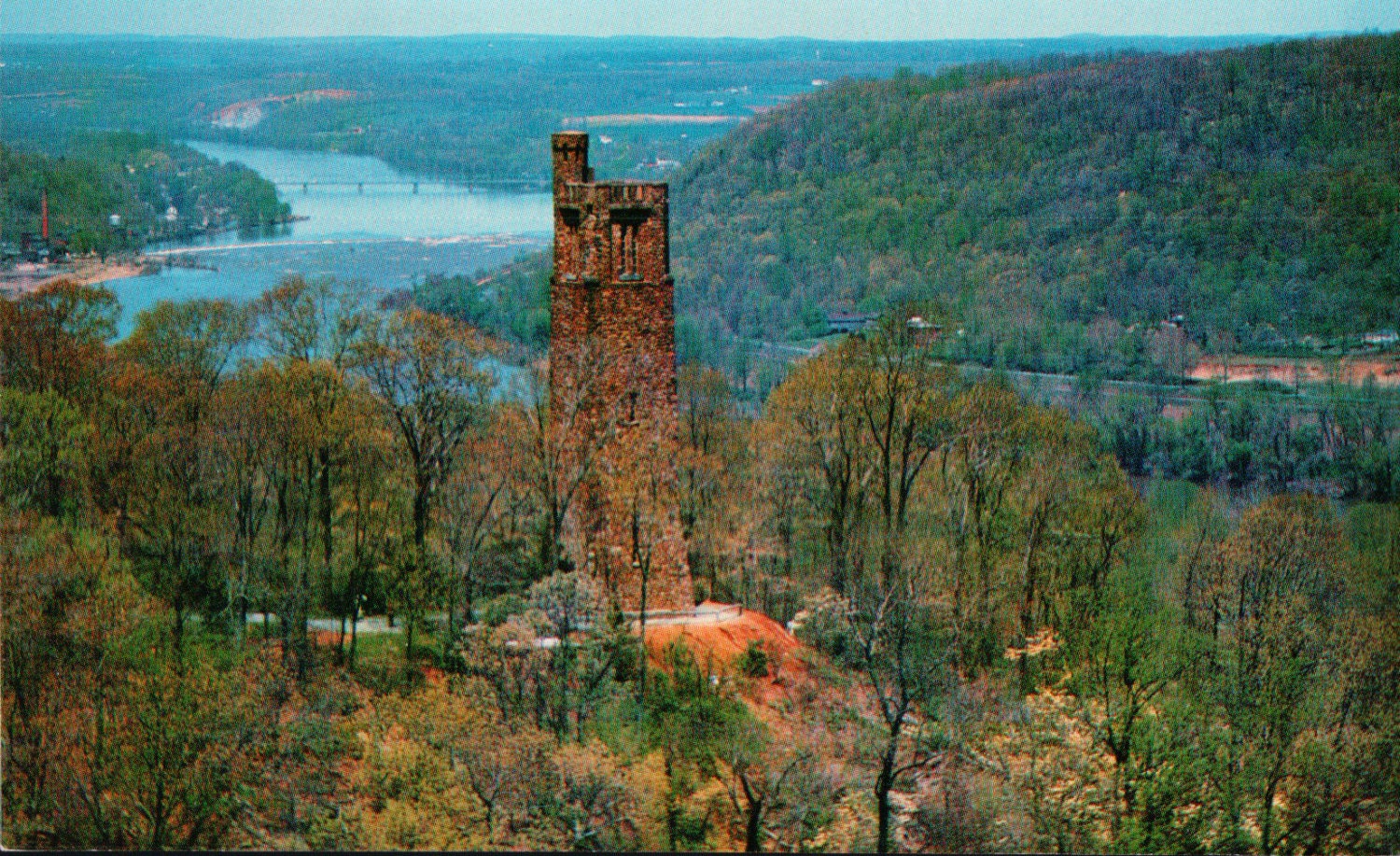
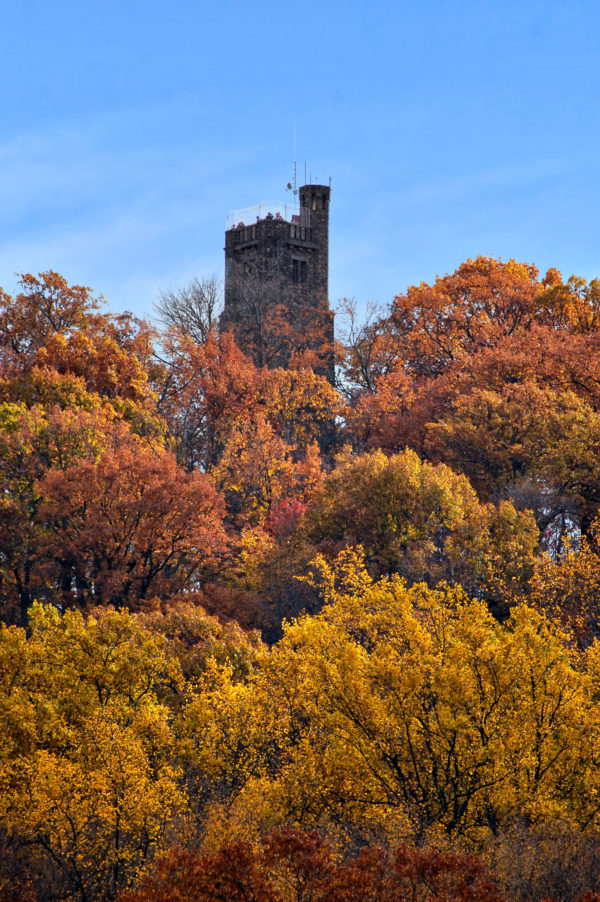
Rising 125 feet in the air atop Bowman’s Hill and offering a 14-mile view on a clear day, Bowman’s Hill Tower is a favorite stop for locals and tourists alike.
The Tower is located near the corner of Rt. 32 (River Road) and Lurgan Road, a few miles south of New Hope, PA.
The History of Bowman’s Hill Tower
One of the biggest misconceptions about the Tower is that it existed during General George Washington’s day. In reality, it was just built of local field stone in 1929-31 to commemorate what may have been a lookout point for Washington’s troops to watch for enemy activity on the Delaware River. Today, historians consider using Bowman’s Hill for a lookout to be more oral tradition than documented fact, however.
Construction of the Tower took nearly two years to complete. More than 2,400 tons of materials were used, including 1,200 perches of native stone from the hill and nearby stone fences, cut stone from local quarries, 517 tons of sand and 225 tons of cement. Workers excavated 15-feet deep so that the 24–foot-squared base would rest on a bedrock foundation. With construction done entirely by the Washington Crossing Park Commission employees, the total cost of the Tower was $100,000, including labor and materials.
Soon after the tower’s construction, workers planted 28,300 seedlings in the area to reforest the hill like people thought it would have been in Washington’s time. Some of those seedlings have become today’s towering trees on Bowman’s Hill. Due to the Tower’s height, lightning strikes were an ongoing problem. To improve safety and eliminate damage to the Tower, the National Lightning Protection Company of St. Louis, MO installed a lightning protection system on the building. Then the tower was vandalized (for the copper). The broken copper cables that visitors see hanging down its sides were part of this system. With the installation of new cables that are not copper, the system still operates today.
In the early 1980s, the Bowman’s Hill Tower underwent extensive restoration. An elevator was installed that takes visitors three-quarters of the way to the top, although it still is necessary to climb the last 23 steps to reach the outside observation deck. Previously, visitors had to climb a spiral staircase all the way to the top of the Tower. Today, visitors can choose which way they would like to reach the top.
So, what’s the mystery?TheNAME!
There is no definitive source for the name Bowman, however there are several theories:
The original name was Beau Mont which was paired with Belle Mont, a similar hill in New Jersey. There was a John Beaumont who owned the original land in 1783. His tract of land can be seen in the Upper Makefield township building.
The hill was named for Thomas Bowman, an English merchant who conducted trade up and down the Delaware River in the 17th century.
The hill was named for a John Bowman, a friend of Jonathan Pidcock, the first European settler in the area. Pidcock’s farm was located in the northeast end of the hill, from which Revolutionary War soldiers encamped on the farm, then owned by a Robert Thompson.
Or perhaps Bowman refers to a Doctor John Bowman (possibly the same John Bowman as above), allegedly ship’s surgeon to Captain Kidd. Dr Bowman was thought to have retired to eastern Pennsylvania after his time at sea and is said to be buried somewhere on the hill. The legend goes on in claiming that pirate treasure may be buried on the hill.
Note: The only burial placard on the hill commemorates a John Pidcock, early settler of the area, and not Dr. Bowman.
For whatever reason this hill was named, it’s a lovely lookout spot—even if George Washington never used it, Captain Kidd’s doctor never heard of it and there isn’t any buried treasure there!
I found this at the New Orleans website: Fun Facts About Mardi Gras!
New Orleans History & Rituals
Mardi Gras in New Orleans is quite the spectacle – but there are a lot of hidden secrets and behind-the-scenes magic that bring the celebration to life. Ever wondered what the most coveted throws of Carnival are, or why an array of colorful ladders line St. Charles Avenue? Learn all about Mardi Gras in New Orleans with these 12 fun facts.
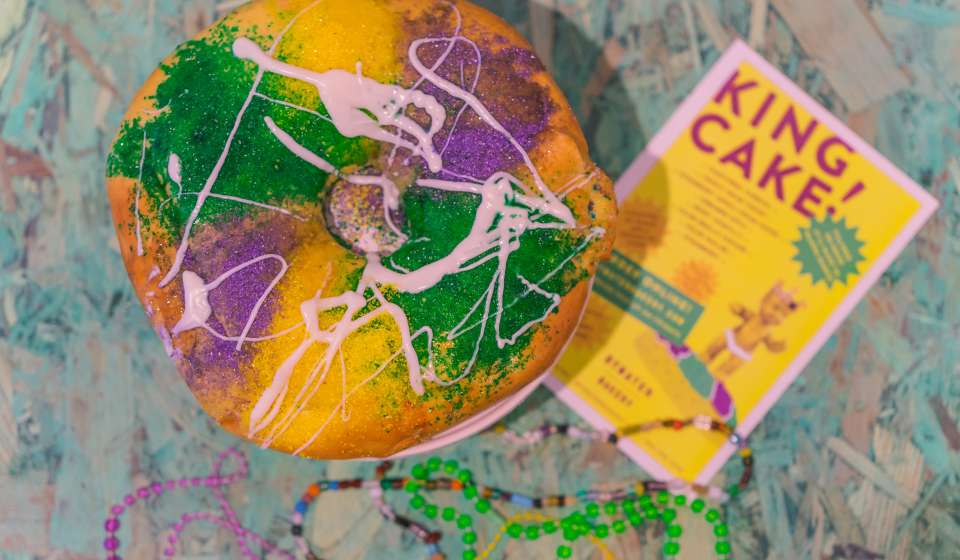
Mardi Gras is more than just a day, it’s an entire season. Carnival season begins on Twelfth Night (January 6) and ends on Fat Tuesday. It’s during this time period that king cakes make their debut – and fly off the shelves all season long.
Mardi Gras Indians’ elaborate “suits” are hand-sewn with thousands of beads and take all year to make. A new suit is made each year.
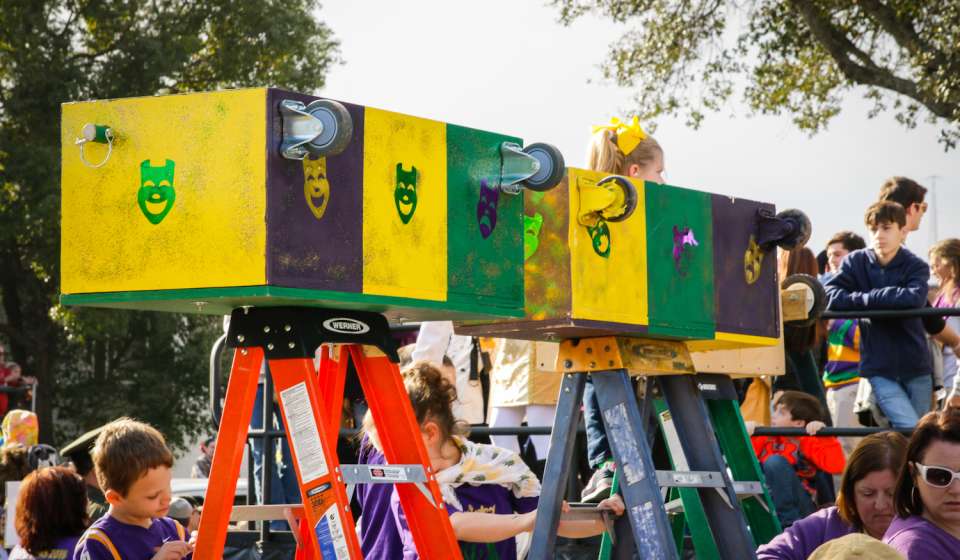
Colorful ladders with seats line St. Charles Avenue on parade days so that children can get a clear view. Parade-goers use the ladders to hold their spot prior to the parade starting.
Krewes choose a different theme for their parades each year, with some krewes keeping their themes secret until their parade is rolling.
According to Arthur Hardy, a premier authority on Mardi Gras in New Orleans, items have been tossed off floats since at least 1871. During the Twelfth Night Revelers parade, a masker costumed as Santa Claus aboard float No. 24 threw gifts to the crowd. In 1884, Rex started using medallions instead of trinkets. These medallions are represented by today’s doubloons: aluminum and anodized in many different colors.
“Throw Me Something, Mister” are the magic words used to catch all the throws at Mardi Gras parades.
Zulu coconuts, Muses shoes and Krewe of Iris sunglasses are some of the most desired signature “throws” of the season. Revelers go all-out in attempts to catch these, including dressing in colorful costumes, making posters and holding out butterfly nets and targets for float riders to throw to.
There is a city ordinance in Orleans Parish that prohibits Mardi Gras from being commercialized. No corporate sponsorships are allowed on floats. All expenses are paid by krewes and riders.
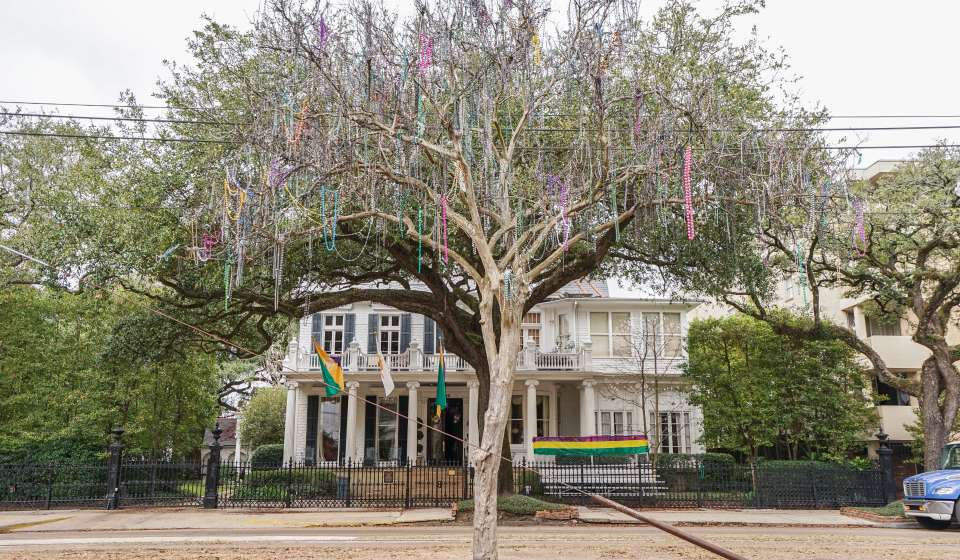
Beads “grow” on trees during Carnival season in New Orleans. Tree-lined St. Charles Avenue transforms into a Mardi Gras wonderland by the time Fat Tuesday rolls around.
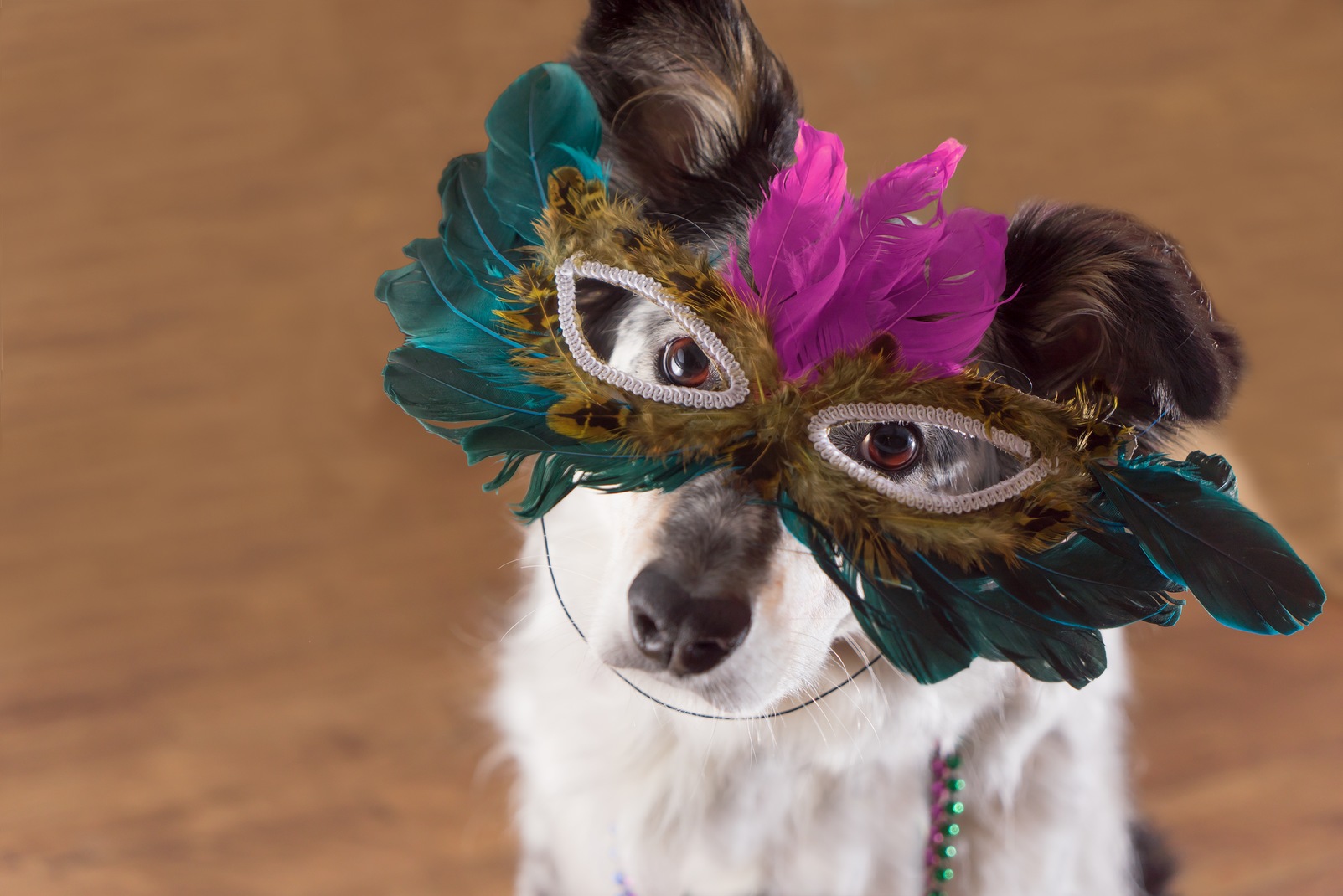
Float riders are required by law to wear masks or face paint.
Traditionally, the Mayor of New Orleans hands over the key to the city to Rex, the king of Carnival, on Mardi Gras Day.
To officially end Carnival celebrations, New Orleans police officers on foot and mounted on horseback move through the crowds on Bourbon Street at midnight on Mardi Gras Day. The Mayor often joins.









.jpg)









 Sew Colorful