Picea sitchensis, commonly known as the Sitka Spruce, is part of the Picea genus in the Pinaceae family, which includes other conifers like pines, firs, and larches. This species is noted for its tall stature, rapid growth rate, and the quality of its wood. The name “sitchensis” refers to Sitka, Alaska, where this tree was first described to science. It is by far the largest species of spruce and the fifth-largest conifer in the world, and the third-tallest conifer species.
The Sitka Spruce has a native range along the Pacific Coast of North America, stretching from northern California through Oregon, Washington, British Columbia, and into Alaska. It’s particularly dominant in the coastal temperate rainforests where it benefits from the moist, foggy conditions, growing from sea level up to about 3,000 feet in elevation. This range makes it the most widely distributed spruce in western North America.
Historically, Sitka Spruce has been significant for both indigenous peoples and later settlers. Native American tribes used its wood for constructing canoes, homes, and tools due to its strength and lightweight nature. With European settlement, its use expanded significantly, especially for shipbuilding, aircraft construction during World War II (due to its excellent strength-to-weight ratio), and later for musical instruments like guitars and violins because of its resonant qualities. The tree’s ecological importance in the coastal ecosystems, providing habitat for numerous species, has also been recognized, leading to its protection in various natural reserves and parks.
Sitka Spruce is adapted to USDA Hardiness Zones 6 through 8, reflecting its preference for the mild, wet winters and cool summers of its native coastal range. Its lifespan can be quite impressive, often living between 500 to 700 years, with some specimens potentially reaching up to 1,000 years in optimal conditions. This longevity is supported by its ability to grow in harsh, wind-swept environments and its resistance to many diseases that affect other spruces.
Sitka Spruce (Picea sitchensis): Characteristics
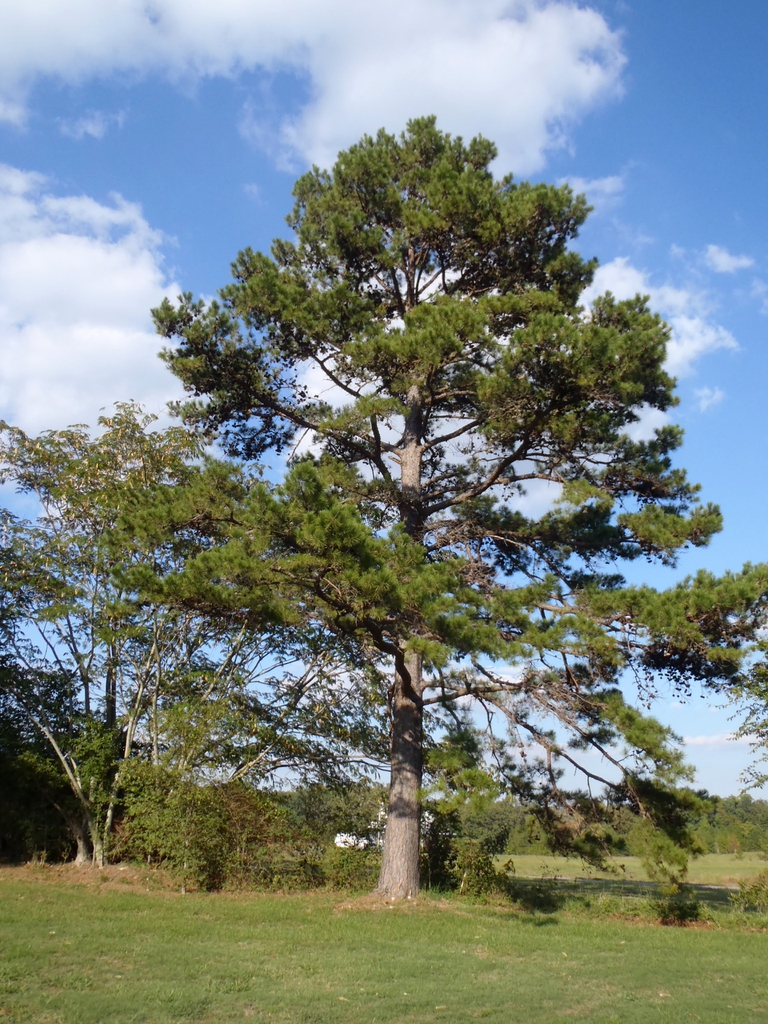
Growth Habit: An evergreen conifer that can grow to be one of the tallest trees in the world, reaching heights up to 300 feet with a straight, narrow trunk. Its crown is conical in youth, becoming more irregular with age.
Bark: Young trees have thin, gray bark that becomes thicker, furrowed, and reddish-brown as it matures, providing a protective layer against environmental stresses.
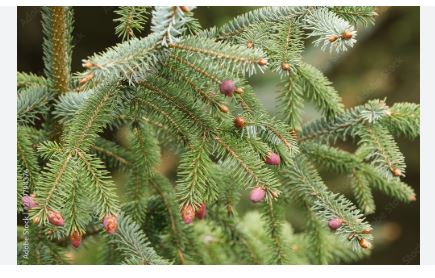
Needles: Features sharp, stiff needles that are approximately 1 to 1.5 inches long, with a glossy, dark green color. They are arranged spirally around the twig, giving the tree a dense, feathery appearance.
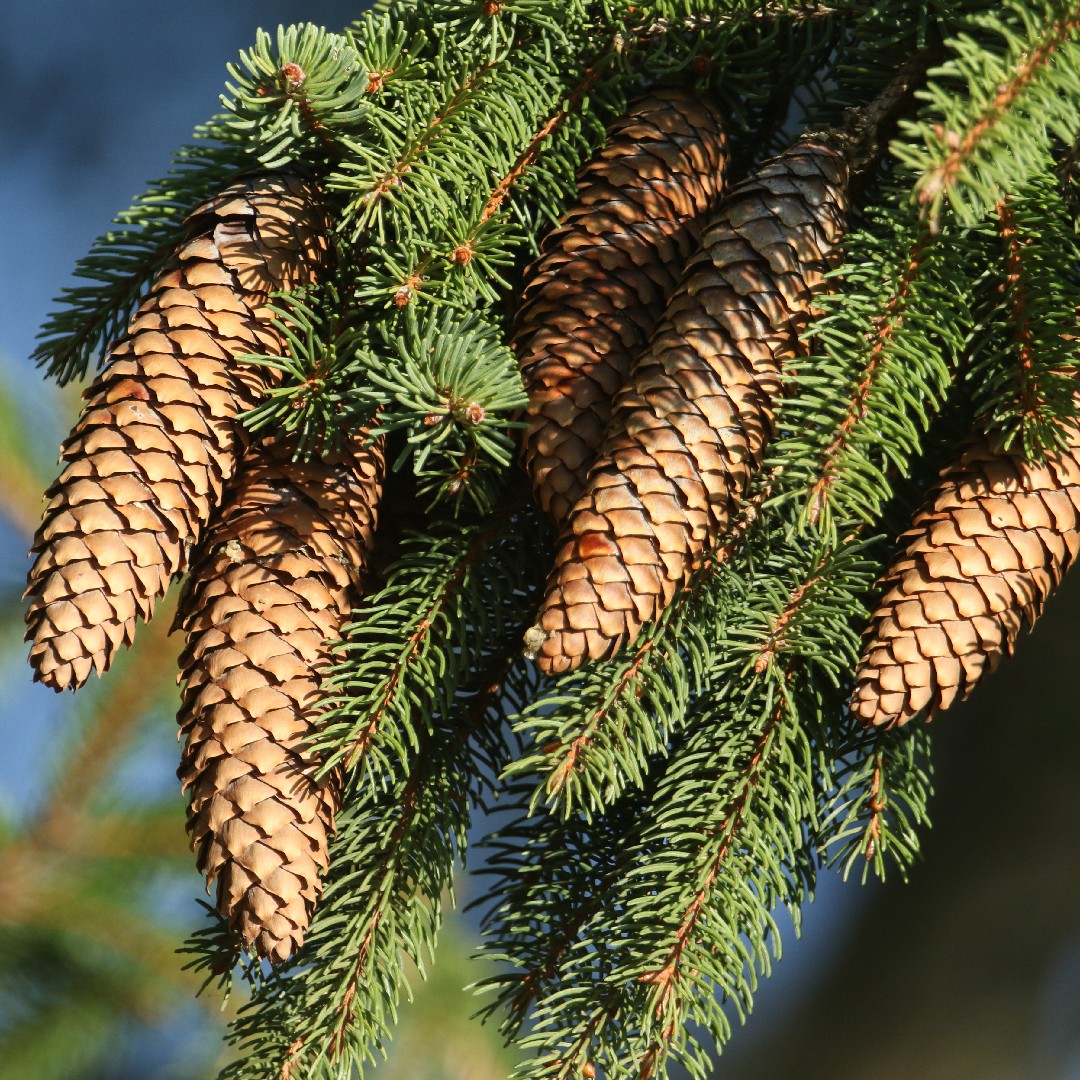
Cones: Produces cylindrical cones that hang down from the branches, typically 2 to 4 inches long. Initially green, they turn brown when ripe, with thin, flexible scales that release winged seeds.
Root System: Develops a strong, deep root system capable of anchoring the tree in the often wet, unstable soils of its coastal habitat, but it can also have superficial roots for nutrient uptake.
Adaptability: Thrives in moist, well-drained soils of coastal regions but can tolerate a variety of soil types, provided there’s adequate moisture. It prefers the cool, humid conditions of its native range.
Growth Rate: Known for its rapid growth, especially in youth, making it one of the faster-growing conifers in its habitat, which is beneficial for reforestation but can pose challenges in managed landscapes.
Wood Quality: The wood is light, strong, and with excellent acoustic properties, making it sought after for musical instruments, aircraft construction, and high-quality lumber.
Ecological Role: Plays a crucial role in coastal ecosystems, providing habitat for wildlife, stabilizing soil, and influencing local microclimates through its canopy’s shade and moisture retention.
Cultural Significance: Historically used by Indigenous peoples for various purposes and later by settlers for shipbuilding and other constructions due to its superior wood quality. Its towering presence has also been a symbol of the Pacific Northwest’s natural grandeur.
SOURCE: AMERICANGARDNER.NET

/GettyImages-139822624-b1f1b7cff00a491095cdfb3cf64efd03.jpg)


:max_bytes(150000):strip_icc()/longleaf-pine-growing-guide-5213219-hero-61ffb6fa869e4b5eb1a48a1e813a540c.jpg)
:max_bytes(150000):strip_icc()/longleaf-pine-growing-guide-5213219-05-ea02d0179ab24d878c9e3694c364bc0b.jpg)
 Sew Colorful