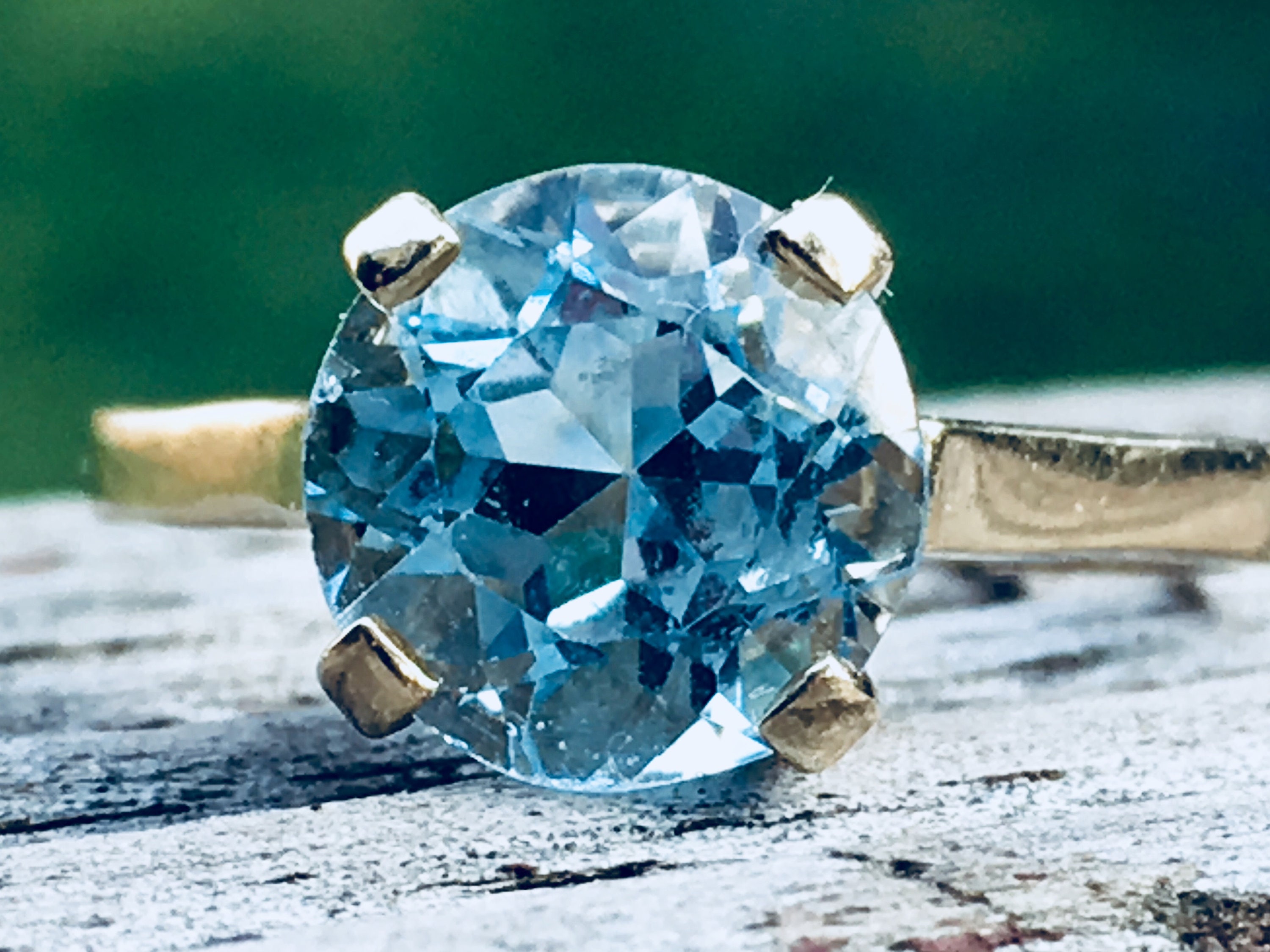
Aquamarine is the birthstone for March and I found an article discussing interesting facts—most I did not know!
Interesting Aquamarine Facts
By Iskra Banović
April 6th, 2018
Whether you’re attracted to the tranquil blue shades or the crystal clear facets, aquamarine has a way of capturing its audience. It’s no surprise then that aquamarine is arguably the most popular colored gemstone on the market. Not only that, its ancient history makes it one of the oldest. Discover some of the most interesting aquamarine facts and begin to understand the intricacies behind the mesmerizing March birthstone.
Aquamarine Means Sea Water
Aquamarine has such an enchanting name. It reminds me of a mermaid with long turquoise hair and piercing blue eyes. Though, the name is based on the old Latin term aqua marīna which roughly translates as water of the sea. Seawater can either depict a dirty, undesirable gulp of saltwater or a crystal clear beach in paradise. I think the latter is a better fit.
Aquamarine is the Official Birthstone of March
Aquamarine has been the official birthstone of March since 1912. It is also linked to the 19th wedding anniversary and the zodiac sign Scorpio among others.
Sailors Love Aquamarine
Since the days of myths and chariots, aquamarine has been linked to the sea. Sailors would take fancy carved aquamarine pendants and tokens with them on long sea voyages in the hopes that the stone would protect them from seasickness and uncertain death. I know there have been many treasures and jewels uncovered at the bottom of the ocean, but how many of them happen to be aquamarine? If the legend is true, I would guess not too many.
Anxiety? Wearing Aquamarine Could Relax You
Not only does aquamarine dispel seasickness and act as a protector on the high seas, but it also is a calming stone used in meditation. The stone is thought to relax the senses and aid in calming the nerves.
The Largest Gem-Quality Aquamarine Weighs 244 Pounds
There are a lot of unique famous aquamarine gemstones, and many of them are big and colorful. The largest stone on record weighs 244 pounds and was mined in Brazil in 1910.
Aquamarine is Heat Treated
Unfortunately, a lot of aquamarine on the market today is heat-treated. Some stones, like blue topaz, are virtually colorless before they undergo treatment to transform completely into a deep and different color. Aquamarine isn’t like that. The stone comes out of the ground with a particular tone and hue. The stone’s hue doesn’t become deeper or change when it goes through heat treatment. All that happens is that, if successful, all green undertones are removed.
Sky Blue is the Most Desirable Shade of Aquamarine
Over the course of aquamarine’s history, the desired shade has varied from turquoise green to sky blue. Right now it seems like the jewelry industry and consumers favor a pure sky blue aquamarine color. Because of this, heat treatment to remove green undertones is so common that it even happens right on-site at the mine before the rough is even cut.
Some Aquamarine Loses Its Color in Sunlight
There is a variety of beryl on the market that goes by the name of maxixe aquamarine. This stone comes in a very deep, beautiful blue tone. There’s a catch, though. When this stone is exposed to sunlight, the color slowly fades to light yellowish green. Buyer beware!
There are A LOT of Fakes
Even though there are no synthetic aquamarine gemstones on the market, there are a lot of simulated ones. Many of these are marketed as a fancied name aquamarine.
Learn more about simulated aquamarines in our aquamarine buying guide.
Aquamarine is Durable Enough for Engagement Rings
Ranking between 7.5-8 on the Mohs Scale of Hardness puts aquamarine in the “everyday wear” range. Careful, though. Aquamarine can still scratch on its surface, especially by other harder gemstones like sapphire and diamond.
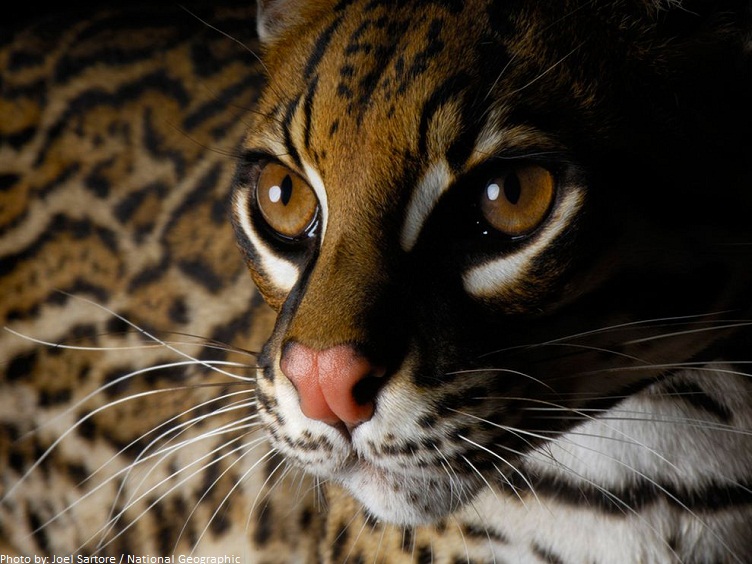
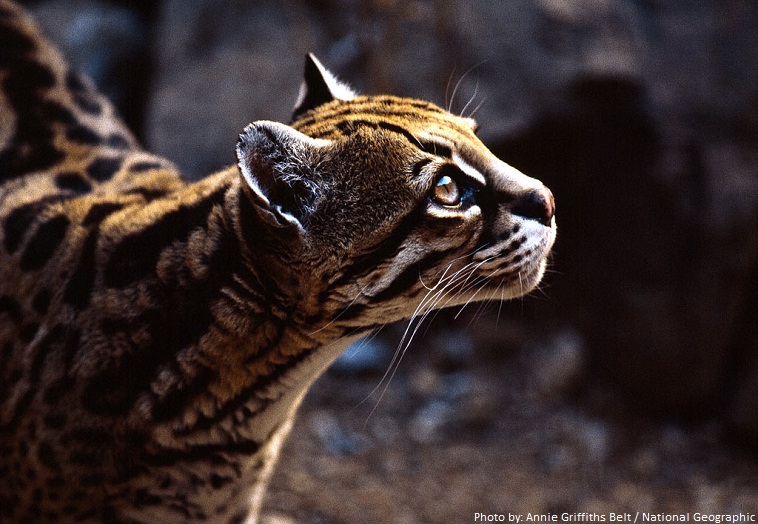
The ocelot also known as the dwarf leopard, is a wild cat.
Ocelots live primarily in the rain forests of South America. They also live in Central America, Mexico and even some as far north as southern Texas.
Ocelots are found in a variety of habitats, including tropical forests, savannas, grasslands, mangrove forests and marshes, and thorn scrub regions.
Their primary habitat requirement is dense vegetative cover. Ocelots are found in open areas only when it’s cloudy or at night when there is a new moon.
They generally live at elevations below 3,937 feet, but have been sighted at 11,482 feet as well.
Average lifespan of ocelot is 10 to 13 years in the wild and up to 20 years in captivity.
Ocelots range in color from light yellow to reddish gray, with dark spots and stripes. They have dark stripes on their cheeks and their tailed have rings of dark fur.
The ocelot ranges from 27 to 39 inches in length, plus 10 to 18 inches in tail length.
Weight for females is from 14.3 to 25.3 pounds, and for males is from 15 to 34 pounds.
Ocelots are nocturnal, meaning they’re most active at night. During the day, they rest in the hollow trees, on the branches or dense vegetation.
Like all small cats, ocelots have very good vision and hearing.
Their eyes have a special layer that collects light.
They use their sharp vision and hearing to hunt: rabbits, baby peccaries, young deer, rodents, iguanas, frogs, fish, monkeys, sloths and birds.
When they’re ready to eat, the wild cats don’t chew their food—instead they use their teeth to tear meat into pieces and then swallow it whole.
Ocelots have raspy tongues, which successfully remove every little piece of meat from bones.
Although predators themselves, ocelots occasionally become the prey of harpy eagles, pumas, jaguars, and anacondas.
Ocelots spend most of their time on the ground but are strong swimmers and good climbers and jumpers.
Ocelots communicate with each other using body language, scent marking, and vocalizations.
Ocelots are territorial and solitary creatures.
Ocelots are very active,traveling from 1.1 to 4.1 miles per night. Males traveling nearly twice as far as females.
Their home ranges are between0.7 and 12 square miles, depending on habitat. Male ranges are larger than females and do not overlap with those of other males. But male ranges tend to overlap with those of several females.
Female ocelots are called Queens while male ocelots are called Torns.
Males and females gather only during the mating season. In tropical areas, ocelots can reproduce throughout the whole year. In temperate climate, ocelots mate at the end of the summer.
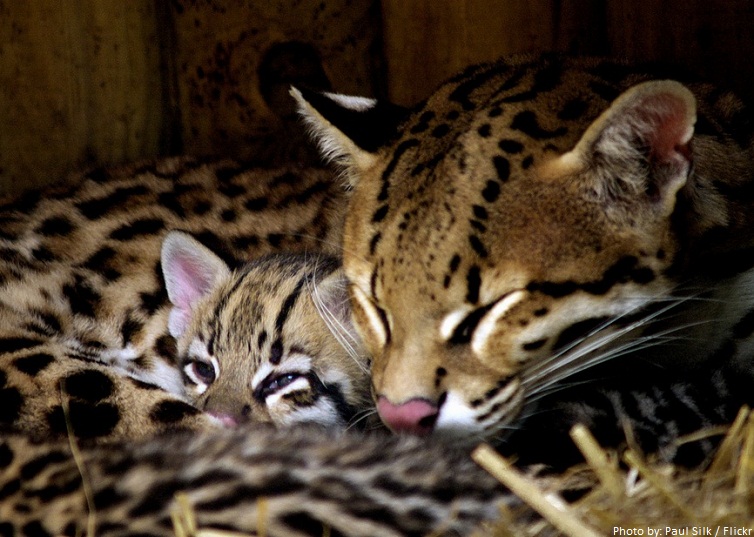
An ocelot family is made up of an adult female and her young. After breeding, the male and female ocelots go their separate ways. The female is pregnant for a little over two months before she gives birth in a hollow tree, rocky bluff, cave, or secluded thicket to usually 1 but sometimes up to 4 kittens.
The kittens are born with their spots but have gray coats and blue eyes that turn golden brown when they’re about three months old.
The youngster begins to walk when it is 3 weeks old. As the kitten grows, the mother ocelot teaches it how to hunt, usually at four to 6 weeks of age, and the kitten is able to eat solid food at 8 weeks, although it may continue to nurse for 6 months.
By the time it is8 months old, the youngster’s adult teeth are in, and it can hunt for itself, but may stay in the mother’s home range for up to 2 years.
From the early 1960’s to the mid 1980’s, Ocelot fur coats sold for $40,000.00 and the live animal as a pet sold for $800.00. At one time, more than 200,000 ocelots per year were killed for their coats. Today, with laws prohibiting hunting for the fur trade, there are no Ocelot coats for sale, and the “pet” Ocelot is a thing of the past.
Today, the Ocelot is listed by the IUCN as being a species that is of Least Concern of becoming extinct in their natural environment in the near future. Although some populations are small and unstable, the Ocelot is widespread but the general population trend is now decreasing. This is mainly due to habitat loss as vast areas particularity in the Amazon, are subject to drastic deforestation and no longer provide the dense cover and adequate food supply that the Ocelot needs to survive.
It is estimated that there are anywhere from 800,000 to 1.5 million left.
Salvador Dali frequently traveled with his pet ocelot Babou, even bringing it aboard the luxury ocean liner SS France.
Its name came from the Mexican Aztec word tlalocelot, which means field tiger.
The Moche people of ancient Peru worshipped animals and often depicted the ocelot in their art.
The Belizean name for the ocelot is the same as the margay – ‘tiger cat’.
The collective name for a group of Ocelots is a clowder or clutter.
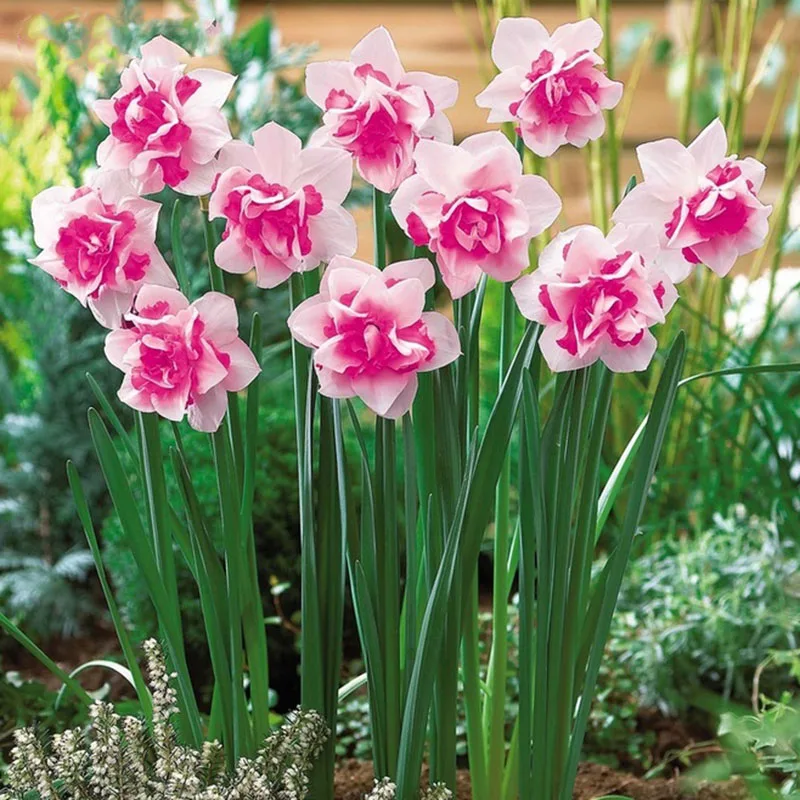
Beautiful daffodil flowers adorn countless gardens around the world. Delicate and fragrant, they are a true embodiment of the fragile natural beauty. They require some care, which, of course, does not stop stubborn gardeners who want to decorate their home or summer cottage.
Interesting facts about daffodils
They got their name in honor of Narcissus, one of the characters of ancient Greek myths, who was so beautiful that he fell in love with his own reflection.
Botanically speaking, daffodils are herbs.
Daffodils are poisonous flowers, an attempt to eat any of their parts can lead to fatal poisoning.
Perfumers have been making fragrant essential oil from narcissus flowers for over 2,000 years.
In the language of flowers, the daffodil symbolizes selfishness and false hopes.
The ancient Greek goddess Persephone is usually depicted with these flowers.
In total, there are 113 types of daffodils in the world.
Daffodils grow wild only in Europe. The only exception is a single species that grows in Asia.
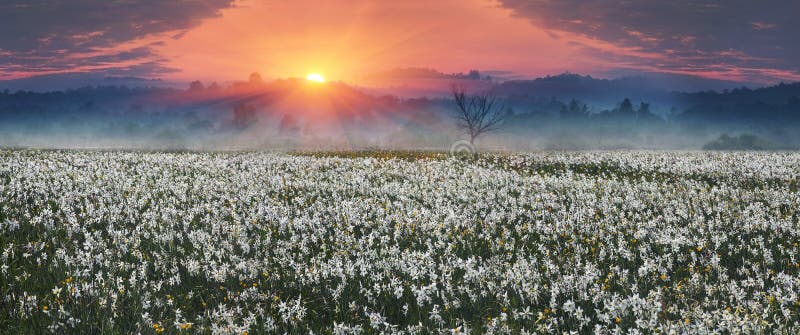
There is a surprisingly interesting place in Ukraine – the Valley of Narcissuses, a huge nature reserve overgrown with these plants. It is under the protection of UNESCO.
In the modern perfume industry, natural essential oil from daffodils is almost never found. It was almost completely replaced by synthetic.
The English call daffodils spring lilies.
Daffodils bloom for a surprisingly long time, if, of course, you take care of them properly. In this case, flowering can last up to 5-6 months.
The juices of this plant are able to kill the rest of the flora, therefore, before adding daffodils to a bouquet with other flowers, they are first cut off and kept separately for about a day in water so that the poison comes out.
Animals practically do not eat daffodils for the same reason – poison.
In ancient Rome, daffodils were given to commanders who returned victorious from the battlefield.
It is the daffodil that is the symbol of the county of Wales.
On New Year’s Eve in China, daffodils are the main decoration and symbol in general.
According to surveys, in the UK, daffodils are the favorite flower of most residents. Roses are in second place.
I found an interesting article about Monarch butterfly facts on the Birds and Blooms website!
11 Fascinating Monarch Butterfly Facts
Emily Hannemann
Updated: Jan. 31, 2023
Learn facts about the monarch butterfly, including how to tell male and female monarchs apart and if monarchs are poisonous.
Monarch Butterfly Host Plant
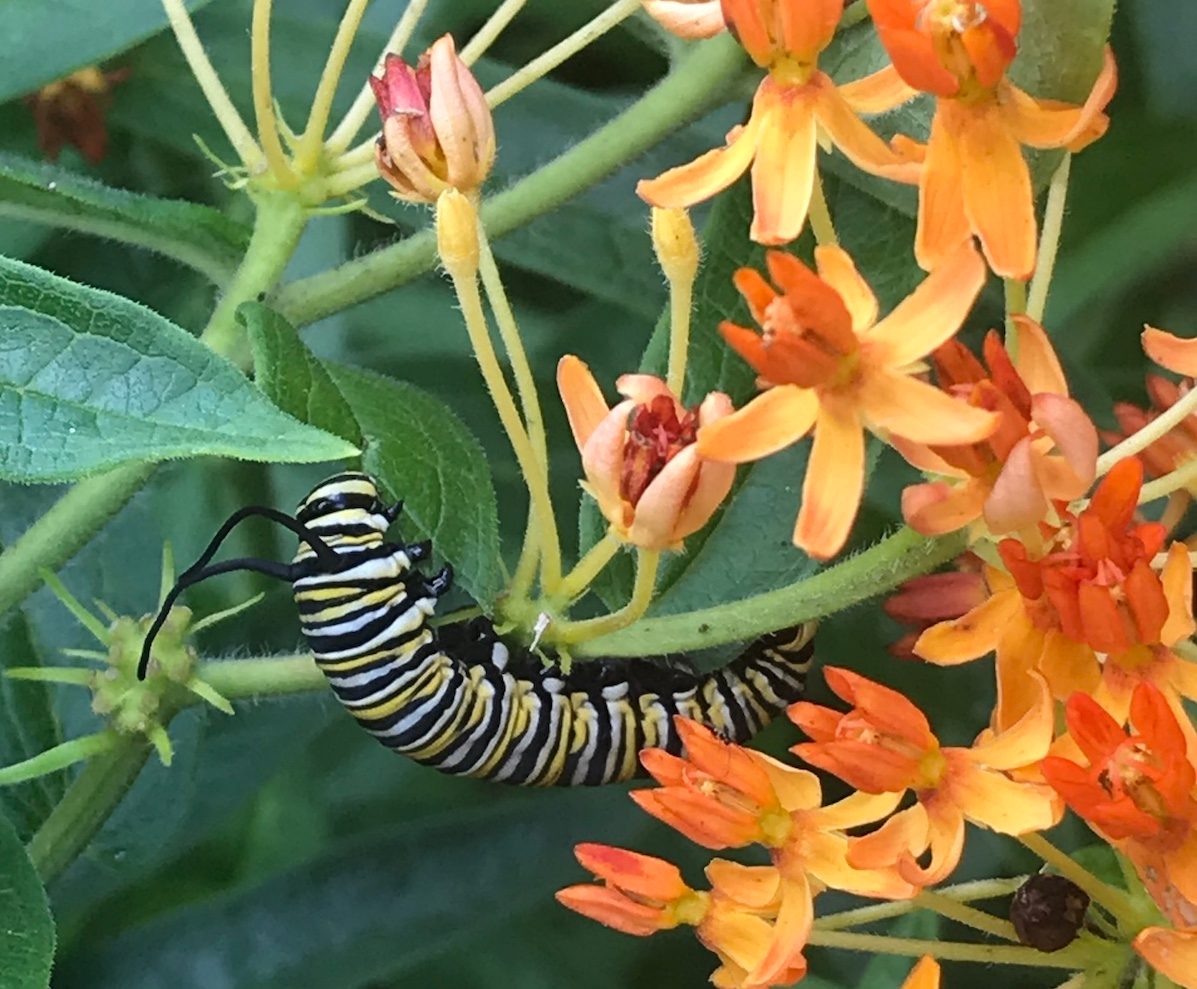
There’s only one host plant for a monarch butterfly—milkweed! Choose native varieties for your area such as common milkweed, butterfly weed, swamp milkweed and showy milkweed. Create a monarch haven with our complete guide to growing milkweed.
Not All Orange Butterflies Are Monarchs
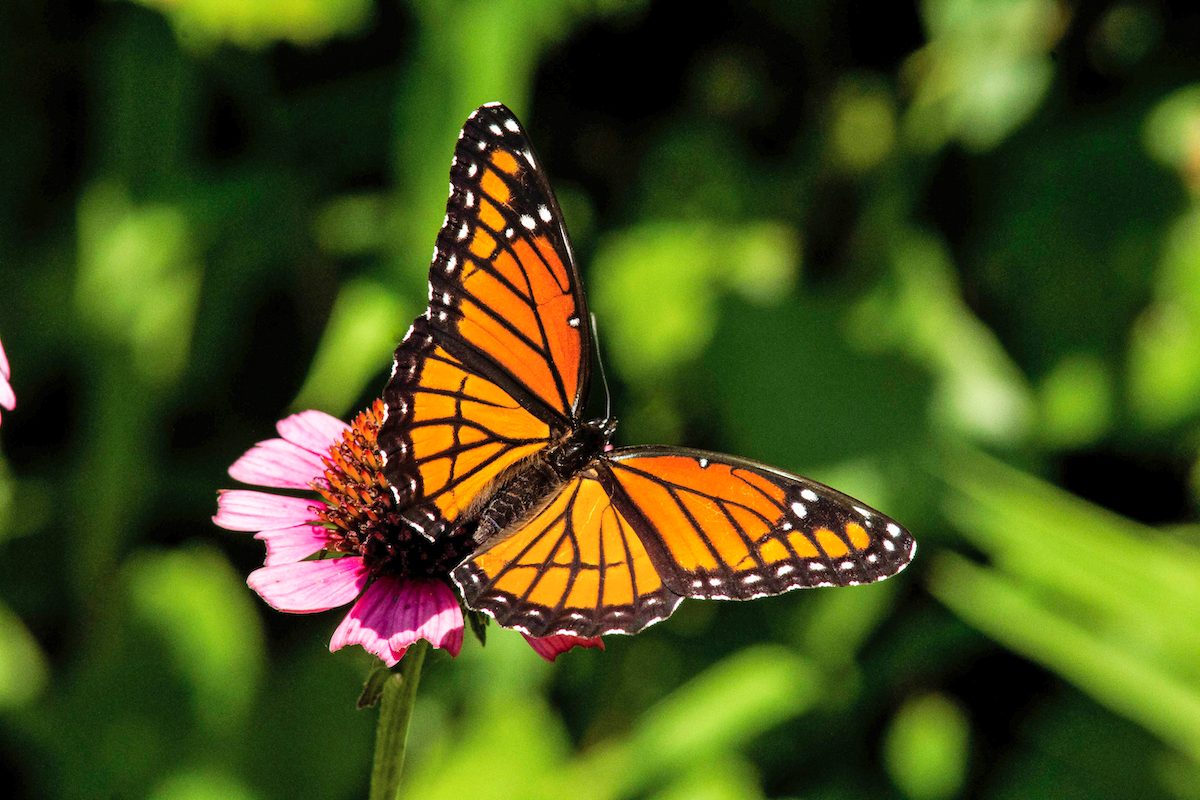
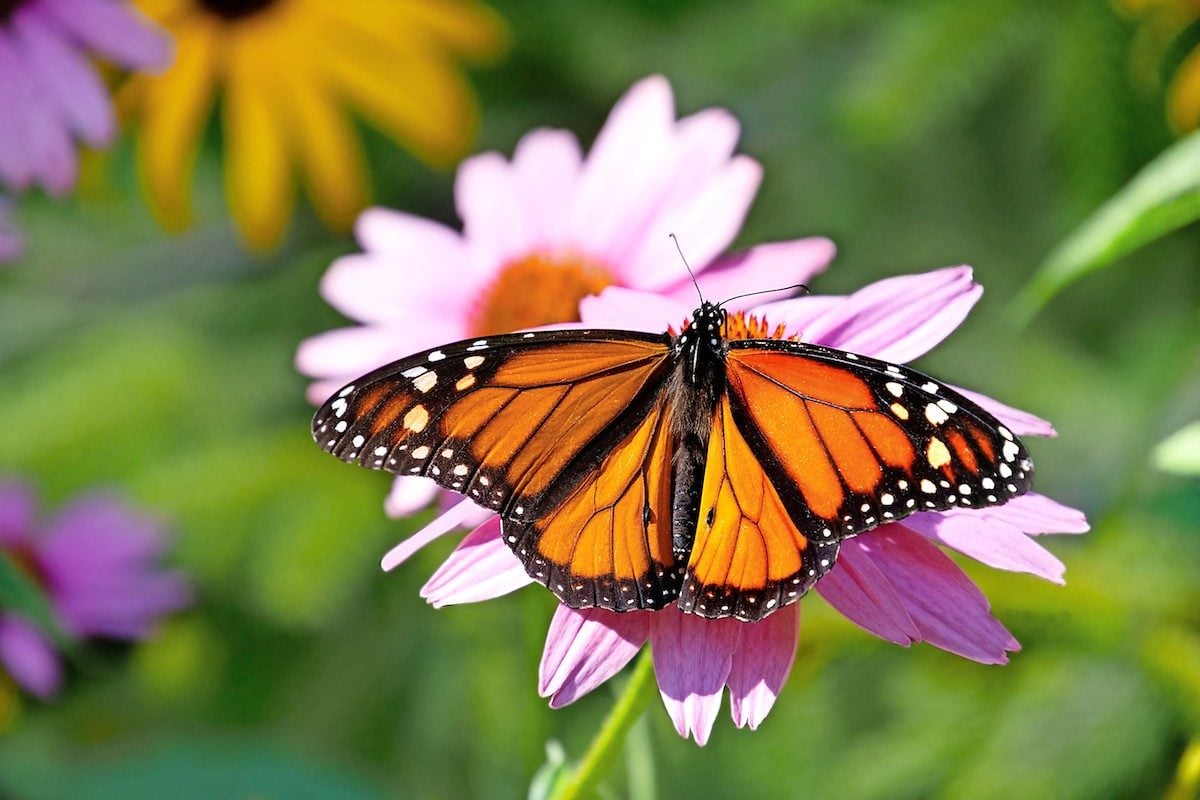
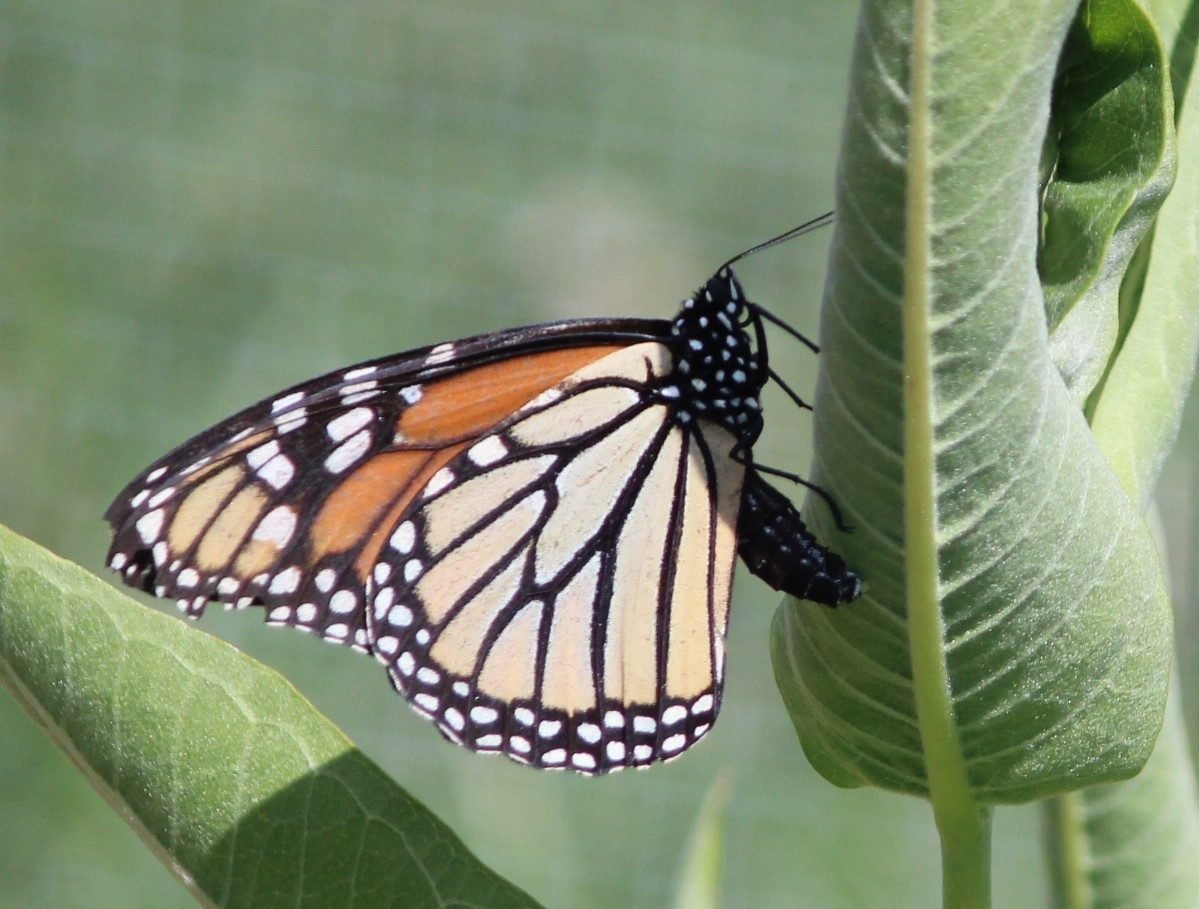
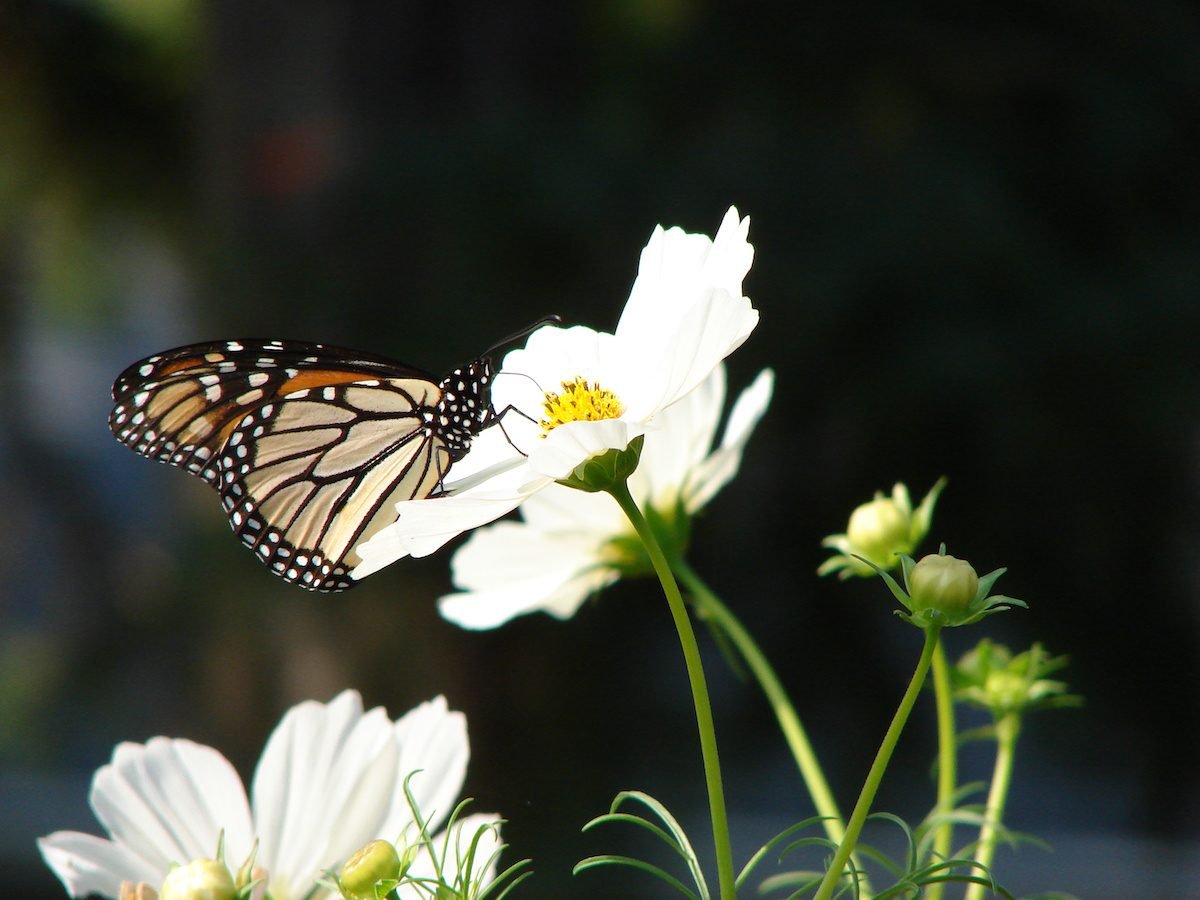
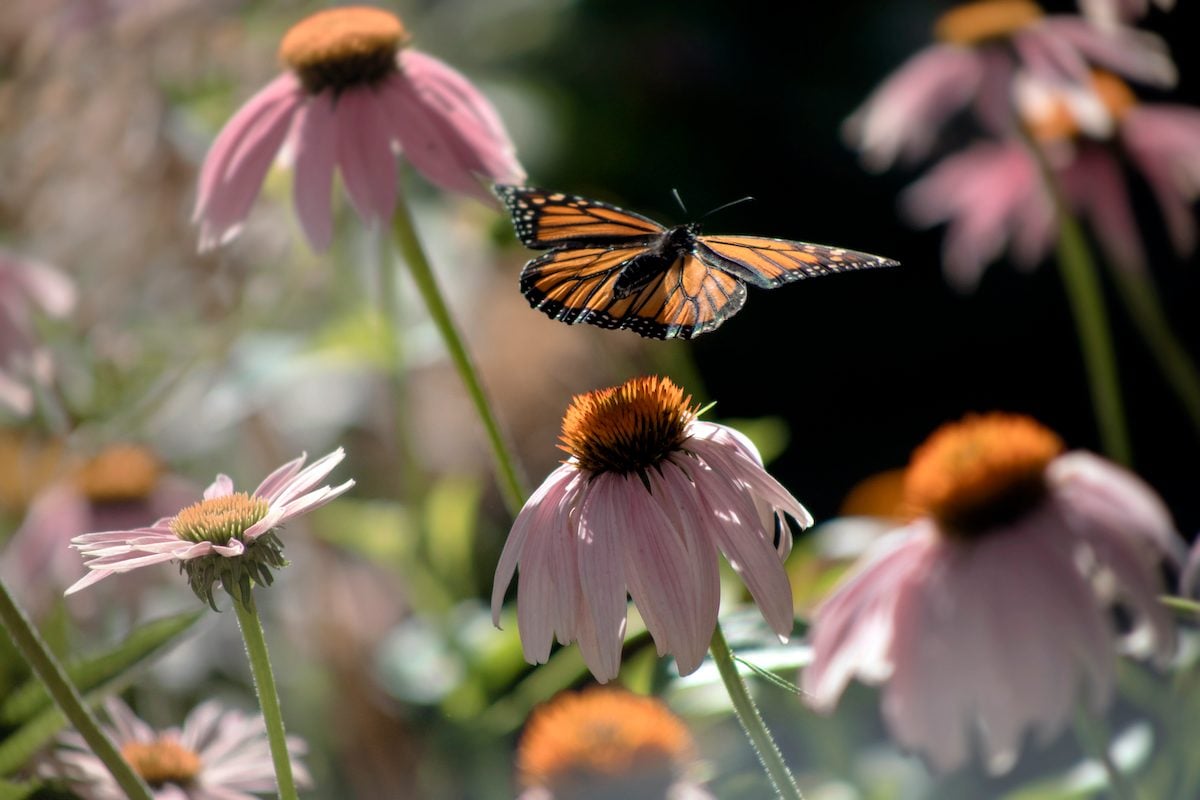
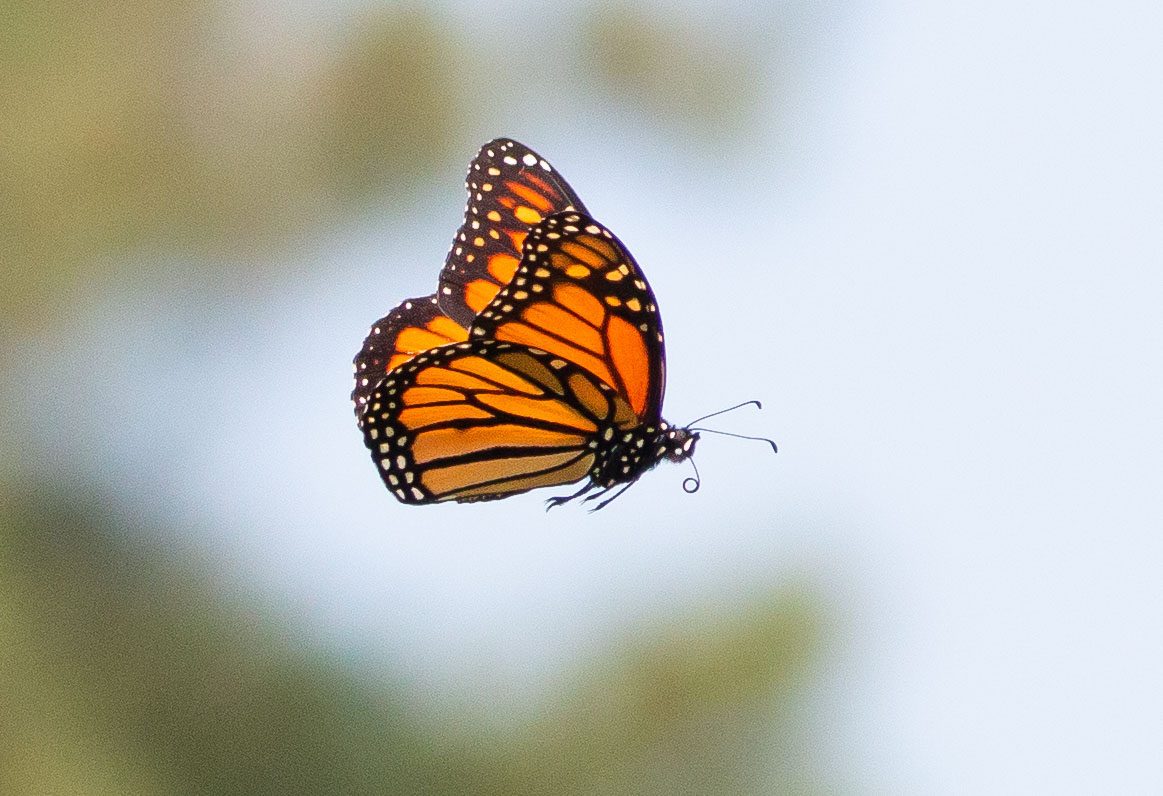
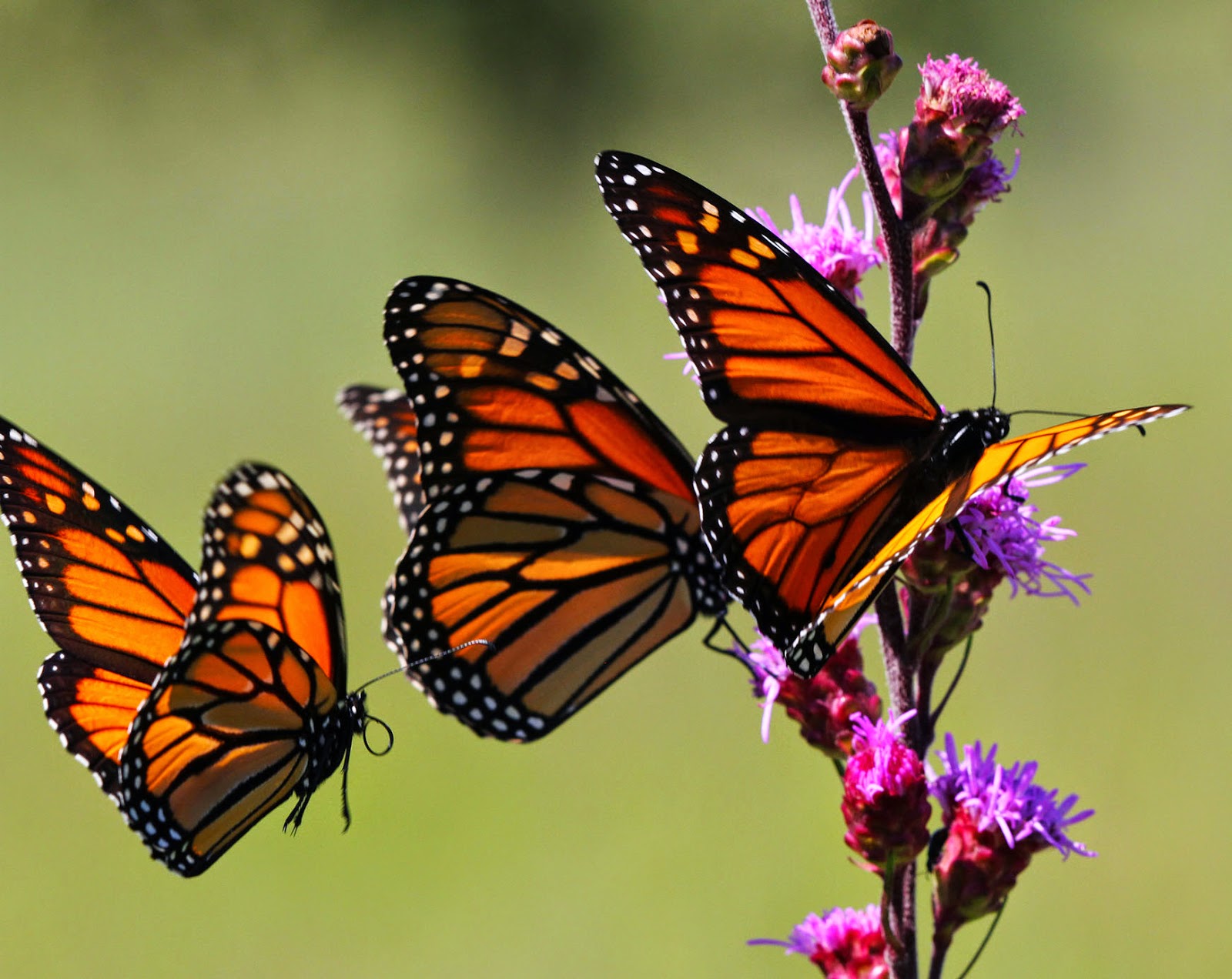
Soldier, queen and viceroy butterflies all are mostly orange and black and look similar to monarch butterflies. But they all have differences that set them apart. Monarchs have bright orange wings with multiple black veins. Their wings are edged in black with white speckles.
Male Monarch Butterflies
The easiest way to tell a male monarch butterfly from a female monarch is by looking for two dark spots on the hindwings—the female butterflies don’t have these spots.
A Female Monarch Butterfly Lays Hundreds of Eggs
A female monarch in the wild can lay up to 500 eggs on milkweed plants throughout her lifetime. Butterflies raised in captivity can lay even more.
Are Monarch Butterflies and Caterpillars Poisonous?
Caterpillars eat only milkweed, which contains a poisonous chemical that protects them from predators. The chemicals stay in their system to make even the adults taste bad. Bright orange wings let predators know that monarch butterflies are poisonous.
How Long Does a Monarch Butterfly Live?
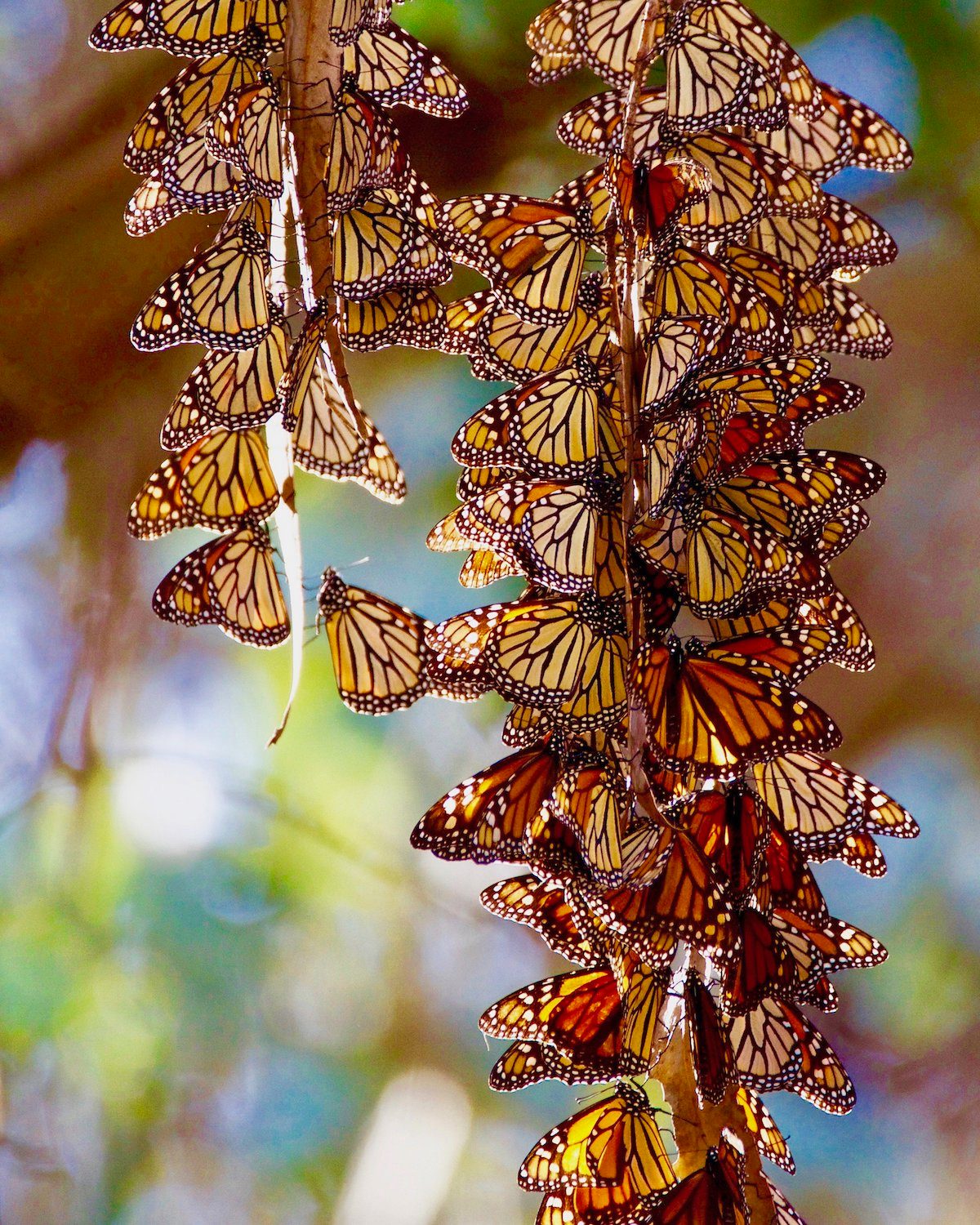
These gorgeous butterflies are a welcome summer sight, but unfortunately, most of them don’t live long. The adult monarchs you see fluttering through your backyard when the weather’s warm typically live only about 4 or 5 weeks — just long enough to mate and produce the next group. It takes four generations of monarchs to complete their annual migration journey before ending up in your garden again. However, the fourth “super generation” that overwinters in Mexico can live for as long as eight months.
How Fast Do Monarch Butterflies Fly?
It’s all about speed for these butterflies. Monarch butterflies can flap their wings up to 12 times a second when flying at their fastest.
How Far Do Monarch Butterflies Migrate?
Here’s a fun monarch butterfly fact. These amber beauties could fly circles around other species. Monarch butterflies fly a long distance during fall migration, farther than any other tropical butterfly—up to 3,000 miles.
Monarchs Have a Great Sense of Direction
Monarch butterflies don’t need a GPS to locate their migration destination. Many of the gorgeous travelers find their way to the same exact location, perhaps even to one particular tree, where previous generations have wintered before.
Monarch Butterfly Wings Need to Stay Warm
Monarch butterfly wings are fascinating and complex. In order for these delicate creatures to fly, their wing muscles must stay above 55 degrees Fahrenheit.
Where Do Monarch Butterflies Live?
You can find monarchs everywhere from cities to rural fields and mountain pastures. When breeding, they prefer open areas.
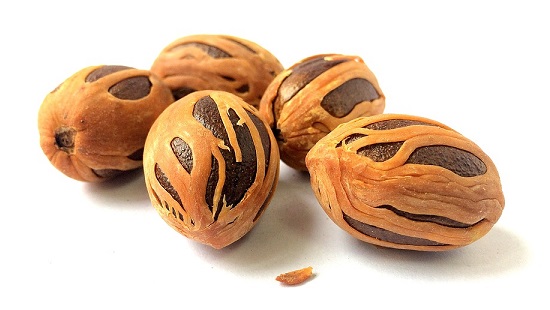
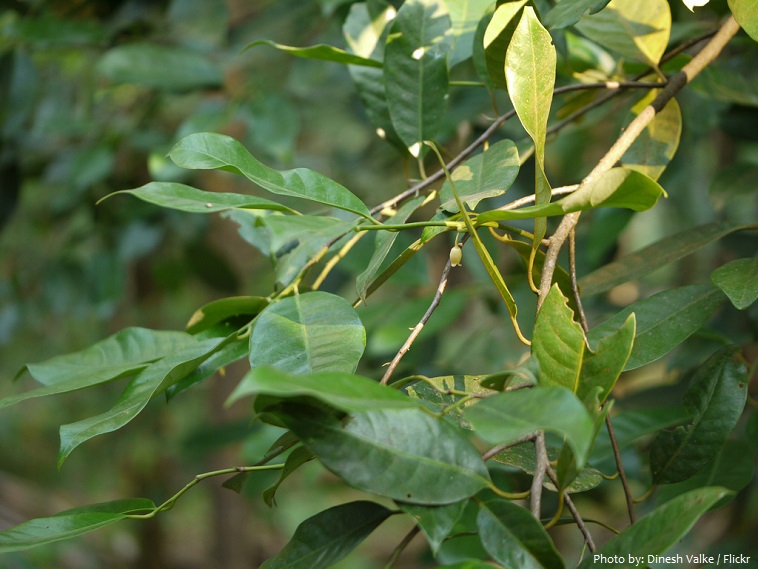
Nutmeg is the common name for a dark-leaved evergreen tree, Myristica fragrans, that is cultivated for two spices derived from its fruit, “nutmeg” and “mace.”
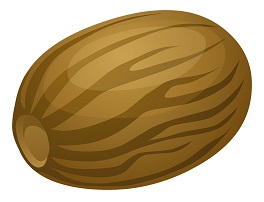
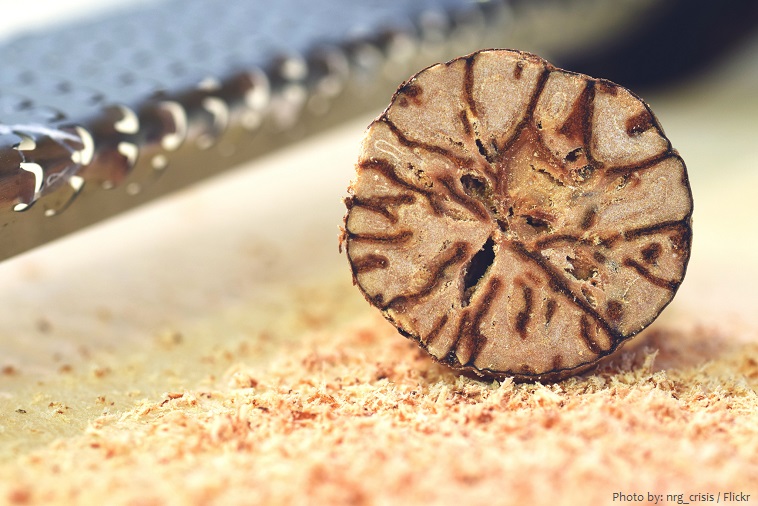
The nutmeg is the oval-shaped seed, and mace is the bright red webbing that surrounds the seed.
The tree is native to the Moluccas, or Spice Islands, of Indonesia.
Nutmeg is known to have been a prized and costly spice in European medieval cuisine as a flavoring, medicinal, and preservative agent.
Saint Theodore the Studite (ca. 758 C.E. – ca. 826), was famous for allowing his monks to sprinkle nutmeg on their pease pudding when required to eat it.
In Elizabethan times, it was believed that nutmeg could ward off the plague, so nutmeg was very popular.
Around1600 it became important as an expensive commercial spice in the Western world and was the subject of Dutch plots to keep prices high and of English and French counterplots to obtain fertile seeds for transplantation.
Until the mid-19th century, the Spice Islands, was the only location of the production of the spices nutmeg and mace in the world.
As a result of the Dutch interregnum during the Napoleonic Wars, the British took temporary control of the Spice Islands from the Dutch and transplanted nutmeg trees, complete with soil, to Sri Lanka, Penang, Bencoolen, and Singapore. From these locations they were transplanted to their other colonial holdings elsewhere, notably Zanzibar and Grenada.
Today, Indonesia and Grenada dominate production and exports of both products, with world market shares of 75% and 20%, respectively. Other producers include India, Malaysia, Papua New Guinea, Sri Lanka, and Caribbean islands.
The nutmeg tree is a small evergreen tree, usually 16–43 ft tall, but occasionally reaching 66 ft. The tree may bear fruit for more than 60 years.
The alternately arranged leaves are dark green, 2.0–5.9 inches long by 0.8–2.8 inches wide with petioles about 0.4 inches long.
The species is dioecious, i.e. “male” orstaminate flowers and “female” or carpellate flowers are borne on different plants, although occasional individuals produce both kinds of flower. The flowers are bell-shaped, pale yellow and somewhat waxy and fleshy. Staminate flowers are arranged in groups of one to ten, each 0.2–0.3 inches long; carpellate flowers are in smaller groups, one to three, and somewhat longer, up to 0.4 inches long.
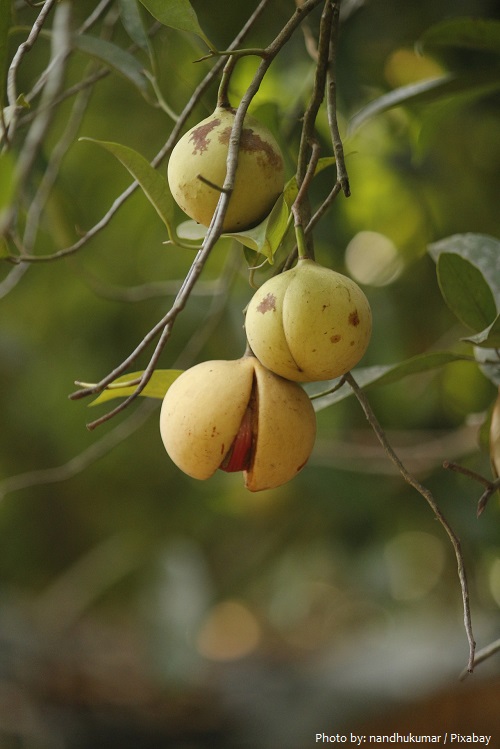
Trees produce smooth yellow ovoid or pear-shaped fruits, 2.4–3.5 inches long with a diameter of 1.4–2.0 inches. The fruit has a fleshy husk. When ripe the husk splits into two halves along a ridge running the length of the fruit.
Inside is a purple-brown shiny seed, 0.8–1.2 inches long by about 0.8 inches across, with a red or crimson covering (an aril).
Nutmeg has a distinctive pungent fragrance and a warm slightly sweet taste; it is used to flavor many kinds of baked goods, confections, puddings, potatoes, meats, sausages, sauces, vegetables, and such beverages as eggnog.
Mace’s flavor is similar to nutmeg but more delicate; it is used to flavor baked goods, meat, fish, vegetables and in preserving and pickling. The more delicate flavor of mace makes this spice much more expensive than nutmeg and also because its yield is about ten times less that of nutmeg.
Nutmeg is known to impact health in many ways because of its nutritive content of vitamins, minerals, and organic compounds related to the essential oils. These beneficial components include dietary fiber, manganese, thiamine, vitamin B6, folate, magnesium, copper, and macelignan.
The health benefits of nutmeg include ability to relieve pain, reduce insomnia, detoxify the body, helps digestion, brightens skin, protect the teeth and gums, helps lower blood pressure, increases circulation, prevents leukemiand and protect cognitive functionality against degenerative diseases such as Alzheimer’s.
Nutmeg butter is obtained from the nut by expression. It is semisolid, reddish-brown in color, and tastes and smells of nutmeg.
The essential oil obtained by steam distillation of ground nutmeg is used widely in the perfumery and pharmaceutical industries.
Nutmeg contains myristicin, a natural compound that has mind-altering effects if ingested in large doses. The buzz can last one to two days and can be hallucinogenic, much like LSD.
Exactly how much nutmeg you can tolerate before becoming ill depends partly on your body mass. In one case, an eight-year-old child ate just 0.5 ounce of nutmeg and died from the effects, according to A.K. Demetriades, M.D., of University College London Hospital. From 1 to 3 tbsp. of nutmeg powder, or 1 to 3 whole nutmeg seeds, causes illness in most people.
Nutmeg is highly neurotoxic to dogs and causes seizures, tremors, and nervous system disorders which can be fatal.
Connecticut’s nickname is the “Nutmeg State” because its early inhabitants had the reputation of being so ingenious and shrewd that they were able to make and sell wooden nutmegs. Sam Slick (Judge Halliburton) seems to be the originator of this story. Some claim that wooden nutmegs were actually sold, but they do not give either the time or the place.
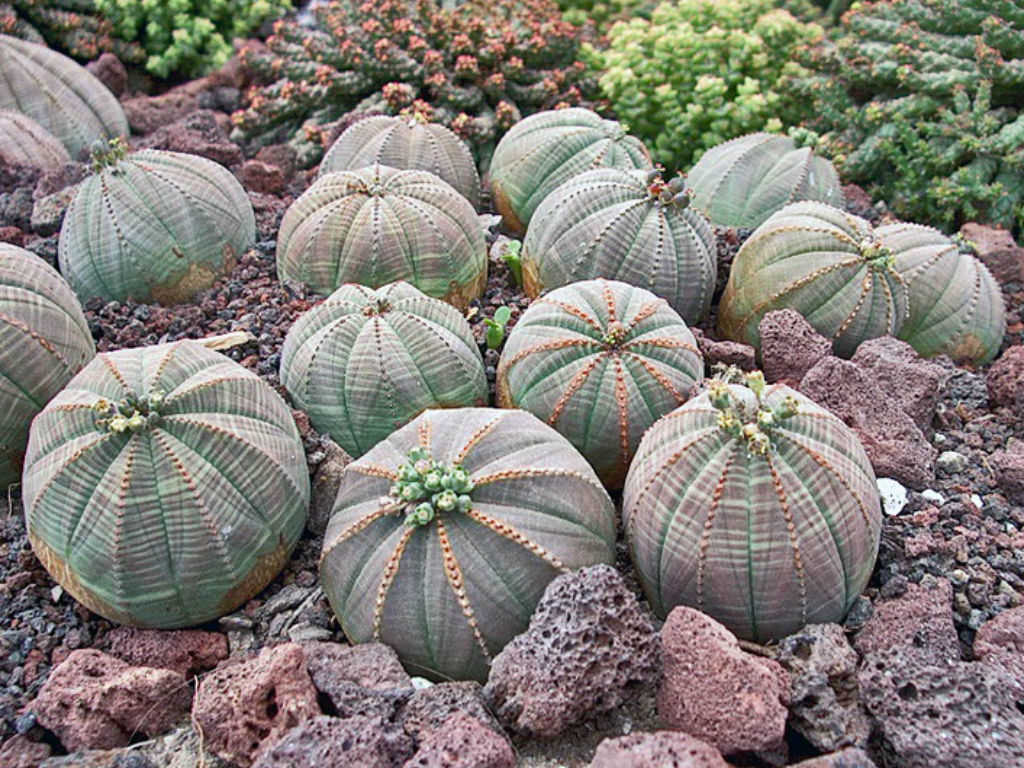
The baseball plant (Euphorbia obesa) is a succulent perennial that is native to the Cape Province of South Africa. Since its discovery during the late 1800s, baseball plants have exploded in popularity as houseplants due to their unique appearance and low-maintenance needs. Though baseball plants are actually considered an endangered species in their native habitat due to unsustainable harvesting, they can easily be found in garden centers. Today, national and international legislation that prohibits harvesting baseball plants has been enacted in an effort to protect the remaining native populations of baseball plants.
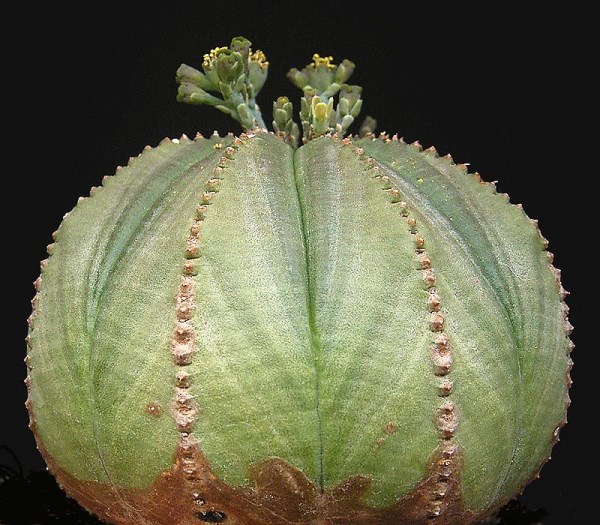
These long-lived, slow-growing succulents are characterized by bulbous shape, V-shaped markings, and seam-like ridges that resemble stitching. Rather than branches or leaves, the plant consists of a single wide stem body from which the flowers sprout. Young baseball plants are round in shape but become more elongated and cylindrically shaped with maturity. Baseball plants are also called sea urchin plants since they loosely resemble that creature.
The plants are dioecious, with either male or female flowers that are yellow in color and rather insignificant in appearance. To produce seeds, the female flowers must be cross-pollinated by a male plant, and for this reason, the plant is rarely propagated by seed except in the nursery trade.
Baseball Plant Care
Baseball plants are relatively easy plants to care for as long as their light and water requirements are met. They thrive if grown in a standard coarse potting mix formulated for cactus and succulents and placed in a location that receives plenty of sunlight or at constant bright indirect light. They are slow-growing plants that can be allowed to fill their pots before repotting becomes necessary. Few houseplants require less care than baseball plants.
Baseball plants do not produce leaves or foliage but they do produce small, fragrant flowers in the summer months. The tough stem structures are largely impervious to pest and disease problems, but if over watered or allowed to soak in water, the roots may develop rot.
Light
In their native habitat, baseball plants are accustomed to plenty of bright, direct sunlight. When grown indoors, baseball plants should receive at least four hours of direct sunlight a day if possible. Loss of color and pattern, as well as a loss of shape, are all indications that your baseball plant is not receiving enough light; etiolated (“leggy”) growth is another indication. Place your baseball plant in a south or east-facing window in your home to ensure it receives adequate sunlight.
Soil
Baseball plants require coarse, well-draining potting soil in order to thrive and should be planted in a potting mix intended for cacti and succulents. Cactus soil is available at most commercial nurseries and garden centers, but if you don’t have one readily available you can easily make your own by mixing 3 parts regular potting soil, 2 parts coarse sand, and 1 part perlite.
Water
Baseball plants, like most succulents and cacti, do not tolerate over watering. Water the plant only when the soil is thoroughly dry. Baseball plants require more water during the spring and summer months, and significantly less water during their dormant period in the fall and winter months.
Temperature and Humidity
Baseball plants appreciate warm temperatures. When grown inside, the average household temperature is more than sufficient. However, be careful to avoid placing your baseball plant in areas with cold drafts, as it can inhibit growth. If grown outdoors, they can tolerate occasional temperatures down to 30 degrees Fahrenheit.
Fertilizer
As with most succulents, baseball plants do not require regular fertilization, as they are accustomed to growing in nutrient-poor soil. However, fertilizing your baseball plant during the spring can help it to thrive during its peak growing season. Be sure to use a cactus/succulent fertilizer for the best results.
Propagating Baseball Plant
Like other species of Euphorbia, baseball plant is difficult to propagate from seeds, since male and female plants require cross-pollination in order to produce seeds. Further, the seeds are very slow-growing.
Euphorbias such as E. obesa, which have a single stem structure rather than individual branches, are normally propagated by first decapitating the plant at soil level. When small new growth structures emerge around the remaining root body, each new offset can be carefully cut away and replanted in coarse cactus/succulent planting mix. These are quite -growing plants that can take as much as eight years before they mature into flowering plants.
Potting and Repotting
Baseball plants do well in any coarse potting mix formulated for cactus and succulents. They do not require frequent repotting, and should only be repotted once the circumference of the plant is pushing against the edge of the pot. Protective gardening gloves should be worn at all times while repotting baseball plants as their sap can irritate the skin upon contact.
From the Mrs Doggie website, here are interesting facts to know more about Beagles and why they are one of the most beloved dog breeds:
Beagles are small, but they are Big!
It doesn’t sound very clear, but yes. Beagles are generally under the small dog category, but they have two different sizes. To classify a pure Beagle breed, it must fall under the height limits. Some stand under 13 inches. Thus, they are considerably smaller than other breeds. However, some Beagles are slightly bigger but are short of 15 inches tall. In the US, dogs that go beyond this limit will be under another classification. On the other hand, there is another size classification implemented in the UK. In this part of the world, Beagles can be as tall as 16 inches. It is a 3-inch difference from the standard set for this breed in the US.
The Beagle Ear and Nose Tandem
The ears and the nose have different functions, though they are in the same system in the body. For Beagles, these two areas function uniquely together. The breed standard requires that the tip of the Beagle’s ears reach the tip of their nose when drawn out. It seems like the norm because Beagle ears are large and long. And it is supposed to help these dogs keep up with the scent that they are following. How? Well, according to experts, Beagle ears catch and keep the scent particles close to the dog’s nose. Thus, this dog can take as much scent information as possible. These physical attributes make Beagles excellent hunting and detection dogs. They are one of the few dog breeds and scent hound dogs that use the nose and ear combo.
Great Vocalization Abilities
If you love peace and quiet, Beagles might not be your ideal home buddy. They are not known for being quiet. The word “beagle” comes from “begueule,” a French word meaning gaped throat! You can expect Beagles to be loud as they take mouthing-off to the next level in this unique canine behavior. But why are they so noisy and loud? Beagles have this unique skill, and they can vocalize in three ways. These dogs can bark the regular bark, they can howl, and the bay. A bark and howl are two common noises dogs make, but not many have heard bays before. A beagle’s bay is like yodeling. These dogs bay when they are hunting. But they also bay when they are stubborn, agitated, or just playful. This popular breed will try to use all these three types of vocalization to get its owner’s attention. Thus, it’s not uncommon to hear singing beagles if you have a house full of them.
Beagles are Career-Oriented
If there are multi-talented dogs, Beagles will be on top of the list. These dogs will be one of the wealthiest canines if they ever get paid for their jobs. They are often hired as working dogs, rescue dogs and handles airport inspection tasks. They are also members of mountain rescue teams. In the US, Beagles work for Homeland Security and make up the famous Beagle Brigade. They search luggage for smuggled food items. These dogs worked with the likes of German Shepherd and other dogs. And, did you know that Beagles also work as bedbug detectors? These pests are difficult to see and get rid of. Amazingly, some dogs, including Beagles, can easily detect bedbugs. They can find where these pests are and stop an infestation before it happens.
Beagles Lived in the White House
There are US Presidents who love dogs of different breeds. Among those canines that lived in the White House are Beagles. President Lyndon B. Johnson loved the breed and brought two beagles to live with him in the White House. He had three pets named Him, Her, and Edgar. No one knew the reason why President Johnson called his Beagles with such silly names. But the one named Edgar was a gift from FBI Director J. Edgar Hoover. The Beagle named Him had a litter of puppies. Two of them were kept by the President’s daughter. They were called Freckles and Kim. The former lived out the rest of its days in the White House even after its owner had left.
Early Beagles are Called Pocket Beagles
Beagles are classified as small dogs, but there was a point when they were so much smaller than the modern Beagle. In the 14th and 15th centuries, they call these dogs “Pocket Beagles” or “glove beagles” because of their tiny size. During this time, the maximum height of the standard pocket Beagle is only 8 to 9 inches tall at the shoulders. Over time, the breed slowly evolved and changed for various reasons. The original tiny pocket Beagles no longer exists because they have sized up. Breeders also made Beagles bigger to enhance hunting skills. They become larger until the pocket Beagles are no more.
Purebred Beagles Have White Tipped Tail
A true-blue or pure Beagle has one trait that sets it apart from its close look-a-likes and other Beagle type dogs, the white-tipped tail. To the untrained eye, Beagles can quickly look like the smaller Foxhounds or, the larger Coonhounds. They have the same coat with patches of brown, black, or white. But for breeders and Beagle enthusiasts, a true Beagle’s tail is white at the tip, even if it’s just a few white hairs at the point. This trait is more than just a physical appearance of a quality breed. This physical trait makes these hunting dogs easier to track while rabbit hunting. Their white-tipped tail is easy to stop through the woods, brush, or tall weeds.
Pregnancy Detecting Beagle
You might have heard about dogs trained to detect bombs, drugs, and other illegal items. But this particular Beagle has a unique talent that made him a permanent resident of Denver Zoo. Elvis the Beagle’s main task is to detect if the Zoo’s polar bear is pregnant or not. Elvis is trained to identify the polar bear’s condition by giving him a sample of its poop! The famous Beagle will sniff and indicate a favorable position when the polar bear is pregnant and not just having pseudo-pregnancy symptoms. Having a skilled detector like Elvis was a tremendous help because the zookeepers cannot easily detect the pregnancy by looking at the polar bears. Amazingly, Elvis is 97 percent accurate in identifying the polar bear pregnancy at this Zoo!
Beagles are Prolific Hunters
Many dog breeds work as ideal hunting companions. Some are retrievers, springers, gun dogs, and hounds. Beagles have very sensitive noses, and they work as efficient scent hounds. They accompany hunting parties and hunt through scents rather than sight. These skills were inherited from the Southern Hound and the Talbot hound. They have incredible stamina, which makes them prolific in hunting rabbits and hares. Their hunting skills have impressed breeders and hunters. Breeders considered the Southern Hound characteristic and agility over the Talbot hound. Thus, when fox hunting became popular, they started breeding Beagles with Buckhounds, and the outcome was the Foxhounds. Modern-day Beagles may not work as hunting dogs anymore, but they still have the same skills and instincts.
A Pop Culture Icon
The Beagle’s adorable good looks, friendly personality, and outstanding skills have also earned it a spot in Pop Culture history. They are well-loved characters from cartoons and movies. These lovable dogs have inspired artists, politicians, and movie directors to include them in their works. One of the most famous pop culture Beagle characters is Snoopy from the comic strip Peanuts. He has been well-loved from then until now. Schulz found inspiration from a Beagle he grew up with. Initially, he named the character Sniffy. But he soon changed the name to Snoopy as suggested by his mother. In real life, Snoopy is an AKC registered Beagle!
Another popular Beagle character that we all will recognize is Odie from Garfield. Odie showcases the generally healthy and hale characteristics of the Beagles. He had a funny love-hate relationship with the main character, Garfield, the cat.
Beagles are Houdinis of the Canine World
As expert hunters, Beagles are used to running around all day through. They have very high energy levels. Aside from that, they are also brilliant in solving problems or overcoming hurdles that keep them from tracking the scent. Thus, it can be a problem if you leave them alone in a yard for some time. They are bound to use their escaping talents and seek out entertainment elsewhere. Moreso, the Beagles are impressive jumpers. They can spring over obstacles or dig their way out to freedom!
Beagles are English Dogs
Despite being one of America’s all-time favorite dog breeds, Beagles originated from England. Therefore, they are English dogs. These dogs were first imported to America in the 19th century by General Richard Rowett. There were beagle-like hound dogs in the US during this period. But Beagles imported by General Rowett were far superior in quality. They are carefully selected for hunting and soon became the standard breed in the US. In 1884, the American Kennel Club officially recognized the Beagles as a distinct hound dog breed. Soon after that, other kennel club followed and recognition of the modern breed ensued.
Beagles Need to Feel That They Are Part of A Pack
The Beagle’s hunting instincts urge them to be a part of a Beagle pack. They are highly social canines and have hunted or tracked together to find a common goal. Beagles are pack animals and it means that your pet will get along well with other dogs and prefer a canine companion. On the other hand, this behavior may lead to some anxious tendencies in your Beagle when you leave them alone. They may not take too kindly when left alone for long periods. Some may start having destructive tendencies in their effort to escape from the house.
Popular Beagle Fans
The popularity of the Beagles did not escape the likes of celebrities, politicians, and royalty. Queen Elizabeth I and King James I of England are great Beagles fans. Dr. Phil McGraw, the Television celebrity, is also a confessed Beagle fan. And of course, the singer-songwriter Barry Manilow had two famous Beagles named Biscuit and Bagel. His Beagle Bagel fan club raises money for various charities. In 1970, one of his pets was featured on this album cover.
The “Goldilocks” Dogs
Beagles are unique in looks, talents, and personality. They have been described as the Goldilocks of dogs because they are neither too timid nor aggressive. They are also friendly but not fawning, and energetic, but do not require lots of exercise. The Beagle personality is what makes them popular dog breeds among families and kids. They are generally healthy dog that loves having fun and being around children. More so, they are even-tempered, funny, and friendly. These dogs are happily sniffing around and eating!
On the other hand, Beagles can be extra naughty when they are bored. You should make an effort to provide exercise and mental stimulation. Regular obedience training will also be a plus because these dogs love having jobs. With proper training, these dogs will make excellent canine companions. And of course, they are just the right size – not too big or not too small.
The Beagle Popularity
For years, various companies have studied the popularity of dog breeds in the US. The friendly Beagle has been a consistent placer in the Top Ten charts for around 30 years. They rallied in popularity among Collie breed, German Shepherd and others. In 2017 – 2018, Beagles were voted the sixth most popular dog in America, while the Labrador dominates. In terms of numbers, the Labrador has always been the most popular dog in the last 28 years.
Inspired Novels for Children
Beagles also played significant characters in children’s books and movies. Phyllis Reynolds Naylor, a children’s book author, found a frightened and abused dog in her visits to Shiloh, West Virginia. The experience haunted and made her decide to write a book about it. Shiloh, the classic children’s book, is a story of a mistreated Beagle who finds a loving home with the Preston Family. It has inspired children to treat animals and family pets with care and kindness. The story of Shiloh also helped develop confidence in standing up for what is right and for having greater empathy for others. Because of its popularity, Shiloh won a Newberry Medal and led to two more books – Shiloh Season and Saving Shiloh. There were also two movies, Shiloh and Shiloh Two: Shiloh Seasons, released in 1997 and 1999.
Mold and Termite Detectors
As mentioned earlier, Beagles are scent dogs with some unique jobs thanks to their powerful sense of smell. Apart from being employed by Homeland Security, these dogs are also excellent mold and termite detectors. Molds are gross, and even if you can’t see them, they can still make you feel sick and destroy your stuff. Fortunately, some Beagles are trained to detect molds! After finding this stuff, you can take steps to get rid of them.
Another icky job where the Beagles excel is pointing towards obnoxious critters that eat the house from within. No homeowner wants to have termites in their home, and thankfully the Beagles can help! Termite experts deem the Beagle the best choice for this specialized role because of its discriminating scent skills. Termite infestations are often hidden, and these amazing dogs can find areas that human pest control specialists.
Conclusion
There are hundreds of reasons to love Beagles. And knowing more fun and unique facts about them makes them even more endearing! They have good looks, and they are just the “right-size,” brilliant, and full of personality. It’s no wonder they are very popular then and now.
Some pet owners consider Beagles to be the perfect canine companions. But you should also beware of health issues that may affect them. Their large ears make them prone to ear infections. These dogs are bred to hunt and work. They have high energy, and they love the outdoors. It would help if you understood that they need exercise and mental stimulation to prevent boredom and avoid anxious behaviors. Beagles are also brilliant dogs and well-known escape artists. Thus, it would help if you were always prepared for their tricks and mischief.
With proper care, nutrition, training, and lots of love, Beagles can be one of the best companions you will ever have!
Appearing first in early spring, sweet violets are known for their everlasting beauty. When you grow violets, they attract all kinds of pollinators, including bees and hummingbirds, and some kinds of violets appear again in the late summer or early fall.
Violets are one of the cheeriest little flowers to grace the landscape. True violets are different from African violets, which are natives of East Africa. Our native violets are indigenous to the temperate regions of the Northern Hemisphere and may bloom from spring well into summer, depending upon the species. There are around 400 types of violet plants in the genus Viola. The many violet plant varieties guarantee there is a sweet little Viola perfect for almost any gardening need.
Violet Plant Varieties
True violets have been cultivated since at least 500 B.C. Their uses were more than ornamental, with flavoring and medicinal applications high on the list. Today, we are fortunate to have a plethora of different types of violets readily available at most nurseries and garden centers. Violas encompass the dog violets (scentless blooms), wild pansies, and sweet violets, which are descended from wild sweet violets from Europe. With so many choices, it can be hard to decide which of these endlessly charming flowers to choose for your landscape. We’ll break down the basic different types of violets so you can pick the best fit for your garden.
Both pansies and violets are in the genus Viola. Some are perennials and some are annuals but all sport the sunny, uplifted, face-like flowers characteristic of the family Violaceae. While both are technically violets, each has a slightly different characteristic and genesis. Pansies are a cross between the wild violets, Viola lutea and Viola tricolor, and are often called Johnny-jump-ups for their ability to crop up readily anywhere. Sweet violets are descended from Viola odorata, while bedding violets are deliberate hybrids of Viola cornuta and pansies. The mounding form and leaves are the same, but pansies have more distinctive “faces” than bedding violets, which feature more streaking. Any of the types of violet flowers are equally as appealing and easy to grow.
Colorful Combinations
Violets come in a whole rainbow of colors. They are most often found in bright jewel tones, but there are softer pastel varieties that make a perfect accent for spring decor. Many types also feature multicolor blooms with intricate patterns on their faces that seem to have been hand-painted. As an added bonus, violets are a fragrant annual on top of their charming appearance.
This diminutive plant can stand up well as a cut flower in a small bud vase. Plus, edible violet petals can be used to garnish cakes and pastries or tossed in a salad for a bright pop of color. A caution: Only eat flowers known to come from a pesticide-free source.
Violet Care Must-Knows
Many forms of violets are best grown in a woodland-type setting using rich, organic soils. While violets do ok in the cold, they are neither drought-tolerant nor heat-tolerant. Make sure violets have consistent moisture, especially in warmer months. When growing annual-type violets in containers, choose a well-drained potting mix. Using a slow-release fertilizer will help encourage continuous blooms.
Although violets tolerate of a variety of light conditions, most will grow best in full sun to partial shade. Some woodland species tolerate more shade; in fact, they can be planted in areas considered to be full shade. In warmer climates plant violets in areas that receive afternoon shade to help keep plants cool in hot summer months. Even this approach may not be enough to pull violets through because they are cool season plants). For this reason, violets often are treated as cool-season annuals and torn out once summer begins.
I found this article –Fun Facts About Plants—and I wanted to share it!
How versatile are plants!? You can eat them, use them in medicine, and they have this magical ability to transform any boring room into a vibrant living space. Not just that, but gardening has been proven to be good for your mental and physical health.
But there’s a whole wide world of plants thriving out there which we know hardly anything about. Just wait till you hear how many plants there are in the ocean.
Like the fact that there’s a plant in Australia called the ‘Suicide Plant’. Anyone who comes in contact with it acquires a certain side effect (which can last for several years) that makes them feel depressed and suicidal. No wonder they say “everything in Australia wants to kill you!”
The intention behind this article is to introduce you to the unexplored, absolutely stunning, almost unbelievable side of the plant kingdom. So, if you want to discover some more plant facts that’ll be perfect for any pub quiz, then keep on reading!
Get ready to learn all about plants!
1. And the award for the longest living organism on planet earth goes to…
A tree! Well, there are several trees in various parts of the world which are 3,000-4,000 years old. But then there’s a bristlecone pine tree located in California which is considered to be the world’s oldest growing tree. This fella is a whopping 5,000 years old! That’s older than the Ancient Egyptians who built the Pyramids.
2. Clonal trees can live for more than 80,000 years
While California’s bristlecone pine tree is an individual organism, there are colonies of trees which are estimated to be over 80,000 years old. One such colony of 50,000 aspen trees is located in the Fishlake National Park in Utah. It’s called Pando, which means ‘I spread’. And those trees really have spread over the years!
3. What about the world’s tallest tree?
Again, a Californian tree. A coastal redwood (Sequoia sempervirens) called Hyperion is considered to be the tallest tree to exist. Its height is 380.1 feet. That’s as tall as a 35-story building! Another interesting fact associated with this 600-year-old tree is that its exact location is kept a secret to protect it from damage.
4. Let’s talk numbers of species
It’s estimated that there are over 400,000 species of plants on our planet. This number is not fixed though since new species are discovered every year. Also, it’s pretty unbelievable to know that 85% of all plant life is found in the oceans. On land, we have just about 15%.
5. So much biodiversity, yet we keep eating just 30 plants
Half of these 400,000 are edible for human consumption. However, we humans tend to eat just 200 plant species (30 plants in their different life forms), ignoring all the rest. Rice, maize, and wheat – these 3 plants alone contribute more than 60% of the calories and proteins we humans obtain from plants.
6. If not eating, are we at least using them as medicines?
It is estimated that more than 50,000 plant species have the potential for being medicinal in nature. But most of these concoctions are traditional medicines, primarily used by the Indian, Chinese, and African medicine systems.
Furthermore, only 1% of rainforest plants have been researched for their medicinal potential. So it’s safe to assume that there’s a whole universe of untapped resources, hidden in those majestic rainforests, just waiting to be discovered.
7. Lost in a jungle? Use plants to navigate
Plants can be used as compasses to navigate through all kinds of terrains. For example, the moss that grows on the tree trunks of northern temperate climates tends to spread more towards the northern side.
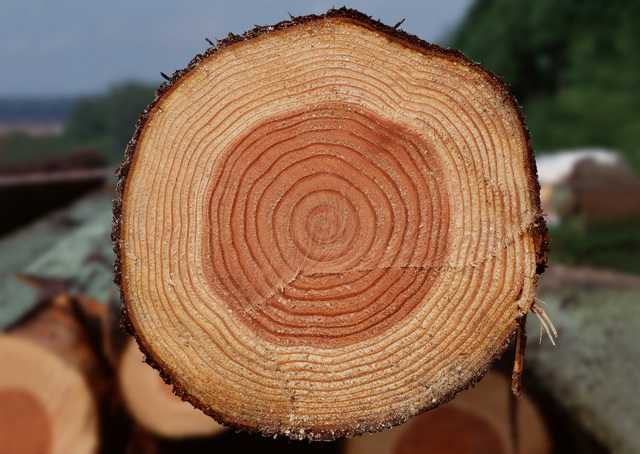
Another trick is to analyze the rings on a tree that has been cut down. If the tree is in the northern hemisphere, rings will be thicker on the southern side, and vice versa.
8. Herbs and spices are not the same
Let’s make use of this list of fun facts about plants to burst this bubble of a common misconception – “herbs and spices are the same things”. No, they’re not!
Herbs come from leaves of the plant, while spices primarily come from stems, roots, seeds, berries, or barks.
9. What’s the fastest growing plant?
Any guesses? It’s the bamboo! It’s the fastest-growing plant in the world, and it can grow up to 35 inches in a day! That’s almost 1.5 inches per hour. If we pay close attention, we can actually watch bamboo grow in front of our eyes.
10. Plant kingdom can be surprisingly confusing
Pumpkins and avocados are actually fruits while pineapples are berries. To make things more confusing, rhubarb is a vegetable and cucumber is a fruit too.
And everyone knows tomatoes are fruits right? There’s the famous quote of “knowledge is knowing tomato is a fruit; wisdom is not putting it in a fruit salad…”
11. Grass that’s tall enough to hide a herd of elephants
Found in Africa, elephant grass can grow to up to 15 feet in height. That’s tall enough for native African elephants to hide behind it. However, they also love gorging on this grass, hence the name.
12. And who’s the king of flowers?
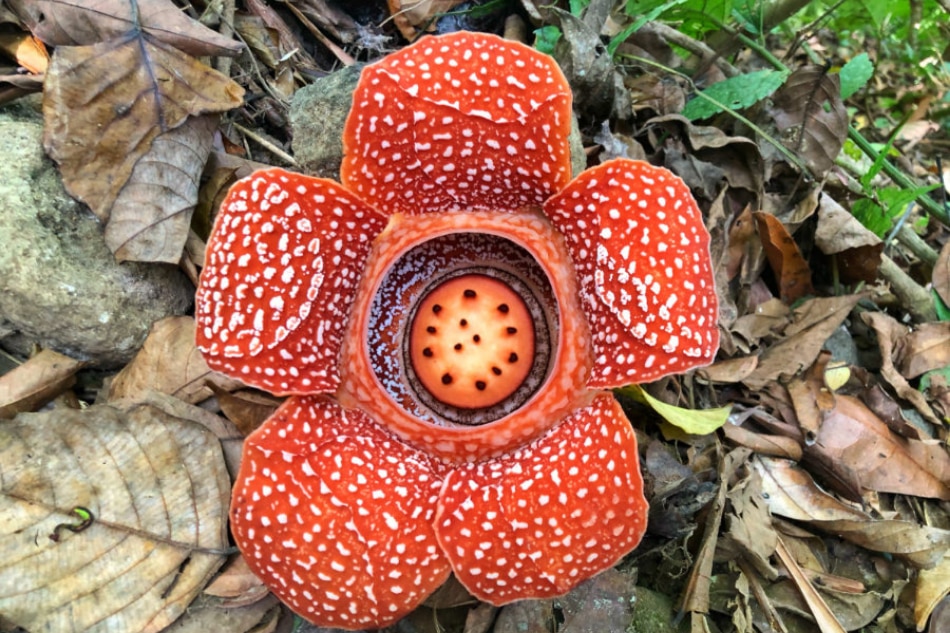
That thought to be the Indonesian flower, rafflesia arnoldii. These flowers are considered to be the largest in the world. They can easily be 3.3 feet in diameter.
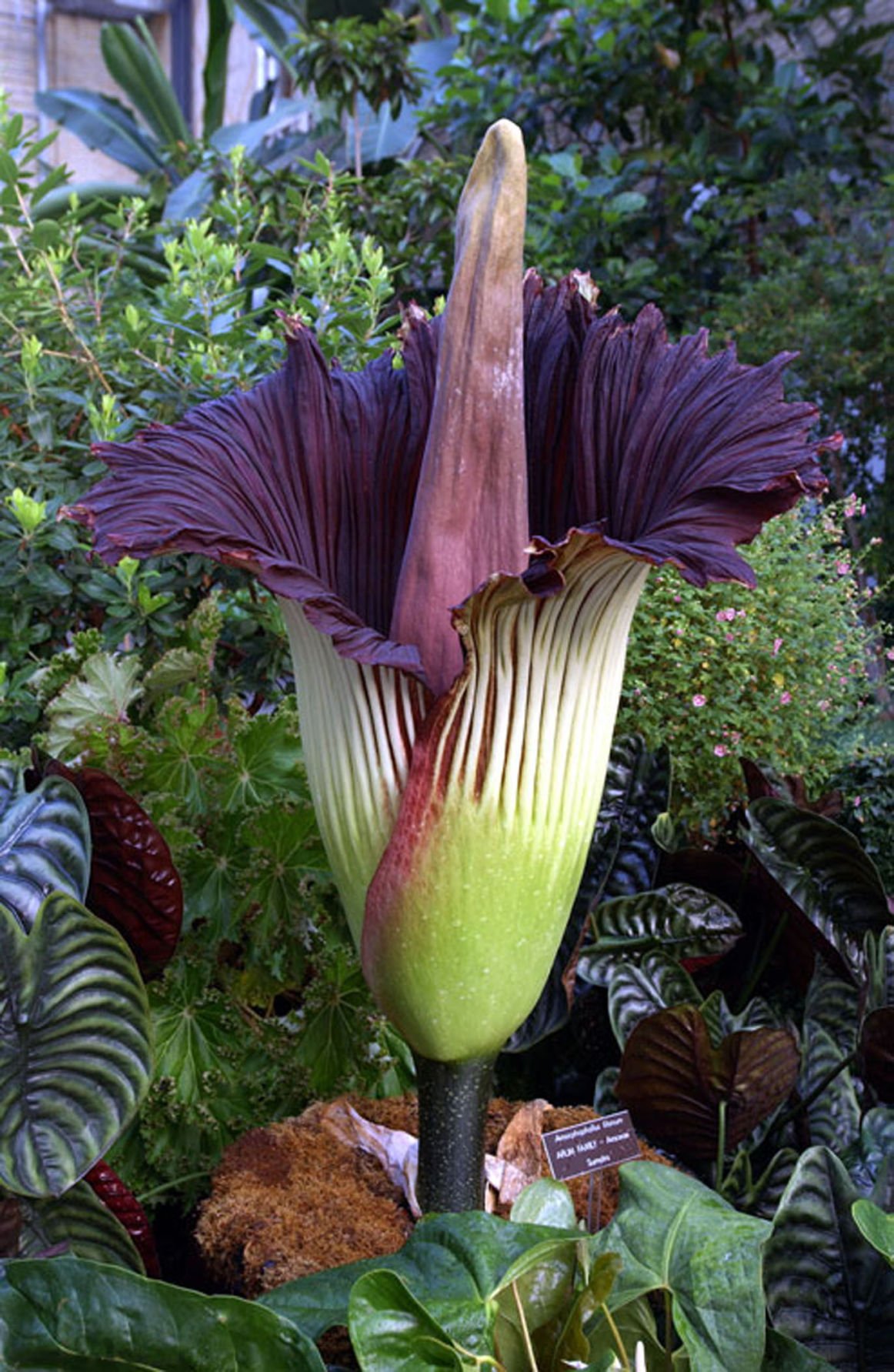
Another flower called Titan arum, also known as the ‘corpse flower’, can reach up to 15 feet in height. When they bloom they produce a strong smell similar to that of rotting meat. Thus, the name – corpse flower. Lovely.
13. Tell us something about tulips!
There are quite a few plant facts associated with tulip flowers. But our favorite is this one. During the 1600s, these gorgeous flowers used to be more expensive than gold. The craze for tulips was so high in those times that it led to the Dutch economy’s crash. They even have a name for it – tulipomania.
14. Speaking of weird, what about carnivorous plants?
There are about 600 species of plants which are considered to be carnivorous. They eat insects and small animals too. Even figs are carnivorous in nature. When they are pollinated by fig wasps, they trap the poor wasps and eat them. In the Philippines, there’s a carnivorous plant species capable of digesting a full-grown rat, alive!
15. Plants can even recognize their siblings!
Yes, they can! And they even give their siblings preferential treatment by competing less against them for valuable resources such as space for growth.
Flamingos are birds that eat plants, insects and small animals such as shrimp or worms to survive. They spend their days wading in the water for food and eating about 270 grams of food a day.
Flamingos are birds that have specialized diets consisting of mainly plant matter but also including some animal material. The flamingo diet is composed primarily of algae, invertebrates (such as shrimps), crustaceans (such as crabs) and various other animals found.
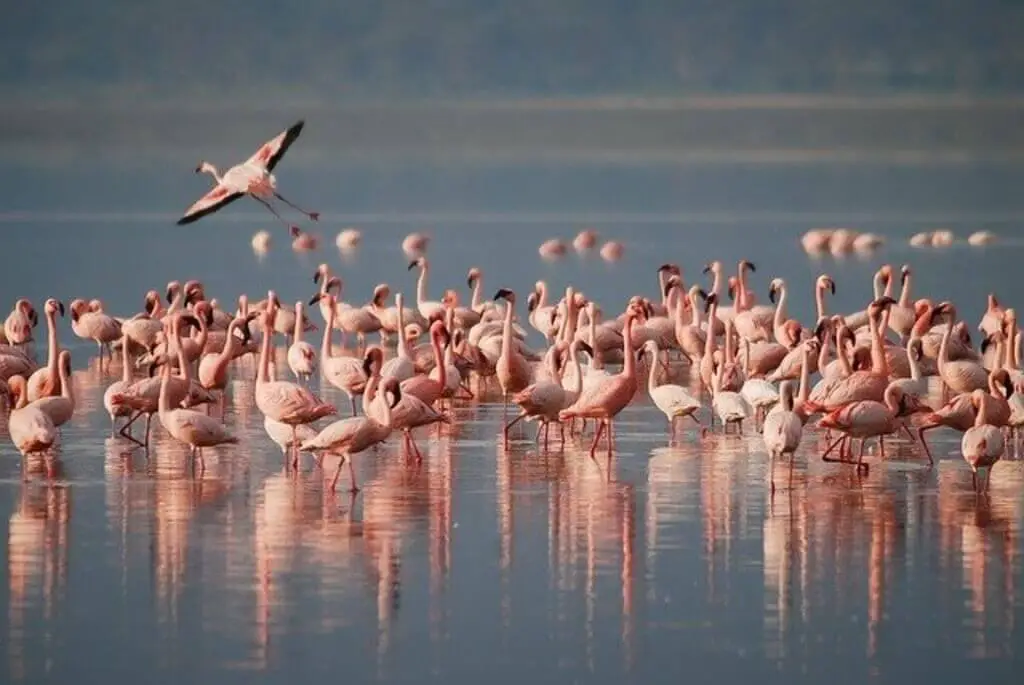
A flock of 50+ is called a “flamboyance.”
A flock of 50+ is called a “flamboyance.” The name, though strange, fits the feathered friend well. A large flock in excess of 500 birds are also called a “grand flamboyance.” In general, flamingos live solitary lives.
The only time they congregate is during mating season or when food sources dwindle. However, it’s not uncommon to see groups numbering less than 10 gather at one time.
Flamingos have a long lifespan.
Many people believe that flamingos are short-lived animals. In fact, the average lifespan of a flamingo is around 25 years in the wild and 75 years in captivity.
The earliest recorded captive flamingo lived to be 83 years old! Flamingos have many adaptations that allow them to live long lives.
Flamingos preferred habitats.
Flamingos are unique birds that live in many places around the world. They are commonly found in the wild in tropical and subtropical regions in Africa, Asia, North America and South America.
Flamingos are found near wetlands, ponds, lagoons, coasts, lakes or rivers that have salt water.
Flamingos can reach over 6 feet tall.
It is common knowledge that flamingos are tall birds. But how big is the tallest flamingo? The answer to this question may surprise you! There are many factors in determining the height of a flamingo, such as their species and age.
The Andean Flamingo has been recorded at over six feet tall while the Greater Rhea can reach five feet. They say that an average flamingo reaches about three feet in height and weighs roughly eight pounds.
Flamingos are born gray or white.
Flamingos are one of the most well-known birds in the world. However, many people do not know that flamingos are born gray or white and will eventually change to a pink color in adulthood.
The baby flamingo is often called a “chick.” The chick’s feathers are usually white, but they can also be light brown. In order to get their iconic pink hue, it takes about two years for them to mature into adults.
Flamingos can live in extreme weather conditions.
Flamingos are able to live in extreme conditions due to their low body temperature. They can survive in both frigid environments, such as Antarctica, and deserts because they have the ability to store large amounts of fat.
This is why flamingos can be found living near lakes and streams that provide water for them but also offer protection from predators like sharks.
Flamingos build their nest in mud.
Flamingos often build their nests in large colonies that can be found on lakes or rivers. The flamingo’s nest is a shallow hole made out of mud where they lay two eggs.
The nests are built close to the water because flamingo chicks need fresh water to drink when they hatch from their eggs.
There are 4 species of Flamingo that live in North America.
There are six different species of flamingo, but only four live in North America. The American flamingo is one of the four species that live in North America. The other three are Caribbean, Andean, and James’s flamingos.
Flamingos can drink saltwater.
Ever wondered how flamingos can drink saltwater and survive? Flamingos are born with a salt gland which helps to filter out excess salt from their bloodstreams.
They also have a special, high-density protein in their kidneys that keeps the sodium level of their blood low. These adaptations help them thrive in the salty waters of coastal habitats.
The salt gland is a specialized organ that produces the hormone aldosterone, which balances the amount of sodium and potassium in their blood. They use this to help them maintain proper electrolyte balance.
Most other animals have only one kind of salt gland for both purposes, but flamingos are born with two glands: One helps to filter out excess salt from their bloodstreams and the other is used when they drink fresh water or take an occasional dip in salty ocean water.
Flamingo tongues are used to break down protein.
Flamingo tongues are used to break down protein and give the flamingos their pink color. A group of researchers have recently discovered that flamingo tongues contain bacteria which break down protein, giving them their iconic pink color.
Flamingos eat a diet consisting mainly of crustaceans and insects, both of which are rich in proteins. Their tongue is specialized for breaking these proteins down into ammonia-rich uric acid crystals, giving them the pigment necessary for mating rituals and general identification.
The oldest Flamingo fossil is 50 million years old.
The oldest known flamingo fossil dates back to 50 million years ago, which means they have existed for a long time and have had many opportunities to evolve into their current form.
Fossils show that some of the adaptations that allow them to thrive today were present at an early stage, such as pink feathers or wings shaped like paddles, so they can wade through water easily.
Flamingos escape predators with a zigzag movement.
Flamingos are good at running away from predators. When they need to run, they do so in a zigzag pattern, which helps them escape the predator by confusing it and making it harder for the predator to chase after them.
The zigzagging movement is an energy-saving technique that allows them to get away from danger more easily than if they were running straight ahead.
Flamingos are monogamous.
Flamingos are monogamous, they only have one mate for life. However, it is not uncommon to see a Flamingo with two mates. This may be because the other mate died or was unable to find food and has been abandoned by their partner.
The partner who has been left behind will wait on the shoreline and watch as their lover flies off with another individual in search of food.
Flamingos have an incredible memory.
Flamingos are highly intelligent birds. They have an incredible memory, and can recognize the humans and other animals they encounter at any given location on subsequent visits, even if it has been weeks or months since their last visit.
In a study published in Animal Behavior Society’s journal Animal Cognition this week, researchers found that wild Chilean flamingos had long-term memories of people from whom they received food.
There are six different species of flamingo.
There are six different species of flamingo: Greater flamingo, Lesser flamingo, Andean flamingo, James’s flamingo, Chilean flamingo and American flamingo.
Flamingos are closely related to grebes and penguins.
Flamingos are often thought to be related to pelicans and storks, but flamingos are actually closely related to grebes and penguins. Many people think that flamingos are close relatives of pelicans or storks because they share similar physical features.
Flamingos, however, are closely related to grebes and penguins because of their biological classification. They all belong in the order called Charadriiformes which includes other water birds.
Flamingos can eat thousands of tiny shrimp per day!
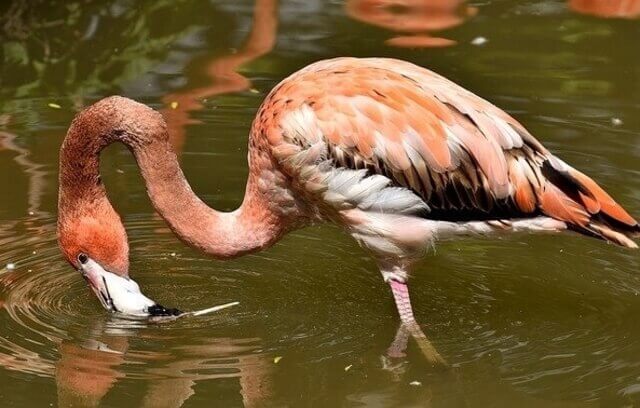
Flamingos are excellent at catching small crustaceans called shrimps. They use their beaks to scoop up the shrimp in water and then swallow them whole! Some flamingos can eat thousands of tiny shrimp per day!
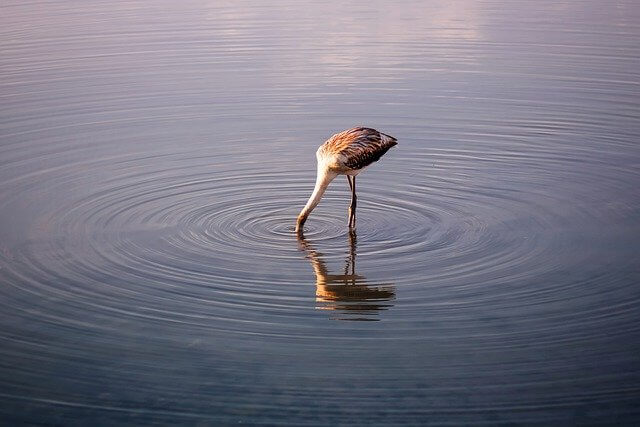
The flamingo’s head is flexible enough to turn upside down, so it can feed from the bottom of a pool of water.
Flamingo feathers regulate their body temperature.
A new study has revealed that a flamingo’s feathers are not just for show. Recent research has shown that the feathers help the birds maintain their body temperature by keeping them cool in hot climates and warm in cold ones.
Furthermore, they protect the bird from harmful ultraviolet rays and offer a layer of insulation against extreme temperatures.
Flamingos hold their breath when feeding.
Flamingos also have a very unusual way of feeding; they hold their breath while eating. A recent study has found that flamingos are able to remain underwater without breathing because they contain up to ten times more oxygen in their blood than most other animals, allowing them to go longer periods without taking a breath. This ability is due in part to specialized hemoglobin.
Flamingos spend most of the day in cleaning their feathers.
Flamingos spend most of the day in cleaning their feathers. They use a combination of shaking, wiping and licking to clean their feathers. Many people might be surprised that flamingos spend so much time on grooming themselves, but they are just as susceptible to parasites and disease as other animals are.
Flamingos have a keen sense of self-awareness which is important for mating rituals like the “flamingo dance” because it can make them look more attractive to mates.
Flamingos rest on one leg.
When a flamingo rests, it stands on one leg with its head drooped down and eyes closed. This helps conserve body heat in cold climates as well as saves energy by using less muscle power to keep balanced. Flamingos are also able to lower their heart rate and metabolic rate while standing up on one leg.
Baby flamingos have straight bills.
Baby flamingos have straight bills, but it becomes curved later on. The process of getting a curved bill starts when they are about two weeks old. The top part of the baby’s beak will start to grow over the bottom part.
Flamingos’ wingspan is one of the largest.
Flamingos’ wingspan ranges from 3 to 6 feet. This makes them the second-largest bird in terms of wing span, behind only pelicans. This variation in size is due to the differences in climate, food supply and parasites they are exposed to as chicks.




























:max_bytes(150000):strip_icc():format(webp)/common-blue-violet-1456e2fa-8e628b887f6c4904b85d442996ab7674.jpg)
:max_bytes(150000):strip_icc():format(webp)/johnny-jump-up-violet-e941694a-a222d6130f3f4414be1db15a80f93155.jpg)
:max_bytes(150000):strip_icc():format(webp)/molly-sanderson-johnny-jump-up-dc5cadf0-5cd4923313854c30bce8c08118283e4f.jpg)
:max_bytes(150000):strip_icc():format(webp)/sorbet-coconut-swirl-viola-9bcc4d2b-a0bc313b0bf7468e9fc9b6eea64103bc.jpg)















 Sew Colorful