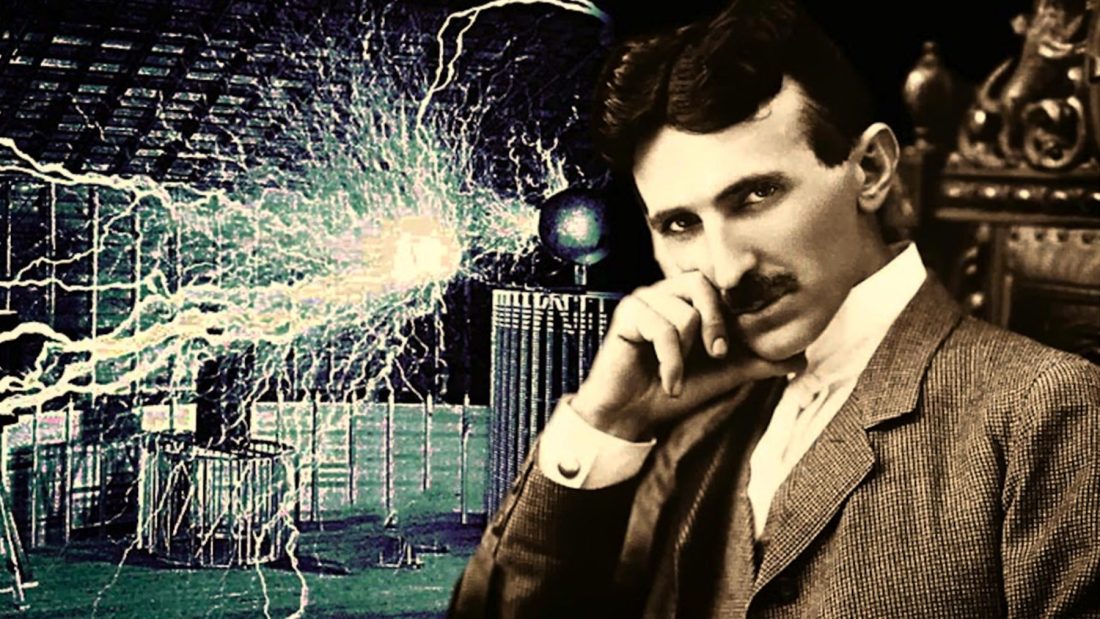
Serbian-American engineer and physicist Nikola Tesla (1856-1943) invented the first alternating current (AC) motor and developed AC generation and transmission technology. Though he was famous and respected, he was never able to translate his copious inventions into long-term financial success—unlike his early employer and chief rival, Thomas Edison.
Nikola Tesla
Nikola Tesla was born in 1856 in Smiljan, Croatia, then part of the Austro-Hungarian Empire. His father was a priest in the Serbian Orthodox church and his mother managed the family’s farm. In 1863 Tesla’s brother Daniel was killed in a riding accident. The shock of the loss unsettled the 7-year-old Tesla, who reported seeing visions.
Young Tesla in the lab
In 1870, Tesla moved to Karlovac (Carlstadt) and stayed with his Aunt and Col. “Old War Horse” Brankovic. He attended “Higher Real Gymnasium” where teacher Martin Sekulic taught him math and physics and had a decided influence over him. Tesla graduated Gimnazije Karlovac a year early.
House where Tesla lived in Karlovac
Did you know? During the 1890s Mark Twain struck up a friendship with inventor Nikola Tesla. Twain often visited him in his lab, where in 1894 Tesla photographed the great American writer in one of the first pictures ever lit by phosphorescent light.
Tesla and Twain
Tesla studied math and physics at the Technical University of Graz and philosophy at the University of Prague. In 1882, while on a walk, he came up with the idea for a brushless AC motor, making the first sketches of its rotating electromagnets in the sand of the path. Later that year he moved to Paris and got a job repairing direct current (DC) power plants with the Continental Edison Company. Two years later he immigrated to the United States.
Nikola Tesla and Thomas Edison
Tesla arrived in New York in 1884 and was hired as an engineer at Thomas Edison’s Manhattan headquarters. He worked there for a year, impressing Edison with his diligence and ingenuity. At one point Edison told Tesla he would pay $50,000 for an improved design for his DC dynamos. After months of experimentation, Tesla presented a solution and asked for the money. Edison demurred, saying, “Tesla, you don’t understand our American humor.” Tesla quit soon after.
Nikola Tesla and Westinghouse
After an unsuccessful attempt to start his own Tesla Electric Light Company and a stint digging ditches for $2 a day, Tesla found backers to support his research into alternating current. In 1887 and 1888 he was granted more than 30 patents for his inventions and invited to address the American Institute of Electrical Engineers on his work.
His lecture caught the attention of George Westinghouse, the inventor who had launched the first AC power system near Boston and was Edison’s major competitor in the “Battle of the Currents.” Westinghouse hired Tesla, licensed the patents for his AC motor and gave him his own lab. In 1890 Edison arranged for a convicted New York murderer to be put to death in an AC-powered electric chair—a stunt designed to show how dangerous the Westinghouse standard could be.
Edison’s Electric Chair
Buoyed by Westinghouse’s royalties, Tesla struck out on his own again. But Westinghouse was soon forced by his backers to renegotiate their contract, with Tesla relinquishing his royalty rights. In the 1890s Tesla invented electric oscillators, meters, improved lights and the high-voltage transformer known as the Tesla coil.
Early Tesla Coil
He also experimented with X-rays, gave short-range demonstrations of radio communication two years before Guglielmo Marconi and piloted a radio-controlled boat around a pool in Madison Square Garden. Together, Tesla and Westinghouse lit the 1893 World’s Columbian Exposition in Chicago and partnered with General Electric to install AC generators at Niagara Falls, creating the first modern power station.
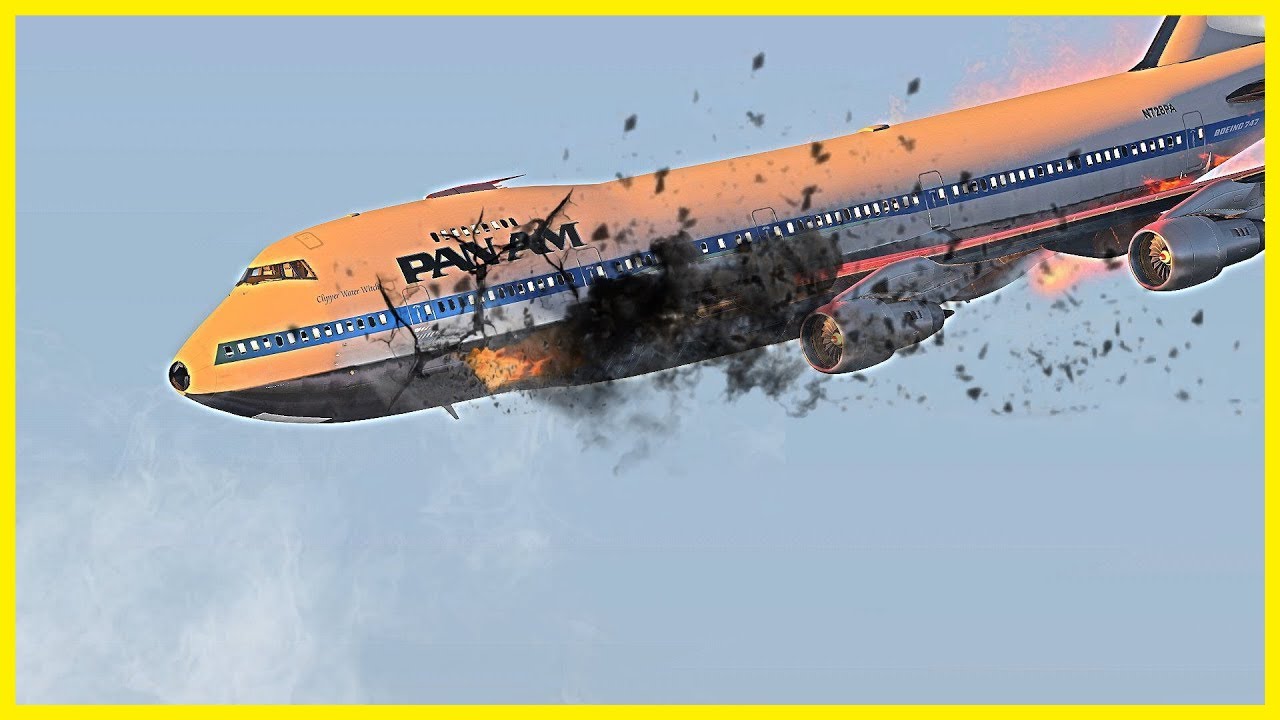
On December 21, 1988, Pan Am Flight 103 from London to New York explodes in midair over Lockerbie, Scotland, killing all 243 passengers and 16 crew members aboard, as well as 11 Lockerbie residents on the ground. A bomb hidden inside an audio cassette player detonated in the cargo area when the plane was at an altitude of 31,000 feet. The disaster, which became the subject of Britain’s largest criminal investigation, was believed to be an attack against the United States. One hundred eighty-nine of the victims were American.
Islamic terrorists were accused of planting the bomb on the plane while it was at the airport in Frankfurt, Germany. Authorities suspected the attack was in retaliation for either the 1986 U.S. air strikes against Libya, in which leader Muammar al-Qaddafi’s young daughter was killed along with dozens of other people, or a 1988 incident, in which the U.S. mistakenly shot down an Iran Air commercial flight over the Persian Gulf, killing 290 people.
Sixteen days before the explosion over Lockerbie, the U.S. embassy in Helsinki, Finland, received a call warning that a bomb would be placed on a Pan Am flight out of Frankfurt. There is controversy over how seriously the U.S. took the threat and whether travelers should have been alerted, but officials later said that the connection between the call and the bomb was coincidental.
In 1991, following a joint investigation by the British authorities and the F.B.I., Libyan intelligence agents Abdel Basset Ali al-Megrahi and Lamen Khalifa Fhimah were indicted for murder; however, Libya refused to hand over the suspects to the U.S. Finally, in 1999, in an effort to ease United Nations sanctions against his country, Qaddafi agreed to turn over the two men to Scotland for trial in the Netherlands using Scottish law and prosecutors. In early 2001, al-Megrahi was convicted and sentenced to life in prison and Fhimah was acquitted. Over the U.S. government’s objections, Al-Megrahi was freed and returned to Libya in August 2009 after doctors determined that he had only months to live. In December 2020, reports surfaced that the U.S. Justice Department would unseal criminal charges against another suspect in the bombing, Abu Agila Mohammad Mas’ud.
In 2003, Libya accepted responsibility for the bombing, but didn’t express remorse. The U.N. and U.S. lifted sanctions against Libya and Libya agreed to pay each victim’s family approximately $8 million in restitution. In 2004, Libya’s prime minister said that the deal was the “price for peace,” implying that his country only took responsibility to get the sanctions lifted, a statement that infuriated the victims’ families. Pan Am Airlines, which went bankrupt three years after the bombing, sued Libya and later received a $30 million settlement.
In December 2022, the U.S. Justice Department announced Abu Agila Mohammad Mas’ud was arrested by the FBI for his suspected role in the bombing.
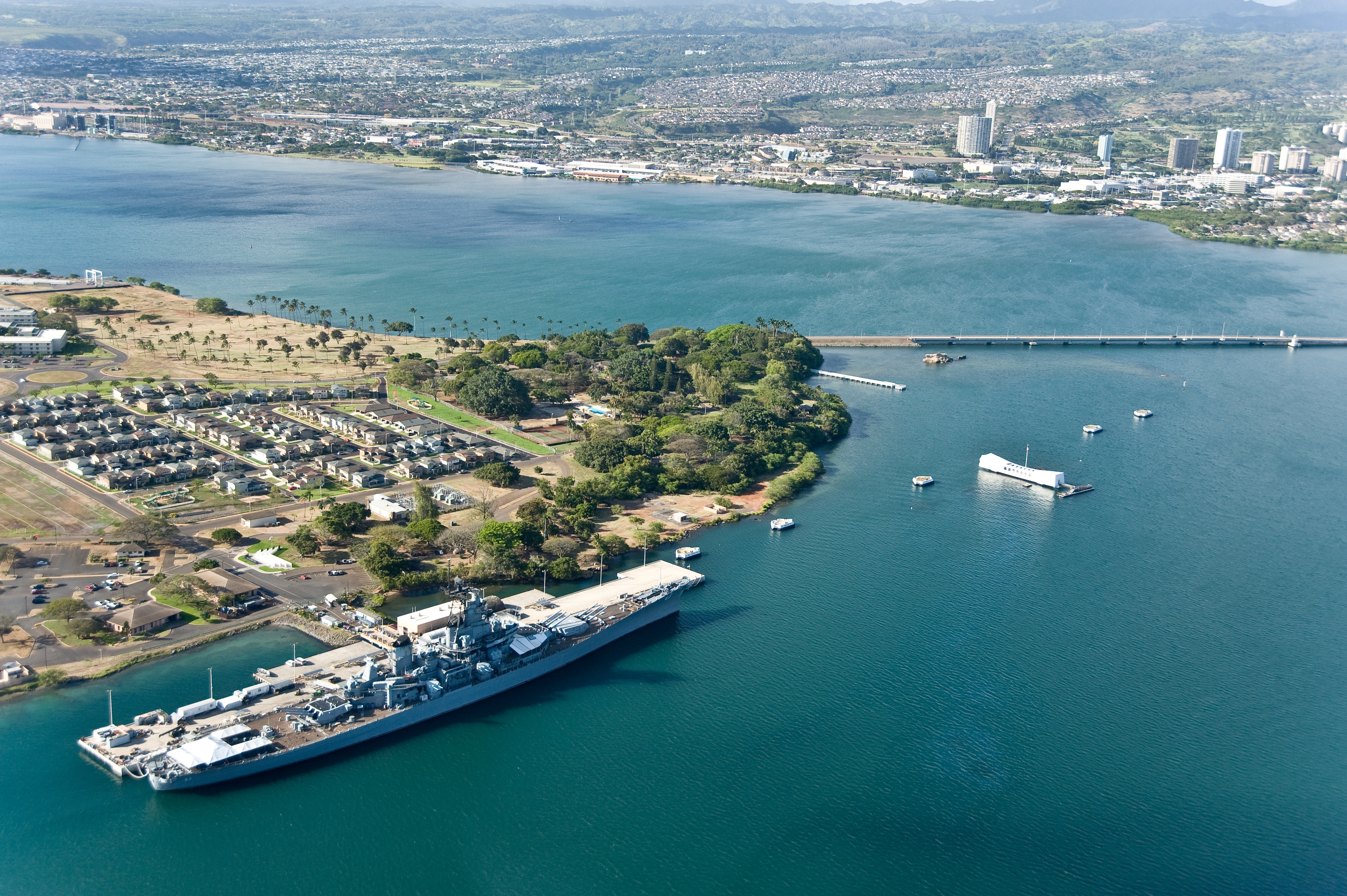
Located on the Hawaiian island of Oahu, Pearl Harbor is best known as the site of the Japanese military strike that propelled the United States into World War II. But Pearl Harbor’s contributions to history didn’t begin—or end—on what President Franklin Delano Roosevelt called “a date which will live in infamy,” December 7, 1941. From epic rock concerts to astronaut visits, the storied lagoon has seen quite a lot. Here are 10 things you might not know about it.
Pearl Harbor’s Hawaiian name is Wai Momi.
Unfortunately, overharvesting, pollution, and human-induced sediment changes decimated the harbor’s native oyster population by the end of the 19th century. But in February 2019, the U.S. Navy announced that it was teaming up with the University of Hawaiʻi’s Pacific Aquaculture and Coastal Resources Center and O’ahu Waterkeeper to reintroduce two native bivalve species: The Hawaiian oyster and the black-lip pearl oyster. Since they filter out pollutants, their presence may help clear the water in the Pearl Harbor area.
A shark goddess was said to live in Pearl Harbor.
According to Hawaiian legend, Kaʻahupahau was a former human who had transformed into a shark. It was said that she lived with her brother (or son) in the caves beneath Pearl Harbor. Together, the pair defended the scenic lagoon and the Indigenous people who fished there. In 1902, the entrance channel was artificially widened so large American ships could pass through. (Hawaii wouldn’t become a state until 1959, but it was annexed in 1898.) Locals became concerned that the project would upset Kaʻahupahau. When a newly finished dock collapsed in 1913, it was said to be the irate deity’s work. Others speculated that damage to the harbor caused Kaʻahupahau to leave—and she took the oysters with her.
Pearl Harbor’s resident naval station was established in 1908.
In 1887, 11 years before Hawaii’s annexation, the United States was given the exclusive right to set up a naval base in Pearl Harbor. But the federal government didn’t formally establish one there until 1908. Decades later, in 1940, that naval station became the main base of operations for what would soon become the U.S. Pacific Fleet, where it was intended to curb Japanese expansionism. The fleet’s relocation to Oahu set the stage for the devastating surprise attack.
The December 7, 1941, attack on Pearl Harbor came in two waves.
Before the assault on Pearl Harbor, Japan stationed six of its Imperial Navy’s aircraft carriers, which carried 414 planes in total, at a pre-chosen locale 230 miles north of Oahu. The ships maintained radio silence to keep their movements a secret. On December 7, 1941, at 6 a.m., the first wave of Japanese planes took to the air, and just before 8 a.m., they began an all-out assault on the Hawaiian base. Caught unaware, the American forces were pummeled by bombs and torpedoes.
A second wave arrived on the scene at about 8:50 a.m. Unlike its predecessor, this one didn’t include any torpedo planes and it inflicted less damage. Still, by the time Japan’s second wave pilots returned to their carriers at 9:55 a.m., the U.S. had lost 188 airplanes while 159 more sustained damages. Some 21 American ships were sunk or damaged. And then there was the human cost: 2403 Americans died in the attack, and an estimated 1178 others were injured.
Thirty-eight sets of brothers were on the doomed USS Arizona.
Nearly all the American vessels that were hit during the 1941 Pearl Harbor attack were later repaired, but the USS Arizona wasn’t so lucky. The 608-foot Pennsylvania-class battleship went under after an ammunition magazine exploded. Some 1177 marines and sailors perished aboard the Arizona. Altogether, there were 38 sets of brothers, representing a total of 79 men, on the battleship at the time. Within that group, 63 individual men were killed.
Pearl Harbor was rocked by mysterious explosions in 1944.
On May 21, 1944, a tank landing ship (or Landing Ship, Tank) in the lagoon’s West Loch suddenly burst into flame. Next came a string of explosions that killed 163 people, damaged more than 20 buildings, and took out a grand total of six LSTs. The disaster’s cause has never been verified, but it has been theorized that someone may have accidentally set the whole thing off by dropping an explosive mortar shell.
Japanese Prime Minister Shigeru Yoshida visited Pearl Harbor in 1951.
By all accounts, the visit was a muted affair. Yoshida was returning from a diplomatic visit to San Francisco when he opted to spend a little time in Hawaii. On September 12, 1951, the prime minister briefly met up with Arthur Radford, the commander of the U.S. Pacific Fleet, at Pearl Harbor. Three other Japanese prime ministers have since visited the lagoon. Ichiro Hatoyama dropped by in 1956; Nobusuke Kishi made the trip in 1957; and Shinzo Abe gave a speech there (with Barack Obama by his side) in 2016.
Elvis Presley helped raise money for the USS Arizona memorial fund.
In 1958, President Dwight D. Eisenhower authorized the building of a USS Arizona memorial at Pearl Harbor. Three years later, the king of rock ‘n roll put on a benefit concert to raise money for the project. Presley sang “Hound Dog,” “Heartbreak Hotel,” and 13 other classic songs before a roaring crowd of around 5000 fans in Pearl Harbor’s Bloch Arena. The big event raked in over $64,000 and created public interest in the memorial—which was officially dedicated in 1962.
After returning to Earth, the Apollo 11 crew made a pit stop in Pearl Harbor.
Neil Armstrong, Edwin “Buzz” Aldrin, and Michael Collins splashed down in the Pacific Ocean on July 24, 1969. Due to concerns about lunar diseases, the astronauts were confined to a quarantine trailer—which was ferried to Pearl Harbor aboard the USS Hornet. The contraption was later transported to Houston, Texas, with all three space travelers still inside.
The naval base at Pearl Harbor merged with another military property in 2010.
Prior to 2010, Pearl Harbor’s resident naval base and the neighboring Hickam Air Force Base were two separate properties. But that year, they were combined into the Joint Base Pearl Harbor-Hickam. According to its website, the base “provides services comparable to a large city to a population of active duty from all services, guard, reserve, family members and retirees.”
A version of this story originally ran in 2019; it has been updated for 2021.
Marie Antoinette was born November 2, 1755.This article from Mental Floss details 10 interesting facts you may not have known about her.
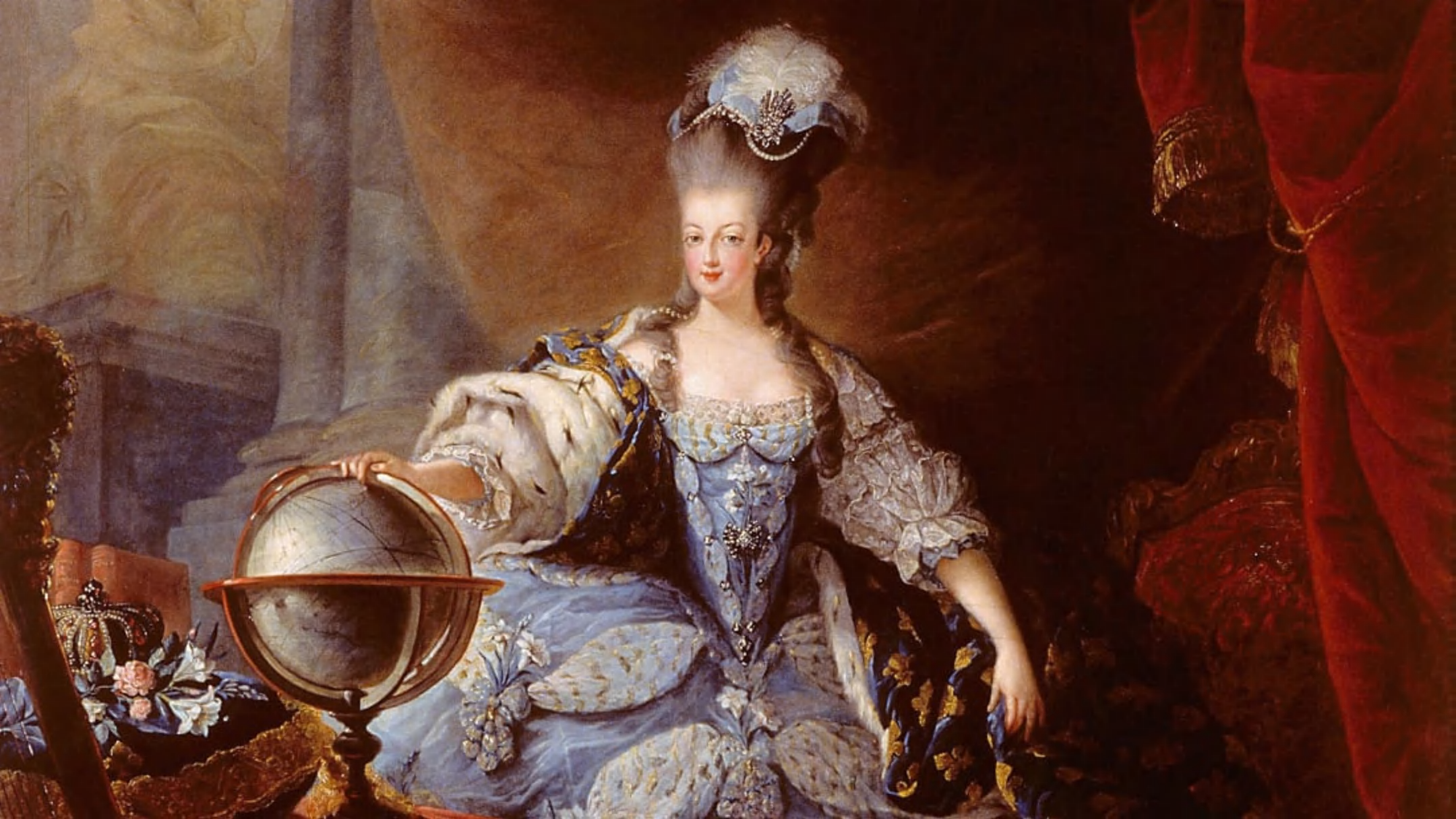
Born Maria Antonia Josepha Johanna, Archduchess of Austria, the woman known as Marie Antoinette became Queen of France and Navarre on May 10, 1774. Her marriage to Louis-Auguste was designed to create peace between Austria and France after the Diplomatic Revolution of 1756 and the onset of the Seven Years’ War. She survived shifting political sands of palace intrigue and upheaval between European countries but couldn’t survive the revolution boiling over in her own adopted nation. Here are 10 facts about a woman we love to make up myths about.
Marie Antoinette was only 14 years old when she married the future Louis XVI.
Marie Antoinette became a queen as a pawn, a child bride at 14 paired with a 15-year-old Dauphin to seal the union between two countries that had previously been at odds. The marriage took place by proxy on April 19, 1770 in Vienna, with Marie Antoinette’s brother standing in for the groom; a ceremonial wedding occurred May 16 at the Palace of Versailles.
Marie Antoinette wanted to ride horses but rode donkeys instead.
Looking to connect with her hunting enthusiast husband, Marie Antoinette sought to learn horseback riding, but was told (particularly by her escort to France, the Count of Mercy-Argenteau) that it was far too dangerous. Fortunately, riding donkeys was deemed acceptable, so the court sought calm, pleasant donkeys for Marie Antoinette to ride. She grew so enamored of her donkey-accompanied treks into the woods that she would host processions into the forest as often as three times a week with onlookers gathered for the spectacle.
Marie Antoinette gave generously to others.
The flattened historical view of Marie Antoinette as a puff-headed monster who loathed the poor obscures her generally kind, giving nature. She founded a home for unwed mothers, visited and gave food to poor families, and, during the 1787 famine, sold off the royal flatware to buy grain for those in need. Her generosity wasn’t solely institutional, either. One story shows her jumping quickly to the aid of a vintner who was hit by her carriage, paying for his medical care, and supporting the family until he was able to work again.
Marie Antoinette’s spending wasn’t the main cause of the French Revolution
It’s easy to see Marie Antoinette and all of Louis XVI’s court as profoundly out of touch with the people of 18th century France because they continued a lavish tradition of royalty in the face of crushing debt and rampant squalor. However, the idea that Marie Antoinette’s expensive whims were to blame for the country’s economic woes is a myth.
When the couple ascended to the throne, the country was already in deep trouble financially, and Louis XVI’s monetary policies failed while he sent massive amounts to support the American Revolution. Propaganda of the time that was typically aimed at kingly mistresses was aimed at Marie Antoinette (since Louis XVI had no mistresses), and populist presses depicted her as being even more extravagant than she was.
Marie Antoinette never said “let them eat cake.”
Anti-royal propaganda of the era was so effective that we still believe it to this day, including the idea that Marie Antoinette’s response to the plight of the French not being able to afford bread was “Let them eat cake.” The next time a friend brings that up at a party (happens all the time, right?) you can bet all the money in your pocket that it’s not true. Or, at least, that there’s no record of her having ever said it. On the other hand, stories of oblivious royals suggesting richer pastries when bread’s not available date back to the 16th century, and Jean-Jacques Rousseau told a similar story about “a great princess” in Confessions, but it’s doubtful he was referring to the then-teenaged Marie Antionette.
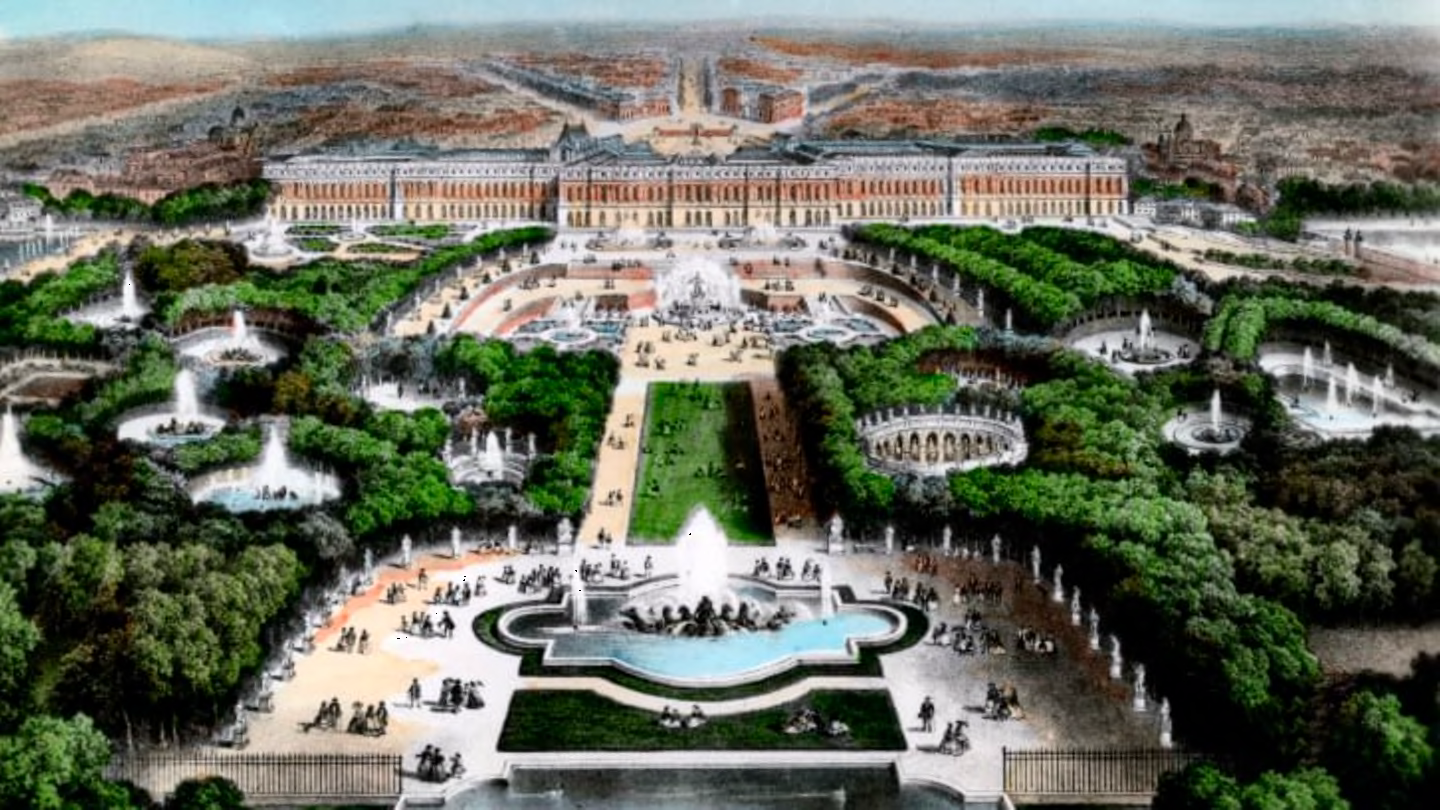
Marie Antoinette had a peasant farmyard built at Versailles.
Marie Antoinette can’t escape all accusations of extravagance, though. Like other royals, she had expensive tastes, but her construction of a replica of a peasant farmyard where she and her friends could dress up like shepherdesses and play at being poor farmhands was beyond the pale. Built in 1783, Le Petit Hameau (“The Little Hamlet”) looked like a real farm except the farmhouse interior’s opulence was fit for a Queen.
Marie Antoinette loved children.
Despite not consummating their marriage until seven years in, Marie Antoinette and Louis XVI eventually had four children: Marie Thérèse in 1778, the Dauphin Louis Joseph in 1781, Louis Charles in 1785, and Sophie in 1786. Sophie died before her first birthday, and Louis Joseph died at age 7 (probably from tuberculosis), but Marie Antoinette also adopted several children. They included the daughter of a maid who died, and the three children of an usher following his death. When some loyalists attempted to rescue her from the Revolutionary forces, she responded that she “could not have any pleasure in the world” if she abandoned her children.
Marie Antoinette could have been rescued from execution.
After Louis XVI was executed, Marie Antoinette—then called Widow Capet and prisoner 280—was imprisoned in the Conciergerie. Her friend Alexandre Gonsse de Rougeville visited her wearing two carnations, one of which concealed a note promising her bribe money to help her escape. He dropped it while in her cell and either it was picked up by the guards, or Marie Antoinette read it and scribbled an affirmative response that was then read by the guards. On the night of the attempted escape, the guards were bribed and Marie Antoinette was brought down to meet her rescuers, but one of the guards foiled their plan despite already having pocketed the bribe.
Marie Antoinette apologized to her executioner.
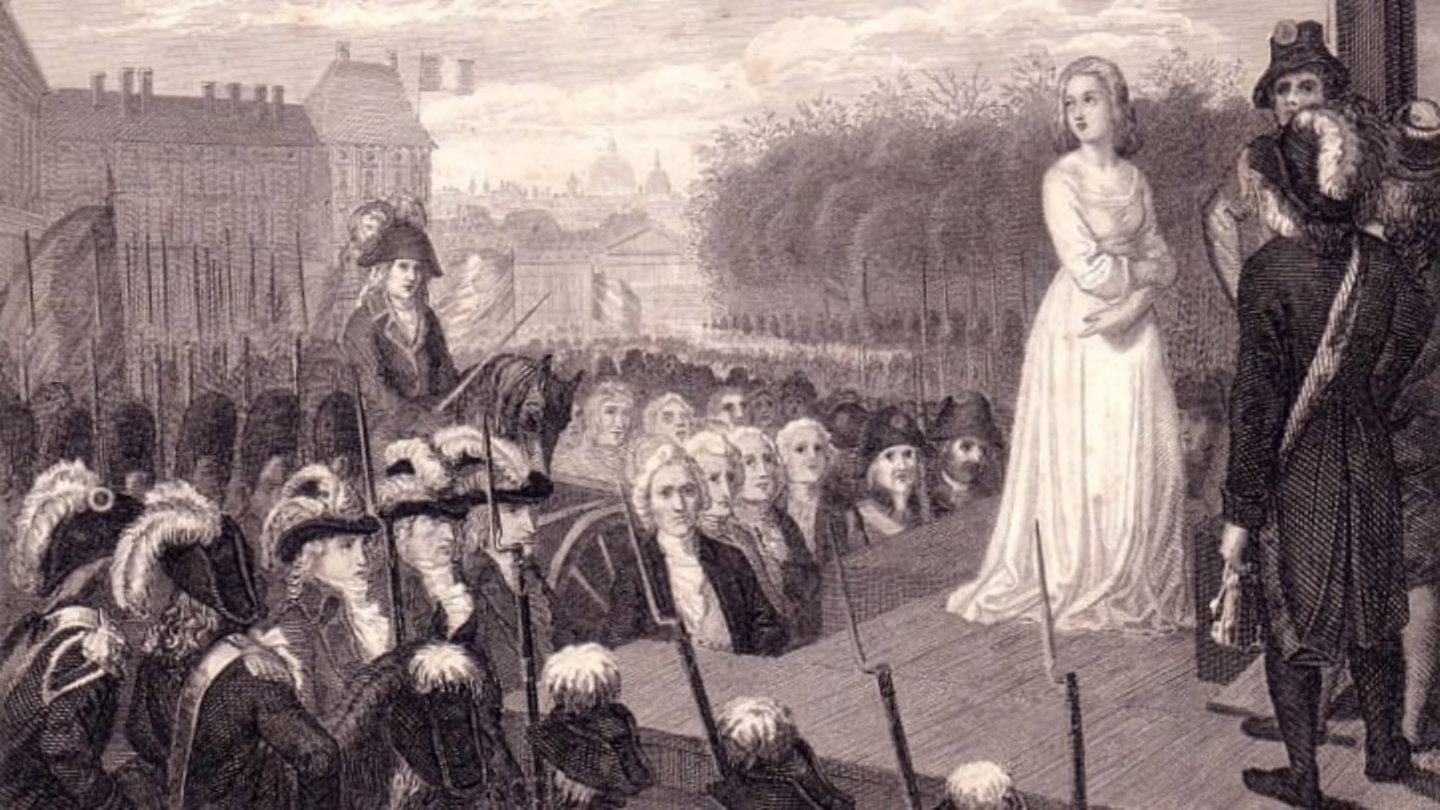
For someone who lived such an extraordinary, lavish life, Marie Antoinette’s final words were profoundly humble. On her way to the guillotine, the very instrument of death that was used to kill her husband 10 months prior, she accidentally stepped on the executioner’s foot and said, “Pardon me, sir. I meant not to do it.”
Marie Antoinette was buried in an unmarked grave, but didn’t stay there.
After her execution at 12:15 p.m. on October 16, 1793, Marie Antoinette’s body was dropped into a mass grave in the Madeleine cemetery, which was closed the following year because it had reached capacity. During the Bourbon Restoration following the fall of Napoleon, Marie Antoinette and Louis XVI’s bodies were exhumed on January 18, 1815, and given a royal burial at the Basilica of St. Denis just a few days later. Their remains are still there, but the Expiatory Chapel dedicated to them was designed in 1816 on the site at the Madeleine cemetery where they’d previously been unceremoniously interred.
The specter of cannibalism overshadows many other fascinating facts about the emigrants.
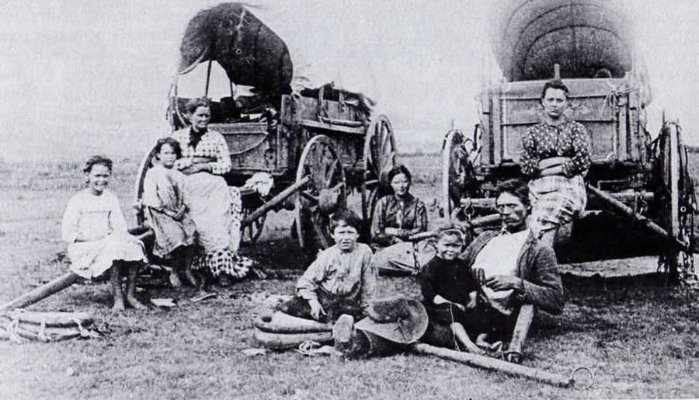
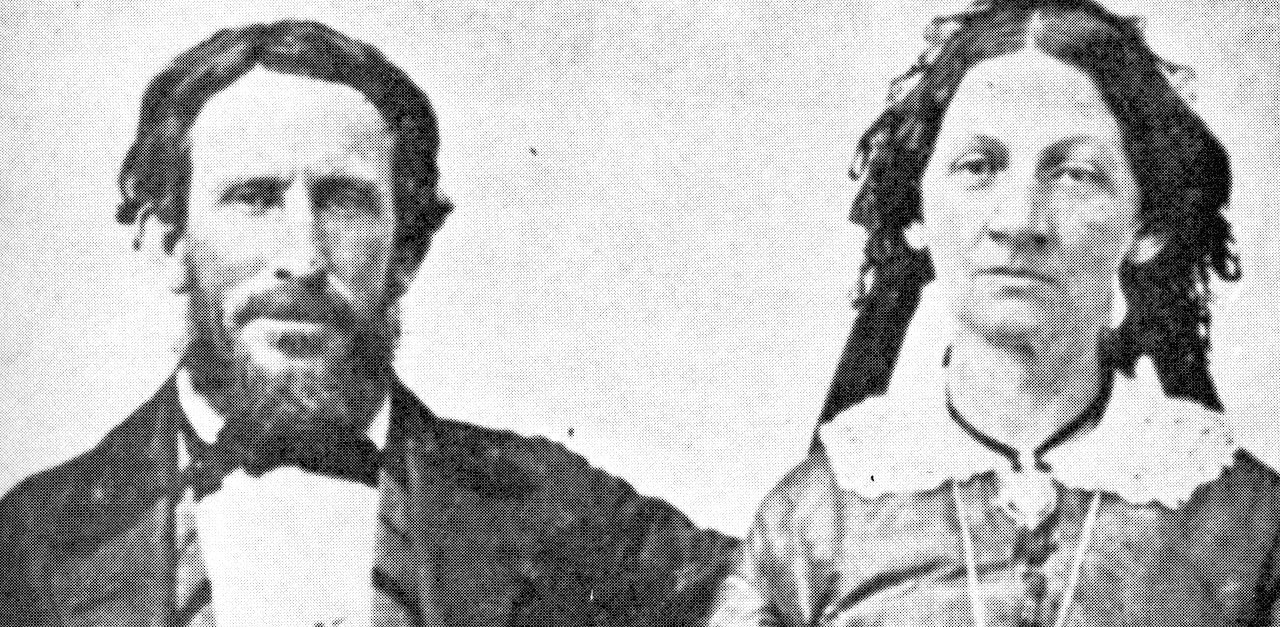
In May 1846, the last wagon train of the season left Independence, Missouri for the Mexican territory of Alta California. Led by two men from Springfield, Illinois—farmer George Donner and furniture manufacturer James F. Reed—the Donner Party followed the well-established California Trail as far as the Little Sandy River in Wyoming. It’s there that they made the fateful decision to take a new, more direct route over the Wasatch Mountains and across the Great Salt Lake Desert. The determination was made despite the warnings from accomplished mountain man James Clyman.
The Donner Party followed a path set out for them by adventurer and guidebook author Lansford Hastings. The Hastings Cutoff was meant to save time by shortening the journey more than 300 miles. Instead, the rugged terrain, lack of natural water sources, and extreme weather conditions proved disastrous for the pioneers. The Donner Party was delayed by three weeks, all while much of their cattle was stolen or killed in raids by Paiute Indians. It wasn’t until early November that they finally began to climb the eastern slope of the Sierra Nevada Mountains.
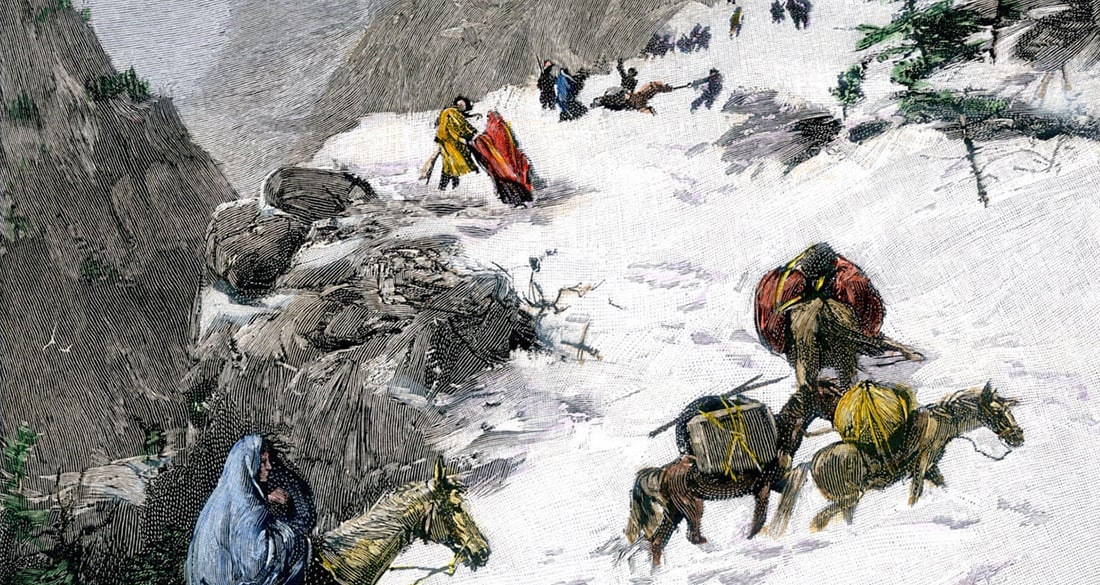
Despite multiple setbacks and mistakes, the group arrived at Sutter’s Fort, only 90 miles from their final destination. If they’d made it over the pass and out of the mountains, the Donner Party might have been lost in the pages of history. They would have just been one of the hundreds of wagon trains in the first wave of westward migration. Instead, an early snowfall trapped 81 men, women, and children in makeshift tents and cabins at Truckee Lake and in the Alder Creek Valley some seven miles east.
Conditions took a grim and immediate turn. Once they ate the few remaining oxen and horses, the snowbound travelers relied on mice, tree bark, pine cones, and strips of leather for food. They also boiled ox hides to make a foul smelling, glue-like substance.
In mid-December, a group of 15 people that would later be known as the “Forlorn Hope” left the Truckee Lake camp to find help. Weak with hunger and carrying few provisions, they were caught in the open by a blizzard. They wandered lost and confused in the mountains for more than a month. Eight members of the troop died, but two men and five women eventually made it to a small farming community on the Bear River.
It took four rescue attempts to bring the last surviving member of the Donner Party to safety in April 1847. Unfortunately, nearly half of the emigrants had perished during one of the most brutal winters on record. Many of those who lived admitted that some members of the party had to resort to eating the dead, and the gruesome specter of cannibalism has hung over the episode ever since. But this morbid detail has obscured some of the most intriguing facts about this remarkable chapter in American history.
Abraham Lincoln was almost a member of the Donner Party.
As a young lawyer in Springfield, Illinois, Lincoln often helped his friend James F. Reed in business matters. The two had been messmates during the Blackhawk War, and Lincoln counseled Reed through bankruptcy proceedings shortly before the latter left for California. According to one historian, Lincoln considered joining the Donner Party, but his wife Mary Todd was strongly opposed to the idea. American history might look very different if the future president and his family had made the ill-fated voyage.
An intercepted letter may have sealed the Donner Party’s fate.
Most historians agree that the Donner Party’s fatal mistake was taking the Hastings Cutoff. It put them almost a month behind schedule and severely depleted their resources before the critical last stage of their journey. But the emigrants might have returned to the main trail if they’d received a letter left for them at the southwestern Wyoming trading post of mountain man Jim Bridger.
The letter was written by journalist Edwin Bryant and addressed to James F. Reed. It warned that the Hastings Cutoff was too rough for the Donner Party’s wagons. But as the trading post stood to profit enormously if the new route proved popular, Reed never received the letter. Both Reed and Bryant later suspected that Bridger had concealed it in order to improve his business prospects.
At least four people were deliberately killed during the trip.
One: Tensions were running high well before the Donner Party was trapped. Around the time they rejoined the California Trail near modern-day Elko, Nevada, a fight broke out between two teamsters over tangled wagons. When James F. Reed intervened, he was whipped for his efforts. He pulled a knife in self-defense, killing his attacker, John Snyder.
Two: Shortly afterwards, a German immigrant named Karl Wolfinger stopped to cache one of his wagons and never rejoined the wagon train. Two men who went with him claimed that he had been killed by Paiute raiders. Months later, as one of the men was starving to death, he confessed to murdering Wolfinger for his gold.
Three and Four: In December 1846, the members of the Forlorn Hope were forced to resort to cannibalism to survive their brutal ordeal. First, they consumed the flesh of five emigrants who had died from starvation and exposure. However, the group had joined with two Miwok men who had refused to eat the dead party members. Still starving, the Forlorn Hope group shot and killed the two outsiders before eating their bodies.
Five: In April 1847, Lewis Keseberg was the last survivor to be rescued. In his cabin he had pistols, jewelry, and gold belonging to George Donner. He also had a pot of human flesh.
Keseberg claimed that George’s wife, Tamsen, had given him the valuables for safekeeping shortly before she died. However, his rescuers accused him of murder and nearly lynched him. For the rest of his life, a cloud of suspicion hung over Keseberg. Rumors circulated that he preferred human flesh to beef, and that he had once claimed that Tamsen Donner’s liver was the “sweetest morsel” he’d ever tasted.
The Mexican-American War delayed rescue efforts for the Donner Party.
After James Reed killed a man in self-defense, he was banished from the wagon train. Forced to leave his wife and four children behind, he rode ahead on horseback. He made it down the western slope of the Sierra Nevada Mountains in late October and organized a party to bring food and supplies to the emigrants. Unfortunately, he was turned back by deep snow.
At this point, most of the able-bodied men in Alta California were caught up in the Mexican-American War. Reed traveled to San Jose to try to raise another rescue party, but volunteers were hard to find. Beyond that, communication lines were down and roads throughout the region were blocked. It wasn’t until February 1847 that he was able to round up enough men and provisions to head back into the mountains.
Most of the snowbound emigrants were children.
One of the saddest facts of the Donner Party’s story is that more than half of the 81 people trapped in the camps were younger than 18 years old. Six of them were infants. Mothers, fathers, and older siblings were forced to make terrible choices to protect their youngest family members.
In the most famous case, Margaret Reed made the agonizing decision to leave behind two of her four children when they proved too weak to make it down the mountain with the first rescue team. Eight-year-old Patty said, “Well, mother, if you never see me again, do the best you can.”
Thankfully, the second relief effort, led by Patty’s father James Reed, arrived shortly thereafter. All four Reed children were lucky enough to survive. The doll that Patty brought with her to California is currently on display at the Emigrant Trail Museum at Donner Memorial State Park in Truckee.
One determined savior went through a grueling process to rescue children.
John Stark was a stout and sturdy settler from California who went along with the third relief party in the March of 1847. Accompanied by two other rescuers, he found a small group of emigrants who had been left behind in the mountains by the last relief effort. Two of these emigrants were adults, while the other nine had been children.
While his fellow rescuers each grabbed a single child, Stark wasn’t going to leave anyone behind again. As the children were too weak to walk, Stark would haul up two children in his arms and trek a few yards before returning for the next pair. He traveled back and forth again and again under the weight of multiple children and his already heavy provisions. He did this heroic and exhausting task until he led the group all the way back to safety.
There were far more male casualties than female in the Donner Party.
Of the 35 members of the Donner Party who perished in the Sierra Nevada Mountains, 25 were male and 10 were female. The discrepancy can be attributed to numerous factors. First of all, women generally have higher levels of stored body fat and lower metabolism rates. The men were also in a weakened physical condition after performing backbreaking labor during the trek along the Hastings Cutoff.
It should also be noted that the mothers and wives of the Donner Party fought ferociously to protect their families. In one particular act of incredible sacrifice, George Donner’s wife Tamsen sent her children off with rescuers while she refused to leave her dying husband’s side.
Nearly all of the solo travelers perished.
The Donner Party was made up of 12 families and 21 individuals. Only six of the solo travelers—many of whom worked for the families—are known to have survived the frozen pass. Two families escaped the adventure fully unscathed, while the other 10 lost a combined 23 loved ones. Although that number is much higher, only 25% of the members who were a part of a family on the trail were lost, while over 70% of those on their own were killed by cold, starvation, or violence.
SOURCE: history
By Dave Adams | Updated Feb 11, 2020 | Published Jan 17, 2019
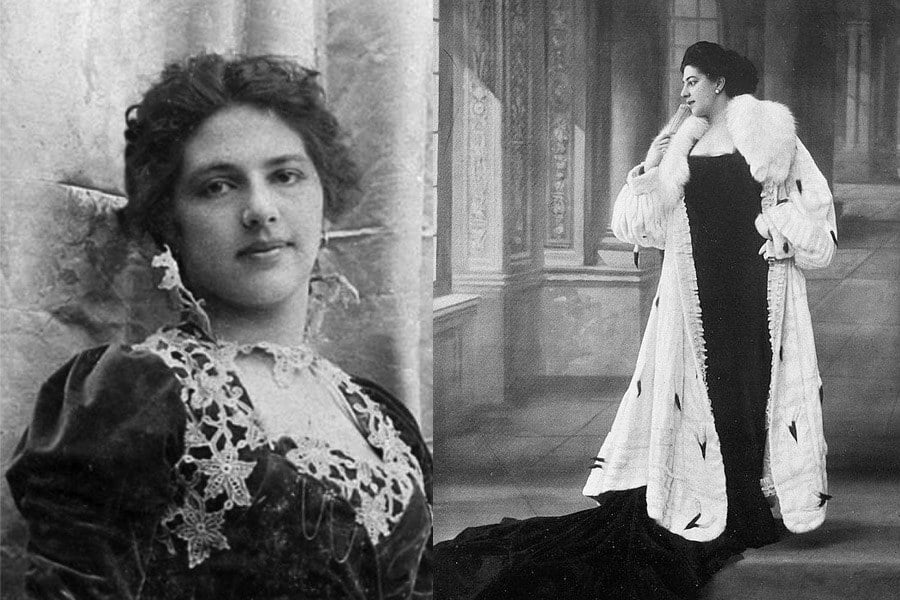
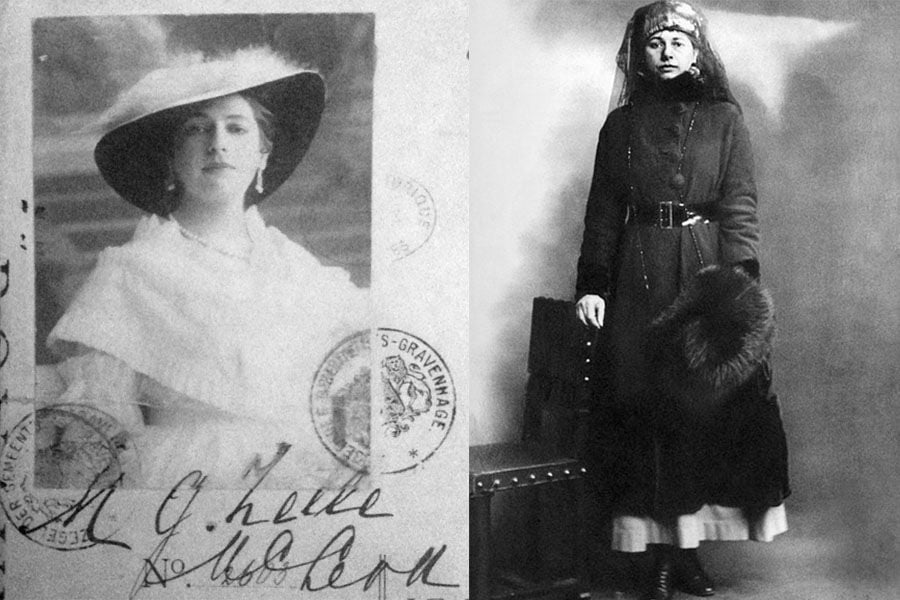
Mata Hari was executed on October 15, 1917 more than a hundred years ago today. I found an article on All That’s Interesting chronicling her life and death.
In 1917, Dutch exotic dancer Mata Hari was executed by the French for working with the Germans. But her apparent role as a double agent remains unclear to this day.
Many have heard of Mata Hari, the famous exotic dancer who supposedly became a lethal wartime spy. But few know exactly which parts of her fascinating story are fact and which parts are fiction.
What we do know is that Hari was well-traveled and fluent in several different languages. And during World War I, her romantic exploits with soldiers landed her in a web of espionage so tangled that not even her fame could save her.
In 2017, the French government finally declassified the so-called “Mata Hari papers” — trial archives that were kept secret for an entire century. And around that same time, a cache of Hari’s personal letters was also released.
But in many ways, this has only deepened the mystery.
The Early Life of Mata Hari
The details of Mata Hari’s early life are sadder than they are glamorous.
Born Margaretha Geertruida Zelle on August 7, 1876, in Leeuwarden, Netherlands, Mata Hari was known for her dark hair and eyes — which were unusual among her Dutch peers. She was also known for being sociable and bright. Hari’s father, who owned a hat shop, was relatively wealthy and doted on his daughter.
However, Hari’s luck soon changed. Her father went bankrupt, her parents divorced, and her mother died all by the time she was in her early teens. Her father remarried and sent Hari and her siblings to live with other relatives.
After being expelled from school for having an “affair” with the headmaster, Hari ran away to live with her uncle in The Hague. (Hari was only 16 years old at the time of the alleged “affair,” so historians believe she may have been sexually abused.)
At age 18, she answered a lonely-hearts ad written by 39-year-old Dutch soldier Rudolf MacLeod. The two married in 1895, she became Margaretha Geertruida MacLeod, and the couple moved to the island of Java in Indonesia (formerly the Dutch East Indies). The union was not a happy one.
MacLeod drank frequently and kept a mistress — something that didn’t sit well with his new wife. But around this time, Hari also began immersing herself in Indonesian culture, which would prove useful later on.
The couple had two children, both of whom fell very ill in 1899. Their son died that year at the age of two, but their daughter survived.
The young boy’s cause of death is widely believed to have been congenital syphilis — contracted from his parents. However, other sources claim that he died after a disgruntled nanny poisoned both of the kids.
After the tragic death, MacLeod left the army, and the couple returned to the Netherlands, where they parted ways. They officially divorced in 1902.
At first, the couple’s daughter mostly stayed with her mother, but Hari had difficulty finding work as there were few jobs available for women.
Without the means to support her child, Hari made a difficult decision. She handed her daughter over to her ex-husband — and moved to Paris.
The Paris Years
Hari first arrived in Paris in 1903. While she was grateful to have a fresh start, she missed her daughter — and she still struggled to make money.
From giving piano lessons to teaching German, Hari tried to make ends meet however she could. By 1904, she confessed in a personal letter that she had turned to prostitution in order to support herself. She also worked as an artist’s model for painters.
But then, a friend suggested working as a dancer — a career that would change her life. By 1905, she was not only finding success in her new profession but also crafting a couple of new personas for herself.
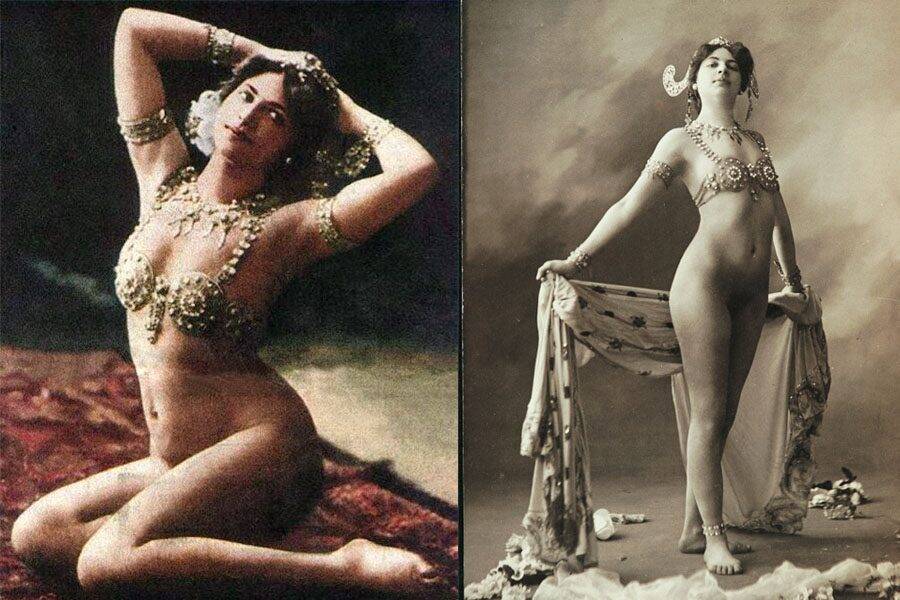
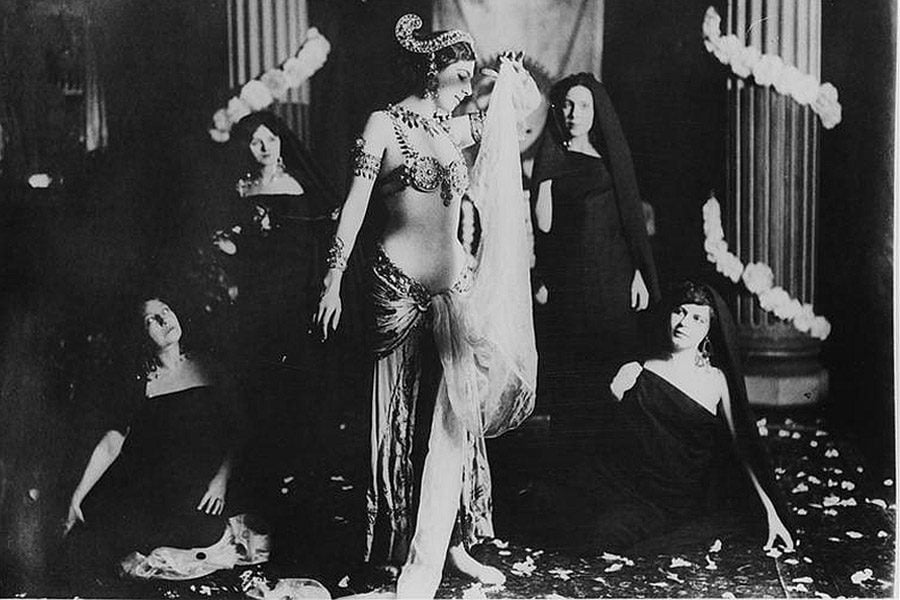
Claiming variously to be a Hindu artist, the daughter of an Indian temple dancer, or a European who was born in Java, she took the stage name “Mata Hari,” which means “eye of the day” in Malay. She drew crowds for her provocative “sacred dance” — which was basically just a striptease.
After her debut at the Musée Guimet in Paris, the name Mata Hari would be known all over Europe. She was an undeniable sensation. On top of her seductive performance, she also had the rare advantage of “educating” her audience on a different culture and way of life. That way, both she and her audience had a respectable reason for being at the show.
Men around the world would covet her, but Mata Hari mostly had eyes for military officers — a preference that would later get her in serious trouble after Europe plunged into World War I.
Mata Hari’s Connection to World War I
Given the Netherlands’ neutral stance in World War I, Mata Hari had no trouble crossing national borders. So she did that often — which is why she appeared on a watch list for both French and British intelligence.
What happened next depends on who’s telling the story. It remains unclear whether Mata Hari was actually a lethal spy for the Germans or for the French, or which country she agreed to help first and for what reason.
One version of the story is that around 1914, Hari had personal property (including furs) confiscated in Germany. As the story goes, she went back to the Netherlands shortly thereafter. And in 1915 or 1916, the Germans approached her about going back to France to work as a spy — offering her 50,000 francs to do so. They apparently thought that she would be valuable to them due to her many romantic connections with soldiers.
While she allegedly accepted the money, she later claimed that she did so only to get back what the Germans had taken from her — and wasn’t seriously intending on spying. However, she did make two trips to France in 1915 and 1916 — during which she fell in love with a Russian officer.
And in 1916, she reportedly accepted an offer from the French counter-intelligence chief to spy for his country for a million francs. She would later claim that this was only so that she could retire from her former life and settle down with the man she truly loved. But this decision would ultimately spell her doom — as she was soon caught working as a double agent.
However, another version claims that she accepted a lucrative offer from the French to spy first (again, because of her romantic links to soldiers). In this story, she gets falsely labeled as a German spy — after an unsuccessful attempt to extract information from a German attaché.
That said, it is possible that she simply accepted money from either or both sides just for the sake of supporting herself and her lover. But even if she never took a single spying assignment, this suspicious connection with different intelligence programs would lead to her downfall.
The Arrest and Trial for Espionage
In 1916, when a ship Mata Hari was aboard entered the English port of Falmouth, police arrested her, believing she was a different spy. Though she was ultimately released, things quickly began to go downhill from there.
In January 1917, an officer at the German Embassy in Madrid sent a coded message to Berlin outlining the activities of a German spy named H-21. The French intercepted this message and identified H-21 as Mata Hari.
However, many believe that German intelligence knew this code had already been cracked. In other words, they were setting Hari up for the fall. And at some point in February, she was arrested in a Paris hotel room and promptly thrown in a rat-infested jail cell.
Mata Hari’s trial, which would be held at a military tribunal, was set for July. The charges included spying for the Germans and thus causing the deaths of some 50,000 soldiers.
On the stand, Mata Hari admitted to accepting money from a German to spy on France — but claimed she didn’t do the deeds he asked of her. She said she only offered trivial, meaningless information to demonstrate her ultimate loyalty to her adopted country of France.
She added that she considered the money payment for her formerly confiscated property. But the French didn’t believe that she was innocent. The military tribunal deliberated for only 45 minutes before declaring her guilty — which led to her being sentenced to death.
Mata Hari could only plead her innocence to the Dutch Ambassador in Paris: “My international connections are due of my work as a dancer, nothing else. Because I really did not spy, it is terrible that I cannot defend myself.”
Mata Hari’s Execution and Legacy
A trailer for the 1931 film Mata Hari, starring Greta Garbo as the titular character.
Regardless of whether Mata Hari was guilty or innocent, her fate was sealed. She would be executed by a firing squad on October 15, 1917.
The details of her death, like her life, are mired in mystery and myth. Some say she blew a kiss to the firing squad before they began shooting. Others say she refused a blindfold and bravely looked her executioners in the eyes.
Perhaps the most believable is this eyewitness testimony: “She displayed unprecedented courage, with a small smile on her lips, just like in the days of her great triumphs on stage.” Nobody arrived to claim her body.
For nearly 100 years after her death, Mata Hari was portrayed as the ultimate “Femme Fatale” who preyed on unsuspecting soldiers. She also became a small fixture in pop culture — especially after she was portrayed by Greta Garbo in the 1931 film Mata Hari.
But outside of the notorious spy legend, the recently released documents on Hari attempt to paint a more complete picture of her life. And it’s a sad picture indeed. Not only was Hari abused and abandoned by many people, she very well may have been used as a scapegoat or pawn during her trial — perhaps because of her controversial profession and reputation.
On top of that, France or Germany (or both) may have also been angry at her for failing to produce useful information. In addition, it’s possible that France wanted someone to blame for issues they were facing during the war.
But unfortunately, the full truth behind the legend probably died with Hari.
To this day, historians still argue over whether Mata Hari was indeed a double agent or even a spy at all. With every recounting of her story more complicated than the last, it seems that she may have been — if anything — a victim of sexual politics. After all, she was not a chaste, self-sacrificing woman — so it’s little wonder why she wasn’t trusted.
An unredacted memo adds depth to our understanding of the CIA’s response to allegations that Oswald worked with the spy agency.
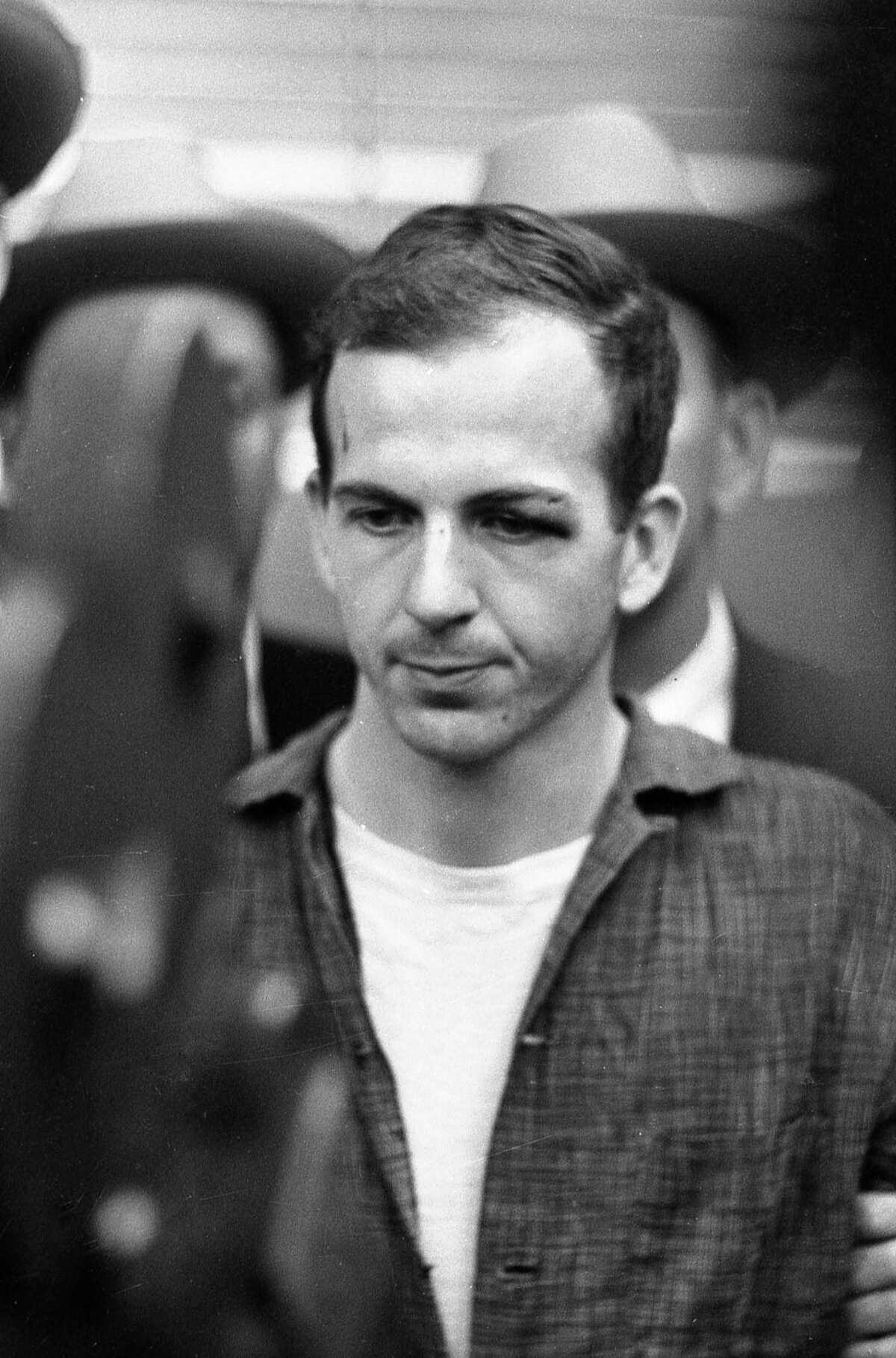
The Biden administration declassified a new clue last week to the relationship between Lee Harvey Oswald and the Central Intelligence Agency. Among the intersections between Oswald and the CIA, his time as a young Marine at the Atsugi naval air facility in Japan in 1957 is high among them.
Atsugi was a launching pad for U-2 spy flights over the Soviet Union and was also a hub of the CIA’s research into psychedelic drugs. “A CIA memo titled ‘Truth Drugs in Interrogation’ revealed the agency practice of dosing agents who were marked for dangerous overseas missions,” wrote author David Talbot in “The Devil’s Chessboard,” his 2015 biography of former CIA Director Allen Dulles.
Talbot’s exploration of the link ended there: “Some chroniclers of Oswald’s life have suggested that he was one of the young marines on whom the CIA performed its acid tests.”
A new document released in full last week relates directly to Oswald’s time at Atsugi, revealing details about the CIA’s response to testimony from a former agency accountant that the spy service had employed Oswald — who went on to be a gunman in the assassination of President John F. Kennedy in 1963.
The CIA’s role in Kennedy’s assassination remains one of the great unsolved mysteries of American history. A majority of Americans believe the president was killed as part of a conspiracy that went beyond Oswald, and roughly a third believe the CIA or elements within the CIA had a hand in it.
The CIA’s role in Kennedy’s assassination remains one of the great unsolved mysteries of American history.
The main theory posits the assassination as a response to Kennedy’s firing of Dulles, a cloak-and-dagger powerbroker, following the failed CIA Bay of Pigs operation to unseat Fidel Castro’s Communist government in Cuba. Some believers of the theory also point to evidence Kennedy was souring on the Vietnam War or militarism in general. If Dulles did orchestrate a coup against Kennedy, it would be far from his first.
A memorandum from 1978 reports that a finance clerk with the CIA, James Wilcott Jr., had informed a House panel exploring the assassination that “the CIA hired Lee Harvey Oswald when Oswald served in Atsugi.” The memo goes on to cast doubt on Wilcott’s claim, noting that he arrived in Tokyo in 1960, after Oswald had left the base, suggesting that Wilcott’s claim is based on “second hand” information.
A version of the document was declassified by the Trump administration in 2017, though it redacted a portion of a note that runs along the bottom of it. That redaction obscured the name of a CIA official, Dan Nieschur, who fielded requests from congressional investigators in the 1970s and searched Oswald’s files. Jefferson Morley, editor of the Substack newsletter JFK Facts, said that inconsequential lifting of such redactions seems to be common in this latest document release, allowing the government to claim it is releasing thousands of documents, while most had largely already been in the public domain.
The memo, written to a person identified only as “JHW,” explains that CIA official Russ Holmes “inherited the so-called Oswald files, but that he has assured me the Agency had no contact with Oswald.” The memo says that “contrary records” might be in “EA” — a likely reference to the CIA’s East Asia desk — and that they would be searched for and checked if found.” “He is after it,” the memo says of Holmes, who became legendary for his now-declassified CIA archive on the assassination.
The new JFK files include a number of personnel records connected to Wilcott, whose testimony before the House committee in the late 1970s made news at the time.
Oswald’s next few years make much more sense with a connection to the CIA than without them.
After studying Russian while in the military — perhaps trained at the Army Language School in Monterey, California, according to Talbot, sourcing the claim to the Warren Commission chief counsel J. Lee Rankin — Oswald was discharged with a false claim of his mother’s ill health.
Completely broke, with only $203 in his bank account, he took a boat to England nine days after his discharge. Then, according to his wife, Oswald took a military transport flight to Finland, staying at two of the nicest hotels in Helsinki.
Oswald then took an overnight train from Helsinki to Moscow. Once there, he presented himself at the U.S. Embassy to announce he’d become a defector. Embassy staff later recalled that his defection speech sounded odd and rehearsed. He spent two and a half years in the Soviet Union and then, just as curiously as he’d defected, returned home to the United States.
If the series of moves — from the discharge to the flight to the defection to the return — were made at the behest of the CIA, they make sense, with Oswald playing some type of role in the inscrutable world of spycraft. Absent an intelligence link, the tick-tock of Oswald’s post-military years would be situated somewhere between extraordinarily implausible to impossible to pull off.
The CIA is known to have explored creative uses of psychedelics — and Dulles was specifically aware of these activities, even proposing some of the uses. On March 2, 1960, according to a declassified CIA report included in last week’s document release, the CIA director briefed Richard Nixon, then the vice president, on a proposal to deal with Fidel Castro and Cuba. The report, which appears to be another version of a previously declassified document, included plans for economic sabotage of cane production and interference with oil deliveries.
A more innovative idea presented in the briefing, according to the CIA, appears to be a reference to dosing Castro with LSD, which the agency was at the time experimenting with. Nixon was told that the agency had “a drug, which if placed in Castro’s food, would make him behave in such an irrational manner that a public appearance could have very damaging results to him.”
The CIA’s claim to have had no contact with Oswald is undercut by the fact that George de Mohrenschildt, a CIA asset, became close friends with Oswald in the months before the assassination. That spring, de Mohrenschildt traveled to New York, Philadelphia, and Washington. According to documents found in the newly declassified files, at the same time as his trip, the CIA’s Domestic Operations Division ran a search on de Mohrenschildt, “exact reason unknown,” according to two documents created by a CIA analyst included in last week’s declassification.
The covert arm of the division was run at the time by E. Howard Hunt, a black ops specialist who confessed later in life to learning ahead of time of a conspiracy to assassinate Kennedy that involved high-level figures in the CIA.
“It is interesting that Allen’s interest in de Mohrenschildt coincided with the earlier portion of this trip,” the memo concludes, referring to Gale Allen, a case officer with the CIA’s Domestic Operations Division at the time, “and the information would suggest that possibly Allen and de Mohrenschildt were possibly in the same environment in Washington, D.C., circa 26 April 1963.”
In the wake of the latest document release, which also withheld countless additional documents, Fox News host Tucker Carlson reported that a source who reviewed the undisclosed records said they included evidence of CIA involvement in the assassination. Carlson said that he had invited his friend Mike Pompeo, the former CIA director who also withheld crucial documents, on to his show to respond. “Though he rarely turns down a televised interview, he refused to come,” Carlson said. “We hope he will reconsider.”
I will never forget where I was when I heard about the Twin Towers. My mother and I were in the local bank. They had just installed 2 large televisions for those people waiting in lines. Normally the news played in the background as we stood waiting for the next teller. But that morning, we all stood in disbelief watching the horror unfold—tellers and customers alike. Mom and I had planned to go grocery shopping after the bank, but we decided to go home and watch the tv for more information.
Where we you when you heard? Do you remember? Will you ever forget?
(if I got the correct link, the second video is the updated version of the first one.)
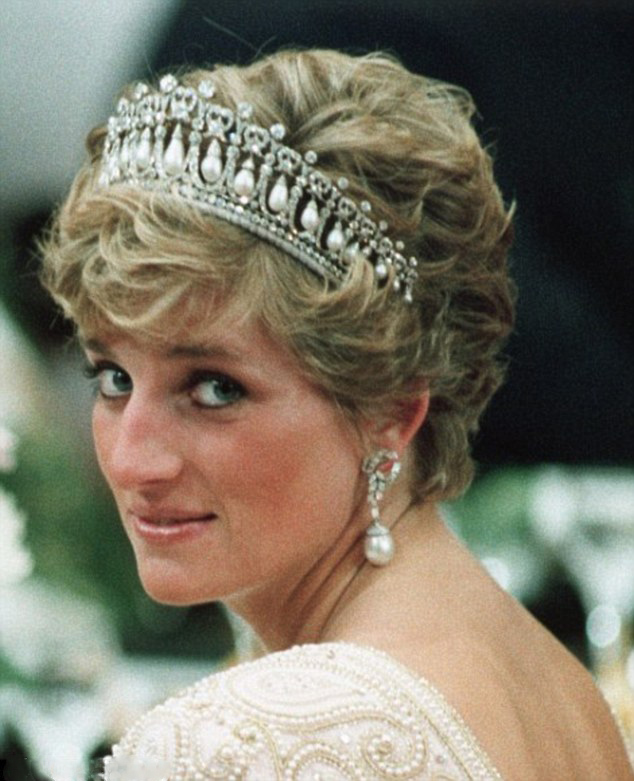
Today is the anniversary of the death of Princess Diana. I could relate the official tale of her tragic death, but that isn’t my style. I searched for an article relating the strange, conspiracy types of “facts” that, of course, have been “explained away” in the official accounts.
6 Truly Strange Facts Surrounding Princess Diana’s Death
20 years later, these facts still can’t be dismissed.
By Lesli White
It’s hard to believe it’s been 20 years since the death of Diana, Princes of Wales. While much time has passed since Princess Diana’s death in 1997, the fascination with her life and tragic death have never waned. Over the years, there have been many conspiracy theories surrounding Princess Diana’s death, many of which have been quite intriguing. In addition, persistent plots and incessant rumors, books, tapes, letters, diaries, unpublished videos continue to pop up, particularly when another anniversary approaches. While it hasn’t been proven that her death was anything other than a tragic accident, there are certain aspects of the incident that can’t be ignored. Many of these aspects will leave you with more questions than answers. Here are six truly strange facts surrounding Princess Diana’s death.
The Letters That Predicted Her Own Death
A few months prior to her death, Princess Diana sent out letters to two close friends, her butler Paul Burrell and her solicitor, Lord Mitchum. In them, she stated quite clearly that the royal family and her husband were “planning her death” and that it would be “a car accident.” Burrell went public with his letter, making it known to the press. Lord Mitchum on the other hand passed the letter over to the serving police chief at the time, Lord Condon. Condon withheld this letter from public knowledge as did his successor, Lord Stevens, for several years, even though it is illegal to withhold evidence in investigations. Despite this, no action was taken against either former police chief. Many people found this suspicious and for good reason.
Car Swap at the Last Moment
When Princess Diana and her boyfriend, Dodi Fayed left the Ritz Hotel shortly after midnight on the morning of August 31, 1997, a different Mercedes was sent to pick them up than the one they had used throughout the day. Not only was the car changed at the very last minute, there was also no backup car present as was customary.
In addition, there was much controversy regarding the seat belts and who was and wasn’t wearing them on that last journey. Princess Diana was always known to wear her seat belt so it’s hard for many to believe that she was found to have not been wearing one the day of the crash. During that time, the security officer in the vehicle, Trevor Rees-Jones was found with his seat belt on, which is unusual for a security officer on such a high profile job, given the standard practice was for them to not wear seat belts so their movements aren’t restricted.
No Footage Captured of Their Fateful Journey
Henri Paul opted to take a different route the day that the crash occurred. The longer route took them along the River Seine and through the Pont d’ Alma tunnel where the tragic crash occurred. The reason they were said to take this route as opposed to the quickest one was to avoid paparazzi, who had followed the pair all day long. While this might sound rational, given the route was selected on the spur of the moment, many people found it suspicious that all 17 CCTV cameras along the route were either turned off or not working at all. Consequently, no footage was captured of their fatal journey – footage that would have been invaluable in determining what happened that evening.
Henri Paul’s Alcohol Level
Henri Paul was said to have been drunk behind the wheel and lost control of the car the day of the crash. However, there are a number of interesting points about this account. While Paul probably did drink that night and was on antidepressents, he is on camera acting coherent and not visibly intoxicated shortly before the accident. There are some disagreements among experts over exactly how much he had to drink that night.
There are some theories about Paul being an employee of French and/or British security services, as he had over $1000 on him at the time of death, though as a high ranking employee at an upscale hotel in Paris who occasionally needed to buy things for wealthy clients, having over a grand in his pockets is not the oddest thing.
She Remained in the Tunnel for 81 Minutes
Princess Diana wasn’t removed from the crashed vehicle for almost 37 minutes – despite there being little to no damage to her side of the car. It was a total of 81 minutes before the ambulance she had been placed into made its way out of the tunnel and to the hospital. Medical experts who testified in court stated that had Princess Diana been removed from the scene quicker, she very well may have survived. While serious questions were made about his conduct at the accident scene, Dr. Jean-Marc Martino was not made to appear at the official inquiry into Princess Diana and Dodi’s death. Dr. Martino also didn’t address any of the accusations of gross negligence from those who felt his actions that night were far from adequate, which was met with much suspicion.
Speed of the Ambulance Questioned
When the ambulance finally arrived at the scene, it was traveling at a pedestrian pace of 19 kilometers per hour (12 mph). This was questioned by investigators, researchers, medical and emergency service experts alike. The excuse was made that they were traveling with high-tech medical equipment. Given it was essentially a mobile theater room, it allowed the emergency team to begin treatment as soon as a person is inside the ambulance. They said that traveling at that speed would have put their work in danger.
We can only speculate how different our world would be if Princess Diana had not died in a car accident that tragic day. She taught us that there is more out in the world besides ourselves. Princess Diana tried to help as many people as she could in the time she was with us and she will always be remembered as a beacon of light and hope. The late Princess of Wales will be forever missed.
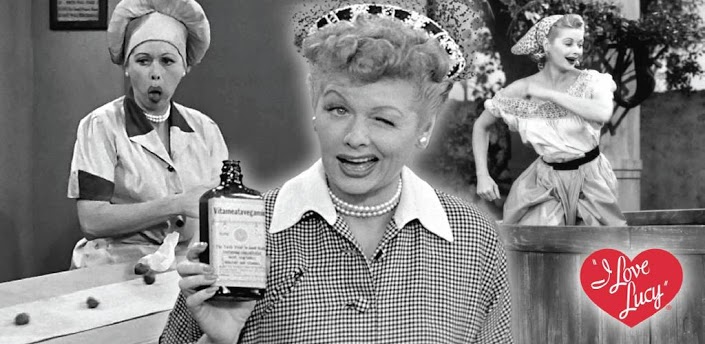
In honor of Lucille Ball’s birthday, I present an article containing fascinating facts about the lovely comedienne.
From the sheknows website, by author Allison Koerner October 14, 2017:
Ball was revolutionary in more ways than one, especially when it came to transforming the entertainment industry for women. As she once said, “I am not funny… What I am is brave.” We couldn’t have said it better ourselves.
She showed that women can be funny. She showed that women can be the lead of their own show and their own lives. She showed that goofiness is attractive. She showed that one woman can do wonders for other women. Ball absolutely deserves all of the recognition.
Obviously, fans of the show know the Lucy Ricardo they’ve seen and continue to watch on the small screen, but do they know the real Lucille Ball? If not, it’s time to get to know her even better.
She was the first woman to run a major production company
According to the New York Daily News, after Ball and Desi Arnaz divorced in 1960, she bought out Arnaz’s shares of Desilu for $2.5 million, making her the first female CEO of a major production company. Per the outlet, she later sold her Desilu shares to Paramount Studios for $17 million. Then, in 1967, Ball founded Lucille Ball Productions, according to Turner Classic Movie network.
She didn’t win that many awards
Even though she scored 13 Emmy nominations between I Love Lucy and The Lucy Show, she only took home a total of four Emmys. As for the Golden Globes, she was nominated six times, but never for I Love Lucy. Rather, she was recognized for The Facts of Life, The Lucy Show, Yours, Mine and Ours, Here’s Lucy and Mame. In 1979, she was honored with the Cecil B. DeMille Award.
She did win this award
In 1977, with Nancy Malone, Eleanor Perry and Norma Zarky, Ball was one of the first recipients of the Women in Film Crystal Award. According to the official website, Women in Film is all about “promoting equal opportunities for women, encouraging creative projects by women, and expanding and enhancing portrayals of women in all forms of global media.”
Her father died from typhoid fever
According to an excerpt from Stefan Kanfer’s 2003 book titled Ball of Fire (via The New York Times), Ball’s father died from typhoid fever in 1915 at only 28 — and it rightfully stayed with her the rest of her life. “Lucille retained only fleeting memories of that day, all of them traumatic,” Kanfer writes. “A picture fell from the wall; a bird flew in the window and became trapped inside the house. From that time forward she suffered from a bird phobia. Even as an adult, she refused to stay in any hotel room that displayed framed pictures of birds or had wallpaper with an avian theme.”
Her life completely changed at 16
As revealed in her memoir, Love Lucy (via Huffington Post), in 1927, her grandfather bought her brother, Freddy, a gun for his birthday. While her grandfather was teaching Freddy and his “little girlfriend” Johanna how to use the gun, Ball said, it went off and hit their 8-year-old next door neighbor, Warner Erickson. The bullet severed his spinal cord. The Erickson family filed a lawsuit, and as Ball wrote, “They took our house, the furnishings that [Ball’s mother] DeDe had bought so laboriously on time, week after week, the insurance — everything. My grandfather never worked again. The heart went out of him. It ruined Celoron for us; it destroyed our life together there.”
She wasn’t always “Lucille Ball”
Remember how Lucy Ricardo sometimes went by Lucille McGillicuddy (her maiden name)? Well, Ball once used the name Diane Belmont, according to The Los Angeles Times. “I always loved the name Diane and I was driving past the Belmont race track, and the names seemed to fit together,” she said.
She’s connected to the Salem Witchcraft Trials
According to NPR, Ball was a descendant of those accused as witches during the Salem Witchcraft Trials of 1692. “A lot of celebrated Americans, it has been determined, were descended from the accused witches, including Walt Disney, Clara Barton and Lucille Ball,” the outlet reports.
She defied ageism
When I Love Lucy first began in 1951, Ball was 40. As it unfortunately still is, that was a big deal back in the day, especially since it’s known that a woman over 40 in Hollywood has a harder time finding work compared to younger women and also men.
She fought for TV’s first interracial couple
Did you know that Ball and Arnaz made TV history as the first interracial couple? Ball also had to fight to keep Arnaz as her TV husband.
Kathleen Brady, author of Lucille: The Life of Lucille Ball, told NPR in February 2014 that CBS didn’t want Arnaz, especially since the network was unsure about his accent and Cuban heritage. “CBS and its sponsor, Philip Morris cigarettes, were adamantly opposed to this,” Brady said. “They said that the American public would not accept Desi as the husband of a red-blooded American girl.” However, Ball defended Arnaz, and according to Brady, she told CBS that they’d have to either cast them both or neither of them.
She wasn’t a natural redhead
Believe it or not, but Ball wasn’t always a redhead. According to Good Housekeeping, her natural hair color was brown and she dyed her hair for her role in Du Barry Was a Lady.
As revealed by I Love Lucy‘s hairstylist, Irma Kusely, it wasn’t easy finding the right tint of red, either. “A lot of people think of it as red — it’s not red at all,” she said in an interview for EmmyTVLegends.org. “She met a very wealthy sheikh and he had heard about her problem [getting the right coloring]. He said he would send her a lifetime supply of henna, which he did! [We kept it] in my garage, locked away in a safe.”
She almost drowned stomping grapes
The I Love Lucy episode, titled “Lucy’s Italian Movie,” is one of the most popular and favorite episodes ever. Well, according to a 2004 letter to the editor at The New York Times, the grape-stomping scene didn’t go as planned. “That was a real-life Italian grape stomper who was Lucy’s vat partner and who almost drowned the real-life Lucille Ball by pushing her down into the grapes and grape juice and fighting with her during the filming of that episode,” reads the letter, signed by Dennis Sprick.
Her pregnancy made history
It’s known that I Love Lucy wasn’t allowed to use the word “pregnant” after both Ball and her character got pregnant. As reported by The Hollywood Reporter, she also made headlines by becoming the first pregnant woman to play a pregnant woman on TV.
She’s basically responsible for Star Trek
It’s hard to imagine television without Star Trek, but that almost became a reality before Ball stepped in, according to Entertainment Weekly. “If it were not for Lucy, there would be no Star Trek today,” former studio executive Ed Holly told Desilu historian Coyne Steven Sanders (via EW).
CBS passed on Star Trek, but Ball apparently overruled the board of directors to make sure the pilot was produced, even after it was taken to NBC. The network ended up rejecting the first pilot. However, the Peacock network ordered a second pilot, with William Shatner as Captain Kirk, and this particular pilot was funded by Lucy, as she once again ignored her board. Star Trek ended up making the 1966 fall TV schedule.
She was registered with the Communist Party
As reported by The Los Angeles Times in 1953, Ball was once connected to the Communist Party. Apparently, it was a “short association” in 1936, but her family was investigated by the House Un-American Activities Committee. Ball explained her connection by saying the only reason she registered as a Communist was to please her grandfather, Fred Hunt, a Socialist.
She never needed a TV husband
Starring in The Lucy Show made Ball one of the first women to play a woman without a husband. She could easily lead a show without any men by her side.
She lied about her age after marrying Desi
For those unaware, Ball was six years older than Arnaz, which was reportedly frowned upon back in the day. According to Us Weekly, they decided to handle the situation by lying about their ages. “When Desi Arnaz and Ball (who was almost six years his senior) tied the knot in 1940, it was socially unacceptable for an older woman to marry a younger man,” the outlet reported in August 2011. “To avoid controversy, they both listed 1914 as their birthdate.”
She wasn’t afraid to take risks
In a 1980 interview with People, Ball showed just how fearless she was when it came to her career. “I guess after about six months out here in the ’30s I realized there was a place for me,” she said of Hollywood. “Eddie Cantor and Sam Goldwyn found that a lot of the really beautiful girls didn’t want to do some of the things I did — put on mud packs and scream and run around and fall into pools. I said I’d love to do the scene with the crocodile. He didn’t have teeth, but he could sure gum you to death. I didn’t mind getting messed up. That’s how I got into physical comedy.”













/princessdianalead-e28f5b1c8e0641a4987434ef8dc66a15.jpg)



 Sew Colorful