
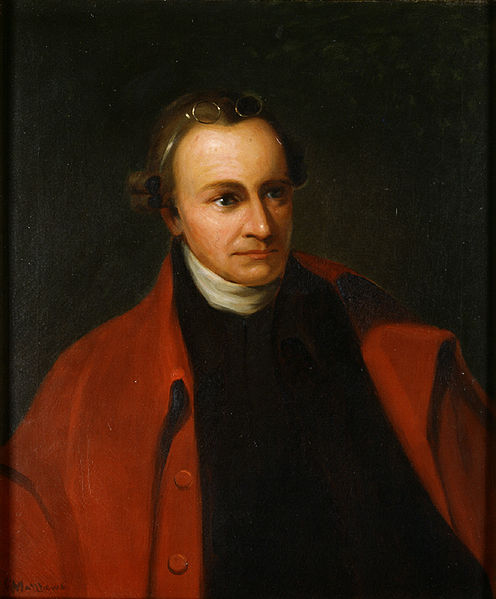
Since today is Patrick Henry’s birthday, I’m bringing an article from the Have Fun With History website.
13 Facts About Patrick Henry
by The Historian
Patrick Henry (1736-1799) was an American attorney, planter, and politician who played a vital role in the American Revolution and the early years of the United States. Known for his powerful oratory skills, Henry’s passionate speeches and unwavering commitment to liberty made him one of the most influential figures of his time.
Serving as the first and sixth Governor of Virginia, he mobilized support for the Revolutionary cause and played a significant role in shaping the course of the war.
Henry’s famous “Give me liberty or give me death!” speech and his advocacy for individual rights and religious freedom left a lasting impact on American history.
Despite his reservations about the U.S. Constitution, he continued to advocate for the protection of individual liberties, contributing to the subsequent adoption of the Bill of Rights. Patrick Henry’s legacy as a statesman, Founding Father, and defender of individual freedoms continues to inspire and resonate today.
Patrick Henry Facts
1. Patrick Henry was an American attorney, planter, and politician
Patrick Henry was an American attorney, planter, and politician who is best known for his oratory skills and his role in the American Revolution.
2. He was born on May 29, 1736, in Hanover County, Virginia
Born in Hanover County, Virginia, on May 29, 1736, Henry was a charismatic and persuasive speaker whose speeches had a profound impact on the events leading up to the Revolutionary War. His ability to inspire and galvanize audiences with his words made him one of the most influential figures of his time.
3. Henry served as the first and sixth Governor of Virginia
Henry served as the first and sixth Governor of Virginia, holding the position from 1776 to 1779 and again from 1784 to 1786. As governor, he played a crucial role in mobilizing Virginia for the Revolutionary War. He implemented measures to strengthen the state’s defenses, organized militias, and supported the training and equipping of soldiers. During his tenure, Henry faced numerous challenges, including British invasions, supply shortages, and political rivalries. Despite these difficulties, he worked tirelessly to lead Virginia through the war and its aftermath.
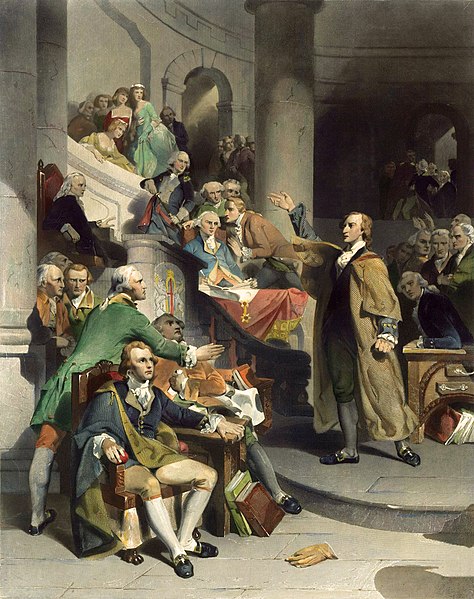
4. He is famous for his speech at the Virginia Convention in 1775, where he passionately declared, “Give me liberty or give me death!”
One of Patrick Henry’s most iconic moments came during the Virginia Convention in 1775. With tensions escalating between the American colonies and Britain, delegates gathered to discuss Virginia’s response to the growing crisis. It was during this convention that Henry delivered his famous speech, passionately declaring, “Give me liberty or give me death!”
These powerful words expressed his unwavering commitment to the cause of American independence and became a rallying cry for those who sought freedom from British rule. Henry’s speech electrified the audience and solidified his reputation as a fiery patriot and staunch advocate for revolution.
5. Henry was a staunch supporter of American independence from Britain
Patrick Henry’s speech at the Virginia Convention in 1775 is considered one of the most influential speeches in American history. His words were a call to action, urging the colonists to resist British oppression and fight for their freedom. The speech emphasized the importance of individual liberty and the willingness to sacrifice everything for the cause. It helped galvanize support for the Revolutionary War and inspired countless individuals to join the fight for independence.
6. He was a leading figure in the movement for religious freedom in Virginia
Henry was not only a passionate advocate for American independence but also a staunch supporter of religious freedom. He believed in the separation of church and state and fought for the rights of individuals to practice their own religion without interference from the government. His efforts culminated in the passage of the Virginia Statute for Religious Freedom in 1786, which became a model for religious freedom protections and influenced the First Amendment to the United States Constitution.
7. Henry was one of the Founding Fathers of the United States and was a delegate to the First Continental Congress in 1774
As one of the Founding Fathers of the United States, Patrick Henry played a significant role in shaping the early years of the nation. He was a delegate to the First Continental Congress in 1774, where he joined other colonial leaders in discussing grievances with the British government and laying the groundwork for a united colonial response. Henry’s strong convictions and forceful rhetoric made him a prominent figure in the Congress and a voice for colonial rights and self-governance.
8. He opposed the ratification of the U.S. Constitution and argued for the inclusion of a Bill of Rights to protect individual liberties
While Patrick Henry was a prominent figure in the American Revolution, he held reservations about the newly proposed U.S. Constitution. He was concerned about the potential concentration of power in the federal government and the lack of explicit protections for individual rights. Henry opposed the ratification of the Constitution and argued for the inclusion of a Bill of Rights, which would explicitly safeguard fundamental freedoms. His advocacy for the inclusion of a Bill of Rights helped shape the subsequent debate and led to the adoption of the first ten amendments to the Constitution.
9. Despite his opposition to the Constitution, Henry was elected to the Virginia Ratifying Convention in 1788
Patrick Henry’s opposition to the ratification of the U.S. Constitution stemmed from his concerns about the centralization of power and the potential for tyranny. He believed that the Constitution granted too much authority to the federal government at the expense of individual liberties and state sovereignty. Henry argued that without explicit protections for individual rights, the federal government could potentially infringe upon the freedoms of the people. His stance reflected a broader debate between the Federalists, who supported the Constitution, and the Anti-Federalists, who sought to limit federal power and protect individual rights.
10. Henry was not chosen as a delegate to the Constitutional Convention of 1787
Although Patrick Henry was not chosen as a delegate to the Constitutional Convention of 1787, his absence did not diminish his impact on the shaping of the Constitution. From the sidelines, Henry voiced his concerns about the proposed Constitution and its potential implications. His absence at the convention was largely due to his position as an outspoken critic of the centralization of power, which made his selection as a delegate less likely. Nonetheless, his influence on the subsequent debates and discussions surrounding the Constitution cannot be understated.
11. He retired from politics in 1791 but continued to be involved in public affairs
After retiring from active politics in 1791, Patrick Henry remained engaged in public affairs and continued to advocate for the protection of individual rights and limitations on the power of the federal government. He believed that eternal vigilance was necessary to prevent the erosion of individual liberties and constantly spoke out against perceived encroachments on the rights of the people. Henry’s dedication to the principles of limited government and individual freedom remained steadfast even after his formal political career ended.
12. Henry died on June 6, 1799, at the age of 63, in Charlotte County, Virginia
Patrick Henry passed away on June 6, 1799, at the age of 63, in Charlotte County, Virginia. Throughout his life, he had made significant contributions to the American Revolution, the formation of the United States, and the protection of individual liberties. His death marked the end of an era and the loss of a powerful voice in American politics. However, Henry’s ideas and principles continued to resonate and shape the course of American history long after his passing.
13. He left a lasting legacy as an orator, statesman, and advocate for individual liberties
Patrick Henry left a lasting legacy as an orator, statesman, and advocate for individual liberties. His speeches, particularly his “Give me liberty or give me death!” speech, continue to be studied and celebrated for their powerful rhetoric and their ability to inspire people to action.
Henry’s unwavering commitment to freedom, his opposition to tyranny, and his emphasis on the protection of individual rights continue to influence political discourse and shape the understanding of American values. His contributions to the American Revolution, his role as a Founding Father, and his defense of individual liberties solidify his place in history as one of the most influential figures of his time.
Source: HAVEFUNWITHHSTORY.COM































 Sew Colorful