National Witch Hazel Day

Witch hazel is a deciduous shrub native to North America, belonging to the Hamamelidaceae family. The plant is often recognized for its distinctive yellow flowers that bloom in the fall. The leaves, bark, and twigs are harvested and distilled to create witch hazel extract, commonly referred to as witch hazel water or Hamamelis water. This extract is rich in tannins, polyphenols, and other beneficial compounds that contribute to its medicinal properties. Witch hazel has been used for centuries by Native Americans for its healing properties, particularly for skin ailments. Today, it is widely recognized for its effectiveness in treating various skin conditions due to its strong antioxidant and anti-inflammatory effects.

1. Natural Astringent for Oily Skin

If you struggle with excess oil, witch hazel might become your new best friend. Its natural astringent properties help remove excess sebum from the skin’s surface without the harshness of alcohol-based products. Many people with oily or combination skin find that a quick swipe of witch hazel helps control shine throughout the day while minimizing the appearance of pores.

Unlike many commercial astringents, witch hazel balances oil production without completely stripping the skin, helping maintain your skin’s natural moisture barrier. This makes it ideal for daily use, especially in your morning routine before applying makeup or as a refreshing midday treatment. For best results, you can apply witch hazel after cleansing with a gentle, non-drying face wash. Allow it to fully dry before applying any moisturizer or makeup.

2. Soothes Inflammatory Skin Conditions

The anti-inflammatory compounds in witch hazel make it particularly effective for calming irritated skin. If you’re dealing with eczema, psoriasis, or general redness, witch hazel can provide meaningful relief. The tannins in witch hazel help reduce inflammation, soothe itching, and accelerate healing.

For best results, apply diluted witch hazel to affected areas with a soft cotton pad, allowing it to air dry before applying any moisturizer. Many people report a noticeable reduction in redness and irritation within just a few applications. Research has shown that the gallic acid and tannins in witch hazel possess significant anti-inflammatory properties. This can inhibit the production of pro-inflammatory compounds in the skin. For those with rosacea, witch hazel can help reduce the intensity of flare-ups when used consistently.

3. Reduces Acne and Breakouts

Struggling with breakouts? Witch hazel’s antibacterial and anti-inflammatory properties make it effective against acne. It helps clear away the bacteria that contribute to pimples while reducing the redness and swelling.

For a simple acne-fighting toner, apply witch hazel after cleansing and before moisturizing. Its ability to remove excess oil and impurities from pores can help prevent future breakouts while addressing current ones. Many users find it particularly helpful for treating inflammatory acne like papules and pustules.

Plus, the proanthocyanidins and tannins in witch hazel exhibit antimicrobial activity against P. acnes, the bacteria associated with acne development. Witch hazel helps regulate sebum production, addressing one of the root causes of acne.

When combined with other natural acne-fighting ingredients like tea tree oil or salicylic acid, witch hazel can be part of a comprehensive approach to clearer skin.

For stubborn cystic acne, witch hazel can be applied as a spot treatment several times throughout the day. While it won’t completely eliminate deep cystic breakouts on its own, it can reduce their severity and healing time.

4. Alleviates Sunburn

When summer fun leaves you with painful sunburn, witch hazel offers natural relief. Its cooling, anti-inflammatory properties help soothe the burning sensation while promoting healing of damaged skin. For sunburn relief, you can soak a soft cloth in refrigerated witch hazel and gently apply it to affected areas. The cool temperature, combined with witch hazel’s healing properties, provides immediate comfort and helps prevent peeling and long-term damage.

Plus, the astringent properties of witch hazel help tighten the top layer of skin, which can reduce the feeling of heat emanating from sunburned areas. Additionally, it also helps restore the skin’s natural pH balance, which is often disrupted by sun exposure. Some evidence suggests that the antioxidants in witch hazel may help neutralize free radicals

5. Minimizes Appearance of Bruises

Accidents happen, but witch hazel can help minimize the appearance of bruises. Its astringent properties constrict blood vessels near the skin’s surface. This potentially helps reduce discoloration and swelling when applied soon after injury. For best results, you can apply witch hazel to the bruised area several times daily, especially within the first 48 hours after injury. Many people report faster healing and less noticeable bruising with consistent application.

When you apply witch hazel to a developing bruise, its astringent properties cause the blood vessels to constrict, potentially limiting the amount of blood that leaks into surrounding tissues. For enhanced bruise treatment, you can consider alternating between cold compresses and witch hazel applications during the first 24 hours. The cold helps constrict blood vessels while witch hazel reinforces this effect and adds healing benefits.

6. Soothes Itchy Scalp

An itchy, irritated scalp can be both uncomfortable and embarrassing. Witch hazel’s anti-inflammatory properties make it an excellent natural remedy for scalp issues, including dandruff and general irritation. It helps balance scalp oil production while calming inflammation that contributes to itching. To use, dilute witch hazel with equal parts water and apply directly to your scalp after shampooing. Massage gently and leave it on for several minutes before rinsing. Regular use can lead to a healthier, more comfortable scalp environment. The antifungal properties of witch hazel make it particularly beneficial for dandruff caused by fungal overgrowth, such as seborrheic dermatitis. Its ability to regulate sebum production helps address another common cause of flaking and itching.

7. Reduces Scalp Oil and Buildup

If you find your hair getting greasy quickly between washes, witch hazel can help extend the life of your style. Its natural astringent properties remove excess oil and product buildup without stripping essential moisture from your hair. For a refreshing scalp treatment, mix witch hazel with a few drops of tea tree or rosemary essential oil and apply to your roots using a spray bottle. This can be particularly helpful for those who rely on dry shampoo between washes. Over time, regular use of commercial dry shampoos can lead to significant product buildup that weighs hair down and can even clog hair follicles. Plus, A witch hazel rinse can help remove this buildup while balancing the scalp’s natural oil production. For those with fine or thinning hair, reducing excess oil at the roots can create more volume and body without the need for additional styling products.

8. Relieves Hemorrhoid Discomfort

One of witch hazel’s most well-known medicinal uses is treating hemorrhoids. Its astringent properties help shrink swollen blood vessels and reduce inflammation. This can provide significant relief from pain, itching, and discomfort associated with this common condition.

Commercial witch hazel pads are widely available specifically for this purpose, but you can also create your own by soaking cotton pads in witch hazel and applying them to affected areas. Many sufferers report almost immediate relief and reduced symptoms with regular application. For enhanced relief, you can store witch hazel pads in the refrigerator before application. The cooling sensation provides additional comfort, especially for external hemorrhoids that cause significant burning and itching.

9. Soothes Sore Throat

Lesser known but equally effective is witch hazel’s ability to ease sore throat pain. Its astringent and anti-inflammatory properties can reduce swelling in the throat and provide temporary relief from discomfort. To create a soothing gargle, mix one tablespoon of witch hazel with a cup of warm water and a teaspoon of honey. Gargle for 30 seconds and spit out (do not swallow). This natural remedy can be particularly helpful during cold and flu season. When you gargle with witch hazel, the tannins help tighten the mucous membranes in the throat, reducing swelling and the sensation of pain. The antimicrobial properties may also help fight the bacterial or viral infections that often cause sore throats. For maximum benefit, use this gargle 3-4 times daily, especially before bed and upon waking. You can enhance the formula by adding a drop of clove or thyme essential oil, both known for their antimicrobial properties.

10. Reduces Under-eye Puffiness

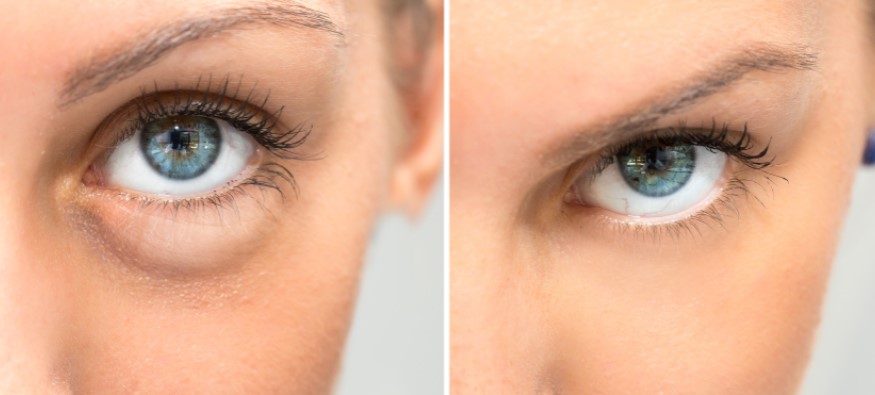
Late nights and early mornings often lead to puffy, tired-looking eyes. Witch hazel’s astringent properties temporarily tighten skin and reduce fluid retention. For a quick fix, soak cotton pads in refrigerated witch hazel and place them over closed eyes for 5-10 minutes. The cooling sensation, combined with witch hazel’s natural properties, helps constrict blood vessels and reduce swelling. Plus, the flavonoids in witch hazel have antioxidant properties that protect the delicate skin around the eyes from environmental damage that can contribute to puffiness and premature aging. Regular use may help strengthen the skin in this area over time, potentially reducing the tendency toward fluid accumulation and swelling.

11. Treats Minor Cuts and Scrapes

Before modern antiseptics, witch hazel was a go-to remedy for treating minor wounds. Its natural antimicrobial properties help cleanse wounds and prevent infection. For minor cuts and scrapes, clean the area thoroughly with water, then apply witch hazel with a clean cotton pad. The slight stinging sensation is normal and temporary. Many find that wounds treated with witch hazel heal more quickly and with less inflammation. Additionally, its anti-inflammatory effects help reduce the redness and swelling that often accompany minor injuries. Research suggests that witch hazel may also support the skin’s natural healing processes by promoting the production of fibronectin, a protein that helps with wound closure.

12. Soothes Razor Burn and Ingrown Hairs

Shaving can leave skin irritated, red, and bumpy. Witch hazel’s anti-inflammatory properties make it an excellent post-shave treatment for both men and women. It soothes irritated skin, reduces redness, and helps prevent ingrown hairs. You can apply witch hazel to freshly shaved areas using a cotton pad, paying special attention to areas prone to irritation. The astringent properties of witch hazel temporarily close pores after shaving. This can help prevent bacteria from entering and causing folliculitis (inflammation of the hair follicles). Additionally, it helps remove any residual shaving cream or soap that might clog pores and contribute to ingrown hairs.  For enhanced results, especially in areas prone to ingrown hairs, you can consider mixing witch hazel with a small amount of salicylic acid solution. Apply this mixture to the prone areas 24 hours after shaving. This helps keep pores clear and prevents hair from becoming trapped beneath the skin’s surface.

13. Natural Air Freshener

Are you looking for a chemical-free way to freshen your home? Witch hazel makes an excellent base for natural air fresheners. Its subtle scent quickly dissipates, allowing essential oils to shine through without competing with fragrances. To create a custom air freshener, combine witch hazel with distilled water and your favorite essential oils in a spray bottle. This natural alternative eliminates odors rather than masking them and is safe to use around children and pets. Unlike commercial air fresheners that often contain phthalates, synthetic fragrances, and other potentially harmful chemicals, a witch hazel-based air freshener relies on the natural deodorizing properties of both witch hazel and essential oils. The alcohol in witch hazel helps the essential oils disperse evenly throughout the solution. It can also act as a natural preservative, extending the shelf life of your homemade spray.

14. Gentle Glass and Mirror Cleaner

The alcohol content in witch hazel makes it effective for cleaning glass surfaces without harsh chemicals. It cuts through grease and grime while drying quickly without leaving streaks or residue. For a simple glass cleaner, you can combine equal parts witch hazel and water in a spray bottle. Use with a microfiber cloth for streak-free shine on mirrors, windows, and glass tabletops. This natural alternative works just as effectively as commercial cleaners without the harsh smell or chemical exposure. For especially dirty or greasy glass surfaces, you can add a tablespoon of white vinegar to the witch hazel mixture. This addition helps cut through stubborn residue without introducing harsh chemicals.

15. Plant Care Solution

Houseplant enthusiasts might be surprised to learn that witch hazel can benefit their green friends, too. Its mild antifungal properties make it useful for treating and preventing common plant diseases like powdery mildew. For plant care, dilute witch hazel with water (one part witch hazel to four parts water) and spray on affected leaves. This gentle solution helps keep plants healthy without the harsh chemicals found in commercial fungicides. The tannins and other compounds in witch hazel exhibit antifungal activity against various plant pathogens, including those responsible for powdery mildew, black spot, and leaf rust. For enhanced plant protection, you can consider adding a few drops of neem oil to your witch hazel solution. This combination creates a powerful yet gentle treatment for various plant diseases and pests.

16. Jewelry Cleaner

The mild astringent properties of witch hazel make it effective for cleaning jewelry, particularly pieces with gemstones. It helps remove oils, residue, and light tarnish without damaging delicate settings. For a simple jewelry cleaning solution, soak pieces in witch hazel for several minutes, then gently scrub with a soft toothbrush. Rinse thoroughly and pat dry. Many find this method particularly effective for everyday jewelry that needs regular cleaning. The natural compounds in witch hazel help dissolve the oils from skin contact that often dull gemstones and attract dirt. Unlike harsh chemical cleaners, witch hazel is gentle enough for most gemstones. Additionally, the mild antibacterial properties help sanitize pieces that come in close contact with skin, such as earrings and rings.

17. Removes Sticky Residue

Struggling with sticky label residue or tape marks? Witch hazel can help break down adhesives without damaging most surfaces. Its alcohol content dissolves sticky substances while being gentle enough for most materials. You can apply witch hazel directly to the sticky area, allow it to sit for a few minutes, then wipe away with a clean cloth. For stubborn residue, repeat the process or gently scrub with a soft brush. This works particularly well on glass, plastic, and finished wood surfaces. The alcohol in witch hazel works by breaking down the polymers in adhesives. This makes it particularly valuable for removing sticky residue from children’s toys, kitchen containers, or other items where chemical exposure is a concern.

18. Natural Insect Repellent

The natural compounds in witch hazel make it mildly repellent to certain insects, including mosquitoes. When combined with essential oils known for their insect-repelling properties, witch hazel creates an effective natural alternative to chemical repellents. Research suggests that certain compounds in witch hazel may interfere with insects’ ability to detect human scent. When combined with essential oils, the resulting spray can provide significant protection from various biting insects. To create a natural bug spray, you can combine witch hazel with distilled water and essential oils like lemongrass, citronella, or eucalyptus in a spray bottle. While it may need more frequent application than chemical options, many prefer this natural solution, especially for children and those with sensitive skin.

SOURCE: NATURALREMEDYIDEAS.COM

How to Get Rid of Hiccups

From the bestlifeonline website:

How to Get Rid of Hiccups: 6 Tips from Doctors

Sometimes uncomfortable and occasionally a bit embarrassing, getting the hiccups can be a—hic!—surprising interruption. That said, they happen to everyone occasionally, and they’re usually no cause for concern. Still, you may be wondering what exactly they are, what causes them, and, of course, how to get rid of hiccups when they occur. Read on to learn doctors’ six best tactics for nixing them quickly.

What Are Hiccups?

Everyone has gotten the hiccups at some point in their lives, but few people understand what actually occurs when they strike.

Raj Dasgupta, MD, chief medical advisor for Fortune Recommends Health, explains that hiccups happen when the diaphragm, the muscle that separates the chest from the belly, suddenly and involuntarily contracts. “When that happens, you take in air, and your voice box closes shut, which is what causes the ‘hic’ sound,” he says.

What Causes Hiccups?

Most often, hiccups happen in response to minor stimuli.

“The most common causes include having an overly full stomach, drinking soda or other fizzy drinks, and swallowing air (for example, when you are chewing gum),” Dasgupta says, adding that eating spicy food or having acid reflux is also a common trigger. “Of course, sometimes the exact culprit behind your hiccups can be a mystery,” he adds.

That said, persistent or intractable hiccups may result from a greater underlying cause. This can include gastrointestinal conditions such as GERD or gastritis, certain lung conditions, chronic illnesses that affect the central nervous system such as Parkinson’s disease or multiple sclerosis, and certain types of cancer, the Cleveland Clinic says.

According to Tori Hartline, DC, MS, a pediatric and prenatal chiropractor and the owner of Sunlife Chiropractic, most hiccups occur “due to a reflex initiated by the brain that affects the diaphragm. This reflex is often triggered when the phrenic, vagus, or sympathetic nerves are irritated,” she explains.

How long do hiccups last?

Hiccups are generally short-lived, and they tend to resolve themselves with time. “Most hiccups are fleeting, lasting just a few minutes. However, in rare cases, they can linger for days or even weeks,” Dasgupta says.

Is there any way to prevent hiccups?

You can’t prevent hiccups with 100 percent accuracy, but you can exercise certain habits that will make them less likely to occur.

“Preventing hiccups is tricky as the triggers can vary. Eating slowly, avoiding carbonated beverages, and managing stress could all help prevent them,” Dasgupta says. If you’re sensitive to eating spicy foods, avoiding high-heat dishes may also help reduce your incidence of hiccups.

6 Ways to Get Rid of Hiccups Fast

If you’re looking for a fast-acting hiccup cure, there are a few strategies that may help. However, since hiccups typically resolve on their own, it’s also perfectly fine to wait out your symptoms.

1 Hold your breath.

One of the first methods to try if you want to get rid of hiccups is to hold your breath for five to 10 seconds.

“While sitting, pull your knees up to your chest and lean forward. Hold this position for 30 seconds to one minute, if possible,” Dasgupta recommends.

2 Breathe into a paper bag.

Experts from Harvard Medical School say that another effective way to curb the hiccups is to breathe into a paper bag. They note that this increases the amount of carbon dioxide you inhale, which reminds your brain to resume normal breathing in order to get more oxygen.

Try to keep the rhythm slow and steady, using deep, diaphragmatic breathing techniques to expand your abdomen rather than your chest with each inhale. “Controlled, deep breathing from the diaphragm can ease spasms,” Hartline explains.

3 Gargle with cold water.

If that doesn’t work, you can try gargling with icy cold water, Dasgupta suggests.

“Short-term exposure to cold water can stimulate the vagus nerve, which is the main nerve in the autonomic nervous system that regulates breathing and heart rate. This stimulation can trigger a relaxation response, which can hopefully interrupt those annoying hiccups,” the doctor says.

Hartline adds that just splashing cold water on your face can also stimulate the vagus nerve.

4 Distract yourself.

Sometimes, stopping the hiccups is an issue of mind over matter, says Harvard Health Publishing. Distracting yourself can help them pass more quickly.

Try reading, meditating, listening to a podcast, or tasting a strong flavor (for example, sucking on a lemon)—all of which will get your brain busy with other things.

5 Stimulate the related nerves.

Hartline says anything you can do to stimulate the nerves associated with the hiccups may help you get relief by relaxing the diaphragm. One way to do this is by stimulating the skin that covers the spinal nerves near the neck by tapping or rubbing the back of the neck.

Another is to stimulate the pharynx—or back of the throat—by gently poking it with a long cotton swab, she says. If the latter feels uncomfortable, humming can send vibrations from your voice box to the vagus nerve, producing a similar effect.

6 Do some low-impact exercise.

Finally, getting a little bit of physical activity can help lessen your symptoms. “Gentle exercise can help regulate breathing and relax the diaphragm,” says Hartline.

World Records

In extremely rare instances, hiccups have lasted for years—or even decades. According to Guinness World Records, a man named Charles Osborne holds the record for the longest bout of hiccups, having hiccupped without interruption for 68 years, from 1922 to 1990.

Conclusion

Most of the time, hiccups will come and go without any notable cause or repercussions, lasting just a few minutes. However, if you feel your hiccups have persisted for an abnormally long period of time or if they’re causing extreme discomfort, it’s a good idea to check in with your doctor.

SOURCE: BESTLIFEONLINE.COM

     Lauren Gray

Solar Eclipse Safety

In lieu of the upcoming solar eclipse, I went looking for eyewear safety and found this article from 2022 on WebMD, and I wanted to bring it here.

What to Know About Solar Eclipse Glasses

Medically Reviewed by Mahammad Juber, MD on August 30, 2022

A solar eclipse occurs when the moon blocks all or part of the sun from your view. Solar eclipses can be partial or total. Although there are two solar eclipses yearly, they are only visible in some areas. 

A total solar eclipse, where the moon completely blocks the view of the sun, only happens an average of once every 350 years in a specific location. If you’re lucky enough to be in the path of a solar eclipse, though, it’s important to use solar eclipse glasses to protect your eyes. 

Solar Eclipse Eye Protection

Watching a solar eclipse is an awe-inspiring experience, but looking directly at the sun can damage your eyes. 

Your retina is located at the back of your eye. It transmits images of what you see to your brain. The light from the sun can damage or destroy the cells on your retina, leading to solar retinopathy, also known as “eclipse blindness”.

What Are Solar Eclipse Glasses?

The only way to safely look at the sun during an eclipse is with solar eclipse glasses. Solar eclipse glasses are made with solar filters that conform to a worldwide safety standard known as ISO 12312-2. Regular sunglasses or homemade solar filters are not safe for watching an eclipse because they transmit sunlight at a rate that is thousands of times too high. 

Here are some tips for safely watching a solar eclipse: 

Check your solar eclipse glasses before using them. If you see any scratches or damage, don’t use them. 

Follow the instructions that come with your solar eclipse glasses or solar viewer. 

Supervise children to make sure they’re using solar eclipse glasses correctly. 

Cover your eyes with your solar eclipse glasses before you look at the sun. Look away before you remove your glasses. 

During the totality, the time when it gets dark becomes the sun is completely blocked out, you can take off your glasses and look at the eclipse. As soon as the sun begins to reappear, though, you need to put your glasses back on. 

Never use a camera, binoculars, or telescope to look at a solar eclipse, even if you have your eclipse glasses on. These devices will intensify the sun’s rays and damage your solar eclipse glasses and your eyes. 

Enjoy the eclipse safely!

Surprising Uses for Vicks Vapor Rub

I found a great article, written by Adrienne @ Whole New Mom detailing some surprising uses for Vicks Vapor Rub!  In these tough times, we need to get the most bang for our bucks, so look over her article for some tips!

Vicks Vapor Rub is known for helping soothe coughs, stuffy noses, and the like, but there are other practical uses for Vicks® VapoRub (or most more natural or homemade alternatives) that you probably didn’t know about. Get ready to be surprised about how versatile this common household remedy is.

Vicks® VapoRub is one of those things that almost all of us have memories of from childhood. We’d get sick and mom would bring out chicken soup, ginger ale, tissues, and the Vicks®.

Well, believe it or not, Vapor Rub is actually a pretty versatile thing. And never fear–for those of you who aren’t a fan of Vicks® (I’m not really, however there are much worse things out there that you could put on your skin), much of the versatility applies to other chest rubs on the market, as well as ones you can make yourself.

One way to avoid waste, as well as to save money, is to have multiple uses for things that you have on hand–that way even if you only need a little of something, you don’t end up tossing whatever is left over.

So instead of buying (or making) Vapor Rub and having it go rancid, try out some of these other uses to really get your money’s worth–some of them are sure to amaze you!

Unusual Uses for Vapor Rub

Soften Feet

Vapor rub is essentially made up of a base of petroleum jelly and essential oils. This combo can be great for softening your feet.

Apply a layer to your feet at night, or just after taking a bath or shower. Massage in and then cover with socks.

Your tootsies will thank you!

Remove Warts

Some people report that vapor rub is a great (mostly) natural wart remedy–crazy, huh?

To address warts, try applying a thin layer of vapor rub and then covering with a bandage.

Protect Irritated Skin

Do you sometimes get itchy, irritated skin?

Petrolatum is a great barrier, while cedar oil is known to soothe skin.

Soothe Blemishes

Some of the ingredients in vapor rub help soothe inflammation and address bacteria, and help dry out oily skin. The cedar oil in Vapor Rub has been shown to address blemishes, while eucalyptus is antimicrobial.

Combined, these features make for a great alternative blemish salve that is another option to try.

Soothe Itching Skin

The same antimicrobial and moisturizing properties can also be put to use when dealing with itching. Simply put a thin layer of vapor rub on the irritation and rub in gently.

Soothe Dry Cuticles

Vapor rub can also help revive your dry cuticles. You can rub it on your cuticles just like a cuticle cream.

The combination of camphor, menthol, and eucalyptus oil have been known to moisturize the cuticles nicely,

Stop Cats From Scratching

Do your cats use your furniture and curtains as a scratching post? If so, you can rub a bit of vapor rub on the things you want them to stay away from.

Cats don’t like the smell of vapor rub, so it’s a great way to repel them. Try mixing a small amount of vapor rub with water in a spray bottle and lightly mist your furniture and curtains whenever needed.

Remove Ticks

Some people swear by using vapor rub to remove ticks. They recommend smearing a bit of it near where the tick has lodged itself. The strong scent of the vapor rub causes the tick to let go, so you can easily remove it and kill it. Make sure to save any tick for testing for Lyme and other tick borne diseases.

Repel Insects

Vapor rub contains cedar leaf oil, which insects apparently hate. Rub some Vicks® on your skin to help repel all kinds of insects–including ticks. 

Soothe Tick and Insect / Mosquito Bites

Interestingly, it’s sometimes said that things that repel insects will help soothe their bites as well. Vapor rub can help to not only soothe the itching, but it can also help to reduce swelling and redness. 

Ditch Toenail Fungus

Have a stubborn bout of toenail fungus and can’t wait to get rid of it? Yet again, the antimicrobial ingredients in vapor rub allow it to do so much more than just getting rid of chest congestion.

Clean your feet thoroughly and then apply some vapor rub onto the affected area.

This isn’t going work overnight, of course, and should be monitored. If you feel that the toenail fungus is getting worse even while using the vapor rub, please contact your physician.

Moisturize Skin

Several of the ingredients in vapor rub are fantastic for hydrating your skin and locking in the moisture. 

Petrolatum is a great balm (while some prefer a more natural alternative, it does work really well) and cedar leaf oil is known for its moisturizing qualities.

Take caution if your skin is exceedingly dry, however, as Vapor Rub is best not to be used on severely dry and potentially highly damaged skin.

Prevent Wrinkles and Stretch Marks

Not only can vapor rub help to hydrate your skin – but it can also help to tighten it. This is good news for those of us wanting to fight wrinkles and stretch marks.

I can’t say that this product will make your stretch marks disappear (though some say that this is the case), but it can help soften them and reduce the dryness that often makes stretch marks stand out.

Train Dogs

Got a pooch who keeps marking his territory in your home? Try “spot treating” those areas with some Vapor Rub to steer him (or her) in another direction.

Soothe an Earache

If you or someone else is struggling with an earache, try placing a dab of Vicks on a cotton ball in your ear for several hours.

Of course, see a physician if need be to rule out an ear condition that needs further attention.

Get Rid of Bruises Faster

Vapor rub can also be used to help bruises fade faster–especially if you manage to use it shortly after the bruise appears.  Put a dab of vapor rub onto the bruise and massage it in. Most likely this is due to the action of the menthol and camphor on blood flow.

Some say that adding salt to the rub helps it work faster. Not sure why that would be, but….it’s an interesting thought for sure!

Soothe Head Pain / Tension

Feeling tension and discomfort in your head? The cooling menthol in vapor rub addresses the pain and pressure, giving quick relief.

Silence a Squeaky Door

Got a door that’s squeaking? Skip the WD-40 and try some Vicks® instead.

It works great and you won’t have to worry about inhaling toxic fumes.

Soothe Sore Muscles

The next two uses are not as “surprising” in the sense that they are actually listed on the Vicks® label. However, they were for me, and I suspect there are some of you out there who didn’t know about these uses either.

The ingredients in vapor rub actually have anti-inflammatory properties. That means it can be great for soothing sore muscles. Simply rub it into the affected area like lotion so it can work its magic. 

You can add a few dabs of vapor rub to a carrier oil (one of my favorites is coconut oil) and massage the blend into your skin for fast relief. The vapor rub will cool the muscles, help with inflammation, and offer some relief from the discomfort. 

Provide Joint Pain Relief

The anti-inflammatory properties of vapor rub also make it a great solution for people who have painful joints. Just rub a small amount into your joints and let it do its job.

Soothe Neuropathy

A reader shared with me that her doctor recommended vapor rub to help soothe her neuropathy–and it worked! Great to know that something so simple can give relief.

How to Safely Use Vapor Rub

Before you dive into any of these uses for vapor rub, make sure to read the following tips / safety concerns. Vicks may or not be safe for you to use, depending on your situation.

Menthol and Young Children

Menthol can be harmful to babies and toddlers (it can actually aggravate a cough for them, so if you’re using any of these tips on small children, be sure to invest in a menthol-free baby rub.

And for sure, skip the Vicks® for babies and very young children.

Avoid Contact with Eyes

When using vapor rub (whether store-bought or homemade), you definitely need to make sure you avoid contact with eyes. It’s also a good idea to wash your hands after using vapor rub so that you don’t mistakenly rub your eyes. 

Avoid Use Under the Nose for Kids

Vapor Rub should never be used under the nose for children. While the menthol has a cooling effect, and it seems that it helps with breathing, it can actually make it harder for the child to breathe.

Avoid Use on Broken Skin

Contrary to advice you might see on other sites, do NOT use Vicks® on broken skin. There are a lot of posts out there advocating the use of VapoRub on cuts and splinters, but the company does not recommend this use.

Do a Patch Test

When using something new on your skin, it’s generally a good idea to do a patch test – especially if you have sensitive skin. Choose a small section of your skin to use the vapor rub on and wait at least an hour to see if you have any type of negative reaction.

Reactions can include itching, burning, a rash, inflammation, or anything else out of the ordinary. 

Camphor Toxicity

Camphor is one of the ingredients in Vicks®. It supposedly helps to open up stuffy noses and ease chest issues, but it is, surprisingly, toxic. In fact, eating or drinking as little as 5 ml can kill a young child.

Now, you most likely don’t have to worry about this since in 1983, the U.S. FDA instilled regulations that products like Vicks® could not contain more than 11 percent of camphor. Vicks contains less than 4.8%.

Regardless, overuse of the product is not a great idea, especially for kids. And be really careful about using camphor essential oil in any DIY chest rub or any other product.

Avoid Use on Mouth

Contrary to tips on other sites recommending using Vapor Rub as a lip conditioner or to remove lipstick, do not do this. Vicks® contains camphor. As mentioned above, camphor is toxic in certain amounts. Now, most likely you wouldn’t ingest enough Vapor Rub to cause a problem, but just to be on the safe side, just don’t.

Of course, depending on the ingredients, if you’re making a DIY Chest Rub, you could try your hand at using your homemade version instead for applications like this.

Is Vicks® Safe During Pregnancy?

If you have concerns about the safety of Vapor Rub, please consult with your physician. Some medical groups state that it is safe, while other non-medical groups warn against its use.

Does Vicks® Expire?

Yes, according to Vicks® website, the product does expire.

Now, I know–if you’re super duper frugal minded like me, you might be tempted to use any old ancient containers of vapor rub up now that you know about all of the ways you can use this handy dandy product, but—just don’t. It’s not that expensive to head on out and get a new bottle to avoid any issues with expired product.

SOURCE: Adrienne @ Whole New Mom

Winnie the Pooh Was onto Something…

This article on the Cleveland Clinic’s website, written by dietitian Mira Ilic, MS, RDN, LD.

details the benefits of honey! 

Winnie the Pooh might have been on to something. While honey is known as a natural way to sweeten foods, it may have benefits for your body, too, says registered dietitian Mira Ilic, MS, RDN, LD.

How honey is made

Honey is a liquid sweetener that bees make. After they collect nectar from flowers, they take it back to the hive and regurgitate it. Then, the other bees chew it until it becomes honey. The bees deposit the honey into tiny, waxy storage units called honeycombs. They fan it with their wings to dry it out. This process makes it stickier.

“Honey gets its sweetness from its chemical makeup,” Ilic says. “It’s made up of two simple sugars called glucose and fructose, along with some minerals.”

Types of honey

The U.S. boasts more than 300 different types of honey. You can buy it:

Raw: Raw honey comes straight from the hive. “Raw honey is the least processed and probably has the most antioxidants,” Ilic says. Despite its raw status, it’s considered safe to eat except for children younger than 1, who should avoid all honey.

Pasteurized: Pasteurized honey has been processed to remove imperfections and improve its shelf life. “It can also be spiked with added corn syrup or other sweeteners,” Ilic notes. “Not all honey sold in the stores is the same even though it all starts naturally in the hive.”

Why is some honey light and others dark?

Whether honey is light or dark in color depends on which kind of plant the bees who made it took the nectar from. “For instance, dark buckwheat yields dark honey,” says Ilic. “But nutritionally, there’s evidence that darker honey has less water and more antioxidants than light-colored honey.”

Honey has so many different tastes you can enjoy compared to plain sugar, she adds. “It can be sweeter or more bitter, depending on the flower source.”

Light honey varieties

Light-colored honey tends to be mild in flavor. Varieties include:

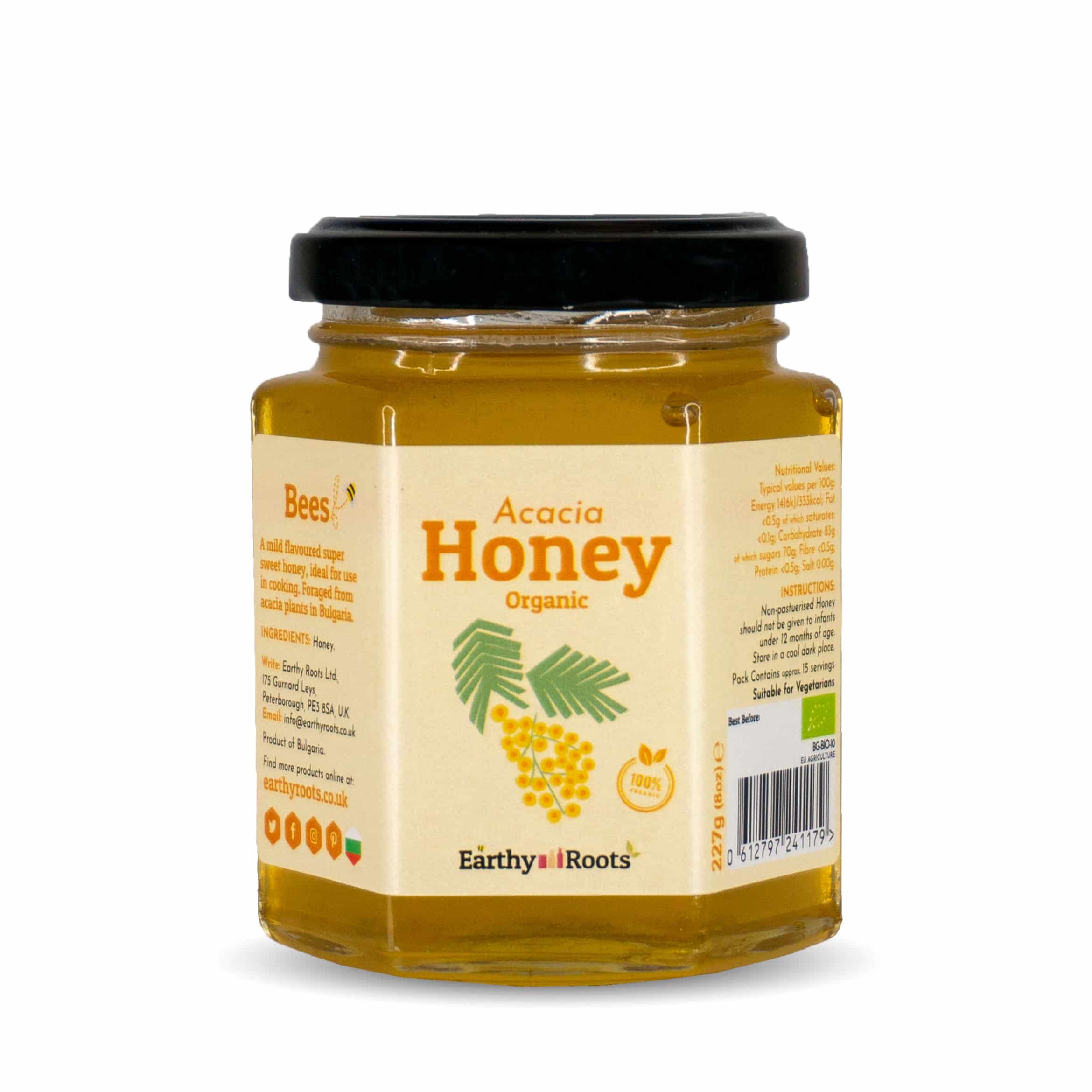
Acacia honey: It has floral scents and sweetness but doesn’t change the taste of what you put it in, such as tea and oatmeal, Ilic says.

Clover honey: This honey is common in the U.S. “It has a floral, sweet taste and a bit of a sour aftertaste,” says Ilic. “It’s good for baking, sauces and dressings.”

Dark honey varieties

Dark honeys are known for their stronger flavors. Examples include:

Buckwheat honey: “This full-flavored honey can be used in marinades,” says Ilic.

Manuka honey: Manuka honey comes from the nectar and pollen of the Manuka bush in New Zealand. “Studies have shown it contains antioxidants, along with antibacterial and antifungal properties. It’s also expensive,” adds Ilic. It’s traditionally used topically to treat burns, cuts and sores.

Is crystallized honey bad?

Store honey in a cool location away from sunlight. But sometimes, even in the perfect spot, honey can crystallize and solidify. “Honey with a higher ratio of glucose versus fructose crystallizes sooner,” Ilic explains. “Glucose may also attach to the little particles of honeycomb and pollen in raw honey and is more likely to crystallize as a result.”

But crystallized honey is still safe to eat: Ilic recommends using it as a spread, like butter. You can also re-liquefy it by putting the container in a warm water bath.

Honey’s health benefits

Honey contains antioxidants, minerals, enzymes that have many potential health benefits. There’s also evidence that honey can:

Soothe coughs: The World Health Organization (WHO) and the American Academy of Pediatrics both endorse honey as a natural cough remedy.

Treat wounds and burns: Pharmaceutical-grade manuka honey dressings have been used in clinical settings to treat burns and pressure ulcers.

“Many other claims have been made about the health benefits of honey – some based on very small studies, others overstated and based on mixed study results,” Ilic says. “Additional studies are needed.”

How to add honey to your diet

While honey has health qualities that other sugars only dream of, Ilic says it’s still an added sugar — and eating too much of it can wreak havoc on your health. The American Heart Association recommends:

Women: Consume no more than 6 teaspoons daily of added sugars (100 calories).

Men: Consume no more than 9 teaspoons daily of added sugars (150 calories).

Those limits include all sources of added sugar in your diet, so use honey in moderation to avoid exceeding the limits, says Ilic. “Try sweetening plain yogurt with a light drizzle of honey and add your own fruit, instead of eating flavored yogurt with too much added sugar.” You could also use honey in sauces and marinades or as a skin mask.

If you want to use honey medicinally, Ilic says talk with your health care professional first.

How to choose honey

Ilic’s first tip? The best honey doesn’t come in a cute little plastic teddy bear. That kind of honey is processed and less beneficial than its counterparts.

“The clearer the honey, the more processed it is. Raw honey seems to be the better choice,” she says.” It’s likely to have some pollen and more enzymes because it’s not treated with heat. Pollen may have beneficial properties. But pollen does make honey look foggier.”

If you’re buying honey from a local source, she also recommends asking:

Where did the honey come from?

Did the seller produce it?

What can they tell you about it?

Ilic adds that an “organic” label doesn’t automatically mean the honey is healthier or better quality. “Bees sometimes fly a few miles past their pesticide- and herbicide-free property to ones with flowers that aren’t. And even organic honey may be ultra-pasteurized.”

SOURCE: CLEVELAND CLINIC

Mira Ilic, MS, RDN, LD.

37 Amazing Things You Didn’t Know About Your Own Body (Part 2)

Human nails grow faster today than they used to.

If you feel like you have to trim your nails more than you used to, it’s not just your imagination. A 2010 study out of the University of North Carolina at Chapel Hill comparing the growth of fingernails and toenails to two previous studies from 70 and 50 years earlier found that growth had increased by almost a quarter over the decades.  For example, the big toe nail was found to grow by more than 2mm per month, compared to 1.65mm per month in the 1930s. The reason, according to researchers? The proliferation of protein-rich diets.

Your body position affects your memory.

That bad posture isn’t just giving you a backache—a 2012 article published in Biofeedback found that sitting and looking downward makes it easier to recall negative memories, while sitting upright and looking upward makes it easier to recall positive, empowering memories.

Humans “glow”—you just can’t see it.

When we talk about someone having a “glow” about them, that’s often literally true. Research has found that the human body does, in fact, emit visible light, but since it’s about 1,000 times less intense than the levels the human eye can spot, it’s not “visible” in practice. The results of a 2009 study published in PLOS One reveal that this body glow rises and falls throughout the day, with the least glow coming off of the humans they tested at about 10 a.m., and the highest at about 4 p.m. (perhaps because they were about to wrap up work for the day).

A blink is a micro nap.

You probably thought that a blink was just something you did to keep your eyes moist or keep dust out of them. That is a very valuable service, of course, but we actually blink way more than needed for that alone—about 15 to 20 times per minute.

In fact, according to a 2012 study conducted by researchers at Washington University, blinking can help sharpen attention and provide our bodies time to recharge.

Big eyes cause nearsightedness.

Big eyes may be considered beautiful by some, but they can cause nearsightedness. Also known as myopia, this condition that causes distant objects to look blurry is caused by light not properly reaching the retina.  If your eyeball grows too long, light is focused too soon before it hits the retina—so when it does hit the retina, the image is blurry.

It’s impossible to tickle yourself.

Your cerebellum—the area in the back of your brain that monitors movement—predicts the sensation you will feel when you attempt to tickle yourself, countering the response that the tickle would otherwise elicit in other parts of your brain. Two distinct parts of the human brain are responsible for giving you that ticklish feeling: The somatosensory cortex and the anterior cingulate cortex.  As Sarah-Jayne Blakemore, a research fellow at the Institute of Cognitive Neuroscience at University College London, explained to Scientific American, “We found that both these regions are less active during self-tickling than they are during tickling performed by someone else, which helps to explain why it doesn’t feel tickly and pleasant when you tickle yourself.”

Stomach acid dissolves razor blades.

You probably shouldn’t be swallowing these things, but you might be surprised to learn that your stomach could do some serious damage on razor blades if you did.  Researchers out of Meridia Huron Hospital tested the effects of gastric juice on metal objects and found that over 24 hours, the stomach acid reduced razor blades to 63 percent of their original weight (pennies and batteries, however, were barely affected).

Your intestine is four times as long as you are.

Among the many things you probably didn’t know about your body is that your small intestine is about 18 to 23 feet long, meaning that, if you uncoiled it, it would stretch to almost four times your height.

Your gut has a “second brain.”

We’ve all felt that “butterflies in the stomach” sensation (say, before a first date or major presentation). There’s good reason for this: There’s a network of neurons that lines the gut, which some scientists have taken to referring to as our “second brain.”  The gut doesn’t just handle digestion, but comes with its own reflexes and senses, and is intricately and inextricably interwoven with your nervous system. So, yeah, trust your gut.

Sneezes can travel up to 20 feet.

You may think you’re safe when the guy all the way across the subway car sneezes, but you could be in the line of fire without even realizing it. A video study conducted by researchers at MIT found that sneezes travel much farther than previously believed—as far as 20 feet.

Earwax is good for you.

To be clear, you don’t want to eat earwax! But that icky stuff serves the important purpose of lubricating, cleaning, and protecting your ears from infection. It’s as much as 50 percent fat, coating the ear and catching dust and debris—keeping your ears healthy, even if it looks gross.

Taste buds dull with age.

Wine may taste better as it ages, but as we age, it’s harder for us to appreciate it. Just as hearing and vision tend to deplete as the years go by, your sense of taste does the same. As you get older, your taste buds regenerate more slowly after injury or if you take certain medications.  And bad news for the ladies: Women generally experience a decrease in their taste sensitivity beginning in their 50s, while men don’t experience that until their 60s.

You have a one-of-a-kind tongue print.

Just as your fingerprint is uniquely yours, so too is your tongue print, according to a 2016 study by the Thai Moogambigai Dental College. Biometric scans can be done to compare the individual shape (long or short, wide or narrow) and texture (ridges, wrinkles, and marks), with specific details tracked and mapped by a “tongue image-acquiring device.”  Of course, while this thing you didn’t know about your body might be interesting, it probably is not very useful to forensic investigators.

Humans are the only animals that weep.

While many animals produce tears as lubricants for their eyes, humans are the only ones who cry as an emotional response.  Thomas Dixon, PhD, director of the Centre for the History of Emotions at Queen Mary, University of London, suggested that tears serve a social purpose for humans and that, “Even for those who think they really are just weeping for nobody apart from themselves, it’s still a sort of performance. You’re showing yourself things have really got bad, or whatever it might be.”

Your liver can almost completely regrow.

The liver is resilient. Even if reduced by as much as 75 percent, it can grow back to normal size. This happens through the rapid replication of liver cells, with the thing reaching its original size (or very close to it) within about a month, according to the University of Iowa.

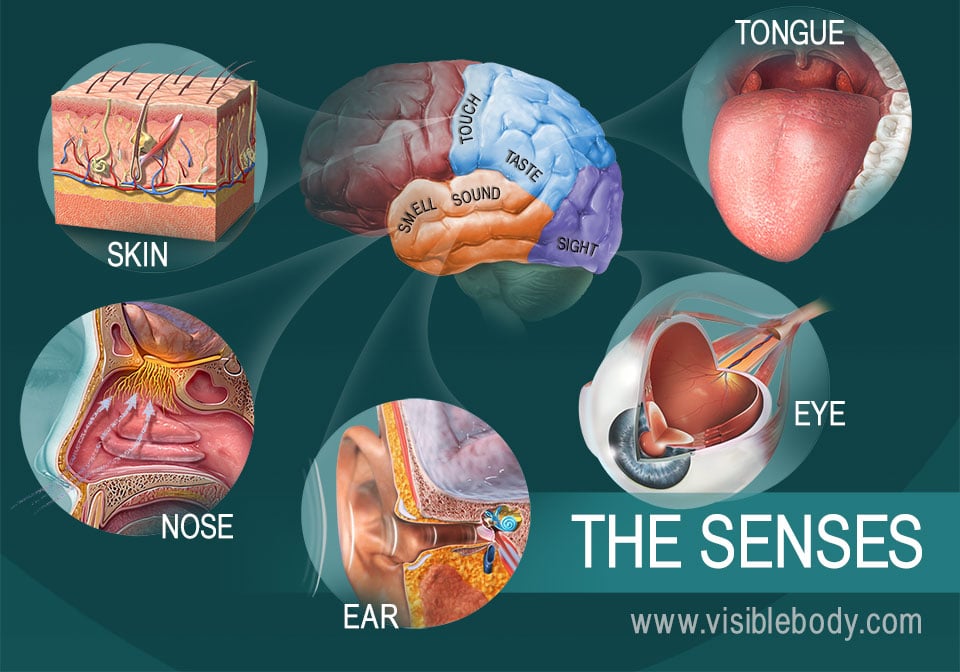
Humans have more than five senses.

While we have sight, smell, touch, taste, and hearing, humans also have “proprioception” (sense of space) and “nociception” (sense of pain). There’s also “equilibrioception” (sense of balance), “thermoception” (sense of temperature in and around the body), “temporal perception” (sense of time), and more, depending on who you ask.

Source: Best Life website

“420” WEED DAY

There have been many misconceptions, fallacies, falsehoods, and media inaccuracies about the beginnings of ‘420’, and even about The Waldos. Rogues and fogged burnouts turn up across the internet claiming they started ‘420’, fictionally making up dates that precede The Waldos’ creation date with their revisionist history. Unfortunately, as things grow in popularity, sometimes people “crawl out of the woodwork” to claim they were part of it.

The Waldos, from left, Mark Gravitch, Larry Schwartz, Dave Reddix, Steve Capper and Jeffrey Noel by the statue of Louis Pasteur at San Rafael High School in San Rafael, California in 2018. (Photo: Associated Press/Eric Risberg)

The Waldos are the only ones with multiple pieces of physical-evidence proof of the very earliest usage of the term ‘420’. In fact, The Waldos are the only ones in the world with any proof at all. The Waldos story/proof of ‘420’ origination has been investigated, and verified, by numerous credible journalistic news organizations. The Waldos are the real creators of the term 420.

This photo shows dried cannabidiol (CBD) flower buds on February 16, 2022 in Paris. April 20 or “4/20” is the event in the calendar that stoners look forward to every year, becoming a celebration of cannabis culture.

Meet The Waldos

“In the fall of ’71, Waldo Steve was given a treasure map to a patch of weed on the Point Reyes Peninsula. The map was given to him by a friend whose brother was in the U.S. Coast Guard and was growing cannabis. The coastguardsman was paranoid he would get busted so he granted permission to harvest. The Waldos™ all agreed to meet at 4:20 p.m. at the statue of chemist Louis Pasteur on the campus of San Rafael High. They met, got high, and drove out to search for the patch.

In the ensuing school days the Waldos would use the term ‘420 Louie™’ to remind each other of their after school quest. They eventually dropped the ‘Louie’ part and just said ‘420’ to refer to cannabis. Originally ‘420’ was nothing more than the Waldos’ secret slang–their own private joke–however, it was picked up by others and spread from generation to generation, city to city, country to country, across decades, and throughout all media around the globe. The Waldos have published multiple pieces of “evidence” to give credence to their theory, including letters from college and the original “420” flag from the 1970s.

Point Reyes Forest

Spreading the Word

Initially “420” began as private joke for their own meetups, but the phrase supposedly caught traction via the group’s connection with the rock band ‘The Grateful Dead,’ also based in Marin County Hills at that time, only blocks away from the high school the Waldos attended. One of the Waldos, Mark Gravitch, had a father who managed real estate for the band, while the brother of Dave Reddix (another Waldos member) managed a Grateful Dead side-band and was close friends with Grateful Dead bassist Phil Lesh.

Grateful Dead

The Grateful Dead practiced at a rehearsal hall in San Rafael, California and the Waldos used to hang out there at watch, Reddix said. His older brother Patrick spread the “420” phrase with the band through Lesh. “And me, too, because I was hanging out with Lesh and his band [as a roadie] when they were doing a summer tour my brother was managing,” Reddix added.

Capper added: “We’d go with [Gravitch’s] dad, who was a hip dad from the ’60s. There was a place called Winterland and we’d always be backstage running around or onstage and, of course, we’re using those phrases. “When somebody passes a joint or something, ‘Hey, 420.’ So it started spreading through that community.”

“Winterland Auditorium stage in 1976”

Capper said Marin County was “ground zero” for the California counterculture, which saw hippies smoke weed as a form of protest against government policies, such as the Vietnam War. Later, banners calling from 4:20 p.m. meetings on 4/20 were found circulating at gatherings ahead of Grateful Dead concerts.

Today, 4/20 can mean a whole host of different things to weed smokers, as well as the industry. Hundreds of sellers show off their marijuana products at 4/20 rallies each year. For example, the aptly-named California town Weed hosts its own 4/20 festival:

“The City of Weed, California, Threw Huge Blowout to Celebrate 420

Published April 21, 2022, by Chris Moore

“What better place to celebrate the year’s biggest cannabis holiday than a town named Weed? Yesterday, a tiny Northern California city called Weed hosted its fourth annual festival to celebrate 4/20, the official cannabis holiday. The event was held by La Florista Cannabis dispensary, which just happens to be the only weed shop in Weed. Organizers shut down a block of the city’s Main St. for a blowout featuring bands, a DJ, a taco truck, and – you guessed it – legal cannabis. The dispensary offered special “swag bags” for customers, plus promos on flower, pre-rolls, vape carts, edibles, and pretty much every other product they sell.

With all the hype surrounding California’s fabled cannabis industry, one might speculate that the town of Weed might have adopted this name just to cash in. But the town’s unique name actually comes from its founder, a pioneer named Abner Weed. In 1897, Weed bought a 280-acre lumber mill in the area that eventually became the current City of Weed.

Weed was initially quite reluctant to embrace its cannabis namesake. Residents and elected officials initially resisted attempts to capitalize on the town’s potential for pot tourism but did agree to allow La Florista to open in 2018. Since then, Weed has slowly been warming up to weed. Last January, the city council voted to impose a 3% local cannabis sales tax, which city officials predicted would bring them about $100,000 a year.”

https://merryjane.com/news/weed-california-threw-huge-blowout-to-celebrate-420-1

How to Celebrate

Watch a marijuana documentary….Learn more about the history of cannabis and the controversies surrounding it today by watching a marijuana documentary, such as “Grass is Greener, High Country: The Future of Weed,” “The Culture High” and “The Legend of 420.”

Those are all movies that require payment. This one, however, is surprisingly honest, even tho it came via PBS. The FDA (i.e., HHS) consciously CHOSE to block ALL study on the efficacies of MJ for health purposes simply by refusing to take it off the list of dangerous drugs to free up research $$$. They want to control ALL of it!!!! Bayer/Monsanto has been locking up the medical MJ business for a very long time!!!

Try some cannabis recipes

Try a recipe or two from “The Official High Times Cannabis Cookbook,” which features more than 50 tasty recipes to get you high.

Listen to a marijuana podcast

Learn more about the ins and outs of the cannabis industry on ‘The Adam Dunn Show,’ ‘Brave New Weed’ and ‘Cannabis Cultivation and Science Podcast.’

Video of the effects of CBD on Parkinsons and Epilepsy:

Parkinson’s Sufferer Shows The Incredible Effect Marijuana Has On His Tremors

A Little Girl With Epilepsy Tries Cannabis Oil

Toddler’s seizures treated with medical marijuana

“20 Medical Studies That Show Cannabis Can Be A Potential Cure for Cancer”

EXCERPT: “Let’s take a look at the science behind cannabis and cancer. Although cannabis has been proven to be an effective treatment for a wide range of ailments, this article will focus mainly on its effects on cancer.

Cannabinoids, which refer to any of a group of related compounds that include cannabinol and the active constituents of cannabis, may very well be one of the best disease- and cancer-fighting treatments out there. They activate cannabinoid receptors in the body, and the body itself produces compounds called endocannabinoids that play a role in many processes within the body that help to create a healthy environment.

Cannabinoids are also involved in immune system generation and re-generation. The body regenerates best when it’s saturated with phyto-cannabinoids.”

This disappeared and I had to use the Wayback Machine:

https://web.archive.org/web/20210921210659/https://www.collective-evolution.com/2013/08/23/20-medical-studies-that-prove-cannabis-can-cure-cancer/

You Are What You Eat

There’s no question that maintaining a nutritious diet can help keep your body healthy. But when it comes to which foods can specifically benefit which body parts, science remains surprisingly sketchy. But nature gives us a big clue as to what foods help what part of our body!

From the website Healthy Habits, here are foods that mirror the body parts they provide nutrients for—for example, brain-boosting walnuts actually look like a brain. Coincidence? Maybe. Though these healthy foods are beneficial to the whole body, the list below is a fun reminder of what to eat to target specific areas. Remember, most of these foods are more beneficial when eaten raw. (As with most items found on the internet, please take this one with a grain of salt…these guys misspelled scrotum…lol)

A sliced Carrot looks like the human eye. According to science, eating carrots greatly enhances blood flow to the eyes. Carrot gets their orange color from a plant chemical called beta-carotene, which reduces the risk of developing cataracts. The chemical also protects against macular degeneration an age-related sight problem that affects one in four individuals over the age of 65. If one tries to pop a pill of beta-carotene it doesn’t have the same effect, says scientists at John Hopkins Hospital in Baltimore, USA.

A Tomato has four chambers and is red in color– the heart is also red and has four chambers. Research has confirmed that tomatoes are loaded with lycopine and it is indeed pure heart and blood food.

Grapes resembles the alveoli of the lungs. The lungs are made of branches of ever-smaller airways that finish up with tiny branches of tissue called alveoli. These structures allow oxygen to pass from the lungs to the blood stream. A diet high in fresh grapes has shown to reduce the risk of lung cancer and emphysema. Grape seeds also contain a chemical called proanthocyanidin, which is thought to reduce the severity of asthma triggered by allergy. One reason that premature babies struggle to survive is that, these alveoli do not begin to form until the 23rd to 24th week of pregnancy.

A Walnut looks like a little brain, a left and right hemisphere, upper cerebrums and lower cerebellums. Even the wrinkles or folds on the nut are similar to those of the neo-cortex. Scientists claim that walnuts help in developing over three dozen neuron-transmitters within the brain enhancing the signaling and encouraging new messaging link between the brain cells. Walnuts help ward off dementia. They also extract and break down the protein based plaques associated with Alzheimer’s diseases, according to a study by Dr. James Joseph of Tuft University in Boston.

Kidney Beans actually heal and help maintain kidney function and are shaped exactly like the human kidneys (hence their name). Kidney beans provide a variety of minerals and vitamins, and are generally beneficial for your health. If your kidneys are healthy, kidney beans can — when consumed as part of a balanced diet — contribute to your kidney health. If your kidneys are diseased, you might need to moderate your intake of kidney beans.

Celery, Rhubarb, Bok-choy and more look just like bones’ structure. These foods specifically target bone strength. Bones are made up of 23% sodium and these foods have sodium in them. If you don’t have enough sodium in your diet the body pulls it from the bones, making them weak. These foods replenish the skeletal needs of the body.

Avocados and Pears are good for the health and functioning of the womb and cervix of the female and look just like these organs. Modern research shows that when a woman eats one avocado a week, it balances the birth hormones, sheds unwanted birth weight and can even prevent cervical cancer. It even takes exactly nine months to grow an avocado from blossom to ripened fruit, just like a human baby! There are said to be over 14,000 photolytic chemical constituents of nutrition in each one of these foods.

Figs are full of seeds and hang in twos when they grow. Studies have shown that Figs increase the mobility of male sperm and increase the sperm count as well as overcoming male sterility.

Sweet Potatoes resemble the pancreas and can actually balance the glycemic index of diabetics. The oblong sweet potato bears a strong resemblance to the pancreas, and also promotes healthy function in the organ. Sweet potatoes are high in beta-carotene, which is a potent antioxidant that protects all tissues of the body, including the pancreas, from damage associated with cancer or aging.

Olives assist the health and function of the ovaries. An Italian study found that women whose diets included a lot of olive oil had a 30% lower risk of ovarian cancer. The reasons are unclear, but the healthy fats in the oil may help suppress genes predisposed to causing cancer.

Grapefruits, Oranges, and other citrus fruits look just like the mammary glands of the female and actually assist the health of the breasts and the movement of lymph in and out of the breasts. The similarity between round citrus fruits––like lemons and grapefruit––and breasts may be more than coincidental. “Grapefruit contains substances called limonoids, which have been shown to inhibit the development of cancer in lab animals and in human breast cells,” says Dr. Moulavi.

Eating a Banana will cheer you up and put a smile on your face. This popular fruit contains a protein called tryptophan, when digested it gets converted into a neurotransmitter called serotonin, which is a mood regulating chemical in the brain. Bananas can be termed as an antidepressant drug, since it adjusts the level of serotonin production in the brain.

Onions look like the body’s cells. Research shows onions clear waste materials from all of the body cells. They even produce tears which wash the epithelial layers of the eyes. 

Ginger looks like the stomach and it also aids in digestion. Indians and Chinese have been using it for over 5000 years to calm the stomach, cure nausea, and motion sickness. It also slows down the growth rate of bowel tumors.

A Mushroom when sliced in half resembles the shape of the human ear. Mushrooms improve hearing abilities, since they contain Vitamin D, which is healthy for bones, especially the 3 tiny bones in the ear that transmit sound to the brain.

*Content courtesy of Healthy Habits

Cramping Your Style

If you’re like me, you’ve experienced painful, sleep-disturbing leg cramps at some point. About 60% of people report experiencing nocturnal leg cramps. Nocturnal leg cramps — also commonly called charley horses — are painful, involuntary contractions of the leg muscles during the night. Although nocturnal leg cramps generally pass after a few minutes, they are unpleasant and can disrupt sleep enough to create problems. Usually, the calves and feet are most affected, and these cramps are more prevalent in women and older adults, but anyone can experience them.The exact causes of nocturnal leg cramps are unknown. However, there are some factors that may increase the chance of experiencing leg cramps during the night.

Medications: Some medications, like diuretics, steroids, and antidepressants, are associated with nocturnal leg cramping. Talk to your doctor about any medications you are taking if you experience leg cramps during the night.

Pregnancy: Leg cramps are a common experience in pregnant women, although some professionals consider pregnancy-related leg cramps different from nocturnal leg cramps. Researchers are unsure if this leg cramping occurs due to pregnancy itself, or because of a lack of blood flow in the veins as a result of pregnancy. Magnesium supplements have been shown to reduce leg cramping in pregnancy, but you should talk to your doctor before beginning any new supplements.

Dehydration: Not drinking enough water during the day can result in dehydration. Dehydration causes muscle weakness and cramping. Nocturnal leg cramps in particular are not associated with dehydration, but drinking water is still important. The exact amount of water you need to drink each day depends on your body weight, activity level, medications, and local climate.

Standing for Extended Periods: Being on your feet for long periods of time can increase the risk of experiencing these leg cramps, making them a problem for people who must stand while they work. Taking breaks from standing and setting aside time to elevate your feet may help.

Exercise: Exercising at the gym or through team sports may lead to muscle cramps. When muscles are fatigued or overworked, they can be more susceptible to cramping. Exercise-associated muscle cramps may be mistaken for nocturnal leg cramps when they occur at night. Stretching during an exercise-induced cramp has been shown to help relieve pain.

Alcohol:  Research of people over age 60 shows that those who drink alcohol are more likely to report nocturnal leg cramping. This cramping could be a result of alcohol’s ability to damage muscle fibers, but more research is needed.

So what can be done to reduce the likelihood of experiencing these awful cramps? Although the exact cause of nocturnal leg cramps is unknown, there are ways to reduce the chances that you will experience them. Typically, leg cramps do not indicate a serious health problem. However, if you are experiencing frequent leg cramping, you should reach out to your doctor, but here are some possible helpful precautions:

Hydration: Staying consistently hydrated throughout the day may help reduce the frequency of muscle cramps, since dehydration can cause cramps. Though some research suggests that nocturnal leg cramps are not caused by dehydration, it may help to drink water during long periods of outdoor activity or strenuous activity. There is also research to suggest that drinking pickle juice during a cramping episode helps inhibit the cramp quickly.

Stretching: Doing some stretching or yoga before bed may help you reduce both the frequency and intensity of nocturnal leg cramps. Research suggests that engaging in a stretching routine before bed helps reduce cramps and leg pain after about six weeks.

Baths: Some people claim that taking a bath helps relieve their nighttime cramps, though further research is needed. An epsom salt bath in particular could help reduce muscle pain mistaken for leg cramps. Epsom salt contains magnesium sulfate. An epsom salt bath could increase your magnesium levels, which may help relieve leg cramping.

Massage: Massaging your calves or feet before bed may help you reduce cramping during the night by relaxing the muscles in your legs. If you have limited mobility, consider asking a partner to help.

Heel Walking: Some people find that walking on their heels helps reduce nocturnal leg cramping. If you wake up in the middle of the night with a cramp in your calf, try getting up and walking on your heels. Although this type of walking helps release the tight calf muscle, research has found that it is not as effective as stretching during a leg cramp.

When to Talk to Your Doctor

If you are experiencing cramping in your feet and calves frequently during the night that does not go away with changes in lifestyle or diet, consult your doctor. In many cases, the cause of nocturnal leg cramps is unknown. Some leg cramps could indicate a more serious underlying disease, however, including:

Cardiovascular disease

Cirrhosis

Kidney disease

Osteoarthritis

Narrowing of the spinal canal

Nerve damage in legs

Circulation disorders