What Shall We Bake Today?

Today’s offering is a cookie I never heard of before—Hot Chocolate Cookies!

(There are many recipes for this cookie, but this one uses mini marshmallows while other recipes use what looks to be freeze dried marshmallow bits.  Many commenters to those recipes note the inability to find those bits anymore.)

Ingredients  

1/2 cup unsalted butter

3/4 cup chocolate chips

3/4 cup brown sugar

2 eggs

2 teaspoon vanilla

2 1/2 cups all-purpose flour

1/2 cup hot chocolate mix

1 teaspoon baking powder

1/2 teaspoon salt

1 cup of tiny or mini marshmallows

1/2 cup semi-sweet chocolate chips

Instructions 

Preheat oven to 350 degrees and line a metal cookie sheet with parchment paper.

In a large microwave-safe bowl, add butter and chocolate chips.

Melt in the microwave for 30 seconds, being careful not to burn the chocolate chips. Add 10 seconds at a time until all of the chocolate is melted. Let cool for 3 minutes.

Add sugar to chocolate and mix until smooth. Add egg one at a time and mix with each one. 

Add vanilla extract and mix. 

In a small bowl, add flour, hot chocolate mix, baking powder, baking soda, and salt and whisk until combined.

Add the flour mixture to the chocolate mixture and mix just until all the flour is incorporated. Let the batter sit for about five minutes to let it absorb the flour. Fold in marshmallows and chocolate chips. 

Scoop batter onto a cookie sheet and bake for 10 minutes. 

Remove from oven and add a few mini marshmallows on top to make the cookies look prettier.

After about 10 minutes, move the cookies over to a wire rack to cool.

ENJOY!

What Shall We Bake Today?

Today is National Sticky Bun Day!  I found a great recipe for “old fashioned” sticky buns.

Ingredients

For the Dough:

6½ tablespoon granulated sugar

5½ tablespoons unsalted butter at room temperature

1 teaspoon salt

1 egg slightly beaten

1 teaspoon vanilla extract

3½ cups bread flour

2 teaspoons instant yeast

1 cup + 2 tablespoons whole milk at room temperature

For the Cinnamon Sugar:

6½ tablespoons granulated sugar

1½ tablespoons ground cinnamon

For the Caramel Glaze:

1 cup unsalted butter at room temperature

½ cup granulated sugar

½ cup light brown sugar

½ teaspoon salt

½ cup light corn syrup

1 teaspoon vanilla extract

½ cup coarsely chopped pecans

Instructions

Cream together the sugar, butter, and salt on medium-high speed in an electric mixer with a paddle attachment. Whip in the egg and vanilla extract until smooth. Then add the flour, yeast, and milk. Mix on low speed until the dough forms a ball. Switch to the dough hook and increase the speed to medium, mixing for approximately 10 minutes (or knead by hand for 12 to 15 minutes), or until the dough is silky and supple, tacky but not sticky. You may have to add a little flour or water while mixing to achieve this texture. Lightly oil a large bowl and transfer the dough to the bowl, rolling it around to coat it with oil. Cover the bowl with plastic wrap. Let the dough rise at room temperature for approximately 2 hours, or until the dough doubles in size.

Meanwhile, make the Caramel Glaze: In the bowl of an electric mixer, combine the butter, granulated sugar, brown sugar, and salt, and cream together for 2 minutes on high speed with the paddle attachment. Add the corn syrup and vanilla extract, and continue to cream for about 5 minutes, or until light and fluffy.

Transfer the dough to the counter. Roll out the dough with a rolling pin, lightly dusting the top of the dough with flour to keep it from sticking to the pin. Roll it into a rectangle 18 inches wide by 9 inches long. Sprinkle the cinnamon sugar over the surface of the dough (use it all!), and roll the dough up with the long side facing you, creating a cinnamon-sugar spiral as you roll. With the seam side down, cut the dough into 12 even pieces.

Coat the bottom of a 9×13-inch baking dish with the caramel glaze, then sprinkle the pecans evenly over the surface. Lay the pieces of dough cut-side-up on top of the caramel glaze, evenly spaced throughout the pan. Cover loosely with plastic wrap and allow to rise at room temperature for 75 to 90 minutes, or until the pieces have grown into one another and have nearly doubled in size.

Make-Ahead Note: Instead of the second rise, you can place the shaped buns in the refrigerate for up to 2 days, pulling the pan out of the refrigerator 3 to 4 hours before baking to allow the dough to proof at room temperature.

Preheat the oven to 350 degrees F and adjust the oven rack to the lowest shelf.

Bake the sticky buns for 30 to 40 minutes, or until golden brown. Cool the buns in the pan for 5 to 10 minutes, and then remove them by flipping them over onto another pan or serving platter. Carefully scoop any run-off glaze back over the buns with a spatula. Wait at least 20 minutes before serving. The sticky buns are best eaten the day of baking but can be stored, covered, at room temperature for up to 2 days (see notes below on reheating).

Notes

While you may substitute all-purpose flour for the bread flour, know it will produce a slightly different texture than what you see here.

The corn syrup is a key ingredient in getting the exact right texture for the caramel glaze and I don’t recommend making any substitutions.

Make-Ahead Note: You can prepare the sticky buns through placing the rolls into the pan, then cover and refrigerate for up to 2 days before baking. Bring to room temperature prior to baking as directed in the recipe.

It’s a complicated recipe, but the results speak for themselves!!

ENJOY!

What Shall We Make Today?

Today’s offering is Chocolate Covered Strawberries!

Ingredients

10-ounce package Ghirardelli Baking Chips Bittersweet, semi-sweet, or milk chocolate

2 pounds fresh strawberries stems attached

Instructions

Start by washing the strawberries and then drying them VERY well. It’s so important to dry the strawberries well because, as you may know, chocolate and water do not work well together! If the strawberries are the least bit wet the chocolate will not stick!

If desired, add a handful of toppings, like crushed nuts or coconut, onto their own small plates. Line a sheet pan with parchment or waxed paper.

Use a double boiler or microwave the chocolate for 30 second intervals, removing and stirring at each 30 second interval, until the chocolate has melted. Stir often, making sure not to burn the chocolate!

Holding a strawberry by the stem, dip into melted chocolate, lift and twist slightly, letting the excess chocolate fall back into the bowl. At this point you may dip the strawberry in coconut or nuts (or leave it plain) and then place the strawberry on the parchment paper. Repeat with the rest of the strawberries. 

For a white chocolate drizzled strawberry, dip a fork in the melted white chocolate and drizzle the white chocolate over the dipped strawberries.

Chill the strawberries until the chocolate sets, about 15 minutes. 

ENJOY!

What Shall We Bake Today?

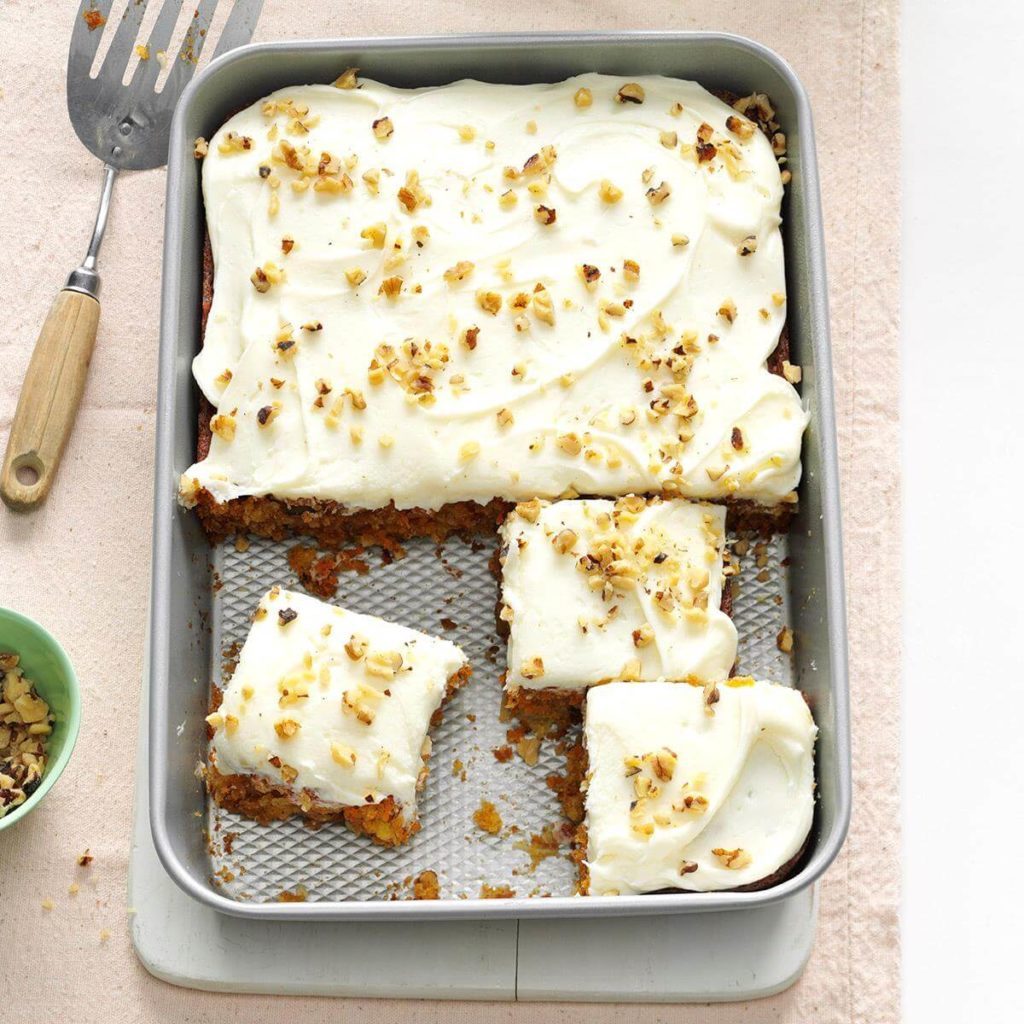
Today is National Carrot Cake Day, so of course, today’s offering is carrot cake!

Ingredients

2 cups all-purpose flour

2 cups sugar

2 teaspoons ground cinnamon

1 teaspoon baking soda

1/2 teaspoon salt

3 large eggs, room temperature

1-1/2 cups canola oil

2 cups finely grated carrots

1 teaspoon vanilla extract

1 cup well-drained crushed pineapple

1 cup sweetened shredded coconut

1 cup chopped nuts

CREAM CHEESE FROSTING:

6 ounces cream cheese, softened

6 tablespoons butter, softened

3 cups confectioners’ sugar

1 teaspoon vanilla extract

Additional chopped nuts

Directions

In a large bowl, combine the flour, sugar, cinnamon, baking soda and salt. Add the eggs, oil, carrots and vanilla; beat until combined. Stir in pineapple, coconut and nuts.

Pour into a greased 13×9-in. baking pan. Bake at 350° for 50-60 minutes or until a toothpick inserted in the center comes out clean. Cool on a wire rack.

For frosting, in a small bowl, beat cream cheese and butter until light and fluffy, 5-7 minutes. Add the confectioners’ sugar and vanilla; beat until smooth. Frost cake. Sprinkle with additional nuts. Store in the refrigerator.

ENJOY!

What Shall We Bake Today?

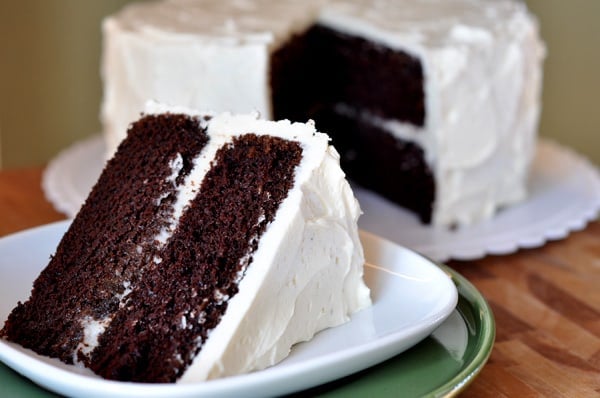
Today’s offering is my go-to Chocolate Cake!  It’s rich and flavorful and has coffee IN IT!

Ingredients

2 cups flour

1 tsp salt

1 tsp baking powder

2 tsp baking soda

¾ cup cocoa

2 cups sugar

1 cup vegetable oil

1 cup hot coffee

1 cup milk

2 eggs

1 tsp Vanilla Extract

Instructions

Preheat oven to 350 degrees. Grease and flour cake pans.

In a large mixing bowl, add flour, salt, baking powder, baking soda, cocoa, and sugar and stir until combined.

Mix in vegetable oil, coffee, and milk. Mix for approximately two minutes.

Add eggs and vanilla extract and continue to mix on medium speed for about two more minutes.

Pour cake batter into cake pans and bake for 30-40 minutes. Your cake is done when an inserted tooth pick comes out clean. Cool about 10-15 minutes in the pan, then turn out onto wire rack. 

I frost with a homemade icing and then, after we have a slice for dessert, I slice the cake in half.  I cut each half into flat slices and par-freeze them on a wax paper lined cookie sheet for about a half hour.  Then I wrap the slices in waxed paper and freeze in a Ziploc bag.  That way when hubby and I want dessert, we have an easy one that doesn’t mean we have a big cake sitting around that we have to finish.

Edible Flowers

I didn’t realize that some flowers are edible, but this article from Treehugger.com details 42 that are!

From Treehugger.com:

Beyond nasturtium blossoms and rose petals, there is a surprising number of blooms that are a true delight to eat. The culinary use of flowers dates back thousands of years to the Chinese, Greek, and Romans. Many cultures use flowers in their traditional cooking—think of squash blossoms in Italian food and rose petals in Indian food. Adding flowers to your food can be a nice way to add color, flavor and a little whimsy. Some are spicy, and some herbaceous, while others are floral and fragrant. The range is surprising.

Ways to Use Edible Flowers

It’s not uncommon to see flower petals used in salads, teas, and as a garnish for desserts, but they inspire creative uses as well—roll spicy ones (like chive blossoms) into handmade pasta dough, incorporate floral ones into homemade ice cream, pickled flower buds (like nasturtium) to make ersatz capers, use them to make a floral simple syrup for use in lemonade or cocktails. I once stuffed gladiolus following a recipe for stuffed squash blossoms—they were great. So many possibilities…

Eating Flowers Safely

So, as lovely as eating flowers can be, it can also be a little … deadly. Not to scare you off or anything, but follow these tips for eating flowers safely:

Eat flowers you know to be consumable — if you are uncertain, consult a reference book on edible flowers and plants.

Eat flowers you have grown yourself, or know to be safe for consumption. Flowers from the florist or nursery have probably been treated with pesticides or other chemicals.

Do not eat roadside flowers or those picked in public parks. Both may have been treated with pesticide or herbicide, and roadside flowers may be polluted by car exhaust.

Eat only the petals, and remove pistils and stamens before eating.

If you suffer from allergies, introduce edible flowers gradually, as they may exacerbate allergies.

To keep flowers fresh, place them on moist paper towels and refrigerate in an airtight container. Some will last up to 10 days this way. Ice water can revitalize limp flowers.

Edible Flower List

1 ALLIUM All blossoms from the allium family (leeks, chives, garlic, garlic chives) are edible and flavorful! Flavors run the gamut from delicate leek to robust garlic. Every part of these plants is edible.

2 ANGELICA Depending on the variety, flowers range from pale lavender-blue to deep rose and have a licorice-like flavor.

3 ANISE HYSOP Both flowers and leaves have a subtle anise or licorice flavor.

4 ARUGULA Blossoms are small with dark centers and with a peppery flavor much like the leaves. They range in color from white to yellow with dark purple streaks.

5 BACHELOR’S BUTTON Grassy in flavor, the petals are edible. Avoid the bitter calyx.

6 BASIL Blossoms come in a variety of colors, from white to pink to lavender; the flavor is similar to the leaves, but milder.

7 BEE BALM The red flowers have a minty flavor.

8 BORAGE Blossoms are a lovely blue hue and taste like cucumber!

9 CALENDULA/marigold A great flower for eating, calendula blossoms are peppery, tangy, and spicy — and their vibrant golden color adds dash to any dish.

10 CARNATIONS / DIANTHUS Petals are sweet, once trimmed away from the base. The blossoms taste like their sweet, perfumed aroma.

11. CHAMOMILE Small and daisy-like, the flowers have a sweet flavor and are often used in tea. Ragweed sufferers may be allergic to chamomile.

12 CHERVIL Delicate blossoms and flavor, which is anise-tinged.

13 CHICORY Mildly bitter earthiness of chicory is evident in the petals and buds, which can be pickled.

14 CHRYSANTHEMUM A little bitter, mums come in a rainbow of colors and a range of flavors range from peppery to pungent. Use only the petals.

15 CILANTRO Like the leaves, people either love the blossoms or hate them. The flowers share the grassy flavor of the herb. Use them fresh as they lose their charm when heated.

16 CITRUS (orange, lemon, lime, grapefruit, kumquat) Citrus blossoms are sweet and highly scented. Use frugally or they will over-perfume a dish.

17 CLOVER Flowers are sweet with a hint of licorice.

18. DANDELION

19 DILL Yellow dill flowers taste much like the herb’s leaves.

20 ENGLISH DAISY These aren’t the best-tasting petals — they are somewhat bitter — but they look great!

21 FENNEL Yellow fennel flowers are eye candy with a subtle licorice flavor, much like the herb itself.

22 FUCHSIA Tangy fuchsia flowers make a beautiful garnish.

23 GLADIOLUS Who knew? Although gladioli are bland, they can be stuffed, or their petals removed for an interesting salad garnish.

24 HIBISCUS Famously used in hibiscus tea, the vibrant cranberry flavor is tart and can be used sparingly.

25 HOLLYHOCK Bland and vegetal in flavor, hollyhock blossoms make a showy, edible garnish.

26 IMPATIENS Flowers don’t have much flavor — best as a pretty garnish or for candying.

27 JASMINE These super-fragrant blooms are used in tea; you can also use them in sweet dishes, but sparingly.

28. JOHNNY JUMP-UP Adorable and delicious, the flowers have a subtle mint flavor great for salads, pasta, fruit dishes, and drinks.

29 LAVENDER Sweet, spicy, and perfumed, the flowers are a great addition to both savory and sweet dishes.

30 LEMON VERBENA The diminutive off-white blossoms are redolent of lemon — and great for teas and desserts.

31 LILAC The blooms are pungent, but the floral citrusy aroma translates to its flavor as well.

32 MINT The flowers are — surprise! — minty. Their intensity varies among varieties.

33 NASTURTIUM One of the most popular edible flowers, nasturtium blossoms are brilliantly colored with a sweet, floral flavor bursting with a spicy pepper finish. When the flowers go to seed, the seed pod is a marvel of sweet and spicy. You can stuff flowers, add leaves to salads, pickle buds like capers, and garnish to your heart’s content.

34 OREGANO The flowers are a pretty, subtle version of the leaf.

35 PANSY The petals are somewhat nondescript, but if you eat the whole flower you get more taste.

36 RADISH Varying in color, radish flowers have a distinctive, peppery bite.

37 ROSE Remove the white, bitter base and the remaining petals have a strongly perfumed flavor perfect for floating in drinks or scattering across desserts, and for a variety of jams. All roses are edible, with flavor more pronounced in darker varieties.

38 ROSEMARY Flowers taste like a milder version of the herb; nice used as a garnish on dishes that incorporate rosemary.

39 SAGE Blossoms have a subtle flavor similar to the leaves.

40 SQUASH and PUMPKIN Blossoms from both are wonderful vehicles for stuffing, each having a slight squash flavor. Remove stamens before using.

41 SUNFLOWER Petals can be eaten, and the bud can be steamed like an artichoke.

42 VIOLETS Another famous edible flower, violets are floral, sweet and beautiful as garnishes. Use the flowers in salads and to garnish desserts and drinks.

SOURCE: TREEHUGGER.COM

What Shall We Bake Today?

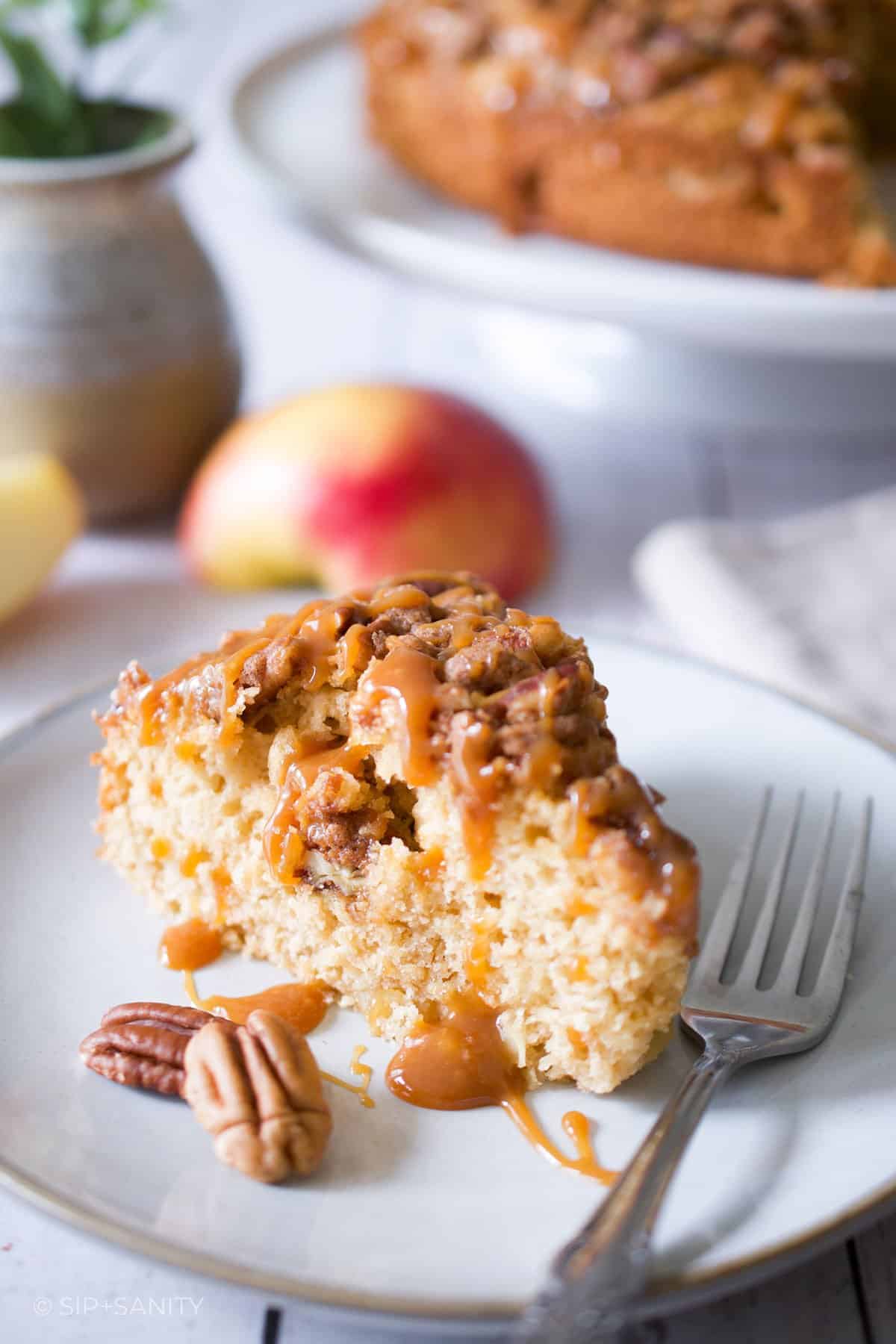
Today’s offering is Caramel Apple Pecan Coffeecake!

Ingredients

Caramel Apple Filling

1½ cups honeycrisp apples, peeled + diced

¼ cup brown sugar

2 tablespoon caramel sauce

½ teaspoon cinnamon

Cake Batter

2 cups flour

¾ cup brown sugar, lightly packed

1 tablespoon baking powder

½ teaspoon salt

⅔ cup milk

1 large egg

⅓ stick unsalted butter, melted

Pecan Topping

2 tablespoon brown sugar

2 tablespoon flour

1 teaspoon cinnamon

pinch salt

2 tablespoon unsalted butter, melted

½ cup pecans, chopped

To serve

¼ cup caramel sauce

Instructions

Preheat oven to 375°F. Line the bottom of a 9″ springform pan with parchment (to easily release the pan bottom away) and grease with cooking spray or butter.

Toss the apples with brown sugar, 2 tablespoons of caramel sauce and cinnamon. Set aside while you prepare the cake batter.

Combine the flour, brown sugar, baking powder and salt in a large mixing bowl. Create a well in the center.

In another bowl or measuring cup, combine the milk, egg and melted butter. Pour this into the well then stir everything together until just combined. Gently fold in the apples.

Pour the batter into the prepared baking pan.

In a bowl, combine all the ingredients for the pecan topping. Sprinkle over the cake.

Bake for 35 minutes or until a knife inserted near the center comes out clean.

Drizzle the remaining 1/4 cup of caramel sauce over the top of the cake and serve warm.

ENJOY!

Fun Food Facts: Part 2

17 Bubble tea is around 40 years old

Cheerful-sounding bubble tea—also called pearl milk tea, boba milk tea, or just boba—is tea mixed with milk or fruit and topped with tapioca pearls. According to the tea gurus at Kung Fu Tea, a franchise chain with more than 250 locations around the United States, boba was invented in Taiwan during the decade of big hair, neon leg warmers, and a dozen John Hughes movies: the ’80s. By the early ’90s, boba made its way to North America.

18 The spices in chai tea vary, but sweet, spicy cinnamon is a must

Pronounced correctly, chai is a single-syllable word that rhymes with pie, high, and sky. Strongly brewed tea provides the basis for this robust drink, which also contains cream or milk and spices (aka masala). The chosen tea is typically Assam or Darjeeling, and the sweetener of choice is usually white or brown sugar or honey. The exact spices vary from culture to culture, but they’re typically a warming mix of cinnamon, ginger, cardamom, cloves, and pepper. According to chai aficionados, the element of sweetness (even for non-sugar types) is essential for bringing out the spices’ full flavors.

19 Eggplant is always perfect for a parmesan situation, but whether it’s a fruit is up for debate

People into food facts trivia have long gone back and forth about whether a tomato is a fruit or a vegetable. Classifying eggplant is just as hotly debated. Unbeknownst to many, eggplants are technically classified as fruits—specifically, berries—because they grow from a single flower. (So, by that standard, cucumbers and melons are berries, too.) But the confusion is understandable, especially since chefs tend to roast, fry, grill, and mash eggplant, like they do other vegetables.

20 Rice and vinegar make all the difference between sushi and sashimi

Sushi and sashimi may sound interchangeable, but they aren’t. The pros at Benihana, a global chain of 70-plus authentic Japanese restaurants, explain this food fact: Sushi always includes short-grain rice mixed with rice wine vinegar, and it often—but not always—contains fish and is served in bite-size portions. Sashimi refers to thinly sliced ribbons of fish or meats, without rice. Popular types of sashimi include salmon, squid, and fatty tuna. Sushi newbies who aren’t sure about raw fish might want to start by trying options with vegetables, egg, or avocado.

21 In order for wasabi to be the real thing, it needs to be served very, very fresh

For sushi and sashimi fans, wasabi is just as much a part of the culinary experience as fish and rice. It comes from grating wasabi japonica, a plant native to Japan. Wasabi takes a minute or two after being grated to fully develop its pungent flavor, but then loses it altogether after about 20 minutes. For this reason, some authentic Japanese restaurants wait to grate wasabi until a dish is actually ordered. According to experts at the Japan Store, fake or imitation wasabi is made with a blend of Western horseradish, mustard, and green food coloring.

22 Peanut butter and jelly sandwiches hit their stride after World War II

Personal preference for jam versus jelly or smooth versus crunchy peanut butter aside, peanut butter and jelly sandwiches became the go-to sandwiches for kids in the United States in the mid-1940s. The humble PB&J was on military menus during the Second World War, thanks to its overall portability, ease of preparation, and high protein content, as well as the shelf-stableness of peanut butter. After the war ended, soldiers introduced the sandwich to their families, and iconic status was achieved.

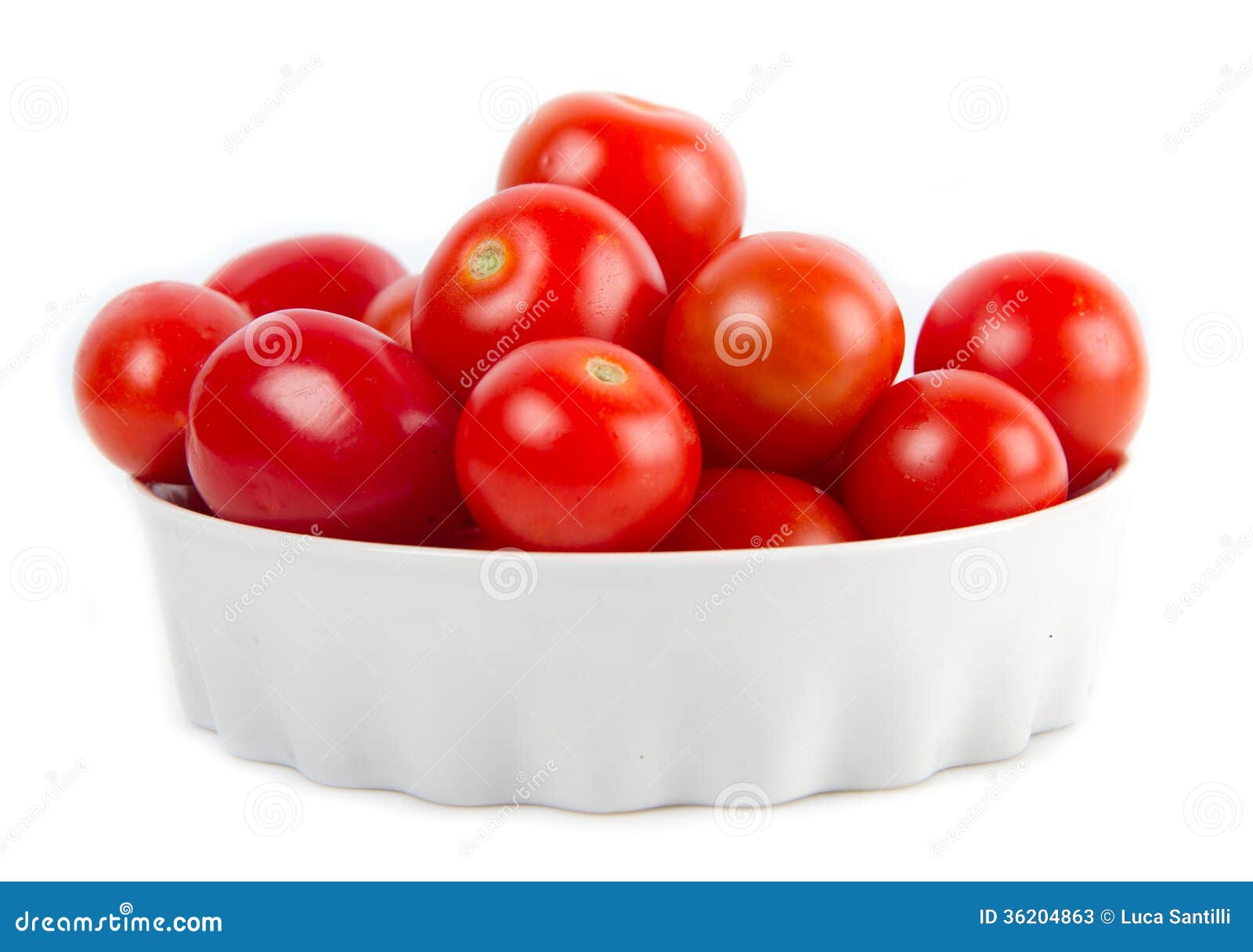
23 According to science, the main ingredient in marinara actually belongs in the fruit bowl

There are legal definitions of fruits and vegetables, as well as scientific ones. A tomato fits the scientific definition of fruit because it forms from a flower and contains seeds. So botanically, tomatoes are fruits. However, the way we eat them and treat them in cooking means that they also fall into the legal category of vegetables.

24 Almost two-thirds of Americans prefer their pizza topped with pepperoni

When more than 6,000 Americans were asked to name their favorite pizza topping, pepperoni topped the list. In fact, nearly two-thirds of respondents to the 2021 survey (64 percent) shared this preference. Rounding out the top five popular toppings were sausage (56 percent), mushrooms (54 percent), extra cheese (52 percent), and onions (48 percent).

25 But almost two-thirds of Americans say a big “thanks but no thanks” to pizza topped with anchovies

A pie topped with anchovies has no place at a pizza party, according to 61 percent of respondents to a 2021 survey. Other toppings that get a hard pass? Eggplant (52 percent), artichokes (44 percent), broccoli (39 percent), and pineapple (35 percent)—even though 26 percent of respondents said they do like pineapple. To each their own pie!

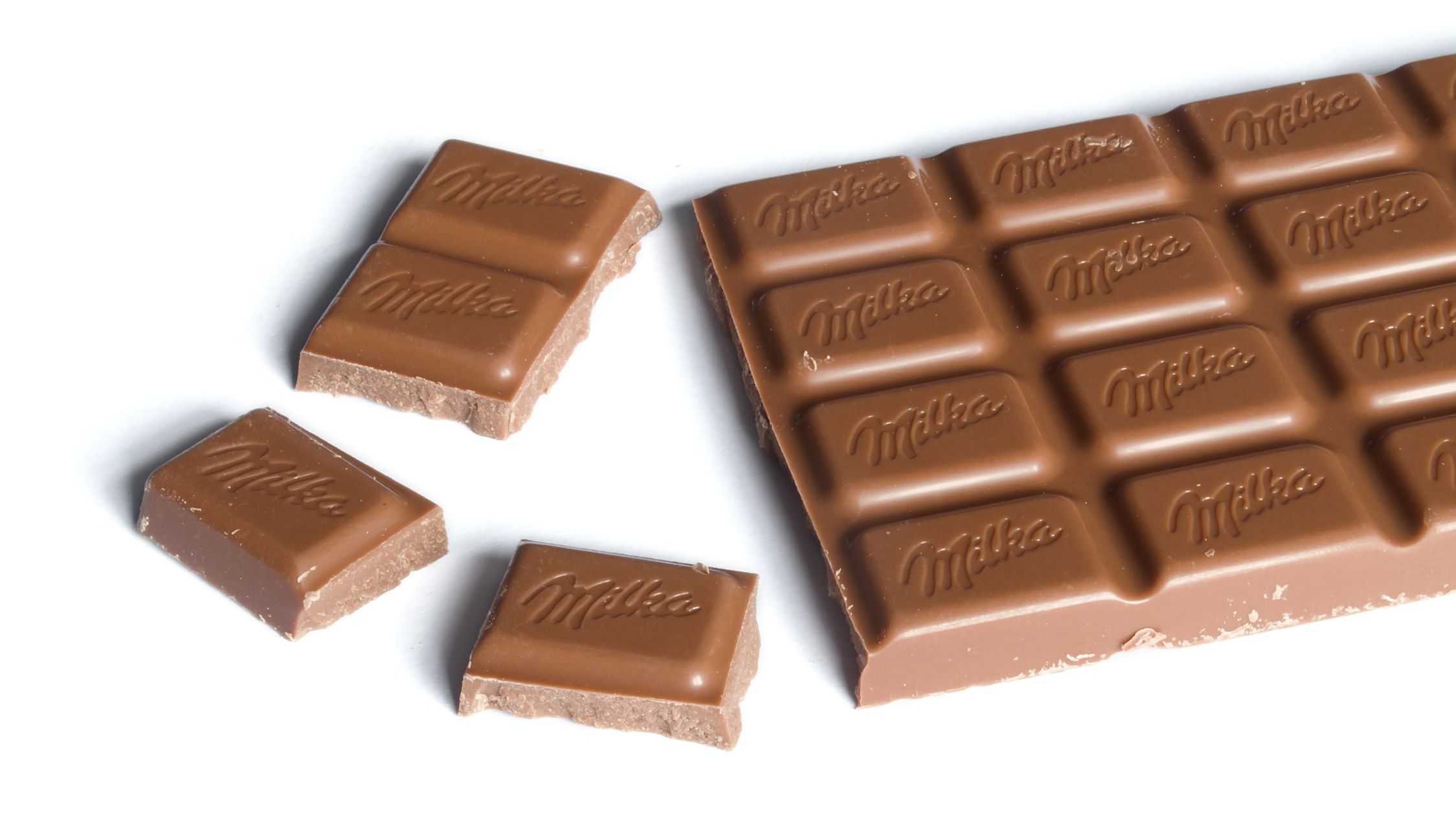
26 When chocolate is the only thing that will hit the spot, milk chocolate reigns supreme

Milk chocolate is most people’s chocolate of choice, but dark chocolate starting to close the gap. For one thing, overall consumer awareness of the health benefits of dark chocolate is rising. According to CandyIndustry.com, it has seen 20 percent global growth since 2016. Dark chocolate contains anywhere from 50 to 90 percent cocoa solids, while milk chocolate contains fewer cocoa solids—from 10 to 50 percent, plus some form of milk. White chocolate, on the other hand, is made from cocoa butter, rather than cocoa solids.

27 Most grapes end up as wine

Grapes are popular all around the world, and they’re ripe for transformation—in fact, the vast majority grown are destined to become wine. While only 12 percent of grapes are intended to be eaten fresh, annual U.S. per capita consumption is about eight pounds per person. All grapes offer a great variety of vitamins and minerals, but red and Concord grapes are higher in polyphenols called flavonoids, which act as antioxidants. Resveratrol, a polyphenol especially lauded for its antioxidant efforts, is especially concentrated in red grapes.

28 Orange peppers are the best choice to protect your peepers

No matter the color, the nutrient profile of peppers generally doesn’t vary that much, since red, yellow, and orange bell peppers are just green peppers that stayed on the vine longer. For instance, all peppers offer well more than the recommended daily allowance for vitamin C. However, orange peppers have about 10 times the amount of two carotenoids that support eye health, so you might want to focus on that.  

29 Faced with an array of chip flavors, Americans still prefer plain

Despite racks stuffed with colorful bags of potato chips in an ever-growing list of flavors, plain potato chips still win the day with consumers. When Statista crunched numbers from the U.S. Census and a national consumer survey, preference for plain potato chips far eclipsed the desire for the next most popular flavor—barbecue.

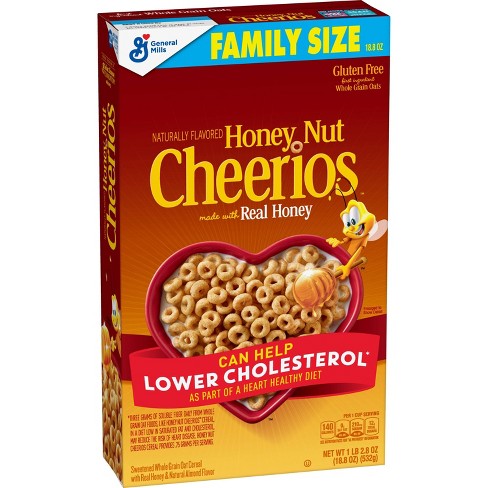
30 Honey Nut Cheerios is the most popular cereal

Three words: Honey. Nut. Cheerios. Sold by behemoth food packager General Mills, Honey Nut Cheerios is the top-selling cereal in the United States. In fact, sales of Honey Nut Cheerios beat out sales of all store brands combined. In second place: Cinnamon Toast Crunch, also from General Mills. Tony the Tiger’s favorite, Frosted Flakes, rounds out the top three.

31 These fast-food favorites were created with input from a chef who once served British royalty

Here’s a hint: A little tub of dipping sauce—barbecue, honey mustard, or possibly sweet and sour?—often comes into play. Yes, McDonald’s chicken nuggets were originally created in the 1980s with input from chef René Arend, who cooked for Queen Elizabeth II and the king of Belgium, among others.

SOURCE: READER’S DIGEST

What Shall We Bake Today?

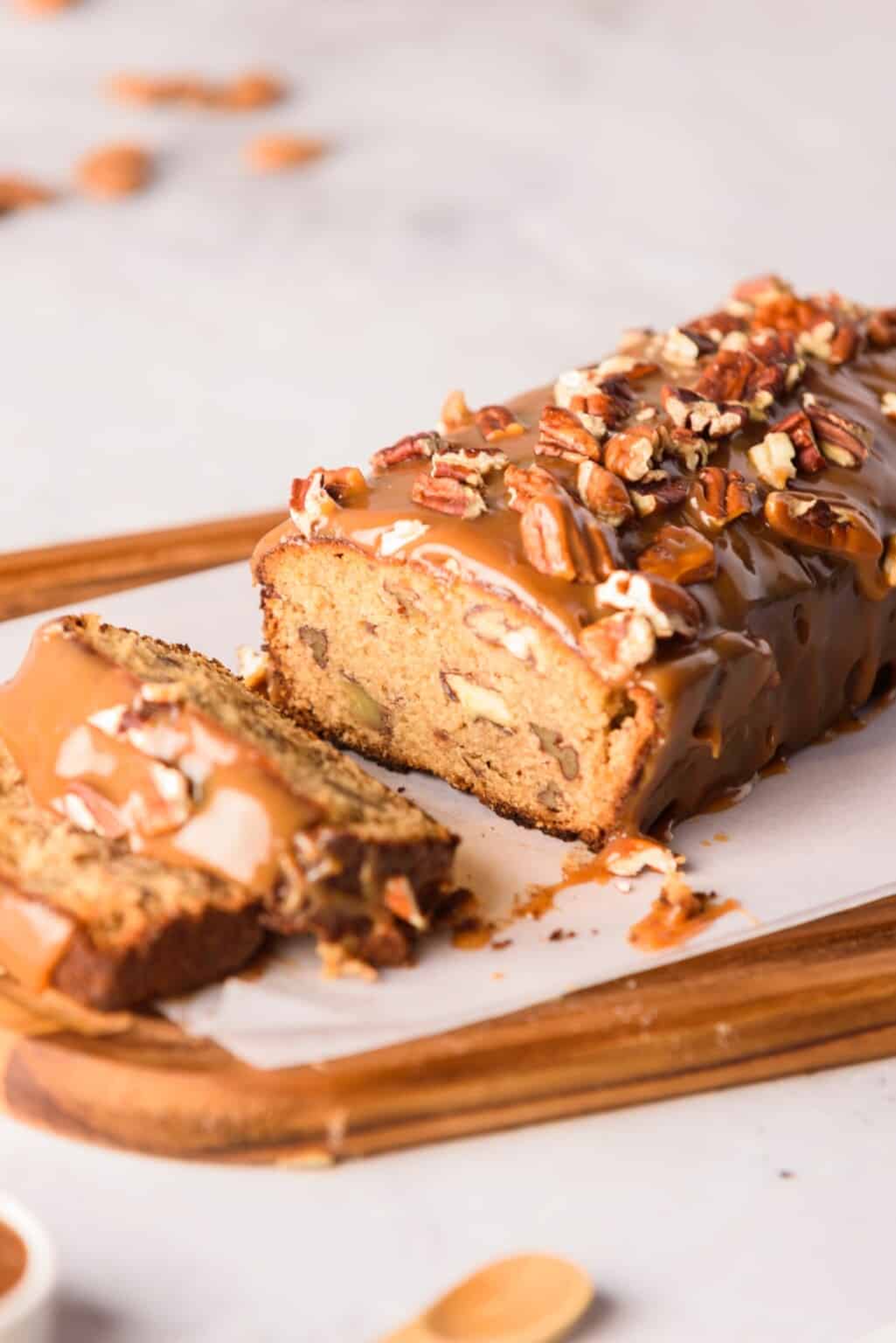
Today’s offering is Pecan Bread with Caramel Sauce!

Ingredients

1 ½ cups flour

1 teaspoon ground cinnamon

1 teaspoon baking powder

¾ cup butter

6 tablespoons sugar

½ cup pecans roughly chopped

3 eggs

1 tablespoon milk

1 teaspoon vanilla

5 tablespoons honey

Toppings:

½ cup caramel sauce

pecans (as desired)

Instructions

Preheat oven to 350 degrees F.

Grease and line the base of a 9×5 loaf pan with wax paper.

Sift flour, cinnamon, and baking powder into a large bowl.

Cut the butter into the flour. Mix until the mixture looks like breadcrumbs.

Add in the sugar and chopped pecans.

In a separate bowl, beat the eggs together with milk and vanilla.

Stir in the honey.

Add the wet ingredients to the dry flour mixture. Gently mix everything together.

Very important! Do not overmix.

Mix only until the dry ingredient have mixed with the wet ingredients.

The batter will still be lumpy.

Pour the batter into the prepared pan.

With a spatula, smooth out the top of the batter.

Bake in the oven for 50-60 minutes, or until the cake is lightly browned.

Insert a toothpick or a wooden skewer into the center of the cake. If it comes out clean, it’s ready.

Cool cake in pan for 10 minutes.

Turn it out and let it cool on the rack a little while longer.

Drizzle with caramel sauce and spread all over the bread.

Sprinkle the chopped nuts on top.

Slice and enjoy!

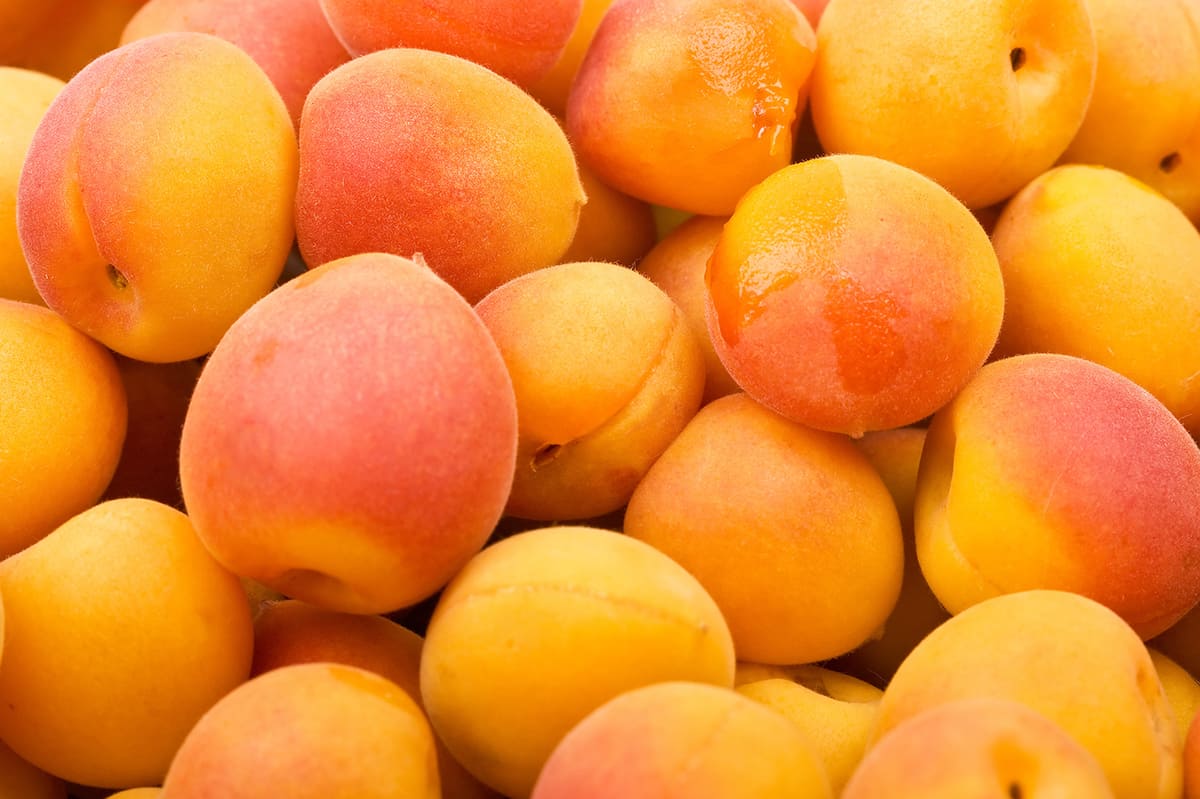
Apricots!

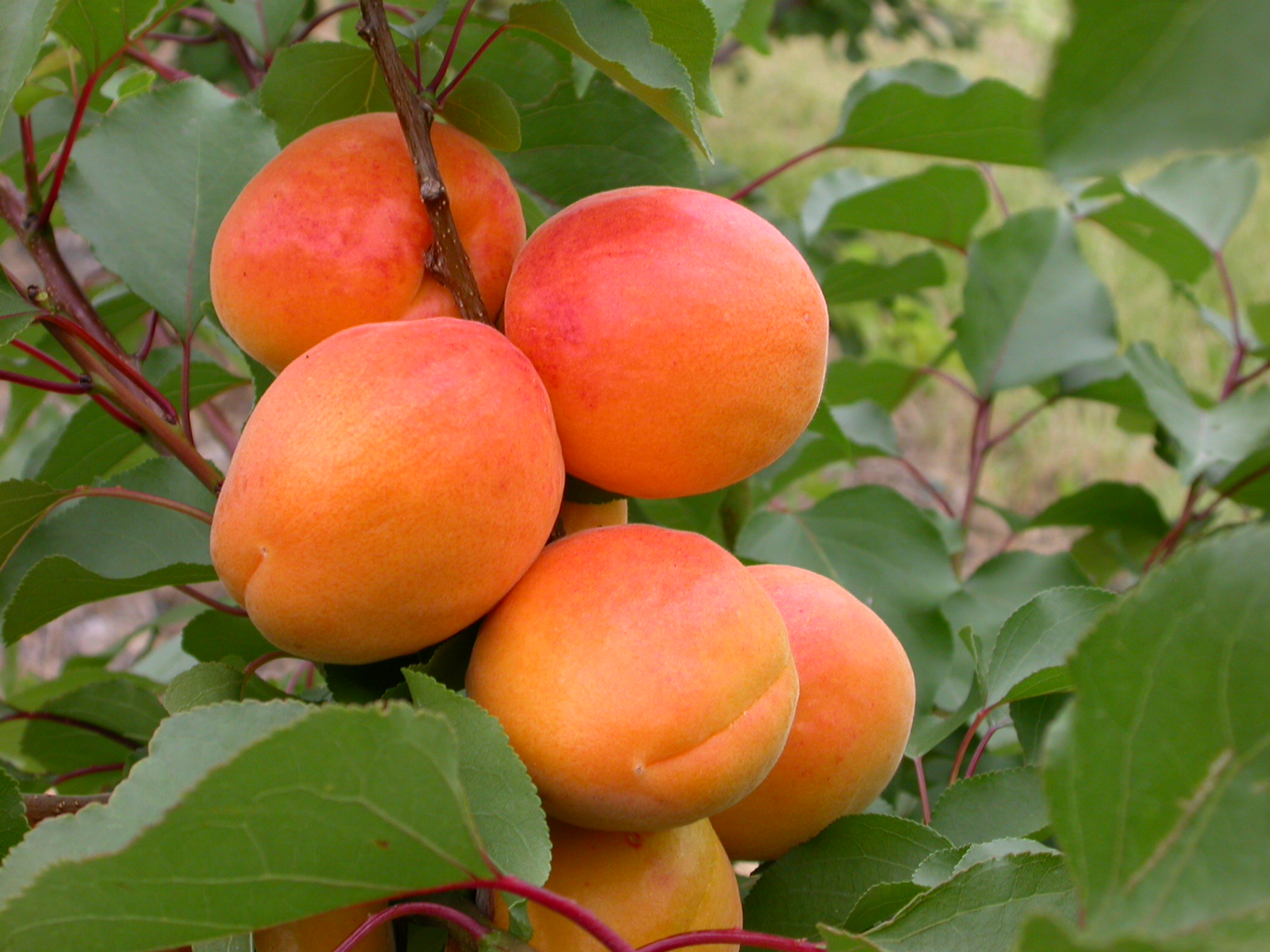
Today is National Apricot Day! Apricots are both flavorful, colorful fruits and highly nutritious. Internally, apricots may boost gut health, and externally, they may boost skin health. Apricots (Prunus armeniaca) are stone fruits also known as Armenian plums. Round and yellow, they look like a smaller version of a peach but share the tartness of purple plums. They’re extremely nutritious and have many health benefits, such as improved digestion and eye health.

Here are 9 health and nutrition benefits of apricots.

1 Very nutritious and low in calories

Apricots are very nutritious and contain many essential vitamins and minerals.

Just 2 fresh apricots (70 grams) provide

Calories: 34

Carbs: 8 grams

Protein: 1 gram

Fat: 0.27 grams

Fiber: 1.5 grams

Vitamin A: 8% of the Daily
Value (DV)

Vitamin C: 8% of the DV

Vitamin E: 4% of the DV

Potassium: 4% of the DV

Furthermore, this fruit is a decent source of beta carotene, lutein, and zeaxanthin, all of which are potent antioxidants that help fight free radicals in your body. It’s best to enjoy apricots whole and unpeeled, as the skin boasts large amounts of fiber and nutrients. Be sure to discard the stone, as it’s inedible.

2 High in antioxidants

Apricots are a great source of many antioxidants, including beta carotene and vitamins A, C, and E. What’s more, they’re high in a group of polyphenol antioxidants called flavonoids, which have been shown to protect against illnesses, including diabetes and heart disease. The main flavonoids in apricots are chlorogenic acids, catechins, and quercetin. These compounds work to neutralize free radicals, which are harmful compounds that damage your cells and cause oxidative stress. Oxidative stress is linked to obesity and many chronic diseases, such as heart disease. In one study in 2,375 people, researchers developed a scoring system to measure changes in levels of inflammatory markers. They found that high flavonoid and anthocyanin intakes were associated with a 42% and 73% lower inflammation score, respectively. High flavonoid intake was also tied to a 56% lower oxidative stress score.

3 May promote eye health

Apricots boast multiple compounds that are essential for eye health, including vitamins A and E.  Vitamin A plays a vital role in preventing night blindness, a disorder caused by lack of light pigments in your eyes, while vitamin E is a fat-soluble antioxidant that enters your eyes directly to protect them from free radical damage. Meanwhile, beta carotene — which gives apricots their yellow-orange color — serves as a precursor to vitamin A, meaning that your body can convert it into this vitamin. Other important apricot carotenoids include lutein and zeaxanthin. Found in the lenses and retinas of your eyes, they safeguard against oxidative stress.

4 May boost skin health

Eating apricots may benefit your skin. The main causes of wrinkles and skin damage are environmental factors, such as the sun, pollution, and cigarette smoke. What’s more, research indicates a direct link between ultraviolet (UV) light exposure, sunburns, and your risk of melanoma, a deadly form of skin cancer. Notably, you can fight some of this skin damage through a healthy diet full of antioxidants, which apricots provide. Vitamins C and E, both found in this fruit, may aid your skin. In particular, vitamin C protects against UV damage and environmental pollutants by neutralizing free radicals. Furthermore, this vitamin helps build collagen, which gives your skin strength and elasticity. Eating a diet high in vitamin C can help your skin heal from UV damage and prevent wrinkles. Beta carotene, another apricot nutrient, may protect against sunburns. In a 10-week study, supplementing with beta carotene reduced sunburn risk by 20%.

5 May promote gut health

Apricots may promote gut health. One cup (165 grams) of sliced apricots provides 3.3 grams of fiber, which is 8.6% and 13.2% of the DV for men and women, respectively. Apricots contain both soluble and insoluble fiber. The soluble kind dissolves in water and includes pectin, gums, and long chains of sugar called polysaccharides, while the insoluble kind doesn’t dissolve in water and includes cellulose, hemicellulose, and lignin. Apricots are particularly high in soluble fiber, which is important for maintaining healthy blood sugar and cholesterol levels. Furthermore, fiber delays the movement of food through your digestive tract and feeds your beneficial gut bacteria. A healthier gut microbiome is linked to a lower risk of obesity. While a single apricot (35 grams) holds only 0.7 grams of fiber, it’s easy to eat a few in one sitting.

6 High in potassium

Apricots are high in potassium, a mineral that also serves as an electrolyte. In your body, it’s responsible for sending nerve signals and regulating muscle contractions and fluid balance. Two apricots (70 grams) provide 181 mg of this mineral, which is 4% of the DV. As potassium works closely with sodium to maintain fluid balance, adequate intake may help prevent bloating and maintain healthy blood pressure. One analysis of 33 studies found that a diet rich in potassium significantly reduced blood pressure and resulted in a 24% lower risk of stroke.

7 Very hydrating

Like most fruits, apricots are naturally high in water, which can help regulate blood pressure, body temperature, joint health, and heart rate. One cup (165 grams) of sliced, fresh apricots provides almost 2/3 cup (142 ml) of water. As most people don’t drink enough water, eating fresh fruit can help you reach your daily needs.  If you’re dehydrated, your blood volume drops, forcing your heart to work harder to pump blood. Furthermore, staying hydrated allows your blood to circulate waste products and nutrients throughout your body. What’s more, eating apricots can be an easy way to replenish both water and electrolyte loss after exercise, as this fruit offers good amounts of water and potassium.

8 May protect your liver

Some data suggests that apricots may help protect your liver from oxidative stress. In two animal studies, rats fed alcohol and apricots had lower levels of liver enzymes and markers of inflammation than rats given alcohol but no apricots. This research suggests that apricots may help prevent liver damage because of their naturally high antioxidant content.  That said, it’s hard to know whether this fruit provides the same benefit in humans. More research is necessary.

9 Easy to add to your diet

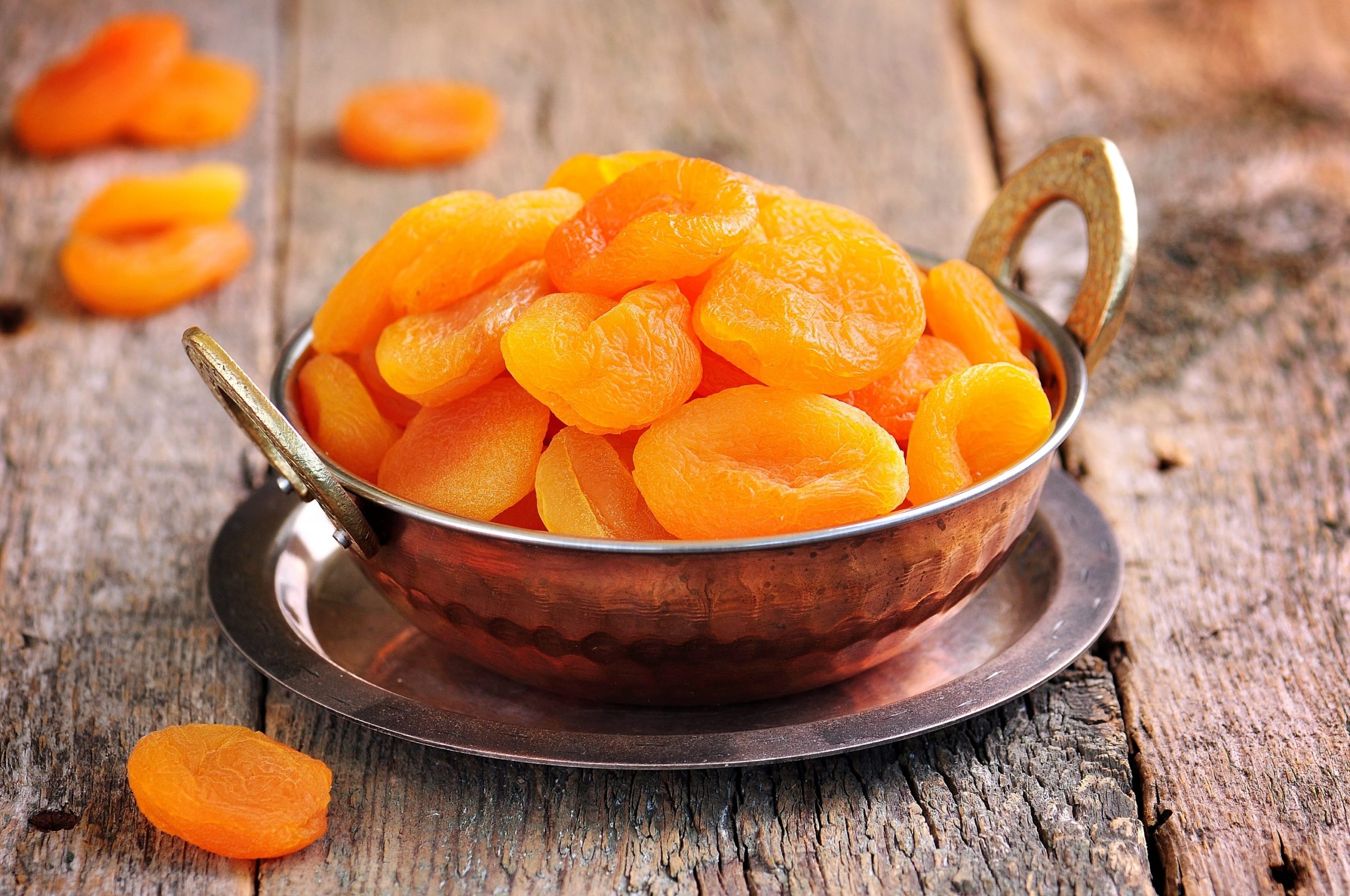
Both fresh and dried apricots make for a quick, delicious snack or an easy addition to your favorite meal. You can add them to your diet in a variety of ways, including:

stirred into trail mix or granola

eaten fresh as a snack

sliced and added to yogurt or salad

used in jams, preserves, and
salsas

stewed in a slow-cooker with meat,
such as chicken or beef

added to
desserts like pies, cakes, and pastries

As they’re sweet and tart, apricots can be used as a replacement for peaches or plums in most recipes.

The bottom line

Apricots are a delicious fruit packed with vitamins, fiber, and antioxidants. They have multiple benefits, including improved eye, skin, and gut health. Fresh or dried, apricots are easy to add to yogurt, salads, and main meals. If you’re used to eating peaches and plums, apricots can be a great way to change up your routine.

SOURCE: HEALTHLINE.COM