What Shall We Make Today?

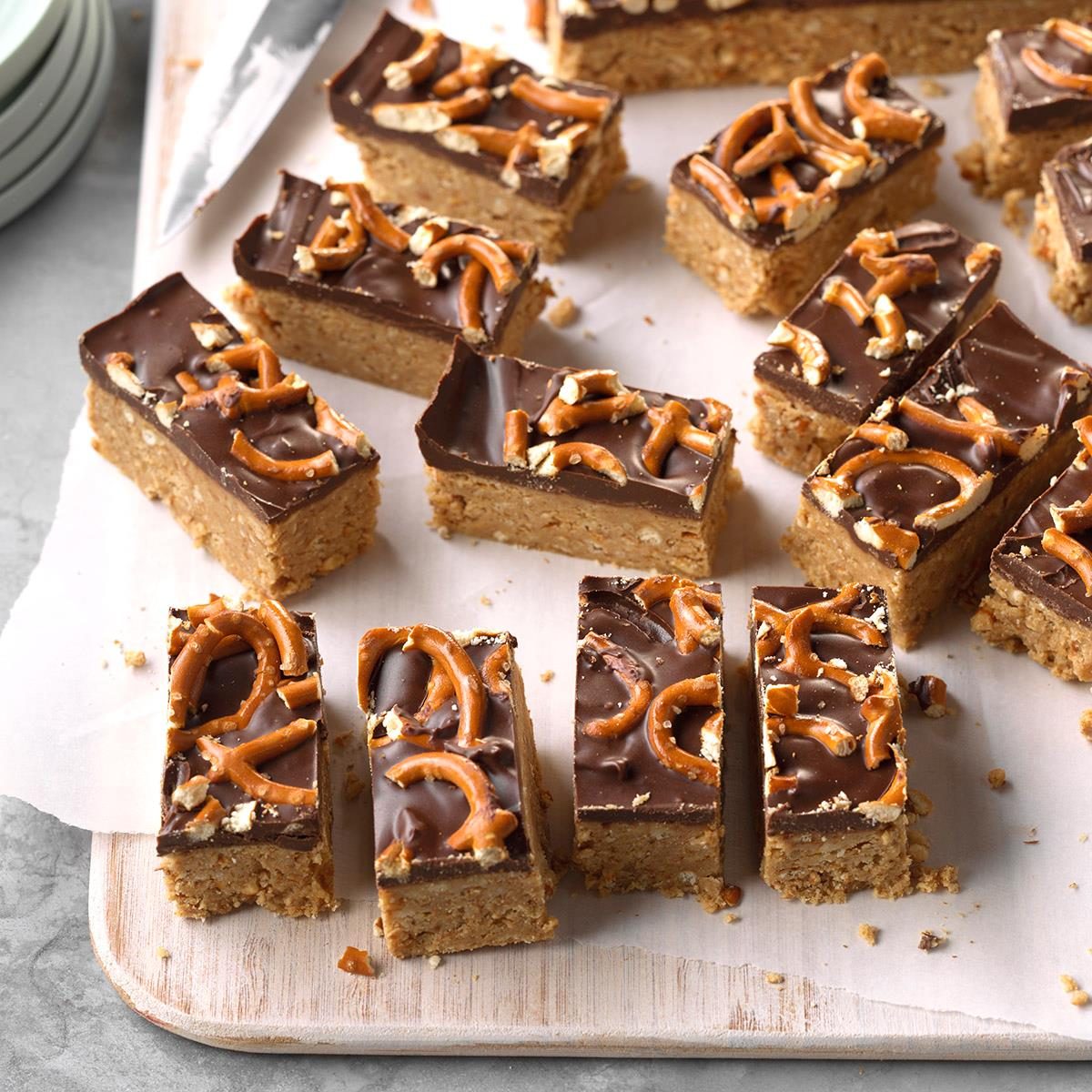
Today’s offering is another no-bake recipe…Peanut Butter Pretzel Bars!

Ingredients

1 package (16 ounces) miniature pretzels, divided

1-1/2 cups butter, melted

1-1/2 cups peanut butter

3 cups confectioners’ sugar

2 cups semisweet chocolate chips

1 tablespoon shortening

Directions

Line a 13×9-in. baking pan with foil, letting ends extend up sides. Set aside 1-1/2 cups pretzels for topping. In a food processor, pulse remaining pretzels until fine crumbs form. In a large bowl, mix butter, peanut butter, confectioners’ sugar and pretzel crumbs.

Press mixture into prepared pan. In a microwave, melt chocolate chips and shortening; stir until smooth. Spread over peanut butter layer. Break reserved pretzels and sprinkle over top; press down gently. Refrigerate, covered, until set, about 1 hour. Lifting with foil, remove from pan. Cut into bars.

ENJOY!

What Shall We Bake Today?

Since we’re getting into those hotter summer months, I thought I’d bring some good desserts that need NO BAKING! 

Philadelphia No-Bake Cheesecake

Ingredients

1 (8-ounce) package cream cheese (softened)

1 cup sour cream

1⁄2 cup sugar

2 teaspoons vanilla extract

1 (8-ounce) container nondairy whipped topping (Cool Whip)

1 9-inch graham cracker pie crust

pie filling, for topping (optional)

Instructions

Beat together the cream cheese, sour cream, sugar, and vanilla until you form a smooth mixture.

Gently fold in the Cool Whip.

Pour the cheesecake filling into a store-bought graham cracker crust and smooth the top with a spoon or spatula.

Cover with plastic wrap and refrigerate for at least 4 hours to allow it to set–preferably overnight.

Just before serving, top with your favorite cheesecake topping.

Enjoy!

Weird Fruits: Red Bananas

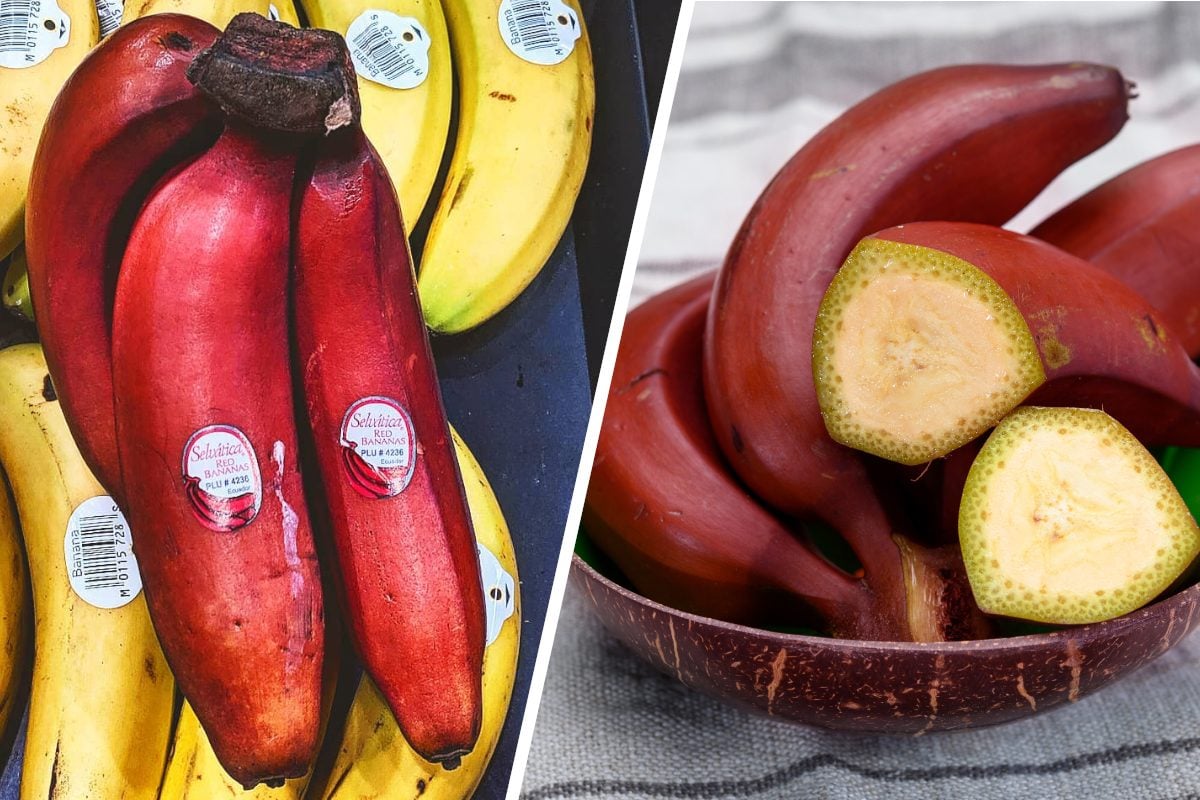
I came across this article on healthline.com on red bananas—their benefits, similarities and differences from yellow bananas.

From healthline.com:

Red bananas are rich in antioxidants, vitamin C, and vitamin B6. They offer a low-calorie but high-fiber addition to meals, snacks, and desserts. Nutrients in red bananas may contribute to improved heart and digestive health when eaten as part of an overall healthy diet.

There are over 1,000 different varieties of bananas around the world. Red bananas are a subgroup of bananas from Southeast Asia with red skin. They’re soft and have a sweet flavor when ripe. Some people say they taste like a regular banana — but with a hint of raspberry sweetness. They’re often used in desserts but pair well with savory dishes, too. Red bananas provide many essential nutrients and may benefit your immune system, heart health, and digestion.

Here are 7 benefits of red bananas — and how they differ from yellow ones.

Contain Many Important Nutrients

Like yellow bananas, red bananas provide essential nutrients. They’re particularly rich in potassium, vitamin C, and vitamin B6 and contain a fair amount of fiber.  A small red banana only has about 90 calories and consists mostly of water and carbs. The high amounts of vitamin B6, magnesium, and vitamin C make this banana variety particularly nutrient dense.

Potassium is a mineral essential for heart health due to its role in regulating blood pressure.  Red bananas are rich in potassium — with one small fruit providing 9% of the RDI. Research shows that eating more potassium-rich foods may help reduce blood pressure.

Red bananas contain carotenoids — pigments that give the fruits their reddish peel.  Lutein and beta carotene are two carotenoids in red bananas that support eye health.

Like most other fruits and vegetables, red bananas contain powerful antioxidants. In fact, they provide higher amounts of some antioxidants than yellow bananas. Antioxidants are compounds that prevent cellular damage caused by molecules called free radicals. Excessive free radicals in your body may lead to an imbalance known as oxidative stress, which is linked to conditions like heart disease, diabetes, and cancer.

 May Support Your Immune System

Red bananas are rich in vitamins C and B6. These nutrients are essential for a healthy immune system. One small red banana provides 9% and 28% of the RDIs for vitamins C and B6, respectively. Vitamin C boosts immunity by strengthening the cells of your immune system.

May Improve Digestive Health

Red bananas support your digestive system in many ways.

Contain Prebiotics

Prebiotics are a type of fiber that feeds your beneficial gut bacteria. Like yellow bananas, red bananas are a great source of prebiotic fiber.

Good Source of Fiber

One small red banana provides 3 grams of fiber — about 10% of the RDI for this nutrient.

In addition to their health benefits, red bananas are delicious and easy to eat. They’re an extremely convenient and portable snack. Due to their sweet taste, red bananas also offer a healthy way to naturally sweeten a recipe. Red bananas are also a great addition to recipes for muffins, pancakes, and homemade bread.

Red vs. Yellow Bananas

Red bananas are fairly similar to their yellow counterparts. They’re both good sources of dietary fiber and provide similarly high in calories and carbs. Though red bananas are sweeter, they have a lower GI score than yellow bananas. The GI is a scale from 0 to 100 which measures how quickly foods increase blood sugar levels. Lower GI scores indicate a slower absorption into the blood. Yellow bananas have an average GI score of 51, while red bananas score lower on the scale at roughly 45.

Red bananas are a unique fruit that provides many health benefits. They’re rich in antioxidants, vitamin C, and vitamin B6. They offer a low-calorie but high-fiber addition to meals, snacks, and nourishing desserts. Among other things, the nutrients in red bananas may contribute to improved heart and digestive health when eaten as part of an overall healthy diet.

SOURCE: HEALTHLINE.COM

What Shall We Bake Today?

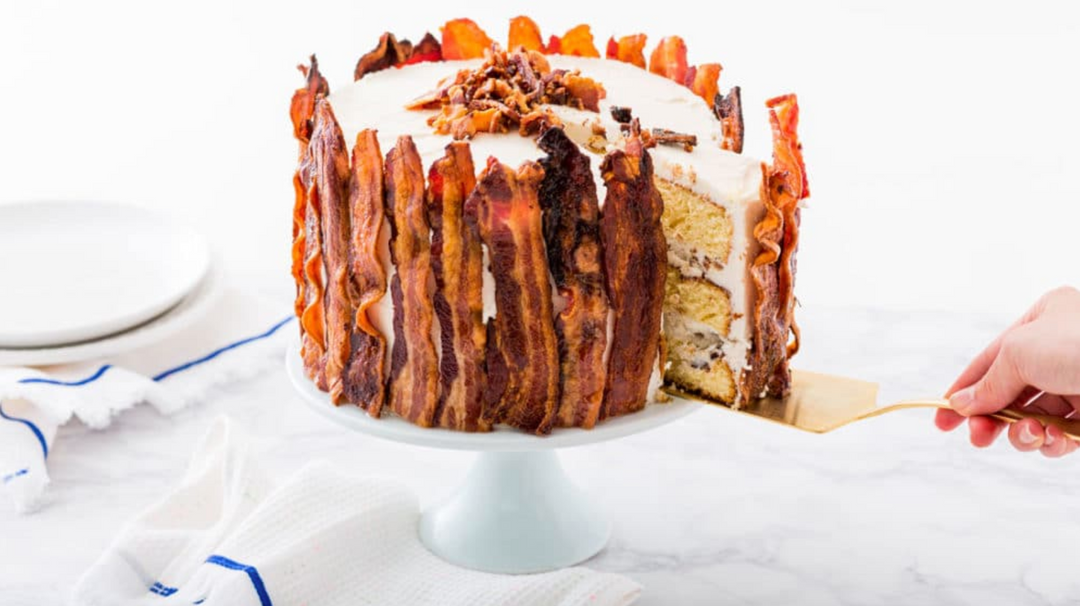
In honor of Father’s Day this month, today’s offering is 3 Layer Bacon & Beer Cake!

Ingredients

2 boxes Vanilla Cake Mix

2 tubs Vanilla Buttercream Frosting

6 eggs

1 cup butter (2 sticks), melted

1 can beer

16 strips bacon

½ cup brown sugar (if making candied bacon)

Directions

Preheat oven to 350 degrees F and spray 3 8-inch round cake pans with baking spray.

In a large bowl, mix together cake mix, eggs, butter and beer together until combined. Divide mix evenly into the three greased cake pans and bake at 350 degrees F for 22-25 minutes. Cool completely.

Cook bacon either on stovetop or in the oven until crispy. If cooking on a stovetop, cook the bacon on low heat for 5-7 minutes on each side and set on a paper towel to drain. If using the oven, cook at 400 degrees F for 20 minutes and set on a paper towel to drain. If you want to make candied bacon, rub brown sugar on both sides of the bacon before cooking.

Roughly chop 5 pieces of bacon and set aside.

Frost the top of one cake layer and sprinkle some bacon bits on top. Stack another cake layer on top and frost and sprinkle bacon. Stack the third cake layer on top. Frost the top and sides of the cake.

Place the bacon strips all the way around the edge of the cake. Top the remaining bacon bits on the top of the cake. Enjoy!

What Shall We Bake Today?

Hubby likes pineapple upside down cake, so I thought I’d look for a version for Filly…our resident peach lover!  And I found one…Peach Upside Down Cake!

Ingredients

For the Topping:

4 tablespoons unsalted butter

1/2 cup light or dark brown sugar

1/2 teaspoon ground ginger

2 large ripe peaches, peeled, pitted, and cut into 1/2-inch slices, (or 1 1/2 cups frozen unsweetened sliced peaches, left frozen)

1 cup fresh raspberries

For the Cake:

3 tablespoons unsalted butter

1/4 cup granulated sugar

1/3 cup honey

1 large egg, at room temperature

1/2 teaspoon salt

1 3/4 teaspoons baking powder

1/8 teaspoon baking soda

1 1/2 teaspoons pure vanilla extract

2/3 cups all-purpose flour

1/4 cup plus 2 tablespoons milk

2/3 cups all-purpose flour

Instructions

Place a rack in the center of your oven and preheat the oven to 350 degrees F. Lightly grease a 9-inch round cake pan with nonstick spray.

For the topping, melt the butter over medium-low in a small saucepan. Add the sugar and ginger and stir until smooth and the butter is incorporated with the sugar, about 2 to 3 minutes. The mixture will be very thick, like melted caramel.

Remove from heat. If the butter separates from the sugar as it cools, simply stir it back together (a little separation is OK). Spoon the mixture into the prepared pan, then spread it in a thin, even layer, stretching all the way to the edges of the pan. I found it worked best to use the back of a spoon, then once the caramel was cool enough, gently press it with my fingers.

Arrange the peaches and raspberries in a single layer on top of the caramel.

To make the cake, beat the butter and sugar on medium speed in a large mixing bowl until smooth and creamy.

Add in the honey, egg, salt, baking powder, baking soda, and vanilla and stir until completely combined. Stop to scrape down the bowl as needed.

With the mixer running on medium speed, gradually mix in the first 2/3 cup of flour, then the milk, then the remaining 2/3 cup of flour, incorporating completely between additions and stopping to scrape down the bowl as needed. Once the last of the flour is added, mix very briefly, just until smooth. Do not overbeat. The batter will be very thick.

Transfer the batter to the top of the fruit in the pan, spreading it to the pan’s edges. The cake will seem thin but will rise as it bakes.

Bake for 25 to 30 minutes, until deep golden brown and a toothpick inserted into the center comes out clean. The top of the cake will spring back lightly when touched. Place the pan on a wire rack and let the cake cool in the pan for 10 minutes.

Run a sharp knife along the cake’s edge to loosen it from the pan, then invert the cake onto a serving plate. Let the pan rest upside down on the plate for 1 minute, then gently lift the pan away. Let cool on the plate for 10 additional minutes. Enjoy warm or at room temperature.

ENJOY!

What Shall We Bake Today?

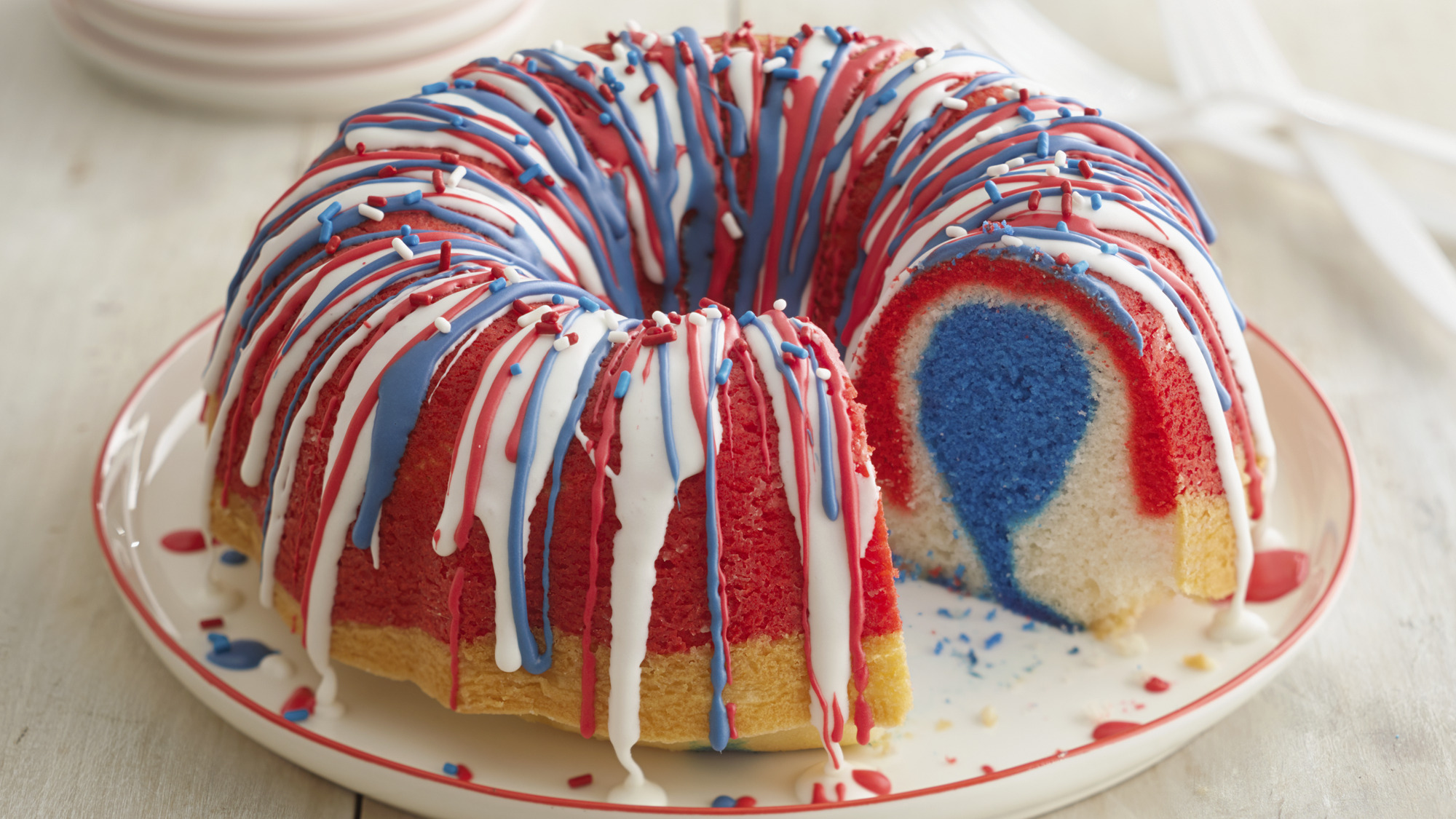
In honor of Memorial Day, today’s entry is a Patriotic Memorial Day Cake.  The technique used to make the multi colored cake can be used for any holiday!

Patriotic Memorial Day Cake

Ingredients

  • 1 box White Cake Mix
  • Water, vegetable oil and whole eggs called for on cake mix box
  • 1 1/4 teaspoons red gel food color
  • 1 1/4 teaspoons blue gel food color
  • 1/2 cup from 1 tub (16 oz) Creamy Vanilla Frosting
  • 2 teaspoons Red, White & Blue Sprinkles, if desired

Steps

Heat oven to 350°F. Generously spray 12-cup fluted tube cake pan with baking spray with flour.

In large bowl, beat cake mix, water, oil and whole eggs with electric mixer on medium speed 2 minutes, scraping bowl occasionally. In small bowl, place 1 cup of the batter; stir in 1 teaspoon of the red food color until blended. In another small bowl, place 1 cup of the batter; stir in 1 teaspoon of the blue food color until blended.

Pour red cake batter into bottom of pan. Carefully pour remaining white batter over red batter in pan. Carefully pour blue batter over white batter. (Blue batter does not need to cover white batter completely; it looks better if it just forms a ring in the center of the white batter.)

Bake 39 to 44 minutes or until toothpick inserted in center comes out clean. Remove cake from oven. Let stand 10 minutes, remove from pan to cooling rack. Cool completely, about 1 hour.

Place cake on cooling rack over waxed paper or cooking parchment paper. In small microwavable bowl, place 1/4 cup of the frosting. Microwave uncovered on High 10 to 15 seconds or until thin enough to drizzle over cake. With spoon, drizzle warmed frosting back and forth over cake in striping pattern. Divide remaining frosting between 2 small microwavable bowls. To 1 bowl, stir in 1/4 teaspoon red food color until well blended. Microwave uncovered on High 5 to 10 seconds or until thin enough to drizzle. Drizzle over cake. Repeat with remaining bowl of frosting and 1/4 teaspoon blue food color. Sprinkle candy sprinkles on top. Let stand about 30 minutes or until frosting is set. Store loosely covered at room temperature.

Tips from the Betty Crocker Kitchens

When you add batter to pan, do not mix with spoon. Just pour in so colors don’t mix but rather just rest on top of each other in pan.

We like using baking spray with flour when baking our red, white and blue bundt cake for easy removal from pan. Greasing pans with shortening and lightly dusting with flour will also work.

Watch closely while warming frosting in the microwave; it doesn’t need a lot of time before it starts to melt down into a looser texture for drizzling.

ENJOY!

What Shall We Make Today?

This month’s popcorn recipe is Maple Crunch Popcorn.

Ingredients

10 cups popped popcorn (purchased bagged popcorn can be used)

1-1/2 cups chopped pecans, toasted

1-1/3 cups sugar

1 cup butter, cubed

1/4 cup maple syrup

1/4 cup corn syrup

1/2 teaspoon salt

1 teaspoon maple flavoring

Instructions

Line a baking sheet with wax paper and set aside. Place popcorn in a large bowl then set aside too.

In a medium saucepan, combine the sugar, butter, maple syrup, corn syrup and salt. Cook and stir over medium heat until a candy thermometer reads 300° (hard-crack stage).

Remove from the heat; stir in maple flavoring and chopped pecans. Quickly pour over popcorn mixture and mix well.

Transfer to baking sheets lined with waxed paper to cool. Break into clusters. Store in airtight containers.

Notes

You could pop your own popcorn. However, I like that bagged popcorn doesn’t have as many kernels and it’s not burned.

Store leftover popcorn in an airtight food storage container.

ENJOY!

What Shall We Bake Today?

As promised, today’s recipe is Katharine Hepburn’s Brownies!

From the epicurious website:

The best recipe I have for brownies comes from a friend who got it from a magazine article about Katharine Hepburn. It is, apparently, her family’s.

Ingredients

1 stick (8 tablespoons) butter

2 squares unsweetened chocolate

1 cup sugar

2 eggs

1/2 teaspoon vanilla

1/4 cup all-purpose flour

1/4 teaspoon salt

1 cup chopped walnuts (optional)

Preparation

1. Melt together 1 stick butter and 2 squares unsweetened chocolate and take the saucepan off the heat.

2. Stir in 1 cup sugar, add 2 eggs and 1/2 teaspoon vanilla, and beat the mixture well.

3. Stir in 1/4 cup all-purpose flour and 1/4 teaspoon salt. (In the original recipe, 1 cup chopped walnuts is added here as well.)

4. Bake the brownies in a buttered and floured 8-inch-square pan at 325°F for about 40 minutes.

You can cut these brownies into squares, once they have cooled, and eat them out of the pan, but it is so much nicer to pile them on a fancy plate, from which people are going to eat them with their hands anyway. If you want to smarten up your act you can put a square of brownie on a plate with a little blob of créme fraîche and a scattering of shaved chocolate.

ENJOY!

Weird Vegetables: Fiddleheads

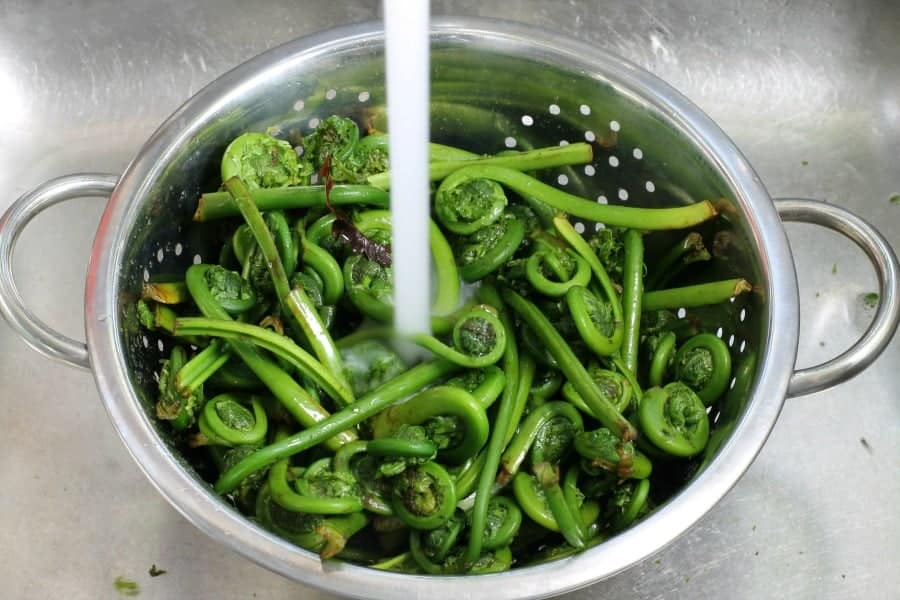
Foraged from the ostrich fern, fiddleheads are the plant’s young shoots that look like tiny scrolls popping out of the dirt. Only available for a short window of time during the spring, they are a delicious delicacy with many devoted fans who can hardly wait for fiddlehead season. Fiddleheads are foraged from the wild in certain parts of the U.S. and Canada where they’re also most often consumed. Some foragers sell them to markets, making them available to more people. Best when simply prepared by sautéing or steaming right after harvest, fiddleheads offer a charming taste of spring for simple dishes.

What Are Fiddleheads?

Fiddleheads are the tightly coiled tips of ferns that are eaten cooked. These delicate delights are available only in early spring when ferns grow their new shoots. The young fern fronds are mainly available by foraging or at farmers markets.

The fiddleheads eaten in North America are from the ostrich fern (Matteuccia struthiopteris). Other ferns can be toxic, so never forage without an experienced guide. It’s also important to harvest just a few fiddleheads in a cluster or the fern could die. Lucky for fiddlehead fans, ostrich ferns are fairly common, especially in temperate woodland areas and near streams. They grow in dense clumps, from the northern plains states to the east coast of the United States and throughout most of Canada.

It’s not necessary to forage them yourself because fiddleheads may be found at markets that specialize in wild foods. They are not widely available, however, and are expensive due to their short season. Fiddleheads require little preparation beyond a thorough rinse. They are best lightly cooked, whether sautéed, steamed, or boiled, and can be served as a light side or on top of a dish.

How to Cook with Fiddleheads

To prepare fiddleheads, start by removing any of the papery brown skin and trim away any brown stem ends. Wash them thoroughly to remove any dirt from the fronds. A good way to wash them is to fill a sink with cold water and submerge the fiddleheads, swishing them around to loosen any dirt. Depending on how dirty they are, you might have to fill the sink again and repeat the process.

The next step is to boil the fiddleheads. This stage of cooking is for the purpose of deactivating the toxin, so even if you plan to roast or sauté the fiddleheads, don’t skip this step. Bring a large pot of water to a boil, add the fiddleheads, and simmer for 10 to 15 minutes. Then drain the fiddleheads and plunge them into a bowl of ice water to stop the cooking. Let them cool until they’re no longer warm to the touch, then drain again and dry them thoroughly with paper towels. Fiddleheads cooked this way will be tender but will retain their crisp, snappy bite.

Instead of boiling, you can steam them in a steamer basket for 10 to 12 minutes, then chill in the ice bath and drain as described. When steamed, fiddleheads have a slightly more bitter flavor than when they’re boiled, similar to broccoli rabe. Steamed or boiled fiddleheads can be served as-is or sautéed.

SOURCE: The Spruce Eats.com

What Shall We Bake Today?

Georgia and I were discussing muffins a little while ago and I thought I’d post this recipe for Good Morning Sunshine Muffins!

Good Morning Sunshine Muffins

Ingredients

1 cup all-purpose flour

1 cup whole-wheat flour (or substitute another cup of all-purpose flour)

1 cup rolled oats

2 teaspoons baking powder

½ teaspoon baking soda

½ teaspoon salt

1/2 teaspoon ground cinnamon

1/4 teaspoon ground ginger

1 cup whole milk (can sub unsweetened almond milk or soy milk)

3/4 cup applesauce

3/4 cup packed brown sugar (use 1/2 cup if you prefer a less-sweet muffin)

1/3 cup vegetable oil (can sub melted coconut oil)

1 egg

2 teaspoons pure vanilla extract

1 1/2 cups carrot (grated (about 3 medium carrots))

1/2 cup + 2 tablespoons sweetened flaked coconut

1 cup fresh pineapple (cut into 1/4-inch dice or “tidbit” size -or- use canned pineapple tidbits, drained -or- 1 cup frozen pineapple tidbits)

Instructions

Preheat oven to 375 degrees Fahrenheit. Grease or place cupcake wrappers in a standard-size, 12-cup muffin pan.

In a large bowl, whisk together the flours, oats, baking powder, baking soda, salt, cinnamon, and ginger.

In a medium bowl, whisk together the milk, applesauce, brown sugar, vegetable oil, egg, and vanilla extract.

Pour the wet ingredients over the dry and whisk just until all ingredients are incorporated. Gently stir in the carrots, 1/2 cup coconut, and pineapple.

Use a cookie scoop to divide the mixture between the muffin cups. Cups should be filled to the top.

Sprinkle tops evenly with remaining 2 tablespoons coconut.

Bake for 20 – 25 minutes or until muffin tops spring back when poked and a toothpick inserted into the center comes out clean.

Allow to cool for 5 – 10 minutes before removing from the muffin tin. Serve plain or with butter, if desired.

Store in an airtight container at room temperature for 2 – 3 days, or freeze.

ENJOY!