125 Interesting Facts About Everything Part 5

Fact: The French-language Scrabble World Champion doesn’t speak French

New Zealand native Nigel Richards memorized the entire French Scrabble dictionary, which has 386,000 words, in nine weeks to earn his title. He has also won the English World Scrabble Championship three times, the U.S. national championships five times, and the U.K. Open Scrabble tournament six times. This comes 20 years after a 28-year-old Richards first played the game.

Fact: A woman called the police when her ice cream didn’t have enough sprinkles

The West Midlands police in England released a recording of a woman who called 999 (the U.K. version of 911) because there were “bits on one side and none on the other,” she says in the recording. She was even more upset when the ice cream truck man did not want to give her money back.

Fact: Uncle Ben’s rice was air-dropped to World War II troops

German chemist Erich Huzenlaub invented a process of parboiling rice to keep more nutrients in the rice and lessen the cooking time. The “Huzenlaub Process” had another unexpected benefit: It stopped bug infestations. The quick-cook, bug-free rice was a big advantage during World War II, and converted rice (as it was then known) was air-dropped to American and British troops. After the war, the company rebranded itself and became Uncle Ben’s Original Converted Brand Rice, named after one of the company’s best rice suppliers. The product hit grocery store shelves in 1947.

Fact: The British Empire was the largest empire in world history

The British Empire was most powerful in the 1920s, when it controlled 23 percent of the world’s population and approximately 13.7 million square miles of territory—or nearly a quarter of the Earth’s land area, according to a report from Statista.

Fact: South American river turtles talk in their eggs

Turtles don’t have vocal cords, and their ears are internal, so scientists believed that turtles were deaf and didn’t communicate through sounds. But research has found that turtles actually communicate at an extremely low frequency that sounds like “clicks, clucks, and hoots” that can only be heard through a hydrophone (a microphone used underwater). These sounds even come from the egg before the turtle hatches. Researchers hypothesize that this helps all the turtle siblings hatch at once.

Fact: Penicillin was first called “mold juice”

In 1928, bacteriologist Alexander Fleming left a petri dish in his lab while he was on vacation—only to return and find that some liquid around the mold had killed the bacteria in the dish. This became the world’s first antibiotic, but before naming it penicillin, he called it “mold juice.”

Fact: The first stroller was engineered to be pulled by a goat (or animal of similar size)

William Kent, a landscape architect, invented the first stroller for the third Duke of Devonshire in 1733. But upper-class parents were hardly expected to put effort into transporting their children around, so Kent designed his model to be pulled by a small animal, like a goat.

Fact: May 20, 1873, is the “birthday” of blue jeans

According to the Levi Strauss company, this was the day that Levi Strauss and Jacob Davis, the innovators behind the sturdy blue jeans we all love, got a patent on the process of adding metal rivets to men’s denim work pants. The pants were called waist overalls until 1960, when baby boomers began calling them jeans.

Fact: 170-year-old bottles of champagne were found at the bottom of the Baltic Sea

The bottles of bubbly are believed to have been traveling from Germany to Russia during the 1800s when they sank to the bottom of the sea, according to New Scientist. It turns out that the bottom of the sea, where temperatures are between two and four degrees Celsius, is a great place for wine aging. Wine experts sampled the champagne and described it as “sometimes cheesy” with “animal notes” and elements of “wet hair.” Mmm.

Fact: The MGM lion roar is trademarked

At the start of any movie made by the Metro-Goldwyn-Mayer studio, the iconic lion roars at the audience. While MGM has gone through several iterations of lion mascots, the sound of the roar is always the same. The company trademarked the “sound mark” with the United States Patent and Trademark Office in the 1980s.

Fact: Neil Armstrong’s hair was sold in 2004 for $3,000

The lucky buyer, John Reznikoff, holds the Guinness World Record for the largest collection of hair from historical celebrities, reports NBC. But Armstrong’s lawyers threatened to sue Marx Sizemore, the not-so-lucky barber who cut the former astronaut’s hair; they said he violated an Ohio law that protects the rights of famous people. Sizemore said he wouldn’t pay, and Reznikoff said he wouldn’t give back the hair but that he’d donate $3,000 to charity.

Fact: Irish bars used to be closed on Saint Patrick’s Day

You might associate Saint Patrick’s Day with wearing green and drinking so much you think you actually see leprechauns. But until 1961, there were laws in Ireland that banned bars from opening on March 17. Since the holiday falls during the period of Lent in the heavily Catholic country, the idea of binge-drinking seemed a bit immoral.

Fact: Nikola Tesla hated pearls

The electrical engineer paved the way for current system generators and motors; the way electricity gets transmitted and converted to mechanical power is thanks to his inventions. But despite his patience with scientific experimentation, he apparently had no tolerance for pearls. When his secretary wore pearl jewelry one day, he made her go home.

Fact: Thomas Edison is the reason you love cat videos

After inventing the kinetograph in 1892, Edison was able to record and watch moving images for the first time. He filmed short clips in his studio, some of which feature famous people like Annie Oakley and Buffalo Bill. But the real stars of these early videos are the Boxing Cats—adorable cats that he recorded in a boxing ring circa 1894.

Fact: Brad Pitt suffered an ironic injury on a film set

In Troy, based on Homer’s Illiad, Pitt plays the brave (and buff) Greek hero Achilles. Legend has it that Achilles could not be defeated unless hit in his heel. (It’s where we get the term “Achilles’ heel,” meaning a vulnerable point.) While filming an epic battle scene, Pitt ironically hurt his Achilles tendon—an injury that set back the film’s production by two months.

Fact: Pregnancy tests date back to 1350 B.C.E.

According to a document written on ancient papyrus, Egyptian women urinated on wheat and barley seeds to determine if they were pregnant or not, reports the Office of History in the National Institutes of Health. If wheat grew, it predicted a female baby. If barley grew, it predicted a male baby. The woman was not pregnant if nothing grew. Experimenting with this seed theory in 1963 proved it was accurate 70 percent of the time.

Fact: Martin Luther King Jr. got a C in public speaking

The world remembers Dr. King as a leader of the Civil Rights Movement, and people often quote his “I Have a Dream” speech, which he delivered in 1963. Yet more than a decade before that legendary speech, while attending Crozer Theological Seminary in Pennsylvania, he earned a C in public speaking during his first and second term.

Fact: Bees can make colored honey

In France, there’s a biogas plant that manages waste from a Mars chocolate factory, where M&Ms are made. Beekeepers nearby noticed that their bees were making “unnatural shades of green and blue” honey. A spokesperson from the British Beekeepers’ Association theorized that the bees eating the sugary M&M waste caused the colored honey.

Fact: Bananas glow blue under black lights

To the everyday eye under normal conditions, ripe bananas appear yellow due to organic pigments called carotenoids. When bananas ripen, chlorophyll begins to break down. This pigment is the element that makes bananas glow, or fluoresce, under UV lights and appear blue.

Fact: Wimbledon tennis balls are kept at 68 degrees Fahrenheit

The temperature of a tennis ball affects how it bounces. At warmer temperatures, the gas molecules inside the ball expand, making the ball bounce higher. Lower temperatures cause the molecules to shrink and the ball to bounce lower. To make sure the best tennis balls are used, Wimbledon goes through more than 50,000 tennis balls each year.

Fact: Adult cats are lactose intolerant

Like some humans, adult cats don’t have enough of the lactase enzyme to digest lactose from milk, causing them to vomit, have diarrhea, or get gassy. Cats only have enough of that enzyme when they’re born and during the early years of their lives.

Fact: Albert Einstein’s eyeballs are in New York City
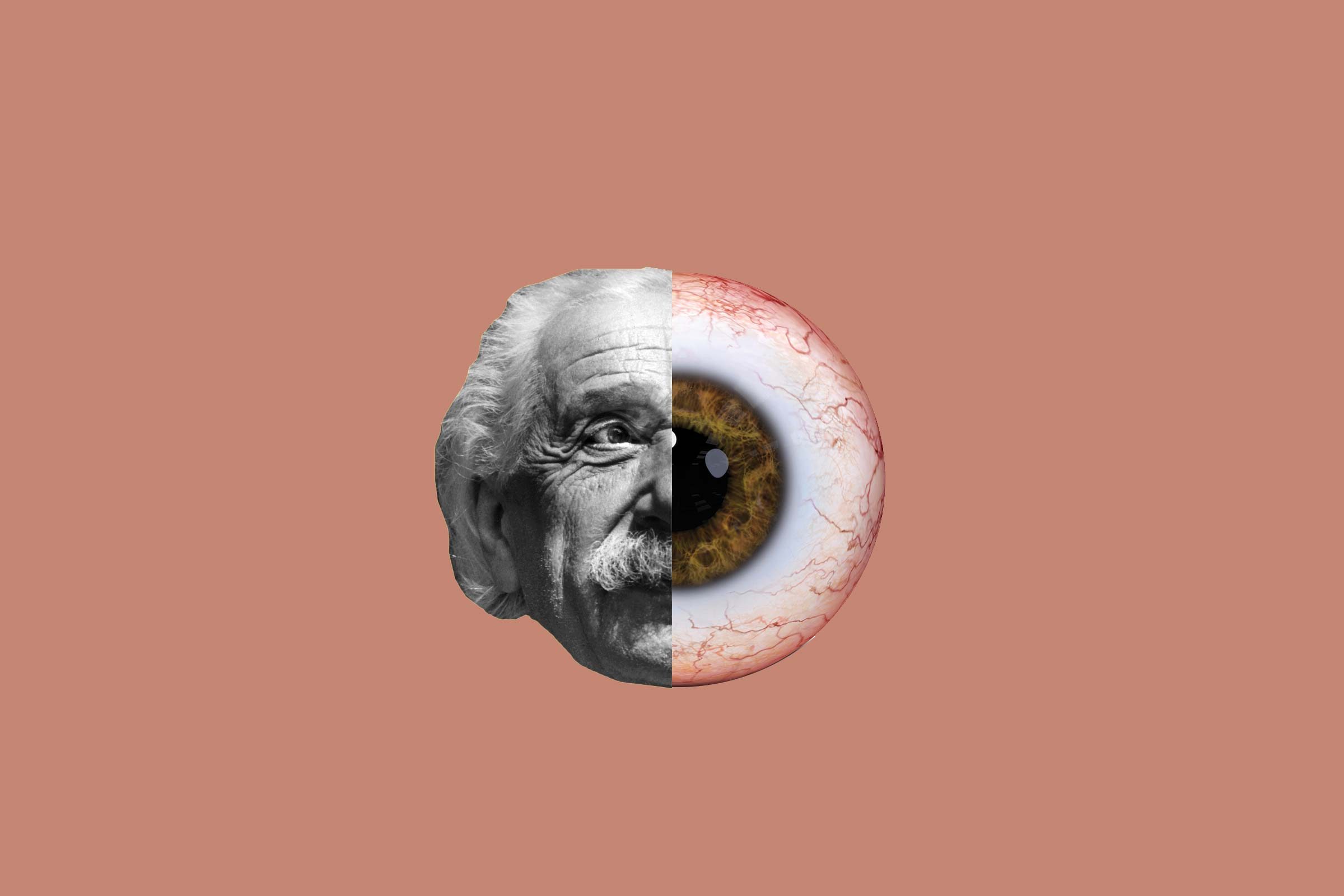
They were given to Henry Abrams and preserved in a safety deposit box. Abrams was Einstein’s eye doctor. He received the eyeballs from Thomas Harvey, the man who performed the autopsy on Einstein and illegally took the scientist’s brain for himself.

Fact: The Pope can’t be an organ donor

Pope Benedict XVI was issued an organ donor card in 1970. Once he ascended to the papacy in 2005, the card was invalid, reports the Telegraph. According to the Vatican, the Pope’s entire body must be buried intact because his body belongs to the universal Catholic Church.

Fact: A one-armed player scored the winning goal in the first World Cup

Héctor Castro, who accidentally cut off his right forearm while using an electric saw as a teenager, played on the Uruguay soccer team during the first-ever World Cup in 1930. In the last game between Uruguay and Argentina, Castro scored the winning goal in the last minute of the game. The final score was 4–2, making Uruguay the first country to win the World Cup title.

Fact: The world’s oldest toy is a stick

Think of how versatile a stick is. You can use it to play fetch with your dog, swing it as a bat, or use your imagination to turn it into a light saber. That’s why, in 2008, the National Toy Hall of Fame inducted the stick into its collection of amazing toys as, very possibly, the oldest toy ever.

SOURCE: Reader’s Digest: Elizabeth Yuko

What Shall We Bake Today?

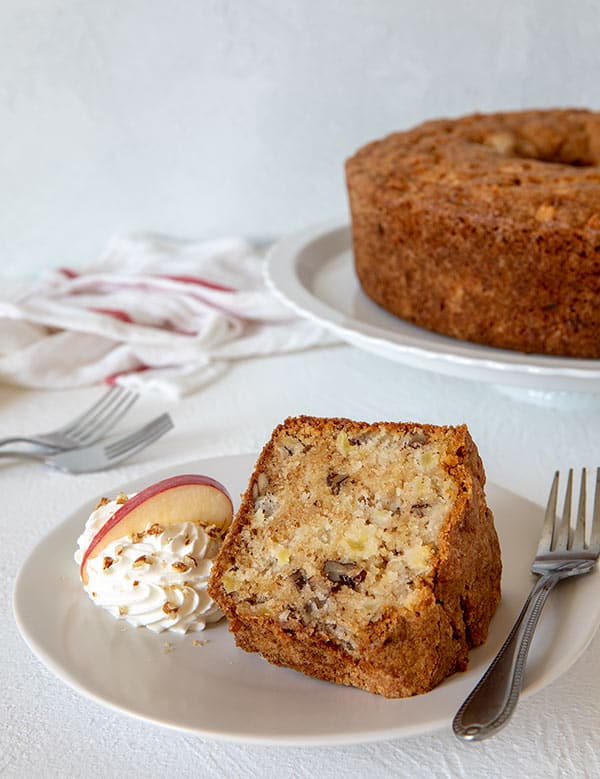
September starts the apple season here, so today’s offering is Apple Pecan Pound Cake!

Apple Pecan Pound Cake

Ingredients:

2 cups of sugar

1 ½ cups of vegetable oil 

2 tsp. vanilla

2 eggs

2 ½ cups of all-purpose flour 

1 tsp. baking soda

1 tsp. salt 

1 tsp. baking powder 

3 cups diced apples 

1 cup of chopped pecans  

Directions:

Preheat oven to 350*.

Grease and flour a bundt pan. Mix sugar, oil, vanilla and eggs together. In a separate bowl whisk flour, salt, baking soda and baking powder. Add to the mixture in the first bowl gradually.  When batter becomes stiff, mix by hand. Stir in apples, pecans. Pour into greased and floured 10 in. bunt pan.
Bake at 350 degrees for 1 hour. Cool in pan for 15 minutes before removing from pan to cool completely. 

Enjoy!

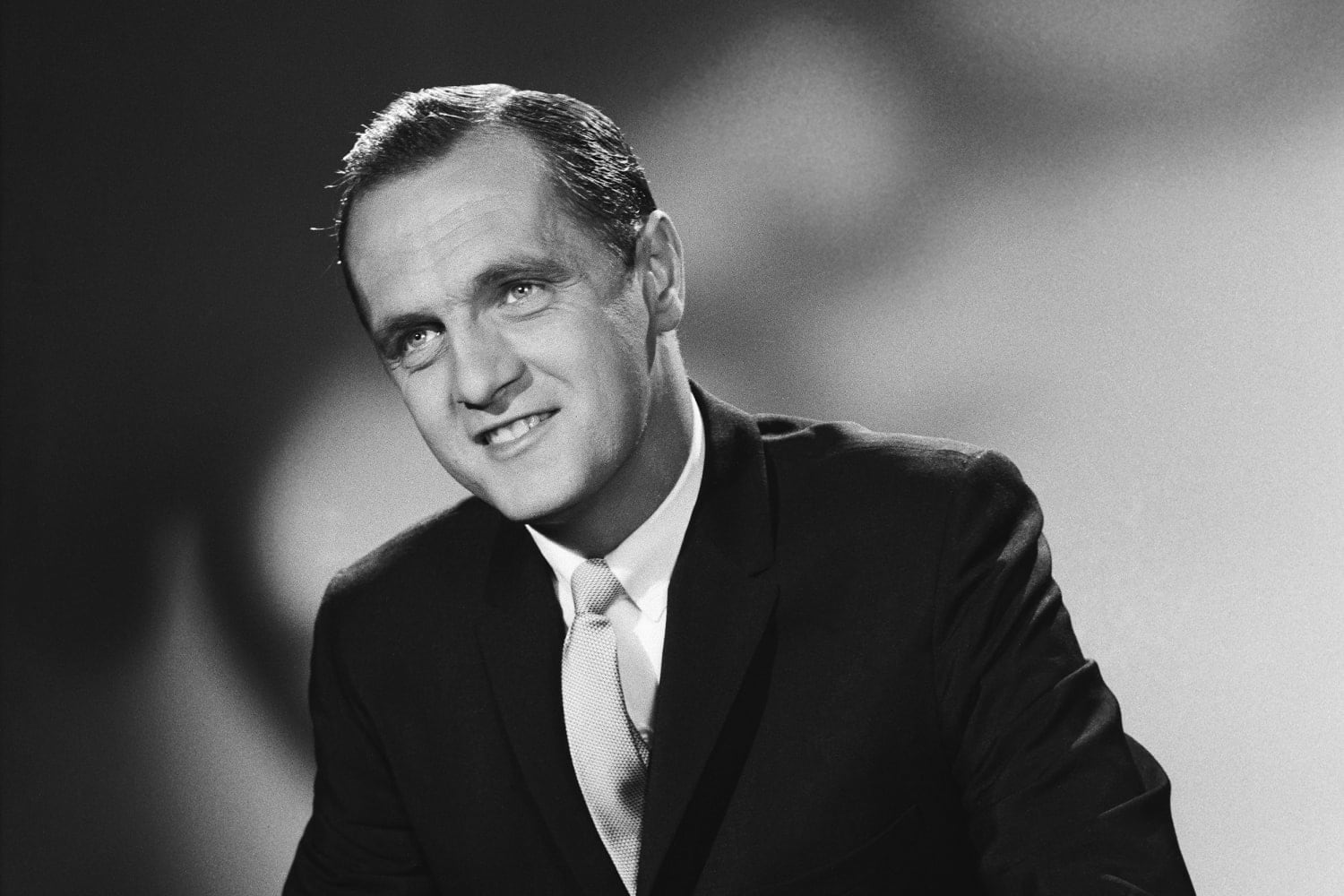
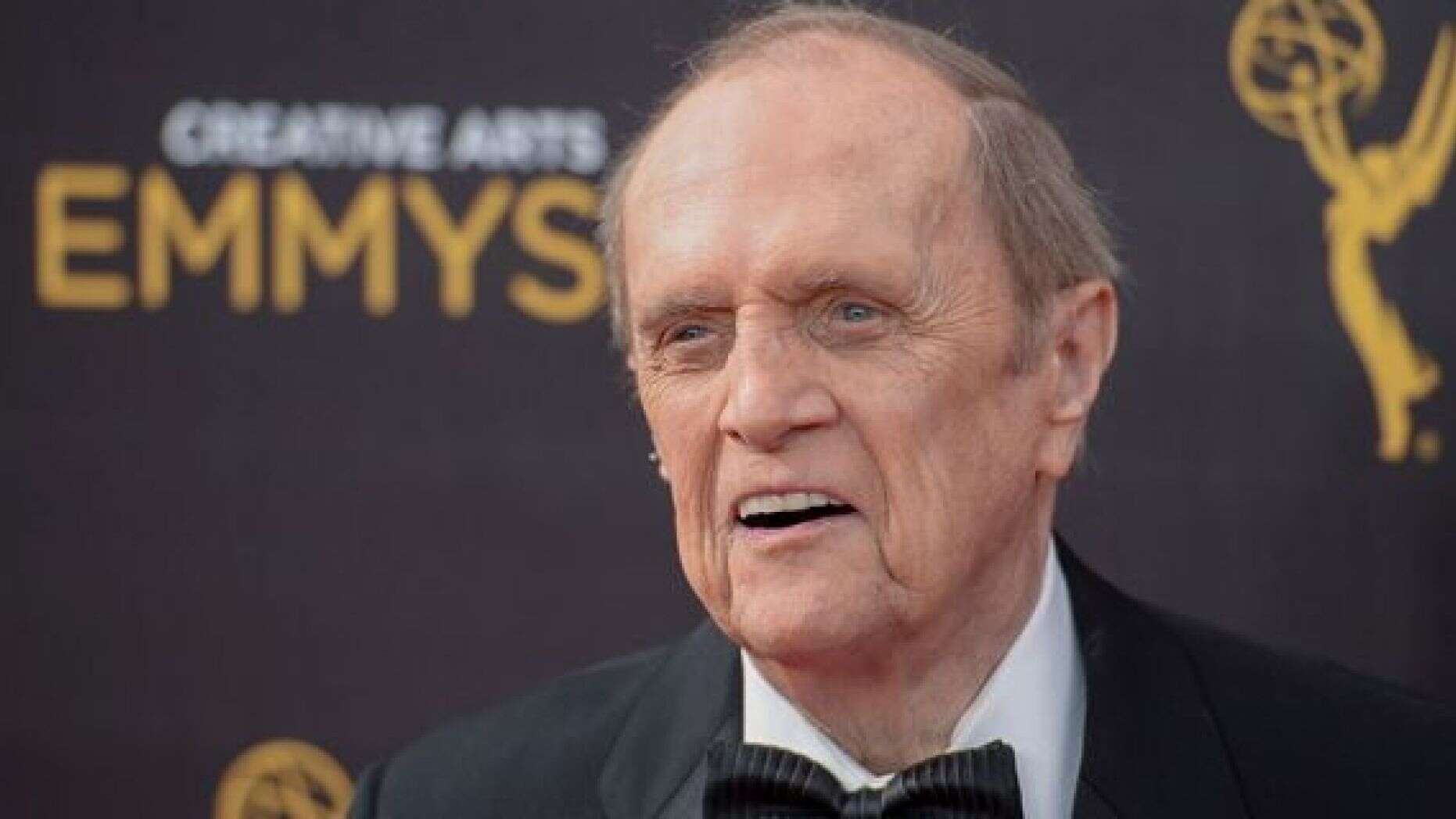
Bob Newhart

Bob Newhart passed away recently –(born Sept 5, 1929; died July 18, 2024)—and the article from Facts.net details some things you may not have known about the legendary comedian.

From Facts.net:

Bob Newhart, a name synonymous with comedy, entertained audiences for decades with his unique style and wit. Ever wondered what made this legendary comedian tick? Bob Newhart was not just a comedian; he was an actor, author, and a television icon. From his early days as a stand-up comic to his memorable roles in TV shows like “The Bob Newhart Show” and “Newhart,” his career spanned over 60 years. But there was more to Bob than met the eye. Did you know he started as an accountant? Or that he won a Grammy for his first comedy album? Buckle up as we dive into 30 fascinating facts about Bob Newhart that will make you appreciate this comedy legend even more.

Early Life and Education

Bob Newhart, a beloved comedian and actor, had a fascinating background that shaped his career. Here are some intriguing facts about his early years.

Born on September 5, 1929, in Oak Park, Illinois, Bob Newhart’s full name was George Robert Newhart.

He attended St. Ignatius College Prep, a Jesuit high school in Chicago, where he developed his love for comedy.

Newhart graduated from Loyola University Chicago in 1952 with a degree in business management.

Before his comedy career, he served in the U.S. Army during the Korean War.

After his military service, he worked as an accountant and an advertising copywriter.

Breakthrough in Comedy

Bob Newhart’s entry into comedy was unconventional but led to significant success. Here are some key moments from his early comedy career.

Newhart’s comedy career began with a series of telephone conversations he recorded and sent to radio stations.

His debut comedy album, “The Button-Down Mind of Bob Newhart,” released in 1960, became the first comedy album to hit number one on the Billboard charts.

The album won three Grammy Awards, including Album of the Year, making Newhart the first comedian to achieve this honor.

His follow-up album, “The Button-Down Mind Strikes Back,” also reached number one on the Billboard charts.

Newhart’s unique deadpan delivery and stammering style set him apart from other comedians of his time.

Television Career

Bob Newhart’s success in comedy led to a prolific television career. Let’s explore some highlights from his time on TV.

In 1961, he starred in “The Bob Newhart Show,” a variety show that showcased his comedic talents.

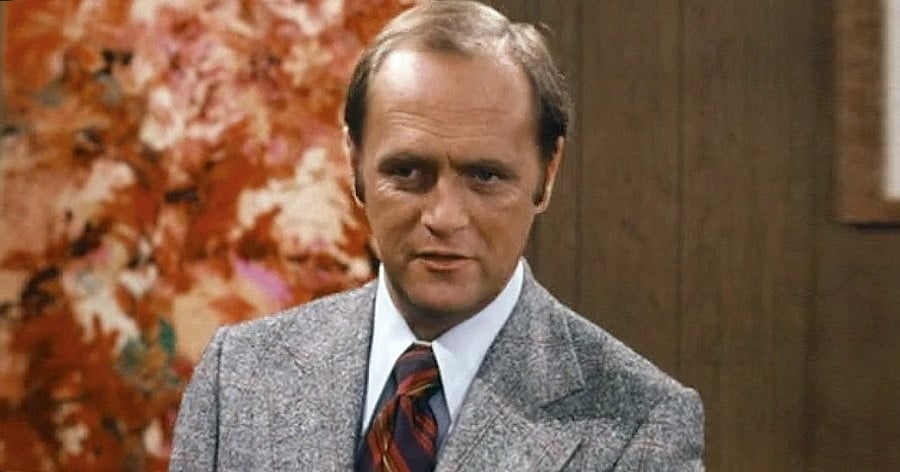
From 1972 to 1978, he starred in the sitcom “The Bob Newhart Show,” playing psychologist Dr. Robert Hartley.

The show was a critical and commercial success, earning Newhart several Emmy nominations.

In 1982, he returned to television with “Newhart,” where he played innkeeper Dick Loudon. The show ran for eight seasons.

The series finale of “Newhart” is considered one of the greatest TV finales, featuring a surprise twist that delighted fans.

Film Appearances

While primarily known for his television work, Bob Newhart also made notable appearances in films. Here are some interesting facts about his film career.

Newhart made his film debut in the 1962 movie “Hell Is for Heroes,” starring Steve McQueen.

He voiced Bernard in Disney’s animated films “The Rescuers” (1977) and “The Rescuers Down Under” (1990).

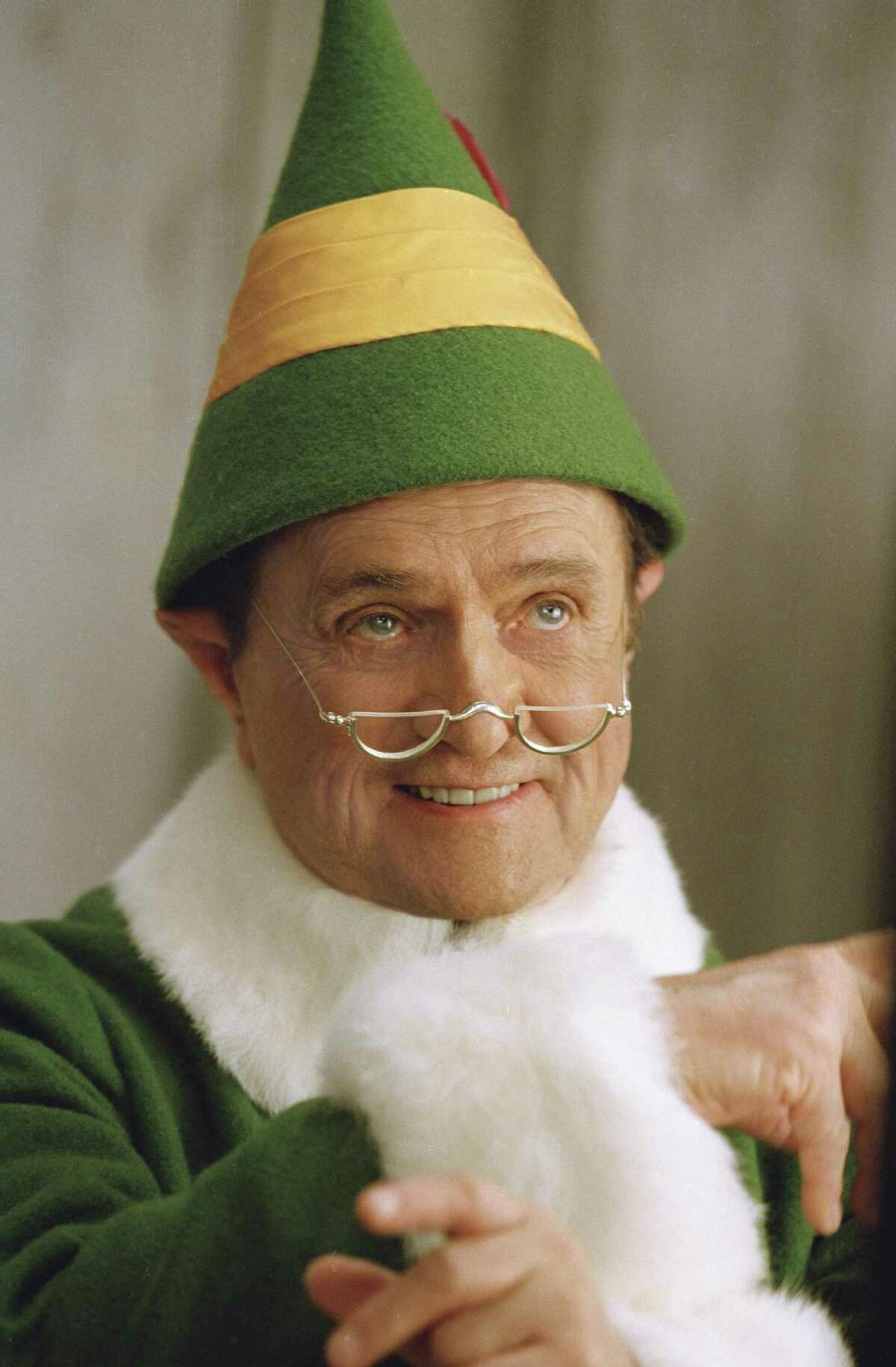
In 2003, he appeared in the holiday classic “Elf,” playing Papa Elf alongside Will Ferrell.

Newhart also had roles in films like “Catch-22” (1970) and “In & Out” (1997).

His versatility as an actor allowed him to transition seamlessly between comedy and drama.

Awards and Honors

Bob Newhart’s contributions to entertainment had been recognized with numerous awards and honors. Here are some notable accolades he received.

In 1993, he received a star on the Hollywood Walk of Fame.

Newhart was inducted into the Academy of Television Arts & Sciences Hall of Fame in 1993.

He won his first Primetime Emmy Award in 2013 for his guest role on “The Big Bang Theory.

In 2002, he received the Mark Twain Prize for American Humor, one of the highest honors in comedy.

Newhart was also honored with a Lifetime Achievement Award from the Television Critics Association.

Personal Life

Bob Newhart’s personal life was as interesting as his professional career. Here are some facts about his family and interests.

He married Virginia “Ginnie” Quinn in 1963, and they had four children together.

Newhart was a devout Catholic and credited his faith for helping him navigate the ups and downs of his career.

He was an avid golfer and participated in numerous celebrity golf tournaments.

Despite his fame, Newhart maintained a reputation for being humble and down-to-earth.

He continued to perform stand-up comedy and make guest appearances on television, proving that his humor was timeless.

Bob Newhart’s Legacy

Bob Newhart’s career was a testament to timeless humor and versatility. From his groundbreaking comedy albums to his iconic TV roles, he left an indelible mark on entertainment. His unique deadpan delivery and quick wit influenced countless comedians. Beyond the laughs, Newhart’s work ethic and humility earned him respect across the industry. Whether through “The Bob Newhart Show” or “Newhart,” his characters remain beloved. Even today, his performances continue to resonate with new generations. Bob Newhart wasn’t just a comedian; he was a cultural icon whose contributions shaped comedy as we know it. His legacy is a blend of laughter, innovation, and enduring appeal. As we reflect on his achievements, it’s clear that Bob Newhart’s impact on comedy will be celebrated for many years to come.

SOURCE: FACTS.NET

Pain Heals. Chicks Dig Scars. Glory Lasts Forever.

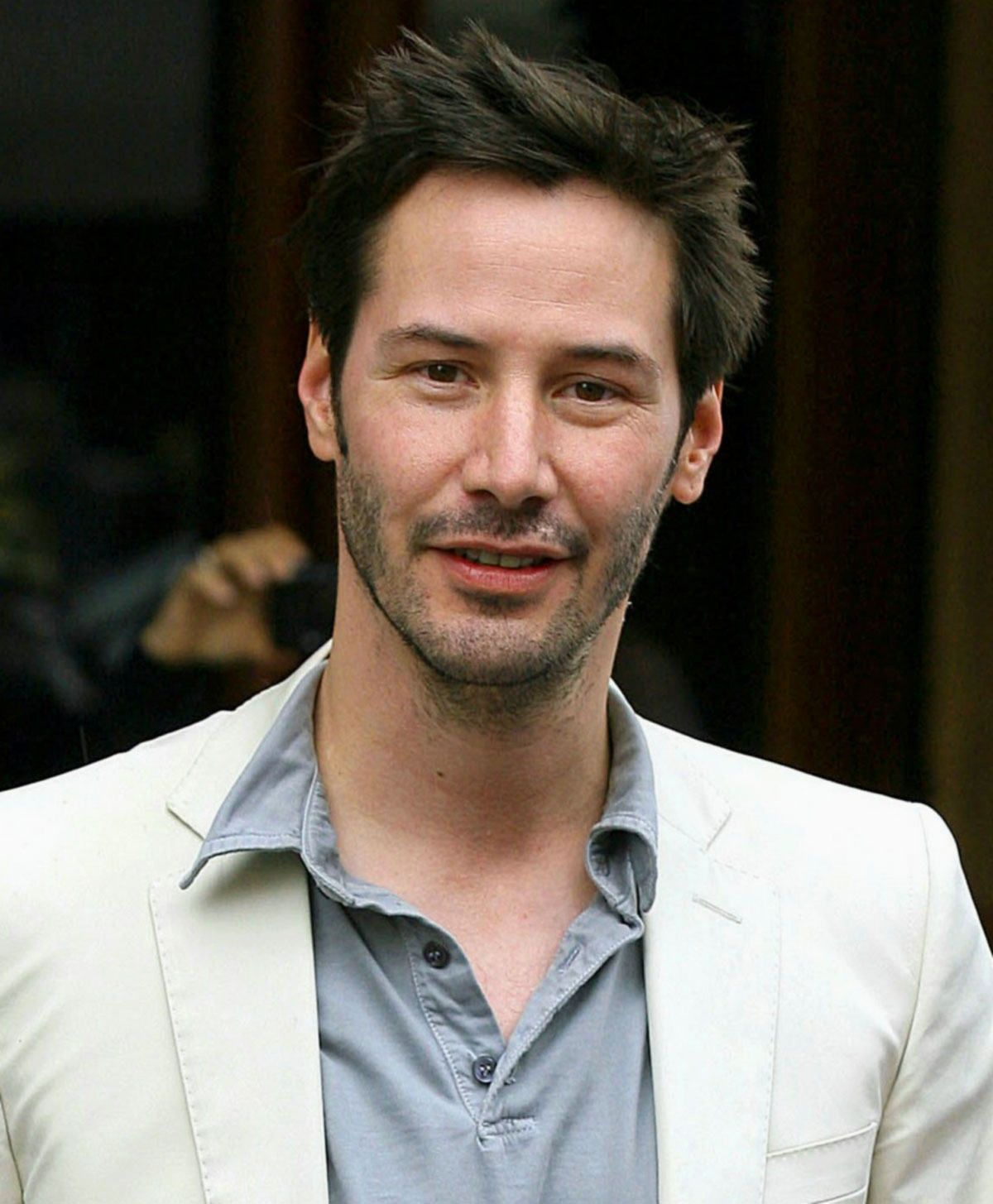
Today is Keanu Reeves’ birthday (born in 1964) and one of my all-time favorite movies is The Replacements.  The comedy details a bunch of misfits recruited to finish out the regular season of football during a players’ strike.  Reeve plays a washed-out college quarterback who redeems himself by uniting the team and leading them to victory. Gene Hackman plays the coach recruited to lead the misfits to win 3 out of the 4 remaining games to get into the playoffs. The team has never played with each other before—most are not even football players– but each brings something special to the game and they learn to unite and play as a team.

Contrast them with the striking professional players—a bunch of “bitchy millionaires” who at one point tell their fans during an interview that they know $8 million sounds like a lot of money, but they have to pay so much to their agent, and so much to their ex-wife…Then another player interrupts and asks the fans if they know how much insurance costs on a Mazzerati?  It’s all about money to them—not the love for the game.

It’s a rough start for the Replacements, losing the first game, but they rally in the second and third games and they actually have a shot at the playoffs.  The fans are loving these replacement players too—so much so, that some of the striking players return for the last game.  (Bruised egos, if you ask me.) That causes the owner to strong arm the coach, who truly believes in his quarterback (Reeves), to replace Reeves with the “star” quarterback.  The first half is a disaster because the prima donna refuses to be a team player.  The coach benches him and Reeves shows up to help the team win.

Happy Birthday Keanu!

Egyptians in Rural VA – Part 2

Vint Hill Farms Station is in a very rural area and Warrenton was chock full of rednecks. I was concerned about the reception the Egyptians would get in that area but it turned out not to be a problem at all. It was up to me to arrange all of their needs: hotel, meals, transportation, entertainment, etc., etc. I was told to go out and purchase a 15-person van so they could be transported back and forth. Got a pretty good deal, if I do say so myself.

I put them in a hotel on the outskirts of Warrenton and arranged with The Inn at Vint Hill (a historic building that used to be the home of the base commander) to provide all their meals, stressing that they were Muslim and would need special menus. I had to pick them up at the airport, which entailed several trips since they got hung up in NY and were split up. My roommate helped with his truck, and so did Heather.

One of them, young Magdi, was engaged (arranged by his family) and was supposed to purchase a wedding gown for his fiance. Yeah, no, THAT didn’t happen!!! By the end of their visit, he didn’t even want to return to Egypt – and his Father was an Admiral in the Navy!! I talked him out of staying and convinced him the right thing to do was to return to Egypt. I am in contact with Aziz on FB and he told me Magdi did end up marrying the girl!

Aziz is on the left, Magdi is on the couch

I invited them to my house for an old fashioned American bar-b-cue. They loved my Z, of course, given his Egyptian bloodlines, and had a ball playing basketball on the cement court. And, man, did they ever love Gage! I invited them for Thanksgiving dinner and, in return, they came to my house and prepared the Ramadan meal. Pffftt….burned the hell out of my pyrex pans (they didn’t know how to cook in them)…..but the food was great. First time I ever had Cilantro, which they used in the salad.

Next to the basketball court near the pasture
Moved the party to the deck!

They all varied in the depth of their religiosity – one of them, Mo, asked me if I had a room where he could pray where no dogs had been present. During Ramadan, most adhered to the rules but Magdi…..oh, Magdi…..he struggled!

The REAL fun, however, was when Heather took them out partying in DC. She worked as a bartender at the time and the bar owner had a limo all decked out with a full bar in the trunk that he let her have for the night. I told her in no uncertain terms – DO NOT LET THEM GET ARRESTED!!!! Of course, I was worried sick and was up at 5 am waiting for Heather to get home. Seven o’clock comes and goes and still…..no Heather. I am freaking by this time. I got on the phone and finally tracked her down at some friend’s apartment; however, she couldn’t come to the phone because she was in the bathroom puking. Oh, Lord!!!! I’m like: WHERE ARE MY EGYPTIANS????

I finally decided to just go over to their hotel to see if they had shown up there. Sure enough – just as I pulled in, here came the company Tahoe, with one of the Egyptians driving. Peter, who was supposed to be “in charge,” was passed out in the back!!! I haven’t a clue when or how they got hold of the Tahoe!!!

Peter

All-in-all, a very enjoyable and educational experience! The company closed down ever year between Christmas and New Years and, since I lived only a mile from the office, Hans told me I could have extra vacation time if I went into the office to take care of the daily needs during that period. I told him I would prefer going along on one of the teams’ trips to Egypt; he agreed and I got my passport updated. It did not surprise me when he backed out of that promise!!! Have I said yet that I do NOT like Austrians???!!?? He was a little man in many ways, NOT just physical status!!!! And that’s all I’ll say about Hans!!!!

Hans is on the left

I am wondering how many of you have had the experience of introducing foreigners to our country……it is interesting to listen to their expectations and views and fun to show them our way of life.

Egyptians in Rural VA — Part 1

In 2001, I was working as Office Manager for an Austrian company, Schiebel Technology, that manufactured land-mine detectors and a new remote-controlled mini-helicopter – this was back when the UAVs (unmanned aerial vehicles) were really starting to come into use. It was called the Cam-Copter. The company had sold 4 systems to the Egyptian Navy and 8 Naval officers were scheduled to come to the US for training.

And then 9/11 happened…..we figured they would surely re-schedule but the owner, Hans, said no. He had to send over another trainer from Austria because the two Mikes who worked as training officers immediately re-enlisted to work with the Army UAVs. The office was located on the old Vint Hill Farms Station Army base. It was deactivated in 1997 and the land sold in 1999.

So, we had our work cut out for us – well, I did anyway. The Egyptians were due in about 10 days. We contacted the FBI, the State Patrol, and the local Sheriff’s office to notify them there were foreign nationals on their way. I printed up and laminated ID cards for them that gave a brief explanation of who they were, why they were here, and provided a contact phone number.

Every single one of them, to a man, supported the US in those horrible days. They were truly outraged that we had been attacked and were unfailingly polite and respectful. When I would ask them what they wanted to do, it was ALWAYS “go to the mall.” Sheesh! I DESPISED going to the mall! *sigh* Oh, well, duty calls. They all bought so much crap, they joked about getting their “pregnant suitcases” to the airport!!! We had to use my roommate’s trailer to get it all in!

I took them for a tour of Skyline Drive. Along the way, at one of the stops, there was a man who had stumbled and fallen on the rocks. He was bleeding pretty heavily and two of the Egyptians were medics. They immediately jumped in to care for him.

They were always looking for things to do on the week-ends and part of my responsibility was arranging for entertainment. Wajdi (who wanted to be a chef – he LOVED my big country kitchen) wanted to rent a car and go somewhere, suggesting Florida. I said, naw, way too boring, nothing but old retired people, and you already know what beaches are like. No, I said, YOU need to go to NY!

So he rented a car and off he went to NYC. As he was walking around, people kept asking him if he was from Spain. He kept explaining, no, I am from Egypt. About the sixth time someone asked him that, he decided to just say yes – it was easier. As chance would have it, there was an undercover FBI agent nearby who overheard him. He immediately approached him and gave him the 3rd degree about lying. Wajdi said at one point, he was thinking “Should I call a lawyer? No, I’ll just call Judy.” I was their American Mom!!!

One day, their minder/translator, Mr. Shehata (a guy from the Egyptian company with whom Schiebel partnered) came to me and said one of the guys had a problem and he was hoping I could help. He had been making calls to a 900 number, had spent his personal money, and was now broke.

I went over to the hotel and at first, got the brush-off. I put my foot down and insisted I wanted to talk to their Regional Manager and finally got a hard-copy printout of the calls. As I went through them, I could see that calls were made during the day, when they were at Vint Hill training. So, back to beard the Regional Manager in his den. I ended up getting ALL of his money refunded to him. After that, I was a Goddess and could do no wrong!!!!

Mr. Shehata is the only one in a suit

They were scheduled to fly out on Christmas day. Magdi and Aziz stayed at our house Christmas Eve, sharing our gift opening and celebrating with us. Truly amazing, wonderful group of guys! Except for Aymon, the one at the drums!!! His name became “Troublemaker Aymon” after he taught Gage what fun it was to throw a nerf ball into the ceiling fan!!!! We had soooo much fun!!!!

Gage jammin’ on his new guitar with Aymon

Before they left, they took all of us (me, my roommate Tom, Heather, and Gage) out to eat at the Olive Garden to show their appreciation for all we had done for them.

Stay tuned for Part 2 – that’s the spicy part!

Delaware State Flower: Peach Blossom

Delaware was the original “Peach State,” because of its orchards; they contained more than 800,000 peach trees, yielding a crop worth thousands at the time!

In 1875, Peach Blossoms could be seen across the gorgeous shoreline of Delaware’s coast. Unfortunately, the peach farmers faced many problems throughout the latter part of the 19th century. The peach disease called “the yellows” forced the untimely collapse of the booming agricultural industry and, in the early 1900s, many peach farmers faced bankruptcy. Today there are very few Peach Blossoms in Delaware, even though the U.S. still emerges as the leading peach grower in the world.

Peach Blossoms bloom as a solitary or paired flower. The Blossom itself is 2.5 to 3 centimeters in diameter and has no more than five petals. They are light pink to light purple in color. The Peach Blossom appears, of course, before the Peach leaves. Quite delicate, the pink Peach Blossoms may be large and showy, but other times are quite small. Peach Blossom trees grow 15-25 feet high and the slender leaves have toothed edges. The regular Peach Blossom tree bears fruit at 3 to 4 years old and reaches its peak after about 12 years.

Passionately Curious

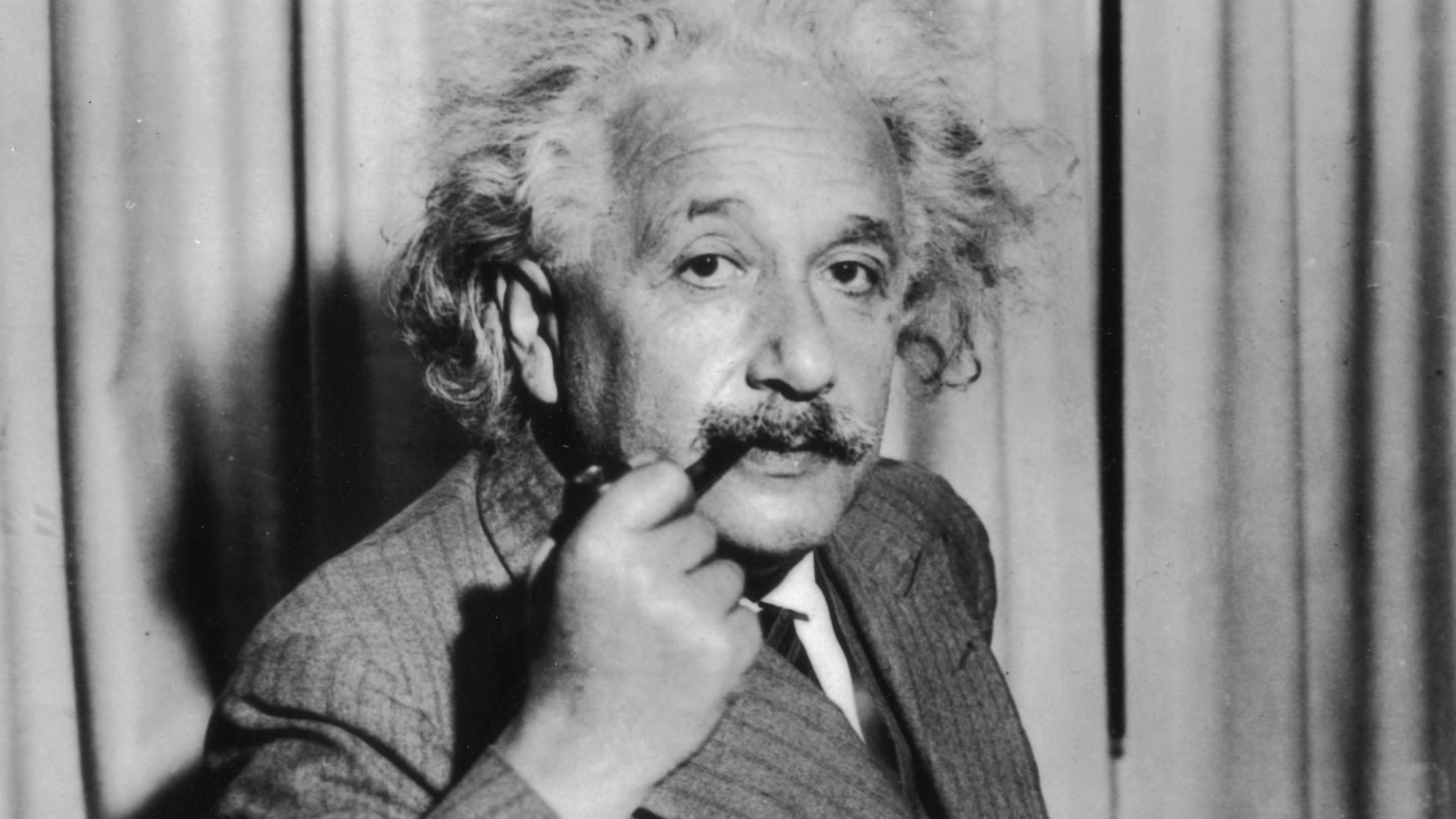
Today is Albert Einstein’s birthday and I found a great article on Mental Floss detailing some interesting facts about the man.

From Mental Floss:

In 1999, Albert Einstein was named TIME’s Person of the Century. The father of special and general relativity, Einstein’s theories introduced concepts that would help make dozens of modern technologies possible. “I have no special talents,” Einstein once said, “I am only passionately curious.” Here are some facts about the physicist who gave us wild hair and E=MC^2.

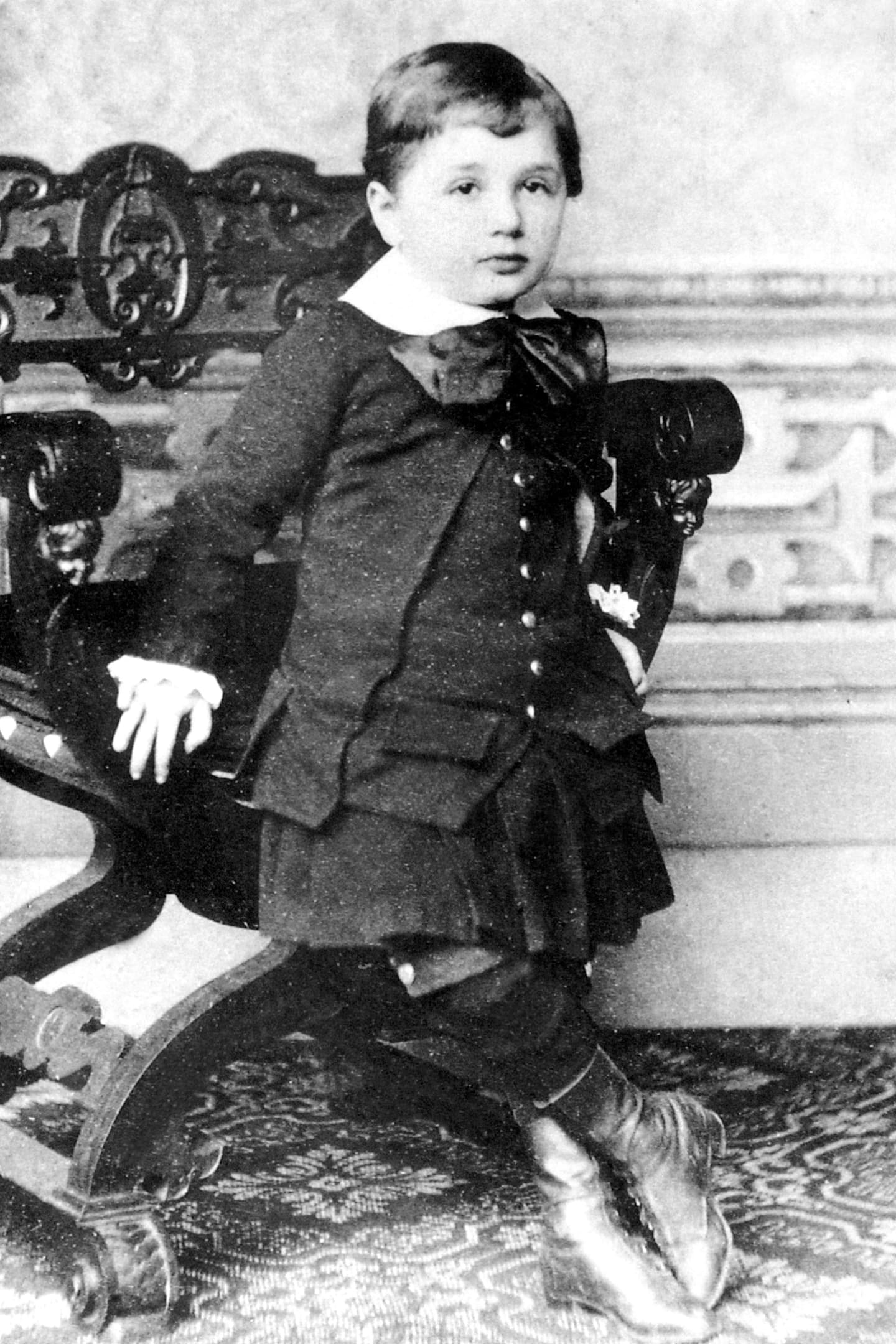
When Albert Einstein was born, his misshapen head terrified the room.

On March 14, 1879, baby Einstein emerged with a “swollen, misshapen head and a grossly overweight body,” according to Denis Brian’s book, Einstein: A Life. When she got a look at him later, his grandmother was terrified of the chunky child. She screamed, “Much too fat! Much too fat!” Thankfully, Albert would eventually grow into his body. (However, he did have trouble developing in other arenas: He supposedly didn’t start speaking until the age of 2.)

As a child, he was the king of throwing temper tantrums.

The young genius had a habit of throwing objects whenever he was displeased; once, a frustrated Einstein even threw a chair at his teacher. The 5-year-old enjoyed bombarding his tutors and family members: His sister Maja, who was often conked in the head by Einstein’s fusillades, later quipped, “It takes a sound skull to be the sister of an intellectual.”

According to a biography by Alice Calaprice and Trevor Lipscombe, “When he became angry, his whole face turned yellow except for the tip of his nose, which turned white.”

Einstein did not struggle in school.

The idea that Einstein had trouble in school is a myth. During summers, a pre-teen Einstein would study mathematics and physics for fun, eventually mastering differential and integral calculus by age 15. But that’s not to say he was a perfect student. Einstein hated rote learning and refused to study subjects that didn’t interest him. So, naturally, when the obstinate number-lover took the entrance exam to the polytechnic school in Zurich, he flunked the language, zoology, and botany sections.

Nobody knows Einstein’s IQ.

Einstein’s IQ was never tested, though that hasn’t stopped people from guessing. Lots of websites claim the physicist’s IQ was 160, but there’s simply no way of verifying that claim. “One fundamental problem with the estimates I’ve seen is that they tend to conflate intellectual ability with domain-specific achievement,” Dean Keith Simonton, professor emeritus of psychology at the University of California, Davis told Biography. For all we know, Einstein’s aptitude in arenas outside of physics might have rivaled that of an average Joe.

He refreshed his brain by playing the violin.

Whenever Einstein needed to relax, he turned to music. He started violin lessons at age 5 and, at around 17, impressed his teachers at cantonal school with his playing during a music exam. Around 1914, when Einstein lived in Berlin, he played sonatas with his friend and fellow theoretical physicist, Max Planck. And after he became famous, Einstein would play a handful of benefit concerts alongside greats like Fritz Kreisler. “Music helps him when he is thinking about his theories,” his second wife, Elsa, said. “He goes to his study, comes back, strikes a few chords on the piano, jots something down, returns to his study.”

Fashion was not Einstein’s strong suit.

Einstein hated wearing socks and was immensely proud of the fact that he didn’t have to wear them while giving lectures at Oxford in the 1930s. His antipathy apparently stemmed from a childhood realization: “When I was young, I found out that the big toe always ends up making a hole in a sock,” Einstein reportedly said. “So, I stopped wearing socks.” As an adult, he typically wore an undershirt, baggy trousers held by rope, and a pair of (occasionally women’s) sandals.

He loved sailing (and was absolutely terrible at it).

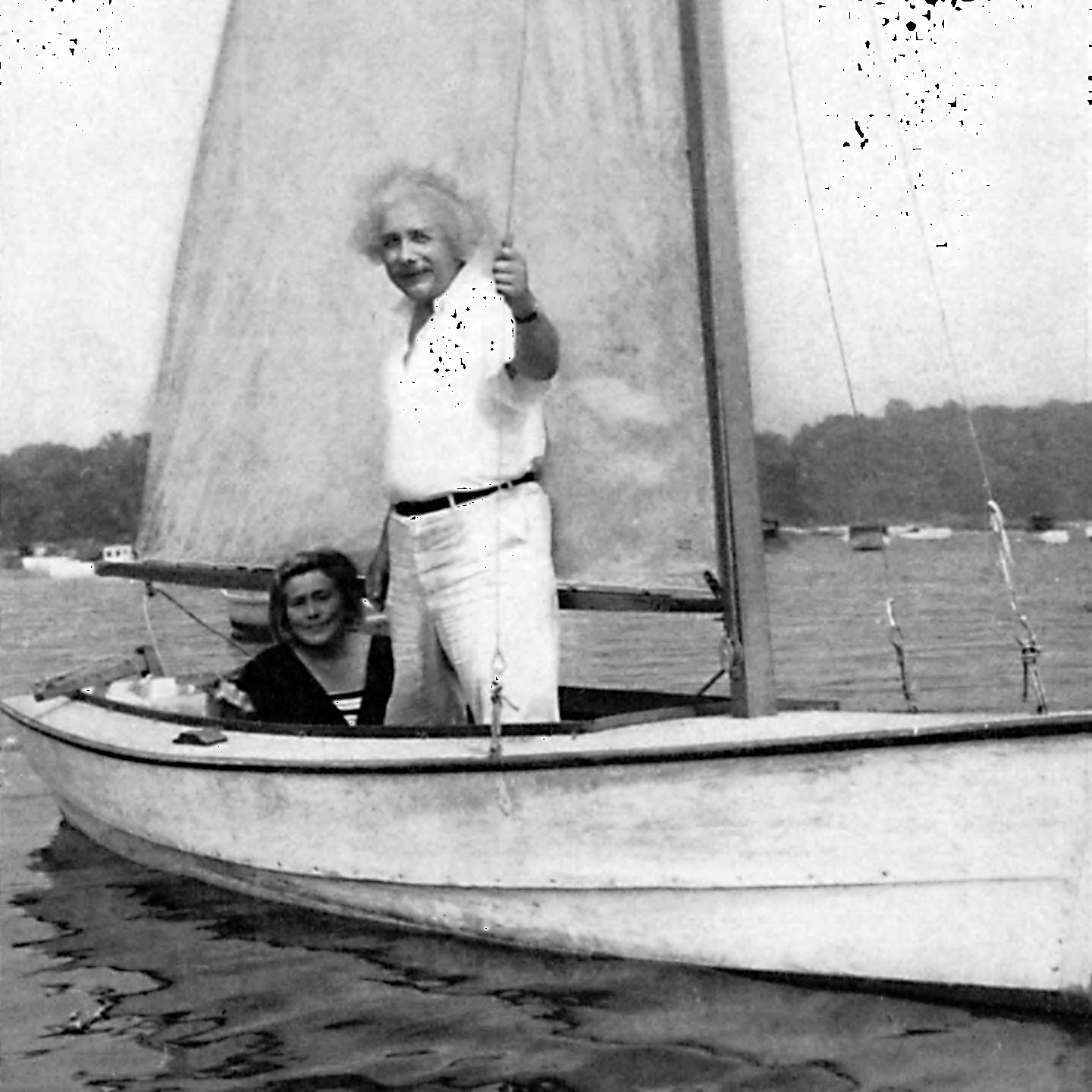
While an undergraduate in Zurich, Einstein fell in love with sailing—a passion that would persist throughout his life. There was just one problem: He was a horrible sailor. He regularly tipped his boat over and required rescue dozens of times. (His sailboat was named Tinef, Yiddish for “worthless.”) In 1935, The New York Times reported on Einstein’s sailing misadventures with the punny headline: “Relative Tide and Sand Bars Trap Einstein.”

Fatherhood gave Einstein his iconic hair.

As a young man, Einstein sported a well-maintained head of dark hair—that is, until his son Hans was born in 1904. Like many new parents, Einstein discovered that having a new mouth to feed changed everything: The patent clerk was so busy trying to support his family that he stopped combing his hair and visiting the barber. Slowly, an iconic look was born.

Einstein would spurn barbers for the rest of his life. His wife Elsa would cut his mop whenever it became disheveled.

He had a habit of mindlessly gorging on food.

When Einstein was a patent clerk, he formed a book club with two friends and called it the “Olympia Academy.” The trio usually dined on sausages, Gruyère cheese, fruit, and tea. But on Einstein’s birthday, his friends brought expensive caviar as a surprise. Einstein, who had a knack for mindlessly eating when talking about something he was passionate about, began stuffing his face while discussing Galileo’s principle of inertia—totally unaware of what he was eating. He later offered this excuse: “Well, if you offer gourmet foods to peasants like me, you know they won’t appreciate it.”

He had a bawdy sense of humor.

Einstein enjoyed the occasional dirty joke. When he accepted his first job as a professor, he said, “[N]ow I too am an official member of the guild of whores.” And when a member of his book club gave him a nameplate that said “Albert, Knight of the Backside,” Einstein proudly kept it tacked on his apartment door. Later in life, he’d tell jokes to his pet parrot, Bibo. (Einstein believed the bird was depressed and needed a laugh.)

He loved the famous tongue photo.

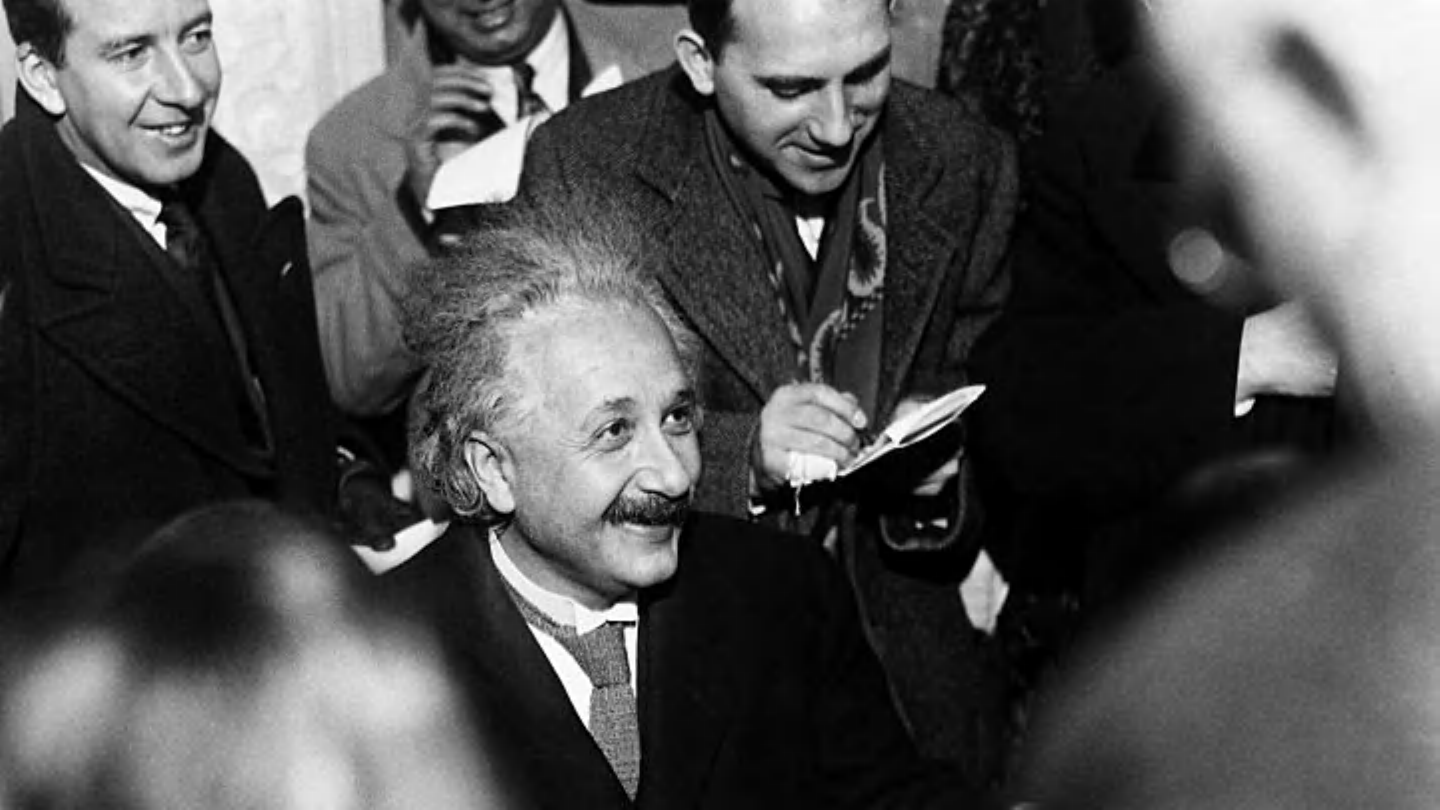
On his 72nd birthday, Einstein was leaving an event held in his honor. As he was getting into his car, photographers asked him to smile for the camera. Einstein, however, was sick and tired of grinning for a photograph—he’d been doing it all evening—so he popped his tongue out instead. Einstein liked the photo so much, he put it on his greeting cards.

He was an inventor.

Having spent seven years working in the Swiss patent office, Einstein was naturally curious about inventing and secured approximately 50 patents during his lifetime. He enjoyed tinkering with electronics and eventually patented a self-adjusting camera, a refrigerator that could last 100 years, and even a blouse.

When it came to love, Einstein was no genius.

Einstein, who married twice, had multiple extramarital affairs—including one dalliance with a possible Russian spy. His first marriage with Mileva Marić, a physicist he met at the Swiss Polytechnic School, soured after the birth of their third child. As their marriage crumbled, Einstein imposed a list of brusque—if not cruel—demands which included: “You will obey the following points in your relations with me: 1. You will not expect intimacy from me … 2. You will stop talking to me if I request it.” Unsurprisingly, they divorced. Later, Einstein married his cousin, Elsa Löwenthal.

A letter Einstein signed helped spark the Manhattan Project.

Einstein was not part of the Manhattan Project, but he was instrumental in getting it started. In the late 1930s, German scientists discovered nuclear fission of uranium, a major step toward the development of the atomic bomb. Much of the world’s uranium was held in the Congo—then a colony of Belgium—so two Hungarian-American physicists named Leo Szilard and Eugene Wigner decided to get Einstein to write a letter to his friend, the queen of Belgium. Einstein suggested a letter to a Belgian minister instead, but an encounter with an economist who knew President Franklin D. Roosevelt resulted in a change in direction and a letter that prompted America to start its own experiments.

He loved answering fan mail from children.

Einstein received countless letters from the public, but he always tried to answer mail sent by children. (In one letter, a young girl complained about her troubles with math. The professor supposedly wrote back, “Do not worry about your difficulty in mathematics. I can assure you mine are still greater.”) Einstein’s many correspondences with children—filled with charm and encouragement—are compiled in a book by Alice Calaprice called Dear Professor Einstein.

He turned down the presidency of Israel.

After the first president of the state of Israel, Chaim Weizmann, died in 1952, the prime minister asked Einstein to step into the (mostly ceremonial) role. The physicist declined, writing: “I am deeply moved by the offer from our state of Israel, and at once saddened and ashamed that I cannot accept it. All my life I have dealt with objective matters, hence I lack both the natural aptitude and the experience to deal properly with people and to exercise official functions.”

Einstein was an outspoken advocate for racial justice.

Having abandoned Germany in 1933 to avoid Nazi persecution, Einstein was sensitive to the racial discrimination he saw in the United States. He championed the rights of Black Americans and was a member of the NAACP. When the famed Black singer Marian Anderson came to perform at Princeton in 1937 and was denied a hotel room, Einstein invited her to stay in his home. He was also pen pals with W.E.B. Du Bois and, when Du Bois became the target of the Red Scare, Einstein effectively saved him by offering to be his character witness. In a 1946 speech he delivered at Pennsylvania’s Lincoln University, he called segregation “a disease of white people,” vowing, “I do not intend be quiet about it.”

He was the inspiration for Yoda.

Yoda’s face was partly modeled after Einstein’s. According to Star Wars special-effects artist Nick Maley, “a picture of Einstein ended up on the wall behind the Yoda sculptures and the wrinkles around Einstein’s eyes somehow got worked into the Yoda design. Over the course of this evolutionary process Yoda slowly changed from a comparatively spritely, tall, skinny, grasshopper kind of character into the old wise spirited gnome that we all know today.”

Einstein’s theories are more relevant than you might think.

It’s easy to assume that Einstein’s theories of relativity are purely theoretical, but they really do affect your everyday life. For instance, the theory of general relativity states that gravity affects time: Time moves by faster for objects in space than objects here on Earth. And that has profound implications for many space-based technologies, especially the accuracy of your GPS. His theories also explain how electromagnets work and are foundational to nuclear technology.

SOURCE: MENTAL FLOSS   LUCAS REILLY

The Great Fruitcake Toss

Today is National Fruitcake Day! In honor of the…ah…delicious? treat, I present an event dedicated to tossing the fruitcake bricks in style!  The actual toss-your-fruitcake-day is in January, but I thought you’d appreciate a little heads up…lol

FROM GASTRO OBSCURA:

Every year, millions of Christmas celebrants feature fruitcake on their tables. After the holidays, it remains untouched. Rather than eat the unpalatable loaf, families eventually just toss it in the trash.

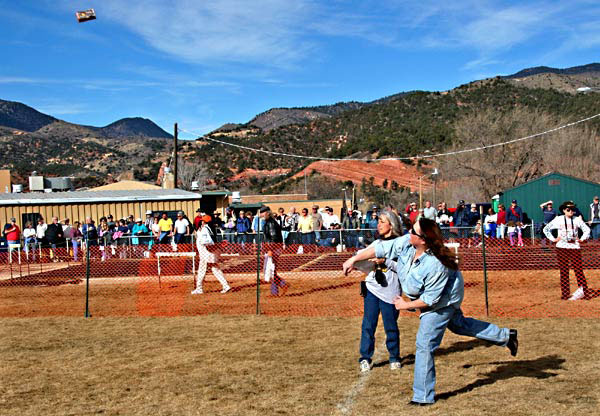
In 1996, a group in Manitou Springs, Colorado, decided to approach fruitcake-tossing with some extra imagination. They gathered in a public park to dispose of their unloved holiday cakes. But instead of just throwing them out, the group literally threw the dense wads as far as they could. Competition ensued.

Over the last two decades, the January celebration has grown to include a slew of diverse events. In addition to the classic hand toss, past offerings have included the fruitcake slingshot (with robotic, mechanical, and three-man divisions) and a pneumatic weapon launch. In 2007, a team of Boeing engineers shot a cake 1,420 feet using a mock artillery piece. (By comparison, the hand toss winner that year clocked in 124 feet.)

The festivities also include a kids’ fruitcake toss, complete with targets, as well as speed and balance games. Those who are less interested in athletics can enter the fruitcake costume competition or the “Too Good to Toss” bake-off. 

So the next time you find yourself staring at a stale, uneaten holiday dessert, remember: Just because you’re not going to eat it doesn’t mean you have to throw it in the garbage.

SOURCE: GASTRO OBSCURA

Kitchen Gadgets!

Reader’s Digest had an article about “the latest” kitchen gadgets and while some were pretty obvious about what they were used for, some were not.  So, I decided to post pictures of 7 of them and you can try to guess what they are for.  Answers at the end.

Ready to go shopping for these items?  They can all be found on amazon according to Reader’s Digest, but I’m sure you can find them elsewhere as well. Here are the answers:

Potato Screws

Ergonomic Citrus Juicer

Garlic Peeler

Cake Tester

Spill Stopper

De-Stemmer (for herbs)

Hamburger Chopper

Source: Reader’s Digest: Kitchen Gadgets You’ll Wish You had Years Ago