Know-It-All Tuesdays: Christmas Carol Trivia

In ‘The Twelve Days of Christmas’, how many swans are swimming?

What is the name of Justin Bieber’s 2011 Christmas album?

Who wrote ‘White Christmas’?

How many reindeer haul Santa’s sleigh in “Rudolph the Red-Nosed Reindeer”?

How many total gifts are received in “The Twelve Days of Christmas” song?

In what year was “It’s the Most Wonderful Time of the Year” first recorded?

Which century does the traditional Welsh Christmas carol ‘Deck the Halls’ date back to?

Complete the lyrics: “Silent night, holy night, All is calm, all is …”

Which Christmas Carol is the best-selling single in world history?

In which Christmas carol does ‘the little Lord Jesus lay down His sweet head’?

Complete the lyrics: “Sleigh bells ring, are you listening? In the lane…”

What was the song Do You Hear What I Hear’ inspired by?

Complete the lyrics: “A beautiful sight…”

Who sings ‘All I Want for Christmas Is You’?

In the song ‘Frosty the Snowman’, what made Frosty come to life?

In the song ‘Santa Claus is Coming to Town’, we’re told, “You better not cry, you better not…”

Who has a button nose?

In a ‘Holly Jolly Christmas’ what should we have a cup of?

Which Christmas song was the first song ever played on the radio?

Which Christmas Carol is set to the tune of ‘Greensleeves’?

How did you do?

ANSWERS

Seven

Under the mistletoe

Irving Berlin

9

364

1963

19th century

Bright

White Christmas
Away in a Manger

Snow is glistening

The Cold War

We’re happy tonight

Mariah Carey

Top Hat

Pout

Frosty the Snowman

Cheer

O Holy Night

What Child is This?

Till next month…stay sharp!

Know-It-All Tuesdays: Let’s Talk Turkey

Why do turkeys gobble?

How much turkey does a person eat per year?

What’s that weird wobbly thing on a turkey’s neck?

What Is a baby turkey called?

And what about adult turkeys?

Can turkeys fly?

How long do turkeys live?

Are turkeys named after turkey, the country?

Are turkeys native to the Americas?

How did you do?

Only male turkeys, or toms, can make a call known as a “gobble;” they mostly do it in the spring and fall. It is a mating call and attracts the hens. Wild turkeys gobble when they’re surprised by loud sounds and when they settle in for the night. The wild turkey can make at least 30 different calls!

The average person in the United States will eat 15 pounds of turkey this year.

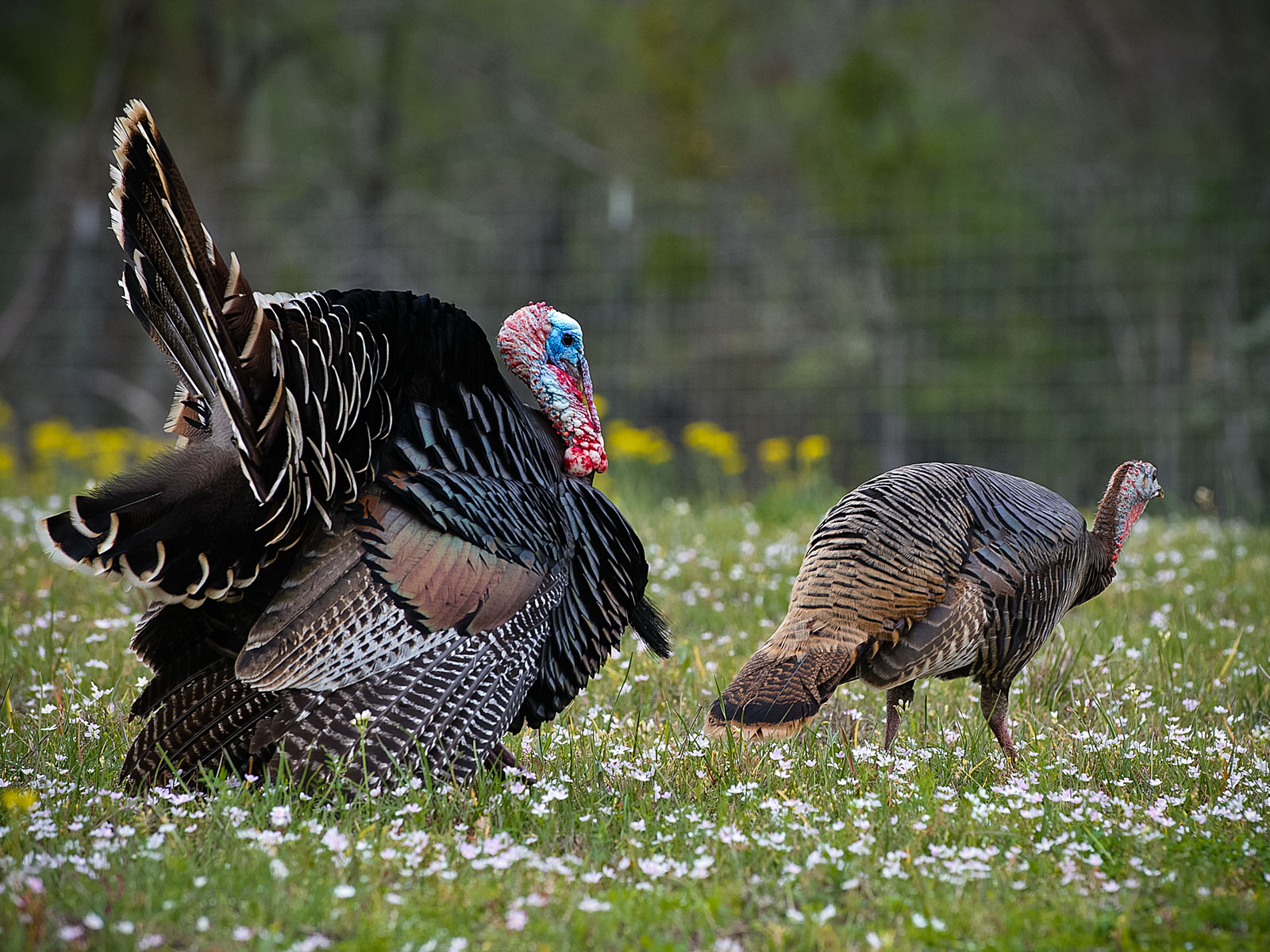
The loose red skin attached to the underside of a turkey’s beak is called a wattle. When the male turkey is excited, especially during mating season, the wattle turns a scarlet red. The fleshy flap of skin hanging over the gobbler’s beak is called a snood and turns bright red when the bird is excited. The wobbly little thing on the turkey’s chest is the turkey’s beard, which is made of keratin bristles. Keratin is the same substance that forms hair and horns on other animals.

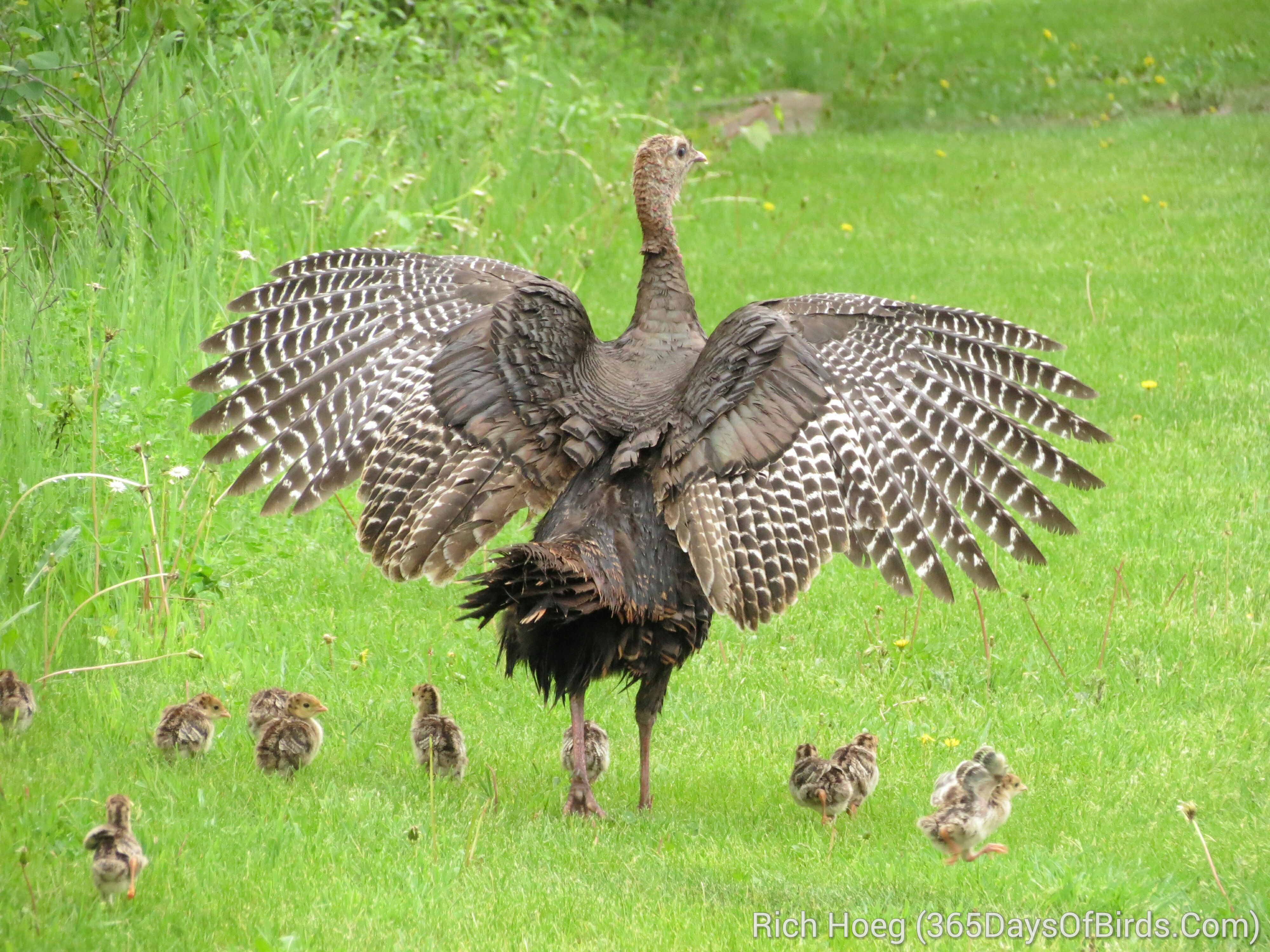
A baby turkey is called a poult, chick, or even turklette.

An adult male turkey is called a tom (an adolescent male is a jake), and a female is a hen.

The wild turkey can fly! (It does, however, prefer to walk or run.) The domestic turkey is not an agile flyer, although the bird will perch in trees to stay safe from predators.

The average life span of a wild turkey is three or four years. It generally feeds on seeds, nuts, insects, and berries. The average life span of a domestic turkey, from birth to freezer, is 26 weeks. During this period, it will eat about 75 pounds of turkey feed.

When Europeans first encountered the wild turkey in Mexico, they incorrectly classified the bird as a type of guinea fowl called a turkey fowl. Turkish traders originally sold guinea fowl from Africa to European markets; Turkey has no native turkeys!

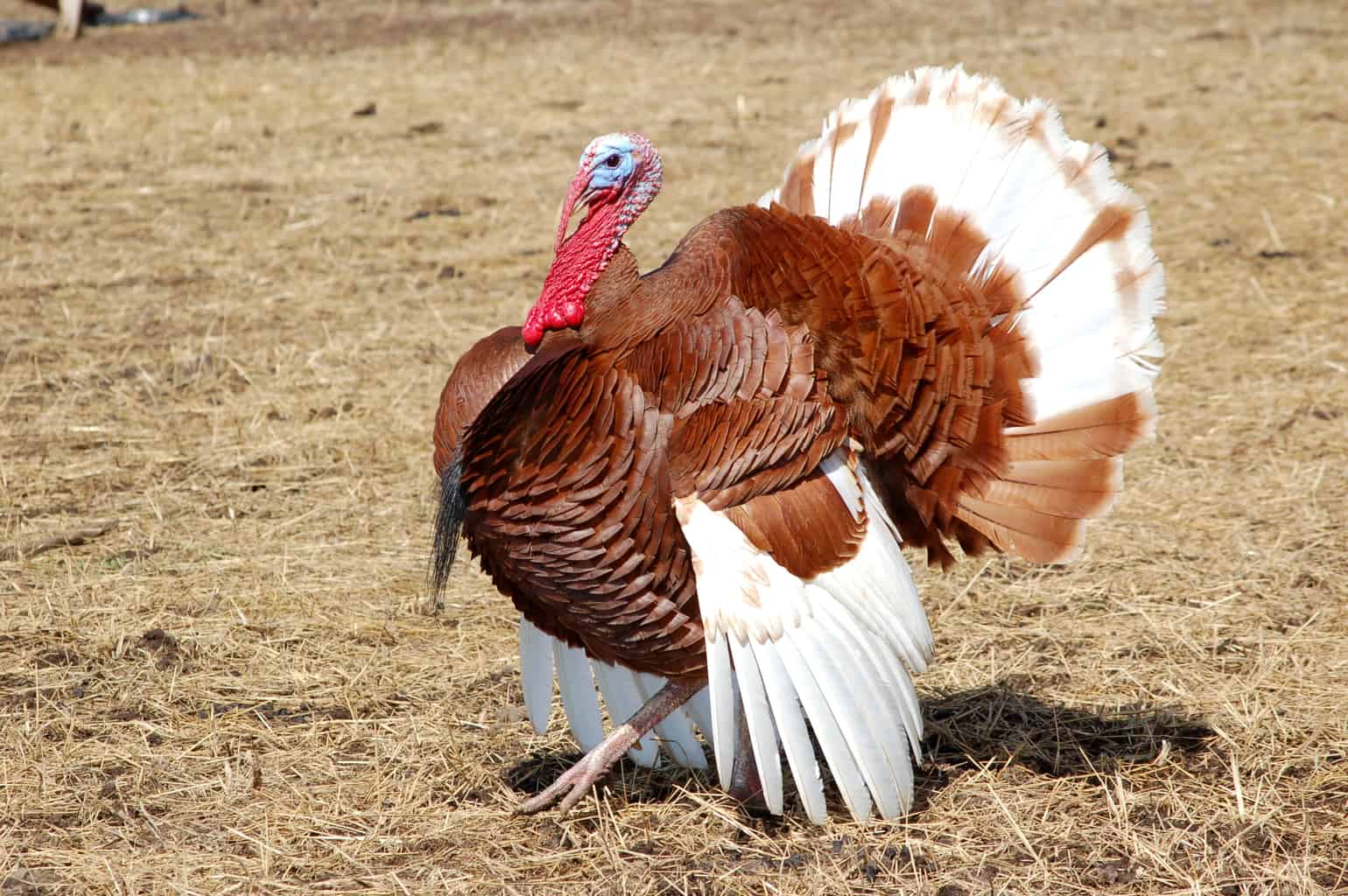
Yes, turkeys originated in the “New World.” Specifically, wild turkeys are native to Mexico. It’s a funny history. European explorers brought wild turkeys home with them in the early 1500s. The birds were domesticated in Europe and later brought to North America by English colonists. Note that domesticated turkeys have white-tipped tails; wild turkeys have dark-tipped tails.

Till next month…stay sharp!