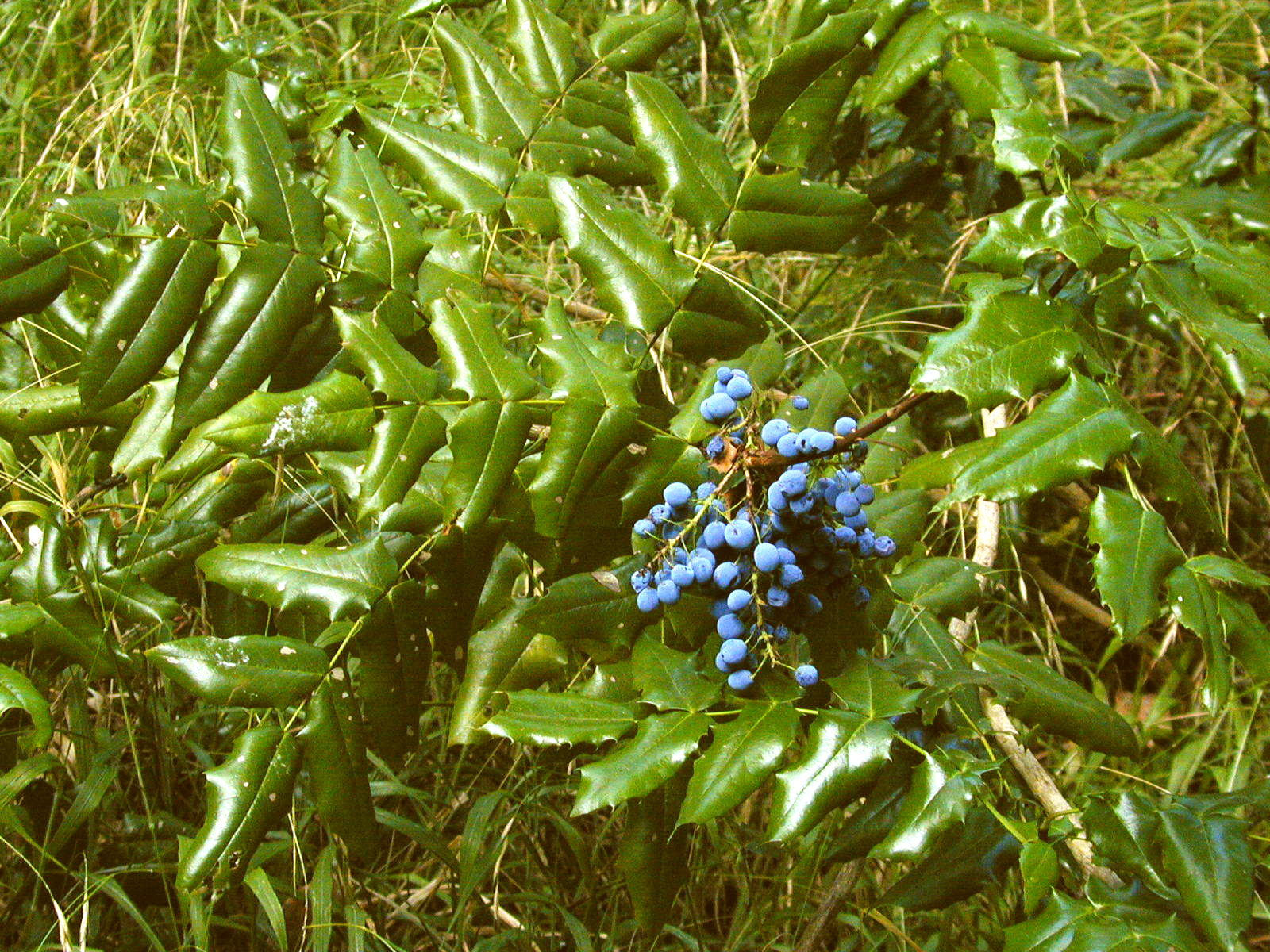
Oregon State Flower: Oregon Grape

Oregon grape, with its holly-like leaves, splashes a little year-round holiday cheer in forests and woods of the West. Several members of the barberry family, Berberidaceae, actually go by the common name of Oregon grape, with many variations, such as Oregon holly grape, tall Oregon grape, holly leaved barberry, and creeping barberry. The Berberis genus also goes by Mahonia, depending on taxonomy.

Unrelated to true grapes in the family Vitaceae, Oregon grape is an evergreen shrub, typically growing in the forest under story. In California and the Pacific Northwest, one of the most common species—and Oregon’s state flower—is Berberis aquifolium (also called tall Oregon grape, or holly leaved barberry).

Tall Oregon grape typically grows 3–6 feet tall and up to 5 feet wide. Each compound “leaf” is actually a series of leaflets that grow in pairs on opposite sides of the leafstalk, except for the leading (terminal) leaf. Botanists call this configuration pinnate, from the Latin word pinnatus, meaning feathered. Sword ferns have pinnate leaves, as well as trees like the Oregon ash, walnut, and black locust, for example. The entire Oregon grape leaf can be up to 10 inches. The oval- to oblong-shaped leaflets are shiny on top, with wavy spine-tipped edges. New leaves emerge with a bronze color before they turn bright green. In the fall, the leaves can take on red and burgundy hues, adding to the plant’s overall ornamental color palette through the course of a season.

Tall Oregon grape bears a cluster of bright yellow flowers in the spring, which are lightly scented. The flowers ripen into round, dusty blue-black berries, resembling grapes, by early fall. The berries are edible and seedy, though sour.

Tall Oregon grape is shade tolerant and typically found in shrub lands, rocky woods and coniferous forests in the Pacific Northwest and northern California. It is drought tolerant and can be found in relatively sunny areas as well.

Tall Oregon grape feeds and shelters wildlife. Its berries nourish grouse, pheasants, robins, sparrows, and other fruit eaters (frugivores), including foxes and raccoons. Painted lady butterflies, mason bees, and other invertebrates drink its flower nectar. Small animals find cover in its densely clustered leaves. Tall Oregon grape spreads by its below ground root system (rhizomes), though it can also regenerate by seed. Various Oregon grape species are medicinally important. Native American tribes of the Pacific Northwest have used preparations from Oregon grape roots to treat stomach problems, hemorrhages, arthritis, and tuberculosis. Berberis species have long been used in Traditional Chinese Medicine to treat a variety of problems, including tuberculosis, dysentery, eczema, and wounds. Western medicinal uses for berberine, a compound derived from Berberis, include blood sugar stabilization, and studies show that it kills amoebae and can be used to treat giardia infections.
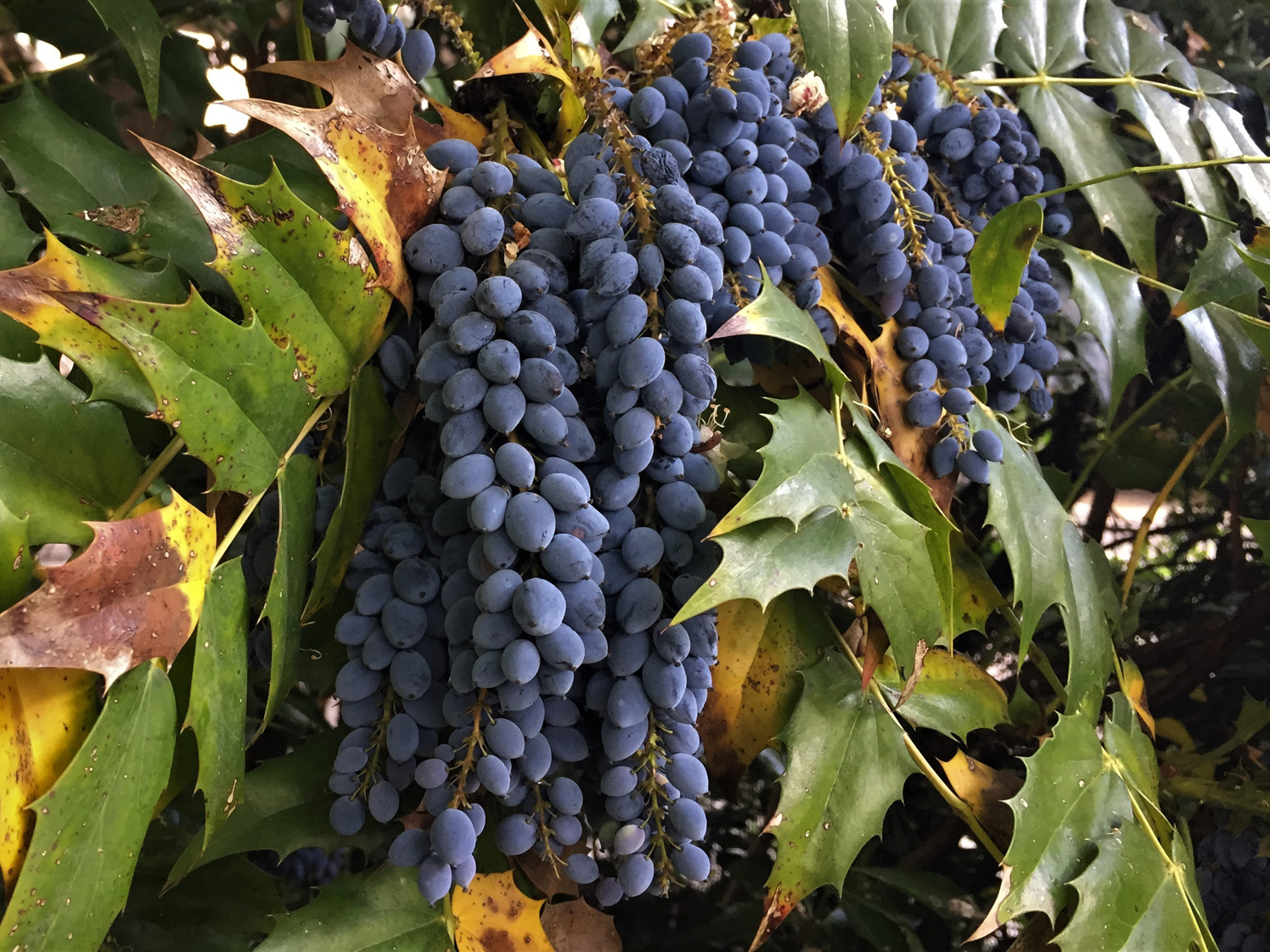
Boiling the roots and inner bark of Oregon grape produces a yellow dye used on wool. The Nlaka’pamux People of British Columbia applied it to their basketry.

SOURCE: NPS.GOV
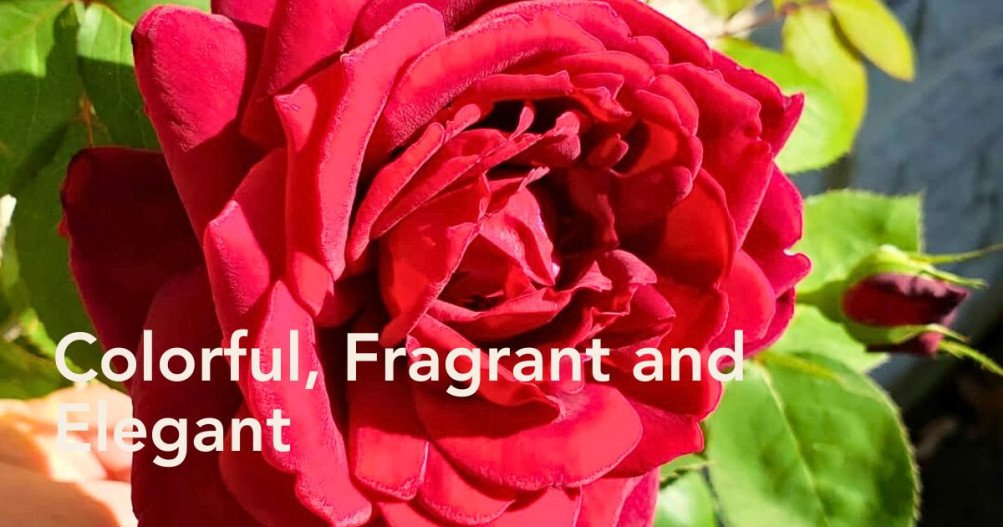
Oklahoma State Flower: Oklahoma Rose

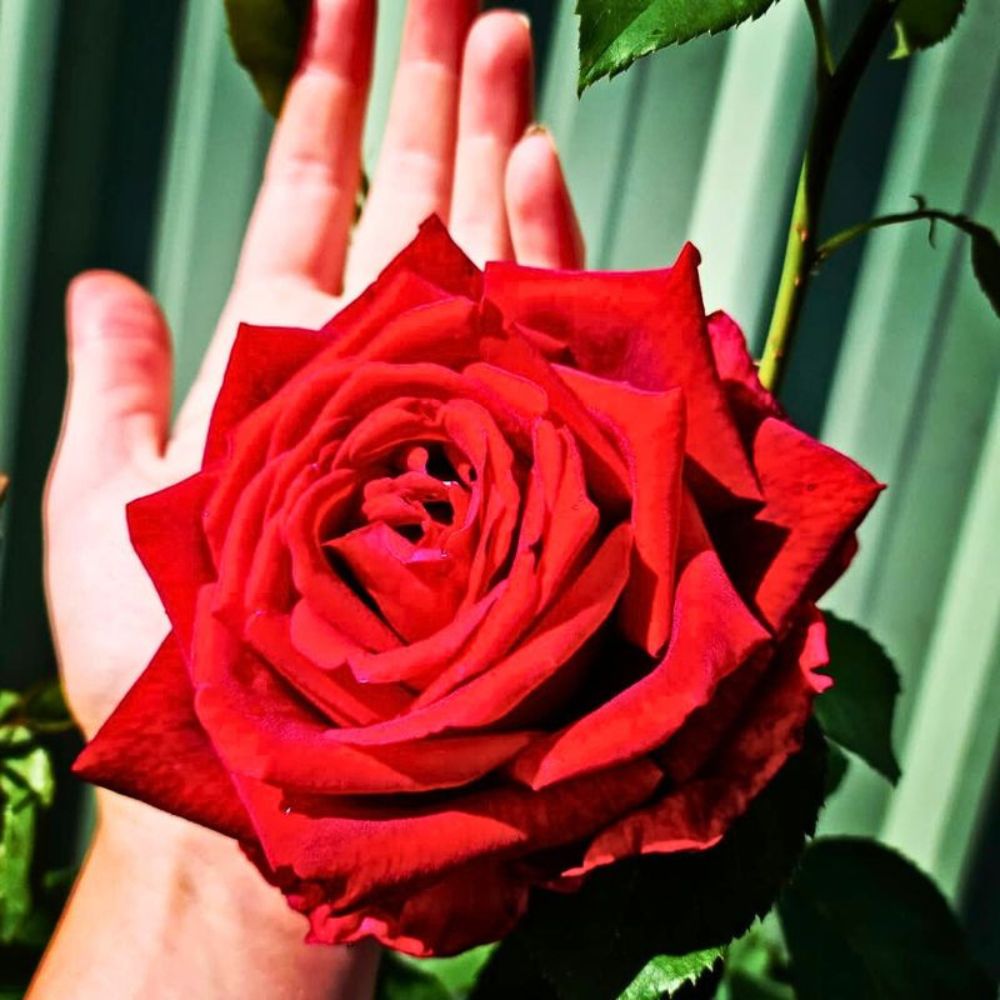
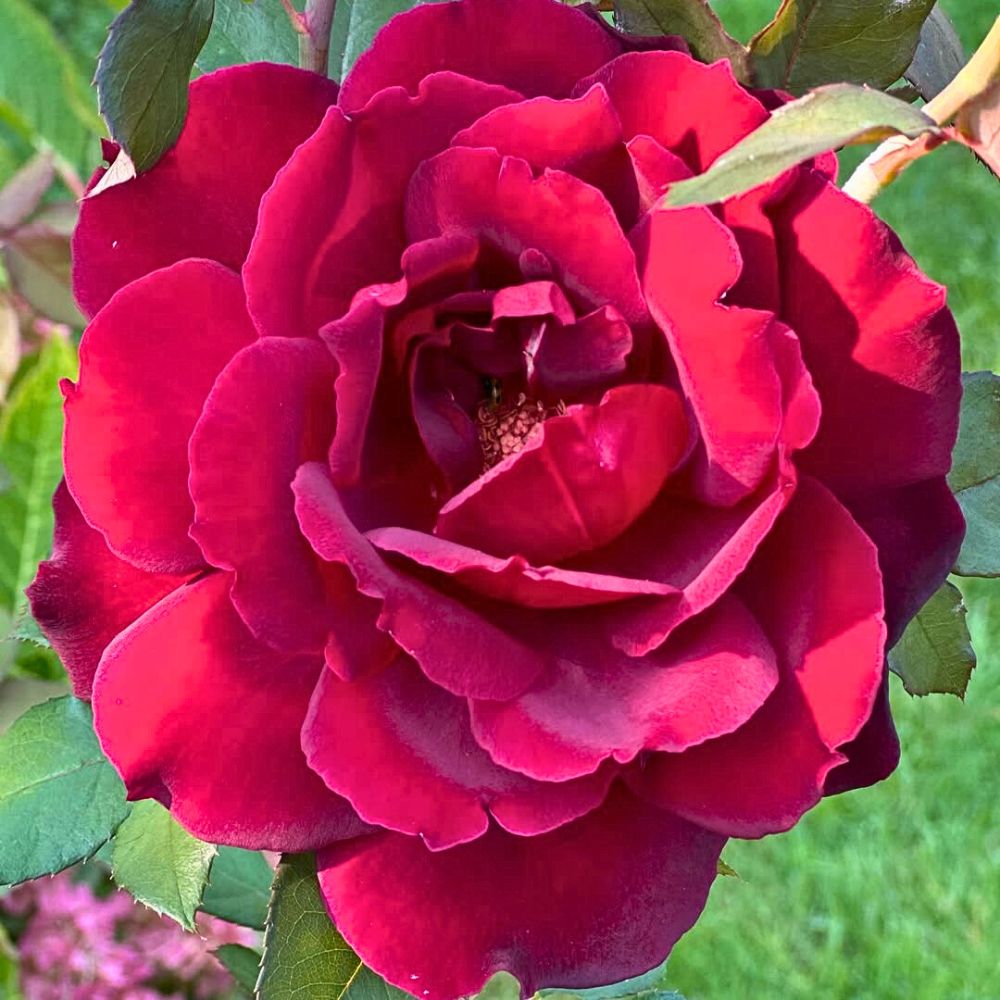
The Oklahoma Rose, also known as Rosa ‘Oklahoma,’ is a breathtaking dark red hybrid tea rose known for its deep, velvety petals and sweet fragrance. This remarkable flower boasts an elegant flower structure with 45 to 50 petals and an average diameter of about 5 inches, making it a standout in any garden and is also recognized as Oklahoma state flower.

Its large, high-centered, pointed buds open into stunning red rose blooms with a graceful charm. Introduced to the world as a hybrid tea rose, this variety is admired for its beauty, long stems, and ability to thrive in warm weather. With proper care, the Oklahoma Rose produces multiple flushes throughout the season, adding a timeless elegance to any garden or flower bed.

History of the Oklahoma Rose

The Oklahoma Rose was bred by Swim & Weeks and introduced in 1964. It is a cross between the hybrid tea roses ‘Chrysler Imperial’ and ‘Charles Mallerin,’ resulting in its deep red color and rich fragrance. In April 2004, the Oklahoma Rose was officially designated as the Oklahoma state flower, replacing the mistletoe.

Its selection was based on its striking beauty, historical significance, and connection to the state’s identity. Today, the Oklahoma Rose is cherished by gardeners and florists for its lush flowers and undeniable fragrance, making it a popular choice for gardens and floral arrangements alike.

Choosing the Right Oklahoma Rose

Selecting the right Oklahoma Rose plant ensures its long-term success in your garden. Look for a healthy plant with dark green, matte foliage, and a robust, upright growth habit, which indicates good health and vigor. While the most popular variety of the Oklahoma Rose is its signature dark red hue, some variations exist, offering slight differences in petal formation and fragrance intensity.

Consider the mature size of the plant when choosing a location, ensuring there is enough space for it to grow and flourish. Additionally, opt for a disease-resistant variety that suits your local climate to reduce the risk of common rose ailments. Understanding your commitment level to maintenance will also help you decide whether this stunning hybrid tea rose is the right fit for your garden.

Planting and Soil Requirements for Rosa Oklahoma

Proper planting techniques and soil conditions play a crucial role in the health and vitality of the Oklahoma Rose. These roses thrive in well-draining soil with a slightly acidic pH level between 6.0 and 6.5. Choose a planting location that receives full sunlight for at least six hours a day, as this promotes strong growth and abundant blooms. Before planting, dig a hole that is twice as wide as the root ball to allow ample room for root expansion. Incorporate organic matter such as compost or well-rotted manure to enhance soil fertility and improve drainage.

Once planted, water the rose thoroughly to help establish strong roots. Keeping the soil consistently moist, especially during the first growing season, is vital for the plant’s successful adaptation to its new environment. If planting in pots, ensure they have proper drainage to prevent root rot.

Oklahoma Roses thrive best in USDA Hardiness Zones 7-10. If you live in a colder area, consider providing winter protection or growing the rose in a container that can be moved indoors during extreme weather conditions.

Watering and Irrigation Requirements of the Oklahoma Roses

Adequate watering is essential for the health and vibrancy of the Oklahoma Rose. During the first growing season, ensure the plant receives regular and deep watering to encourage strong root development. Watering once or twice a week, depending on weather conditions, will provide the necessary moisture while preventing over-saturation. 

Ohio State Flower: Scarlet Carnation

The scarlet carnation, Ohio’s state flower, holds a special place in the hearts of Ohioans. Its vibrant red hue symbolizes the energy and determination of the state’s people. The history and significance of the scarlet carnation are deeply rooted in Ohio’s culture and heritage. In this article, we’ll delve into 10 fascinating facts about the Ohio state flower, shedding light on its symbolism, cultivation, and impact on the state’s identity. From its historical connections to its role in local traditions, the scarlet carnation embodies the spirit of Ohio in a truly unique way. Join us as we explore the captivating world of Ohio’s beloved state flower and uncover the stories and secrets hidden within its delicate petals.

Key Takeaways:

The Scarlet Carnation, Ohio’s state flower, symbolizes luck, admiration, and unity. Its spicy fragrance and vibrant petals inspire artists and poets, adding elegance to floral arrangements and embodying Ohio’s natural beauty.

Designated in 1904, the Scarlet Carnation represents Ohio’s resilience and pride. Associated with President William McKinley, it continues to bloom as a timeless emblem, captivating hearts with its enduring symbolism and cultural significance.

The Scarlet Carnation is the Ohio State Flower.

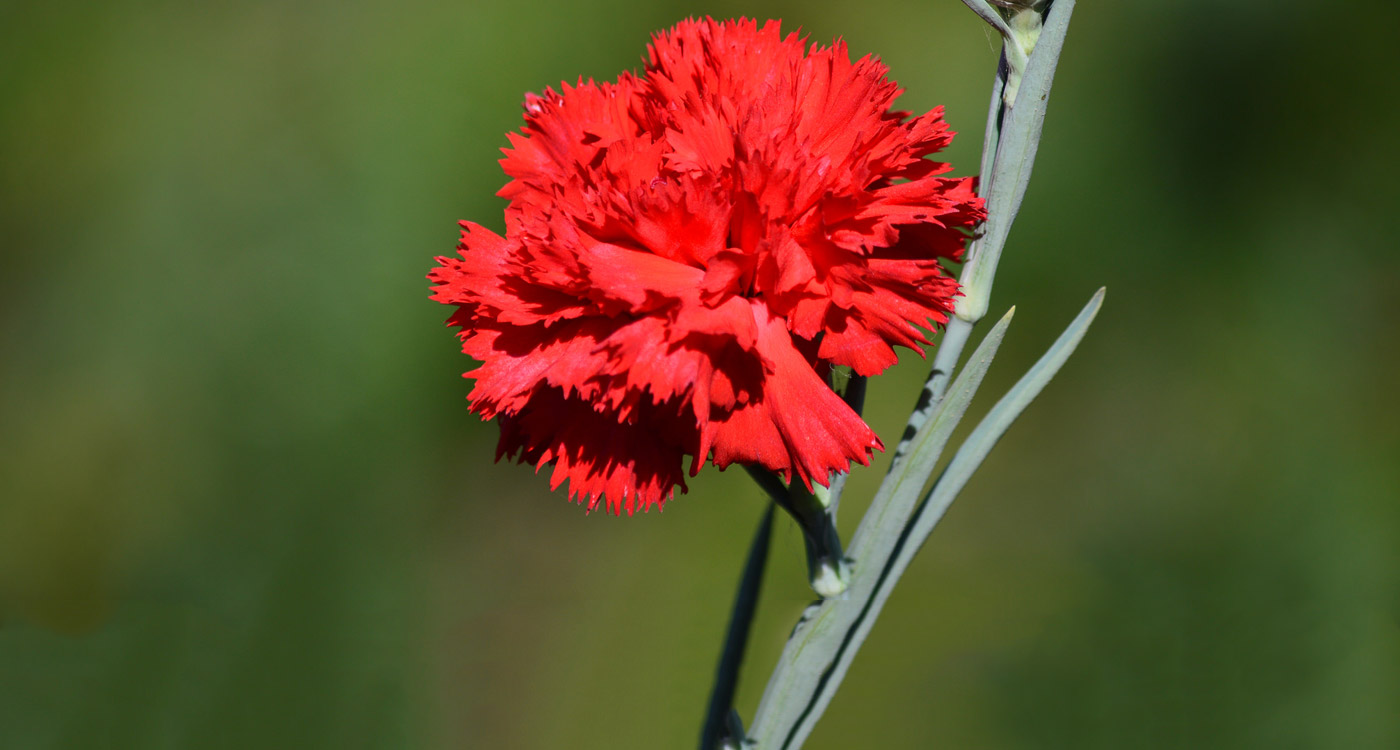
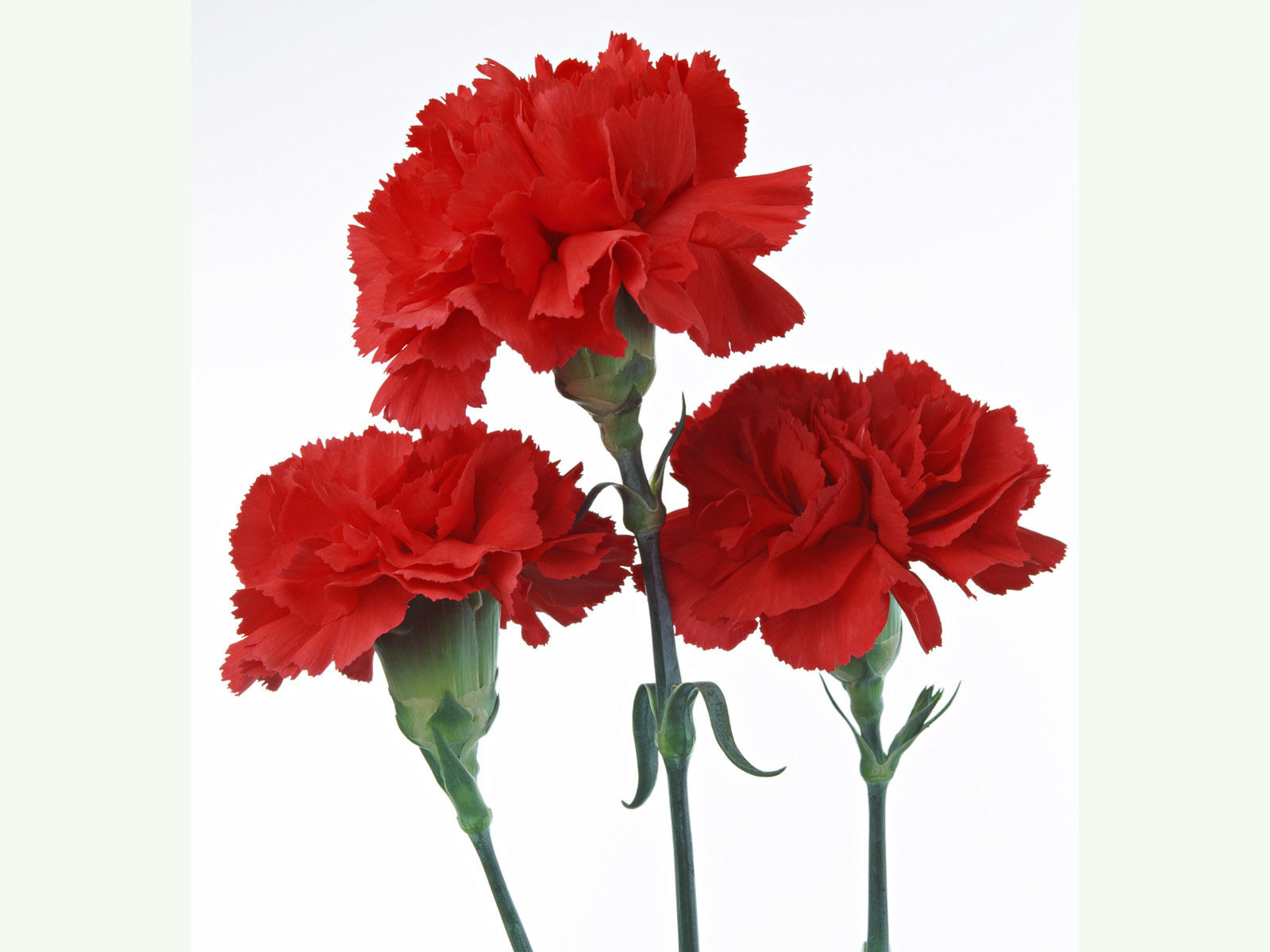
The Scarlet Carnation, also known as Dianthus caryophyllus, holds the esteemed title of being Ohio’s state flower. This vibrant bloom boasts a rich history and cultural significance, making it a beloved symbol of the state. The Scarlet Carnation’s striking appearance and captivating fragrance have solidified its place in the hearts of Ohioans and flower enthusiasts alike.

The Scarlet Carnation was designated as the state flower in 1904.

In 1904, the Ohio General Assembly officially declared the Scarlet Carnation as the state flower, honoring its deep-rooted connection to the state’s history and its widespread popularity among the people. This prestigious designation further elevated the flower’s status, cementing its position as a cherished emblem of Ohio’s natural beauty.

The Scarlet Carnation is deeply associated with President William McKinley.

The Scarlet Carnation holds a special significance in Ohio due to its association with President William McKinley, who was known for adorning his lapel with the vibrant bloom. This enduring tradition has contributed to the flower’s iconic status within the state, symbolizing honor, resilience, and the spirit of Ohio.

The Scarlet Carnation is a symbol of good luck and admiration.

Throughout history, the Scarlet Carnation has been revered as a symbol of good fortune and admiration. Its vivid red hue exudes a sense of passion and admiration, making it a popular choice for gifts and special occasions. The flower’s enduring symbolism has woven it into the fabric of Ohio’s cultural tapestry, where it continues to be cherished for its timeless beauty and significance.

The Scarlet Carnation is known for its spicy fragrance.

One of the most enchanting qualities of the Scarlet Carnation is its distinct spicy fragrance, which sets it apart from other floral varieties. The captivating scent of the Scarlet Carnation adds an extra layer of allure to its visual appeal, making it a sensory delight for all who encounter it.

The Scarlet Carnation is a perennial flowering plant.

As a perennial flowering plant, the Scarlet Carnation graces Ohio’s landscapes with its vibrant blooms year after year. Its enduring presence symbolizes resilience and longevity, mirroring the spirit of the state and its people. This perennial nature further cements the Scarlet Carnation’s status as a timeless emblem of Ohio’s natural beauty.

The Scarlet Carnation is a popular choice for floral arrangements and bouquets.

Due to its striking appearance and symbolic significance, the Scarlet Carnation is a favored choice for floral arrangements and bouquets. Whether adorning special events, weddings, or everyday occasions, the Scarlet Carnation’s vibrant petals add a touch of elegance and meaning to any setting, further solidifying its place in Ohio’s floral heritage.

The Scarlet Carnation is a source of inspiration for artists and poets.

The Scarlet Carnation’s captivating beauty and rich symbolism have inspired artists and poets throughout history. Its vibrant red petals and cultural significance have been immortalized in various artistic expressions, showcasing the enduring impact of this beloved state flower on Ohio’s creative landscape.

The Scarlet Carnation represents unity and pride in Ohio’s floral emblem.

As the Ohio State Flower, the Scarlet Carnation serves as a unifying symbol, fostering a sense of pride and connection among the state’s residents. Its enduring presence in Ohio’s cultural traditions and its representation of unity further solidify its status as a cherished emblem of the state’s natural heritage.

The Scarlet Carnation continues to bloom as a timeless symbol of Ohio’s natural beauty.

With its rich history, cultural significance, and enduring allure, the Scarlet Carnation stands as a timeless symbol of Ohio’s natural beauty. Its vibrant petals and deep-rooted symbolism continue to captivate hearts and minds, ensuring that the Scarlet Carnation remains an integral part of Ohio’s floral legacy for generations to come.

Conclusion

In conclusion, the Ohio state flower, the scarlet carnation, holds a special place in the hearts of Ohioans and symbolizes their pride and resilience. Its vibrant red hue and delicate petals make it a beloved emblem of the state’s natural beauty and rich history. The scarlet carnation’s journey from being a cherished symbol of good luck to its official designation as the state flower is a testament to its enduring significance. As Ohio continues to flourish, the scarlet carnation stands as a timeless representation of the state’s strength, determination, and unwavering spirit.

SOURCE: FACTS.NET

North Dakota State Flower: Wild Prairie Rose

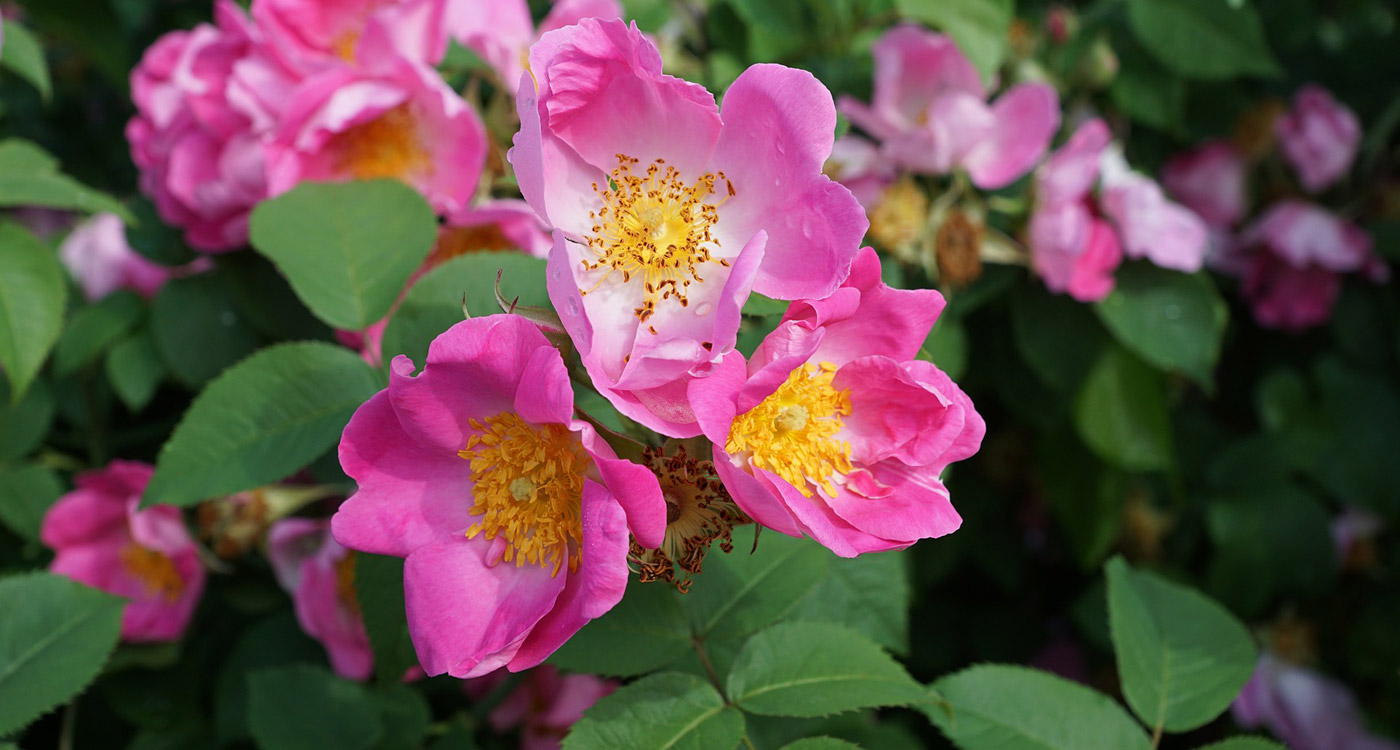
The North Dakota’s State flower, the Wild Prairie Rose, has three distinct species: the Rosa Blanda, Arkansana, and Pratincula. Grown as an ornamental plant, the lovely flowers sport five dazzling showy pink petals with a tight complementary cluster of shiny yellow stamens in the center.

The Wild Prairie Rose is native to a large area of central North America, although it’s concentrated in the Appalachian and Rocky Mountains. You’ll find it growing like wildfire across all of North Dakota, along roadsides, foothills, meadows and even cities. The extravagant pink perennial can sometimes be weedy or invasive.

From Fargo to Grand Forks and Bismarck to Red River, the Wild Prairie Rose can be found in abundance and is often picked by residents because of its wonderful scent. Considered a block shrub, these beauties are also found in South Dakota, Missouri and Minnesota.

One of the most stunning flowering crabapple varieties is the Prairie Rose Flowering Crab. It blossoms slightly later than other crab trees and the rose-like flowering is amazingly beautiful. Trees produce breathtaking double, deep pink flowers that are temptingly fragrant.

The Wild Prairie Rose is quite useful outside the garden as well! It’s often used in food, food additives, animal food, bee plants, fuels, poisons, medicines, and environmental compounds. In fact, the essence of Wild Prairie Rose can be used to help address issues which often underlay stress and health problems, helping to ‘untie’ or release mental/emotional energetic knots. Wild Prairie Rose essence helps transform emotions, attitudes or patterns of behavior to enhance development, growth and awareness.

Fun Fact

The USDA considers it a weed!

North Carolina State Flower: Flowering Dogwood

Flowering dogwood is a woody, deciduous, showy, understory tree in the dogwood family (Cornaceae) that is native from southeastern Canada through eastern North America to eastern Mexico, where it is commonly found growing in woodland margins. The species epithet is Latin for “floriferous.”

Flowering dogwood can be a tricky plant to grow in a landscape setting. Locate flowering dogwood in a site that receives full sun to partial shade, though in the piedmont and along the coast it may need more shade, especially in the afternoon. Plant in well-drained soil that is high in organic matter and has a slightly acidic to neutral pH. A 2- to 4-inch layer of mulch will help keep the roots cool and moist in hot summers. Propagate flowering dogwood by seeds or stem cuttings. 

Flowering dogwood is a small tree 15 to 25 feet tall. The tree is found throughout the state, usually growing under larger forest trees and at woodland edges. It is quite tolerant to heat once established and has a low flammability rating. The showy dogwood “flower” is actually a cluster of small, true flowers surrounded by four petal-like bracts. It is the state flower of North Carolina. The flowers are visited by butterflies and specialized bees, and the red fruits are a food source for songbirds and other wildlife from fall through winter.  

With multi-season interest, it has many uses in the landscape such as a butterfly, pollinator, or children’s garden, a native or winter garden, accenting a patio or play area, a specimen, or shade tree.  

Quick ID Hints:

Showy bracts emerge before the leaves.

Leaves are opposite with veins that arch up toward the tip.

Leaves have a smooth to wavy margin. 

Bark becomes scaly to finely blocky as it matures.

Insects, Diseases, and Other Plant Problems: Calico scale, dogwood borer, dogwood sawfly, Japanese maple scale, leafhoppers and oyster shell scale are a problem. Dogwood anthracnose is not all that common, only occurring at 1800 feet or higher elevation. Spot anthracnose is more common. Trees are also susceptible to powdery mildew, leaf spot, canker, root rot and leaf, twig blight crown canker, bacterial leaf scorch, powdery mildew and septoria leaf spot. The foliage is browsed by white-tailed deer, and these trees do not withstand pollution.  This tree can be challenging to grow in urban settings, other native trees should be considered.

New York State Flower: Rose

Meet Rose

Since 1955, the official state flower of New York, the rose exquisitely captures the essence and variety of the Empire State. New Yorkers have a particular place in their hearts for this treasured bloom, which is renowned for its brilliant colors and captivating scent. It speaks not only of beauty but also of strength and resilience—qualities that speak to the active culture and rich legacy of the city.

History and Why It Was Chosen as a State Flower

Rose History

The journey of the rose to its status as New York’s state flower is quite fascinating. Officially assigned on June 24, 1955, the rose took place of the less known daisy. This selection represented the flower’s great popularity in gardens all throughout the state and its close ties to New York’s past. Originating in Asia, the rose has thrived in the several climates of New York, fittingly symbolizing the state’s open and inclusive character.


State Flower Choice

Officially assigned on June 24, 1955, the rose took place of the less known daisy. This selection represented the flower’s great popularity in gardens all throughout the state and its close ties to New York’s past. Originating in Asia, the rose has thrived in the several climates of New York, fittingly symbolizing the state’s open and inclusive character.

Biological Information

Rosa is the scientific name for the rose; the Rosaceae family is where it belongs. Red, pink, yellow, and white are just a few of the hues this flowering shrub comes in. Its bright green leaves and prickly stems are well-known. Roses are a sensory feast since their sizes and forms vary from small, delicate blossoms to bigger, more amazing variations.

Roses benefit from abundance of sunlight and like well-drained ground. They proliferate in public parks as well as in private settings and in New York’s urban gardens. Regular watering—especially in dry conditions—helps to maintain their bright appearance and health.

Blooming Period

One of the most anxiously anticipated seasons in New York is rose bloom time. Roses usually bloom late spring to early fall, with best beauty visible from June to August. The length of the blooming would vary according on the type and environment from few days to many weeks. The longevity of the blossoms depends mostly on factors including temperature, sunlight, and waterings methods.

Meaning, Symbolism, and Representation

Roses carry profound symbolic meanings, representing love, passion, and beauty. In New York, they are woven into the fabric of the state’s traditions, appearing in festivals, weddings, and celebrations. The rose serves as a reminder of the enduring spirit and charm that define New York.

Beyond their aesthetic beauty, roses symbolize resilience and hope. They flourish in parks, gardens, and backyards, serving as a testament to the vibrant life and creativity that characterizes New York.

SOURCE: MYGLOBALFLOWERS.COM

New Mexico State Flower: Yucca

Fun Facts about Yucca:

1. A Desert Survivor

Yucca plants are renowned for their ability to thrive in some of the harshest conditions. With their sword-like leaves and formidable spikes, yuccas are uniquely adapted to the arid desert environment.

These plants have evolved to conserve water by reducing the surface area of their leaves, making them ideal inhabitants of New Mexico’s dry climate. Their resilience in the face of adversity has made them a symbol of survival and adaptability.

2. Distinctive Features

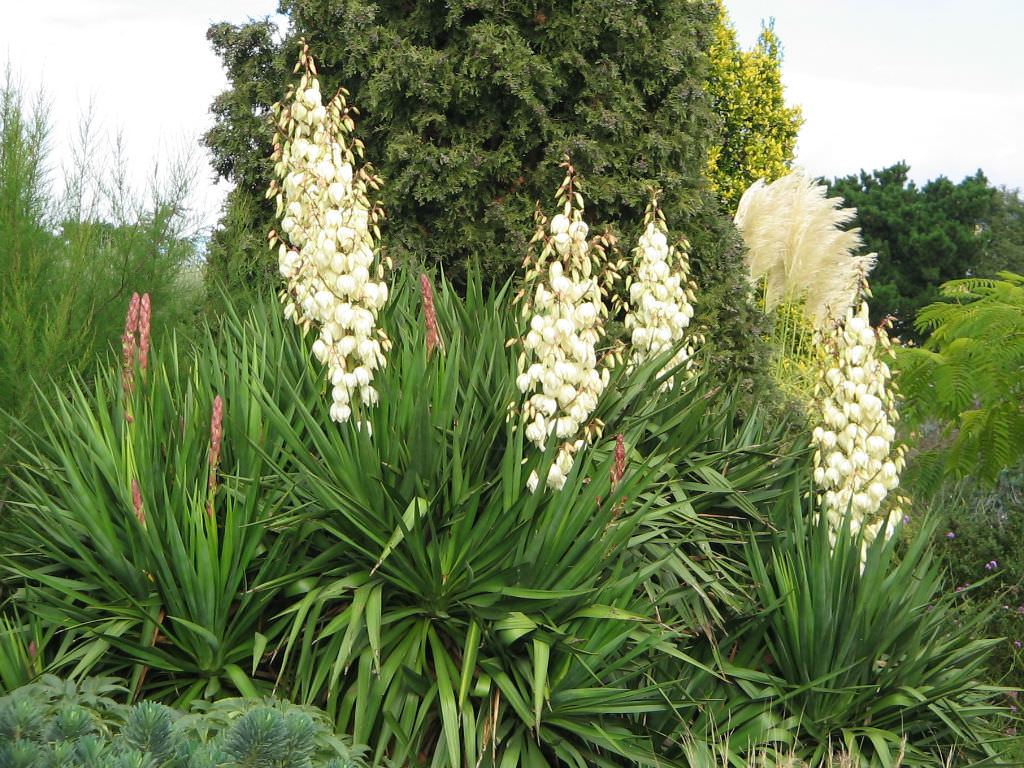
Recognizing a yucca is relatively easy due to its distinctive appearance. Yucca plants typically have long, pointed leaves that can range from green to bluish-gray in color. Some varieties produce spectacular flowering stalks that shoot up from the center of the plant, bearing clusters of creamy white or pale yellow blossoms. These blooms often emit a sweet fragrance, attracting pollinators like yucca moths.

3. Edible and Medicinal Uses

Yucca is not just a survivor in the wild; it’s also an essential resource for humans. The plant’s edible flowers, fruit, and stems have been consumed by Native Americans for centuries. Yucca flowers are a delicacy when cooked, and the fruit pods can be roasted or ground into a nutritious flour. The roots of some yucca species contain saponins, natural compounds with cleansing properties, which have been used in traditional medicine for various purposes.

4. Landscaping 

The yucca plant’s unique beauty makes it a sought-after addition to xeriscaped gardens and desert landscaping. Its architectural form and low-maintenance requirements have made it a staple in New Mexican gardens, where it thrives with minimal water. However, it’s crucial to be mindful of preserving wild yucca populations, as some species are slow-growing and susceptible to overharvesting.

5. Yucca and Native American Culture

For centuries, yucca has held a significant role in Native American cultures across the Southwest. Indigenous communities have utilized various parts of the yucca plant for practical and spiritual purposes. The leaves of the yucca were woven into baskets, sandals, and even clothing, showcasing the plant’s versatility. Additionally, yucca’s durable fibers were used to create cordage and rope. In some cultures, the yucca plant holds symbolic importance, representing strength, protection, and resilience.

New Jersey State Flower: Meadow Violet

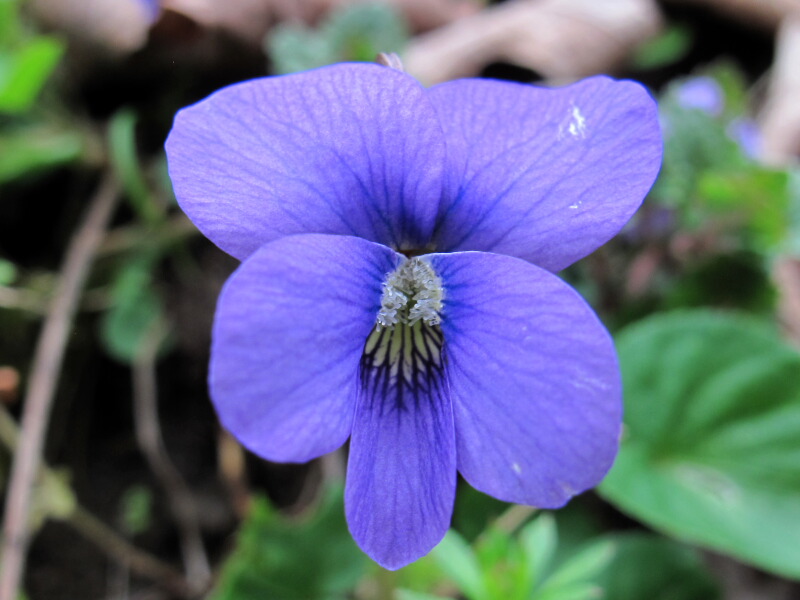
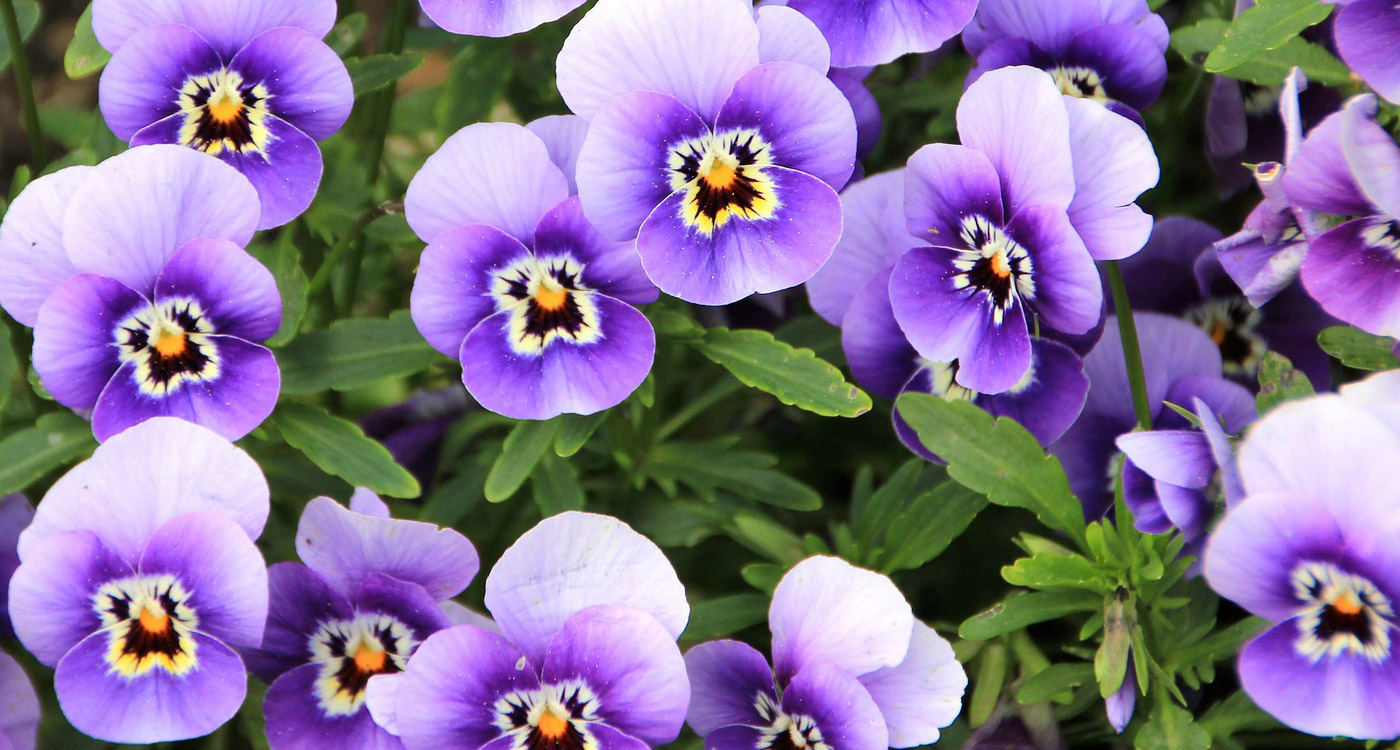
Common blue violet is a rhizomatous clumping annual in the Violaceae (violet) family native to eastern and central North America. It grows 6 to 10 inches in height and width, and is found in woods, thickets, and along streambeds, especially in shadier areas.  

The common blue violet prefers moist, rich soils and dappled sunlight. However, it will grow in many light conditions and tolerate wet soil, clay soil, and being planted near black walnut trees. It also freely self-seeds and may become invasive in fertile, moist locations. During hot summer months, the foliage tends to depreciate. During the summer months, it produces flower buds that never open (called cleistogamous flowers) but which develop into fruits with fertile seeds.

Nectar from the flowers attract butterflies and bees. Members of the genus Viola support specialized bees: Andrena (Gonandrena) fragilis, Andrena (Gonandrena) integra, and Andrena (Gonandrena) platyparia. Birds and small mammals use the seed fruits as a food source.

Use the blue violet as a wildflower in lawns, rock gardens, edging, and borders. This plant can also be used as a groundcover along walls and path edges as mowing can limit its spread. It is best in open woodland gardens where it can be left to spread naturally. It is deer resistant, but much loved by rabbits.

Quick ID

Leaves are basal, heart-shaped, crenate, and subpeltate

Many solitary, 2 cm flowers on slender, peltate stalks

Acaulescent herbaceous plant with purple to white spring flowers

Lateral petals with basal tufts of hairs

Insects, Diseases, and Other Plant Problems: May have some issues with slugs, snails, aphids, red spider mite, and violet gall midge. Powdery mildew and pansy leaf spot are occasional disease problems. 

New Hampshire State Flower: Purple Lilac

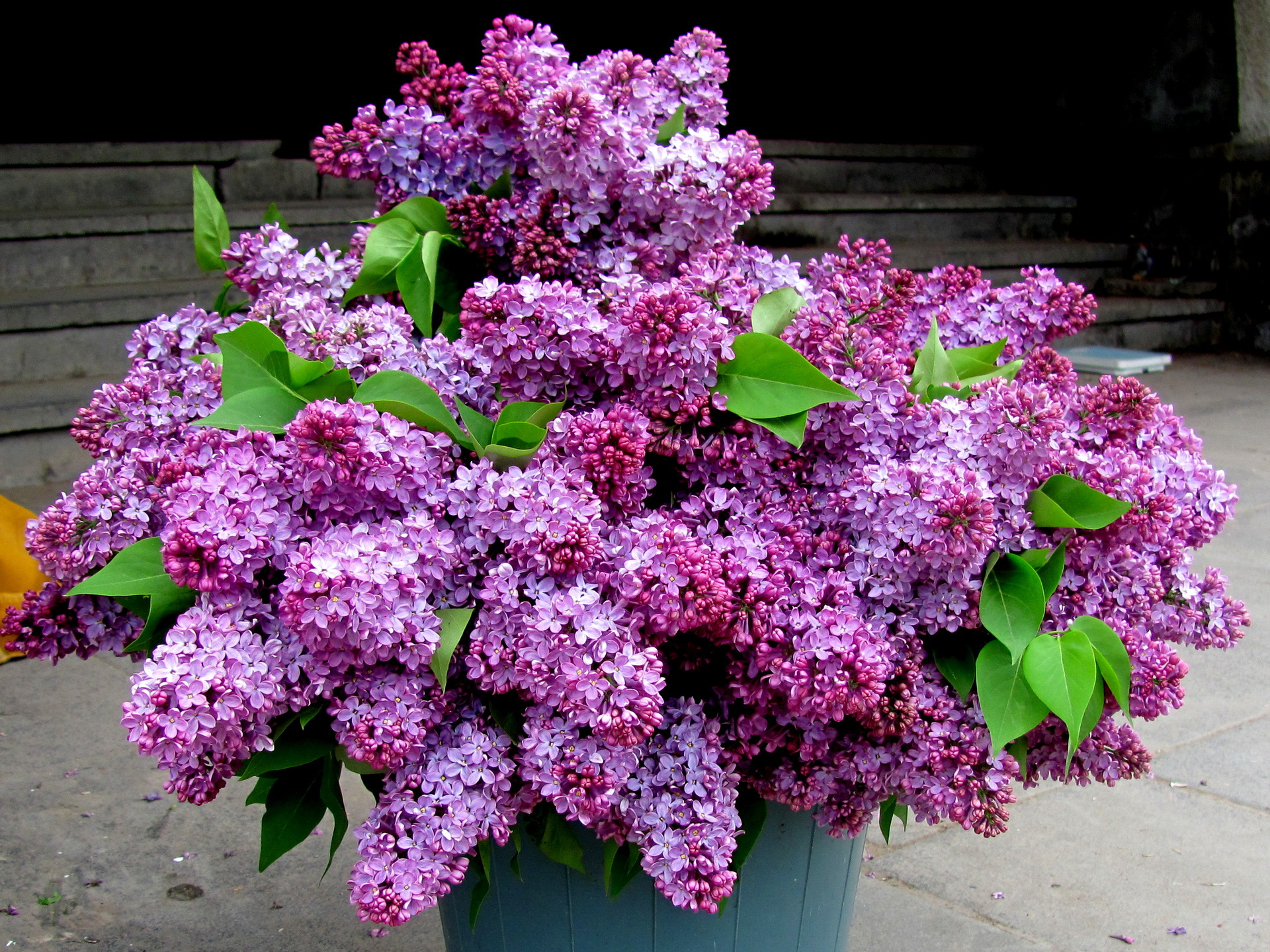
The common lilac (Syringa vulgaris)—also known as the French lilac or simply the lilac—is a member of the olive (Oleaceae) family. Its relatives include ash trees, jasmine shrubs and vines, forsythia bushes, and privets. The common lilac is a popular ornamental landscaping plant that’s fairly low-maintenance under the right conditions. Native to the Balkan Peninsula, lilacs have long been revered for the heady scent of their abundant flower clusters. In the 1500s, the flowering shrub found its way to northern Europe, and settlers brought it to North America in the 1700s. New Hampshire even made the lilac its state flower.

They are very low-maintenance plants and require little care beyond annual pruning and fertilization. They are great plants for landscaping, including border plants and hedges, and are quite beautiful on their own.

Common Lilac Care

Here are the main care requirements for growing common lilacs:

Plant in full sun in a loamy, somewhat moist soil.

Can tolerate periods of drought, but prefers good watering during hot, dry weather.

Can handle frigid weather but prefers a cool, moderate temperature.

Benefits from a good pruning.

Light

Plant your lilac in an area that receives at least six hours of full sun each day. Lilacs will grow in some shade but likely won’t produce as many of the prized blooms.

Soil

Common lilacs like loamy, somewhat moist, neutral to slightly alkaline soil. Lilacs must have good drainage to avoid root rot and other diseases.

Water

Lilacs can tolerate the occasional drought but likely would benefit from supplemental watering during excessively hot, dry stretches.

Nevada State Flower: Sagebrush

Nevada, the Silver State, is renowned for its stunning landscapes and unique flora. Among its natural treasures is the sagebrush, the official state flower of Nevada. This hardy and aromatic plant holds great significance in the state’s ecosystem and history. In this article, we’ll explore 10 fascinating facts about the Nevada state flower, shedding light on its cultural, ecological, and botanical importance. From its role in Native American traditions to its resilience in the harsh desert environment, the sagebrush embodies the spirit of Nevada’s rugged beauty. Let’s delve into the captivating world of the sagebrush and uncover the secrets that make it a cherished symbol of the Silver State.

Key Takeaways:

Sagebrush, Nevada’s state flower, symbolizes endurance and resilience, providing habitat and food for wildlife while stabilizing the state’s arid landscapes. It’s deeply ingrained in the state’s cultural heritage and inspires conservation efforts.

The aromatic Sagebrush embodies Nevada’s untamed spirit, captivating all with its evocative scent. It’s a living symbol of the state’s indomitable spirit, resilience, and natural beauty, cherished by its people and deeply rooted in its identity.

Sagebrush: The Emblem of the Silver State

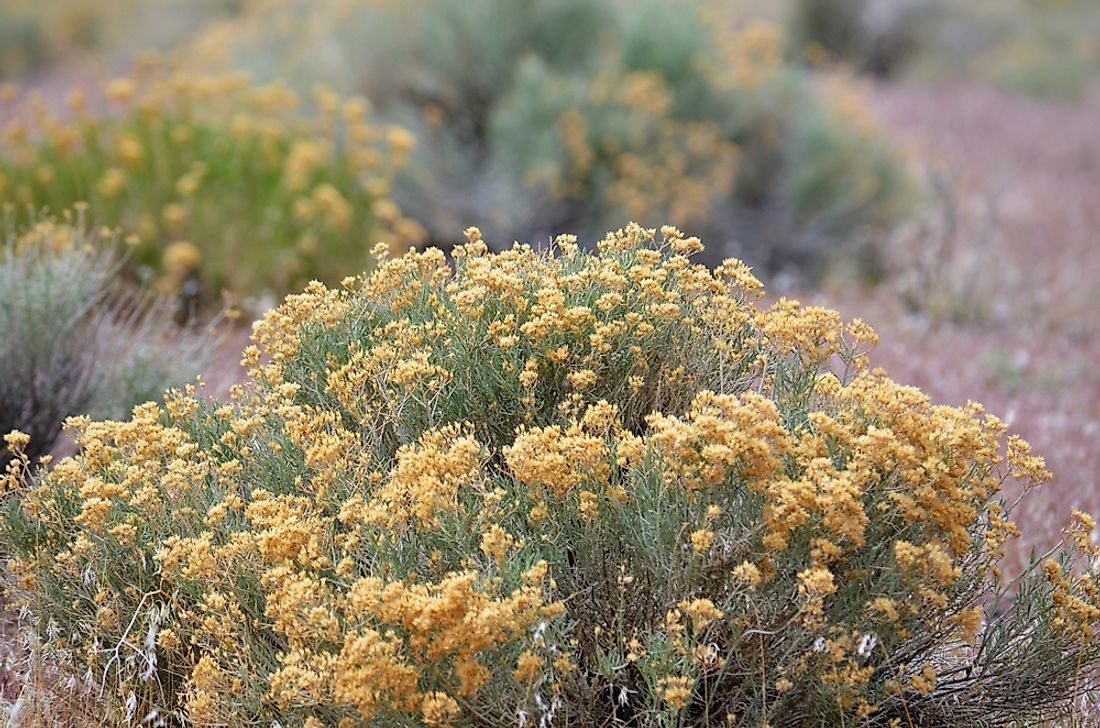
Known as the emblem of the Silver State, Sagebrush (Artemisia tridentata) is the official state flower of Nevada. This resilient and aromatic plant holds immense significance in the state’s history and ecology. Sagebrush thrives in the arid landscapes of Nevada, demonstrating remarkable adaptability to harsh environmental conditions. The plant’s distinctive silvery-green foliage and its invigorating scent are emblematic of the rugged beauty of the Nevada wilderness.

A Symbol of Endurance

Sagebrush is a symbol of endurance and tenacity, reflecting the resilience of the state’s inhabitants and its natural environment. Despite its unassuming appearance, Sagebrush plays a vital role in Nevada’s ecosystem, providing sustenance and shelter for diverse wildlife, including the state animal, the Desert Bighorn Sheep. This hardy shrub is deeply intertwined with the fabric of Nevada’s identity.

Historical Significance

Sagebrush has deep historical roots in Nevada, dating back to the time of the early settlers and Native American tribes. The plant’s presence in the state’s folklore, medicine, and daily life underscores its cultural significance and enduring legacy. Its prevalence in the Great Basin region has made it an enduring symbol of the state’s rugged beauty and the resilience of its people.

Additional Sagebrush Plant Information

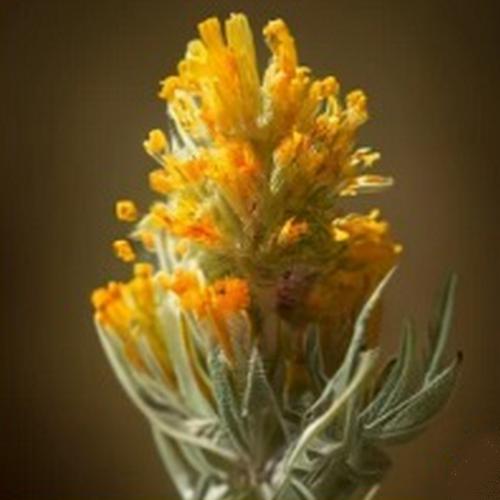
Sagebrush leaves can be identified by their grayish wooly appearance. They are about an inch long and end in a three-pronged set of “teeth.” This characteristic is important sagebrush plant information and sets them apart from other species of Artemisia. The young bark is gray and covered in fine hairs while older growth is dressed in shredded bark that falls off easily. Most plants do not grow taller than 4 feet but occasionally they have been found 10 feet tall in their native habitat. The shorter size is more likely when growing sagebrush plants in the home landscape.

Uses for Sagebrush

In addition to the medicinal uses for sagebrush, it is an important habitat for native birds, small rodents and reptiles. The plant was used as building material for baskets and rope, and the wood was fuel for early Native American people. It also has importance as a spiritual and ritual aromatic plant. The smoke is thought to have cleansing properties by those with belief in spirits. As a poultice, it clears lungs and eases aches and pains. It was once chewed for its ability to soothe stomach problems and bowel issues. Another of the uses for sagebrush included lining cloth with the leaves of the plant as a diaper.

How to Care for a Sagebrush Plant

Sagebrush is a member of a hardy and adaptive genus that thrives where moisture and nutrients are low. They can survive ferocious winds and extreme periods of drought. As such, the worst thing you can do to sagebrush is overwater it. If you give the plant supplemental water in spring, it will bloom. There is no need to water after the plant has been established.

Most pests and insects are repelled naturally by the plant’s strong taste and odor.