Wyoming State Flower: Indian Paintbrush

Native to the American Southwest, Indian paintbrush (Castilleja spp.) colors a meadow or woodland garden with showy clusters of red-orange leaves (aka bracts) in late spring or early summer. The colorful bracts, which resemble paintbrushes dipped in paint, mask the plant’s actual flowers. These small blossoms are vital for setting seed, of course, but are otherwise unremarkable. Indian paintbrush (also called desert Indian paintbrush) is known to be slightly unpredictable. Some years the foliage will be brilliantly colored, and other years it will be muted. Accept this unpredictability as part of the plant’s charm.  

A symbiotic plant, Indian paintbrush grows best when planted where its root system can tap into the root system of a host plant to obtain nutrients. The host plant is rarely harmed by the relationship, and Indian paintbrush thrives. Good host plants include little bluestem (Schizachyrium scoparium), beardtongue (Penstemon), and blue-eyed grass (Sisyrinchium angustifolium).

The leaves and roots of Indian paintbrush can be toxic to humans and livestock.

Where to Plant Indian Paintbrush

Wild Indian paintbrush thrives in sandy soil, sagebrush plains, grassland, and semidesert locations up to 9,500 feet. That’s why it’s best suited for naturalized areas and prairie pockets alongside other native plants rather than manicured gardens.

How and When to Plant Indian Paintbrush

Seeding is the best way to plant Indian paintbrush because container-grown plants are difficult to transplant. Seed Indian paintbrush in late summer in sandy, well-drained soil. Be patient; the seeds may take a few months to germinate; they need a period of cold stratification first. If the seed is pre-stratified, sow it in early spring.

Expect the young biennial plants to unfurl a low-growing rosette of foliage during that first growing season. Colorful bracts appear in spring or early summer of the second growing season, followed by seeds in the fall. The plant will die shortly after setting the seed that will become a new generation of Indian paintbrush.

Types of Indian Paintbrush

Wholeleaf Indian Paintbrush

Wholeleaf Indian paintbrush (Castilleja integra) is one of the larger varieties of Indian paintbrush. It typically stands 6-18 inches tall but can grow to as much as 36 inches. “Whole” in the name refers to the fact that the leaves don’t have the division seen in many Indian paintbrush plants. Zones 4-10

Texas Indian Paintbrush

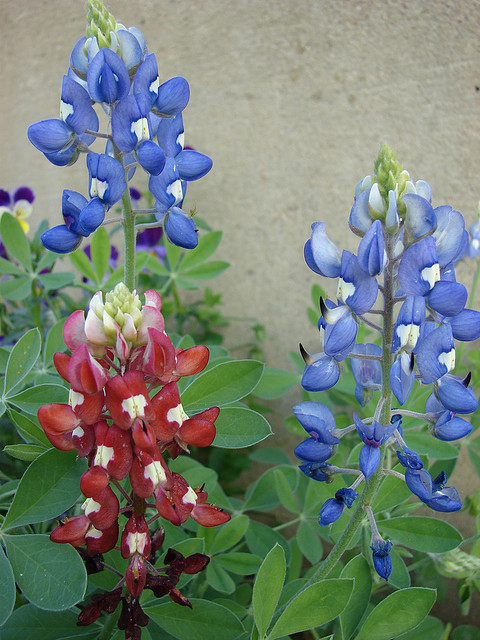
Texas Indian paintbrush (Castilleja indivisa) is native to Texas, grows 12-18 inches high, and is topped by bright red spikes. A yellow or white variation sometimes occurs. It’s not easy to cultivate, but the spectacular flowers make it worth the effort. Zones 4-8

Scarlet Painted Cup Indian Paintbrush

Indian paintbrush (Castilleja coccinea), also called scarlet painted cup for its attractive spikes, is present primarily in the Eastern states. Like other Indian paintbrushes, it is popular with bees and hummingbirds. Zones 4-9

West Virginia State Flower: Rhododendron

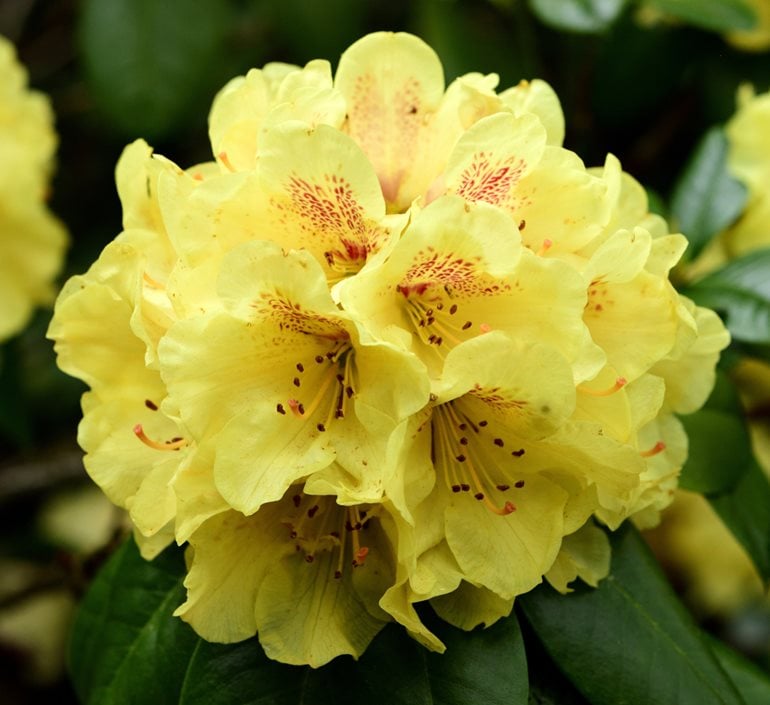
Rhododendron is a genus of more than 1,000 deciduous or evergreen flowering shrub species, with more than 25,000 cultivars and hybrids. They come in a wide range of sizes, flower colors and shapes, and many are North American natives. The bloom time is usually spring into summer, but some cultivars bloom in late winter or late summer. The growth rate and preferred conditions of rhododendron species vary widely. However, most prefer moist, well-draining soils, partial shade, and conservative fertilization. All rhododendrons are toxic to people and pets.

Rhododendron Plant Care 

While rhododendron species vary in their care preferences, and many grow in a wide range of conditions, the typical main rhododendron requirements are:

Plant in fertile, well-draining, acidic soil.

Position in partial or dappled shaded.

Water to maintain even moisture, but avoid soggy soils.

Fertilize with a rhododendron formula annually only when soils are poor.

Light

In their native habitats, rhododendron grows in dappled woodland shade and under trees. Choose a location in partial shade where the plant isn’t exposed to the hot afternoon sun, which is especially important in a warmer climate. 

Soil

Rhododendrons need moist, well-draining soils rich in organic matter. They’re sensitive to soggy, heavy clay, or compacted soil with poor drainage, which can lead to root rot. These shrubs prefer acidic soils with a pH between 4.5 and 6.0.

Water

Rhododendrons have shallow roots and require even moisture to thrive, especially during the first year after planting. Water the plant slowly and deeply around twice a week during the first growing season, not leaving the roots in standing water.

Even if the plant doesn’t show signs of drought stress, water established rhododendron every two to three weeks during dry spells. Adding a layer of mulch helps with water retention.

Temperature and Humidity

Temperature ranges vary depending on the rhododendron variety. Some tolerate heat and humidity, and others are cold-hardy. Most varieties don’t like strong winds and are sensitive to temperature extremes. 

Fertilizer

If you plant your rhododendron in rich soil with plenty of organic matter, there’s usually no need to fertilize. In less fertile soil, use a formula for acid-loving rhododendron in late winter or early spring, following the label instructions. 

Washington State Flower: Coastal Rhododendron

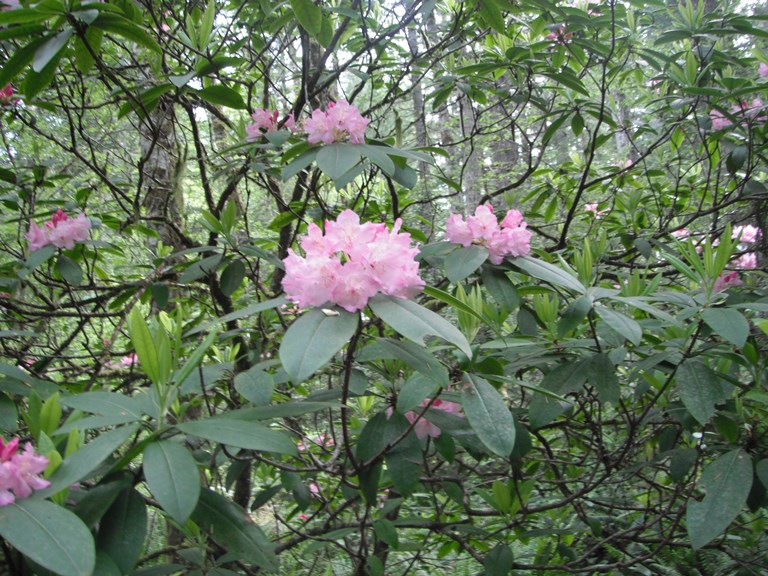
Names: The Pacific Rhododendron is also known as the Coast Rhododendron, California Rhododendron, or California Rosebay.  Rhododendron macrophyllum literally means, “Rose tree with big leaves.”  It is the state flower of Washington State.

Distribution: The Pacific Rhododendron is found west of the Cascades from southern British Columbia to Northern California.

Growth:  It reaches to about 24 feet; taller in the shade than in the sun.

Habitat: It grows in in fairly dry open forests and edges. It commonly grows along roadsides in the rainshadow of the Olympic Mountains.

Diagnostic characters: The thick, leathery leaves of Pacific Rhododendron are oblong, 3-8 inches long.  The pink, sometimes white, bell-shaped flowers are borne in showy clusters called trusses.  Each flower has 5 lobes with wavy edges.  Seeds are produced in woody capsules.

In the Landscape: Rhododendrons have long been a favorite of landscapers in the Pacific Northwest.  Although many may prefer the variety of flower colors, and forms in cultivated varieties, our native Rhododendron with its bold green leaves and spectacular pink flower clusters can find a place in both wild settings and more traditional landscapes.  Even those that steer away from rhodies due to the fact that they are so common in northwest gardens may be convinced to include this native species in their yard!  Pacific Rhododendron is also useful for erosion control on steep watersheds.

Virginia State Flower: Dogwood

Virginia’s history dates back to 1492 when Christopher Columbus made his first voyage to America. The name Virginia was given to the original Colony of Virginia and was derived from the Latin word “virga” meaning “rod”, or “staff”. Virginia’s historical background is rich in architecture, music, dance and cuisine. Virginia is also known for its beautiful wildflowers. In spring and summer, the fields and woodland hillsides are filled with beautiful wild azalea, dogwood, and bluebells. Out of all the flowers of Virginia, dogwood is the most important.

Virginia State Flower – Dogwood Flower

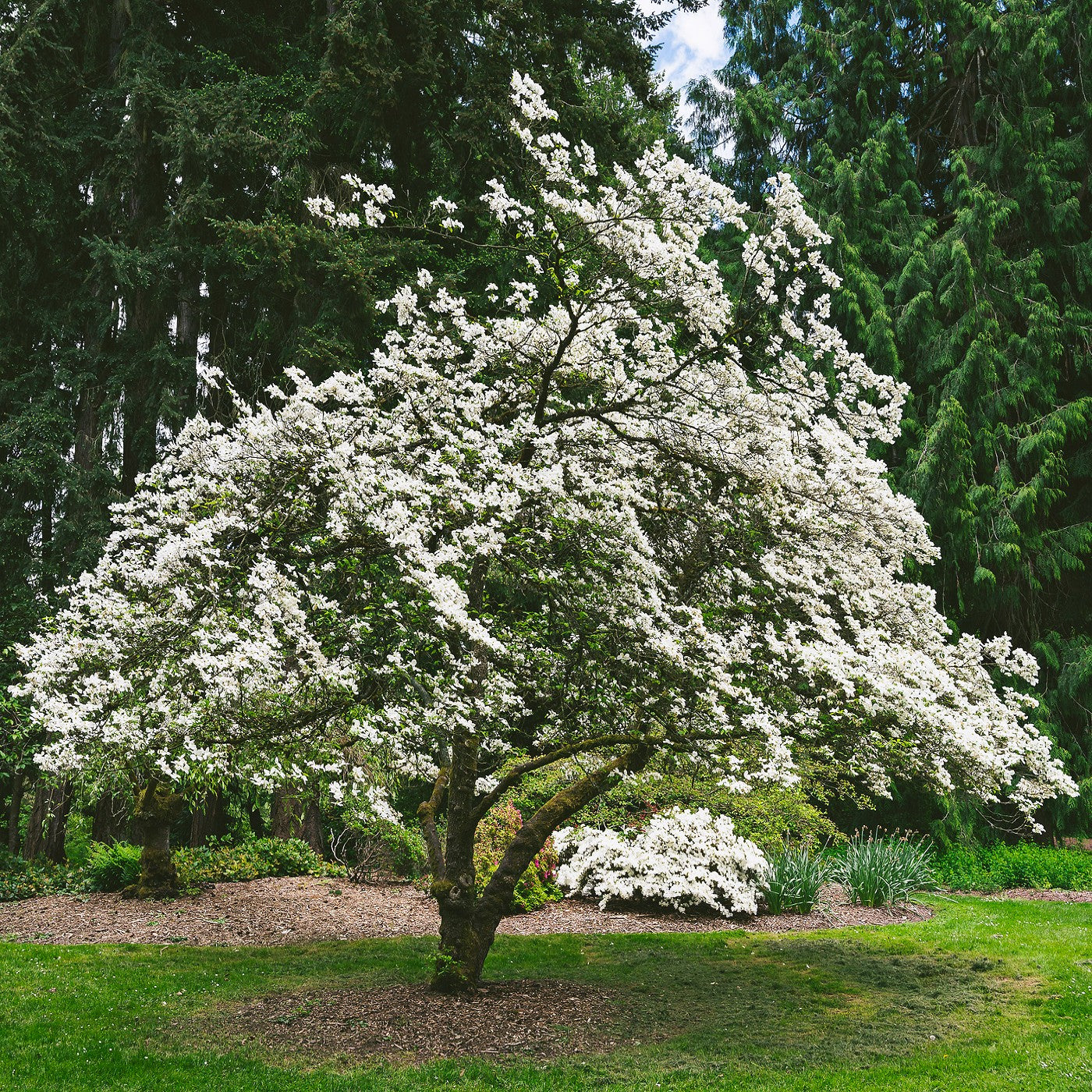
The dogwood flower tree has been the symbol of Virginia since 1903. The flowering dogwood is a native shrub that grows in all the states, but it is most commonly found in the South. The state flower of Virginia is the dogwood and can be seen growing along highways and in yards across the state.

Dogwoods are native to North America, with an estimated 15 species growing throughout the U.S and Canada. The flowering dogwood of Virginia is a small deciduous tree that typically grows 15 to 20 feet tall. The dogwood blooms in early to mid-spring, and again in late spring or early summer when the leaves are fully expanded.

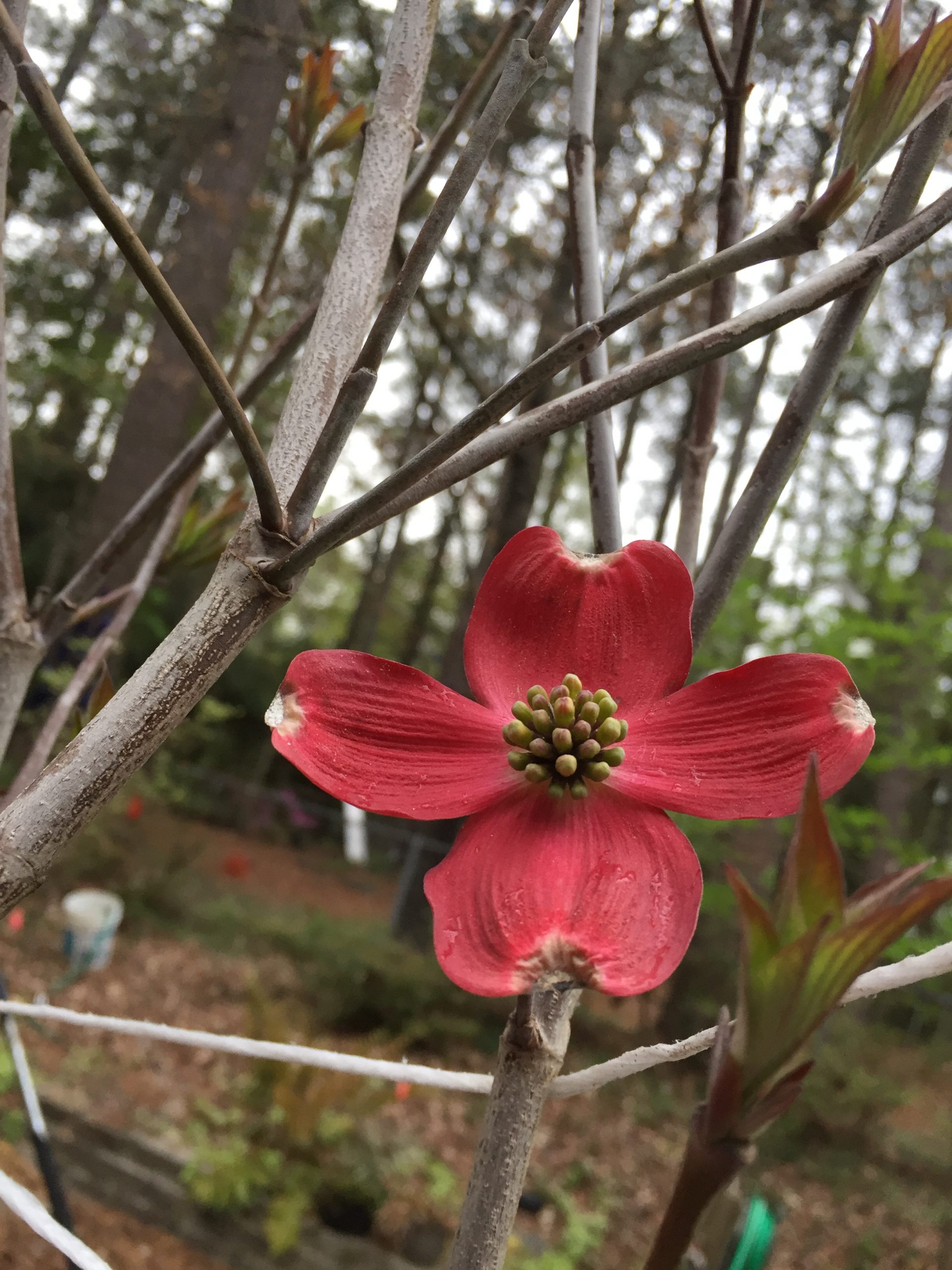
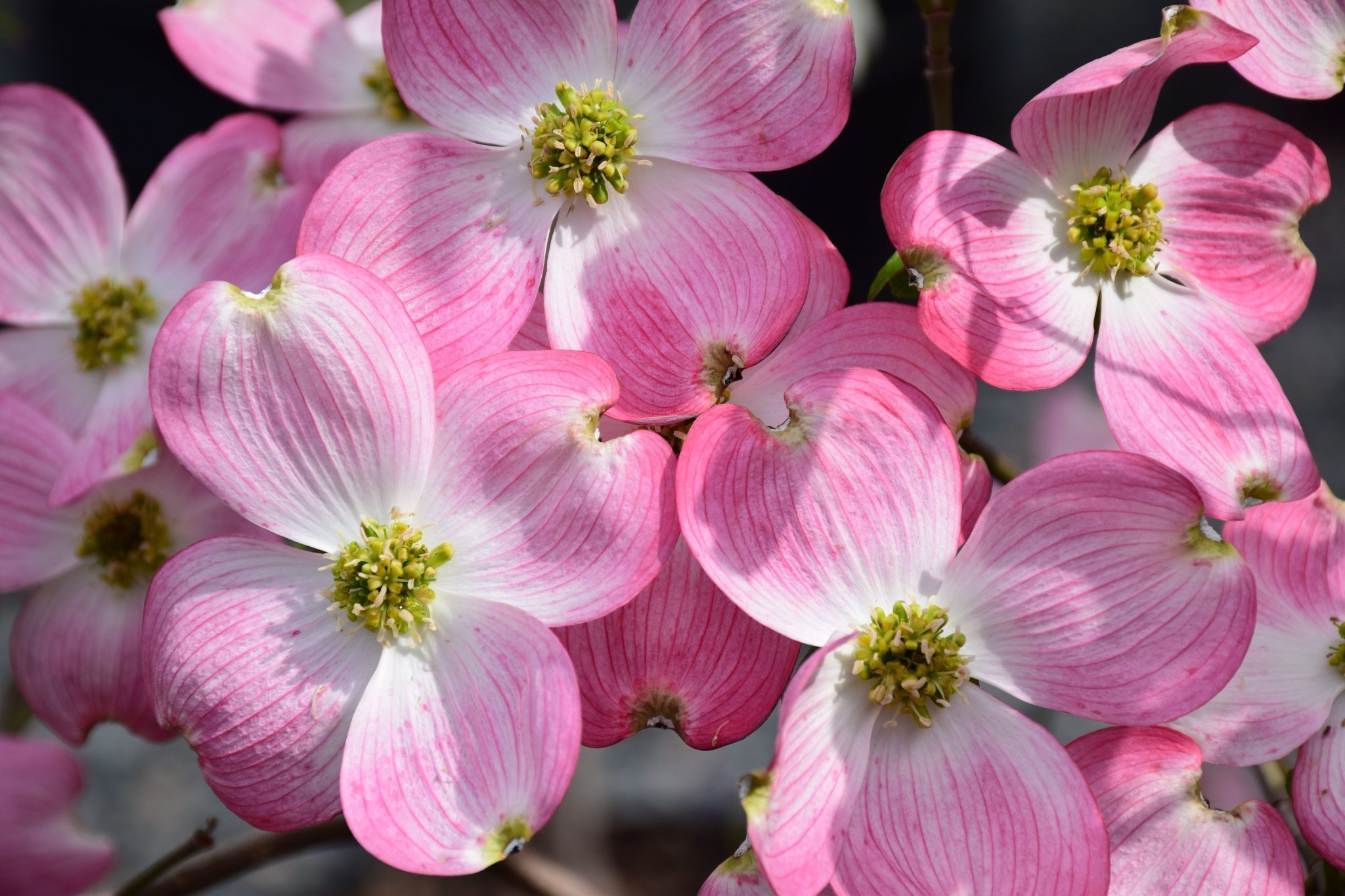
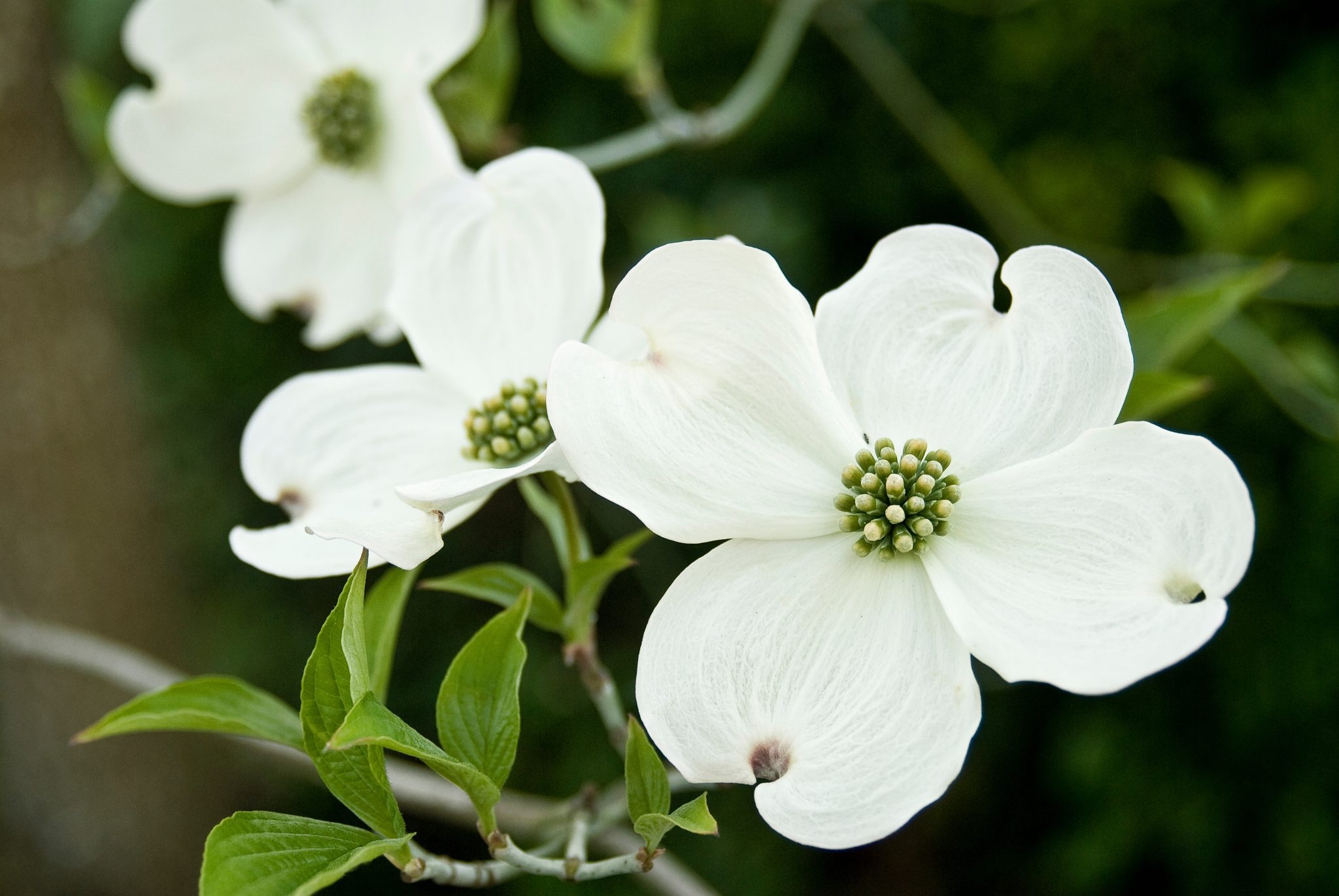
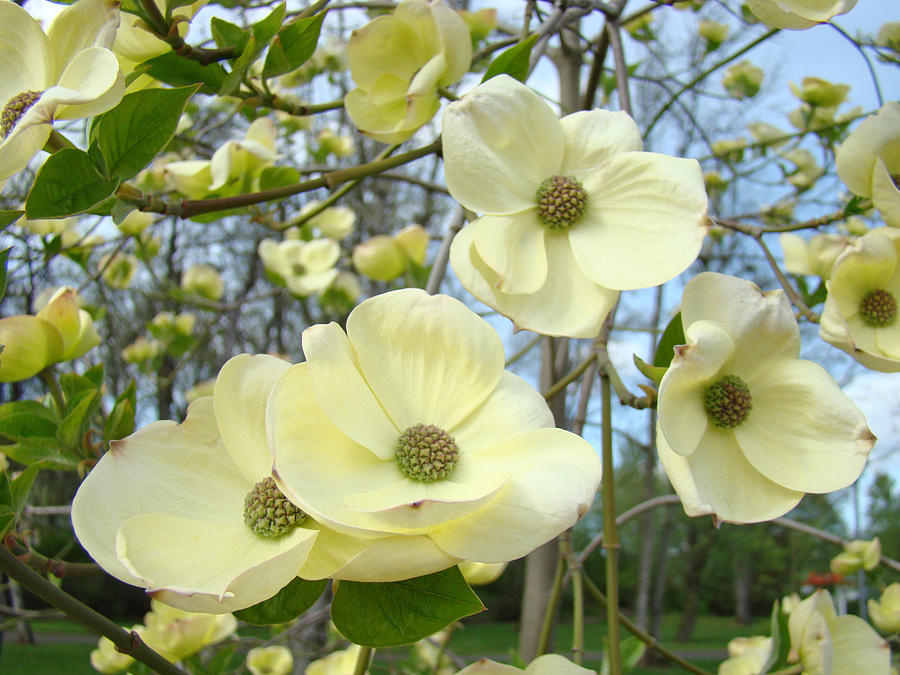
The dogwood is also known as Cornus Florida or C. alba. Its name comes from its resemblance to a small dachshund because of the long white bracts surrounding each petal which resemble legs. The colorful bracts may be white, red, pink, or yellow. The tiny flowers are a prominent part of the display and have a “clustered cross” shape that is especially notable in the red variety. The four petals commemorate the cross of the crucifixion, and the inner ring of large white and smaller yellow petals represents a crown of thorns. Each flower has up to five petals, which are each 1 to 2 inches long. Its leaves are a glossy green and grow to 5 inches long.

Dogwood Flower Meaning and Symbolism

The flowering dogwood symbolizes spring in the state of Virginia when the trees begin to blossom. As the blooms fall away and leaves emerge, white berries turn red and then fall to the ground. They are also a symbol of patriotism, courage, and victory.

Dogwood flowers come in a wide range of colors, but the three most common are white, pink, and red. These beautiful trees can be planted anywhere, even in a dark corner where they can make an impact with their vibrant colors.

According to tradition, the meaning of various colors of dogwood differs depending on what they represent.

1.Red dogwoods represent love.

2.Pink dogwood flowers mean friendship.

3.White dogwood blossoms symbolize heaven.

4.Yellow dogwood flowers mean purity.

Vermont State Flower: Red Clover

From The Charlotte News:

Introduced to Vermont by European settlers, red clover has become an essential part of the state’s landscape and identity. Designated as the state flower in 1894, this pinkish-purple bloom symbolizes Vermont’s deep agricultural roots, particularly its dairy farming heritage, and serves as a living tribute to the land’s rural character and economic lifeblood.

Originally from Asia Minor and southeastern Europe, red clover spread to the British Isles from Germany in the 1600s and was later transported to North America by English colonists.

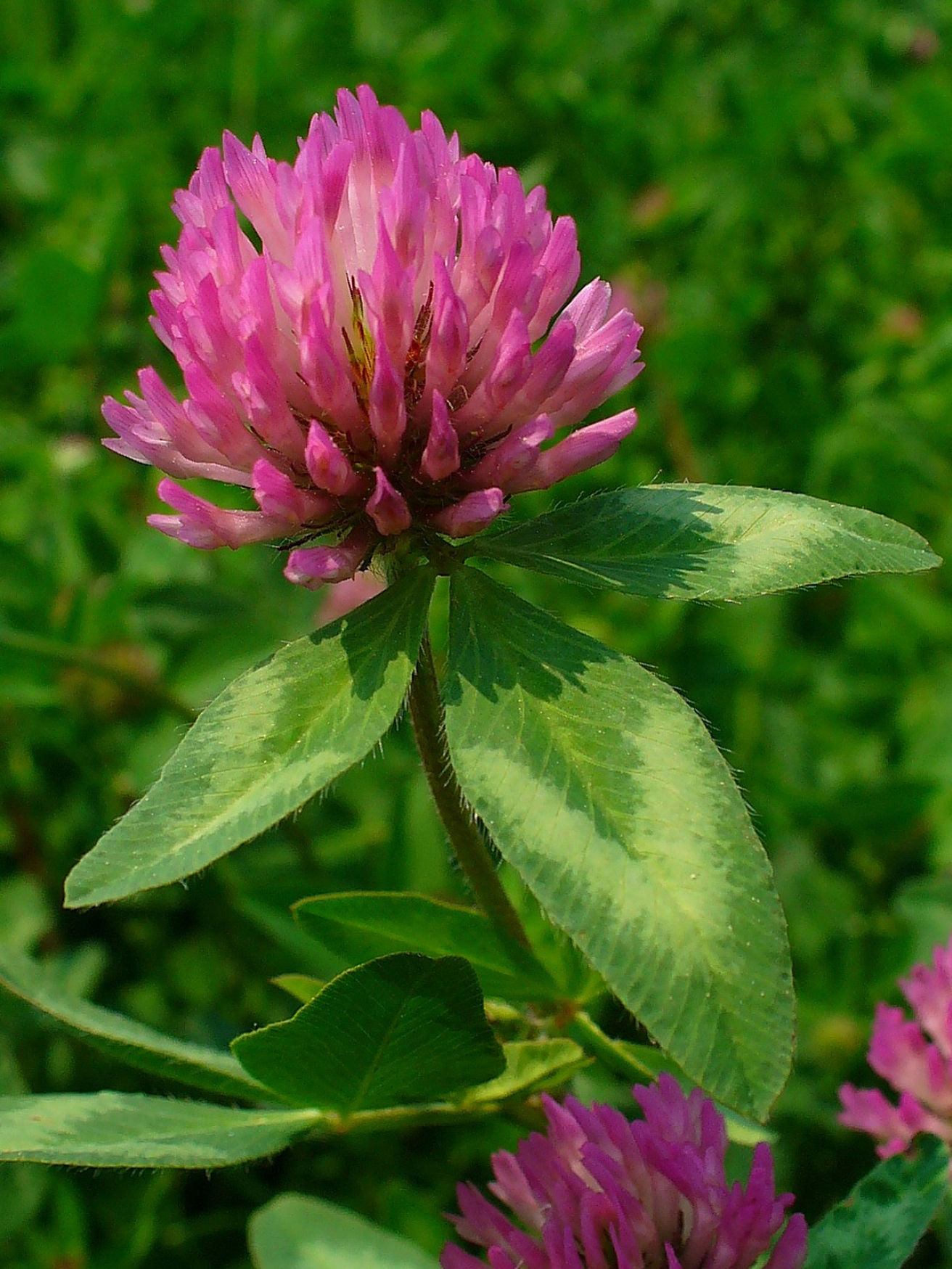
Red clover (Trifolium pratense) is an herbaceous biennial or short-lived perennial belonging to the legume family. The plant typically grows erect stems with leaves composed of three leaflets, each including light-colored “V” shapes. Its pink to rosy-purple pom pom-like flower heads are dense oval or spherical clusters, each consisting of up to 125 individual pea-shaped flowers.

Adaptable and relatively hardy, red clover thrives in U.S. Department of Agriculture hardiness zones 3 to 9. It prefers full sun and performs best when the temperatures are between 60 and 75 degrees Fahrenheit though it can tolerate both cold and heat. While it favors well-drained loamy soils, it can also grow in a variety of soil types, including those with poor drainage, provided it receives moderate moisture during its growing season.

Like other members of the legume family (which includes peas and beans), the roots of red clover develop nodules when in contact with beneficial soil bacteria known as rhizobia. They convert atmospheric nitrogen into a form that plants can use through a process called nitrogen fixation. This enriches the soil with nitrogen, an important macronutrient for plant health. Red clover can contribute 75 to 175 pounds of nitrogen per acre, an amount that underscores its value as a soil enhancer.

This nitrogen-fixing ability, combined with its fast growth, flexible planting schedule, tolerance for a variety of soil types and ability to break up compacted soils, makes red clover an exceptional cover crop. As the plant decomposes, it contributes organic matter that further improves soil structure and health.

To maximize nitrogen fixation, red clover seeds are often inoculated with Rhizobium trifolii bacteria and a sticking agent to encourage nodule formation. Inoculation is important in soils lacking sufficient populations of beneficial bacteria.

Red clover is typically direct seeded in the spring (April to May) or in the fall, assuming optimal moisture conditions. Fall planting should occur at least six weeks before the first frost to allow the plant enough time to establish. 

Farmers use red clover in a variety of ways: as hay, forage in pastures, as a cover crop or as part of a crop rotation system to improve soil health and reduce the need for synthetic fertilizers. In addition to its agricultural benefits, red clover is a magnet for pollinators. Many insects are drawn to its nutritious pollen and nectar with bees and bumblebees serving as its most effective pollinators.

Red clover is also edible to humans. The mildly sweet flowers are the most palatable, often added to salads, soups, jellies and baked goods. The leaves can be eaten in salads or brewed into tea. The seed pods are typically reserved for animal feed.

Historically, red clover has been valued for its medicinal properties. Native Americans used red clover infusions to treat various illnesses and applied it as an ointment for venomous bites. Its healing reputation spans ancient traditions across the globe.

Brought by settlers and embraced by generations of farmers, red clover reflects Vermont’s deep-rooted traditions and pride in its rural character. Its designation as the state flower honors both Vermont’s agricultural history and its enduring connection to the land.

SOURCE: CHARLOTTENEWSVT.ORG

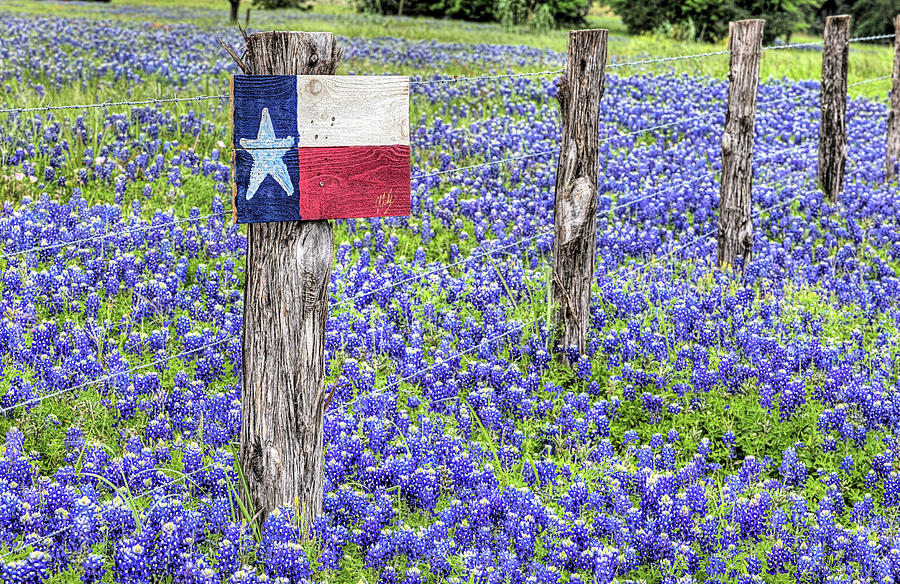
Texas State Flower: Blue Bonnets

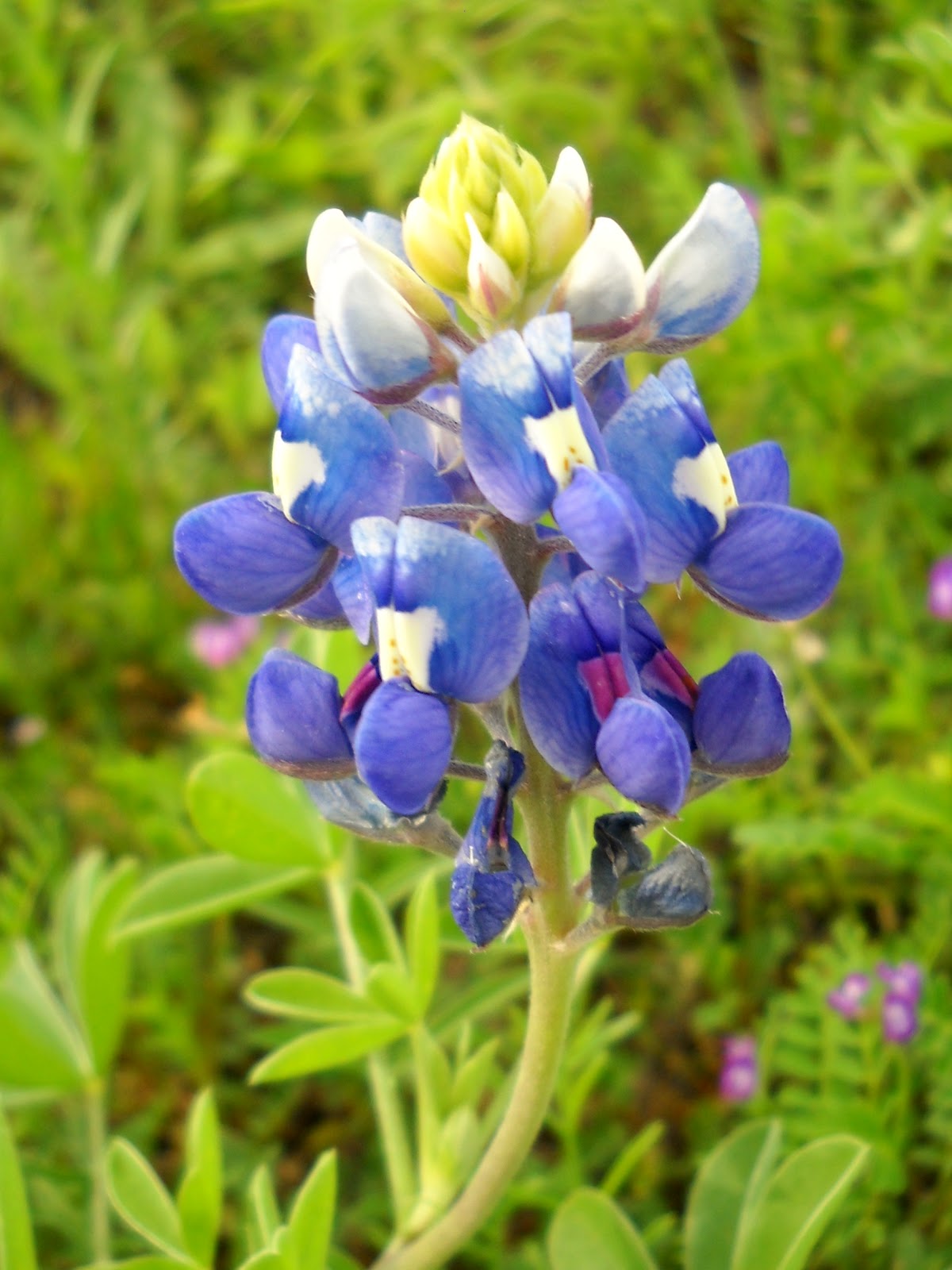
The Texas Bluebonnet, also known as Lupinus texensis, is a species of lupine that is the state flower of Texas. It is a member of the pea family and is known for its distinctive blue-purple color. The Texas Bluebonnet is an annual plant that typically grows to be between 12 and 24 inches tall. It has a stem covered in small hairs and leaves that are divided into three to seven leaflets.

The flowers of the Texas Bluebonnet are what make it such a beloved plant. They are shaped like a pea flower, with a distinctive banner petal that is white with a dark spot. The other petals are a rich blue-purple color that is truly stunning. The flowers bloom in the spring, typically from March to May, and can be seen across the state of Texas.

The Texas Bluebonnet is a hardy plant that can survive in a range of soil types, but it prefers well-drained soil. It is also drought-tolerant, which makes it a popular choice for landscaping in Texas. The plant is relatively easy to grow from seed, and it can be sown in the fall or early spring for best results.

Overall, the Texas Bluebonnet is a beautiful and iconic plant that is a source of pride for Texans. Its striking color and hardy nature make it a popular choice for landscaping, and it is a symbol of the state’s natural beauty.

How to grow Texas Bluebonnets (Lupinus texensis)

If you’re looking for a stunning addition to your garden or landscape, the Texas Bluebonnet (Lupinus texensis) is an excellent choice. Texas Bluebonnet is the state flower of Texas, and it’s easy to see why. With its iconic blue-purple petals and white tips, the Texas Bluebonnet is a sight to behold.

Here are some tips on how to grow Texas Bluebonnet:

Choose the right location: Texas Bluebonnets thrive in full sun, so look for a spot in your garden that gets at least six hours of direct sunlight each day. Also, make sure the soil is well-draining and not too rich in nutrients.

Plant at the right time: Texas Bluebonnets are annuals, meaning they grow for one year and then die. The best time to plant them is in the fall, around September or October. This gives the seeds time to establish before winter.

Prepare the soil: Before planting, loosen the soil to a depth of six inches and mix in a small amount of compost or other organic matter. This will help improve soil drainage and provide some nutrients for the plants.

Plant the seeds: Scatter the seeds over the prepared soil and lightly rake them in. You can also plant them in rows if you prefer. Make sure the seeds are not planted too deeply; they should be just below the soil surface.

Water regularly: Keep the soil moist but not waterlogged, especially during the first few weeks after planting. After the plants are established, they are drought-tolerant and don’t need much water.

Enjoy the blooms: Texas Bluebonnets typically bloom in the spring, from March to May. They will grow to be about one to two feet tall and will produce beautiful blue-purple flowers.

By following these tips, you can enjoy the beauty of Texas Bluebonnets in your own garden. Happy planting!

Fun facts about Texas Bluebonnets!

This beautiful flower is not only the state flower of Texas but also a symbol of the state’s pride and heritage. Here are some of the most interesting facts about the Texas Bluebonnet:

The Texas Bluebonnet is a member of the pea family (Fabaceae). It is an annual plant that can grow up to 1-2 feet tall. The plant produces beautiful blue flowers that have a distinct shape that resembles that of a bonnet.

The Texas Bluebonnet is an important part of Texas culture. It was adopted as the state flower of Texas in 1901. The flower is also the subject of many songs, poems, and paintings that celebrate the state’s natural beauty.

The Texas Bluebonnet is not just blue. Although the blue variety is the most common, Texas Bluebonnets can also be found in shades of pink, white, and lavender.

The Texas Bluebonnet is a tough plant that can survive in adverse conditions. It is drought-tolerant and can grow in poor soil. This makes it a popular choice for gardeners who want to add a touch of Texas to their gardens.

The Texas Bluebonnet is more than just a pretty flower. It is also used as a cover crop to improve soil quality. The plant’s roots fix nitrogen in the soil, which helps to enrich it for other plants to grow.

The Texas Bluebonnet has a fascinating history. Legend has it that the flower was named after a group of pioneer women who wore blue bonnets during the Texas Revolution. The blue bonnets were a symbol of their bravery and determination.

In conclusion, the Texas Bluebonnet is more than just a beautiful flower. It is a symbol of Texas pride and heritage, a tough and versatile plant, and a fascinating part of Texas history. It is no wonder that this stunning wildflower is beloved by Texans and admired by people from all over the world.

SOURCE: THEGARDENMAGAZINE.COM

Tennessee State Flower Iris

The tall, beautiful iris flower, named after the Greek goddess who rode rainbows, comes in many magical colors. Despite its divine origins, this beautiful flower is rugged, reliable, and easy to grow. Learn to plant and care for irises for long-term success in your gardens.

About Irises

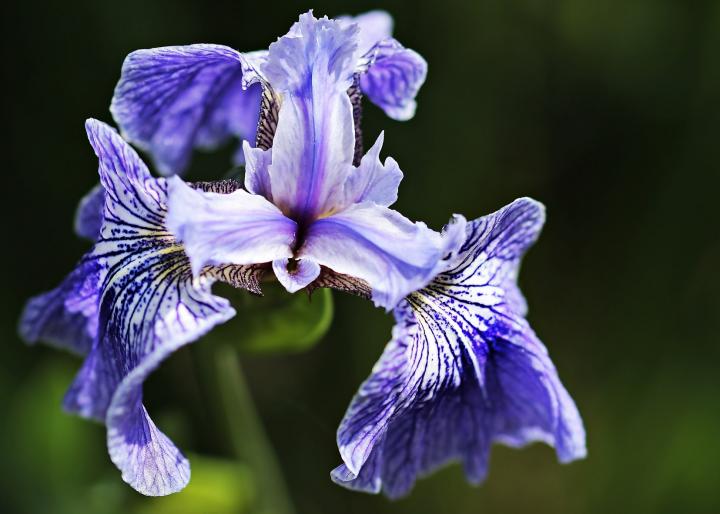
More than 250 species make up the genus Iris. The most familiar irises are the tall bearded irises (I. germanica), which reach 2 to 3 feet tall. Their distinctive six-petaled flowers have three outer hanging petals (called falls) and three inner upright petals (called standards).

Irises may be a bearded or crested (aka beardless) type. Bearded irises are so-called because they have soft hairs along the center of their falls. The hairs on crested types, like the Siberian iris, form a comb or ridge instead.

Most irises flower from late spring to early summer. Some—mostly bearded hybrids—are remontant, meaning they may flower again later in the summer. The blooming period of Siberian irises tends to follow that of the bearded types.

Irises attract butterflies and hummingbirds and make lovely cut flowers. For iris companions in the garden, look to roses, peonies, and lilies.

When to Plant Irises

  • Plant most irises in late summer to early fall, when nighttime temperatures remain between 40° and 50°F (4° and 10°C) or above. This gives them plenty of time to get established before the coming winter.
  • Tall bearded iris varieties are best planted closer to fall because they tend to go dormant in early to mid-summer.
  • If you receive bare rhizomes or irises in a container at some point earlier in the year, plant them as soon as possible. It’s better to get them in the ground rather than wait until the “ideal” time.

How to Plant Irises

  • Plant bare-root rhizomes (the thick stems) horizontally, with the top exposed and only the roots underground. In areas with particularly hot summers, set the rhizome just below the soil surface.
  • Dig a hole 10 inches in diameter and 4 inches deep. Make a ridge of soil down the middle and place the rhizome on the ridge, spreading the roots down both sides. Fill in the hole and firm it gently, leaving part of the rhizome and the foliage uncovered.
  • Plant singly or in groups of three, 1 to 2 feet apart, depending on the fully grown plant’s size.
  • Soak Siberian iris rhizomes in water overnight before planting, then set them 1 inch deep (2 inches, if the soil is sandy), 2 feet apart. Over a period of years, they will form clumps; divide when blooms get smaller and vigor declines.
  • Do not mulch around the rhizome, as this may encourage rot.
  • Water thoroughly.

South Carolina State Flower: Yellow Jasmine

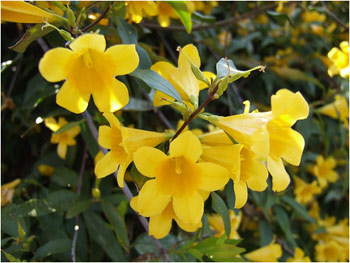
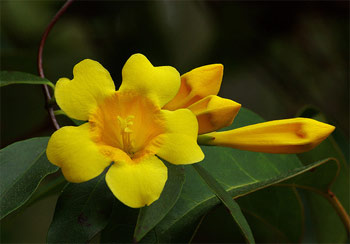
Yellow jessamine (Gelsemium sempervirens) became our official state flower in March 14,1924. Because it is native to our state, it is also called Carolina jessamine. Other names include trumpet vine, evening trumpet flower, and both yellow jasmine and Carolina Jasmine. (Jessamine and jasmine are two variations of the same word, and both are acceptable and accurate names for this plant. Here we refer to it as jessamine since that is how it is spelled in Joint Resolution No. 534, which established the flower as an emblem of South Carolina nearly a century ago.)

Jessamine is an evergreen vine that climbs trees, fences, and latticework all over our state. It blooms in very late winter or early spring, offering the first hope of warm weather to come! This flower loves sun and can grow quite fast given plenty of space and moist, well-drained soil.

When the US Mint decided to release quarters for each of the states, it was decided that Yellow Jessamine would appear on South Carolina’s quarter, along with the palmetto tree and the Carolina Wren (our state bird).

Important* – Although jessamine’s delicate, funnel-shaped blossoms are beautiful and fragrant, these flowers are poisonous! Touching them can produce an allergic reaction, and eating them can be fatal. Be careful not to mistake them with flowers such as honeysuckle, which contain a sweet and unharmful nectar.

SOURCE: SCIWAY.NET

Rhode Island State Flower: Common Blue Violet

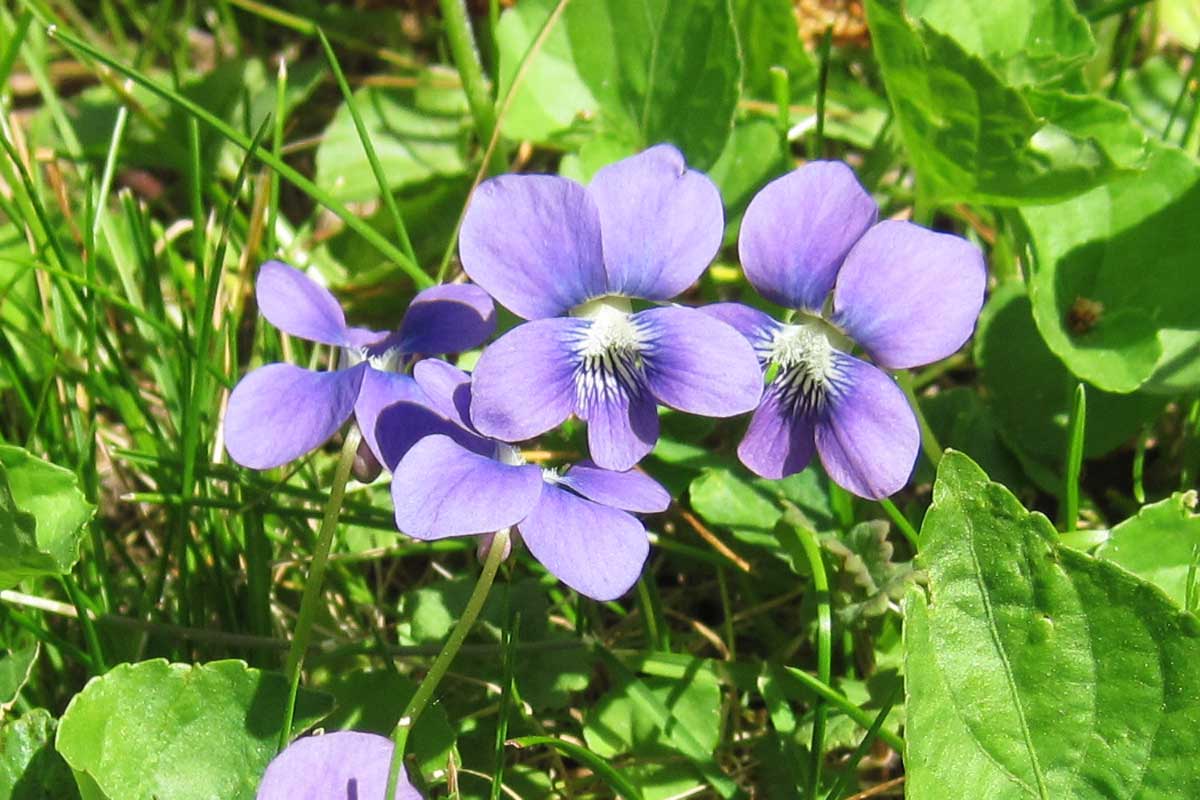
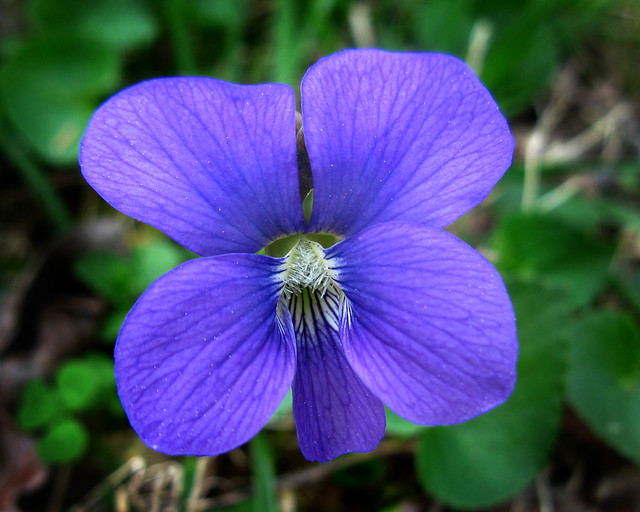
The Common Blue Violet (Viola sororia) is a perennial wildflower found across much of eastern and central North America. With its heart-shaped leaves and rich purple-blue blooms, it has captured the admiration of gardeners and herbalists alike. Beyond its beauty, Viola sororia plays a valuable role in ecosystems, traditional medicine, and even culinary traditions.

The most recognizable feature of Viola sororia is its striking, five-petaled flowers. They are typically a deep violet-blue, though white, pink, and speckled forms also exist. (Viola sororia f. rubra is the pink form.)

Blue violets bloom abundantly in springtime with flowers that that resemble miniature orchids. There are five dark blue/purple petals and white throats. Blue violet flowers emerge on flower stems separate from the leaves, and are about 1″ across. The blossoms have a delicate and distinctive fragrance.

Common violets are perennial, blooming in the spring/summer and dying back in fall/winter. They propagate mostly by underground runners, but also produce seeds – but not from the purple flowers.

Seeds set in autumn on small green flowers without petals that hide in the foliage (cleistogamous flowers). You won’t damage your patch at all by harvesting the purple flowers. The cleistogamous flowers are self fertile, and produce seeds during the summer, which get ejected from the seed capsules.

The heart shaped leaves curl slightly at the edges, but flatten as they age. The leaves are high on individual stalks rising from the base of the plant. They spread readily once established in a moist, shady area.

Wildlife Uses

The flowers are not popular with pollinators, but are sometimes visited by mason bees and pollinating flies. Fritillary butterfly caterpillars eat the leaves.

Mice and some birds, such as mourning doves, eat the seeds. Deer, rabbits, and livestock will eat the leaves, but it’s not a preferred forage.

Folklore

In Greek mythology, Zeus created a field of violets for a lover he turned into a white heifer to avoid the wrath of Hera. In Roman mythology, Venus beat maidens blue and turned them into violets. Why? Her son, Cupid, said the maidens were more lovely than his mother.

Early Christians said that violets turned downward after the crucifixion, and viewed them as symbols of modesty and humility. Pagan cultures associated them with love and lust.

Pennsylvania State Flower: Mountain Laurel

Mountain laurel (Kalmia latifolia) is a familiar shrub. While common, it is also extraordinary. A part of Pennsylvania’s folklore as the state flower and also studied by scientists for its biomechanics, this broadleaf evergreen abounds in mystique.

Since the early 18th century, mountain laurel has been cultivated as a flowering ornamental, an exotic addition to English gardens. English breeders later shipped it back across the Atlantic to be sold to Americans as a potted plant. At least 75 cultivars, mostly propagated through tissue culture, are available today. Its native range, however, is the eastern United States, extending from southern Maine to Louisiana and northern Florida. A total of seven species are known throughout North America, including sheep laurel (Kalmia angustfolia) and bog laurel (Kalmia polifolia). Along with rhododendrons, azaleas, huckleberries, and Indian pipe, Kalmias are ranked among the Ericacea (heath) family. 

Mountain laurel is the most prolific of the Kalmia species. In the woods, it can grow in dense, gnarly thickets known colloquially in southern states as “laurel hells.” Foresters and lumbermen in Pennsylvania have been heard to curse it with off-color expressions and not-so-nice epithets, the least offensive being “ankle breaker” or “ankle twister.” Mature plants average heights from seven to ten feet, but some specimens have been recorded as tall as 40 feet. Ascending and horizontal branches are often contorted and considered picturesque, and although a shrub, the healthiest of mountain laurels can take on the stature of a small tree. Its growth rate, however, is slow, four to eight feet over the course of a decade. Laurel wood and its burls have been used for various tools and utensils, explaining one of its many monikers, “spoonwood.”

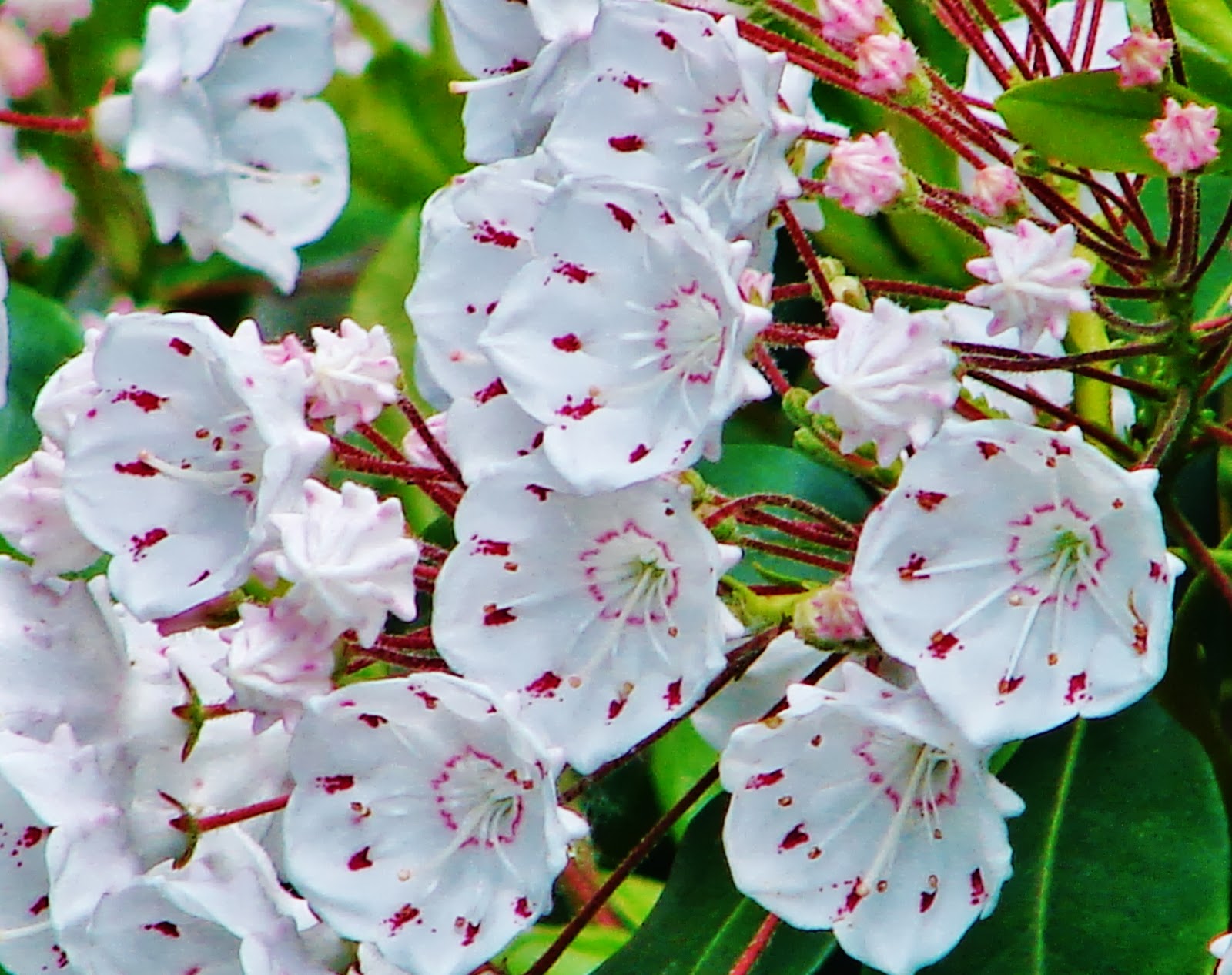
The corymb is the marquee attraction. The fused petals of mountain laurel’s florets are shaped like inverted parasols. They range from near white to a blush of pink, while their corollas include subtle markings that can reveal either cinnamon, scarlet, rose, or burgundy. Like the symmetrical shapes of dancers in a 1930s Busby Berkeley musical, each floret is perfectly formed. From late May to late June, scores of these corymbs appear in one of two stages, bud or bloom.

Governor Gifford Pinchot dubbed mountain laurel the state flower of the Commonwealth of Pennsylvania in 1933. One factor in its designation concerned the shrub being located in nearly all of the state’s sixty-seven counties, but the public’s concern for conservation might have also played a role.

Generations of Pennsylvanians have been admonished by their parents, scout leaders, and camp counselors that it was against the law to pick the state flower. This is not true, according to the Department of Conservation and Natural Resources. There are also no legal restrictions on cultivating Kalmia latifolia, although special permits and inspections from the Pennsylvania Department of Agriculture are required to sell any collected native specimens.  

SOURCE:PSU.EDU