Louisiana State Mammal: Black Bears

Since, we’ve already had a post about black bears, I brought this article from treehugger.com detailing 8 fun facts about black bears.

From treehugger.com:

The American black bear (Ursus americanus) is native to North America and is found primarily in Canada and the U.S., with a small population in Mexico. There are 16 subspecies which differ slightly in appearance. An estimated 600,000 to 700,000 adult black bears exist throughout their range, and they are not considered endangered.

Black bears vary in size: males weigh from 100 to 900 pounds and females from 85 and 500 pounds. They measure between four and six and a half feet long from nose to tail. From their ability to pack away pounds for a long winter’s nap to their keen sense of smell, here are a few things you may not know about the American black bear.

1 Black Bears Are Impressive Climbers

Black bears are expert tree climbers. Their strong claws are built for climbing, and they can run up a tree with incredible speed. Female bears teach their cubs to climb at a young age, and often send them up a tree to escape from danger. Adult black bears continue to climb throughout their lives. They latch on with their front paws and use their back legs to walk up a tree. Black bears don’t turn around to go down a tree. They come down the same way they go up: back legs first.  When it comes to climbing, black bears have a distinct advantage. It’s not a good idea to try to climb a tree to escape a bear, as it can provoke them to chase and possibly attack. 

2 They Are Fast Runners 

Don’t be fooled by their waddling walk. While they are notoriously slow, black bears can move quickly when necessary. Black bears can execute short and powerful bursts on flat land, uphill, or downhill in search of prey or to outrun danger. Though only for short distances, they can reach speeds of 25 to 30 miles per hour, faster than most humans, so do not attempt to outrun a bear. 

3 They Are Skilled Swimmers

Black bears aren’t just swift on land — they’re also proficient swimmers. They have no trouble swimming across rivers or lakes, and thanks to their powerful legs, they move through the water with ease and seem to enjoy it.  Depending on habitat, the water is also a source of food for black bears, and they teach their baby cubs to swim early.

4 They’re Not Always Black 

Black bears have a bit of a misleading name. The species most often has a shaggy black coat, particularly in the eastern portion of its range, but not always. Black bears can also be brown, cinnamon, red, grey, tan, or blond. The individuals in the western portions of the range tend to be lighter in color. A small subspecies of black bears found only in coastal British Columbia known as Kermode bears or spirit bears are white. 

5 They Have Great Senses

Black bears have a keen sense of hearing and good vision, but their best sense by far is their sense of smell. With their oversized noses, bears have the ability to sniff out even the tiniest morsels of food. Because their sense of smell is so sharp, they easily find food discarded by humans and can detect the smell of food over a mile away. Their sense of smell also helps them identify danger and find a mate.

The hearing frequency of black bears is also superior to humans, and while their distance vision is not great, they have excellent eyesight at close range. Between their superior senses of smell and hearing, black bears usually notice humans before we see them.

6 They Usually Hibernate

In October or November, black bears begin looking for a place to hibernate. Most often they select places like tree cavities, spaces under logs or rocks, deep caves, or dens they dig out themselves. Their hibernation period is genetically predetermined based on their habitat and the availability of food. In the northernmost portions of their range, black bears hibernate seven months or longer. In southern areas, where temperatures are warmer and the food supply is available year-round, the bears hibernate for shorter periods, or not at all.

The hibernation of black bears is different from other animals. Their temperature and heart rate drop, but not dramatically, and they don’t need to leave their dens to eat or defecate. Females often give birth to their cubs during hibernation. The bears’ hibernation process is of interest to researchers who hope to discover how they are able to maintain bone mass and manage their cholesterol levels during their long period of rest.

7 They Like to Eat

Black bears are omnivores, and their diet is dependent on habitat and time of year. They primarily feed on a number of plants, grasses, fruits, and nuts. Those in the north also feed on spawning salmon. Their diet is composed of primarily carbohydrates, with a small amount of protein and fat. Black bears are not predatory. Most of the protein they ingest is from insects like termites and beetles; a small amount of their diet may also consist of carrion. 

For those that have a long hibernation season, fall is the time that bears pile on the pounds. In order to have sufficient fat stores, bears eat four times their normal calorie intake — around 20,000 calories per day — during the fall. Bears need to consume enough to last after hibernation too, as the food supply may be scarce when they emerge.

8 They Only Socialize During Mating Season

During the majority of their lives, black bears are solitary animals. For breeding purposes, adult bears come together during the summer for a brief mating season before parting ways. Females give birth to an average of two to three cubs every other year. They keep their cubs close for about 18 months, teaching them how to find food, avoid predators, and move about their habitat, before sending them on their way before the next mating cycle begins. 

SOURCE: TREEHUGGER.COM
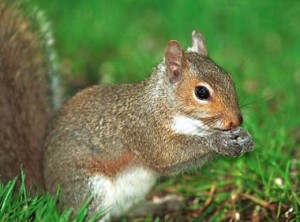
Kentucky State Mammal: Eastern Gray Squirrel (sorry Filly)

Squirrels are commonly seen because they are less shy than most animals about being out in the open during the day and are easier to spot. Squirrels are mostly herbivorous, living off of nuts, seeds, and vegetation. They collect and store food in buried caches to help them get through winter. Because they are able to store food, they do not need to hibernate to get through the winter when most of their food sources aren’t available.

Squirrels do not mate for life, and a female will pick a new partner each year. To show off for females, males will race each other up and down trees to show off how strong and fast they are. Females will have one to two litters per year, depending on how much food is available.

Like many small animals they have several predators. Predatory birds, foxes, coyotes, bobcats, mountain lions, raccoons, domestic cats, and snakes will all eat squirrels. Despite this, squirrels are very abundant, and the eastern gray squirrel is not considered endangered or threatened.

Did You Know?

    Squirrels are able to turn their ankles about 180 degrees, allowing their wrists to support their body weight while climbing in any direction. Animals that cannot turn their ankles like this (i.e. cats) may be able to easily climb up trees but have a much harder time climbing down trees. Imagine trying to climb down a tree headfirst!

    Squirrels use their tails for balance and for communication. Whenever you see a squirrel standing still twitching its tail it is usually sending some type of message such as warning other squirrels of danger or to stay away from its food caches.

SOURCE: NPS.GOV

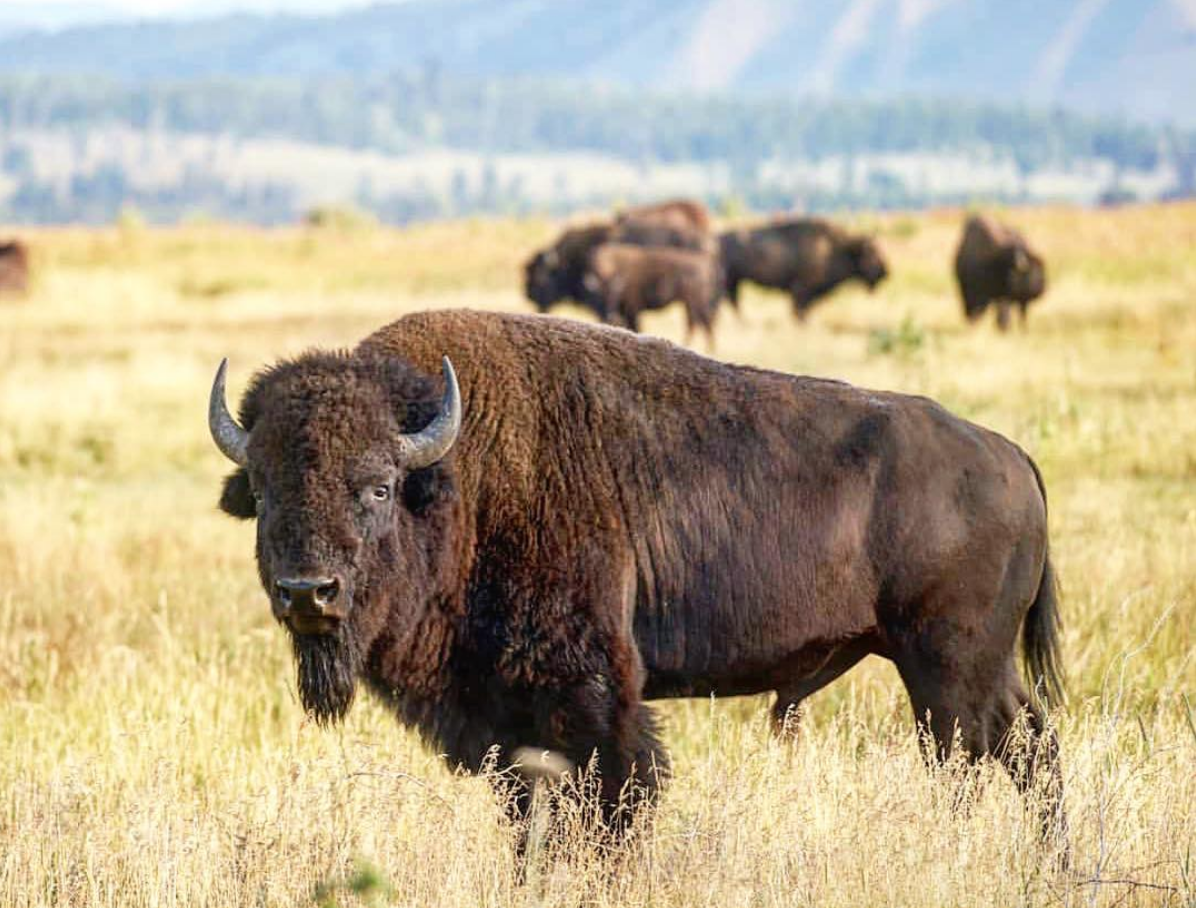
Kansas State Mammal: American Buffalo

From Nature.org:

Meet the American bison

The American bison takes the top prize for the largest land mammal in North America. Adult males weigh in at up to 2,000 pounds and stand as tall as six feet high at the shoulder.

These titans of North America are grazers, matriarchal-led family groups ranging from tens to thousands of buffalo. As they move across the prairie, they selectively focus on the grasses and sedges avoiding most of the forbs and legumes which helps balance the floristic competition. They sometimes wallow, which among many benefits helps mitigate biting insects and is also a social behavior thought to be a sign of contentment. These wallows create shallow depressions in the dense prairie which provide microhabitats to insects and amphibians among others to complete their reproductive cycles.

Bison life cycle and reproduction

Male bison reach sexual maturity at 6 years old and females at 3 years old. They mate once each year from July up to September. During the mating season, also called the rut, bulls (males) will fight aggressively by ramming their heads together and charging at one another for a chance to mate with a cow (female).

After a nine-month gestation period, cows give birth to a single calf each spring. You can typically see mothers with young calves beginning in April.

It’s worth noting here that female bison weigh up to 1,000 pounds and run just as fast as the males at 40 miles per hour.

Bison are very protective of their young and as a group do their best to protect them from any dangers. When visiting a TNC preserve—or any preserve—where bison are present, it’s best to give them the space and respect they deserve, for your safety and for theirs.

Wait… Are they bison or buffalo?

Yes! Both terms have important scientific and historical meanings and use, and both continue to be used today to refer to the official mammal of the United States. There are also hundreds of words from Indigenous languages that have been used for thousands of years. Words like: “tatanka” or “pte” in Lakota and “yanasi” in Cherokee.

Genetically speaking, the American bison is not akin to either the water buffalo of Asia or the Cape buffalo of Africa. The American bison are found only in North America and certain parts of Europe.

Oceans apart in their range, the physical appearance of the American bison is vastly different from water buffalo and Cape buffalo. Developing on different continents means they encountered different conditions including climate, which influenced the evolution of their bodies and behavior.

Protecting the American Bison

Millions of bison once lived and traveled across huge sections of North America. At one point, you could see these icons of the prairie from Canada all the way south to Mexico and even as far east and west as the coasts.

But as American settlers developed and expanded, the U.S. government encouraged settlers to slaughter millions of these animals, bringing bison and the Indigenous communities that relied upon the herds to near extinction in the early 20th century.

At the end of this brutality, tribal communities were decimated, and less than 1,000 free-roaming bison remained in the world.

Today, about 500,000 bison live in the U.S. and can be found in all 50 states. However, most of these bison are privately owned and raised as livestock. Only a small fraction of this number includes bison who are living in conservation herds and even much less than that are bison who are roaming on large landscapes. There are no truly free-roaming bison left in North America.

The Nature Conservancy collectively is one of the largest bison producers with over 6,000 bison living on 12 preserves we own and manage in the United States.

SOURCE: NATURE.ORG

Iowa State Bird*: American Goldfinch

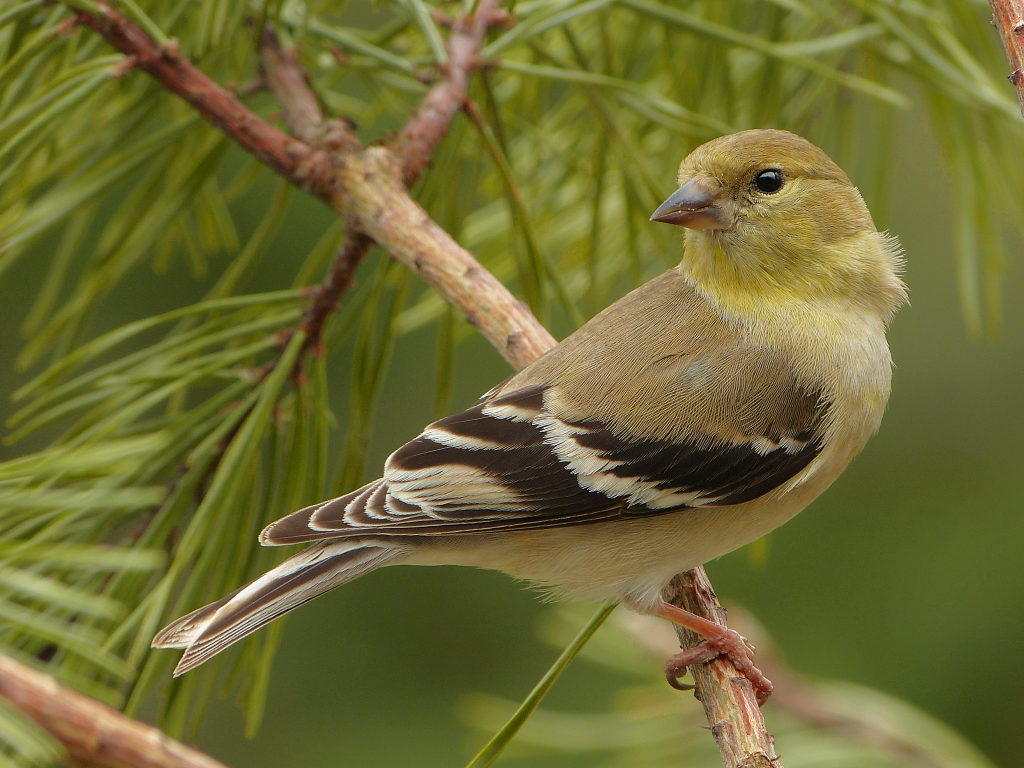
This handsome little finch, the state bird of New Jersey, Iowa, and Washington, is welcome and common at feeders, where it takes primarily sunflower and nyjer. Goldfinches often flock with Pine Siskins and Common Redpolls. Spring males are brilliant yellow and shiny black with a bit of white. Females and all winter birds are more dull but identifiable by their conical bill; pointed, notched tail; wingbars; and lack of streaking. During molts they look bizarrely patchy.

Find This Bird

Goldfinches are usually easy to find throughout much of North America, except in deep forests. Their po-ta-to-chip flight call is draws attention to them in open country. They’re most abundant in areas with thistle plants, and near feeders.

Backyard Tips

To encourage goldfinches into your yard, plant native thistles and other composite plants, as well as native milkweed. Almost any kind of bird feeder may attract American Goldfinches, including hopper, platform, and hanging feeders, and these birds don’t mind feeders that sway in the wind. You’ll also find American Goldfinches are happy to feed on the ground below feeders, eating spilled seeds. They’re most attracted to sunflower seed and nyjer. Find out more about what this bird likes to eat and what feeder is best by using Project FeederWatch’s

Cool Facts

American Goldfinches are unusual among goldfinches in molting their body feathers twice a year, once in late winter and again in late summer. The brightening yellow of male goldfinches each spring is one welcome mark of approaching warm months.

American Goldfinches breed later than most North American birds. They wait to nest until June or July when milkweed, thistle, and other plants have produced their fibrous seeds, which goldfinches incorporate into their nests and also feed their young.

Goldfinches are among the strictest vegetarians in the bird world, selecting an entirely vegetable diet and only inadvertently swallowing an occasional insect.

When Brown-headed Cowbirds lay eggs in an American Goldfinch nest, the cowbird egg may hatch but the nestling seldom survives longer than three days. The cowbird chick simply can’t survive on the all-seed diet that goldfinches feed their young.

Goldfinches move south in winter following a pattern that seems to coincide with regions where the minimum January temperature is no colder than 0 degrees Fahrenheit on average.

Paired-up goldfinches make virtually identical flight calls; goldfinches may be able to distinguish members of various pairs by these calls.

The oldest known American Goldfinch was 10 years 9 months old when it was recaptured and rereleased during a banding operation in Maryland.

*Filly pointed out that birds are not mammals, so I’ve decided to list the birds as birds instead of mammals as the reference list I use, calls them.

Indiana State Mammal: Northern Cardinal

Basic Description

The male Northern Cardinal is perhaps responsible for getting more people to open up a field guide than any other bird. They’re a perfect combination of familiarity, conspicuousness, and style: a shade of red you can’t take your eyes off. Even the brown females sport a sharp crest and warm red accents. Cardinals don’t migrate and they don’t molt into a dull plumage, so they’re still breathtaking in winter’s snowy backyards. In summer, their sweet whistles are one of the first sounds of the morning.

Find This Bird

The brilliant red of a male Northern Cardinal calls attention to itself when males are around. You can also find cardinals by getting a sense of the warm, red-tinged brown of females – a pattern you can learn to identify in flight. Away from backyards, cardinals are still common but inconspicuous owing to their affinity for dense tangles. Listen for their piercing chip notes to find where they are hiding.

Backyard Tips

Nearly any bird feeder you put out ought to attract Northern Cardinals (as long as you live within their range), but they particularly seem to use sunflower seeds. Leave undergrowth in your backyard or around the edges, and you may have cardinals nesting on your property.

Cool Facts

Only a few female North American songbirds sing, but the female Northern Cardinal does, and often while sitting on the nest. This may give the male information about when to bring food to the nest. A mated pair shares song phrases, but the female may sing a longer and slightly more complex song than the male.

Many people are perplexed each spring by the sight of a cardinal attacking its reflection in a window, car mirror, or shiny bumper. Both males and females do this, and most often in spring and early summer when they are obsessed with defending their territory against any intruders. Birds may spend hours fighting these intruders without giving up. A few weeks later, as levels of aggressive hormones subside, these attacks should end (though one female kept up this behavior every day or so for six months without stopping).

The male cardinal fiercely defends its breeding territory from other males. When a male sees its reflection in glass surfaces, it frequently will spend hours fighting the imaginary intruder.

A perennial favorite among people, the Northern Cardinal is the state bird of seven states.

The oldest recorded Northern Cardinal was a female, and was 15 years, 9 months old when she was found in Pennsylvania.

SOURCE: ALLABOUTBIRDS.ORG

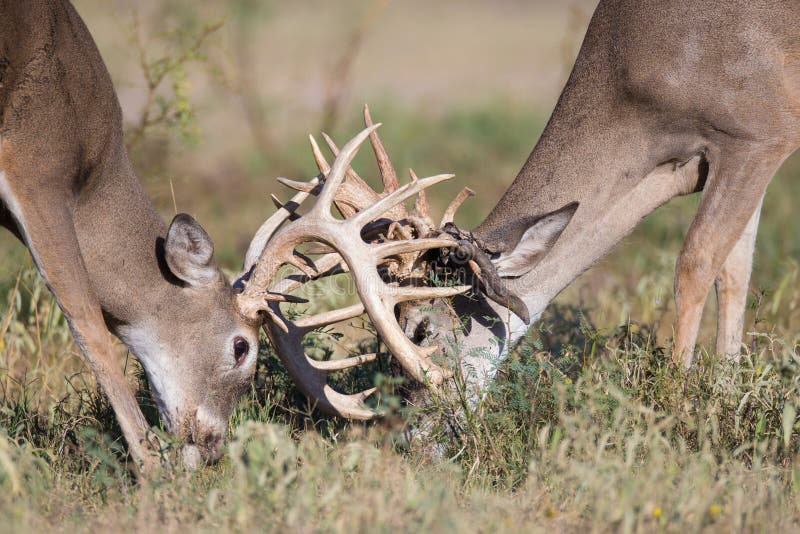
Illinois State Mammal: White Tailed Deer

Since I have already posted about white tailed deer I decided to look into “unusual” white tailed deer.  I found this article “8 Weirdest Whitetails You’ve Ever Seen” on Outdoor Life, and I just had to share!

From Outdoor Life:

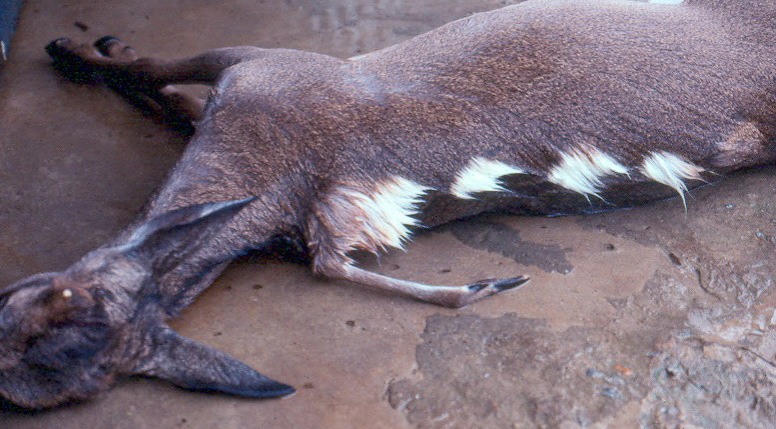
Have you ever seen a buck with a full set of velvet-rimmed antlers—in December? How about a black whitetail, or a buck with protruding canine teeth? Here are eight freak-of-nature deer that are so odd, piebalds might seem commonplace by comparison.

This is true, I swear, though you might have a better shot of hitting a $400 million Powerball than ever seeing this animal alive in the wild. Just imagine for a moment how much you might freak out if you ever spotted a deer with a fifth leg jutting out of its backbone near the back of its neck! Well, it happens.

According to the Quality Deer Management Association (QDMA), it is called the “parasitic twin” phenomenon. Twin fawns begin to grow inside a doe, but the embryos do not completely separate, and one of them stops developing normally. The somewhat macabre extra leg is the remnant of the twin fawn that didn’t fully mature. Most of the misplaced fifth legs that have been documented are short and small, with tiny hooves attached. That fifth leg is most often located on the deer’s shoulder or back.

Parasitic twins have been documented in many animal species, and are surely the rarest of the rare whitetail oddity.

One day down in the Texas Hill Country, a buck stepped out of the brush in front of my buddy Eddie Stevenson. He did a double take—not because of its rack, but rather its color. The deer was mahogany-colored all over, with an even darker head and face. Eddie shot the buck, and the one-in-a-million mount now hangs on his wall.

You have probably heard of albino deer and their kin the piebald (a brown deer splotched with white, much like a pinto pony). Biologists seem to agree that less than 2% of all whitetails born will exhibit those white traits. However, black deer are less common, the rarest of the rare. The first-ever was documented by a biologist in 1929, and although tens of millions of whitetails have been harvested since then, only a handful of black deer have been reported.

The dark-colored hide of black deer is caused by a genetic mutation that causes their bodies to produce too much of the pigment melanin. Melanistic deer are not always solid black—there are gray to mahogany to walnut color phases, with some white on the belly and tail.

Unlike piebalds, which often have deformities such as curved spines and partially stunted legs, none of the research conducted to date suggests that melanistic bucks have inferior body or antler traits. They appear perfectly normal, save for their color.

Interestingly, the Edwards Plateau region of Texas is ground zero for melanistic deer. More black deer have been seen and harvested in the Hill Country than any other place in North America, though researchers can’t say exactly why that is. The odd black deer has popped up in Pennsylvania, Oklahoma, and a few other places in the last 20 years. The most recent sighting, a jet-black doe, was spotted and photographed earlier this summer in Northern Michigan.

Commonly called a “stag,” this oddball deer retains antler velvet throughout the year due to low testosterone levels.

Biologists refer to this condition as cryptorchidism, and it’s rare. It can result from an injury or birth defect that prevents a buck’s testicles from descending properly. Cryptorchidism can occur in both whitetails and mule deer. Regardless of species, stag bucks are different. They don’t engage in the seasonal rituals of normal bucks, such as rubbing, scraping, or sparring. Lacking the chemical stimulation to express dominance, their necks do not swell, and they are essentially stuck in neutral in the reproductive sense. Some older stags amass large, funky blobs on their heads and become known as “cactus bucks.”

A New York State buck with upper canine teeth. Photo Courtesy of QDMA

One time down in South Texas, my buddy Sarge, a wildlife biologist at the ranch I was hunting, stuck a deer skull in my face and said, “Notice anything?”

I studied it and cocked my head…

“The fangs man!” Sarge said.

The tiny, peg-like upper canines were easy to miss. In more than 30 years of hunting and skinning deer across North America, this was the first fanged buck I’d seen.

Some 7 million years ago, dating back to the Miocene Epoch, ancestors of our whitetails had long, curved, sharp canines. While lower canines are present in all whitetails today, upper ones are uncommon. Paleontologists say the small deer-like animals used the fangs, or tusks, for survival. Over time, whitetails evolved antlers for defense, and the upper canine teeth regressed.

Brian Murphy, a biologist and CEO of the Quality Deer Management Association (QDMA), says, “Upper canines are a rare, but documented phenomenon and researchers believe it is an evolutionary throwback to the ancestral form of the whitetail which occasionally surfaces today. While the exact prevalence of upper canines in whitetails is not known, it is believed to be well below one percent.”

Fangs are not only rare but almost always overlooked.

Should a buck have fangs today, they would be only ½ to ¾ of an inch long, and most of them would not even break the deer’s gumline. Most fangs are spotted by taxidermists that cape bucks.

One more thing, and it’s fascinating.

Look up at a shoulder-mounted whitetail on your wall and focus on the small, black patches on either side of the lower jaw. These patches are positioned precisely where the fangs of an ancestral deer would have stuck out from the upper jaw. Valerius Geist, renowned mammologist and author of Deer of the World: Their Evolution, Behavior, and Ecology, theorizes that the black patches may have been there to accentuate the white of the long canines in prehistoric deer. The fangs evolved away, but the patches remain.

A few years ago, Virginia hunter Ben Yates went out and shot a nice 8-pointer. Ben and his buddy didn’t mess with gutting the deer and simply loaded it in his truck for the drive to a nearby check station. A biologist doing research at the checkpoint took some notes, lifted the 8-pointer’s hind legs, and said, “Uh, come take a look.”

Ben peeked under the deer, and it took him a minute to register. He’d shot a doe with a nice rack!

According to the Virginia Department of Game and Inland Fisheries, there are two types of antlered whitetail does. The first is a female with velvet-covered antlers. This animal usually has a normal female reproductive tract and is capable of bearing fawns.

The second type is a female deer with polished antlers, like the one Ben shot. This animal is actually a male “pseudo-hermaphrodite.” It has the external genitalia of a female but has male sex organs internally.

In either case, an antlered doe is extremely rare. Only one or two if any are killed by hunters in Virginia or any other state each season.

About 15 years ago, an Alabama hunter shot the first documented “Bullwinkle Deer.”

When pictures of the buck with the large, swollen, moose-like nose hit the Web, it caused quite the stir. In the next few years, a handful of other big-nosed does and bucks from Michigan to Florida to Texas (and a couple more from Alabama) showed up, and scientists took to studying them.

The affliction was and remains so mysterious and rare that experts don’t have a technical name for it yet. But the commonly used moniker, “Bullwinkle Disease,” fits. After more than a decade of studying tissue and blood samples from the few big-nosed deer that have been tested, scientists believe the swollen muzzles result from chronic inflammation of the nose, mouth, and upper lip. All the cases studied by researchers have shown similar colonies of bacteria in the inflamed tissues.

But there are still many unknowns. “It’s not like anything we’ve seen in deer before,” says Kevin Keel, associate professor at the University of California Davis school of veterinary medicine and the nation’s leading expert on Bullwinkle deer. “This is an interesting disease because we’re not sure if it’s new. It might be something that’s always occurred in deer, but at such a low prevalence we just didn’t know about it.”

The Southeastern Cooperative Wildlife Disease Study (SCWDS) at the University of Georgia, which has also researched this malady, notes that Bullwinkle Disease has been known to exist only since 2005. No cases appear in 50 years of SCWDS files prior. Scientists are unsure if this is because the disease has only been around for 14 years, or, a sign of the times, because hunters can now share photos of big-nosed deer kills on social media.

Teaching moment: In the very unlikely event that you or a friend shoot a Bullwinkle, do not eat the meat. Scientists say the infection could mean that bacteria are present in the blood and muscle or a secondary infection could have developed, making the meat unfit for consumption.

Every season hunters across the country shoot a few unicorns—bucks with third beams or tines jutting out of their foreheads or upper nose. The third antler is often only a few inches long, but larger and even multi-tined extra beams have been documented.

“This is caused by trauma to the frontal bone of the skull, such as a tine puncture from another buck,” says Mickey Hellickson, a noted whitetail biologist from Texas. “The entire region of a buck’s skull is capable of growing antler, and if an area of the frontal bone is injured, the trauma may cause a third antler to grow from the injury.”

Stranger yet, Hellickson says that researchers have experimentally caused antlers to grow from the frontal bone of a deer’s skull by grafting antler tissue to it. “Amazingly, the researchers were also able to induce antler growth in odd places, such as legs, hips, and even the ears of deer,” he says.

Will you ever see or shoot a unicorn? Probably not. Hellickson says that in his many research projects and surveys on some of the largest ranches in Texas, his teams have captured more than 5,000 wild antlered bucks, but not a single unicorn.

For decades hunters and biologists believed that during the rut the thick-bodied dominant bucks bred most if not all the does.

It’s time to blow that old myth out of the water.

Recent research of captive deer in Oklahoma documented that all age classes of bucks breed does, regardless of the herd’s age structure. In fact, yearling and 2-½-year-old bucks sired a third of the fawns in the study, even though a third of the bucks in the enclosure were 3½ years of age or older.

The Oklahoma study also revealed more new information. In their project, multiple paternity in fawns occurred about 25 percent of the time. One in four sets of twins or triplets had two different fathers.

That percentage could be higher. A Texas A&M-Kingsville study recently found that 16 of 23 sets of twins, or an astounding 70 percent, had two different sires, typically one mature buck and another buck 2½ years or younger. Researchers suggest the younger bucks are opportunistic little devils, sneaking in to breed a doe just before or after a mature buck does.

It gets even better. Scientists at Auburn University recently reported 3 different buck sires for one set of triplets.

SOURCE: OUTDOOR LIFE

Michael Hanback

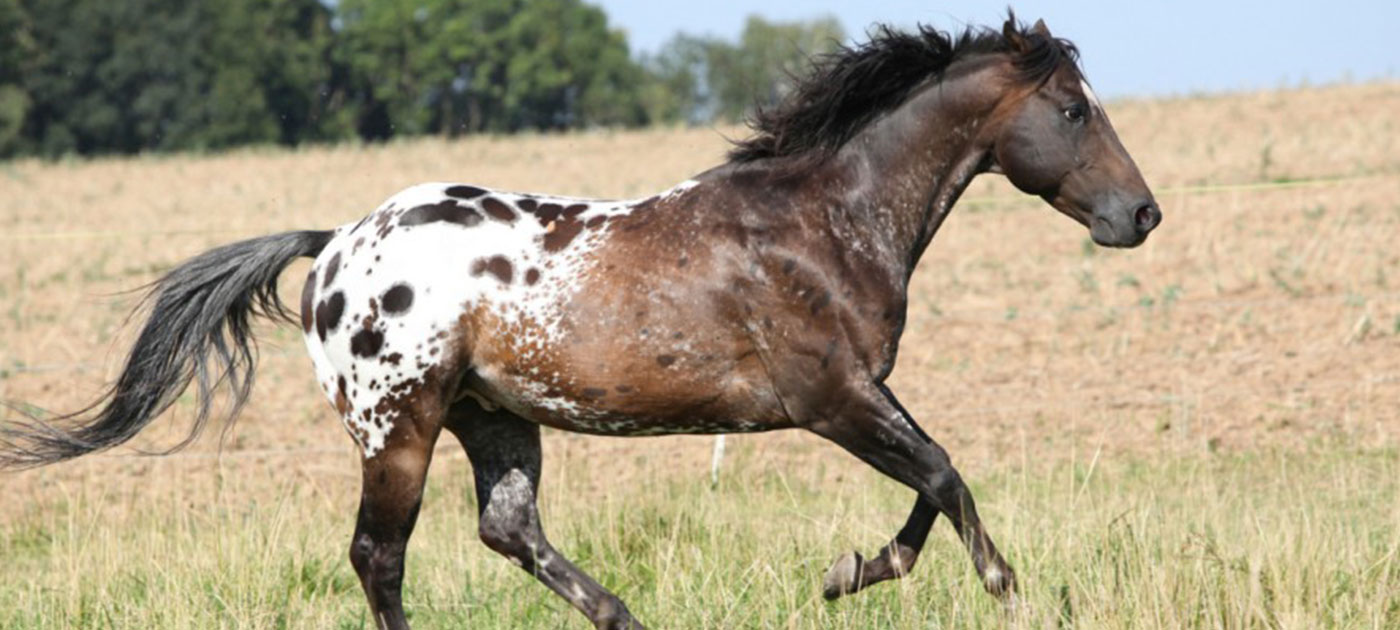
Idaho State Mammal: Appaloosa Horse

On March 25, 1975 Idaho Governor Cecil Andrus signed a bill naming the Appaloosa, as Idaho state horse. This is a deserving honor for a horse that has been an integral part of Idaho history.

The Appaloosa has a very long history. Spotted horses have been seen in art as far back as cave drawings 20,000 years ago. The Appaloosa was seen in ancient Persian literature as the horse of a great Persian hero.

The Appaloosa is a horse breed best known for its colorful leopard-spotted coat pattern. There is a wide range of body types within the breed, stemming from the influence of multiple breeds of horses throughout its history. Each horse’s color pattern is genetically the result of various spotting patterns overlaid on top of one of several recognized base coat colors. The color pattern of the Appaloosa is of interest to those who study equine coat color genetics, as it and several other physical characteristics are linked to the leopard complex mutation (LP). Appaloosas are prone to develop equine recurrent uveitis and congenital stationary night blindness; the latter has been linked to the leopard complex.

They were seen in China in ancient times as well, dating back to 206 BC, during the Han Dynasty. The Spanish introduced horses to Mexico in the 1500s. Following the Pueblo Revolt, horses rapidly spread throughout North America, reaching the Northwest around 1700. Historians believe the Nez Perce and Palouse tribes of Washington, Oregon and Idaho were the first tribes to breed horses for specific traits – intelligence, speed and endurance. White settlers call these horses ‘Palouse horses.’ Over time they came to be referred to as ‘a Palousey’ and the ‘Appalousey.’ During the Nez Perce War of 1877, Appaloosa horses helped the non-treaty Nez Perce, under the guidance of Chief Joseph, elude the US Calvary for several months. The coloring of the Appaloosa coat is distinct in every individual horse and ranges from white blanketed hips to a full leopard.

The hallmark of the Appaloosa is his striking and distinctive spotted coat. Dark oval or round spots are seen on their coats. Some display the spots only over their white hips and loins, while others have them all over their bodies. The loin and hip areas are usually the most spotted. Some have white spotting on dark backgrounds and others will display white all over their bodies. The spots range greatly in size from as large as four inches to others that are so small they are merely flecks. Each Appaloosa will possess a unique pattern much like the human’s fingerprint. In addition to their spotted coats, the skin of the Appaloosa is also mottled with spots.

The Appaloosa is an intelligent, fast and hard-working breed. An easy-going disposition and exceptional abilities give this horse a great deal of versatility that no doubt contributes to its rapidly rising popularity. Once the warhorses of the Nez Perce, today the Appaloosa serves as a racehorse, in parades, ranch work and youth programs. The coloring of the Appaloosa’s coat is distinct in every individual horse and ranges from white blanketed hips to a full leopard.

SOURCE: EREFERENCEDESK.COM

(This website calls the Appaloosa Idaho’s state HORSE, but in the list of state mammals it is listed there as the state mammal.)

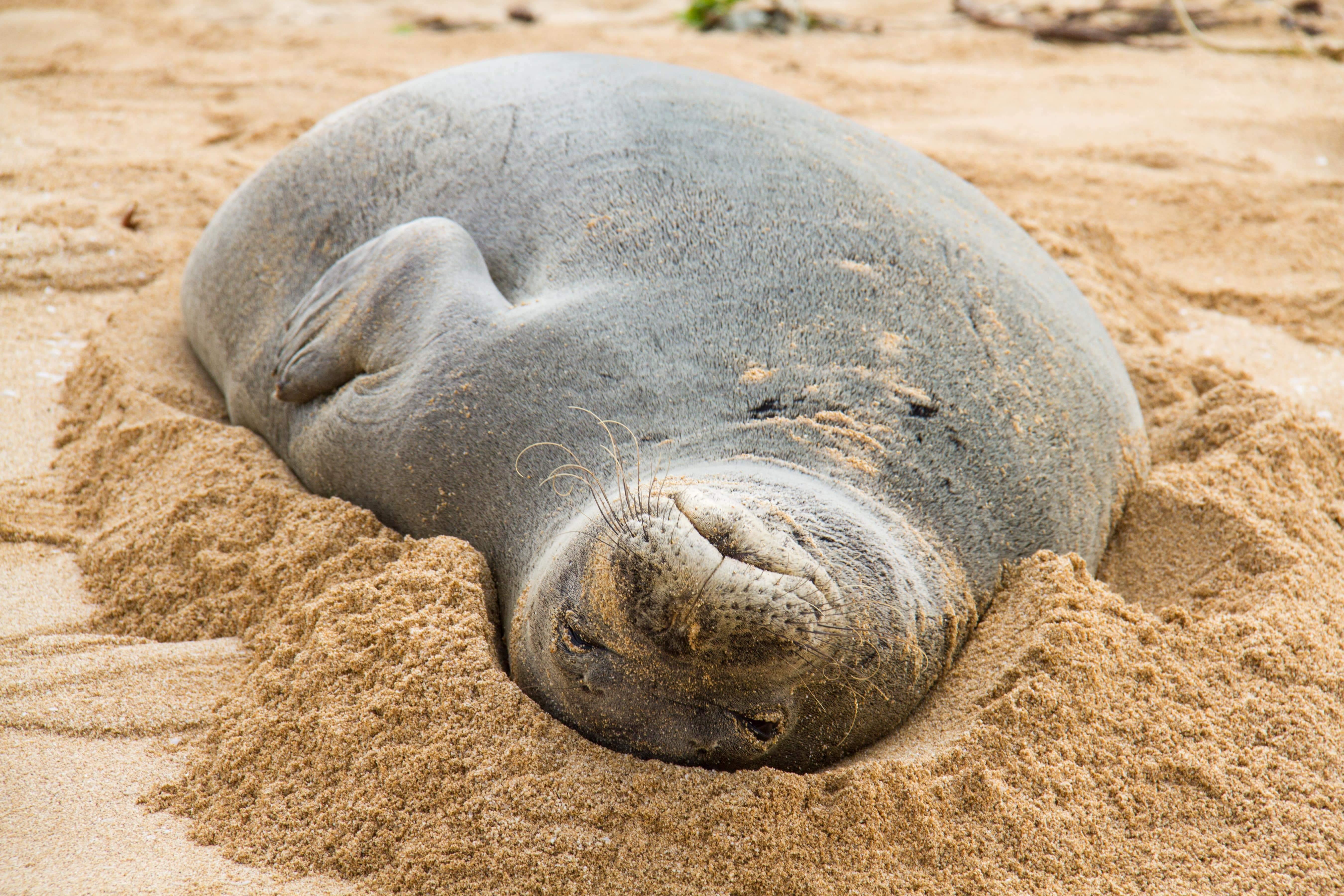
Hawaii State Mammal: Hawaiian Monk Seal

The Hawaiian monk seal is one of the most endangered seal species in the world. The population overall had been declining for six decades and current numbers, though increasing, are only about one-third of historic population levels. Importantly, however, the current upward trend is in part due to NOAA Fisheries recovery efforts.

Hawaiian monk seals are found in the Hawaiian archipelago which includes both the main and Northwestern Hawaiian Islands and rarely at Johnston Atoll which lies nearly 1,000 miles southwest of Hawaii. These monk seals are endemic to these islands, occurring nowhere else in the world. Hawaiian monk seals are protected under the Endangered Species Act, the Marine Mammal Protection Act, and State of Hawaii law.

Rocky, the Famous Hawaiian Monk Seal

Rocky became famous in 2017 when she had a pup on a busy beach in Waikiki on the island of Oahu. She returned to Kauai on July 14, 2018, and two days later, she was observed with a new pup.

Population Status

The population is estimated to be around 1,600 seals—nearly 1,200 seals in the Northwestern Hawaiian Islands and 400 seals in the main Hawaiian Islands.

A prolonged decline of the Hawaiian monk seal population in the Northwestern Hawaiian Islands occurred after the late 1950s, lasting until very recently. While individual subpopulations increased or decreased during that time, the total number of seals in the Northwestern Hawaiian Islands declined. Although this decline means that a full recovery of the species is a long way off, there are relatively recent, encouraging developments, including:

Visible recolonization and significant growth of the main Hawaiian Islands monk seal subpopulation from low numbers to approximately 400 over the past 2 decades or more

Overall species population growth of 2 percent each year between 2013 to 2022—2021, marked the first time their population exceeded 1,570 in more than 2 decades

Promising advances in juvenile seal survival enhancement research, such as evaluating how translocation affects survival and continued efforts to improve medical treatments

The decline that occurred in the Northwestern Hawaiian Islands was attributed to a number of factors at various regions and time periods. However, low juvenile survival, likely related to limited food availability, was the primary driver of the decline during the past 25 years.

Appearance

Newborn monk seal pups are born black, while weaned pups and older seals are dark gray to brown on their back and light gray to yellowish brown on their belly.

Monk seals undergo a “catastrophic molt” about once per year, where they shed the top layer of their skin and fur (similar to elephant seals). Seals that spend a long time at sea foraging can grow algae on their fur. Those that look green haven’t molted recently and may be getting ready to shed into a new silvery coat.

Most Hawaiian monk seals have unique natural markings, such as scars or natural bleach marks (white spots), on their fur which help identify them. Personnel authorized by NOAA Fisheries often apply identification tags to their rear flippers. Tagging and tracking used in combination with identification of unique markings enable long-term monitoring of individuals.

Male and female monk seals are similar in size. The only way to confirm whether a seal is female or male is by looking at its belly.

Behavior and Diet

Hawaiian monk seals are “generalist” feeders, which means they eat a wide variety of foods depending on what’s available. They eat many types of common fishes, squids, octopuses, eels, and crustaceans (crabs, shrimps, and lobsters). Diet studies indicate that they forage at or near the seafloor and prefer prey that hide in the sand or under rocks. They do not target most of the locally popular gamefish species such as ulua (giant trevally), pāpio (baby ulua), and ‘ō‘io (bonefish).

Hawaiian monk seals can hold their breath for up to 20 minutes and dive more than 1,800 feet; however, they usually dive an average of 6 minutes to depths of less than 200 feet to forage at the seafloor.

Hawaiian monk seals are mostly solitary and don’t live in colonies like sea lions or other seals. But they do sometimes lie near each other—usually not close enough to make physical contact—in small groups. They usually sleep on beaches, sometimes for days at a time. They also occasionally sleep in small underwater caves.

Monk seals do not migrate seasonally, but some seals have traveled hundreds of miles in the open ocean. Individual seals often frequent the same beaches over and over, but they do not defend territories.

Where They Live

Hawaiian monk seals are found throughout the entire Hawaiian archipelago, a distance of 1,500 miles from Kure Atoll (Hōlanikū) in the northwest to Hawaii Island in the southeast. The majority of Hawaiian monk seals (about 1,200 individuals) live in the Northwestern Hawaiian Islands, and a much smaller number (about 400) live in the main Hawaiian Islands. There have also been rare sightings of Hawaiian monk seals, as well as a single birth, at Johnston Atoll, the closest atoll southwest of the Hawaiian Islands. Monk seals live in warm, subtropical waters and spend two-thirds of their time at sea. They use the waters surrounding atolls and islands and areas farther offshore on reefs and submerged banks; they also use deepwater coral beds as foraging habitat. When on land, monk seals haul-out to rest, molt, give birth and nurse on sand, coral rubble, and volcanic rock shorelines. They generally prefer sandy, protected beaches surrounded by shallow waters for pupping

Lifespan & Reproduction

Monk seals can live to over 30 years of age, but few live that long. Monk seals mate in the water. The youngest documented female to give birth was 4 years old, but typically females begin reproducing at age 5 to 6 in the main Hawaiian Islands and age 7 to 10 in the Northwestern Hawaiian Islands.

SOURCE: FISHERIES.NOOA.GOV

Georgia State Mammal: White Tailed Deer

Appearance

The coat of the White-tailed deer is a reddish-brown in the spring and summer and turns to a grey-brown throughout the fall and winter. The deer can be recognized by the characteristic white underside to its tail. It raises its tail when it is alarmed to warn the predator that it has been detected. An indication of a deer age is the length of the snout and the color of the coat, with older deer tending to have longer snouts and grayer coats. A population of white-tailed deer in New York is entirely white (except for areas like their noses and toes) – not albino – in color. White-tailed deer’s horizontally slit pupils allow for good night vision and color vision during the day. Males regrow their antlers every year. Males without branching antlers are often termed “spikehorn”, “spiked bucks”, “spike bucks”, or simply “spikes/spikers”. The spikes can be quite long or very short. The length and branching of antlers are determined by nutrition, age, and genetics. Spiked bucks are different from “button bucks” or “nubbin’ bucks”, which are male fawns and are generally about 6 to 9 months of age during their first winter. They have skin-covered nobs on their heads. They can have bony protrusions up to a half inch in length, but that is very rare, and they are not the same as spikes. Males shed their antlers when all females have been bred, from late December to February.

Habits and Lifestyle

White-tailed deer are usually considered solitary, particularly in summer. Their basic social unit is mother and fawns, although sometimes they do graze together in herds that can number hundreds of individuals. Bucks and does remain separate from each other except during the mating season. Bucks usually live alone or within small groups alongside other bucks. Deer living in deserts often migrate from summertime elevations down to warmer areas where there is more food available. White-tailed deer are crepuscular, and mainly feed starting before dawn until a few hours after the sun has risen, and again in the late afternoon until dusk. They use a number of forms of communication, such as sound, odor, body language, and marking with scratches. When alarmed, a White-tailed deer will raise its tail to warn other deer.

Diet and Nutrition

Whitetails are herbivores and feed on twigs, bark, leaves, shrubs, the nuts and fruits of most vegetation, lichens, and other fungi. Plants such as yucca, huajillo brush, prickly pear cactus, ratama, comal, and a range of tough shrubs can be the mainstay of a whitetail’s diet if it lives in a desert area. Though almost entirely herbivorous, White-tailed deer may opportunistically feed on nesting songbirds, field mice, and birds trapped in mist nets, if the need arises

Mating

Whitetails are polygynous, and bucks fight fiercely during the mating season, with winners able to mate with does in the area. The season runs from October to December. The gestation period is about 6 months. A female usually gives birth to one fawn in her initial year of breeding but 2 are born subsequently. Fawns can walk as soon as they are born and only a few days later are able to nibble on vegetation. When seeking food, mothers leave their offspring hidden amongst vegetation. A fawn starts to follow its mother as she goes off to forage when it is about 4 weeks old. At 8 – 10 months old, they are weaned. At one-year-old, young males leave their mothers but young females will often stay with them for two years. Most of them (particularly males) will breed in their second year.

Fun Facts for Kids

When White-tailed deer gather together and trample down snow in a particular area, this is called a “deer yard.”

White-tailed deer can jump vertically more than 8.2 feet and horizontally 354 in, which is almost the length of a school bus.

White-tailed deer swim well and can escape from predators through large streams and lakes.

Only the males grow antlers, and they shed them each year.

White-tailed deer are the shyest and most nervous of deer. When they are startled and run away, their tails wave from side to side.

Deer can smell human odor on underbrush for days afterward. Bucks will stay away from areas that have been visited by humans for weeks afterward.

Bucks usually lie on their right side when they go to sleep, and they face downwind, enabling them to employ their nose, ears, and eyes to detect danger in any direction.

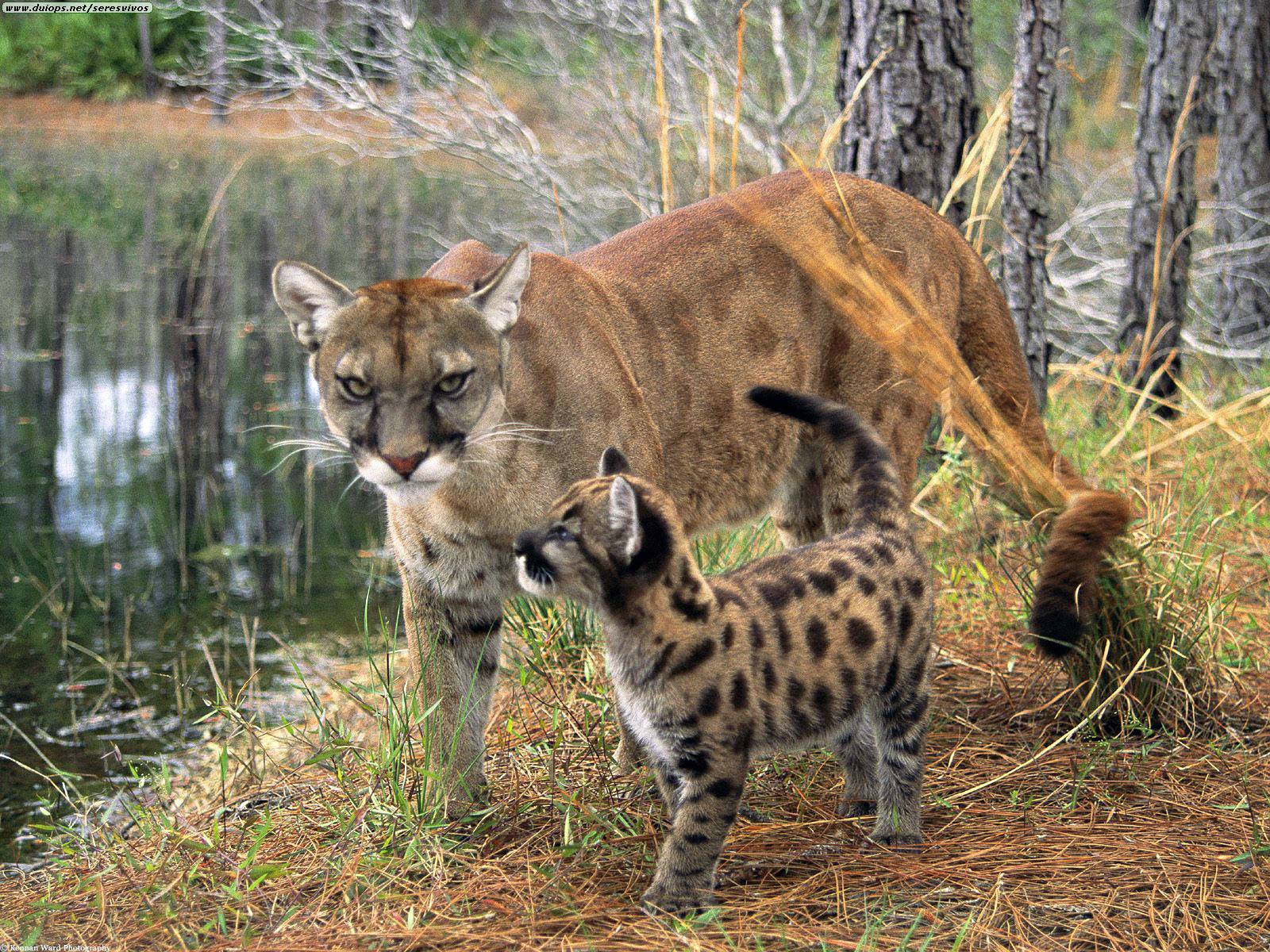
Florida State Mammal: Florida Panther

From the National Park Service website:

Once common throughout the southeastern United States, fewer than 100 Florida panthers (Puma concolor coryi) are estimated to live in the wilds of south Florida today. The current range of Florida panthers is less than five percent of their original range across Florida, Georgia, Alabama, Mississippi, Louisiana, Arkansas, and parts of Tennessee and South Carolina. Florida panthers were heavily hunted after 1832 when a bounty on panthers was created. Perceived as a threat to humans, livestock, and game animals, the species was nearly extinct by the mid-1950s.

Today, the primary threats to the remaining panther population are habitat loss, fragmentation, and degradation. Urban sprawl, the conversion of once-diversified agricultural lands into intensified industrial farming uses, and the loss of farmland to commercial development combine to reduce the amount of suitable panther habitat. Other factors include mortalities from collisions with automobiles, territorial disputes with other panthers, inbreeding, disease, and environmental toxins. All these other factors, however, also are related to habitat reduction.

 Like most animals, Florida panthers need food, water, shelter, and access to mates to survive. Panthers are strictly carnivores and eat only meat. About 90 percent of their diet is feral hog, white-tailed deer, raccoon, and armadillo. Occasionally they consume rabbits, rats, and birds, and occasionally even alligators. In south Florida, panthers prefer mature upland forests (hardwood hammocks and pinelands) over other habitat types. Upland forests provide dry ground for resting and denning, and prey density is higher than it is in lower habitats where flooding is more common. Much of the prime panther habitat is north of Interstate Highway 75, and panthers in that area weigh more, are healthier, and successfully raise more kittens than panthers that live primarily south of the highway and feed mostly on small prey. Panthers in Everglades National Park are smaller and fewer because much of the park consists of wetlands, while panthers need uplands in order to thrive. Although the Long Pine Key area within the park provides dry upland habitat, hogs are scarce in the park and deer are limited to dry or low water level areas. A panther has to kill and eat about 10 raccoons to equal the food value of 1 deer. To maintain their health and fitness, adult panthers need to consume the equivalent of about 1 deer or hog per week. Females with kittens may need twice this amount.

The recent history of the Florida panther documents the success of the genetic restoration program. Historically, natural gene exchange occurred between the Florida panther and other contiguous species of Puma concolor as individuals dispersed among populations and bred. This natural mechanism for gene exchange maintained genetic health within populations and minimized inbreeding. However, as the population declined, gene exchange between subspecies could no longer occur because the Florida panther had become isolated from neighboring subspecies such as the Texas panther. Inbreeding accelerated, resulting in genetic depression, declining health, reduced survivability, and low numbers. If action was not taken to address the loss of natural gene exchange, it was feared that the species would soon be extinct. In 1995 when the genetic restoration program began, the population of panthers had dwindled to only 20-30 individuals in the wild. In 1995, eight female Texas panthers were released in south Florida. Five of the eight Texas panthers produced litters and at least 20 kittens were born. By 2007, the Florida panther population had responded by tripling to about 100 animals. The genetic restoration program restored genetic variability and vitality for a healthier, more resilient population.

Mercury in Panthers

 Scientists first became aware of the potential threat of mercury to panthers in south Florida in 1989 when a female panther from the park died. An immediate cause of death could not be determined, but later tests revealed that her liver contained high levels of mercury. That same year, the State of Florida found high levels of mercury in fish from the Everglades. Air pollution from metals mining and smelting, coal-fired utilities and industry, and solid-waste incinerators was determined to be the major source of mercury contamination. Although some of this pollution was coming from utilities and industries within Florida, some originates in other countries and continents. Summer thunderstorms scour airborne mercury out of the upper atmosphere and deposit it in the Everglades. Mercury in rainfall is transformed to methylmercury by bacteria in sediments and algal mats. Zooplankton feed on algae, fish and crayfish feed on zooplankton, raccoons feed on fish and crayfish, and panthers feed on raccoons. In the 15 months before her death, the panther with high levels of mercury in her liver fed only on small prey, primarily raccoons. As mercury moves through the food chain, it accumulates in ever-greater quantities in the tissue of each predator. The tissues of predators at the top of the food chain, such as panthers, typically contain the most mercury.

Subsequent studies found that mercury concentrations in panther tissues were lowest north of Interstate Highway 75 where adequate deer and hogs were available and highest in the Everglades and the southern part of Big Cypress National Preserve where consumption of raccoons was highest. Raccoons are thought to have been the major source of mercury in Florida panthers at that time. Since 1989, mercury concentrations in fish and birds in the Everglades have dropped by 60 to 70 percent. The drastic reductions are directly linked to the installation of technology that reduced mercury in emissions from industries in south Florida. Although mercury levels in the natural environment are a worldwide concern and mercury likely will never be completely removed from the environment, mercury reductions are expected to continue into the future. Monitoring, modeling, and research demonstrate the relationship between mercury detected in the air, deposited in waterways and sediments through rainfall, and concentrated in fish and wildlife.

SOURCE: nps.gov.com