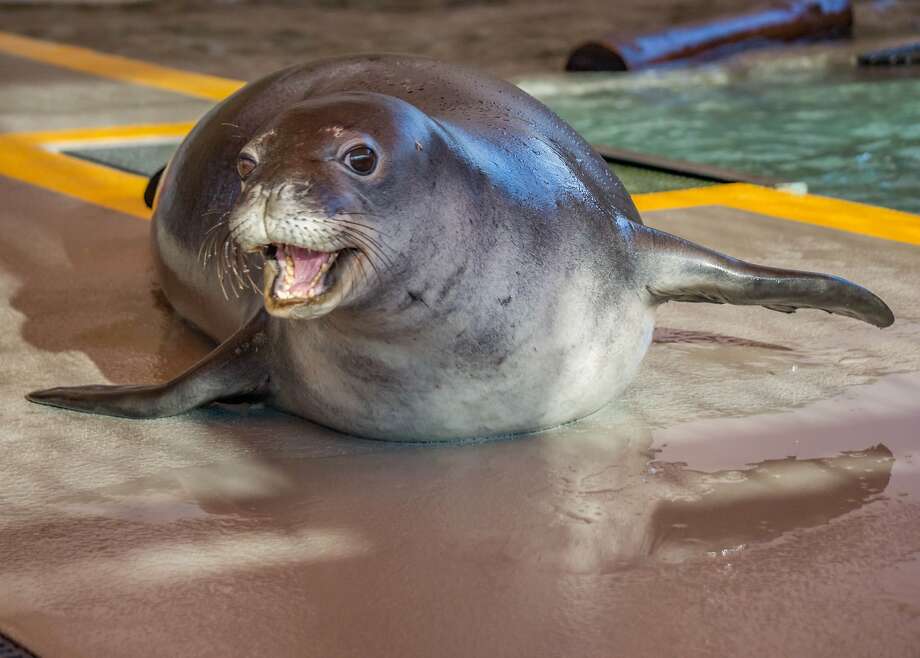
Hawaii State Mammal: Hawaiian Monk Seal

The Hawaiian monk seal is one of the most endangered seal species in the world. The population overall had been declining for six decades and current numbers, though increasing, are only about one-third of historic population levels. Importantly, however, the current upward trend is in part due to NOAA Fisheries recovery efforts.

Hawaiian monk seals are found in the Hawaiian archipelago which includes both the main and Northwestern Hawaiian Islands and rarely at Johnston Atoll which lies nearly 1,000 miles southwest of Hawaii. These monk seals are endemic to these islands, occurring nowhere else in the world. Hawaiian monk seals are protected under the Endangered Species Act, the Marine Mammal Protection Act, and State of Hawaii law.

Rocky, the Famous Hawaiian Monk Seal

Rocky became famous in 2017 when she had a pup on a busy beach in Waikiki on the island of Oahu. She returned to Kauai on July 14, 2018, and two days later, she was observed with a new pup.
Population Status

The population is estimated to be around 1,600 seals—nearly 1,200 seals in the Northwestern Hawaiian Islands and 400 seals in the main Hawaiian Islands.

A prolonged decline of the Hawaiian monk seal population in the Northwestern Hawaiian Islands occurred after the late 1950s, lasting until very recently. While individual subpopulations increased or decreased during that time, the total number of seals in the Northwestern Hawaiian Islands declined. Although this decline means that a full recovery of the species is a long way off, there are relatively recent, encouraging developments, including:

Visible recolonization and significant growth of the main Hawaiian Islands monk seal subpopulation from low numbers to approximately 400 over the past 2 decades or more

Overall species population growth of 2 percent each year between 2013 to 2022—2021, marked the first time their population exceeded 1,570 in more than 2 decades

Promising advances in juvenile seal survival enhancement research, such as evaluating how translocation affects survival and continued efforts to improve medical treatments

The decline that occurred in the Northwestern Hawaiian Islands was attributed to a number of factors at various regions and time periods. However, low juvenile survival, likely related to limited food availability, was the primary driver of the decline during the past 25 years.

Appearance

Newborn monk seal pups are born black, while weaned pups and older seals are dark gray to brown on their back and light gray to yellowish brown on their belly.

Monk seals undergo a “catastrophic molt” about once per year, where they shed the top layer of their skin and fur (similar to elephant seals). Seals that spend a long time at sea foraging can grow algae on their fur. Those that look green haven’t molted recently and may be getting ready to shed into a new silvery coat.

Most Hawaiian monk seals have unique natural markings, such as scars or natural bleach marks (white spots), on their fur which help identify them. Personnel authorized by NOAA Fisheries often apply identification tags to their rear flippers. Tagging and tracking used in combination with identification of unique markings enable long-term monitoring of individuals.

Male and female monk seals are similar in size. The only way to confirm whether a seal is female or male is by looking at its belly.

Behavior and Diet

Hawaiian monk seals are “generalist” feeders, which means they eat a wide variety of foods depending on what’s available. They eat many types of common fishes, squids, octopuses, eels, and crustaceans (crabs, shrimps, and lobsters). Diet studies indicate that they forage at or near the seafloor and prefer prey that hide in the sand or under rocks. They do not target most of the locally popular gamefish species such as ulua (giant trevally), pāpio (baby ulua), and ‘ō‘io (bonefish).

Hawaiian monk seals can hold their breath for up to 20 minutes and dive more than 1,800 feet; however, they usually dive an average of 6 minutes to depths of less than 200 feet to forage at the seafloor.

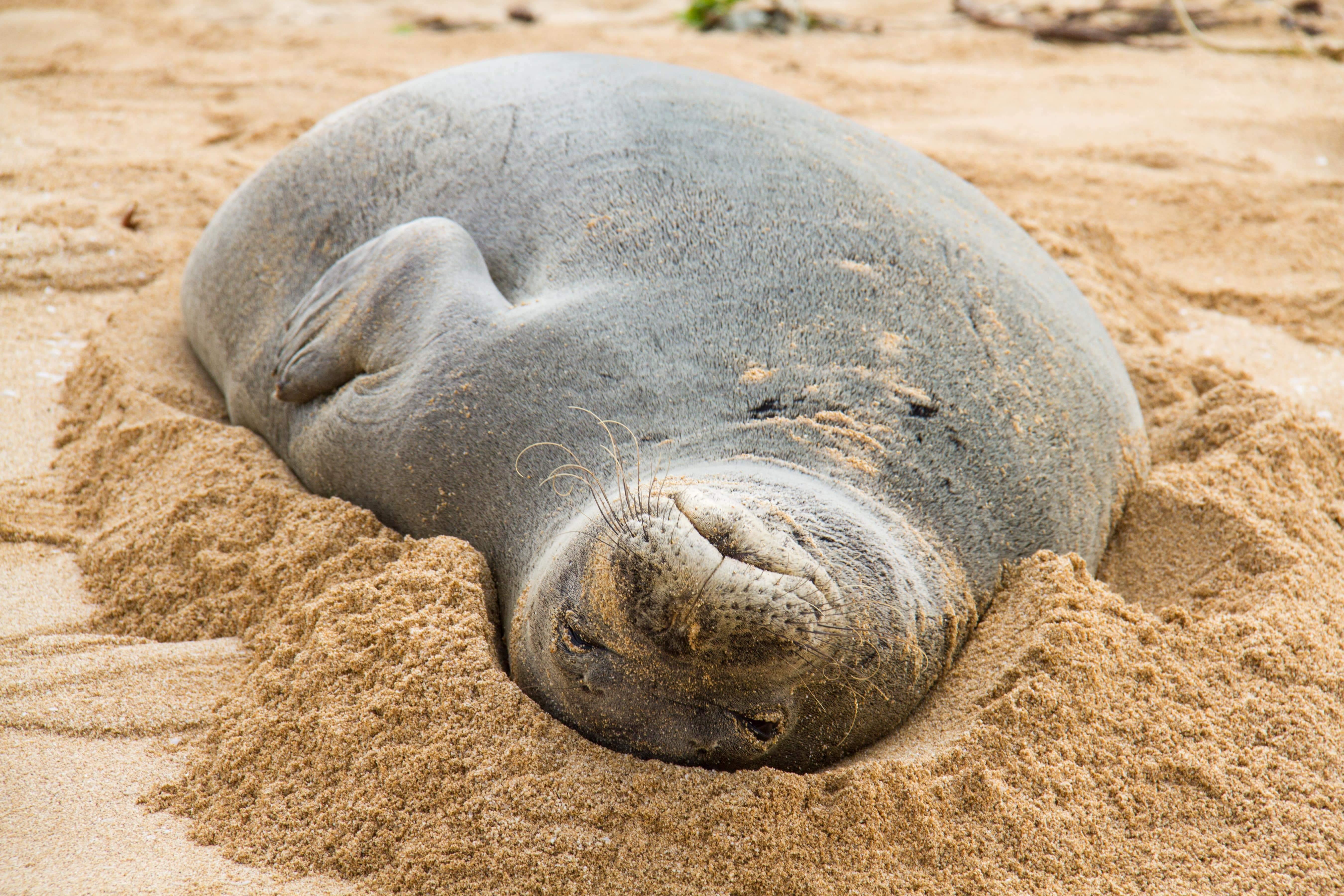
Hawaiian monk seals are mostly solitary and don’t live in colonies like sea lions or other seals. But they do sometimes lie near each other—usually not close enough to make physical contact—in small groups. They usually sleep on beaches, sometimes for days at a time. They also occasionally sleep in small underwater caves.

Monk seals do not migrate seasonally, but some seals have traveled hundreds of miles in the open ocean. Individual seals often frequent the same beaches over and over, but they do not defend territories.

Where They Live

Hawaiian monk seals are found throughout the entire Hawaiian archipelago, a distance of 1,500 miles from Kure Atoll (Hōlanikū) in the northwest to Hawaii Island in the southeast. The majority of Hawaiian monk seals (about 1,200 individuals) live in the Northwestern Hawaiian Islands, and a much smaller number (about 400) live in the main Hawaiian Islands. There have also been rare sightings of Hawaiian monk seals, as well as a single birth, at Johnston Atoll, the closest atoll southwest of the Hawaiian Islands. Monk seals live in warm, subtropical waters and spend two-thirds of their time at sea. They use the waters surrounding atolls and islands and areas farther offshore on reefs and submerged banks; they also use deepwater coral beds as foraging habitat. When on land, monk seals haul-out to rest, molt, give birth and nurse on sand, coral rubble, and volcanic rock shorelines. They generally prefer sandy, protected beaches surrounded by shallow waters for pupping
Lifespan & Reproduction

Monk seals can live to over 30 years of age, but few live that long. Monk seals mate in the water. The youngest documented female to give birth was 4 years old, but typically females begin reproducing at age 5 to 6 in the main Hawaiian Islands and age 7 to 10 in the Northwestern Hawaiian Islands.

SOURCE: FISHERIES.NOOA.GOV
Oriental Dwarf Kingfisher

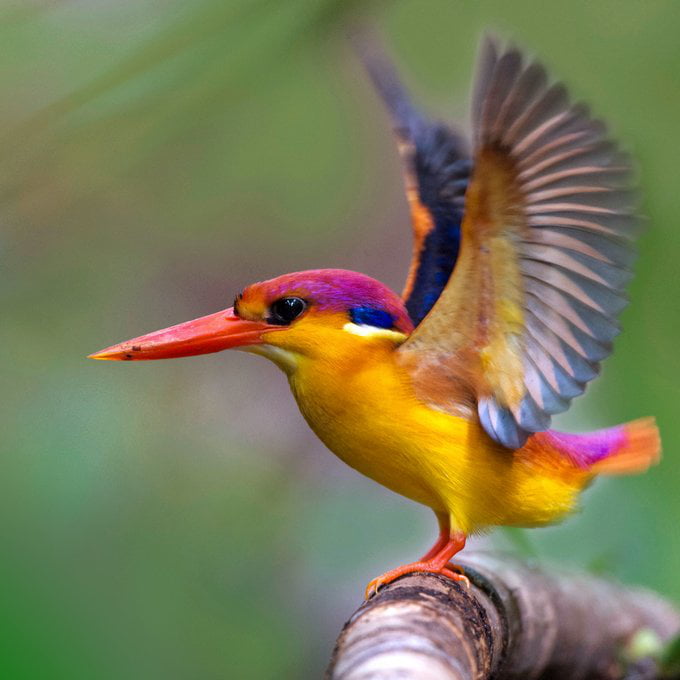
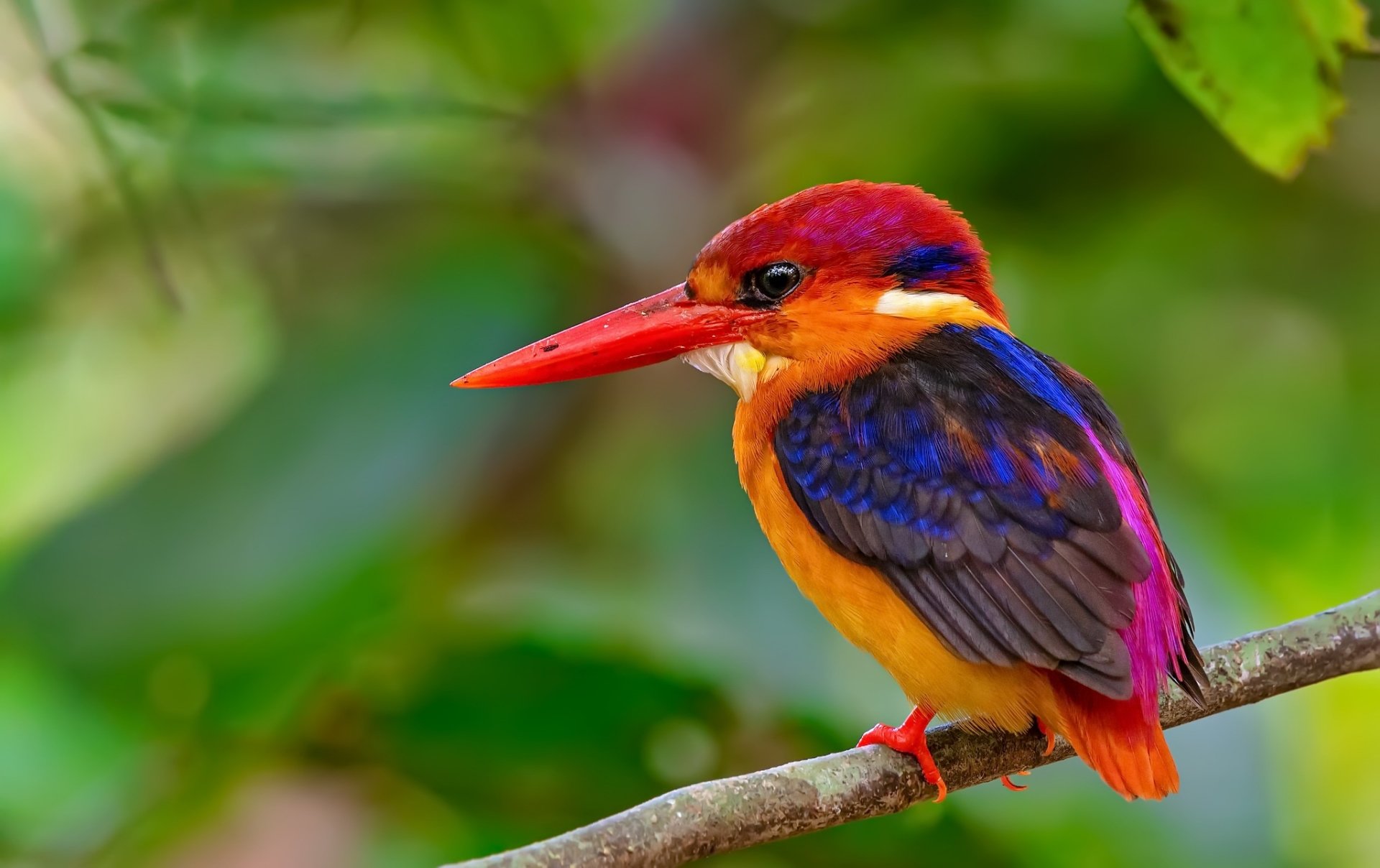
The black-backed dwarf kingfisher (Ceyx erithaca), also known as the three-toed kingfisher, is a pocket-sized bird in the family Alcedinidae. It was formerly considered as conspecific with the rufous-backed dwarf kingfisher and together the species complex was known by the English name “oriental dwarf kingfisher”.

This tropical kingfisher is a partial migrant that is endemic to parts of the Indian Subcontinent and Mainland Southeast Asia. It resides in lowland forests, typically near streams or ponds, where it feeds upon insects, spiders, worms, crabs, fish, frogs, and lizards. It is easily distinguishable from other birds in its range due to its red bill, yellow-orange underparts, lilac-rufous upperparts, and blue-black back.

The black-backed dwarf kingfisher is one of the smallest known kingfisher species. It is only slightly larger than a medium-sized hummingbird and measures 4.9–5.5 inches in length (including bill and tail). Females typically weigh 14-16g and males 14-21.5g, making the males slightly larger. The two sexes are otherwise alike and sexual dimorphism is not present. Both males and females have a black spot on the forehead; blue and white patches on the side of the neck; a lilac-rufous crown, rump, and tail; a dark blue back and wings; a white chin and throat; pale yellow-orange underparts; a dark brown iris; and red legs, feet, and bill. Juveniles are duller and have less lilac coloring; a white chin, throat and belly; yellow-orange bill with pale tip; and blue scapulars and wing-coverts. This species of kingfisher has three toes, explaining why it is sometimes called the three-toed kingfisher, however, there are other kingfishers which also have three toes. The toe-count in these kingfisher species does not appear to be adaptive. The vocalization is a high pitched, shrill “tsriet-tsriet” or soft “tjie-tjie-tjie” in flight.

The black-backed dwarf kingfisher is a forest and wetland-dwelling species that is endemic to parts of the Indian subcontinent and Mainland Southeast Asia. The breeding range includes eastern Bangladesh, northeastern India, Myanmar, the extreme south of China, Laos, Cambodia and Thailand. There is a disjunct population in the Western Ghats of western India and in Sri Lanka. During winter some birds migrate south to the Malay Peninsula and Sumatra.

It is most commonly found in deciduous and evergreen primary and secondary forests, but also in alluvial forests, mangroves, overgrown rubber gardens, or in dense aggregations of palms, bamboos, or shrubs. They tend to keep near forest streams and ponds, but their nests are often well away from water. They keep low to the ground and are known to perch and fly within 1-2m of the forest floor. Their preferred habitat is densely shaded forest lowlands near small streams or ponds. The lowlands they are present in typically do not exceed 1000-1300m in elevation.

Their diet consists primarily of insects, including mantises, grasshoppers, flies, water beetles, winged ants, mayflies; but also includes spiders; worms ; and small crabs, fish, frogs and lizards.

Black-backed dwarf kingfishers forage solitarily and perch in low vegetation or on rocks before flying out to capture prey from the ground or from among foliage. They can take spiders from their webs and catch insects in flight. They can also dive into water for prey at or just below the surface, without submerging themselves. Larger prey are typically brought back to a perch, where the bird will strike it repeatedly with its beak before swallowing.

Breeding

Egg laying occurs from July to September in southwest India, February to July in Sri Lanka, April to May in northeast India, March to July in peninsular Malaysia, March in Sumatra, and from December to May in Java. Nests are built in stream banks, road cuttings, terrestrial termitariums, or in soil near roots of a fallen tree, often well away from water. Together, the male and female excavate a horizontal tunnel that is 5.9–39.4 inches long, 1.5–1.8 inches in diameter, and ends in an unlined egg chamber. One pair dug 9.8 inches of their burrow, in sand, in about 40 minutes. The unlined chamber is 3.9–5.9 inches wide and 2.0–2.8 inches high. Both the tunnel and egg chamber are inclined upwards, which is thought to minimize water entry into the chamber and to help the flow of waste material out of the nest. The generation time is approximately 4.2 years. A typical clutch size is 3-7 eggs, averaging to around 5 eggs per clutch. The eggs are laid in the morning with a one day interval in between. Incubation begins after the final egg is laid and the incubation period lasts 17–18 days. Both the male and female incubate the eggs, however, the female has a larger role in the incubation period because she is responsible for incubating the eggs at night. The fledging period is 18–20 days and chicks typically fledge out in the morning.

SOURCE: WIKIPEDIA

Hawaii State Flower:  Yellow Hawaiian Hibiscus

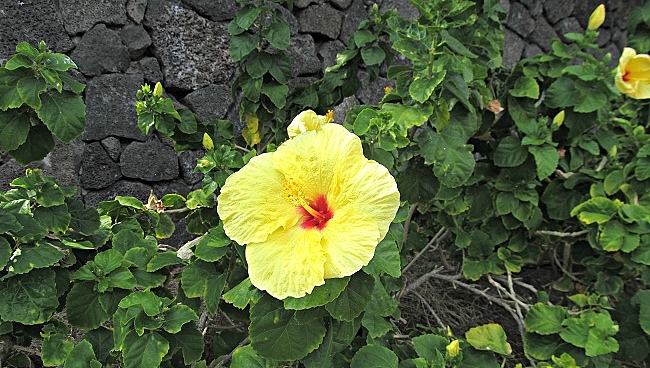
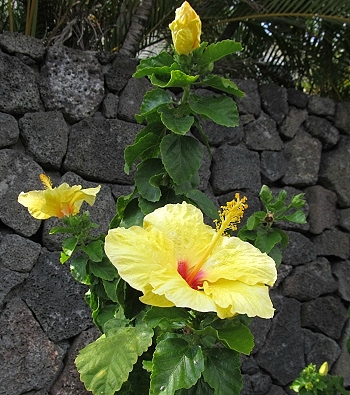
The Hawaii State Flower is a beautiful ornamental known as yellow Hawaiian hibiscus. It is distinguished by its large and full bright yellow flowers with a reddish center, and leaves that resemble a maple leaf.

Visitors to Hawaii will enjoy numerous colorful species of hibiscus growing prominently across the Big Island. There are seven varieties of the plant known as Hawaiian hibiscus, referring to the flowering plants considered native to Hawaii. There are other varieties that are similar in appearance to the Hawaiian hibiscus that are often used as ornamentals in homes and gardens, but most of these have been introduced from Asia and other parts of the Pacific.

The hibiscus flower, in all its varieties and colors, had been designated as the official flower of the Territory of Hawaii since way back in the early 1920’s. The particular species of yellow Hawaiian hibiscus, called ma`ohauhele or hibiscus brackenridgei, was specified as the newly official State Flower in 1988.

Ma’ohauhele (mah-oh-how-hay-lay) is the Hawaiian term for yellow Hibiscus. It literally means “green traveling introduced hibiscus”, perhaps due to the way the flowers turn green as they dry out. Blossoms are typically 5-6 inches across with a long yellow stamen and reddish center. The blossoms form as single flowers, but are sometimes seen in clusters at the end of the branch. There are sharp spines around the base of the plant.

Domestic hibiscus plants in gardens and around homes generally grow as shrubs anywhere from 3-12 feet tall. In their natural habitat they will sometimes grow into trees as high as 30 feet! They grow best in areas with an abundance of sunlight and need very little water.

Blooms are most prominent in spring and early summer, but flowers can be seen throughout the year. Due to the warm Pacific climate and rich volcanic soil, many tropical flowers grow in abundance in Hawaii. Visitors will enjoy a multitude of colorful flowers of Hawaii on display throughout the year.

The yellow Hawaiian hibiscus is found only in Hawaii. While it grows on all the main Hawaiian Islands, it is extremely rare. Because there are so few remaining in the wild, it is considered an endangered species.

Look for the beautiful yellow Hawaiian hibiscus growing in gardens and along roadsides across the The Big Island, particularly on the west side of the island where there is plenty of sunshine

SOURCE: EXPLORETHEBIGISLAND.COM

Georgia State Mammal: White Tailed Deer

Appearance

The coat of the White-tailed deer is a reddish-brown in the spring and summer and turns to a grey-brown throughout the fall and winter. The deer can be recognized by the characteristic white underside to its tail. It raises its tail when it is alarmed to warn the predator that it has been detected. An indication of a deer age is the length of the snout and the color of the coat, with older deer tending to have longer snouts and grayer coats. A population of white-tailed deer in New York is entirely white (except for areas like their noses and toes) – not albino – in color. White-tailed deer’s horizontally slit pupils allow for good night vision and color vision during the day. Males regrow their antlers every year. Males without branching antlers are often termed “spikehorn”, “spiked bucks”, “spike bucks”, or simply “spikes/spikers”. The spikes can be quite long or very short. The length and branching of antlers are determined by nutrition, age, and genetics. Spiked bucks are different from “button bucks” or “nubbin’ bucks”, which are male fawns and are generally about 6 to 9 months of age during their first winter. They have skin-covered nobs on their heads. They can have bony protrusions up to a half inch in length, but that is very rare, and they are not the same as spikes. Males shed their antlers when all females have been bred, from late December to February.

Habits and Lifestyle

White-tailed deer are usually considered solitary, particularly in summer. Their basic social unit is mother and fawns, although sometimes they do graze together in herds that can number hundreds of individuals. Bucks and does remain separate from each other except during the mating season. Bucks usually live alone or within small groups alongside other bucks. Deer living in deserts often migrate from summertime elevations down to warmer areas where there is more food available. White-tailed deer are crepuscular, and mainly feed starting before dawn until a few hours after the sun has risen, and again in the late afternoon until dusk. They use a number of forms of communication, such as sound, odor, body language, and marking with scratches. When alarmed, a White-tailed deer will raise its tail to warn other deer.

Diet and Nutrition

Whitetails are herbivores and feed on twigs, bark, leaves, shrubs, the nuts and fruits of most vegetation, lichens, and other fungi. Plants such as yucca, huajillo brush, prickly pear cactus, ratama, comal, and a range of tough shrubs can be the mainstay of a whitetail’s diet if it lives in a desert area. Though almost entirely herbivorous, White-tailed deer may opportunistically feed on nesting songbirds, field mice, and birds trapped in mist nets, if the need arises

Mating

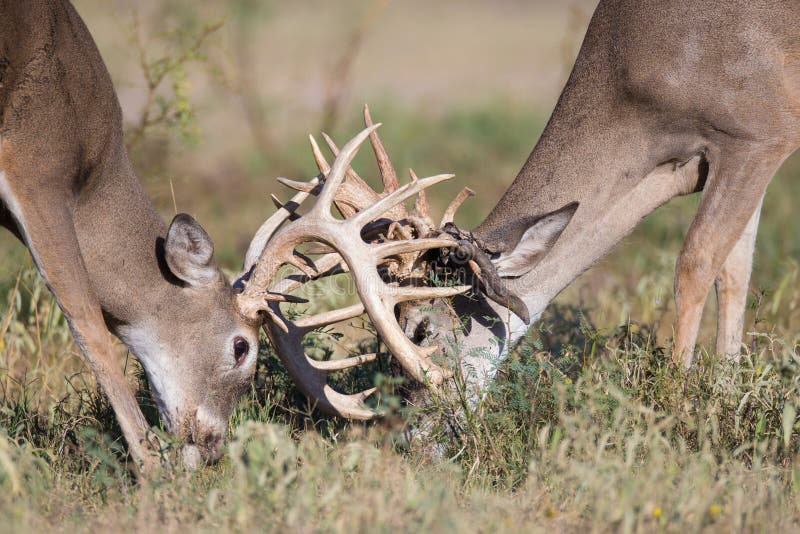
Whitetails are polygynous, and bucks fight fiercely during the mating season, with winners able to mate with does in the area. The season runs from October to December. The gestation period is about 6 months. A female usually gives birth to one fawn in her initial year of breeding but 2 are born subsequently. Fawns can walk as soon as they are born and only a few days later are able to nibble on vegetation. When seeking food, mothers leave their offspring hidden amongst vegetation. A fawn starts to follow its mother as she goes off to forage when it is about 4 weeks old. At 8 – 10 months old, they are weaned. At one-year-old, young males leave their mothers but young females will often stay with them for two years. Most of them (particularly males) will breed in their second year.

Fun Facts for Kids

When White-tailed deer gather together and trample down snow in a particular area, this is called a “deer yard.”

White-tailed deer can jump vertically more than 8.2 feet and horizontally 354 in, which is almost the length of a school bus.

White-tailed deer swim well and can escape from predators through large streams and lakes.

Only the males grow antlers, and they shed them each year.

White-tailed deer are the shyest and most nervous of deer. When they are startled and run away, their tails wave from side to side.

Deer can smell human odor on underbrush for days afterward. Bucks will stay away from areas that have been visited by humans for weeks afterward.

Bucks usually lie on their right side when they go to sleep, and they face downwind, enabling them to employ their nose, ears, and eyes to detect danger in any direction.

Georgia State Flower: Cherokee Rose

From the floraqueen.com blog:

In the realm of state symbols, flowers hold a special place, representing the natural beauty and heritage of a region. When it comes to Georgia, the state flower is the Cherokee Rose. This elegant and resilient flower carries deep significance in Georgia’s history and culture. In this article, we will explore the Cherokee Rose as the state flower for Georgia, uncovering its origins, characteristics, and the symbolic meaning it holds. From its delicate blooms to its enduring spirit, we will delve into the rich tapestry of the Cherokee Rose, providing valuable insights and fostering a deeper appreciation for this cherished symbol.

The Cherokee Rose: A Historical and Cultural Emblem

The Cherokee Rose (Rosa laevigata) holds great historical significance in Georgia, particularly in relation to the Native American tribe from which it derives its name. Here, we will delve into the history and cultural associations of the Cherokee Rose:

Origins and Naming

The Cherokee Rose is native to East Asia but gained prominence in the southeastern United States, including Georgia. It is believed that the flower was introduced to North America by early European settlers.

The Cherokee Rose earned its name in honor of the Cherokee Native American tribe, which inhabited the region where the flower thrived. The association between the Cherokee people and the rose stems from a tale of hardship and resilience during the Trail of Tears.

The Trail of Tears

The Trail of Tears refers to the forced removal of Native American tribes, including the Cherokee, from their ancestral lands in the southeastern United States to Indian Territory (present-day Oklahoma) in the 1830s. This devastating event resulted in the loss of thousands of lives and marked a dark chapter in American history.

According to legend, the Cherokee Rose grew along the route traveled by the Cherokee people during their forced relocation. As they endured immense suffering and loss, it is said that the tears shed by Cherokee women transformed into the delicate white petals of the rose, symbolizing their resilience and strength in the face of adversity.

Characteristics and Symbolism of the Cherokee Rose

The Cherokee Rose is a deciduous climbing rose that features intricate and fragrant white blooms. Here, we will explore the characteristics and symbolic meaning associated with this captivating flower:

Appearance and Growth Habits

The Cherokee Rose is characterized by its elegant and abundant white flowers, which typically bloom in spring or early summer. Its blooms have a distinct yellow center, surrounded by layers of delicate petals. The plant itself is known for its climbing nature, often adorning fences, trellises, and walls with its sprawling vines.

Symbolic Significance

The Cherokee Rose holds deep symbolic meaning, reflecting both the resilience of the Cherokee people and the spirit of Georgia. Here are some interpretations associated with the Cherokee Rose:

Resilience and Strength: The Cherokee Rose serves as a symbol of resilience, representing the endurance and strength of the Cherokee people in the face of great adversity. Its presence along the Trail of Tears serves as a reminder of the perseverance and fortitude displayed by the Native American tribe during their forced relocation.

Beauty and Fragility: The delicate white blooms of the Cherokee Rose evoke a sense of beauty and fragility. Despite the hardships faced by the Cherokee people, the flower symbolizes their ability to find beauty amidst challenging circumstances, offering a source of hope and inspiration.

Unity and Heritage: The Cherokee Rose holds a unifying significance, symbolizing the shared heritage and cultural legacy of the Cherokee people. It serves as a reminder of the importance of preserving and honoring Native American traditions and history.

SOURCE: FLORAQUEEN.COM

King Vultures

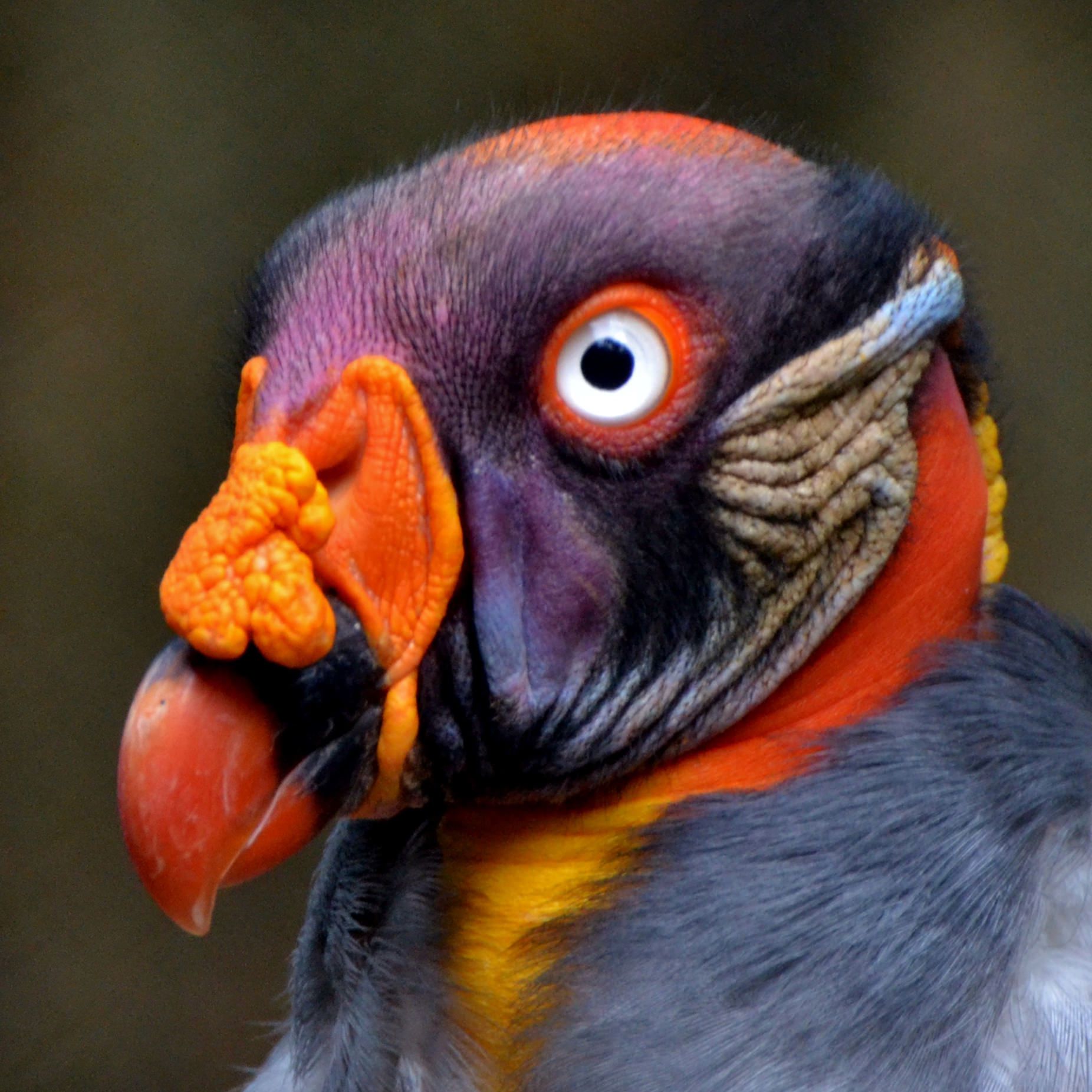
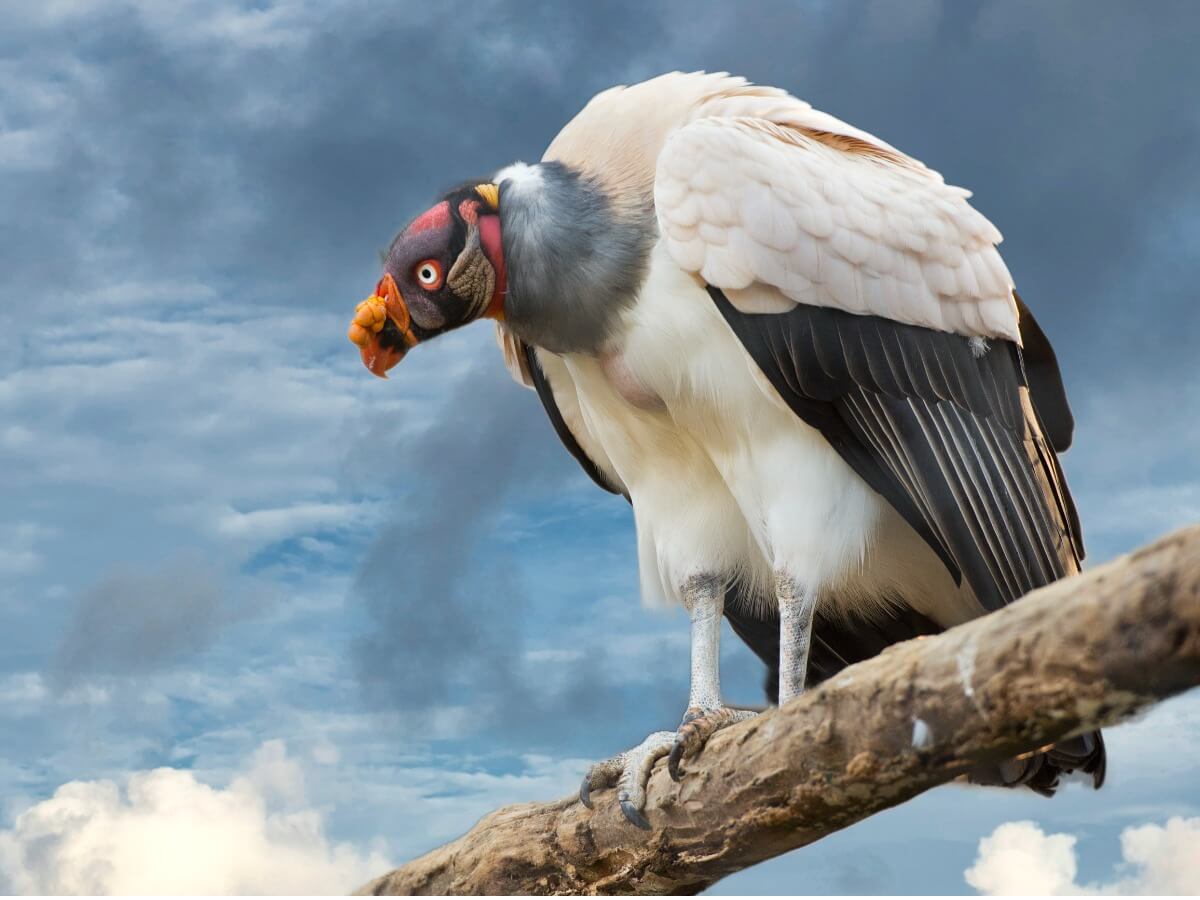
The King vulture (Sarcoramphus papa) is a large bird found in Central and South America. It is a member of the New World vulture family Cathartidae. Its more powerful features, for the purpose of feeding from the toughest animal carcasses, have given the King vulture its name; its larger size, brilliant color, and adapted features. Other birds treat the King vulture as the king, for example, when it flies in, other birds will stop feeding and let it eat.

Appearance

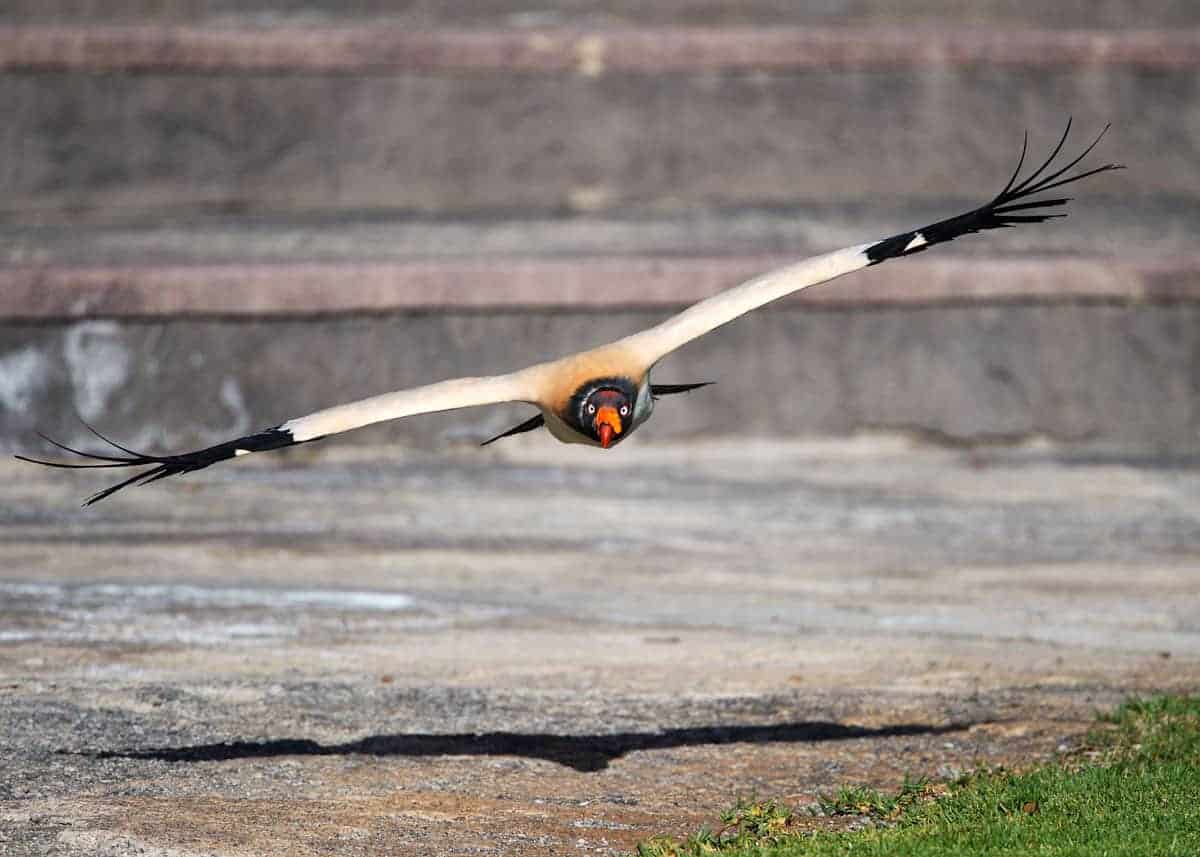
An imposing bird, the adult King vulture has predominantly white plumage, which has a slight rose-yellow tinge to it. In stark contrast, the wing coverts, flight feathers, and tail are dark grey to black, as is the prominent thick neck ruff. The head and neck are devoid of feathers, the skin shades of red and purple on the head, vivid orange on the neck, and yellow on the throat. On the head, the skin is wrinkled and folded, and there is a highly noticeable irregular golden crest attached to the cere above its orange and black bill; this caruncle does not fully form until the bird’s fourth year. The King vulture has, relative to its size, the largest skull and braincase, and strongest bill, of the New World vultures. This bill has a hooked tip and a sharp cutting edge. The bird has broad wings and a short, broad, and square tail. The irises of its eyes are white and bordered by bright red sclera. Unlike some New World vultures, the King vulture lacks eyelashes. It also has gray legs and long, thick claws. The juvenile vulture has a dark bill and eyes, and a downy, gray neck that soon begins to turn the orange of an adult. Younger vultures are a slate gray overall, and, while they look similar to the adult by the third year, they do not completely molt into adult plumage until they are around five or six years of age.

Distribution

King vultures live in the south of Mexico and throughout South and Central America to northern Argentina. Mainly frequenting humid tropical forests, they may sometimes be seen in more open areas like savannah and grasslands. These birds prefer undisturbed forests inhabited by large mammals. They are also often seen near swamps or marshy places in the forests.

Habits and Lifestyle

King vultures do not gather in large groups but remain in family units. They mostly stay out of sight, perched high up in the canopy, or they are flying about and soaring high above the ground looking for food. They do not migrate, remaining within the same area all year long. They are a diurnal species and much of their time is spent basking in the sun and saving their energy, sometimes preening their wing feathers. King vultures, unlike some other vulture species, have a poor sense of smell, relying on other vultures to locate prey, and then descending to join in the feeding. These birds are very rarely aggressive, usually backing down instead of fighting. Due to their large bodies and wings, they totally depend on air currents for their flight, and avoid flapping their wings unless they really have to. King vultures do not have a voice box (a syrinx) or the muscles needed to make it work. They can make very low croaks. During the breeding season, they will give warning sounds when something approaches their nest.

Mating Habits

King vultures are monogamous and their pair bonds last for life. They are often seen perching high in trees under cover or soaring very high up in the sky. As a result, their courting ritual is only seen in captivity, being a display where both birds walk around on the ground in circles while they flap their wings. They make loud snorting and wheezing noises during mating. Breeding usually takes place during the dry season. These birds are solitary and so do not gather in big colonies to nest. Instead of building nests, they lay their eggs in a stump the hollow of a rotting log, or a crevice in a tree. A single egg is laid and incubation lasts for around 55 to 58 days, with both parents regularly taking turns. Chicks are naked when they hatch but very soon acquire pure white down. The parents bring food to them in their claws, but also feed their chick by regurgitation. Young fledge at 3-4 months, but remain dependent on their parents until they are eight months old and may stay close to them for two more years. At three to four years of age, a chick has developed all its plumage and other features. Females become reproductively mature at around 5 years of age, and males at around 7 years of age.

Fun Facts for Kids

King vultures have one of the strongest beaks out of all the American vultures, being able to open a carcass that the others cannot. This is why they often eat first, with the other vultures eating what remains.

When it is too hot, the King vulture defecates on its legs, a cooling process called urohydrosis.

The closest relatives to King vultures are condors.

The vulture’s head and neck are featherless as an adaptation for hygiene, though there are black bristles on parts of the head; this lack of feathers prevents bacteria from the carrion it eats from ruining its feathers and exposes the skin to the sterilizing effects of the sun.

After eating, King vultures will fly a long way to a river to bathe.

Ancient Mayans knew the King vulture, including it in their art. They named it “oc”.

SOURCE: ANIMALIA.COM

Florida State Flower: Orange Blossom

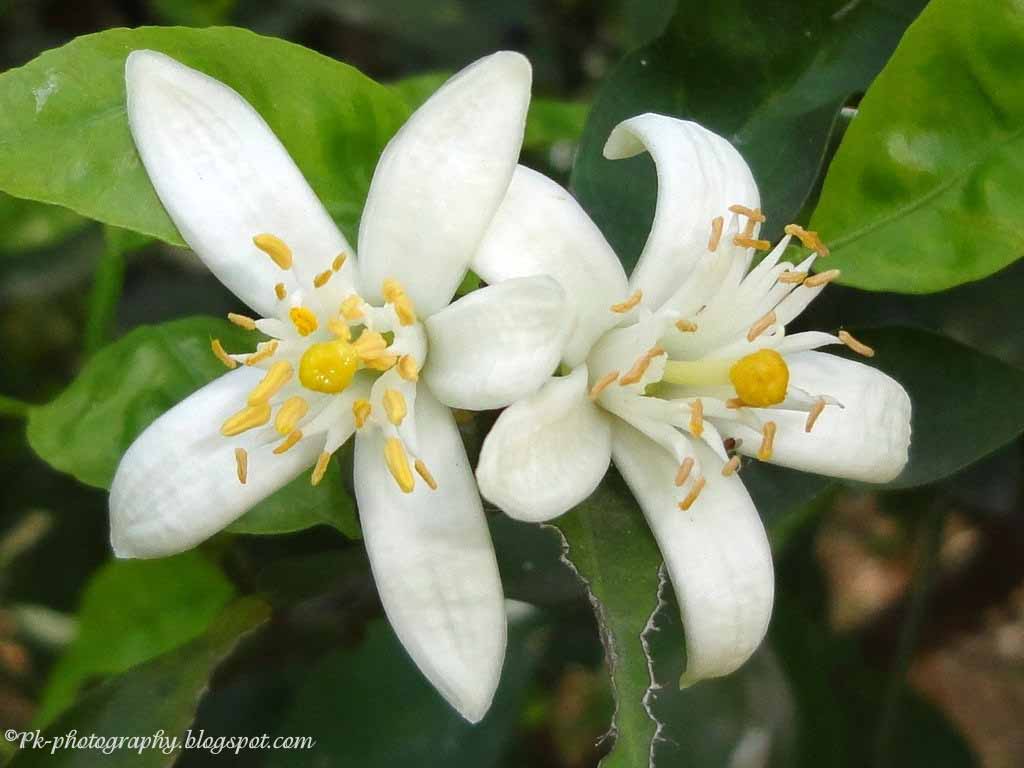
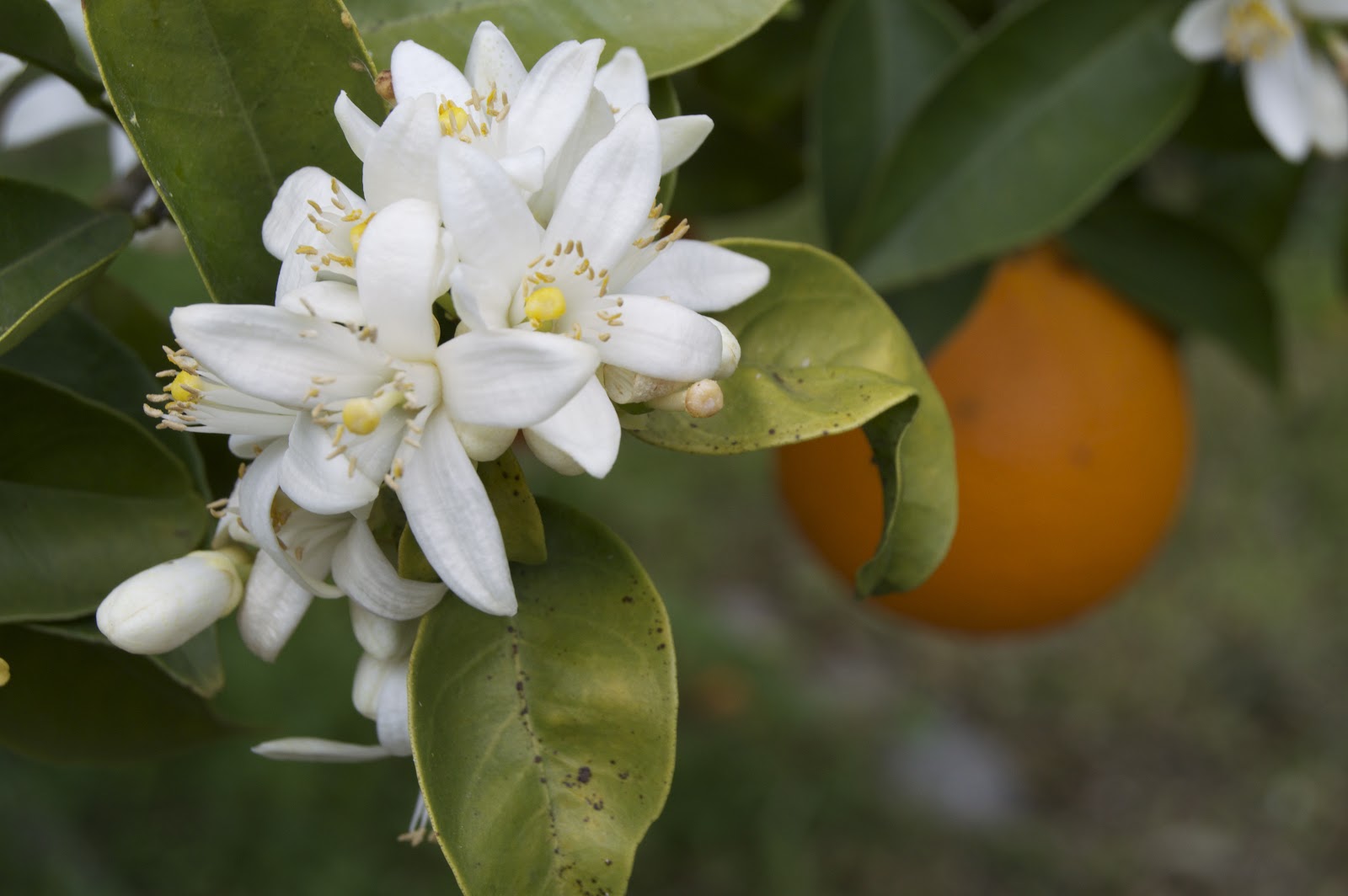
The blossom of the orange tree (Citrus sinensis) is one of the most fragrant flowers in Florida. Millions of these white flowers perfume the atmosphere throughout central and south Florida during orange blossom time. The orange blossom was selected as the state flower by the 1909 legislature.

The orange fruit is an important agricultural product, used for both the juicy fruit pulp and the aromatic peel (rind). Orange blossoms (the flowers) are used in several different ways, as are the leaves and wood of the tree.

Flowers

The orange blossom, which is the state flower of Florida, is highly fragrant and traditionally associated with good fortune. It has long been popular in bridal bouquets and head wreaths.

Orange blossom essence is an important component in the making of perfume.

Orange blossom petals can also be made into a delicately citrus-scented version of rosewater, known as “orange blossom water” or “orange flower water”. It is a common ingredient in French and Middle Eastern cuisines, especially in desserts and baked goods. In some Middle Eastern countries, drops of orange flower water are added to disguise the unpleasant taste of hard water drawn from wells or stored in qullahs (traditional Egyptian water pitchers made of porous clay). In the United States, orange flower water is used to make orange blossom scones and marshmallows.

In Spain, fallen blossoms are dried and used to make orange tea.

Orange blossom honey (or citrus honey) is obtained by putting beehives in the citrus groves while trees bloom. By this method, bees also pollinate seeded citrus varieties. This type of honey has an orangey taste and is highly prized.

Leaves

Orange leaves can be boiled to make orange tea.

Wood

Orangewood sticks are used as cuticle pushers in manicures and pedicures, and as spudgers for manipulating slender electronic wires.

Orangewood is used in the same way as mesquite, oak, and hickory for seasoning grilled meat.

SOURC: MIAMI LIVING

Florida State Mammal: Florida Panther

From the National Park Service website:

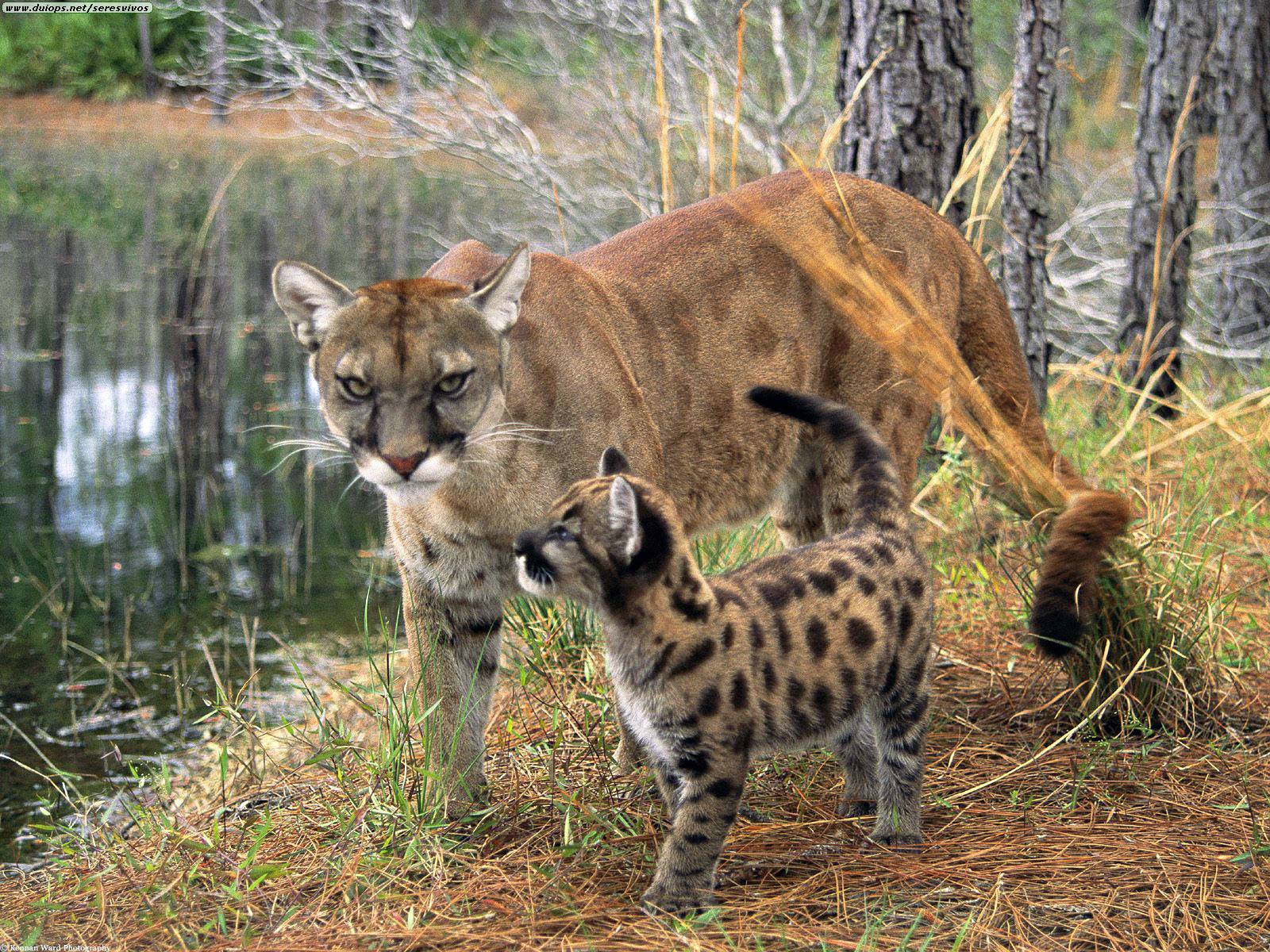
Once common throughout the southeastern United States, fewer than 100 Florida panthers (Puma concolor coryi) are estimated to live in the wilds of south Florida today. The current range of Florida panthers is less than five percent of their original range across Florida, Georgia, Alabama, Mississippi, Louisiana, Arkansas, and parts of Tennessee and South Carolina. Florida panthers were heavily hunted after 1832 when a bounty on panthers was created. Perceived as a threat to humans, livestock, and game animals, the species was nearly extinct by the mid-1950s.

Today, the primary threats to the remaining panther population are habitat loss, fragmentation, and degradation. Urban sprawl, the conversion of once-diversified agricultural lands into intensified industrial farming uses, and the loss of farmland to commercial development combine to reduce the amount of suitable panther habitat. Other factors include mortalities from collisions with automobiles, territorial disputes with other panthers, inbreeding, disease, and environmental toxins. All these other factors, however, also are related to habitat reduction.

 Like most animals, Florida panthers need food, water, shelter, and access to mates to survive. Panthers are strictly carnivores and eat only meat. About 90 percent of their diet is feral hog, white-tailed deer, raccoon, and armadillo. Occasionally they consume rabbits, rats, and birds, and occasionally even alligators. In south Florida, panthers prefer mature upland forests (hardwood hammocks and pinelands) over other habitat types. Upland forests provide dry ground for resting and denning, and prey density is higher than it is in lower habitats where flooding is more common. Much of the prime panther habitat is north of Interstate Highway 75, and panthers in that area weigh more, are healthier, and successfully raise more kittens than panthers that live primarily south of the highway and feed mostly on small prey. Panthers in Everglades National Park are smaller and fewer because much of the park consists of wetlands, while panthers need uplands in order to thrive. Although the Long Pine Key area within the park provides dry upland habitat, hogs are scarce in the park and deer are limited to dry or low water level areas. A panther has to kill and eat about 10 raccoons to equal the food value of 1 deer. To maintain their health and fitness, adult panthers need to consume the equivalent of about 1 deer or hog per week. Females with kittens may need twice this amount.

The recent history of the Florida panther documents the success of the genetic restoration program. Historically, natural gene exchange occurred between the Florida panther and other contiguous species of Puma concolor as individuals dispersed among populations and bred. This natural mechanism for gene exchange maintained genetic health within populations and minimized inbreeding. However, as the population declined, gene exchange between subspecies could no longer occur because the Florida panther had become isolated from neighboring subspecies such as the Texas panther. Inbreeding accelerated, resulting in genetic depression, declining health, reduced survivability, and low numbers. If action was not taken to address the loss of natural gene exchange, it was feared that the species would soon be extinct. In 1995 when the genetic restoration program began, the population of panthers had dwindled to only 20-30 individuals in the wild. In 1995, eight female Texas panthers were released in south Florida. Five of the eight Texas panthers produced litters and at least 20 kittens were born. By 2007, the Florida panther population had responded by tripling to about 100 animals. The genetic restoration program restored genetic variability and vitality for a healthier, more resilient population.

Mercury in Panthers

 Scientists first became aware of the potential threat of mercury to panthers in south Florida in 1989 when a female panther from the park died. An immediate cause of death could not be determined, but later tests revealed that her liver contained high levels of mercury. That same year, the State of Florida found high levels of mercury in fish from the Everglades. Air pollution from metals mining and smelting, coal-fired utilities and industry, and solid-waste incinerators was determined to be the major source of mercury contamination. Although some of this pollution was coming from utilities and industries within Florida, some originates in other countries and continents. Summer thunderstorms scour airborne mercury out of the upper atmosphere and deposit it in the Everglades. Mercury in rainfall is transformed to methylmercury by bacteria in sediments and algal mats. Zooplankton feed on algae, fish and crayfish feed on zooplankton, raccoons feed on fish and crayfish, and panthers feed on raccoons. In the 15 months before her death, the panther with high levels of mercury in her liver fed only on small prey, primarily raccoons. As mercury moves through the food chain, it accumulates in ever-greater quantities in the tissue of each predator. The tissues of predators at the top of the food chain, such as panthers, typically contain the most mercury.

Subsequent studies found that mercury concentrations in panther tissues were lowest north of Interstate Highway 75 where adequate deer and hogs were available and highest in the Everglades and the southern part of Big Cypress National Preserve where consumption of raccoons was highest. Raccoons are thought to have been the major source of mercury in Florida panthers at that time. Since 1989, mercury concentrations in fish and birds in the Everglades have dropped by 60 to 70 percent. The drastic reductions are directly linked to the installation of technology that reduced mercury in emissions from industries in south Florida. Although mercury levels in the natural environment are a worldwide concern and mercury likely will never be completely removed from the environment, mercury reductions are expected to continue into the future. Monitoring, modeling, and research demonstrate the relationship between mercury detected in the air, deposited in waterways and sediments through rainfall, and concentrated in fish and wildlife.

SOURCE: nps.gov.com

Painted Lady Butterfly

The painted lady is one of the most familiar butterflies in the world, found on nearly all continents and climates. They are a favorite subject of study in elementary school classrooms and are a familiar visitor to most landscape gardens. As common as they are, though, painted ladies have some interesting attributes, as these 10 facts demonstrate.

They Are the World’s Most Widely Distributed Butterfly

Painted lady butterflies inhabit every continent except Australia and Antarctica. You can find painted ladies everywhere from meadows to vacant lots. Although they live only in warmer climates, painted ladies often migrate to colder regions in spring and fall, making them the butterflies with the widest distribution of any species. 

They Are Also Called Thistle or Cosmopolitan Butterflies

The painted lady is called the thistle butterfly because thistle plants are its favorite nectar plant for food. It is called the cosmopolitan butterfly because of its global distribution.

They Have Unusual Migration Patterns

The painted lady is an irruptive migrant, meaning that it migrates independently of any seasonal or geographic patterns. Some evidence suggests that painted lady migrations may be linked to the El Niño climate pattern.1 In Mexico and some other regions, it appears that migration is sometimes related to overpopulation.

The migrating populations that move from North Africa to Europe may include millions of butterflies. In spring, painted ladies fly low when migrating, usually only 6 to 12 feet above the ground. This makes them highly visible to butterfly watchers but also makes them susceptible to colliding with cars. At other times, painted ladies migrate at such high altitudes that they are not observed at all, simply appearing in a new region unexpectedly. 

They Can Fly Fast and Far

These medium-sized butterflies can cover a lot of ground, up to 100 miles per day during their migrations.2 A painted lady is capable of reaching a speed of nearly 30 miles per hour. Painted ladies reach northern areas well ahead of some of their more famous migrating cousins, like monarch butterflies. And because they get such an early start to their spring travel, migrating painted ladies are able to feed on spring annuals, like fiddlenecks (Amsinckia).

They Do Not Overwinter in Cold Regions

Unlike many other species of butterflies that migrate to warm climates in winter, painted ladies die once winter hits in colder regions. They are present in cold regions only because of their impressive ability to migrate long distances from their warm-weather breeding areas. 

Their Caterpillars Eat Thistle

Thistle, which can be an invasive weed, is one of the painted lady caterpillar’s favorite food plants. The painted lady probably owes its global abundance to the fact that its larvae feed on such common plants. The painted lady also goes by the name thistle butterfly, and its scientific name—Vanessa cardui—means “butterfly of thistle.” 

They Can Damage Soybean Crops

When the butterflies are found in large numbers, they can do serious damage to soybean crops. The damage occurs during the larval stages when the caterpillars eat soybean foliage after hatching from eggs.

Males Use the Perch-and-Patrol Method to Find Mates

Male painted ladies actively patrol their territory for receptive females in the afternoon. Should a male butterfly find a mate, it will usually retreat with its partner to a treetop, where they will mate overnight.

Their Caterpillars Weave Silk Tents

Unlike other caterpillars in the genus Vanessa, painted lady larvae construct their tents from silk. You’ll usually find their fluffy shelters on thistle plants. Similar species, such as the American lady caterpillar, make their tents by stitching leaves together instead.

On Overcast Days, They Go to Ground

You can find them huddling in small depressions on such days. On sunny days, these butterflies prefer open areas filled with colorful flowers.

Octopus Stinkhorn: AKA Devil’s Fingers

From the first-nature.com website:

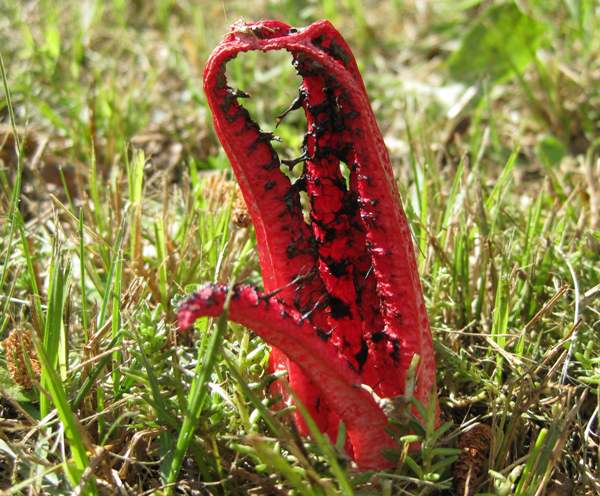
In Britain this remarkable fungus is commonly known as Devil’s Fingers, and in parts of the USA it is referred to as the Octopus Fungus. As global warming advances this species may become more common in Britain, and it will be interesting to see which (if any) of these common names is most generally adopted. One thing is for sure: its appearance and its awful smell guarantee that it will not go unnoticed for long!

Egg stage

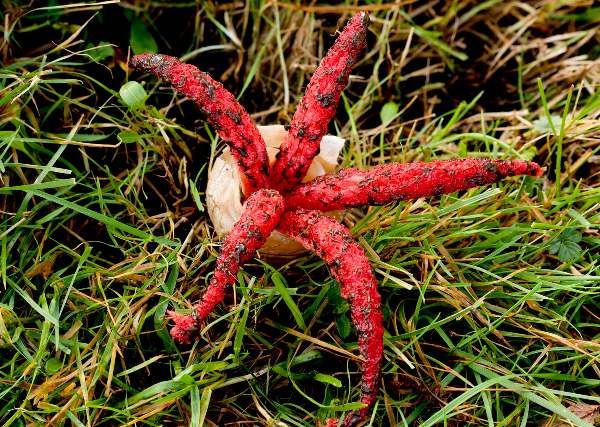
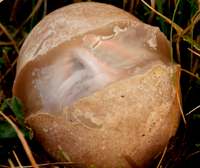
Before rupturing the ball or egg of Clathrus archeri is typically 2 to 3cm in diameter.

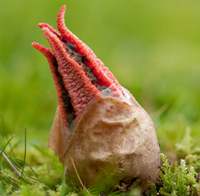
Emerging arms

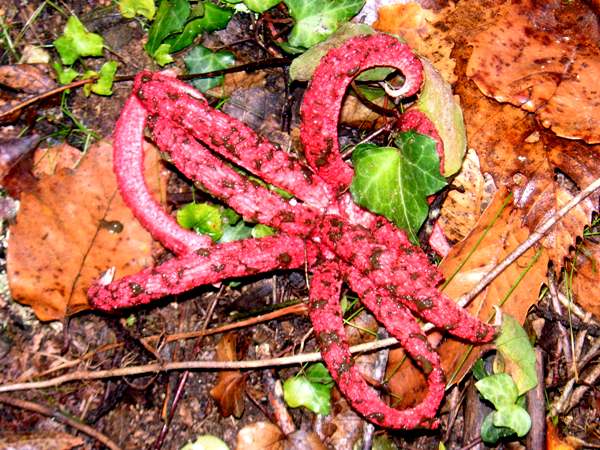
A large, starfish-like fruitbody whose 4 to 6 (exceptionally 8) arched red arms are coated with a smelly gleba on the upper surface, the mature fruitbody is typically 20cm across with arms arching to 10cm in height. The bright red colour makes this remarkable species very easy to identify; however, it is a relatively rare find in Britain and mainly found in the south of England and in the Channel Islands.

Strong, unpleasant odour reminescent of rotting meat; no distinctive taste at the young egg stage – I can find no reports about the taste of mature fruitbodies.

Clathrus archeri is saprobic and mainly found in leaf litter under trees and shrubs; also increasingly on bark mulch in parks and gardens.

Culinary Notes

In common with other kinds of stinkhorns, Clathrus archeri is not proven to be toxic, but it should be treated as suspect. Even if you can tolerate the stench it’s a risky snack. After you! No, no… after you, I insist!

In fact the eggs of various stinkhorns are edible, but there are no records of fights having taken place over these delicacies as there certainly are over truffles, morels and some kinds of edible boletes.