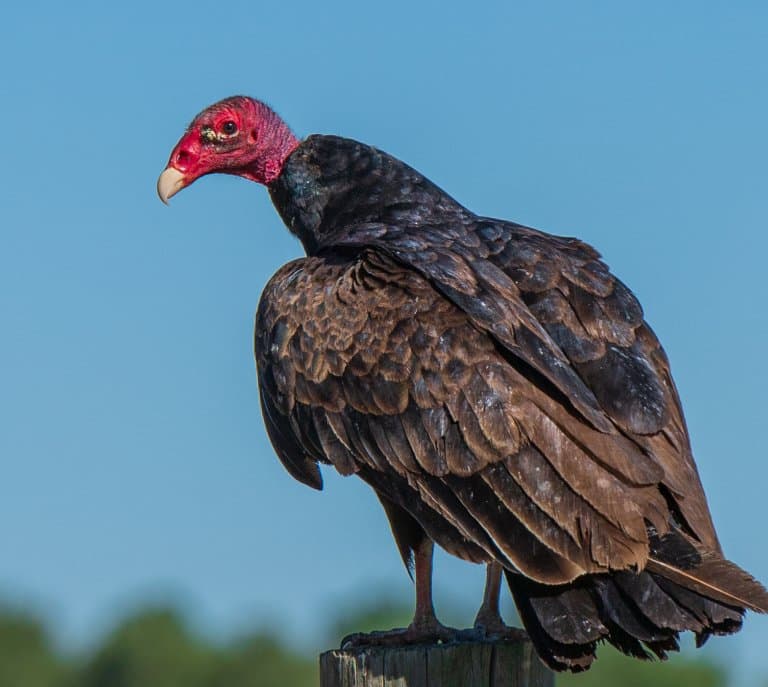
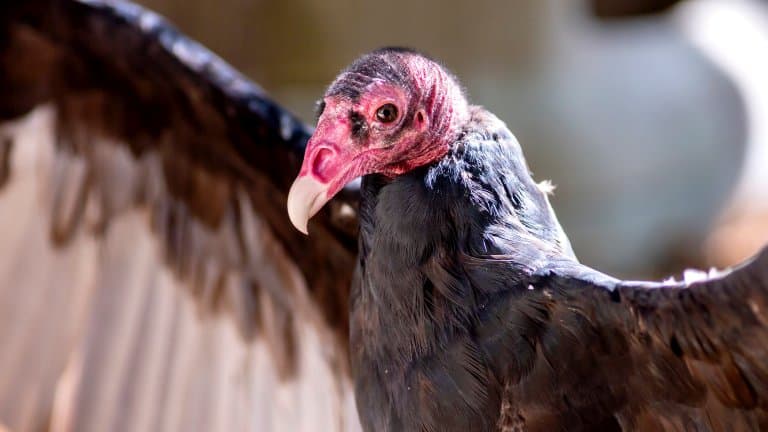
There are over 20 species of birds known as vultures, and their taxonomy is a bit muddled. The Old-World vultures are relatively straightforward, but there is a group of American birds whose relationship with them is still under assessment. Turkey vultures are part of this group, and so named because they have red, featherless heads, sort of like a turkey. This is the only reason, though, and not because they’re remotely related to turkeys, or even that they really eat turkeys, although they probably would if they showed up at Thanksgiving and everyone had left it just sitting there at the table.
2 They’re New-World Vultures
Old World vultures are the ones related to eagles and buzzards and other raptors, whose prey drive has mostly worn off and who are happy to scavenge carrion from animals with more energy to hunt, and then there are the ones in the Americas, whose origin is a bit hard to determine. Turkey vultures are vultures, but they’re New World vultures, and these were once thought to be a branch of storks that have picked up a taste for rotting meat.
However, recent DNA research suggests they might be more related to the first group than we thought, and that New World vultures may indeed be a sister group to the Accipitriformes, or raptor order. Regardless, turkey vultures are one of about seven species of New World vultures, so named for their distribution across the Americas.
3 They’re very adaptable
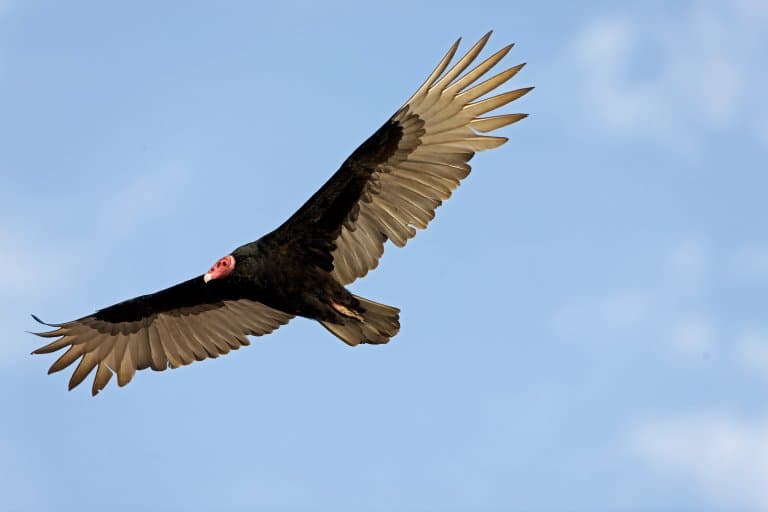
As far as the distribution of this species goes, it’s the most widespread vulture in the Americas. They range from Southern Canada, all the way down into South America, and most places in between. They achieve this incredible range by being highly adaptable as a species and can be comfortable in anything from arid, open areas to thicker woodlands and forests.
Its habitat preference is a mix of these two extremes, and it will happily scavenge meat from various sources within it. They’ll also thrive amid human refuse and can eat what gets thrown away in the cities. But they’ll also kill things on occasion, such as young birds or sick mammals. They’ll even eat plant matter like pumpkins and coconuts, increasing their option across a range of circumstances.
4 They forage by smell
This is uncommon in the bird world, where sight is typically used. Turkey vultures will hover low to the ground to detect the odor of ethyl mercaptan, a gas created by the start of decay in dead animals. Due to this, other birds such as black vultures and condors will follow the turkey vulture to find carcasses.
5 They’re the most migratory of the NW vultures
Not only do these vultures thrive across the continents, they move through them, too. They’re considered partial migrants because some populations move more than others. Populations in the North migrate more, coming down from the cold during Winter and heading back up when it’s more temperate. The longest trips are from the Western US down to Mexico and South America, and some of these trips can include thousands of birds.
6 They’re posers
Turkey vultures display a behavior that’s known as Horaltic pose. This is basically a power stance with the wings spread wide, and researchers can’t agree on exactly why it’s happening. Some suggest it’s a way of drying the bird’s wings, warming the body, or getting UV treatment for parasites they might have. It’s much more common after damp nights, so it could have a thermoregulating component to it, but whatever it is, it looks really cool!
7 They pee on their own legs
Speaking of cool, these birds engage in urohidrosis, which is a fun way to say they pee on themselves. Since they can’t sweat, wet bird excreter functions as a medium for evaporative cooling, and is released onto the bald skin of the legs, which they do in public and even at social gatherings, suggesting they’re just no shame in it in their community.
8 They feed chicks by regurgitating
Turkey vultures will typically lay two eggs on cliffs, caves or rock crevices. Chicks will hatch 30-40 days later and be cared for by both parents for 10-11 weeks. During this time, adults will regurgitate food for them until they leave the nest between 8-11 weeks.
9 They’ve had a bad time
Wetting your legs with your own waste is enough to ruin a relationship but the image issues these vultures have faced among the human populations don’t stem from their pooping habits. Many used to believe these carrion feeders brought disease with them, and some thought it would kill livestock, so they have been persecuted historically, despite the fact that neither is true.
In fact, this species is complicit in the reduction of disease by way of removing waste and rotting meat from the system. In the United States, turkey vultures are protected by the Migratory Bird Treaty Act of 1918, which makes killing them illegal.
10 They’re doing fine
And despite their troubles, this species is doing great. It’s estimated that there are over 18 million individuals left, covering an incredible range of over 28 million square kilometers. This is one of the most abundant raptorial birds in the world.
I found this article on Reader’s Digest and wanted to share!
From Reader’s Digest:
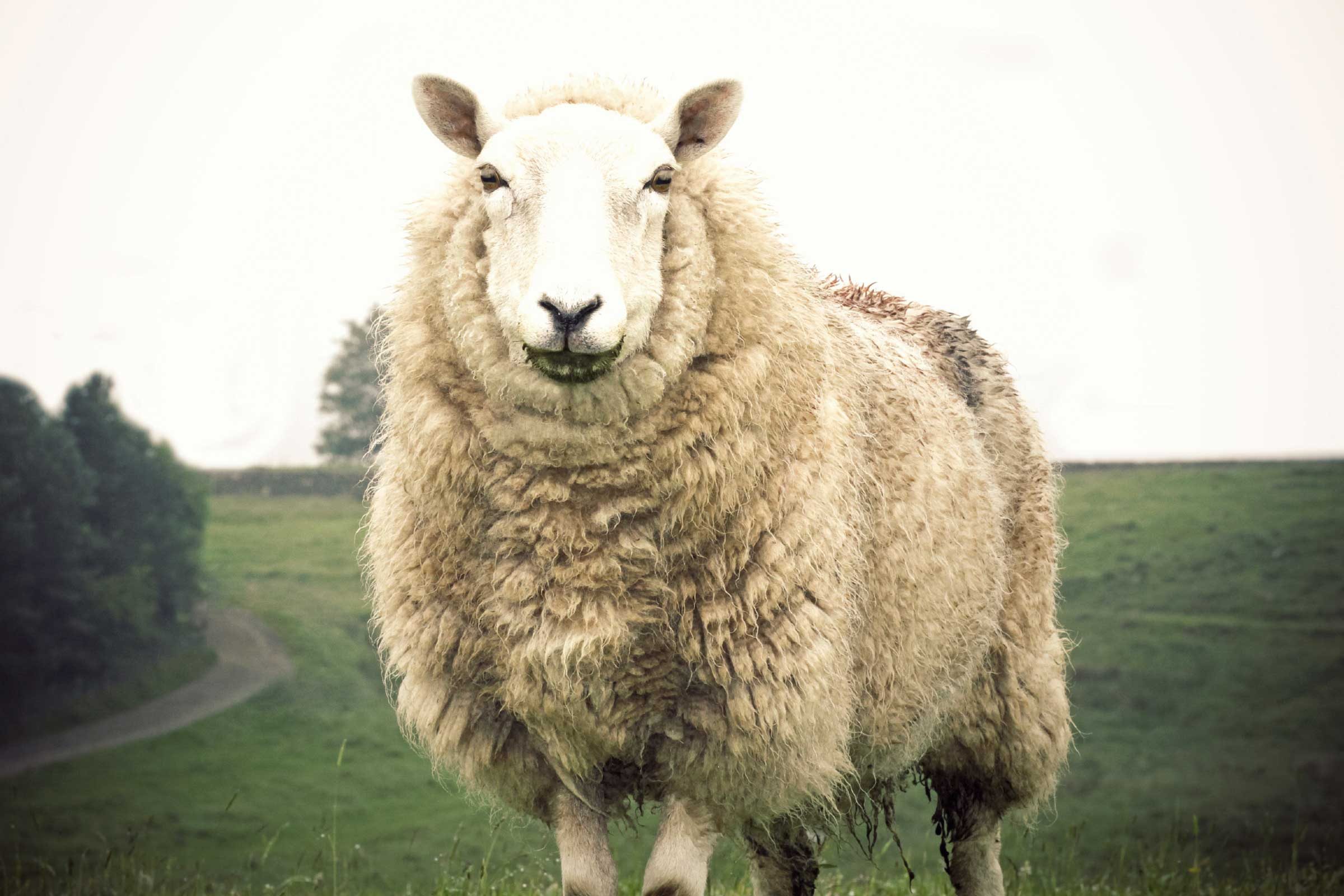
Dolly the sheep proved cloning was possible
On July 5, 1996, this fuzzy little bundle of joy emerged from the belly of one of her three mothers, the first mammal cloned from an adult cell. Dolly’s birth proved that a technique called somatic cell nuclear transfer, a technique in which the cell nucleus from an adult cell is transferred into an unfertilized egg, blasted with electricity, then implanted into a surrogate, could work. Dolly died of a lung disease at age six, but the cloning technique used to produce her was later employed on other larger mammals, including pigs, deer, horses, and bulls.
Cher Ami the pigeon saved hundreds of American troops
During World War I, this homing pigeon lived up to her name and was a “dear friend” to the American troops. Cher Ami delivered 12 messages during her service to the U.S. Army Signal Corps in France, but none was more important than the missive she delivered in early October 1918. On that day, Major Charles White Whittlesey and more than 500 men were trapped behind enemy lines without food or ammunition. Afraid that his battalion would be killed by friendly fire, Whittlesey attempted to send messages to his compatriots via pigeon. The first two birds were shot down, but Cher Ami successfully navigated a barrage of fire to deliver this message: “We are along the road parallel to 276.4. Our own artillery is dropping a barrage directly on us. For heaven’s sake, stop it.” The shelling stopped and the troops were saved. Cher Ami received the Croix de Guerre medal for bravery. Upon her death in 1919, her body was preserved and placed on display at the Smithsonian Institute.
David Greybeard revealed chimpanzees’ true intelligence
Until 1960, scientists believed that humans alone possessed the ability to make and use tools. But on November 4 of that year, Jane Goodall observed a chimpanzee she had named David Greybeard using a grass stalk to extract termites from a termite hill. Later, Goodall observed David Greybeard and another chimp constructing fishing tools by stripping the leaves off twigs. “[David] was the first chimpanzee who let me come close, who lost his fear,” Goodall told Bill Moyers in 2011. “He helped introduce me to this magic world out in the forest.”
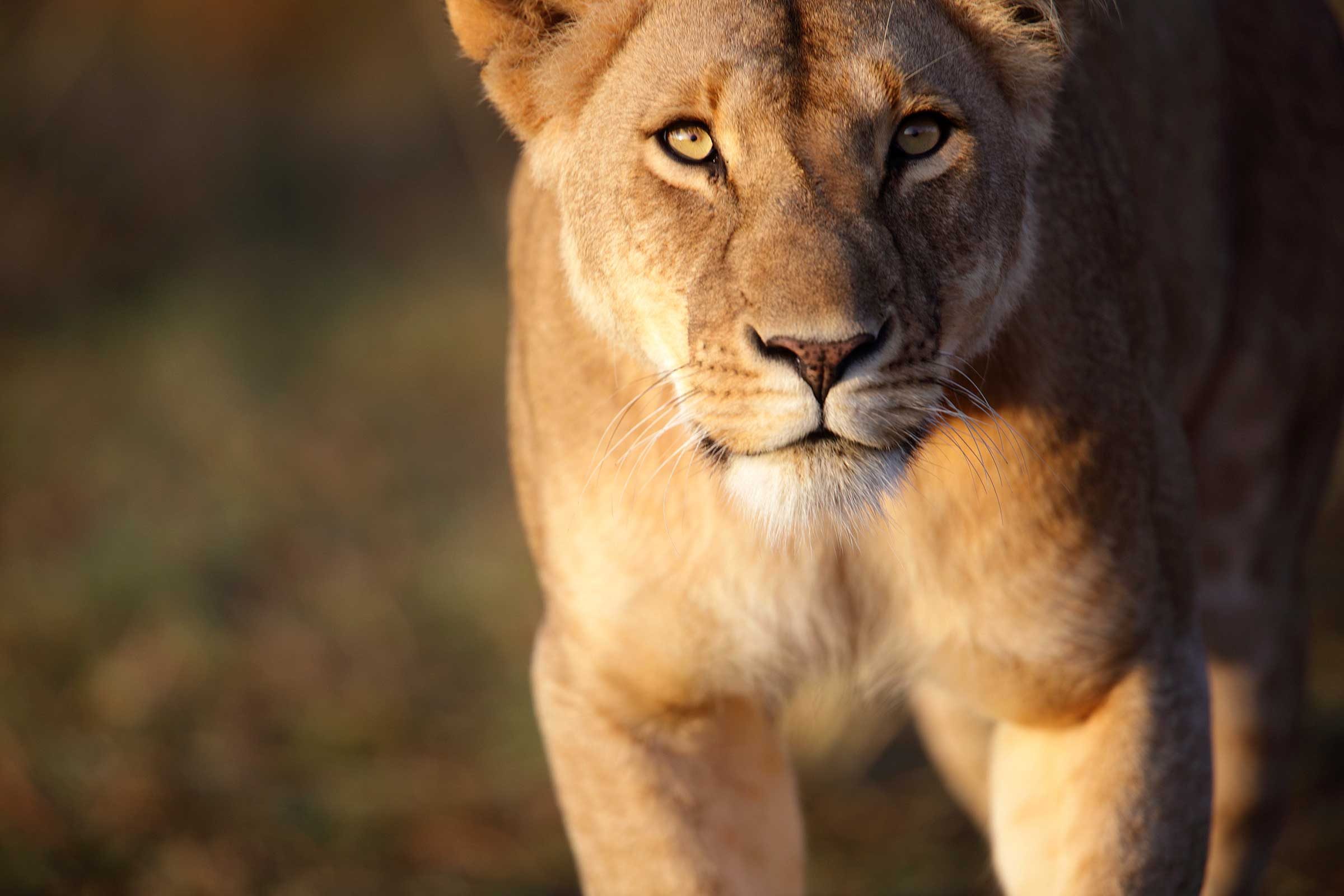
Elsa the lioness inspired wildlife conservation
In 1956, George Adamson, a game warden in Kenya, and his wife Joy adopted a small lion cub they named Elsa. For years, the Adamsons raised and cared for Elsa at their home in Africa, teaching her to hunt on her own and develop the abilities to survive in the wild. Eventually, the couple released Elsa and, surprisingly, she survived. In 1960, Joy wrote a non-fiction book, BornFree, about the experience of raising Elsa. Six years later, a movie based on the book was released to wide acclaim and is credited with promoting wildlife conservation to the general public.
Balto the dog delivered life-saving serum
In 1925, doctors in Alaska faced a deadly dilemma. A diphtheria epidemic was poised to sweep through Nome, Alaska, a city on the state’s far west coast, and the only serum that could save them was in Seattle. Unable to deliver the medicine by plane, officials devised a long-shot alternative: They would use multiple dog sled teams to transport the antitoxin to the village. The team assigned the final leg was led by Balto, a black and white Siberian husky, who ran through a blizzard in the dead of night to deliver the serum. Upon reaching the town in the early morning of February 2, 1925, Balto’s owner Gunter Kaasen uttered a mere three words: “Damn fine dog.”
Jim the horse impressed a president
In the late 19th and early 20th century, the variety show performed by Beautiful Jim Key and his trainer/owner Dr. William Key, was seen by an estimated ten million Americans and written about in every major newspaper. Not bad for a sickly quarter horse and a former slave. Through Bill’s humane training techniques, Beautiful Jim Key “learned” to read, write, spell, add, tell time, sort mail, and use a cash register and telephone—skills he performed in front of delighted audiences across the country. At a time when African-Americans and whites rarely interacted, Beautiful Jim Key’s shows brought them together. When President William McKinley saw one of the Keys’ performances at an exposition in Tennessee, he declared, “This is the most astonishing and entertaining exhibition I have ever witnessed.”
Smoky the dog became a war hero
There’s no shortage of stories of dogs performing heroic acts during wartime. But Smoky wasn’t a husky, or a Newfoundland, or a big, bulky dog saving the day. She was a Yorkie! During World War II, American soldiers were under attack on an airfield in the Philippines. The only way they could communicate from the airfield was by running telephone lines through an underground pipe. Getting humans to place the lines would’ve been challenging and dangerous, so it was Smoky to the rescue! She belonged to a corporal, who called her and helped her find the way through the pipe with the wires attached to her collar. In addition to saving as many as 250 people’s lives by allowing the construction of the communication line, Smoky was also just a morale booster and a calming, happy presence to have around for the soldiers and for hospital patients. She is remembered as one of the earliest-ever therapy dogs.
Pickles the collie thwarted a robbery
And a high-profile robbery, no less. In 1966, the Jules Rimet trophy (the precursor to the FIFA World Cup trophy) was stolen from its supposedly-secure location in London’s Central Hall shortly before the start of the World Cup. The British detectives on the case all came up empty. High-profile companies offered rewards to anyone who found the trophy. And then, a week after the cup disappeared, a man named David Corbett was walking his dog in a South London neighborhood when the pup, Pickles, started sniffing around underneath a bush. Corbett came over to investigate, and, sure enough, the Jules Rimet trophy was tucked underneath, wrapped in newspaper. For his find, Pickles received a silver medal from the National Canine Defense League and even appeared in a spy film called The Spy with a Cold Nose. It’s especially incredible considering that Pickles wasn’t a police dog, or specially trained in any way—he was a regular pet!
Snowball the cat helped solve a murder
In 1994, a murder case rocked the small Prince Edward Island, located off the coast of Canada. A 32-year-old woman named Shirley Duaguay went missing, and her body was found months later. Most people believed that her estranged husband, who was known to be abusive, was to blame. However, there was no evidence to convict him. That is until someone found a bag in the woods containing a blood-stained jacket, sneakers, and some white cat hairs. The victim’s husband, Douglas Beamish, owned a white cat named Snowball. A geneticist at the United Cancer Institute ran a DNA test and matched the cat hairs from the bag with Snowball’s DNA. Paired with some evidence from the victim’s body, Snowball’s “testimony” was enough to convict Beamish. It was the first time non-human DNA was used in a murder case. Since then, pet DNA has helped solve many violent crimes.
Montauciel the sheep was one of the world’s first aeronauts
Long before Sputnik, Laika the Soviet space dog, and even the Wright brothers, there was Montauciel the sheep and his fowl companions. In the 1700s, people wanted to test to see if humans could withstand time spent at high altitudes. There had already been several unmanned hot air balloon flights, and in 1783, the first flight containing a land animal took off. Montauciel the sheep went up in the balloon, accompanied by a duck (a bird already used to high altitudes) and a rooster (a flightless bird). The scientists believed that if a sheep could survive the trip, so could a human. The animals all returned unharmed…mostly. Montauciel apparently kicked the rooster before the balloon took off, the big bully. (Fun fact: his name means “ascend into the sky” in French.)
It’s October again…time for all things creepy. This giant camel spider fits the bill!
From All That’s Interesting:
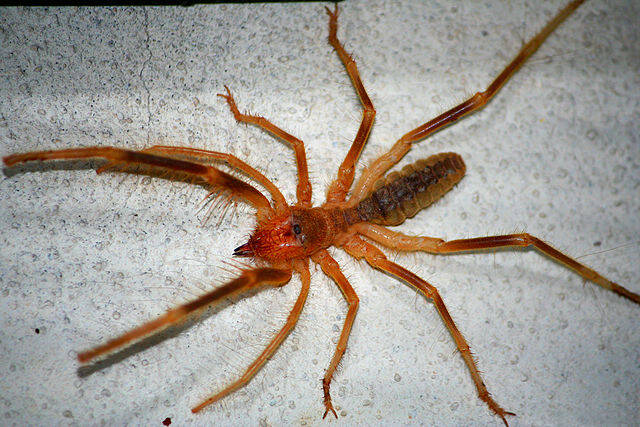
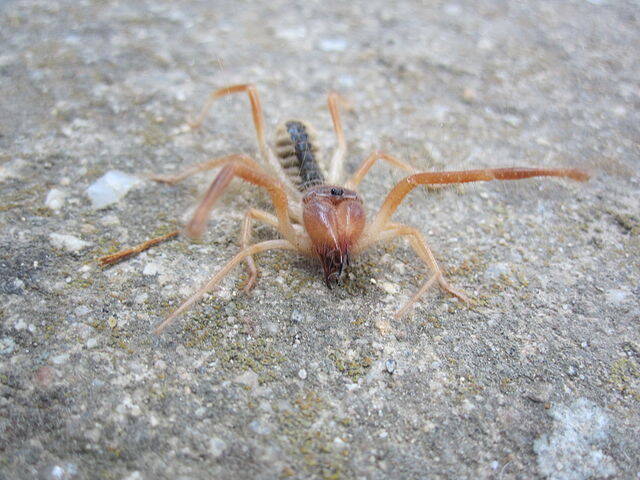
The camel spider is everything that arachnophobes fear. It’s ugly, huge, and the subject of many a tall tale. The myths surrounding this creature were popularized in 2003, at the height of the Iraq war, when American soldiers began spotting its spindly body in the unforgiving Middle Eastern desert.
Prior to terrorizing the troops, though, the critter was the subject of many a fable told by the Persians who first laid eyes on it. But despite its fearsome appearance, the camel spider (which actually isn’t really a spider) is harmless to humans. What’s more, it only lives for one year in the wild — and spends most of its time in hiding from the blistering sun.
The Camel Spider Isn’t Really a Spider
The camel spider actually belongs to the class Arachnida and is correctly known as the solifugae. And despite its catch-all name, the solifugae is actually comprised of more than 1,000 species in more than 150 described genera. Though frequently confused for both scorpions and spiders, they’re technically not either one. They’re cousins with pseudoscorpions and mites.
According to National Geographic, the Persians would often tell tales of this fearsome-looking creature standing impossibly tall, running through the desert like a whirlwind, and feasting on the corpses of humans and camels that dared to cross its path. While invariably cool-sounding, it’s actually not true. Camel spiders don’t feast on humans, camels, or any other large mammal. Instead, the solifugae — which is sometimes also known as the wind scorpion or the sun spider — only stands about six inches in length at full maturity. And despite further tales of its “fast and furious” speed, its top speed is 10 miles per hour — just slightly faster than the average human.
The Camel Spider Has a Voracious Appetite
While the camel spider is harmless to humans, bugs don’t stand a chance against it. A review of the solifugae diet by the Denver Museum of Nature and Science reveals that it loves to feast on wasps, termites, beetles, and silverfish.
And it’s not just critters that solifugae love to feast on: it also loves other insects, small birds, and even small snakes. If given a chance, it will gorge itself — often becoming so big that it will be unable to move, especially if it eats too fast. As a general rule, though, the wind scorpion won’t eat prey that’s bigger than itself.
That said, though, it’s far from a timid creature. Despite claims that it will scream while it’s running toward its prey, it actually moves in relative silence. And it’s actually quite aggressive — especially if it feels cornered or otherwise threatened. Though it has no venom glands, the camel spider does have sharp pincers called chelicerae that will hurt if it makes contact with human skin.
And while the bite won’t require medical attention, it’s always a good idea to clean the bite with alcohol or hydrogen peroxide to avoid infection, in the rare instance that it does bite you. But, as a general rule: if you leave it alone, it will leave you alone.
Urban Legends About the Camel Spider Are Greatly Exaggerated
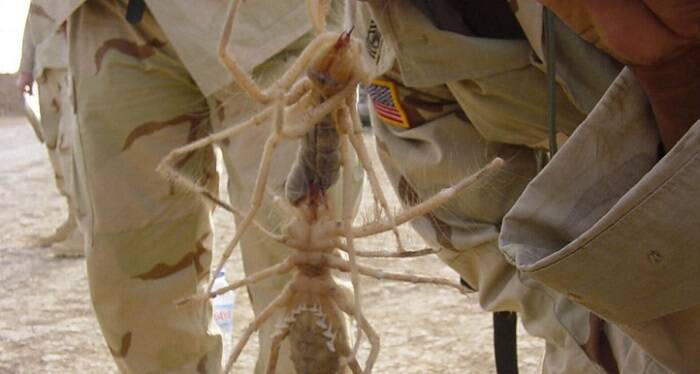
It seems the origins of the “larger-than-life” camel spider first started getting legs in 2004, when a mass e-mail purporting to show gigantic solifugae threatening the lives of the American soldiers in Iraq began making the rounds. Long before Facebook became a hub of misinformation, spam e-mails featuring the photo above began circulating through gullible people’s inboxes.
“From someone stationed in Baghdad … It’ll give you a better idea of what our troops are dealing with,” read the e-mail that accompanied the photo above. But, according to the sergeant who took the photo, the actual size of the camel spider in the photo above was no more than 4 centimeters (about 1.6 inches), and the creature’s oversized appearance is due to forced perspective.
“Photos that purport to show creatures six times that size have misleading perspective—the spider is invariably placed in the foreground where the lens makes it appear much bigger than its actual size,” reports National Geographic.
The misinformation was so widespread, in fact, that when Rod Crawford, of the Burke Museum, attempted to clear up the camel spider’s bad name, he was met with abusive e-mails accusing him of disrespecting the troops.
“One person offered to have his brother in Iraq send me a 30-cm specimen, but backed down when the brother claimed he couldn’t get an export permit,” he wrote. “No one has ever explained how they measured speed or jumping height, and of course no one has ever produced a specimen found eating human or camel flesh.”
In reality, though, the camel spider is so afraid of humans that if you see one running toward you, it’s not because it wants to devour you alive. It’s because you offer something that they’re desperate for in the extreme heat of the Iraqi desert: a huge shadow.
Dependable and easy-care black-eyed Susans (Rudbeckia hirta) have become a garden staple. Daisy-like rays of bright yellow petals and dark center disks rise over broad ovate green leaves with a rough texture. This wildflower is native to the central United States and can be seen growing in natural areas and along roadsides in the Midwest.
Black-eyed Susan produces an abundance of nectar and pollen and draws the attention of bumblebees, butterflies, and moths. The plant’s ability to self-seed makes it a great choice for abundant wildflower gardens. Most black-eyed Susans are perennials and can be planted after the last frost in spring. It will flower in its first summer although it can take two to three years to reach full height.
Black-eyed Susan Care
Here are the main care requirements for growing black-eyed Susan:
Plant in full sun in a well-draining soil.
Water well during the first season. After they are established, black-eyed Susan will become drought-resistant.
Prefers warmer temperatures.
Does not require a lot of fertilizer.
Light
You will get the best flowering from your black-eyed Susans in full sun, but they can handle partial shade.
Soil
Black-eyed Susans are not particular about soil. They do best in soil that is not too rich and is well-drained, with a pH around 6.8.
Water
Keep the plants well-watered during their first season to get them established—an inch per week through rainfall or irrigation is sufficient. Once established, they will be drought-resistant.
Temperature and Humidity
As a tough summer performer, this plant likes warmer temperatures of 60 degrees Fahrenheit and more. It handles both drought and humidity well, but it does need good air circulation to avoid powdery mildew.
Fertilizer
Go easy on the fertilizer. Black-eyed Susans grow even in poor, infertile soil. A side dressing of compost should be all they will need.
Pruning
Black-eyed Susans are easy to establish, they naturalize well and require little maintenance other than deadheading. Regular deadheading of the faded flowers keeps the plants in bloom longer. You can let the last flowers of the season remain on the plants to form seed heads that will feed the birds through the winter. You will also get a good deal of self-seeding, which might not be a bad thing.
Black-eyed Susans make great cut flowers. The seed heads hold up well, too, and look attractive in arrangements. Fast-growing black-eyed Susan is easily the most commonly known Rudbeckia, with its daisy-like flowers with large seed heads. It also has scratchy, hairy leaves that are characteristic of its genus (this may not be one of its best features, but it does help keep pests away).
Maine designated the white pine cone and tassel, (Pinus strobus, linnaeus,) as its state flower. For the 1893 World’s Fair in Chicago, States were asked to choose floral emblems. Three candidates were chosen. Two, the goldenrod and apple blossom, were genuine flowers. The third was the pine cone and tassel. The pine cone won 10,000 of 17,000 votes. The white pine cone and tassel was adopted as Maine’s state flower on February 1, 1895.
Botanically, these are not considered flowers since gymnosperms do not have true flowers. The reproductive structures of pines are known as strobili. You could accurately state the Maine is the only state to have an official state strobilae.
The White pine is considered to be the largest conifer in the northeastern United States. Leaves (needles) are soft, flexible and bluish-green to silver green in color and are regularly arranged in bundles of five. Needles are 2 1/2-5 inches long and are usually shed at the end of the second growing season. Flowers (strobili) occur on the tree. Cones are 4-8 inches in length, usually slightly curved. They take 2 years to mature and open to discharge the seed shortly after ripening in late August through September of the second season. Cone scales are thin and never have prickles. Each scale usually bears two winged seeds as do all native pines. Cones also have a fragrant gummy resin.
Native American Significance
The Native American significance of Maine’s state flower, the White Pine Cone and Tassel, is deeply rooted in the region’s history. Native American tribes, including the Penobscot and Passamaquoddy, revered this tree for its multiple uses. It was a symbol of strength and endurance, much like the white pine itself, which can withstand harsh weather conditions.
Native Americans used various parts of the White Pine in their daily lives. The long needles served as bedding, while the inner bark had medicinal properties. Additionally, the White Pine held cultural significance in ceremonies and rituals, making it an integral part of Native American traditions in Maine for generations.
European Settlement Influence
The European settlement had a profound impact on the choice of Maine’s state flower. When European settlers arrived in the region, they were struck by the natural beauty of the White Pine Cone and Tassel. Its graceful appearance and cultural significance quickly made it a symbol of the area’s allure.
Over time, as Maine became more integrated with European traditions, the White Pine Cone and Tassel gained further recognition. This European influence played a pivotal role in solidifying the flower’s status as the state emblem. Today, it stands not only as a representation of Maine’s natural heritage but also as a testament to the enduring legacy of European settlement in the region.
Although chickens can sometimes have an unintelligent rap, they are actually very smart. In fact, they can even differentiate certain shapes and colors. According to Melissa Caughey, author of How to Speak Chicken and A Kid’s Guide to Keeping Chickens, “Clicker trained to peck at one of four different shapes, such as a circle, square, triangle, and rectangle, chickens in one study could always pick their shape out of the grouping, no matter how the shapes were arranged. When their particular shape was removed, the chickens looked quizzically for it and wouldn’t peck at the other shapes. When the correct shape was reintroduced, they pecked at it as taught.”
Rats solve puzzles
You might not think of rats as the smartest animals, since humans are continually using them for experiments. But did you consider that the reason we use them is because they’re smart, and can handle the puzzles we throw at them? They can memorize routes (hence, the mazes), even though their eyesight is far, far less acute than ours is. And their problem-solving skills are on par with those of dogs, despite their brains being much smaller. Equally impressive, a Harvard Business Review study found that “even though the rat brain is smaller and less complex than the human brain, research has shown that the two are remarkably similar in structure and function.”
Pigeons can memorize images
Here’s another of the smartest animals that you probably have the exact opposite impression of. Pigeons, despite their comically “clumsy” walking style and seemingly vacant stares, are not as “bird-brained” as you might think! In a complex German study, pigeons were shown 725 random black-and-white images one at a time. They were able to differentiate between the images in an identification game that, according to Psychology Today, would give most humans trouble. We’re not saying that the next time you shoo a pigeon, it’ll remember your face for all eternity, but you might want to be careful just in case!
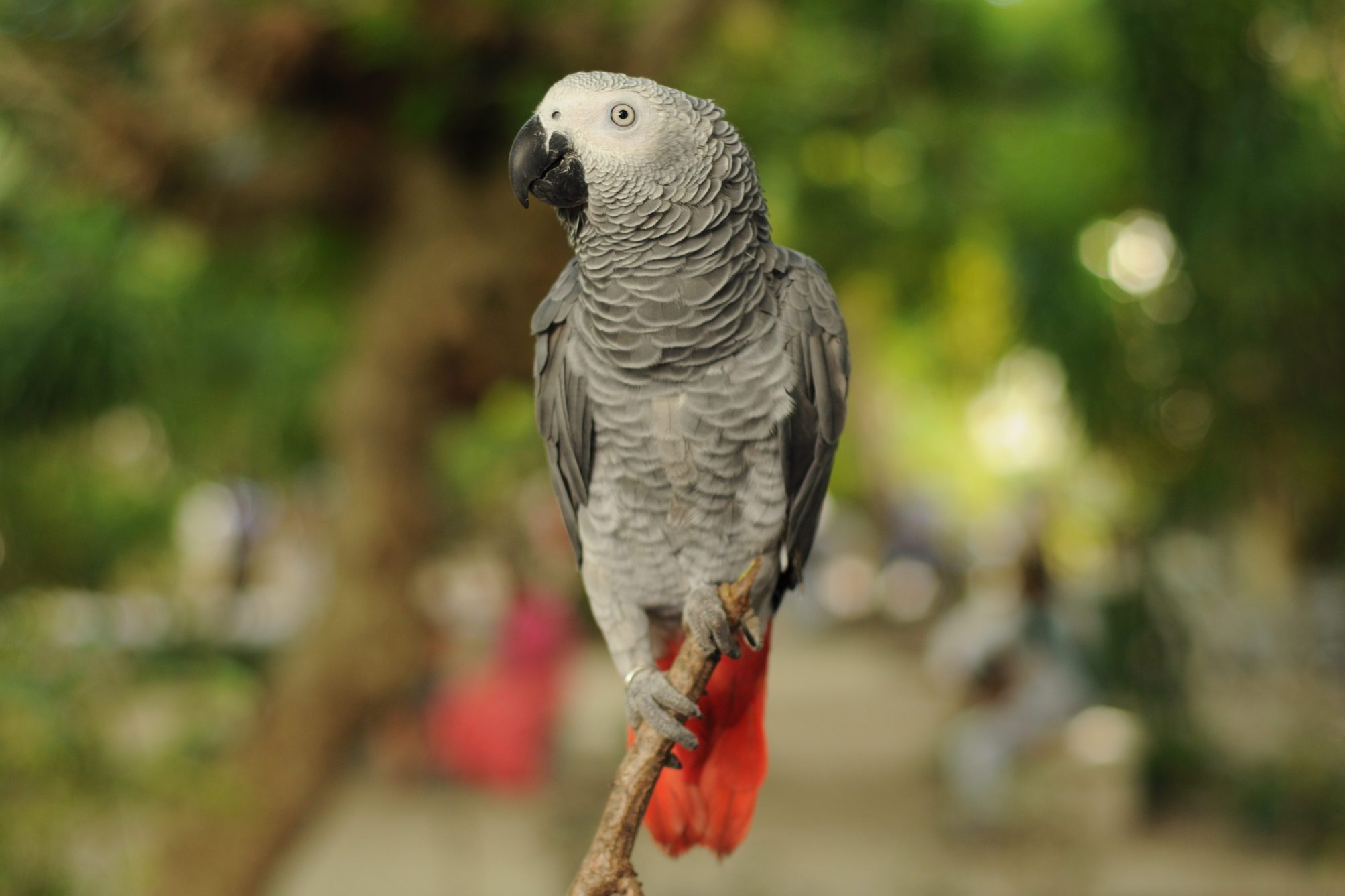
African Greys are as smart as a three-year-old
Besides being able to mimic humans, parrots can solve puzzles based on logical reasoning. According to Live Science, these parrots are as smart as a three-year-old child. “Parrots can draw conclusions about where to find a food reward not only from clues as to its location, but also from the absence of clues—an ability previously only seen in humans and other apes . . . ‘It suggests that Grey parrots have some understanding of causality and that they can use this to reason about the world,’ study scientist Christian Schloegl, a researcher at the University of Vienna, told LiveScience.”
Portia spiders use trial-and-error
What the heck is this thing?! Well, it’s a genus of spider whose undeniable intelligence is about to turn up the dial on your arachnophobia. (Luckily, they pose no danger to humans!) There are multiple species of Portia, native to Southeast Asia, parts of Africa, and northeastern Australia. And their hunting tactics show clear evidence of problem-solving abilities—if one technique doesn’t work, they’ll give something else a try, altering their method if something works on one species of prey spider and not another. They’ve earned the nickname “eight-legged cats” because of their skillful, intelligence-driven hunting. Sometimes they’ll take hours upon hours to stalk a single prey spider, perching on its web and moving so slowly that they don’t cause any reverberations that might clue their prey in.
Dogs are as smart as toddlers
There’s a reason dogs are man’s best friend. Not only are they adorable, they’re also crazy smart. They have emotions, they learn tricks, they recognize their owners, they can sense others’ feelings—and that’s not even all of the clever things dogs can do. According to Live Science, they’re as smart as a two-year-old child. “The finding is based on a language development test, revealing average dogs can learn 165 words (similar to a two-year-old child), including signals and gestures, and dogs in the top 20 percent in intelligence can learn 250 words,” says the Live Science article. “While dogs ranked with the two-year-olds in language, they would trump a three- or four-year-old in basic arithmetic, [Stanley Coren, a canine expert and professor emeritus at the University of British Columbia] found. In terms of social smarts, our drooling furballs fare even better.”
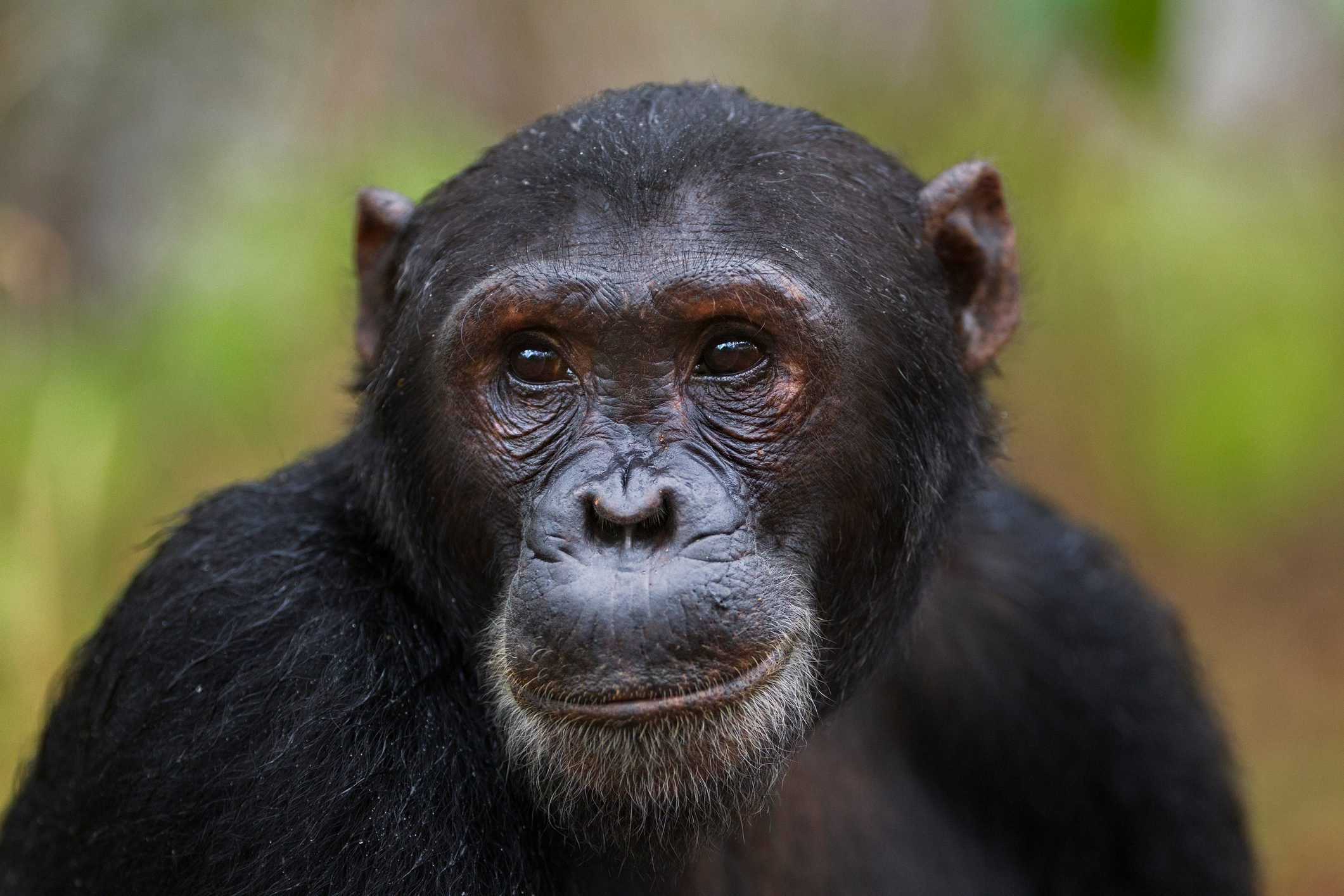
Chimpanzees are very similar to humans
Unsurprisingly, chimpanzees are one of the most intelligent animals on this planet—next to humans, of course. Similar to how humans inherit their intelligence from their mother, a chimpanzee’s intelligence also greatly relies on their genes. “They can learn words, play with objects, and even seem to mourn the deaths of their friends,” says National Geographic. “Genes determine about half of the variability in chimp intelligence and environmental factors the other half, according to primatologist William Hopkins, of the Yerkes National Primate Research Center in Atlanta, Georgia, and colleagues.” Chimps also have their own way of making life a little easier. “Chimps are known to make and use tools for simple tasks like opening fruits and nuts. In fact, studies have shown some of these primates to fashion spears to hunt smaller prey and long branches to dig for termites,” according to Caleb Backe, health and wellness expert for Maple Holistics.
SOURCE: READERS DIGEST: By Brandon Specktor and Brittany Gibson
Since, we’ve already had a post about black bears, I brought this article from treehugger.com detailing 8 fun facts about black bears.
From treehugger.com:
The American black bear (Ursus americanus) is native to North America and is found primarily in Canada and the U.S., with a small population in Mexico. There are 16 subspecies which differ slightly in appearance. An estimated 600,000 to 700,000 adult black bears exist throughout their range, and they are not considered endangered.
Black bears vary in size: males weigh from 100 to 900 pounds and females from 85 and 500 pounds. They measure between four and six and a half feet long from nose to tail. From their ability to pack away pounds for a long winter’s nap to their keen sense of smell, here are a few things you may not know about the American black bear.
1 Black Bears Are Impressive Climbers
Black bears are expert tree climbers. Their strong claws are built for climbing, and they can run up a tree with incredible speed. Female bears teach their cubs to climb at a young age, and often send them up a tree to escape from danger. Adult black bears continue to climb throughout their lives. They latch on with their front paws and use their back legs to walk up a tree. Black bears don’t turn around to go down a tree. They come down the same way they go up: back legs first. When it comes to climbing, black bears have a distinct advantage. It’s not a good idea to try to climb a tree to escape a bear, as it can provoke them to chase and possibly attack.
2 They Are Fast Runners
Don’t be fooled by their waddling walk. While they are notoriously slow, black bears can move quickly when necessary. Black bears can execute short and powerful bursts on flat land, uphill, or downhill in search of prey or to outrun danger. Though only for short distances, they can reach speeds of 25 to 30 miles per hour, faster than most humans, so do not attempt to outrun a bear.
3 They Are Skilled Swimmers
Black bears aren’t just swift on land — they’re also proficient swimmers. They have no trouble swimming across rivers or lakes, and thanks to their powerful legs, they move through the water with ease and seem to enjoy it. Depending on habitat, the water is also a source of food for black bears, and they teach their baby cubs to swim early.
4 They’re Not Always Black
Black bears have a bit of a misleading name. The species most often has a shaggy black coat, particularly in the eastern portion of its range, but not always. Black bears can also be brown, cinnamon, red, grey, tan, or blond. The individuals in the western portions of the range tend to be lighter in color. A small subspecies of black bears found only in coastal British Columbia known as Kermode bears or spirit bears are white.
5 They Have Great Senses
Black bears have a keen sense of hearing and good vision, but their best sense by far is their sense of smell. With their oversized noses, bears have the ability to sniff out even the tiniest morsels of food. Because their sense of smell is so sharp, they easily find food discarded by humans and can detect the smell of food over a mile away. Their sense of smell also helps them identify danger and find a mate.
The hearing frequency of black bears is also superior to humans, and while their distance vision is not great, they have excellent eyesight at close range. Between their superior senses of smell and hearing, black bears usually notice humans before we see them.
6 They Usually Hibernate
In October or November, black bears begin looking for a place to hibernate. Most often they select places like tree cavities, spaces under logs or rocks, deep caves, or dens they dig out themselves. Their hibernation period is genetically predetermined based on their habitat and the availability of food. In the northernmost portions of their range, black bears hibernate seven months or longer. In southern areas, where temperatures are warmer and the food supply is available year-round, the bears hibernate for shorter periods, or not at all.
The hibernation of black bears is different from other animals. Their temperature and heart rate drop, but not dramatically, and they don’t need to leave their dens to eat or defecate. Females often give birth to their cubs during hibernation. The bears’ hibernation process is of interest to researchers who hope to discover how they are able to maintain bone mass and manage their cholesterol levels during their long period of rest.
7 They Like to Eat
Black bears are omnivores, and their diet is dependent on habitat and time of year. They primarily feed on a number of plants, grasses, fruits, and nuts. Those in the north also feed on spawning salmon. Their diet is composed of primarily carbohydrates, with a small amount of protein and fat. Black bears are not predatory. Most of the protein they ingest is from insects like termites and beetles; a small amount of their diet may also consist of carrion.
For those that have a long hibernation season, fall is the time that bears pile on the pounds. In order to have sufficient fat stores, bears eat four times their normal calorie intake — around 20,000 calories per day — during the fall. Bears need to consume enough to last after hibernation too, as the food supply may be scarce when they emerge.
8 They Only Socialize During Mating Season
During the majority of their lives, black bears are solitary animals. For breeding purposes, adult bears come together during the summer for a brief mating season before parting ways. Females give birth to an average of two to three cubs every other year. They keep their cubs close for about 18 months, teaching them how to find food, avoid predators, and move about their habitat, before sending them on their way before the next mating cycle begins.
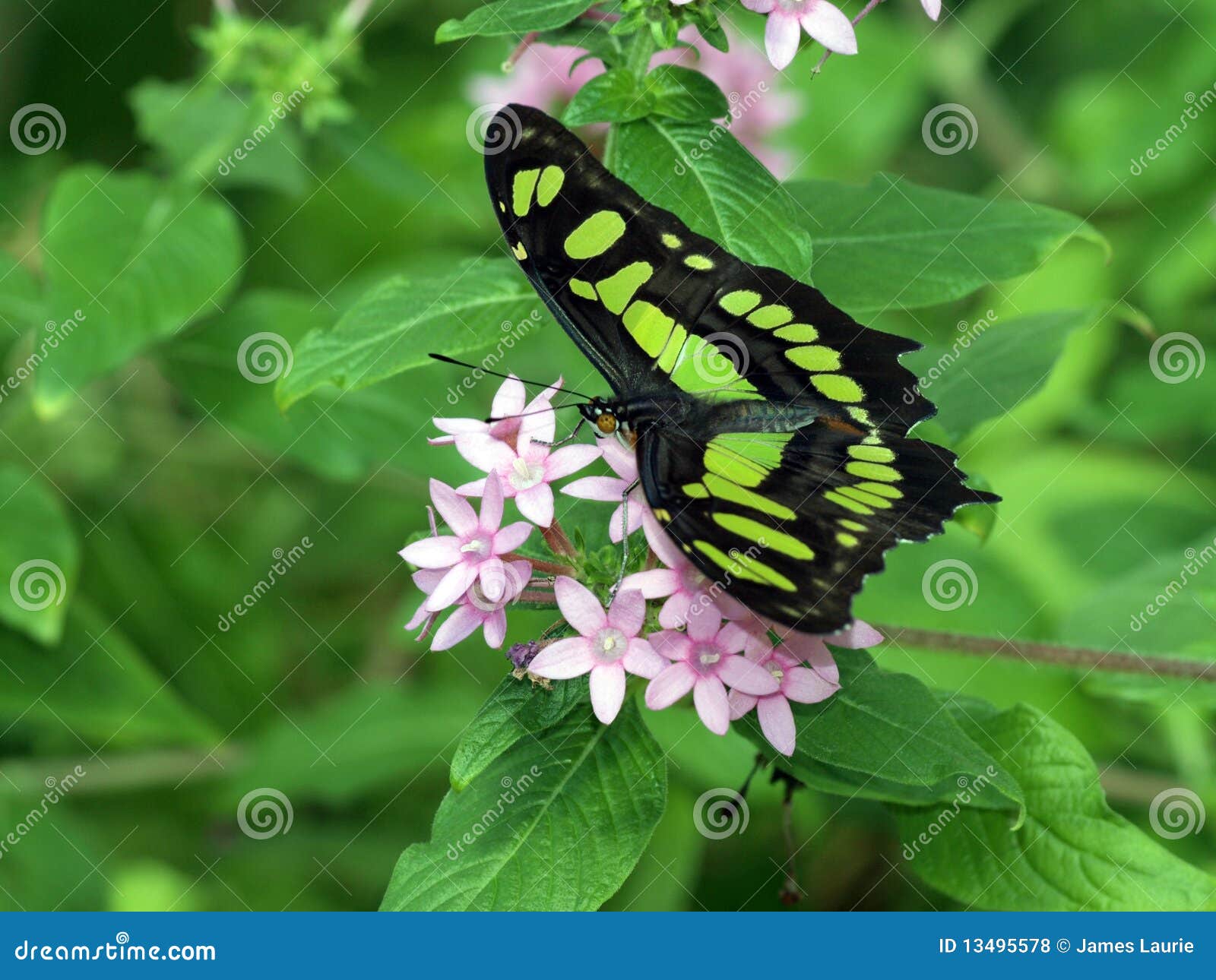
The looks of malachite butterflies, Siproeta stelenes, are absolutely unique, at least in the wilds of South Florida. Nothing really comes close to matching it, making it one of the easiest butterflies to identify. You see it; you know it.
Malachites are dark brown to black with large green patches, the inspiration for its name. The combination is striking; some argue malachites are the most beautiful butterflies fluttering about our region.
Malachites are large butterflies, measuring roughly between three and four inches across. The forewings as noted have large green patches on a brown/black background; the rear wings have a series of green spots. The undersides are orange-brown with green patches. Males and females are similar in size and in looks, but there can be some variation by season.
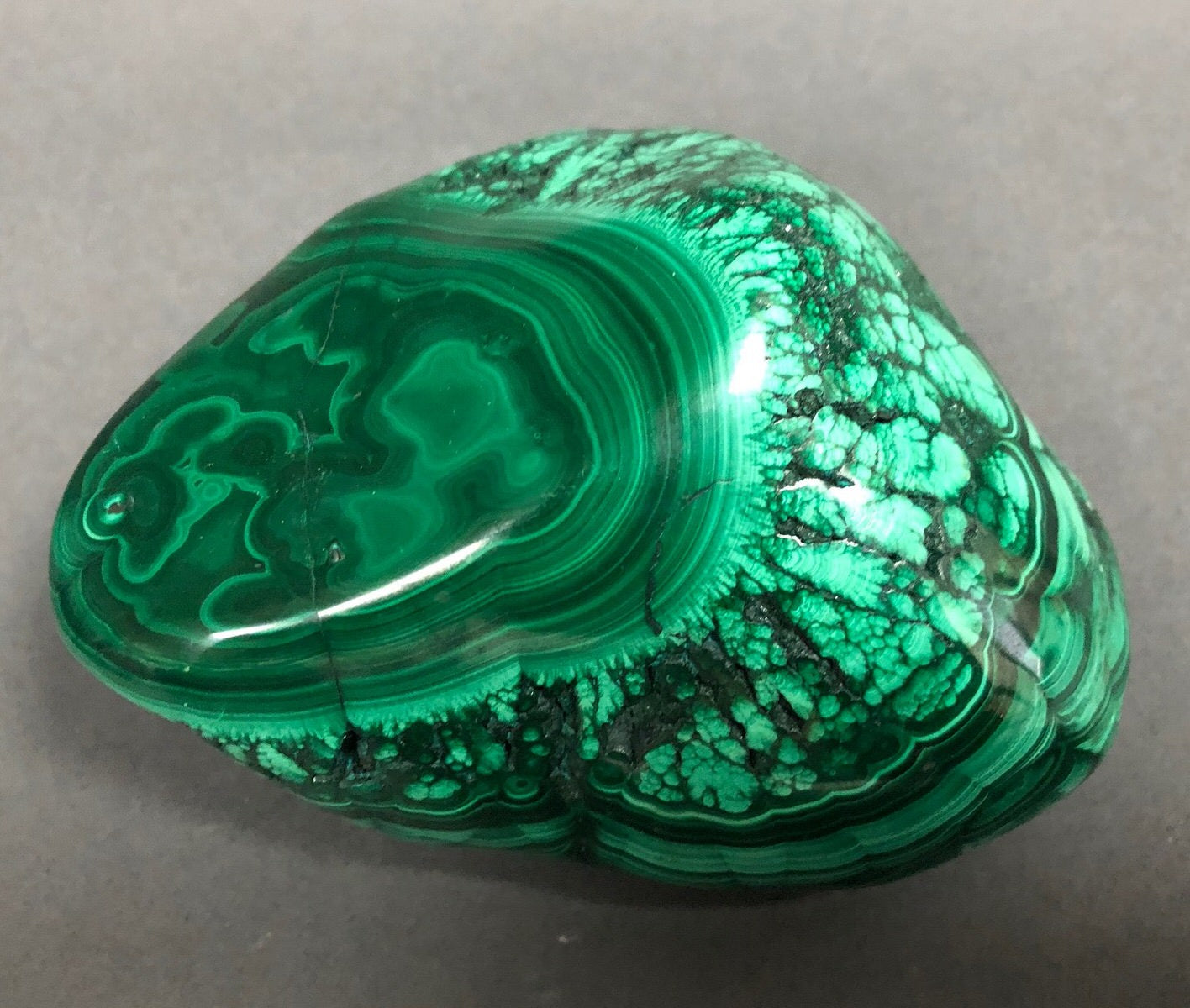
A quick note before we precede: malachite is borrowed from a copper-based green mineral of the same name. The stone is beautiful enough to be used in jewelry and carved into works of art.
Malachite butterflies are considered uncommon in South Florida. We’ve only seen them a few times, all in central Broward County. The population here is believed to have come over from Cuba in the 1960s, and is slowly moving north toward Central Florida. They’re mostly found from Martin and Collier counties south and in the Tampa Bay region.
They do stray farther northwards, but rarely. According to the Alabama Butterfly Atlas, there has only been a single confirmed sighting of a malachite in the state and that was in 2006.
Malachites are also found in south Texas and in Arizona and New Mexico along the border with Mexico. Malachites’ natural range includes the Caribbean, Mexico, Central America and South America into Brazil.
Favorite foods include rotten fruit, bird and bat droppings (yum!) as well as nectar from several flowers. Host plants include Browne’s blechum and maravilla, both of which are members of the same genus, Ruellia, neither of which are native to Florida. Maravilla isn’t found in the wild here, but Browne’s blechum is a wide spread weed here. Mangos, avocados and citrus are among malachite favorite fruits.
Malachites produce three generations a year and are in flight, or active, year-round in South Florida.
Females lay their eggs singly on the leaves of the hosts. Malachite larvae are black with multi-branched orange and black spines and two prominent horns on the head.
Preferred habitat for malachites include the edges of forests and clearings. They’ve also been found in orchards.
Malachites are members of Nymphalidae, the brush-foot butterfly family.
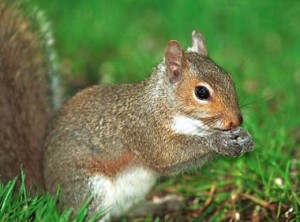
Squirrels are commonly seen because they are less shy than most animals about being out in the open during the day and are easier to spot. Squirrels are mostly herbivorous, living off of nuts, seeds, and vegetation. They collect and store food in buried caches to help them get through winter. Because they are able to store food, they do not need to hibernate to get through the winter when most of their food sources aren’t available.
Squirrels do not mate for life, and a female will pick a new partner each year. To show off for females, males will race each other up and down trees to show off how strong and fast they are. Females will have one to two litters per year, depending on how much food is available.
Like many small animals they have several predators. Predatory birds, foxes, coyotes, bobcats, mountain lions, raccoons, domestic cats, and snakes will all eat squirrels. Despite this, squirrels are very abundant, and the eastern gray squirrel is not considered endangered or threatened.
Did You Know?
Squirrels are able to turn their ankles about 180 degrees, allowing their wrists to support their body weight while climbing in any direction. Animals that cannot turn their ankles like this (i.e. cats) may be able to easily climb up trees but have a much harder time climbing down trees. Imagine trying to climb down a tree headfirst!
Squirrels use their tails for balance and for communication. Whenever you see a squirrel standing still twitching its tail it is usually sending some type of message such as warning other squirrels of danger or to stay away from its food caches.







:max_bytes(150000):strip_icc():format(webp)/choosing-and-growing-black-eyed-susan-1402860-07-5d8ffb3f6ccd44bd83b2c64ace8dd1f8-4dd1446c23ee47f4a7a5af4a288af858.jpg)





:max_bytes(150000):strip_icc():format(webp)/GettyImages-1143545417-9ac214a7f9814b089010793366c6c087.jpg)
:max_bytes(150000):strip_icc():format(webp)/GettyImages-1154448839-cb2f161f1f8f4b6f813d75489d5dbbbd.jpg)
:max_bytes(150000):strip_icc():format(webp)/GettyImages-932051348-130f2aef9ed34f8b927424ab5fb33d16.jpg )
:max_bytes(150000):strip_icc():format(webp)/GettyImages-977817972-ce6beeadadf14335807281f09bd537d9.jpg)