Saiga Antelope

The Saiga Antelope originally inhabited a vast region of the Eurasian steppe zone. Their range once went from the foothills of the Carpathian Mountains and Caucasus to Dzungaria and Mongolia.

The dominant species of this animal is currently found in just one location in Russia and three areas in Kazakhstan. Some of the animals located in the Ustiurt region of Kazakhstan migrate south to Uzbekistan and as far as Turkmenistan in winter.

The Saiga antelope is extinct in China and Mongolia. Due to extensive hunting in Romania and Moldova, it is extinct in those areas as well. A Mongolian subspecies is all that remains in Mongolia.

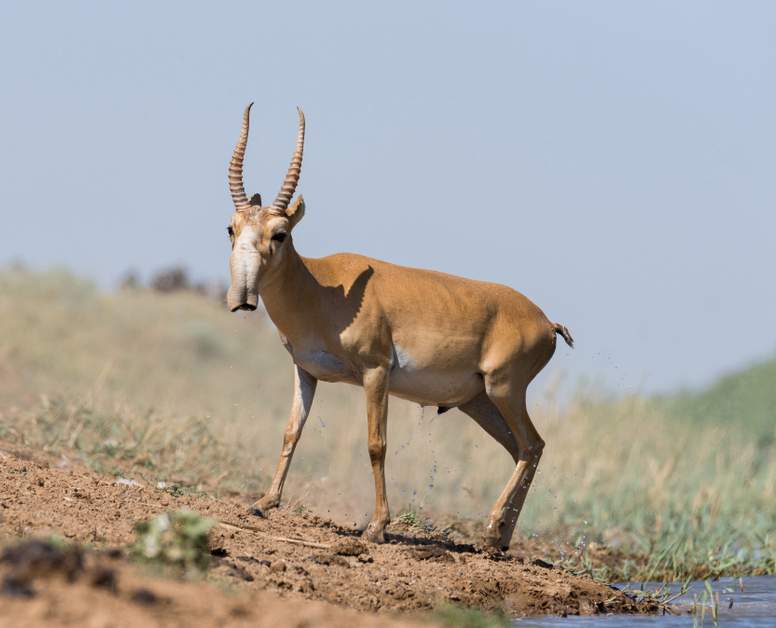
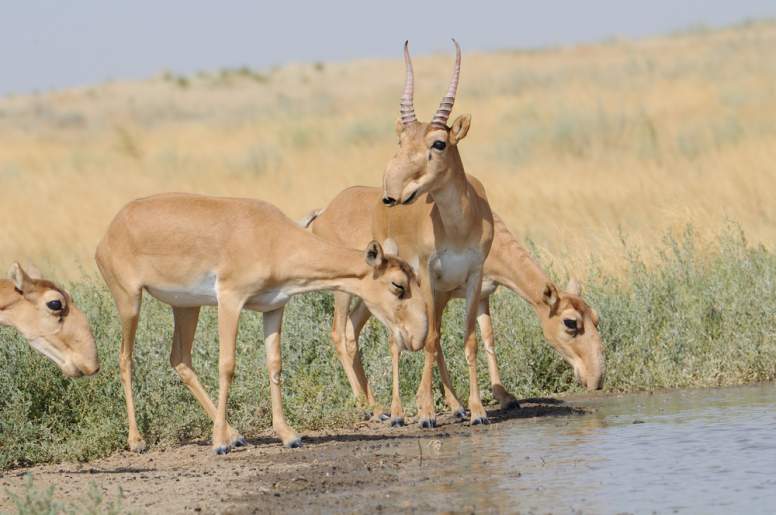
They have an unusual hanging nose, which makes them look like a camel, although they are goat-sized, and male saigas have horns.

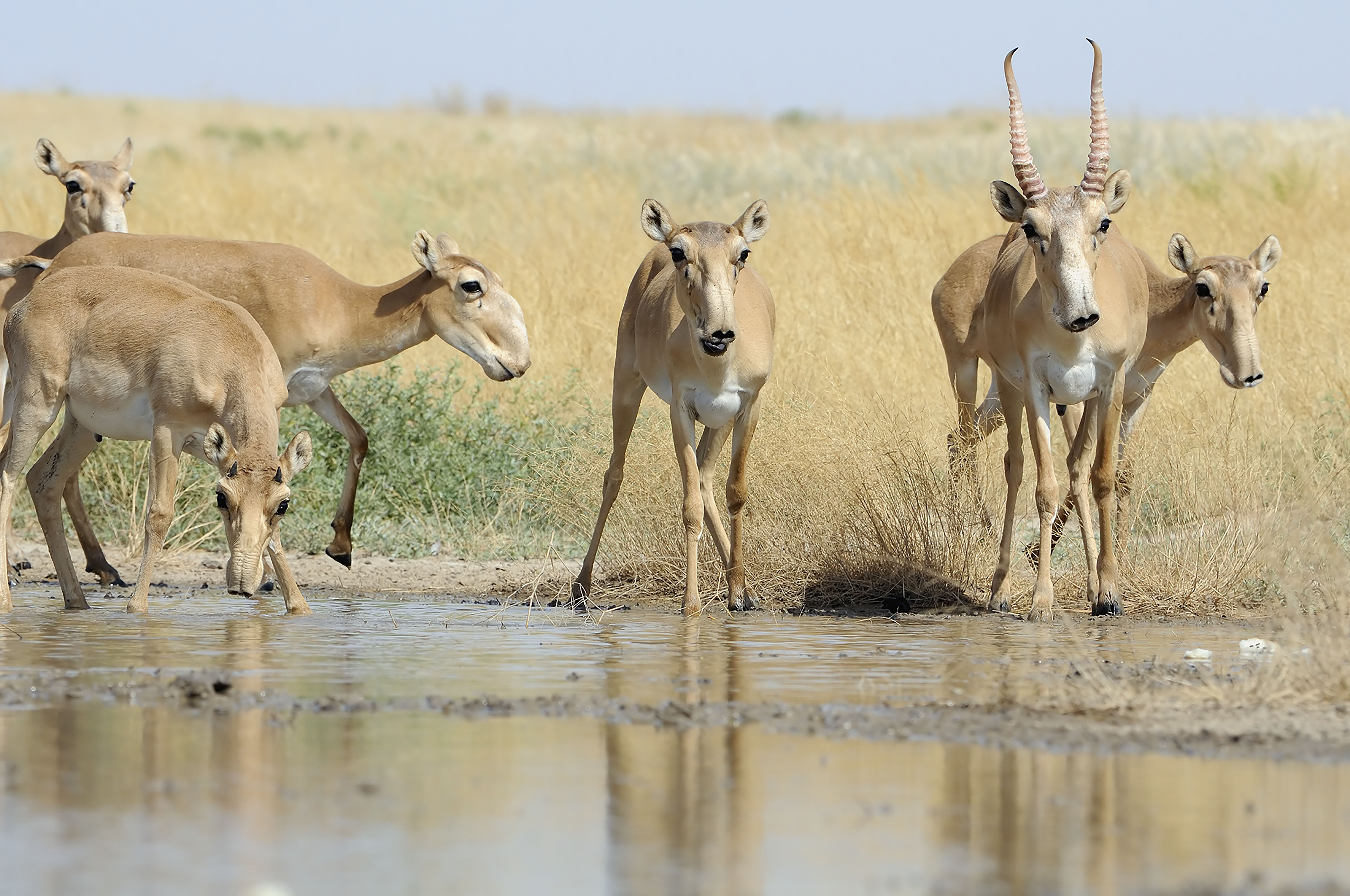
The saiga antelope typically forms rather large herds that will graze in various landscapes including steppes, semi-desert, grasslands and sometimes open woodlands.

Their diet consists mostly of several plant species as well as some that are poisonous to other animals. Their range is also vast as these animals can cover great distances. They will swim across rivers, but tend to shy away from steep or rugged regions.

Saiga antelopes have a head and body length of between 3 and 5.6-feet. Their tail can be between 2.4 and 5.2-inches in length and they can have a shoulder height of 2 to 2.6-feet. Depending on the sex and age, saiga antelopes can weigh between 57 and 152-pounds.

They have a very unusual looking face with a large, inflatable nose that makes them look a bit like a camel although the body structure of the saiga strongly suggests a similarity to small sheep. Saiga antelope also have long, spindly legs that aid in their speedy travel.

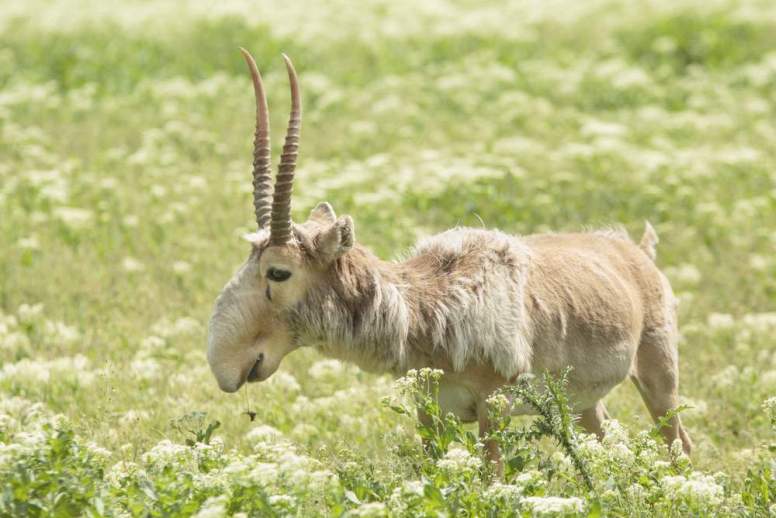
Their coat is a cinnamon buff to yellowish red in color and somewhat lighter on the under belly. During the summer, the coat is thinner and light while during winter it becomes thick and denser. It is also almost twice as long in the winter and almost 70% thicker than the summer coat. Their waxy-colored horns are semi-translucent and grow to between 8 and 10-inches in length. They contain several rings around the bottom two-thirds of their length.

The Memorandum of Understanding (MoU) Concerning Conservation, Restoration and Sustainable Use of the Saiga Antelope was concluded and put into effect in September 2006. It was under the auspices of the Convention on Migratory Species of Wild Animals (the Bonn Convention).

The decline in the saiga antelope population has been identified as one of the fastest population collapses of large mammals in recent memory. The MoU was developed to assist in reducing the exploitation of the animal and to restore its population in Central Asia.

Interesting Saiga Antelope Facts

Their inflatable, humped nose which hangs over its mouth and points downwards helps filter out dust kicked up by the herd.

It also helps cool the animals blood quickly. They also have a large head that has a bulging shape.

Only male Saiga Antelope have horns.

These horns are thick, wax colored, slightly translucent and can grow as long as 15 inches in length.

These animals are known for extensive migratory habits.

The saiga antelope is much like the Mongolia gazelle in that they will travel great distances to avoid any kind of natural disaster.

A number of different predators threaten the existence of these creatures.

In addition to hunting by man, the saiga is vulnerable to wolves. Younger saigas are the target of foxes, ravens, dogs, steppe eagles and golden eagles.

The use of the saiga antelope horn for medicinal purposes has greatly impacted the animal population.

Traditional Chinese medicine has been responsible for the demand for saiga antelope horns. The horns sell for as much as $150 USD and poachers and smugglers have contributed to the extinction of this animal in China.

Although it is probably not a record, Chinese customs officials at the Kazakh Border uncovered a huge shipment of saiga horns in 2014.

A total of 66 cases were seized containing a total of 2,351 saiga antelope horns. The estimated value at the time was over $11-million USD. That would have made each horn worth just over $4,600 USD.

The hunting of saigas has gone on for many centuries.

In fact, estimates point to saiga antelope hunting dating back as far as prehistoric times when hunting was the primary source of food collection.

The saiga antelope has commercial value in the consumer marketplace.

In addition to horns, saiga antelope meat and skin are exported annually from Kazakhstan.

Saiga horn, known as comu antelopis, has many uses in traditional Chinese medicine.

The horn is used as an extract or powder additive which is mixed into elixirs, drinks and ointments for various remedies.

The banning of rhinoceros horn in 1993 has aided the shift in use to saiga horn.

Although the rhinoceros horn has a greater value, following the banning of its use, saiga horn became the logical and affordable alternative in many recipes used in traditional Chinese medicine.

Although the hunting and trade of saiga antelope horns is considered illegal, it still happens.

In fact, horn products are easy to locate and purchase in a variety of venues and businesses. They are also sold openly and publicly.

The meat of the saiga is popular.

Not only is it comparable to that of lamb, saiga meat is said to be both nutritious and delicious. It is also not that difficult to locate recipes for cooking the meat.

Over a 34 year period, massive numbers of saiga antelope were hunted and killed for their meat.

Between 1955 and 1989 over five million saiga antelope were killed in Kazakhstan. It totaled well over 87-thousand tons of meat.

The skin of the saiga is also valuable.

About 45 to 80 square decimeters of skin can come from a single saiga antelope, depending on age and sex. The skin is used for producing suede as well as box calf.

The saiga has varying degrees of sensitivity to their senses.

These animals have both poor hearing and a poorly developed sense of smell. However, their eyesight is considered to be acute. In fact, the saiga can see danger as far as a kilometer away.

SOURCE: FACT ANIMAL

101 Greatest Animal Facts: Part 2

The Edible Dormouse (Glis glis) is able to hibernate the longest – up to 11-months of the year when food availability is low.

To be able to pull of this feat, they double or even triple their body weight before hibernation. During hibernation they are able to reduce their metabolic rate and the animal may stop breathing for periods of up to an hour at a time.

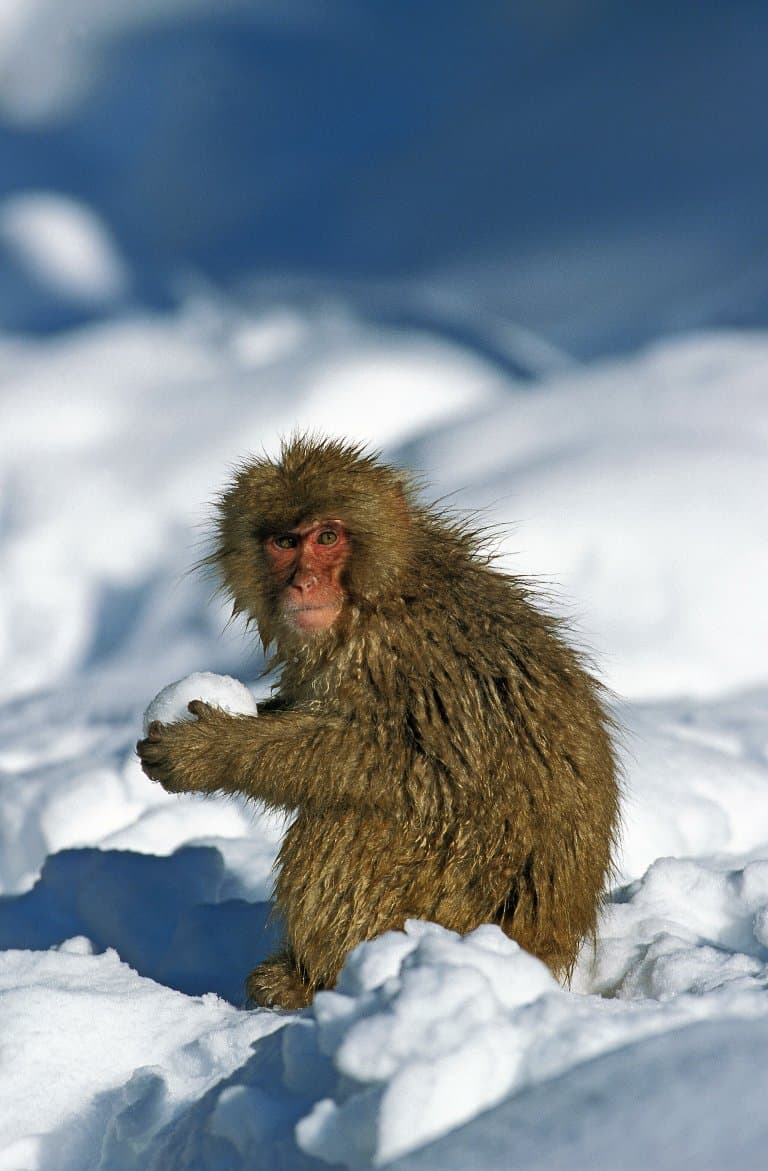
Japanese Macaques play with snowballs for fun.

These snow monkeys have been observed rolling up snowballs, then pushing them down hills just for the heck of it. Others gather lumps of snow in a ball and carry them around, proudly sometimes to the envy of other monkeys who try to steal it.

Sperm whales are the world’s largest predator.

They can be up to 20m long and weigh up to 80 tons. These giant whales dive down to almost 3,000m below the surface where they hunt giant squid. Giant squid can be the same size or bigger than sperm whales and will fight viciously with them. Adult whales can be seen with scars on their heads from the beaks of giant squid.

The largest insect to ever live was a “dragonfly” with a wingspan of over 2 and a half feet across.

They are called Meganeuropsis and were around 247 million years ago. They were proficient predators, with large mandibles that they used to capture fish, amphibians and insects.

Koala’s have fingerprints almost identical to human.

It is so hard to distinguish between the fingerprints of koalas and humans that even under a microscope it is hard to tell. There are even reported cases of a koala’s fingerprints confusing forensics at crime scenes.

Greenland sharks are the longest living vertebrates on earth, with one individual thought to be over 400 years old

Greenland sharks are giant, reaching up to 5m in length, and live in the cold deep waters of the North Atlantic. They are rarely seen, and little is known about them.

The blood ‘Dracula ant’ has the fastest recorded animal movement when it snaps its mandible.

This cannibalistic ant can go from zero to 200mph in 0.000015 seconds when it snaps its mandibles, that’s roughly 5,000 times faster than human’s blink. This is the fastest recorded movement in the animal kingdom.

The box jellyfish is considered the most venomous marine species in the world.

These cube shaped jellyfish have long tentacles and can be over 3m in length. Their toxin, delivered via stinging cells in their tentacles, is so potent that many die before they can even reach the shore.

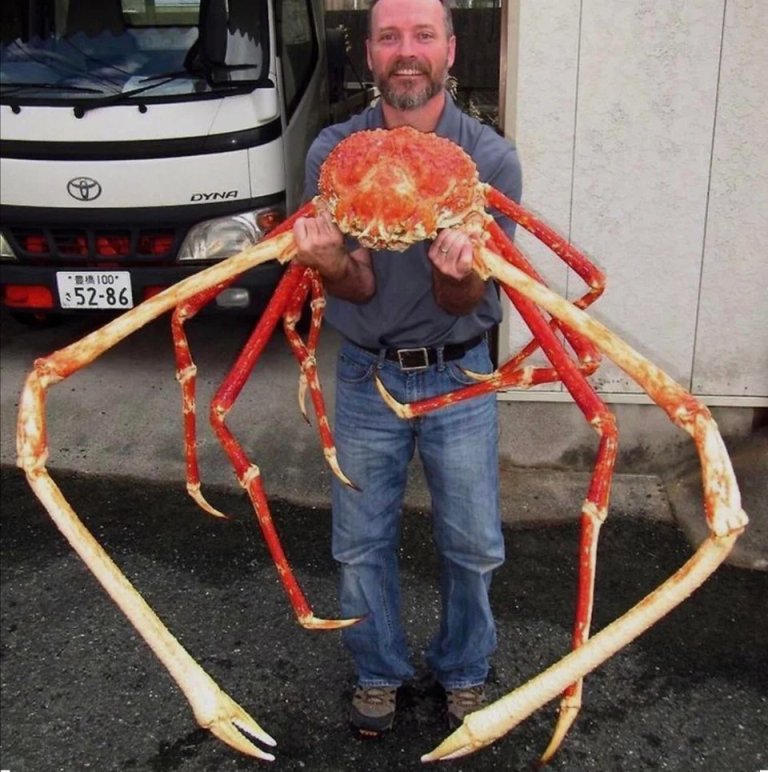
The Japanese Spider Crab has the longest leg span of any arthropod.

From the tip of one claw to the other can be as long as almost 4m! Japanese spider crabs have 10 legs stretching out from a central body, giving it its spider like appearance. They live deep in the oceans south of Japan.

Some albatrosses are lesbians.

Albatrosses form bonds for life, returning to the same place every year to raise their young. Some of these bonds are between two female albatrosses, with a study finding that in one breeding area 31% of pairs were two females.

Some corvids (crows, rooks, ravens etc,) can understand physics.

Corvids are highly intelligent. They can use tools, solve puzzles, recognize faces, and even understand physics. Tests show that rooks have the same level of understanding of physics as a 6-month-old baby, which is higher than some apes.

Sheep can recognize faces.

As social animals, sheep are capable of recognizing familiar and unfamiliar faces. Studies even suggest that they miss other sheep when they are taken away for a long time afterwards.

Tardigrades can survive in space and go without eating for more than 10 years.

Tardigrades are microscopic animals with crazy endurance abilities. They can survive in temperatures as high as 149oC or as low as -272oC and pressures 6 times more intense than the bottom of the ocean. They also look like tiny bears!

Duck-billed platypus don’t have nipples, instead they concentrate milk to their belly and feed their young by sweating it out.

The milk emerges from pores in the skin of the abdomen which the platypus puggles then lap up.

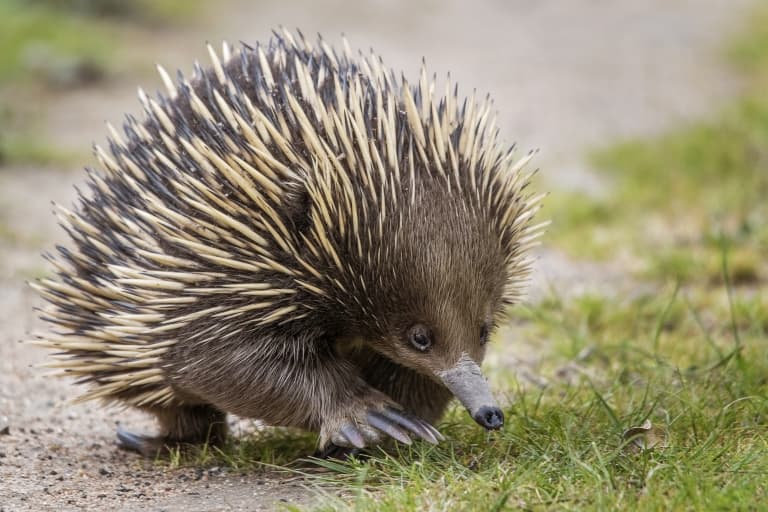
Echidnas are relatives of duck-billed platypuses and have a beak, spikes, a kangaroo-like pouch, and lays eggs.

They are small at just 30–45cm and are known as spiny anteaters. One of the few egg-laying mammals, echidna lay a tiny egg which is then transferred into a kangaroo-like pouch where it then hatches.

Rabbits don’t have pads on their paws. Only fur.

Rabbits are a bit like hobbits, in that they have furry feet! They are the only land mammals that do not have paw pads. Paw pads are thought to help animals run faster, whereas rabbits move in a different way, and the thick fur still provides cushioning.

The Yangtze giant softshell turtle is the biggest freshwater turtle in the world.

It weighs between 330 to 485 pounds and is over 39 inches in length. They are found primarily in the area of the Yangtze River in China.

Pea Crabs are miniature crabs that spend their whole lives inside oysters, clams, and mussels.

Named because it is the size of a pea, this tiny crab relies entirely on its host for food.

The Mariana snailfish is the deepest fish in the ocean, living up to around 8,000m below the surface.

They live down in the deepest trenches of the ocean where they hunt invertebrates, such as crustaceans and shrimp.

The shoebill stork can swallow baby crocodiles whole.

These huge birds are over a meter tall (up to 5 feet) and have a wingspan of more than 2 m (almost 8 feet!). Its name comes from its huge beak which is over 20cm long and almost that wide. Along with lungfish, it also eats baby turtles and baby crocodiles whole.

Lungfish are the only fish that have both lungs and gills.

This allows them to survive when the water in their ponds/lakes dries up.

Electric eels are in fact not eels, and give a shock strong enough to knock out a horse.

In the Tennessee Aquarium an electric eel’s tank has been hooked up to a computer programmed to send out a tweet whenever the eel produces enough electricity.

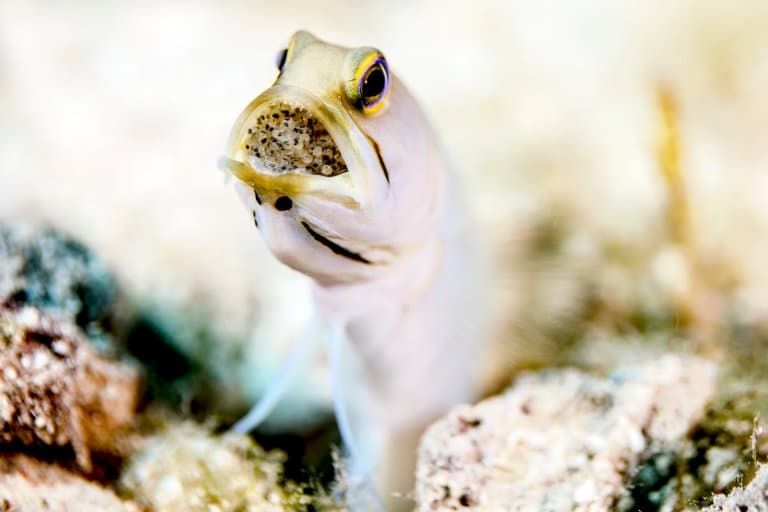
The yellowhead jawfish incubates its eggs in its mouth.

The male gathers up all of the eggs once they’ve been fertilized and stores them in his mouth until they hatch.

The patu digua is thought to be this smallest spider in the world at just 0.37 mm.

This Colombian spider is about one fifth the size of the head of a pin.

Vampire bats share blood with their friends.

Vampire bats need to eat blood at least every 48 hours to survive. Bats will share blood after a good meal with another bat that’s fed them in the past.

The U.S. military trained bottlenose dolphins.

Bottlenose dolphins were used in both the Vietnam and the Gulf to detect enemy swimmers trying to plant explosives on ships.

Wojtek the bear was a corporal in the polish military during WWII.

Wojtek was brought by polish shoulders while in Iran. He was made an officer so that he was allowed rations and eventually was promoted to corporal. He helped out by carrying boxes of ammunition.

Horned lizards shoot blood out of their eyes.

To scare of predators, this lizard shoots blood out of its eyes.

Cuckoo birds hide their eggs in the nests of other species.

The other bird species then raises the cuckoo chick as if it were its own, and the cuckoo mother doesn’t have to do any of the work.

Elephants mourn their dead.

Elephants will return to the place where family members died and stand in silence over the bones, sometimes bowing their heads.

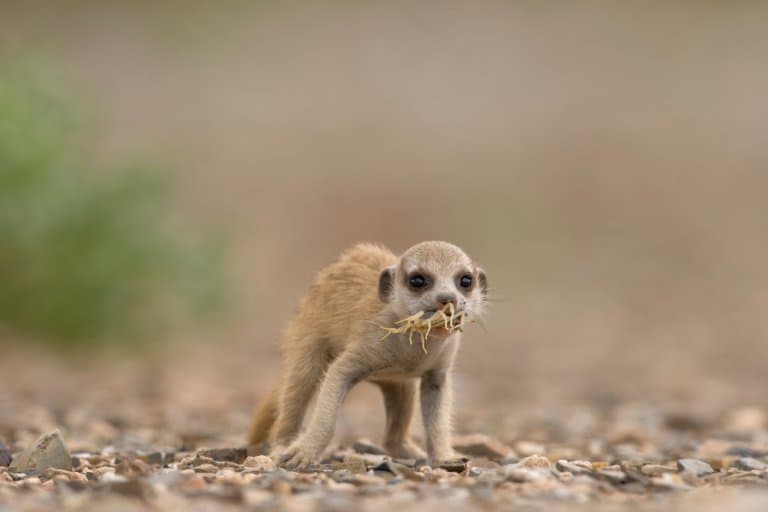
Meerkat parents train their offspring to hunt scorpions.

They will bring back dead or almost dead scorpions back to the younger ones so that they can practice killing them without getting stung.

Only 3-5% of mammals are monogamous.

The majority of mammals are not monogamous, making humans unusual.

Gorillas have been seen dismantling traps set by poachers.

Poaching is a big problem for gorillas, but young gorillas have learnt how to trap and dismantle snares.

The earliest found depictions of dogs come from 8,000 years ago.

Dogs have been human-kinds best friend for a long time, with a carving in a rock face in Saudi Arabia showing a man hunting with 13 dogs. Two of them even have leads!

Cats were domesticated 9,500 years ago in Ancient Egypt.

They were worshiped in Ancient Egypt and some historians report that it was illegal to kill a cat.

Emperor penguins are the world’s biggest penguins, and they trek 31–75 m across the Antarctic to reach breeding colonies.

The impressive emperor penguins reach 100 cm (39 in) in length and weigh 49 to 99 lb. They breed during winter, when they emerge from their more natural habitat in the ocean to trek long distances over treacherous ice.

Yaks are specially adapted to high altitudes, with a huge lung capacity and small red blood cells.

Native originally to Tibet, these giant oxen-like animals live at high altitudes in the Himalayas (4,000–6,000 metres). They are specifically adapted to the low oxygen levels with a lung capacity that is ~3 times that of normal cattle, and have smaller red blood cells to improve oxygen transport.

Cuvier’s Beaked whales are one of the deepest diving mammals and can collapse their lungs to survive the high pressure.

One of the deepest diving mammals, one individual was recorded diving down to 9,816ft below the surface. The pressure at these depths is so high that in order to survive it they have to collapse their lungs.

Orangutans are the heaviest tree-dwelling animals.

There are three species of orangutan and adult males of all three typically weigh around 165lb while females are 82 lb. They are 5ft tall and have a huge arm span of 6ft. They spend most of their time up in the canopy, making them the heaviest tree-dwelling animal.

Chimpanzees are very intelligent and make all kinds of tools.

For example, some use long sticks to fish out termites from their mounds. Other chimps have been recorded creating “spears” to hunt bushbabies!

Shrike’s impale their prey on sticks to save them for later.

Also known as “butcherbirds” they are famous for being fairly brutal songbirds. They catch all kinds of animals, including crickets, lizards, and small birds, and impale them on sticks to save them for later.

Vultures urinate and defecate on their own legs and feet to cool off on hot days.

This a cooling mechanism called ‘urohydrosis’. Weirdly this can also help kill any bacteria picked up from walking through dead animals which they prey upon.

The wood frog spends 7 months of the year frozen.

These Alaskan frogs freeze almost completely at the start of winter, with two-thirds of their body water turning into ice. To all intents and purposes, they seem dead; their heart stops beating, and their blood flow stops. However, once winter starts to thaw so do they and they hop back to life.

Certain animals have anti-freeze proteins that allow them to survive extreme temperatures.

These anti-freeze proteins prevent water in the cells of the animals from crystalizing and forming ice. Examples of animals with this superpower include the winter flounder and the eelpout.

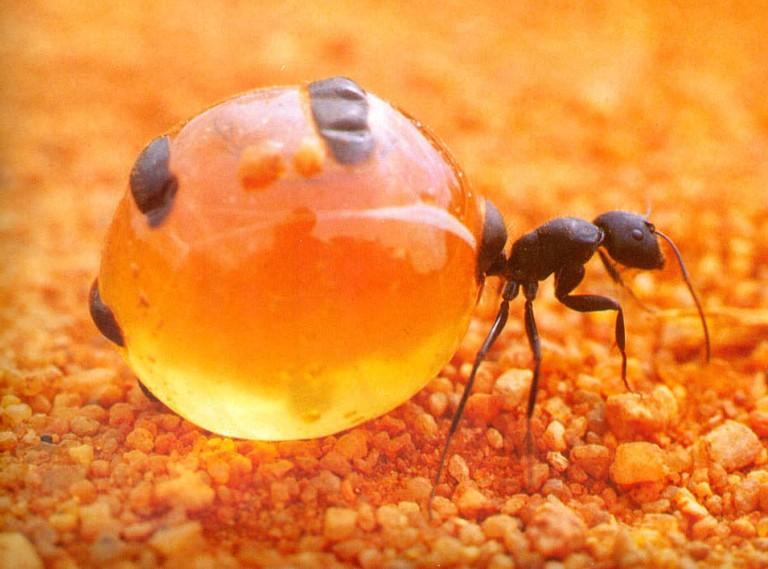
Honeypot ants swell up to a huge size with food.

Honeypot ants have to be seen to be believed. During wet season, certain ants consume huge amounts of nectar, making their abdomens swell up to the size of a grape. Then, during dry season, they provide the other ants with food by throwing the nectar back up again. Yum!

The lesula, discovered in 2007, has giant human like eyes and a blue bottom.

This relatively newly discovered monkey lives in the Congo. The lesula eyes are very distinctive because of their human-like appearance, as are their bright blue bums.

The Donald Trump caterpillar looks identical to the ex-president’s hair.

This species of caterpillar, prior to 2016, was known as the Flannel Moth Caterpillar (Megalopyge opercularis). It gained popularity as it is very furry and bright orange, giving it an uncanny resemblance to Trump’s hair. This ‘fur’ however, is actually composed of multiple venomous ‘hairs’. Grabbing hold of one of these caterpillars is a painful experience.

Bees have 5 eyes. 2 at the front like a fly, and 3 smaller eyes like a spider.

The three ‘ocelli’ eyes on the top of its head detect light, so the bee can sense if it’s being approached by a predator.

Giant vampire bats lived 100,000 years ago and had a wingspan of 20 inches.

These giant bats were roughly 30% larger than the modern vampire bats. The remains of one were recently found in a cave in Argentina.

There are no ‘male’ Mourning geckos.

They are an all-female species, as they are ‘parthenogenetic’, meaning it can reproduce without males. Around 70 species in the world have shown this behavior, including some crabs, snails and the Komodo dragon.

There are an estimated 8.7 million species on earth and more than 80% of them are undiscovered.

Based on current data, complex statistics, and models we can predict how many species there are on Earth, telling us how many are still left to be found. It will likely take another 500 years to find them all.

SOURCE: FACT ANIMAL

101 Greatest Animal Facts Part 1

Fact Animal is one of my favorite sites for information about animals.  I found this article the other day and wanted to share.

From Fact Animal:

Here’s our big list of the 101 greatest animal facts. This includes some of the most asked, fun, surprising and crazy animal facts from across the animal kingdom. The loudest, deadliest, fastest, largest, most bizarre and random, are all here in our big animal fact list.

The loudest animal in the world is a mere 2cm long, prawn. The Pistol Shrimp is capable of snapping its claw shut so rapidly, that it creates a bubble which collapses to produce a sonic blast, louder than a Concorde’s sonic boom.

The shock wave can reach 230 decibels, also louder than the sound of a gunshot. The imploding bubble for split seconds also generates temperatures of 4,400C, nearly as hot as the sun, killing its prey.

Flamingos are not pink. They are born gray, their diet of brine shrimp and blue green algae contains a natural pink dye called canthaxanthin that makes their feathers pink.

Flamingos in zoos often lost their coloring, until zoo keepers supplemented their diet.

Otters “hold hands” while sleeping, so they don’t float away from each other.

And it’s super-cute.

Hummingbirds are the only known birds that can also fly backwards.

They often do this when retreating away from flowers.

Dolphins use toxic pufferfish to ‘get high’.

Dolphins deliberately handle pufferfish causing them to release toxins as a defense mechanism. These toxins can be deadly in high doses, but also have a narcotic effect – and are a powerful hallucinogenic, which dolphins appear to enjoy. A documentary witnessed them passing around pufferfish in a pod, before floating just underneath the water’s surface, apparently ‘mesmerized by their own reflections’ afterwards.

The Inland Taipan (also known as, the Western Taipan) is the most venomous snake in the world. A single bite contains enough venom to kill at least 100 fully grown men, and can kill within just 30 minutes, if left untreated.

They very rarely ever come in contact with humans, however. Every reliable identification of a snake bite victim from an Inland Taipan have been herpetologists, when handling or studying the snakes. They have all survived, due to successful treatment with antivenom.

The world’s deadliest animal isn’t a shark, bear or tiger, but something far smaller – the mosquito. According to the World Health Organization, 725,000 people are killed each year from mosquito-borne diseases, such as Malaria, dengue fever and yellow fever.

Mosquito outnumber every other animal in the world, apart from ants and termites. They can also be found in nearly every part of the world, which all add up in the risk they pose to humans.

There are more than 1.4 billion insects for EACH HUMAN on the planet, according to recent estimates.

Ants have colonized almost every landmass on Earth. Their population is estimated as 107–108 billion alone, in comparison to approx. 7 billion humans on the planet.

The shortest living animal in the world is the Mayfly. Its entire adult lifespan is just 24hrs.

The Mayfly reproduces and then dies, during that short 24hr period of life. Some species of Mayfly only live for 8-10 hours. Although they have the shortest adult lifespan, they actually exist as a nymph in water from 3-7 years, depending on species. 

The horned lizard is able to shoot blood from its own eyes, up to a distance of 3 feet away. The rather bizarre and disgusting act is a defensive mechanism to confuse predators.

Their blood contains a chemical that is noxious to predators, and this isn’t its only trick – short-horned lizards are also capable of inflating their bodies up to twice their size to scare anything away.

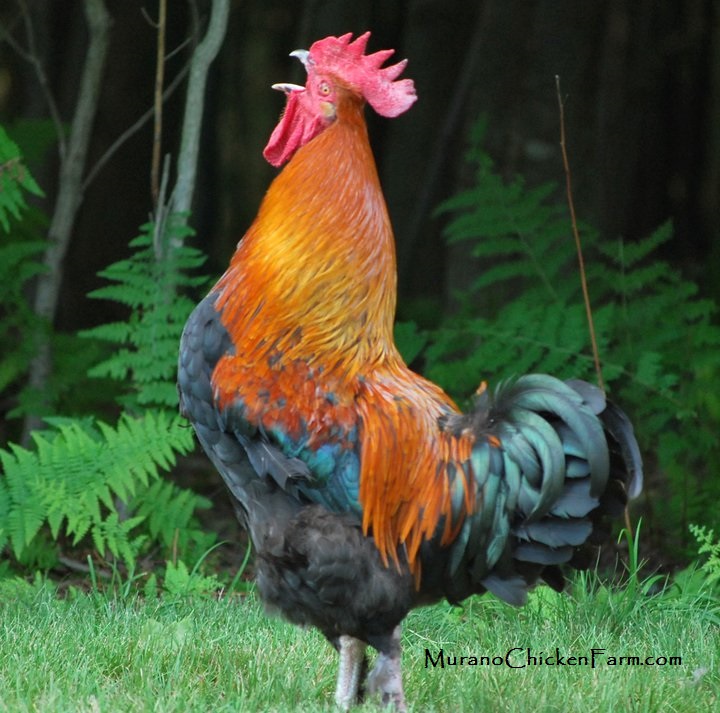
Roosters prevent themselves from going deaf due to their own loud crowing, by tilting their head backs when they crow, which covers their ear canal completely, serving as a built-in ear-plug.

A study showed that their crowing averages over 100 decibels, which is roughly the same as running a chainsaw.

Little is known about the elusive Giant squid, however the largest squid ever found measured over 50 feet and weighed nearly a ton.

To put that in perspective, that’s bigger than a bus.

The pangolin is able to roll up into an armor-plated ball, so lions can’t eat them.

If only this worked for poachers, who simply pick them up when they roll into a ball.

Koalas can sleep for up to 22 hours a day.

Koala need more sleep than most animals, because their diet of eucalyptus leaves contain toxins, are very low in nutrition, and high in fibrous matter – so they take a large amount of energy to digest!

Swifts spend most of their lives flying in the air, and can fly for almost an entire year, without ever landing.

A study showed that over a 10-month period, a swift stopped for just 2 hours.

Even after having its head cut off, a cockroach can still live for weeks.

Even stranger, a cockroach’s head can actually survive by itself for a few hours, too.

A group of parrots is known as a pandemonium.

And the collective noun for porcupines, is a prickle.

Cows poo up to 15 times a day, which can be as much as 115 pounds of manure per day, or approximately 21 tons per year.

The large quantities are often put to good use, though – manure, to fertilizer, to fuel, or biogas to create electricity and heat for developing parts of the world.

A common garden snail has 14,000 teeth.

Their microscopic teeth are called radula, and some species actually have over 20,000 teeth.

A Blue Whale’s tongue can weigh as much as a car, or a small adult elephant.

A Blue Whale’s tongue can weigh approx. 2.7 tons, or 6,000 – 8,000 pounds (2,720 – 3,630 kg).

The longest living, verified animal is a Madagascar radiated tortoise, which died at an age of 188 years in May 1965.

However, there might be even older. Adwaita, an Aldabra giant tortoise, died at an estimated age of 255 in March 2006 in Alipore Zoo, Kolkata, India. If verified, it will have been the oldest terrestrial animal in the world.

The fastest land animal on the planet is a cheetah. It can reach speeds of up to 75 mph (120 kph).

While the Peregrine Falcon is the fastest bird, with a diving speed of 242 mph (389 kph). The fastest animal in horizontal flight is the Brazilian free-tailed bat, which can reach speeds of 100mph. The sailfish and black marlin are joint fastest sea animals, and can swim up to 22 mph (36 kph).

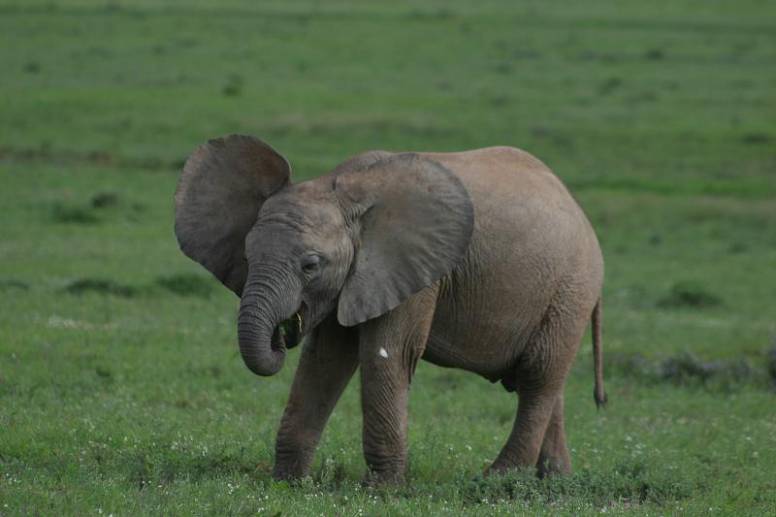
Baby elephants suck their trunks for comfort.

Just like babies and young children suck their thumbs, awwww.

The Nile crocodile’s jaws can apply 5,000 pounds of pressure per square inch – the strongest bite of any animal in the world.

A human’s jaw produces 100 pounds of pressure per square inch in comparison. A Nile crocodile’s bite is 10 times more powerful than that of a great white shark.

Axolotl are able to regenerate lost limbs and body organs.

Mexican walking fish can regrow the same limb up to 5 times, and even regenerate parts of its brain.

The Giant Pacific Octopus has 3 hearts, 9 brains and blue blood.

They are also able to change their color and texture to camouflage themselves in a blink of an eye.

A flea can jump distances 200 times their body length.

They are able to jump 10 inches vertically and up to 18 inches horizontally, making them one of the planets best jumpers relative to its size. It’s equal to a human jumping as high as the Empire State Building in New York.

The male seahorse goes through pregnancy and gives birth to babies. They are the only animal on earth where the male carries the baby rather than the female.

The male seahorse has a pouch on its stomach in which to carry babies—as many as 2,000 at a time.

Pufferfish can contain a tetrodotoxin, a toxin that is up to 1,200 times more deadly than cyanide to humans. There is enough toxin in one pufferfish to kill 30 adult humans, and there is no known antidote.

Amazingly despite this, some pufferfish meat is considered a delicacy in Japan. The meat called Fugu, is expensive and only prepared by licensed chefs with over 3 years of rigorous training who remove toxic parts of the meat for diners.

The loudest animal relative to size is the Water Boatman, which measures at just 12mm long, but can produce 99 dB of sound by rubbing its genitalia across its abdomen.

This is the equivalent noise level of operating a circular saw, or a drill.

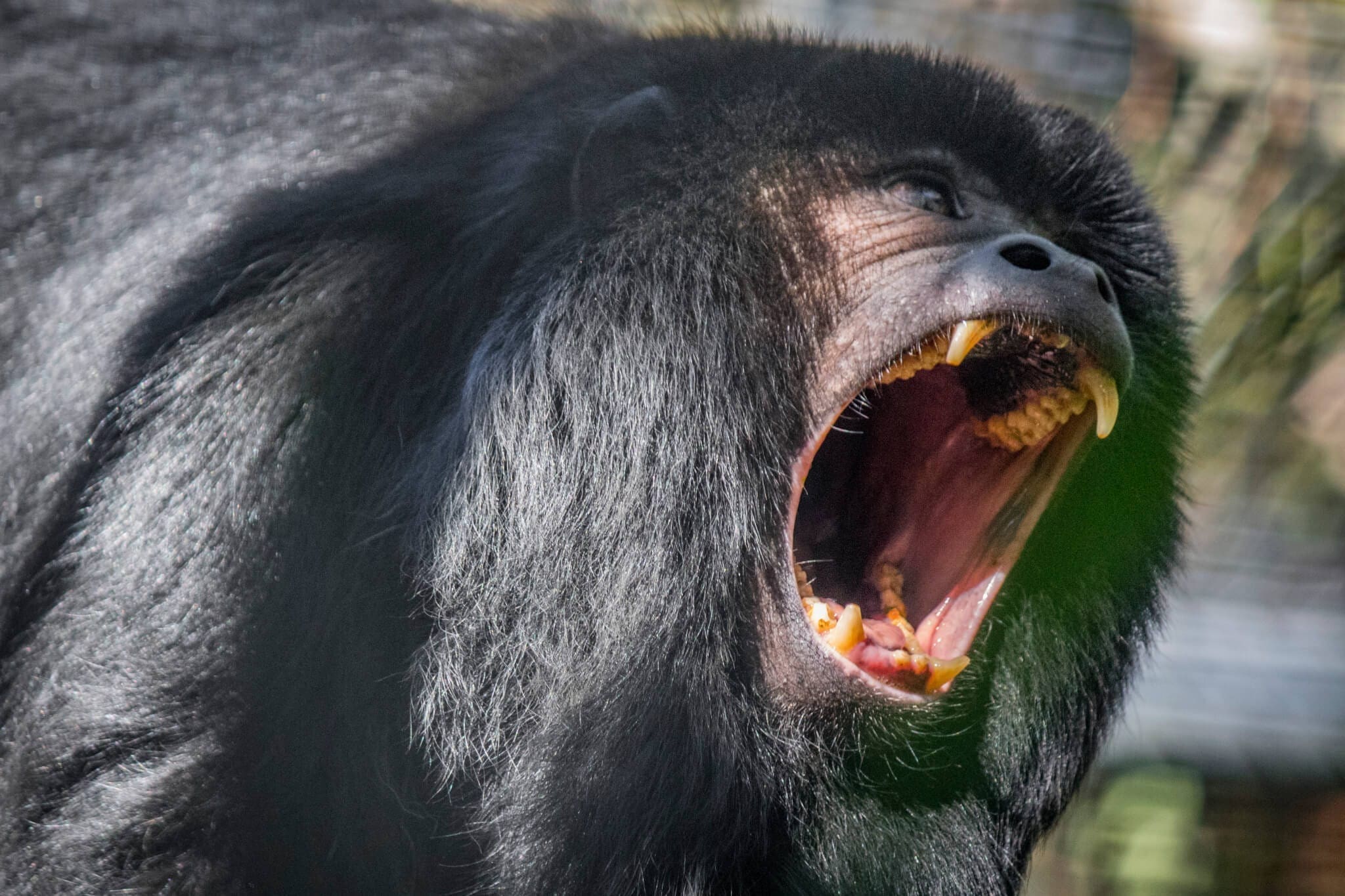
The howler monkey is the loudest land animal. Its calls can be heard from 3 miles away.

At its peak, the howler monkey can produce sounds that reach 140 decibels. That’s as noisy as a jet engine, on takeoff!

There is an average of 50,000 spiders per acre in green areas.

There are over 45,000 known spider species, with the venom of a few only known to be dangerous to humans.

The aptly named colossal squid’s eyes are as large as a basketball.

This allows the colossal squid to detect the faint light of a predator from over 400 feet.

White-tailed jackrabbits are the greatest land jumpers, having been recorded leaping an astonishing 21ft vertically.

That’s higher than 3 average sized men all stood on top of each other. This large species of hare can also run up to 35mph when escaping predators.  

Grey-headed Albatross can circle the globe in only 46 days.

The incredible round-the-world journey covers 14,000 miles over the 46 day period at a steady 13mph. The grey-headed albatross perform this feat by making various pit-stops along the way.

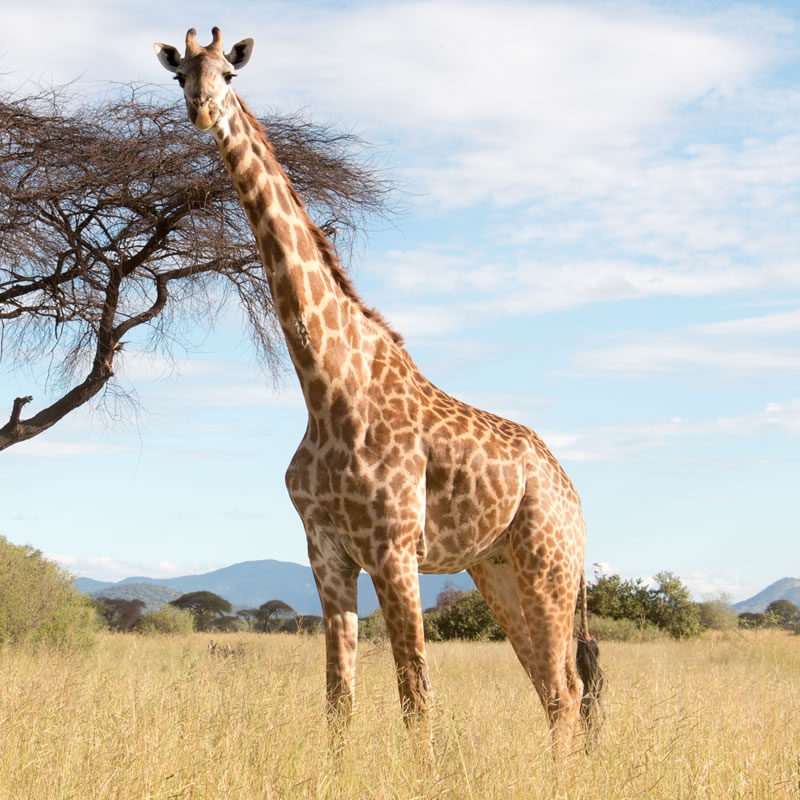
Giraffes are the tallest land animal in the world, reaching heights of 19ft. The ostrich is the world’s tallest bird. It can grow up to 9 feet tall.

Over 7ft of a giraffe’s total size is its famously long neck, which helps it reach leaves in tall trees.

An ostrich legs are so powerful that their kicks can kill a lion.

Or a human! Each two-toed foot has a long, sharp claw – making them formidable weapons. Animals often end up running away from the ostrich.

The dementor wasp paralyses cockroaches with venom to its head, turning them into a zombie-like state. The toxins leave the cockroach unable to control its own movements, which incredibly makes it run into the wasp’s nest to meet its demise.

The venom is thought to cut brain activity that makes cockroaches sense fear and run away to safety. The dementor wasp will then lay eggs on the cockroach to act as an incubator for its young.

More than half of all pigs in the world are kept by farmers in China.

There are over 440 million pigs in China. United States in comparison has a mere 73 million pigs.

Polar bears have jet black skin under their white fur coats.

It helps them absorb heat to keep warm, while the white fur helps provides camouflage in the snowy and icy environment they live.

Giant anteaters consume up to 35,000 ants and termites in a single day.

They use their long sticky tongues to slurp up hundreds of ants per minute. Interestingly, anteaters purposefully never destroy an ant nest, preferring to leave some ants alive to rebuild, so it can return and feed again in the future.

The little known pangolin is the worlds most poached and trafficked animal.

This is due to the high demand of their scales and meat in Asian cultures. 70% of Chinese citizens believe pangolin products have medicinal value, when it’s been scientifically proven to be false.

Great white sharks can detect a drop of blood in 25 gallons of water and can even sense tiny amounts of blood from 3 miles away.

They use their acute sense of smell to detect blood using an organ called the ‘olfactory bulb’.

The Naked Mole-Rat can live in an almost zero oxygen atmosphere.

Incredibly, in a zero-oxygen environment, the Naked Mole-Rat can still survive for up to 20-minutes without suffering any harm at all.

The smell of a skunk is powerful enough for a human to smell it up to 3.5 miles away.

The foul-smelling spray from a skunk can also cause skin irritation and even temporary blindness.

The most venomous fish in the world is the 30cm Stonefish.

Stonefish have 13 sharp fin spines on their back, each with two venom glands. Their stings are extremely painful, can be lethal to humans, and mostly occur as a result of stepping on the creature.

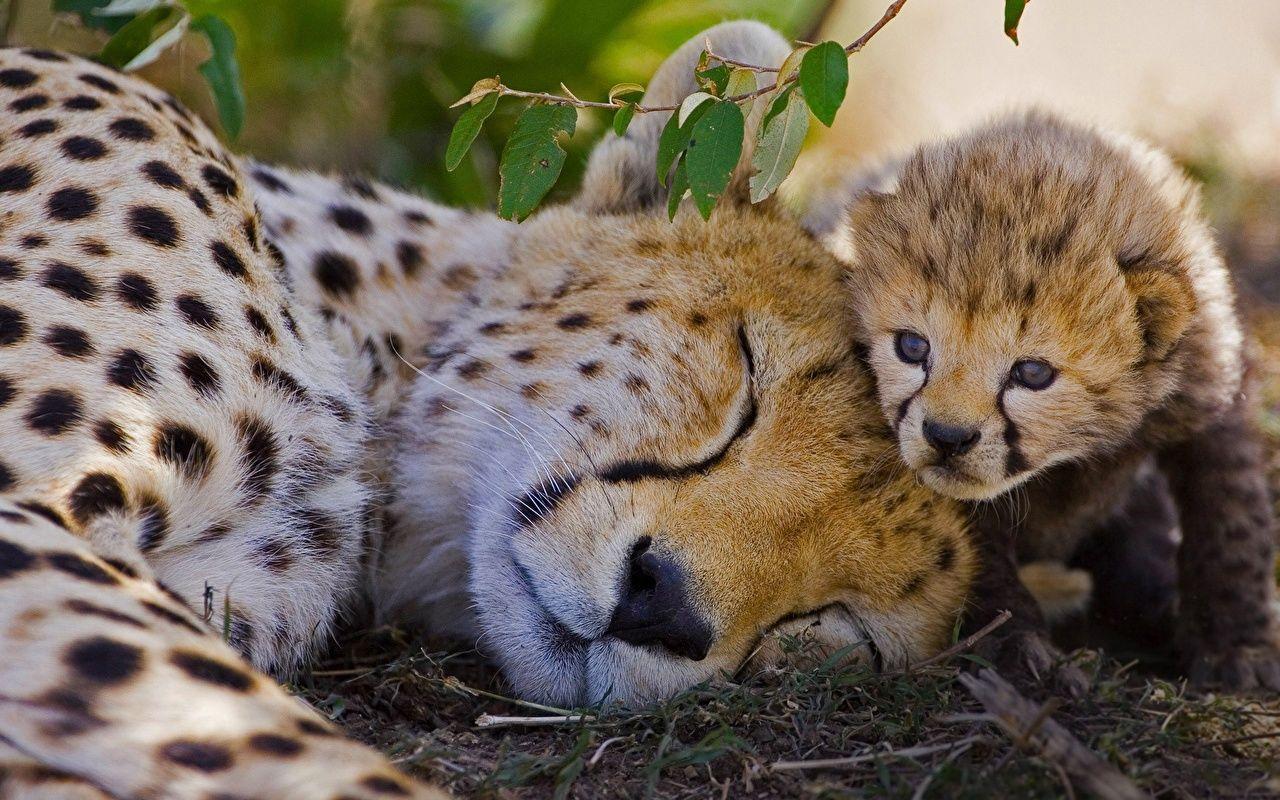
Only 5% of cheetah cubs survive to adulthood.

A study in the 90’s in the Serengeti found that 95% of cheetah cubs died before reaching adulthood. Many deaths were due to Lions, but also other predators and disease.

A tiger’s rear legs are so powerful, that they have been found remaining to stand even after death.

Tigers have been witnessed to have been shot, bled out, and died – and remained standing throughout.

A Rhinoceros‘s horns are made of ‘keratin’, the same type of protein that makes up hair and fingernails.

Some species of Rhinos have two horns, while others just have a single horn.

The Alpine Swift is able to stay airborne for over 6 months without touching down.

It holds the world record for the longest recorded uninterrupted flight by a bird, at over 200 days in the air as it hunted flying insects on its wintering range in the skies over West Africa. 

SOURCE: FACT ANIMAL

Peonies

Peonies are the spring-blooming stars of your garden. They have large, showy blooms, heady aromas, and loads of personality. By some estimates, there are as many as 33 different species within the genus Paeonia, known collectively as peonies. Most are herbaceous perennials, though a few are woody shrubs. Peonies are medium-sized, have tuberous roots that are a combination of thick storage roots and thin roots that are designed to absorb water and nutrients.  Careful handling of these roots is critical to planting or transplanting peonies, as well as when you are dividing plants to propagate them.

Slow-growing peonies are categorized in many different ways, such as by flower type or by growth habit. In addition to the familiar garden-variety herbaceous peonies with all their flower variations, there are special types such as fern-leaf peonies (Paeonia tenuifolia), a particularly sensitive and prized species, and tree peonies, which are woody, upright forms. These types have some special planting needs.

Bloom time for peonies varies from late spring to late summer, depending on variety, but all types are best planted in the fall, about six weeks before the ground freezes. This gives the plant time to settle in and establish roots before winter. This is especially true when planting bare root peonies or when transplanting, but even when planting potted peonies, fall planting gives better results than spring planting.

Peony Care

Peonies are classic garden plants that can thrive for decades with minimal care when planted in soil that meets their needs. One of the longest-lived of all garden plants, peonies are sometimes handed down from generation to generation in families. It is important to do the initial planting correctly because peonies can be temperamental about being moved once they are established.

Give each peony plant enough space to grow to maturitywithout being crowded. That means a 3- to 4-foot diameter for each plant. Choose a location that is sheltered from strong winds. The large heavy blooms of this plant can cause the stems to flop over during heavy rain and inclement weather. Your peonies will benefit from some type of support staking. Plant them well away from other trees and shrubs, since they don’t like to compete for nutrients and water.

Peonies like a good chill in the winter. In order to set their flower buds, peony roots should be planted relatively close to the soil surface—only about 2-to 3-inches deep. It may feel odd to leave roots so exposed, but peonies actually need this chilling to attain dormancy and set buds.

Light

Peonies need a location that receives at least 6-hours of sun each day and a full day of sun is even better. Without sufficient sunlight, you’ll get fewer blooms and smaller flowers, and the plants will have a greater risk of fungal diseases.

Soil

Peonies are very adaptable, but ideally, they like a well-drained, slightly acidic soil (6.5-7.0 pH). If you are planting in heavy, clay soil, amending with compost or a soil mix labeled for azaleas and rhododendrons will make it easier for your peony plant to settle in. Since peonies can remain in the same spot for upwards of 70 years, taking the time to prepare the soil before planting is time well spent.

Tree peonies like a slightly more alkaline soil than standard herbaceous peonies, and they do not want to compete with other shrubs.

Water

Peonies need moist, well-drained soil to thrive. Ideally, they should receive 1 to 2 inches of water weekly. They can thrive in relatively wet areas but are not drought-resistant. Mulch your peonies to help them retain water and lessen the likelihood of weeds.

Temperature and Humidity

Peonies prefer cooler areas (hardiness zones 3-8) and do best when they experience cold winters.

Fertilizer

Feed lightly. An annual application of compost mixed with a very small amount of fertilizer around the base of the plant is all that is needed. When you do feed with compost and fertilizer, do it just after the plants have finished blooming.

Don’t smother peonies with mulch in winter. In the first winter season, you can mulch loosely with pine needles or shredded bark, but mulch should be promptly removed in spring.

Tree peonies need iron and phosphate and do well with an annual feeding of sulfate and bone meal in spring. Unlike herbaceous peonies, they need regular feeding with a 5-10-5 fertilizer.

Peony Varieties

‘Big Ben’: boasts magenta flowers and a heady aroma

‘Festiva Maxima’: shows white blooms with specks of magenta

Pillow Talk‘: offers giant pink flowerheads with touches of yellow

‘Spider Green’: has a yellow center and large white petals

‘Sweet Marjorie’: presents hearty dark-pink blooms

SOURCE: The Spruce

Meet the Dracula Parrot

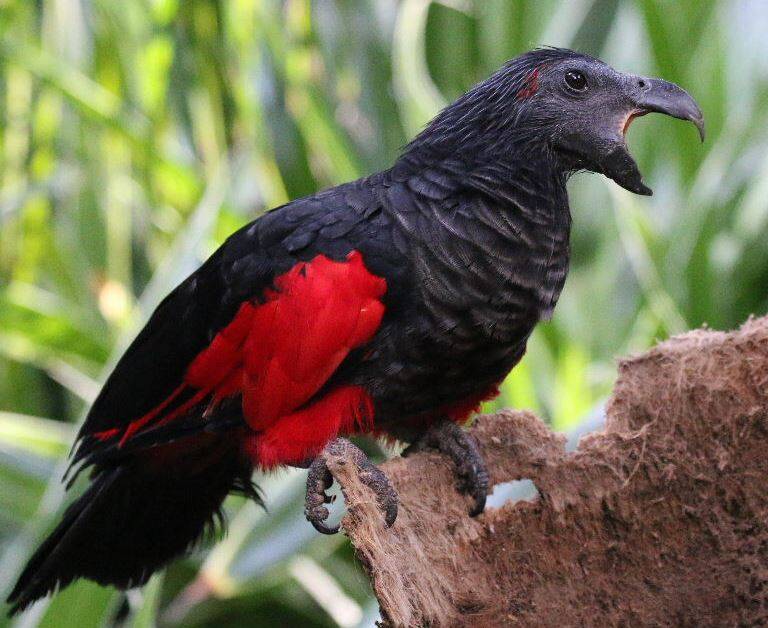
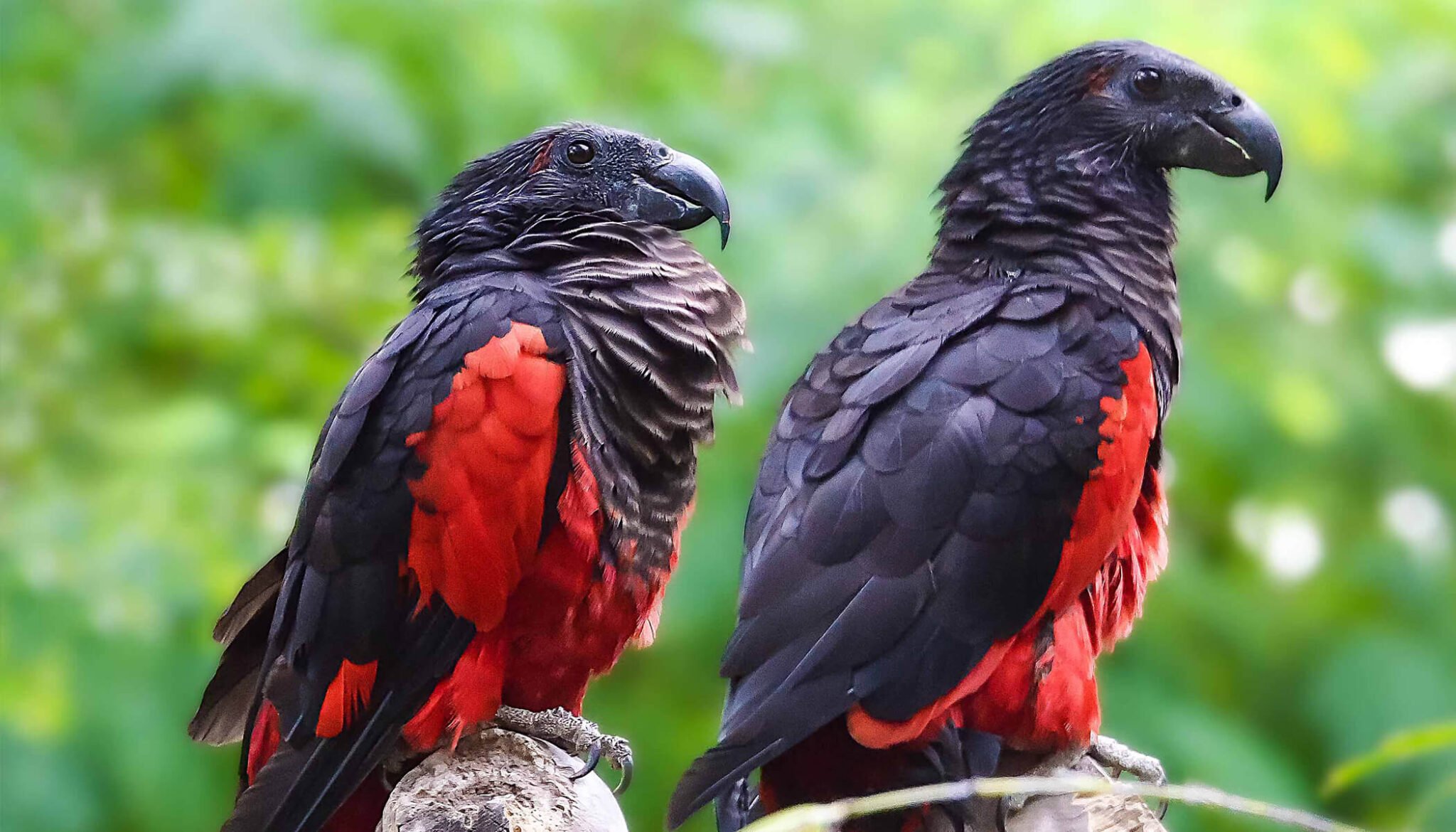
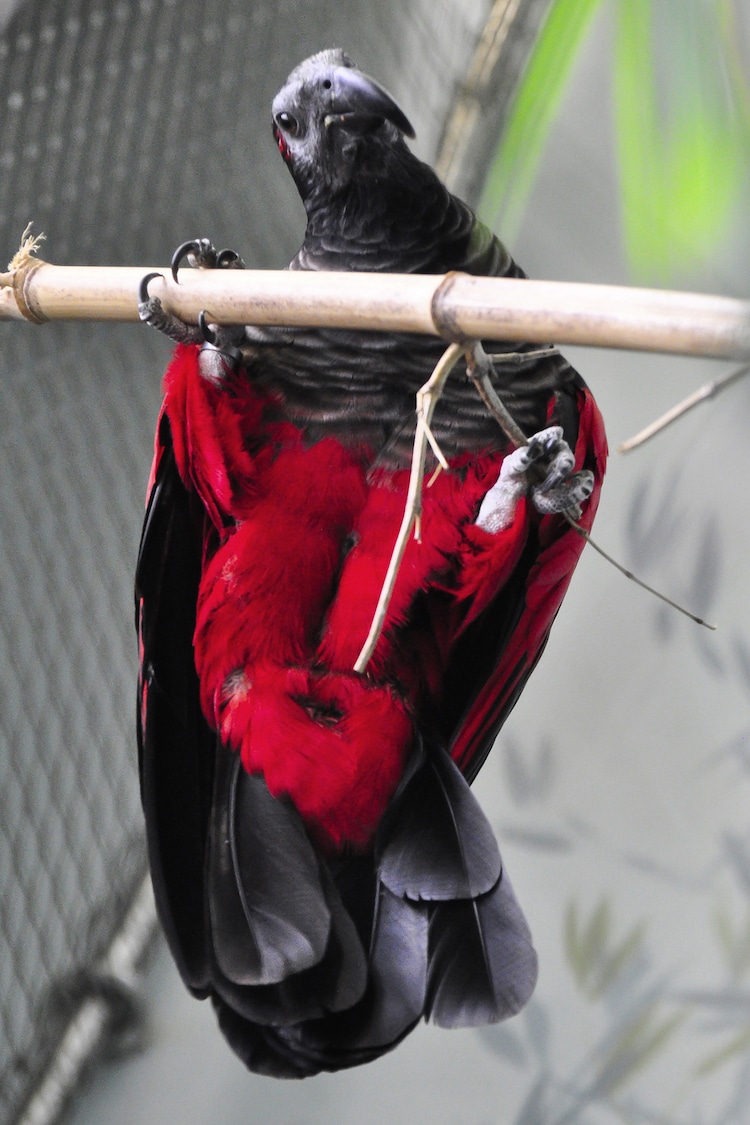
There are some beautiful birds in the world but perhaps none with a name quite as frightening as one species found in New Guinea—the Dracula parrot. This is the nickname for the Pesquet’s parrot (Psittrichas fulgidus), which is endemic to the island’s hill and montane rainforest. With rich black feathers and a scarlet red underbelly, it has all the coloration of Count Dracula’s cape, but looks can be deceiving.

The Dracula parrot is a relatively large parrot, measuring a total length of about 18 inches and weighing between 1.5 and 1.75 pounds. Its long, hooked beak and bare face, coupled with its large head, make it look a bit like a vulture. For that reason, it’s sometimes also called a vulturine parrot. But, don’t let these colloquial names fool you—this bird is no flesh-eater.

In fact, the Dracula parrot is a frugivore, which means that fruit is its preferred food. And for this parrot, we’re not just talking about any fruit. These parrots only feed on a few species of fig. This helps explain why they aren’t migrant and typically stick to one area. This is also why they’re only one of three parrot species without a bare face, as the fruit pulp they eat would cause facial feathers to become matted.

When they are left alone in areas where they aren’t hunted, it’s not uncommon to see groups of 10 to 14 roosting in the trees. They can almost always be found at least in pairs. Dracula parrots are believed to have a lifespan of 20 to 40 years and they nest in large, hollow trees. Interestingly, only one or two eggs are laid at a time.

These rare birds are the only members of their genus, and this genus is the only member of the subfamily Psittrichadinae, which shows how unique these parrots truly are. Unfortunately, the Dracula parrot has been classified as vulnerable on the IUCN’s Red List. This is mainly due to poaching, as well as habitat loss. Poachers go after the Dracula parrot for their feathers, which are highly prized by collectors. It’s believed that between 20,000 and 50,000 Dracula parrots exist in the wild and their population continues to decrease.

SOURCE: My Modern MET

The Blue Dragon

The mythical Blue Glaucus, or Glaucus atlanticus as known by its scientific name, is a small-sized blue sea slug species. It has distinctive dazzling blue hues that have garnered it plenty of attention in recent years. These colors have also inspired a series of nicknames, such as blue dragon, sea swallow, and blue angel. 

The species is a master of disguise. The Blue Glaucus uses its brilliant colors to camouflage with the ocean and sky, though it sometimes washes up on beaches and surprises swimmers. It has a reputation for being both angelic and deadly and is best known for eating venomous prey and stealing their toxins.  

Characteristics & Appearance

Weight & Length

The Blue Glaucus’ small size belies its dangerous reputation. It may reach lengths of up to three centimeters at maturity, weighing anywhere from just three to one hundred grams.

Physical Characteristics & Color

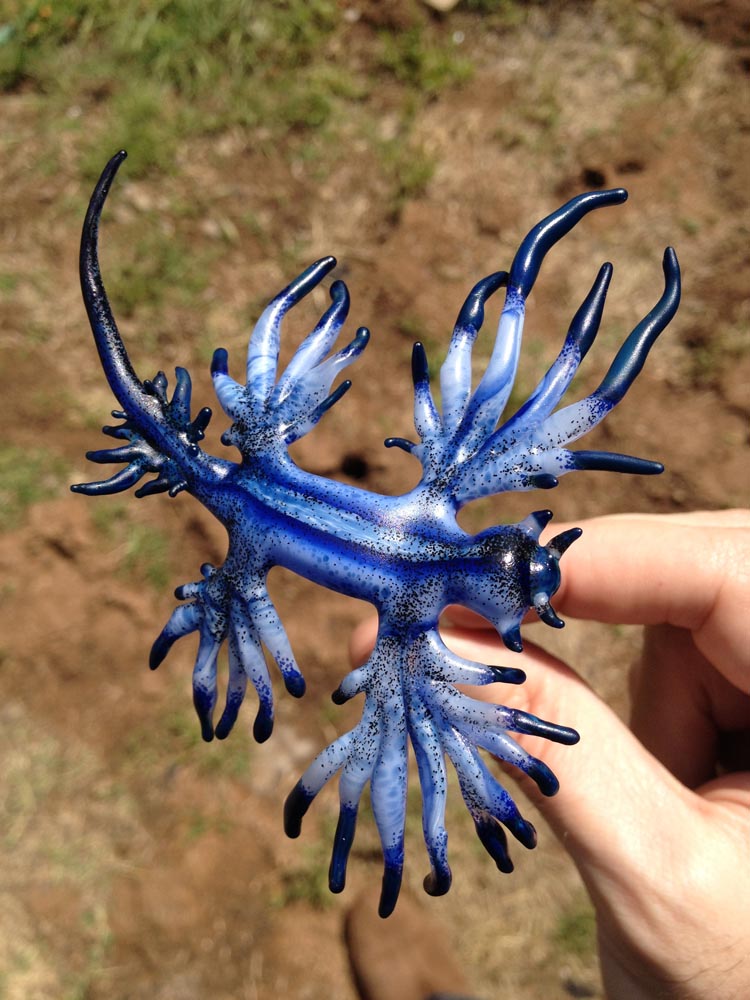
The Blue Glaucus’ body features a type of coloration known as countershading. Its dorsal side is silvery grey, while the ventral area is dark and pale blue, and its head is covered with dark blue stripes. This coloration affords it valuable protection from predators both above and below it as it floats on the ocean’s surface. The deep blue color may also help reflect harmful UV rays.

Additionally, the Blue Glaucus has a flattened, tapered body, along with six appendages that branch out into finger-like cerata–eighty-four to be exact. Cerata are long, slender structures used to sting when hunting or when the Blue Glaucus feels threatened. It also has radular teeth resembling a knife’s serrated edge.

Though quite content to merely be pulled by the ocean currents, the Blue Glaucus can move of its own accord. It gets around slowly, either by swimming or propelling its body. It can drive its body using muscular contractions or the millions of small hairs on its fleshy foot.  

Lifespan & Reproduction

Life expectancy for the Blue Glaucus ranges from between one month to one year. 

A curious detail about this sea slug is that they are hermaphrodites, meaning they produce both eggs and sperm. But despite this fact, they still have to mate with another slug to produce viable eggs. Their mating habits resemble those of their hunting habits: the Blue Glaucus simply floats along until they find a mate. Reproduction is an act they must engage in carefully to avoid getting stung by their partner. 

They have long, curved S-shape bends in their penises that keep them safe while mating, which results in the release of strings of twelve to twenty eggs.  Another curious fact about their reproductive habits is where they lay the eggs. Blue Glaucus often deposit them on the carcasses of their prey. Otherwise, they leave eggs on any other floating mass they encounter. 

Habitat

Blue Glaucus are pelagic fish, which means they live in ocean areas that are neither close to the bottom nor the shore. They are found worldwide, dwelling in waters in the Atlantic, Pacific, and Indian Oceans. However, it seems that their habitat is expanding. There have been many reports of Blue Glaucus sightings in areas not traditionally associated with the species. Some such examples are on the east and south coasts of South Africa, in European waters, near Mozambique, and off Australia’s east coast.

Where Do Blue Caucus Live?

The Blue Caucus prefers to float upside down on the surface tension of the ocean. They swallow air bubbles and store them in their gas-filled sac to maintain buoyancy, and they let the winds and ocean currents carry them. At times, they float to the sand on the bottom of the ocean floor.  Sometimes the winds carry them to undesired locations, namely shores where they can become stranded and die. Beachgoers are increasingly finding the Blue Caucus on their vacations.

Food & Diet

This species is a foraging predator with an impressive appetite. It’s quite comfortable feasting on creatures many times its size, thanks to its rasp-like tongue. Its diet consists of other pelagic species.

What Do Blue Glaucus Eat?

While there are many curious things about the blue dragon, perhaps the most curious is what it eats. Its food of choice is a venomous and feared cnidarian, the Portuguese man o’ war. This poisonous ocean drifter looks like a jellyfish, and it has a fearsome reputation. 

The Blue Glaucus not only eats it, but it also recycles the stinging cells from the Portuguese man o’ war to use as their own protective devices. The blue dragon has hard disks inside its skin and a protective layer of mucus that protects them against these stinging cells–of which it can amass a significant amount.

For this reason, the Blue Glaucus poses a much greater threat to humans than the Portuguese man o’ war. Picking one up may result in a painful sting and symptoms similar to those of its prey. These include nausea, vomiting, and pain. But like other sea slug species, the Blue Glaucus itself isn’t venomous. 

If the Blue Glaucus can’t get its hands on the Portuguese man o’ war, it will consume other pelagic species like the by-the-wind-sailor velella, the Blue Button, and the violet snail (or the common purple snail). Cannibalism is also common, and these slugs won’t hesitate to eat other Blue Glaucus if the opportunity arises. 

Threats & Predators

As is true for most marine animals, the Blue Glaucus faces several different threats to its existence. 

Human Threats

Human threats represent a significant danger to the Blue Glaucus. In recent years, the internet has caused the species to become very popular, although its fame has been detrimental. 

Many people want to add them to their aquariums, leading to an increase in their appearance in the exotic pet trade. However, keeping the Blue Glaucus as a pet is impractical because of its diet. Obtaining the number of Portuguese man o’ war they need is impossible, and those kept as pets often starve to death.

Fun Facts About Blue Glaucus

A group of blue glaucus floating together is referred to as a “blue fleet.” It’s not uncommon for these groups to wash up on shore and sting unsuspecting swimmers. 

Blue Glaucus are appearing in regions where they have never been seen before. Scientists theorize that these new movements may occur for several reasons, such as cyclical changes in the Portuguse man o’ war populations, warming oceans, and increased storm activity.  

The venom of the Blue Glaucus remains active even after it dies, which is something to keep in mind if you run across one on the beach.

SOURCE: AMERICAN OCEANS

The Vampire Ground Finch

The Galapagos Islands are home to some of the strangest and most unique creatures on earth. For what appears to simply be an unassuming little bird, there’s a lot of competition to stand out.

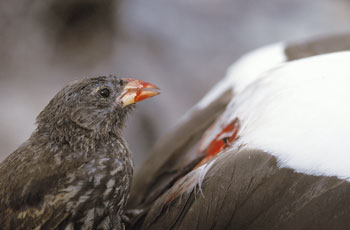
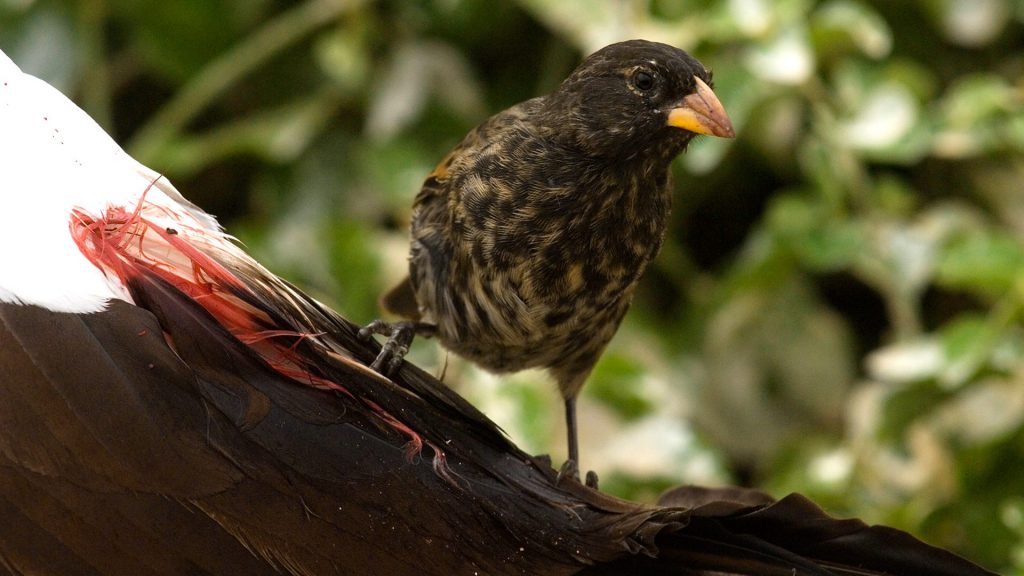
This ground finch makes sure to fit in amongst this archipelago of misfits by drinking the blood of other birds, and is therefore known as the vampire ground finch.

The vampire ground finch can be found on the Galapagos islands, which are located around 600 miles off the coast of Ecuador.

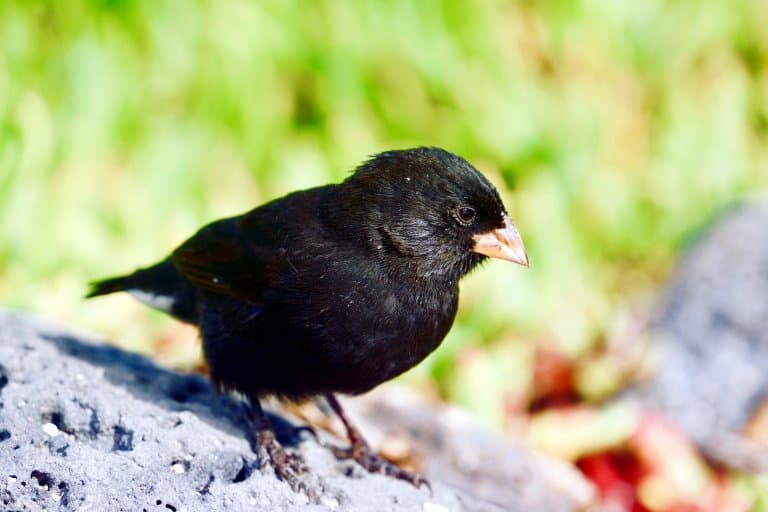
The vampire ground finch looks a lot like any other finch. You may mistake the red stain on its lips for berry juice, but this one really does have a hankering for bird blood.

It used to be considered a subspecies of the sharp-beaked ground finch, however strong genetic evidence suggests they are not closely related and they are considered their own species.

These are a vulnerable species, endemic to only two islands in the Galapagos, and they’re at risk of extinction from a new parasite.

However, they do appear to be adapting quickly and living up to their names as one of the 13 species of Darwin’s Finches found in the archipelago.

Here are some cool things about Vampire finches.

Interesting Vampire Ground Finch Facts

They like to drink from boobies

Let’s get this one out of the way, shall we? The vampire ground finch is peculiar in its choice of diet; part of which comes from the body of red, masked and blue-footed boobies. These tiny finches have been seen pecking at the skin of the boobie and ‘milking’ them for their blood.

This is where the name originates and is a behavior that – so far – hasn’t been seen in any other bird species. They seem to do it during times of drought, and for some reason, the boobies don’t seem to mind.

It’s possible that this behavior originated from a form of commensalism in which the ancestor of the vampire finch would pick off parasites from the boobie, and gradually evolved into cutting out the middle-man entirely. The finches then capitalized on an alternative food source!

While this is a mild irritance for adult blue-footed boobies, it’s potentially deadly for young chicks.

Vampire ground finch also eat eggs

While not exclusive to this bird, this is quite unusual for a finch.

This little vampire rolls eggs out of the nest by slapping their beak into the ground and pushing with their legs.

They occupy two islands

These finches are found on two islands in the Galapagos: Darwin and Wolf. Their habitat is greatly restricted and they’re unable to take on long flights, so each population has to stay put.

Each population has a different song

Strangely, both populations have their own song.

Much like its namesake, the Wolf Island population has a long and melodious call. In contrast, the Darwin population have what’s been described as a buzzing call.

They’re troubled by flies

Among the invasive species that threaten the ground finches of the Galapagos, a particular parasitic fly that was thought to have been introduced in the ‘60s has proven to be one of the most destructive.

These flies infect baby finches, and in a cruel twist of irony, parasitize them, often killing them in the process. This botfly is called the ‘avian vampire fly’, and threatens to wipe out populations of finches all over the Galapagos.

They contributed to the theory of evolution

Some people think the word theory means a simple idea, but in science, it refers to a form of robust and well-examined consensus.

Much like the theory of gravity, the theory of evolution was developed as an idea and then modelled and studied thoroughly into what we consider about as certain as we can be on any topic.

Legendary naturalist, Charles Darwin, had one of his most groundbreaking discoveries of evidence for evolution on the Galapagos, and much of his studying revolved around these finches.

These finches have become known as ‘Darwin’s Finches’, of which there are 13 species – the bloodsuckers being one of them. Each species evolved a different bill size and shape, which allows them to exploit different diets and food.

The vampire fly is forcing the vampire finch to evolve

Evolution isn’t a conscious adaptation to circumstances; it’s simply the product of useful random mutations, that happen to come in handy and then get passed on, or ‘selected for’.

The invasion of these vampire flies has been shown to affect the young of finches with lower levels of brood care instinct. That means females who naturally want to spend more time with their young are reproducing more successfully.

Over time, this trend may push out inattentive mothers and genetically reinforce those who show improved brood care as the genes that predispose the birds to this behavior faced with these selective pressures, changing the genetic buildup of the finch population and hopefully cementing this adaptation to the invasive fly problem.

They have unusual guts

Every animal on earth has at least billions of microbes living in its digestive system that help break down what they eat into useful building blocks. Different bacteria allow for different types of food to be broken down. For example, a cow has bacteria that produce the enzyme cellulase, which breaks down the cell walls of plants, and is how they manage to extract the protein for all that muscle only from grasses and herbs.

As any dog owner will recognize, dogs don’t have these bacteria, which is why when they eat grass, it comes out undigested; all stringy and gross in their poo. So, the bacteria in our body determine what we can eat, and finches are no different.

It’s been found that almost all of Darwin’s finches have very similar ranges of these bacteria living inside them with one exception: the vampire finch.

This bird has microbiota that are much more common in predatory birds and reptiles and goes a long way to explaining how they’re able to digest such unusual food.

Cotton bedding might help vampire ground finch conservation

One of the many suggested resolutions to the vampire fly/finch struggle is to infuse a type of cotton with an insecticide. The cotton is then supplied to the finches as nesting material and can kill 100% of the parasitic flies in the nest.

You might be wondering why conservationists are favoring one vampire over another, but it’s important to remember that the flies are an invasive species, and these can wreak havoc on local populations that have never had time to adapt to equilibrium with them; especially on islands – just ask New Zealand!

Topaz

Most authorities agree that the name topaz comes from Topazios, the old Greek name for a small island in the Red Sea, now called Zabargad. (The island never produced topaz, but it was once a source of peridot, which was confused with topaz before the development of modern mineralogy.) Some scholars trace the origin back to Sanskrit (an ancient language of India) and the word topas or tapaz, meaning “fire.”

The ancient Greeks believed that topaz gave them strength. In Europe during the Renaissance (the period from the 1300s to the 1600s) people thought that topaz could break magic spells and dispel anger. For centuries, many people in India have believed that topaz worn above the heart assures long life, beauty, and intelligence.

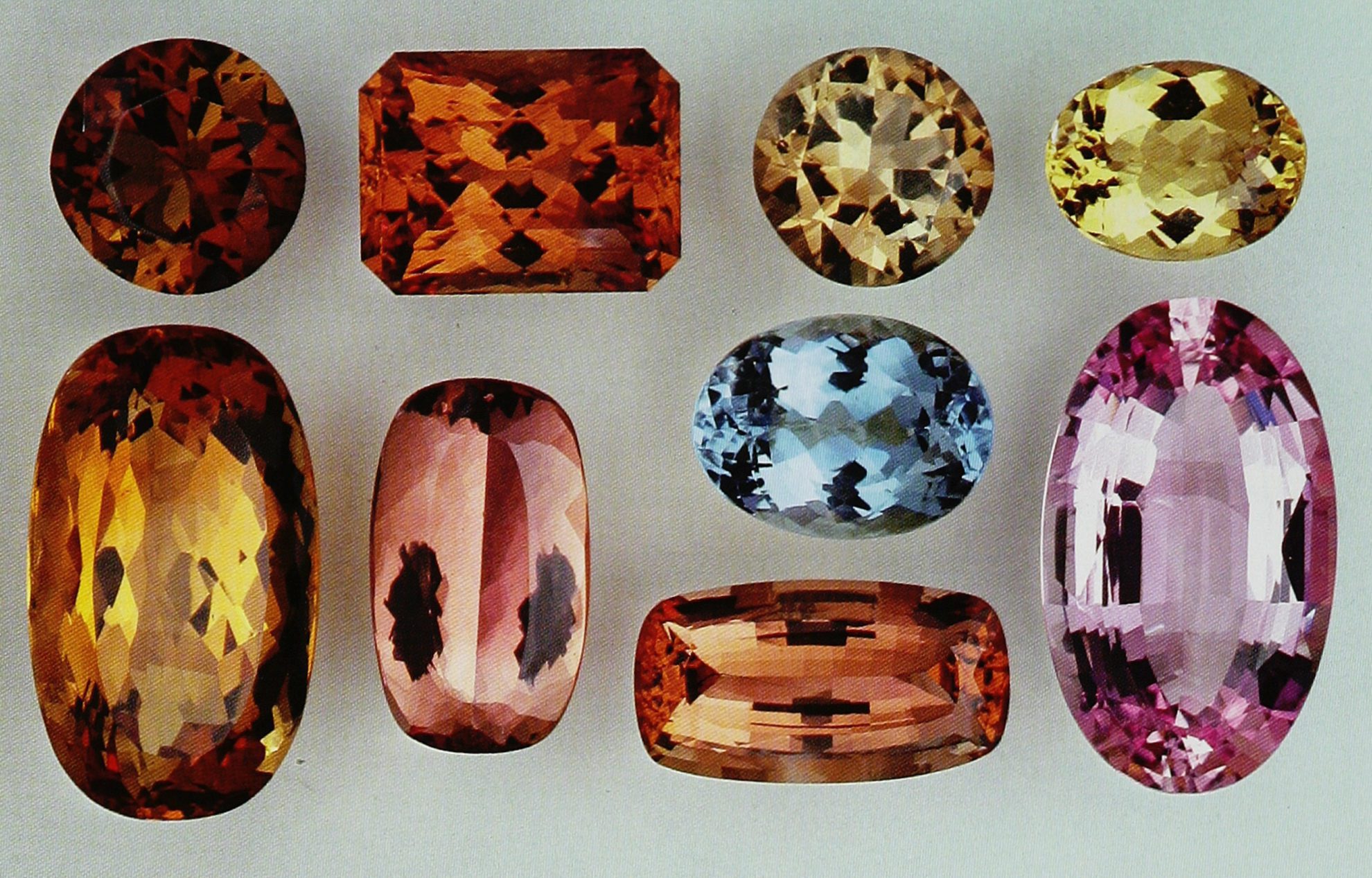
The name for imperial topaz originated in nineteenth-century Russia. At the time, the Ural Mountains were topaz’s leading source, and the pink gemstone mined there was named to honor the Russian czar. Ownership of the gem was restricted to the royal family.

The name topaz has been used for any yellowish gemstones for at least two thousand years. Gem traders did not know that these yellowish stones were actually different minerals until about two hundred years ago. Gem traders recognized that quartz, beryl, corundum and olivine all had yellow variants and were not true topaz and that topaz could be other colors not just yellow. In addition, the island Topazios, after which the gemstone has been named, never produced topaz, but was a source of peridot, or olivine often confused as topaz. The island is now called Zabargad Island.

Ancient Egyptians believed that yellow topaz received its golden color from the Sun God, Ra. The ancient Greeks believed that topaz gave them strength and topaz is mentioned in the modern translation of the bible, although the word probably referred to a yellow stone, not necessarily true topaz.

During the middle ages, the main source of topaz was from a deposit in the Erzgebirge Mountains in Germany. Hundreds of kilograms of yellow to brown topaz crystals were mined from the deposit. Then in the 1730s, a large topaz deposit was discovered in the Minas Gerais region of Brazil. During this period, Brazil was a colony of Portugal, so in 1768, the Portugese Government officially recognised the deposit as an important commercial mine, and most of the gems were transported back to Europe. Brazil remains the largest producer of Topaz in the world.

Gem quality topaz was first found in Australia as a by-product of metal mining operations. In 1872, tin was discovered in the New England area of New South Wales and mining commenced shortly afterwards. When the miners concentrated the alluvial material, sometimes they found pebbles of topaz. Waterworn topaz was found associated with gold, tin and wolfram deposits throughout eastern Australia.

Tourmalines

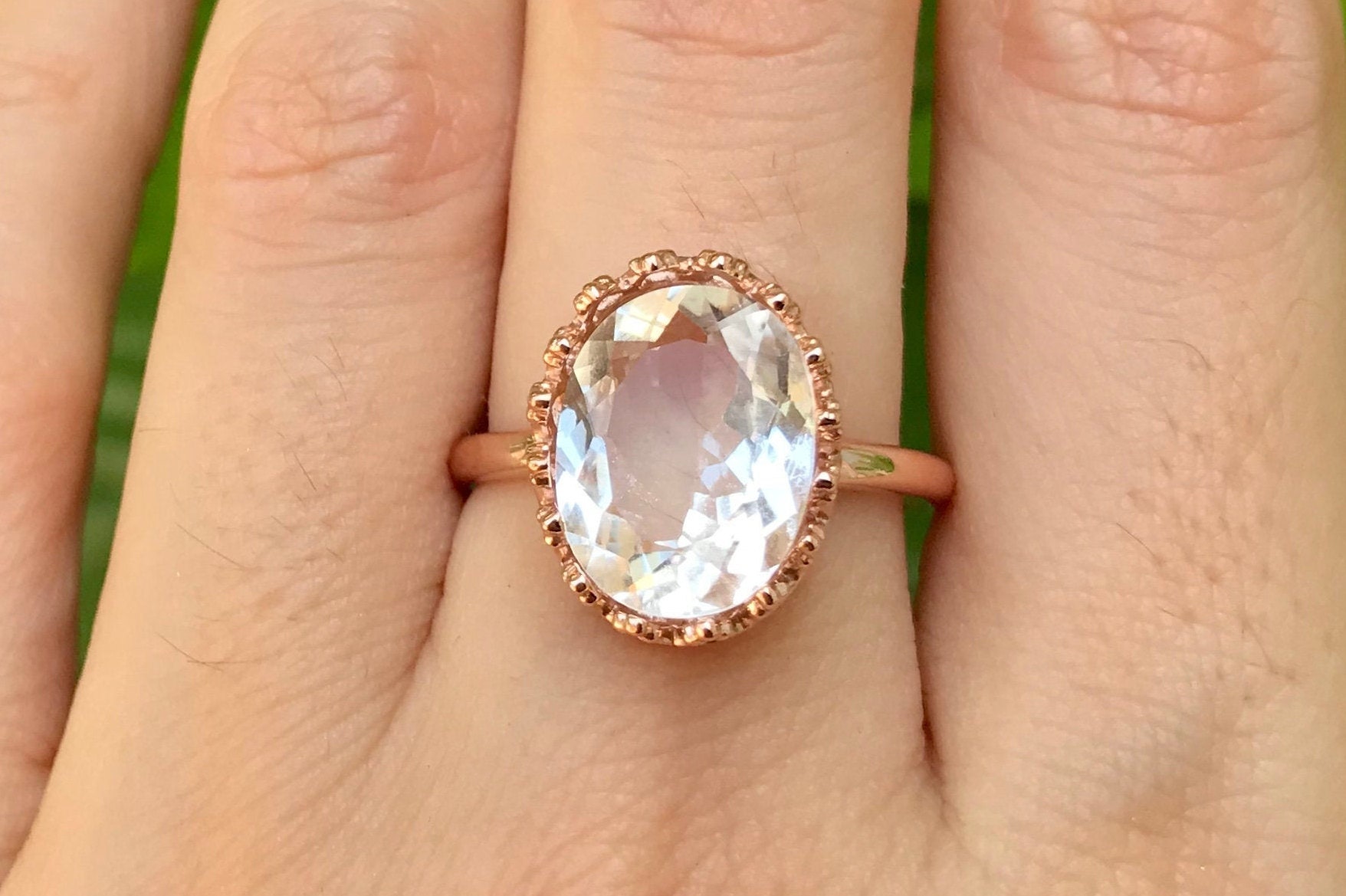
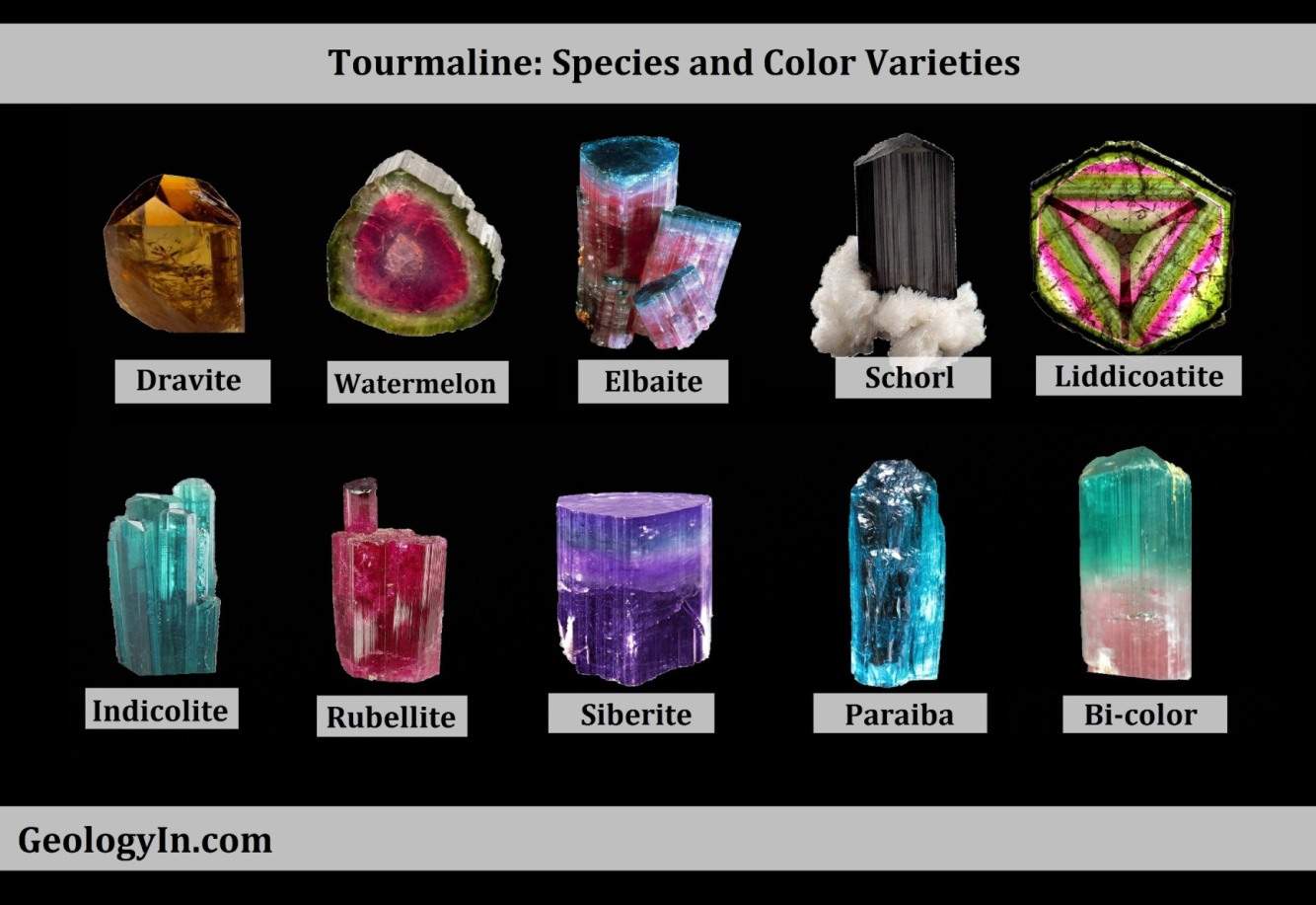
Tourmalines come in a wide variety of exciting colors. In fact, tourmaline has one of the widest color ranges of any gem species, occurring in various shades of virtually every hue.

Many tourmaline color varieties have inspired their own trade names:

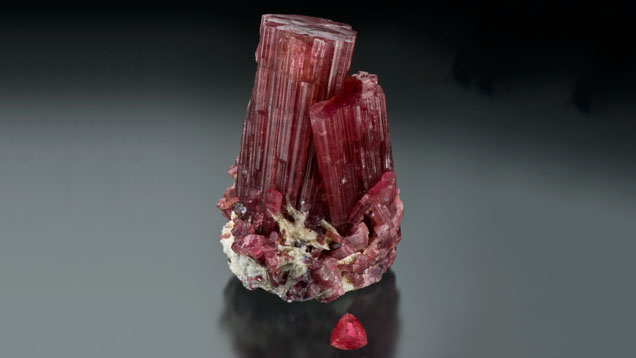
Rubellite is a name for pink, red, purplish red, orangy red, or brownish red tourmaline, although some in the trade argue that the term shouldn’t apply to pink tourmaline.

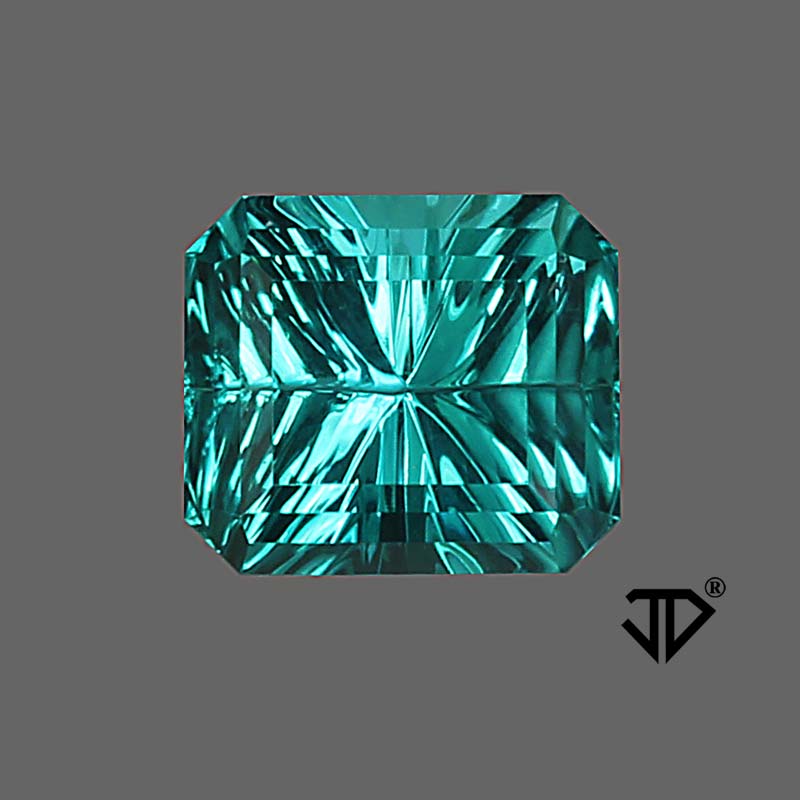
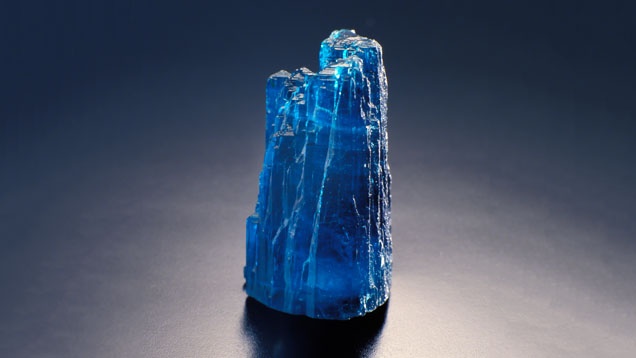
Indicolite is dark violetish blue, blue, or greenish blue tourmaline.

Paraíba is an intense violetish blue, greenish blue, or blue tourmaline from the state of Paraíba, Brazil.

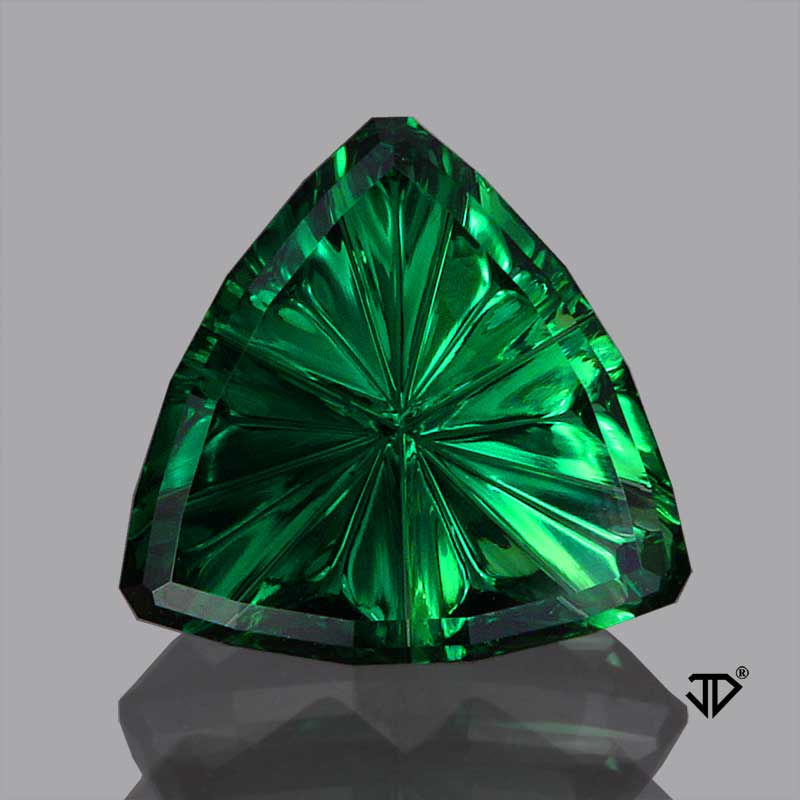
Chrome tourmaline is intense green. In spite of its name, it’s colored mostly by vanadium, the same element that colors many Brazilian and African emeralds.

Parti-colored tourmaline displays more than one color. One of the most common combinations is green and pink, but many others are possible.

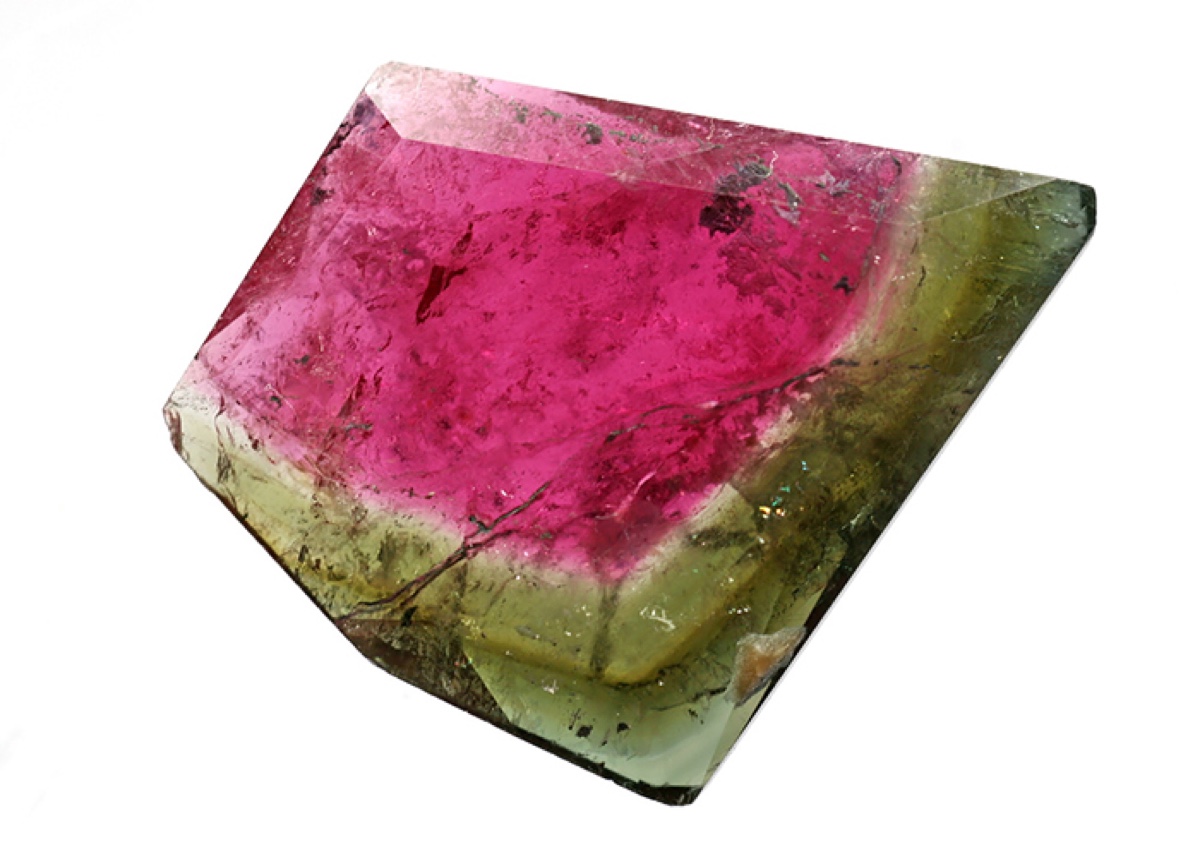
Watermelon tourmaline is pink in the center and green around the outside. Crystals of this material are typically cut in slices to display this special arrangement.

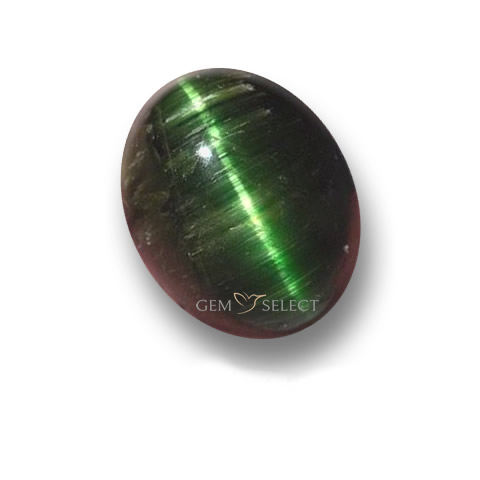
Some tourmalines also show a cat’s-eye effect called chatoyancy. Cat’s-eye tourmalines are most often green, blue, or pink, with an eye that’s softer and more diffused than the eye in fine cat’s-eye chrysoberyl. This is because, in tourmaline, the effect is caused by numerous thin, tube-like inclusions that form naturally during the gem’s growth. The inclusions are larger than the inclusions in cat’s-eye chrysoberyl, so the chatoyancy isn’t as sharp. Like other cat’s-eyes, these stones have to be cut as cabochons to bring out the effect.

A tourmaline’s chemical composition directly influences its physical properties and is responsible for its color. Tourmalines make up a group of closely related mineral species that share the same crystal structure but have different chemical and physical properties. They share the elements silicon, aluminum, and boron, but contain a complex mixture of other elements such as sodium, lithium, calcium, magnesium, manganese, iron, chromium, vanadium, fluorine, and sometimes copper.

Tourmaline’s colors have many different causes. It’s generally agreed that traces of iron, and possibly titanium, induce green and blue colors. Manganese produces reds and pinks, and possibly yellows. Some pink and yellow elbaites might owe their hues to color centers caused by radiation, which can be natural or laboratory-induced.

SOUCRE: GIA

Victoria Crowned Pigeon

Strikingly beautiful and intelligent, the Victoria crowned pigeon is a fascinating ground bird to watch. It is common to see at a zoo or aviary. Although this is a gentle bird, it is not a bird for novices. Even pigeon fanciers and experienced bird owners need to ensure they have the dedicated space and time required by these majestic creatures.

Originally from New Guinea and introduced to nearby islands, the Victoria crowned pigeon has been bred in captivity for hundreds of years. They’re a common sight in the United States and the United Kingdom at zoos and aviaries, though they are somewhat rare in the pet bird trade.

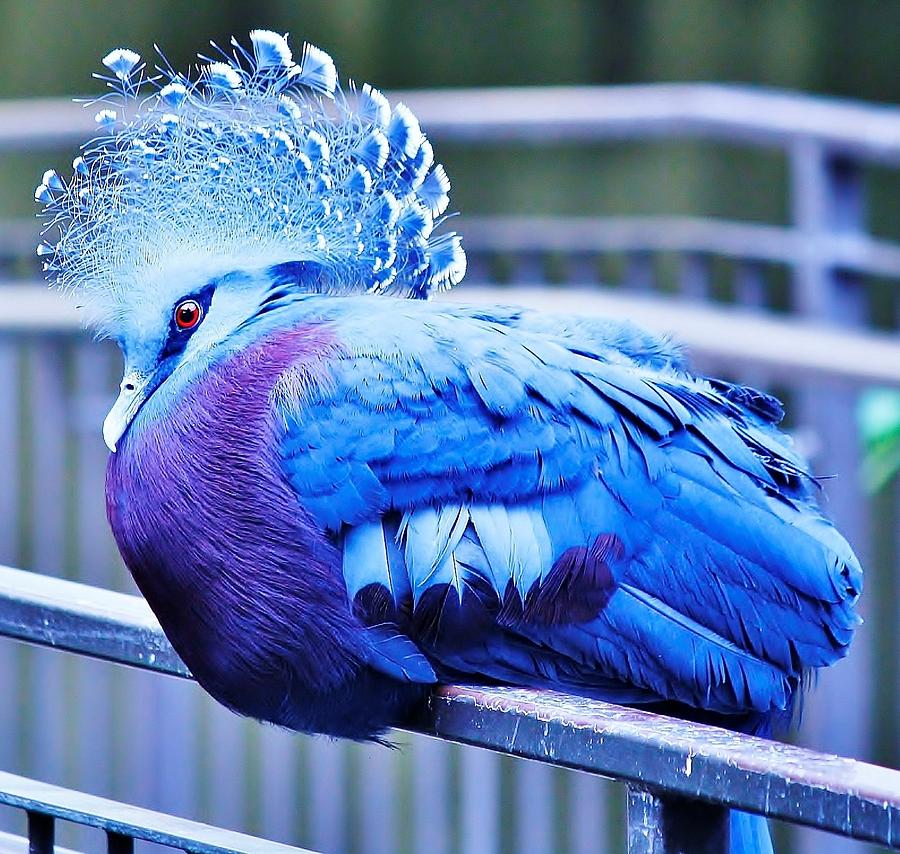
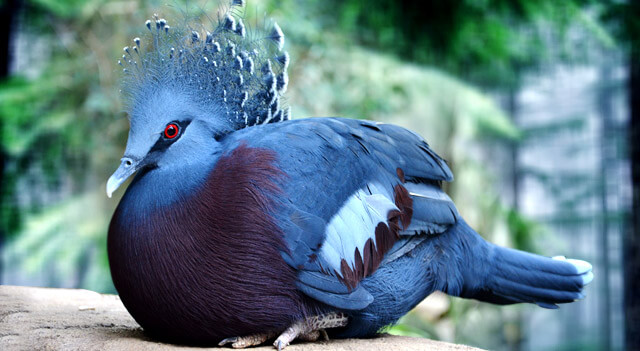
This bird is the largest living pigeon and the closest remaining relative to the extinct dodo bird. It was named in honor of Queen Victoria for its flashy blue crown of intricate lace-like patterns and its regal poise.

In the tropical rainforests of New Guinea, Victoria crowned pigeons were hunted for their meat and feathers. Due to hunting and habitat destruction, the wild population had declined rapidly, endangering the species to near extinction. As a protected species, it has improved from being a “threatened” and “vulnerable” species to “near threatened.” Deforestation of its natural habitat still occurs.

Temperament

Victoria crowned pigeons are known to be intelligent and quite easy to tame. This bird is docile by nature, which is why they’re a frequent attraction at zoos. They are often left to roam the grounds freely and tend to be happiest when foraging for food on the ground and wandering around.

This bird can fly short distances but will only fly when necessary, usually when startled, in danger, or in need of a high roost in the trees for the night.

Speech and Vocalizations

The call of this pigeon is unlike breeds you may be used to. It is not a soothing, cooing pigeon. Victoria crowned pigeons let out more of a hollow “boom” sound that can be quite loud and surprising.

Victoria Crowned Pigeon Colors and Markings

A stunning bird, Victoria crowned pigeons sport powdery blue feathers on their bodies with red eyes, a dark mask, and maroon breasts. They display a lighter shade of blue on their wings and in a band on their tailfeathers.

The crest looks like a beautiful display of dark blue lace with vivid white tips. This crown makes them seem more like a peacock than a pigeon.

This bird is a monomorphic species, meaning males and females look alike. A male may be slightly larger than a female, but it’s barely noticeable. To figure out the sex of your bird, it would require a surgical sexing procedure or a genetic test.

Caring for Victoria Crowned Pigeons

Victoria crowned pigeons spend quite a bit of time on the ground and need plenty of room to run around and exercise. They need a minimum of 200 square feet of ground space in their enclosures. They also need roosts at various heights. 

These space requirements can be hard for even the most dedicated enthusiast to meet. In other words, if you can’t provide your bird with a flight the same size as the average bedroom, then you should not consider adopting a Victoria crowned pigeon.

These pigeons tend to do best as a pair in a single flight enclosure; a solo bird may become too lonely. During the breeding season, males may fight each other. The males have an elaborate courtship dance. Generally, a mating pair will only produce a maximum of three eggs each year. Both the male and female incubate the eggs, which takes around a month to hatch and raise the young squabs.

Despite their docile personality, this is not a low maintenance bird. Since they are foragers, clean the enclosure regularly, so they don’t get health issues from eating their droppings along with their food.

Keep in mind that the birds are native to a tropical climate and will do best in warm, humid regions. They cannot tolerate temperatures below 40 degrees Fahrenheit. If your region gets cold, you’ll need to figure out how to provide heat. The enclosure should also protect the birds from wind and rain.

Victoria crowned pigeons generally tolerate birds of other species quite well. It is often best when they’re the only ground bird. For example, you do not want to keep these birds with a busy flock of chickens; it will stress out the pigeons that often prefer a calm environment.

Common Health Problems

The biggest health threats for these birds are fungal infections they can get from their fecal droppings. The birds breathe in fungal spores that form on their droppings. These spores can cause potentially fatal respiratory diseases, such as histoplasmosis and candidiasis.

Diet and Nutrition

Like all pigeons, Victoria crowned pigeons feed on the ground. In the wild, their diet consists mainly of fallen fruits, seeds, grains, and small invertebrates. They’re particularly fond of figs.

Captive crowned pigeons do well on a high-quality seed and grain mix, and many keepers stick with a standard dove mix. They should also get regular servings of fresh fruits and vegetables. Offer about a 1 cup of seed mix and 1 cup of fruits and vegetables per day—adjust the daily portion according to their appetite. This species is not known for overeating. Remove any uneaten fresh food at the end of each day to prevent spoilage.

SOURCE: SPRUCEPETS