Arizona State Flower: Saguaro Cactus

Identifying Features

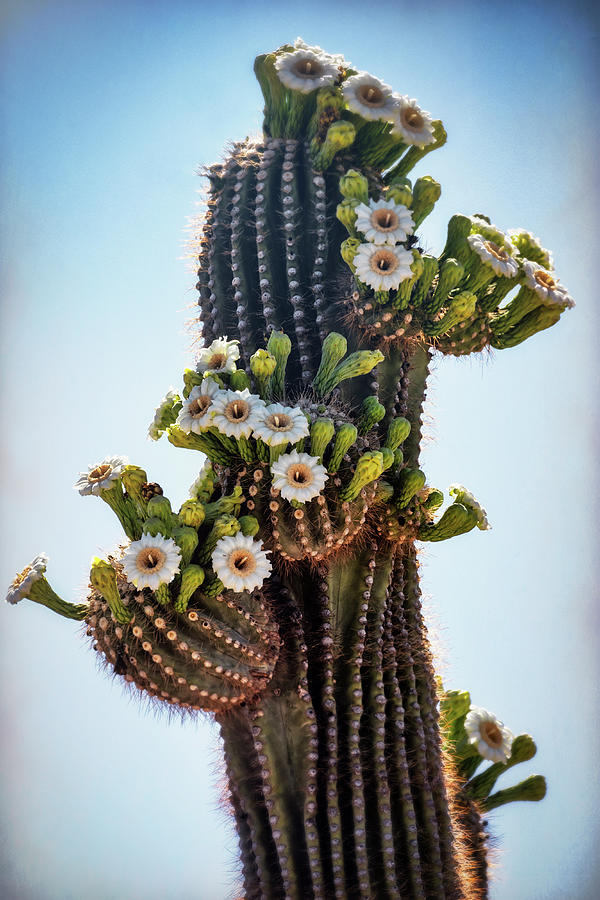
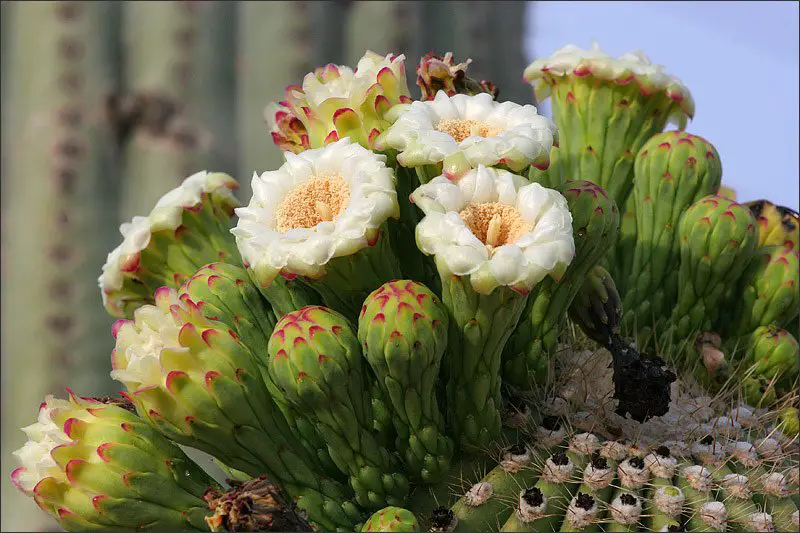
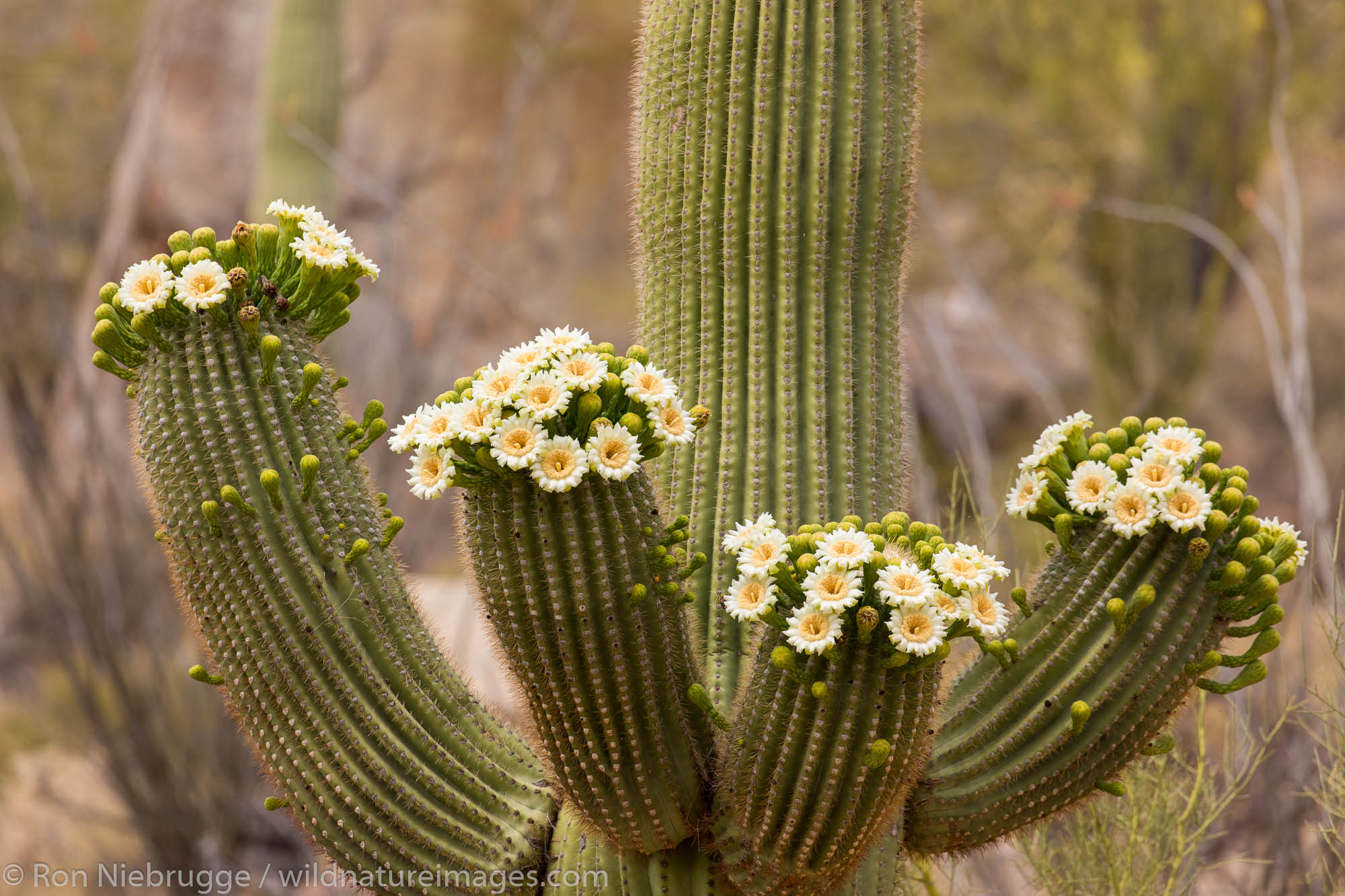
The saguaro cactus (Carnegiea gigantea) is one of the defining plants of the Sonoran Desert. These plants are large, tree-like columnar cacti that develop branches (or arms) as they age, although some never grow arms. These arms generally bend upward and can number over 25. Saguaros are covered with protective spines, white flowers in the late spring, and red fruit in summer.

Habitat

Saguaros are found exclusively in the Sonoran Desert. The most important factors for growth are water and temperature. If the elevation is too high, the cold weather and frost can kill the saguaro. Although the Sonoran Desert experiences both winter and summer rains, it is thought that the Saguaro obtains most of its moisture during the summer rainy season.

Range

You find this cactus in southern Arizona and western Sonora, Mexico. At the northern portion of their range they are more plentiful on the warmer south facing slopes. A few stray plants can also be found in southeast California.

Wild Status

The saguaro is not currently listed as threatened or endangered. Arizona has strict regulations about the harvesting, collection or destruction of this species.

Life Span

With the right growing conditions, it is estimated that saguaros can live to be as much as 150-200 years old.

Size

Saguaro are very slow growing cactus. A 10-year-old plant might only be 1.5 inches tall. Saguaro can grow to be between 40-60 feet tall. When rain is plentiful and the saguaro is fully hydrated it can weigh between 3200-4800 pounds.

Quick Facts

The saguaro is the largest cactus in the United States.

Most of the saguaro’s roots are only 4-6 inches deep and radiate out as far from the plant as it is tall. There is one deep root, or tap root that extends down into the ground more than 2 feet.

After the saguaro dies its woody ribs can be used to build roofs, fences, and parts of furniture. The holes that birds nested in or “saguaro boots” can be found among the dead saguaros. Native Americans used these as water containers long before the canteen was available.

Peppermint Angelfish

The Peppermint Angelfish is a captivating species that brings beauty and elegance to the coral reefs it calls home. With its vibrant colors and unique characteristics, this fish has captured the imagination of marine enthusiasts around the world. In this guide, we will dive deep into the world of the Peppermint Angelfish, exploring its various aspects including its habitat, life cycle, care in aquariums, conservation status, and frequently asked questions. So let’s embark on this fascinating journey and discover the secrets of the Peppermint Angelfish together!

Understanding the Peppermint Angelfish

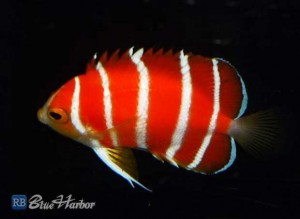
The Peppermint Angelfish (Paracentropyge boylei) is a small-sized marine fish that belongs to the family Pomacanthidae. Native to the waters of the Marshall Islands in the Pacific Ocean, this beautiful creature has become a highly sought-after species in the aquarium trade.

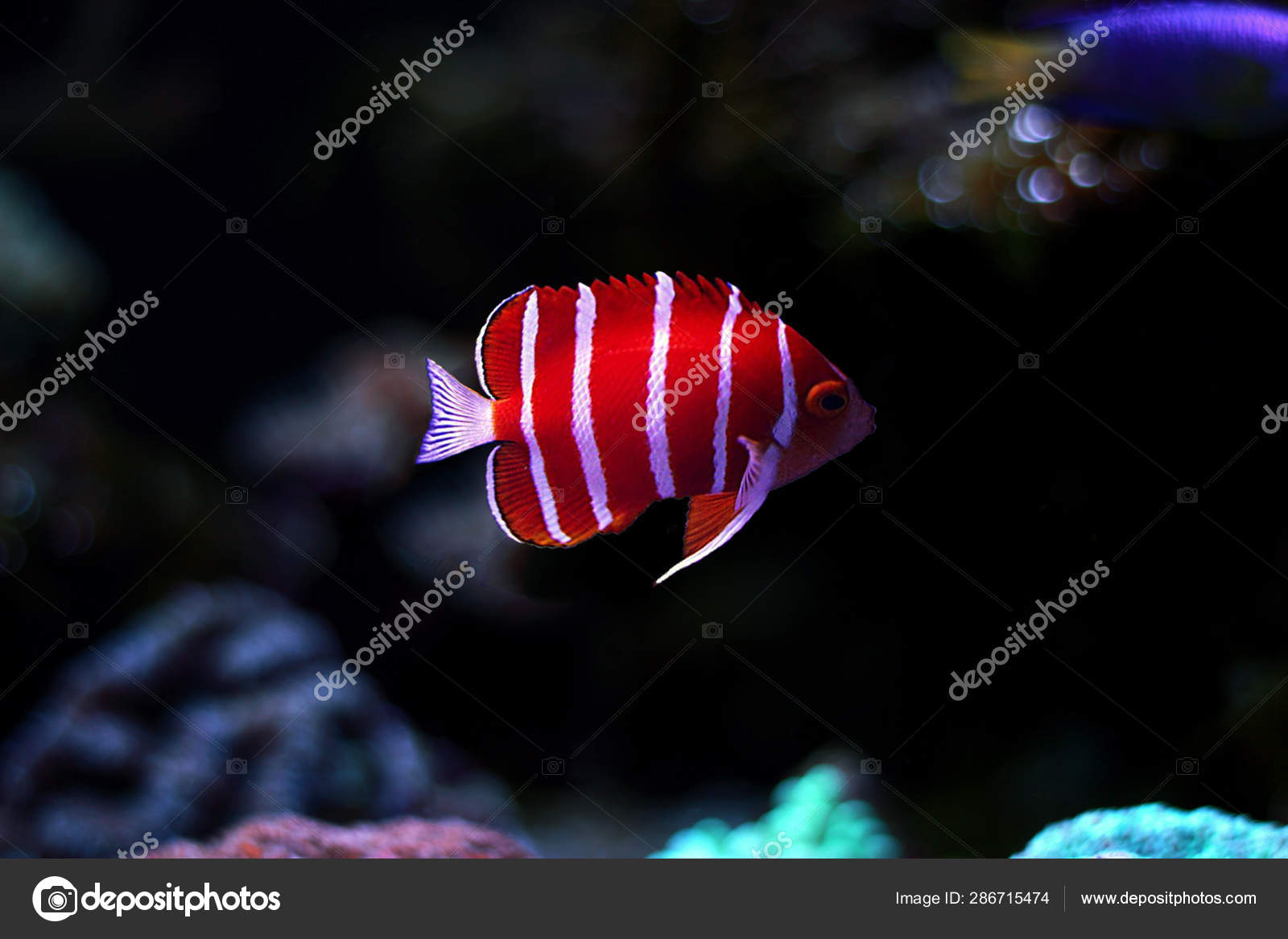
The Peppermint Angelfish is characterized by its strikingly vibrant coloration. Its body is primarily adorned with a gradient of red and white stripes, resembling a peppermint candy, from which it derives its name. The species is relatively small, typically reaching a maximum length of around 4 inches.

Interestingly, the vibrant coloration of the Peppermint Angelfish serves a purpose beyond aesthetics. The bold red and white stripes act as a form of camouflage, allowing the fish to blend seamlessly with the colorful coral reefs it calls home. This adaptation helps the angelfish evade potential predators and increases its chances of survival in its natural habitat.

Characteristics of the Peppermint Angelfish

Aside from its mesmerizing coloration, the Peppermint Angelfish boasts other distinguishing features. It has a laterally compressed body, a pair of long, flowing fins, and a prominent mouth with sharp teeth. These physical attributes enable the fish to maneuver through coral reefs with precision and grace.

It is worth noting that the Peppermint Angelfish possesses a unique ability to change its coloration. This remarkable trait allows the fish to adapt to different environments and blend in with its surroundings. When the angelfish feels threatened or encounters a change in its environment, it can alter its coloration to better suit its needs, providing an additional layer of defense against potential predators.

As with other angelfish species, the Peppermint Angelfish exhibits sexual dimorphism. Males tend to have a more intense coloration and elongated dorsal and anal fins, while females are slightly duller in appearance. This distinction becomes more apparent as the fish matures.

Habitat and Distribution

The Peppermint Angelfish is endemic to the waters surrounding the Marshall Islands in the western Pacific Ocean. It primarily inhabits coral reefs, preferring areas with abundant coral growth and strong water currents. These reefs provide essential shelter and sources of food for the fish.

Due to its limited geographic range, the Peppermint Angelfish is considered a rare and elusive species. It is mainly found at depths ranging from 120 to 180 feet, which adds to its mystique and makes it difficult for divers and researchers to study in its natural habitat.

Within the coral reefs, the Peppermint Angelfish forms symbiotic relationships with various organisms. It often seeks refuge within the intricate branches of coral colonies, benefiting from the shelter they provide. In return, the angelfish helps to control the population of harmful organisms, such as algae, by feeding on them. This mutually beneficial interaction highlights the important role the Peppermint Angelfish plays in maintaining the delicate balance of the coral reef ecosystem.

Furthermore, the Peppermint Angelfish has adapted to thrive in the warm tropical waters of the Marshall Islands. It has developed a specialized respiratory system that allows it to extract oxygen efficiently from the water. This adaptation enables the angelfish to navigate the strong water currents commonly found in its habitat, ensuring its survival in challenging conditions.

In conclusion, the Peppermint Angelfish is a fascinating species that captivates both marine enthusiasts and researchers alike. Its vibrant coloration, unique physical characteristics, and specialized adaptations make it a truly remarkable creature. However, due to its limited distribution and elusive nature, there is still much to be discovered and understood about this captivating fish.

The Life Cycle of the Peppermint Angelfish

The life cycle of the Peppermint Angelfish encompasses various stages, from reproduction to growth and development. Understanding these processes is crucial for those interested in breeding and caring for this species in captivity.

Breeding Habits

The Peppermint Angelfish is known to exhibit monogamous breeding behavior, in which a male and female form a pair bond and engage in courtship rituals. The pair defends a territory and spawns in the early morning hours, releasing their eggs and sperm into the water column.

After fertilization, the eggs are left to float freely in the water. The Peppermint Angelfish, like other angelfish species, engages in pelagic spawning. This means that the eggs drift with the currents, offering them protection from predators until they hatch.

Growth and Development

Upon hatching, the larvae of the Peppermint Angelfish are extremely small and transparent. They undergo a period of rapid growth, feeding primarily on planktonic organisms that are abundant in their natural habitat.

As the juvenile fish develop, their coloration gradually transforms, displaying the iconic red and white stripes that are characteristic of the adult Peppermint Angelfish. The transition from juvenile to adult typically occurs within the first few months of their lives.

SOURCE: ANIMAL ENCYCLOPEDIA   John Brooks

Bleeding Heart

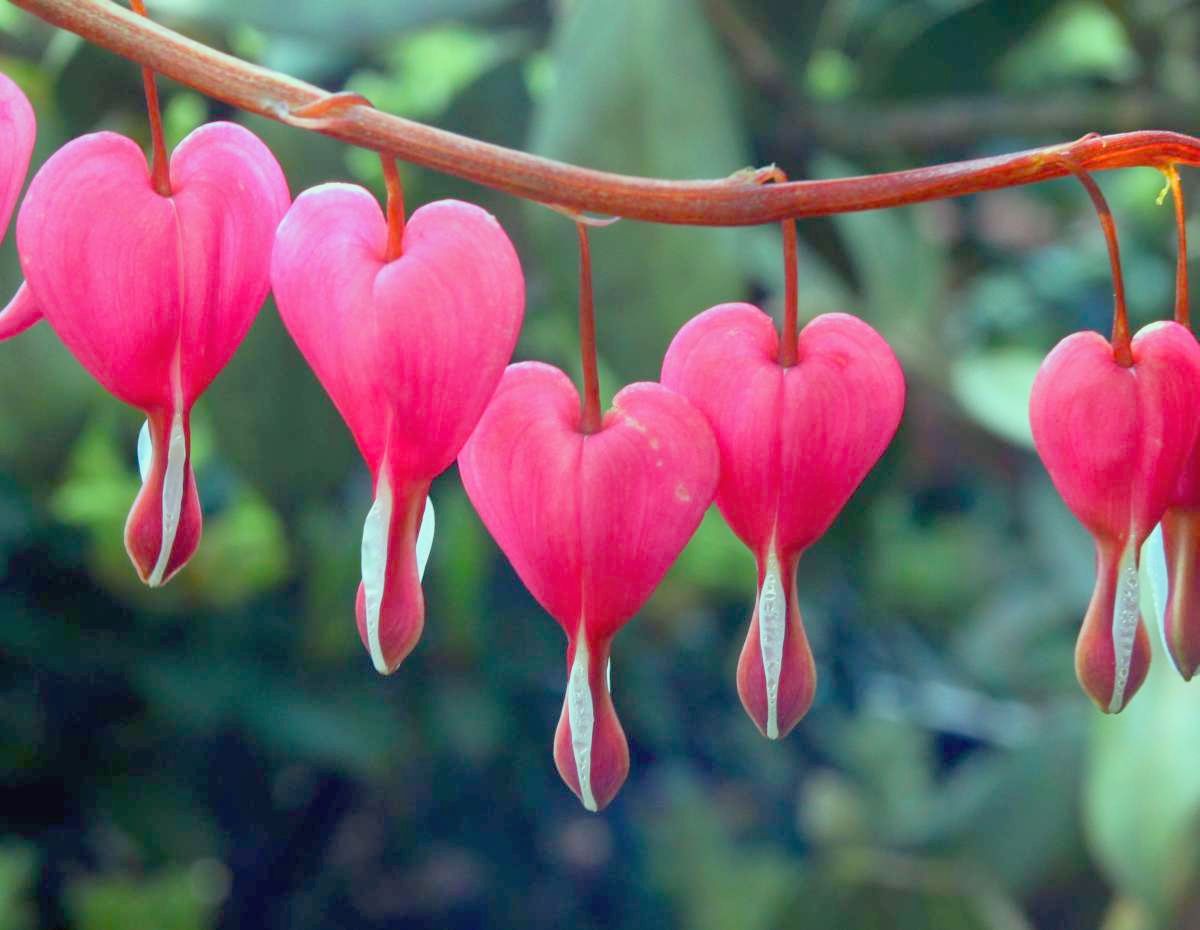
The bleeding heart plant (Lamprocapnos spectabilis) gets its common name from its puffy, heart-shaped pink flowers that dangle from long, arching stems. Beneath the heart shape is a protruding white petal that looks like a drop—hence the “bleeding” in bleeding heart.

The bleeding heart flower’s meaning is said to be about unrequited or rejected love, as well as love and romance in general. Bleeding hearts are shade-loving woodland plants that bloom in the cool of spring. After flowering for several weeks, the plants often become ephemeral, disappearing for the rest of the summer if exposed to too much sun or heat. But the roots stay alive, and bleeding heart will come back every year—regrowing either in the fall or next spring.

Bleeding heart’s size ranges from around 1 to 3 feet high with a similar spread. The plant has a moderate growth rate, reaching its maximum size in around 60 days. Be mindful about where you plant it, as bleeding heart is toxic to people and pets.

Bleeding Heart Care

In a typical growing season, a bleeding heart plant will produce around 20 small flowers on its stems in the spring that stay in bloom for several weeks. Its foliage usually depreciates and enters dormancy in the midsummer heat. This sensitivity to heat makes establishing new plants more challenging in warmer zones than in colder areas.

In addition, the flowers are delicate and require protection from strong winds. The best place to plant a bleeding heart is in an area that has a windbreak as well as some sun protection.

Once established, it’s fairly easy to take care of a bleeding heart plant. It’s not overly prone to pests and diseases. And it has a bit of drought tolerance, though it still prefers moist soil for the healthiest growth. Plus, bleeding hearts will self-seed as long as the blooms remain on the plants. So bleeding hearts can live indefinitely in your garden, yet they don’t tend to spread uncontrollably.

Light

Bleeding heart does best in partial shade but also can handle full shade. Direct sun can cause the plant to go dormant early, cutting its blooming period short.

Soil

Bleeding heart prefers humus-rich, moist, well-draining soil with lots of organic matter. A slightly acidic to neutral soil pH is best. Prior to planting, it’s ideal to work a few inches of compost into the soil, especially if you don’t have organically rich soil.

Water

Bleeding heart likes a lightly moist soil. It doesn’t tolerate soggy or dry soils very well. Water throughout the growing season when the top inch of soil has dried out, even during summer dormancy to keep the roots hydrated. But make sure the soil doesn’t stay waterlogged, which can lead to root rot.

Temperature and Humidity

This plant’s ideal temperature is between 55-75 degrees Fahrenheit, and it has good tolerance for high humidity. As the summer heat ramps up, you’ll likely see the foliage yellowing. This is a perfectly normal sign of the plant going dormant to store its energy.

Fertilizer

Bleeding heart plants are not heavy feeders, so when to fertilize depends on the quality of your soil. If you have rich, organic soil amended every year, you likely won’t have to feed at all. If you have poor soil, you can apply an all-purpose, slow-release fertilizer in the spring. Also, as a woodland plant, bleeding heart does well with a top dressing of leaf mold.

Types of Bleeding Heart

There are several bleeding heart varieties with similar growing characteristics, including:

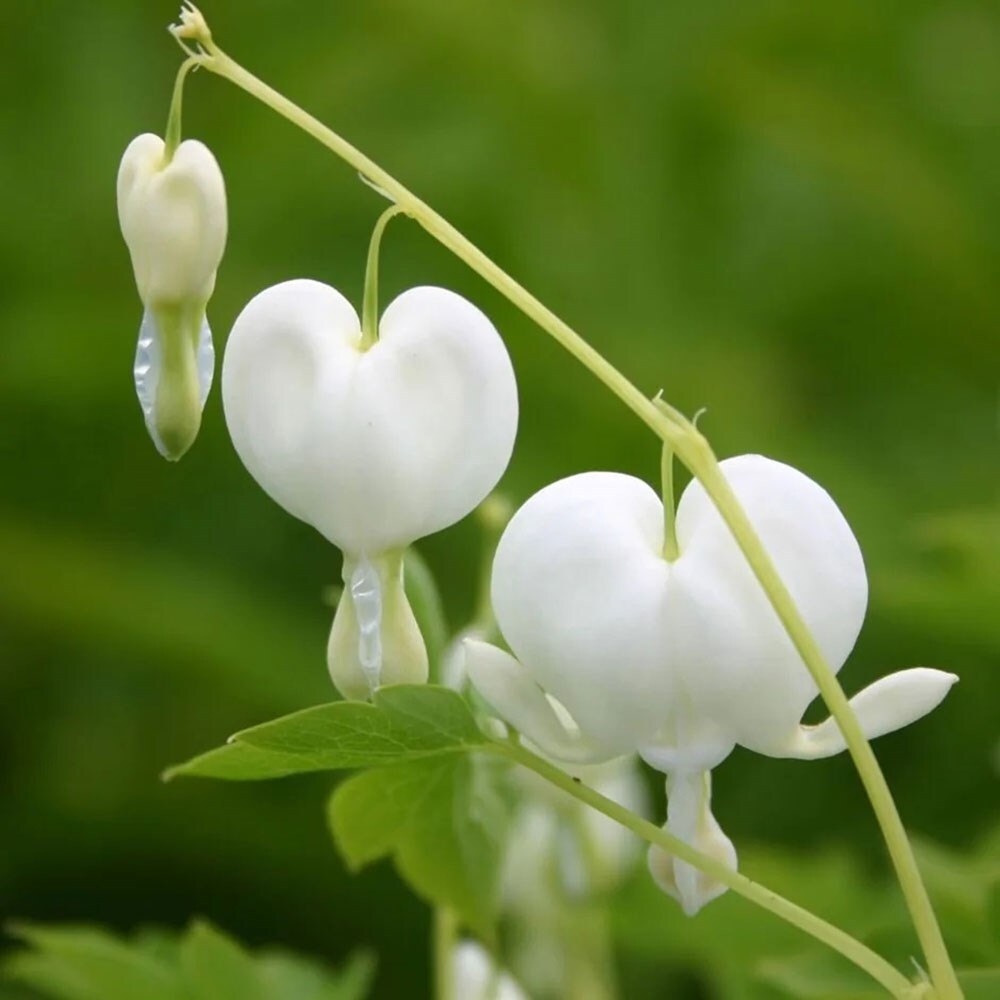
Lamprocapnos spectabilis ‘Alba’: Pure white flowers

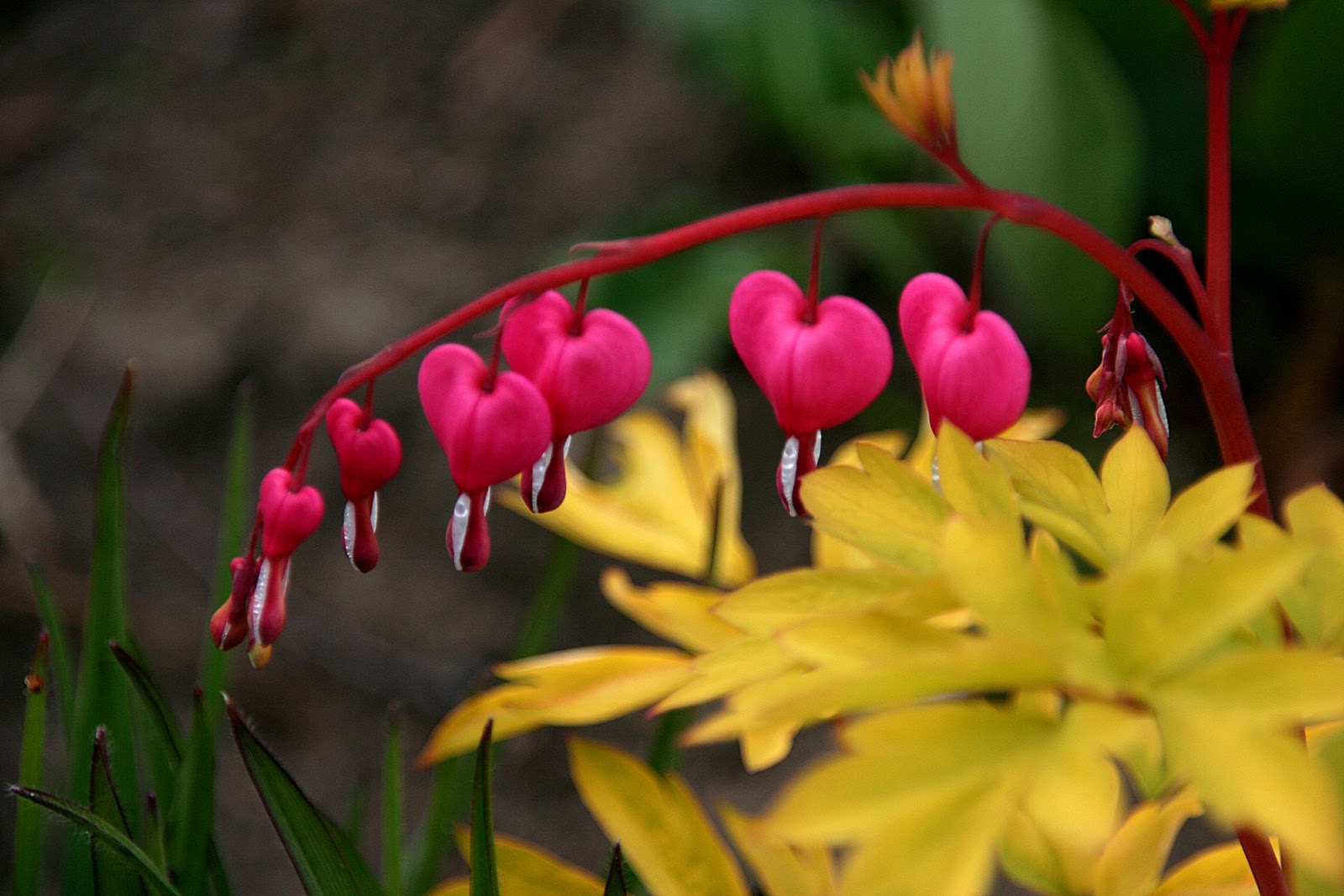
Lamprocapnos spectabilis ‘Gold Heart’: Pink flowers and yellow-gold foliage

Lamprocapnos spectabilis ‘Valentine’: Bright cherry-red blooms with white tips and burgundy stems

SOURCE: THE SPRUCE

Scarlet Tanager

Scarlet Tanager (Piranga olivacea) is one of the most strikingly beautiful birds in the North American forest. With their vibrant red plumage and jet-black wings, they stand out like beacons against the green foliage.

These migratory birds are a common sight in the eastern United States during the summer breeding season.

Breeding Male

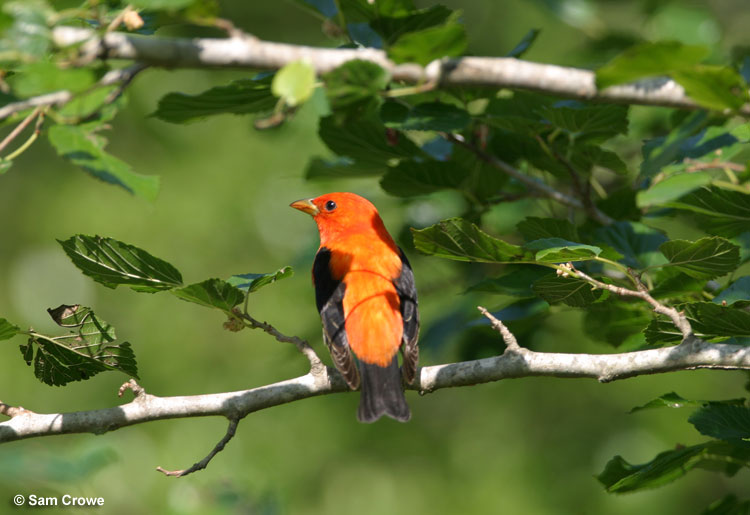
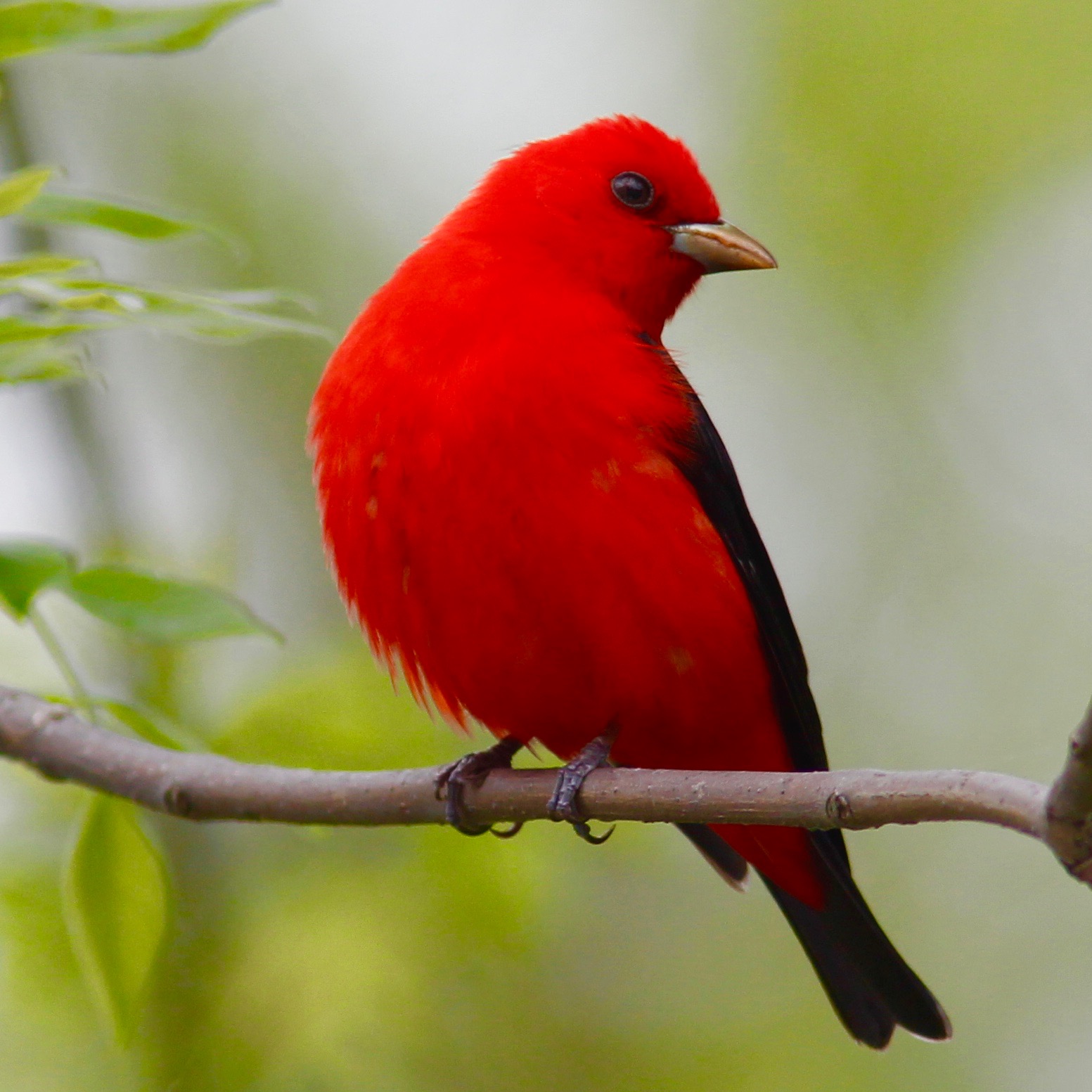
Male Scarlet Tanagers have intense crimson-red plumage with black tails and wings. During the non-breeding season, they will molt to more modest colors and resemble a female bird, although they will retain the black wings and tail. They have black eyes and gray bills.

Female

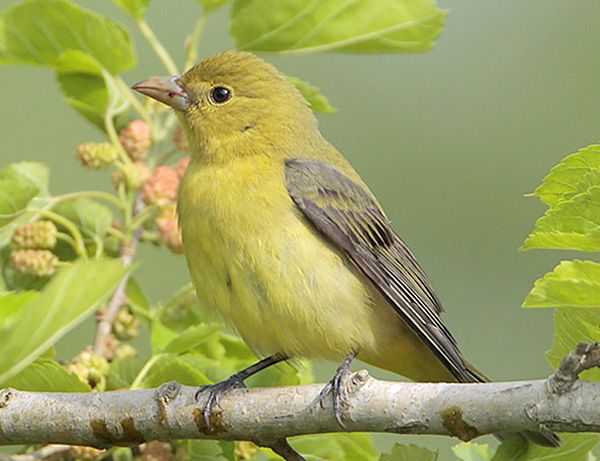
Female Scarlet Tanagers are completely different from their male counterparts and sport dull olive-yellow and olive-green colors. Their wings and tails are darker. Females also have black eyes and gray bills.

Juvenile

Immature and juvenile Scarlet Tanagers are similar to females and are also olive-green above and yellowish below. They leave the nest around 9-15 days after hatching and the parents take care of them for only 2 more weeks after that.

Overall, birds from either sex grow to be about the same size and measure 6.3-6.7 inches in length, weigh around 0.8-1.3 ounces, and have a wingspan of 9.8-11.4 inches.

Habitat

Scarlet Tanagers mostly inhabit mature deciduous or mixed forests but you can also meet them in young successional woodlands, parks, and suburban areas that have a lot of shade trees. For successful breeding, they require at least 10-12 hectares of unfragmented forest.

They build their nest 50 feet or more above the ground on a branch that is shaded by leaves or branches and is away from the trunk. They prefer deciduous trees, especially oak. The nest itself is a flimsy cup made of small twigs, plant stalks, grasses, and other fine plant material.

Diet

Scarlet Tanagers are omnivores, although they prefer to eat insects. In summer, their diet primarily consists of various insects and invertebrates, such as moths, bees, beetles, caterpillars, ants, butterflies, flies, plant lice, termites, grasshoppers, snails, earthworms, spiders, and dragonflies.

You might see them walking along high branches, and on rare occasions on the ground, or clinging to tree trunks and probing the bark, snatching up insects as they go.

They snap up insects from leaves and flowers while hovering or perching, swallowing smaller ones whole but killing larger ones by pressing them against the tree. The birds catch flying insects from mid-air.

The other, but a smaller part of their diet consists of plant matter, specifically fruit, berries, and buds. Some of their preferred food items from this category are mulberries, sumac, huckleberries, blackberries, raspberries, and others. They resort to eating berries and other plant matter when insect populations are low.

Behavior

Scarlet Tanagers are social, but also territorial when it comes to their territories and nests during the breeding season. Males sing to defend their territories, including nests and foraging areas, which can sometimes end in confrontations and chasing.

They are monogamous birds that take care of their younglings, although they switch partners every season, and their parental care lasts for only two weeks after their offspring leave the nest. Males feed their females during nesting season.

Scarlet Tanagers are a prey item to many predators, both aerial and terrestrial. They respond differently to different threats. Tanagers swoop, mob, chase, and call at most predators, but in the case of crows and Merlins, they become quiet and alert, trying to remain unseen.

Range (and seasonal changes)

Scarlet Tanagers range in the eastern part of North America and northern and western South America. They can be seen in eastern Central America during migration.

These birds are not year-round residents and migrate based on the season. They breed in the eastern part of North America, from the southernmost reaches of Canada to northern Georgia, Alabama, Mississippi, western Carolinas, and Arkansas as far as the deciduous forests go. They migrate mostly at night across the Gulf of Mexico to South America.

Wing shape

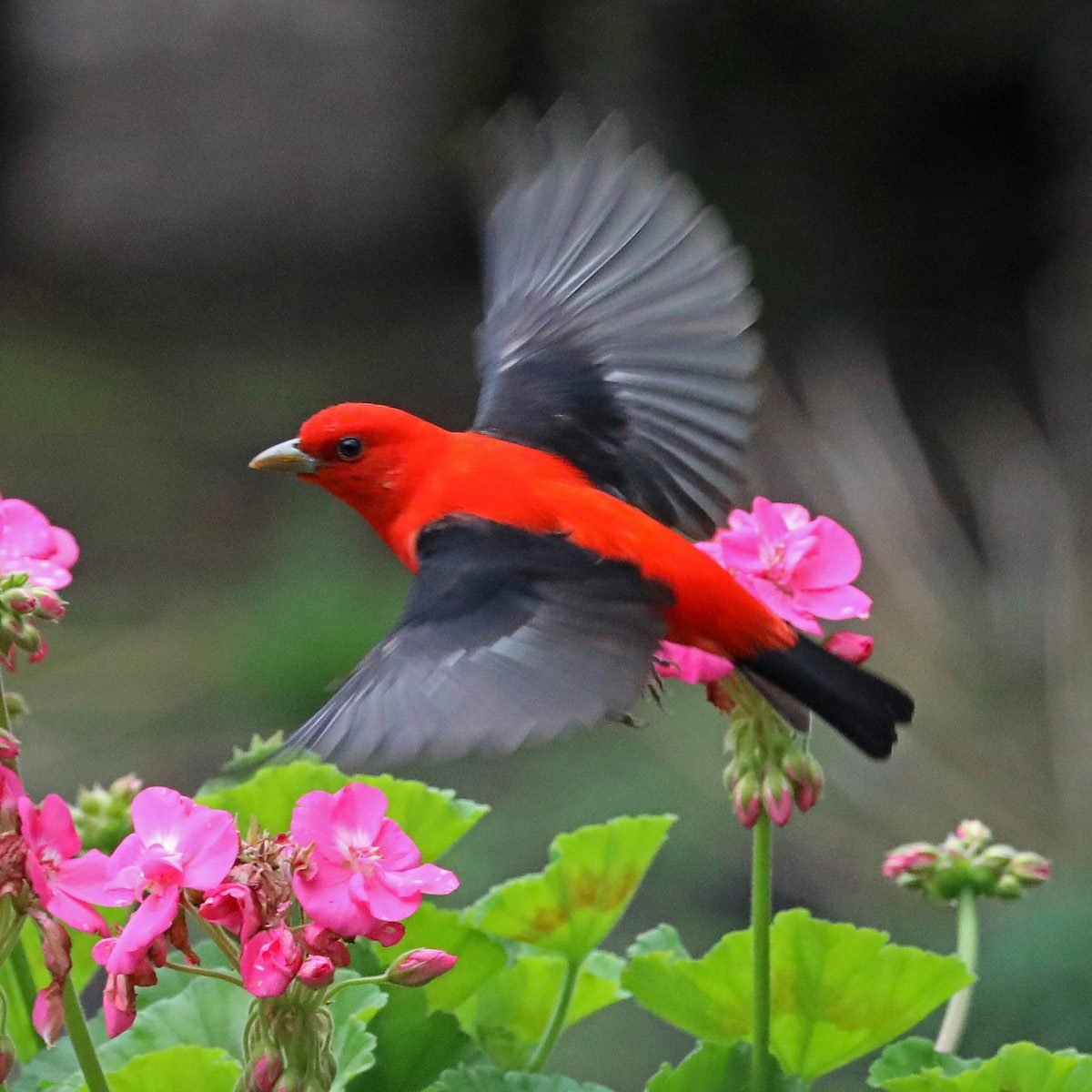
Scarlet Tanagers are quite stocky and have short and broad tails, and short but strong wings proportionate to their body. They fly straight with rapid wingbeats to catch insects from the air or hover near branches, trunks, and leaf clusters to snatch up insects.

Fun Facts

When Scarlet Tanagers catch a bee, wasp, or hornet, they scrape it against the tree to remove their stinger.

Scarlet Tanagers face many threats caused by exposure, lack of food, predation, forest fragmentation, and parasitism. For example, Cowbirds lay eggs in their nests if the tanagers don’t notice, and the tanagers can’t tell the difference and raise the Cowbird’s offspring along with their own.

Many cultures and beliefs hold Scarlet Tanagers and tanagers overall in high regard. They’re believed to be sacred birds, a symbol of good luck, hope, and new beginnings.

The oldest known Scarlet Tanager lived to be at least 11 years and 11 months old. However, in the wild, their life expectancy is usually lower.

Vocalization

Scarlet Tanager’s song is a beautiful series of 4-5 chirruping phrases that have a warbling quality to them. Males sing from a higher perch to defend their territory and whereas females sing as well, then their song is softer and has fewer syllables.

Scarlet Tanagers have many different calls for different purposes. The most common and distinctive one is a higher-pitched chick followed by a lower burr sound. They screech when intruders are near and give more indistinctive chips and twitters when nesting, feeding, and communicating.

Source: Birdzilla

Forget-Me-Not

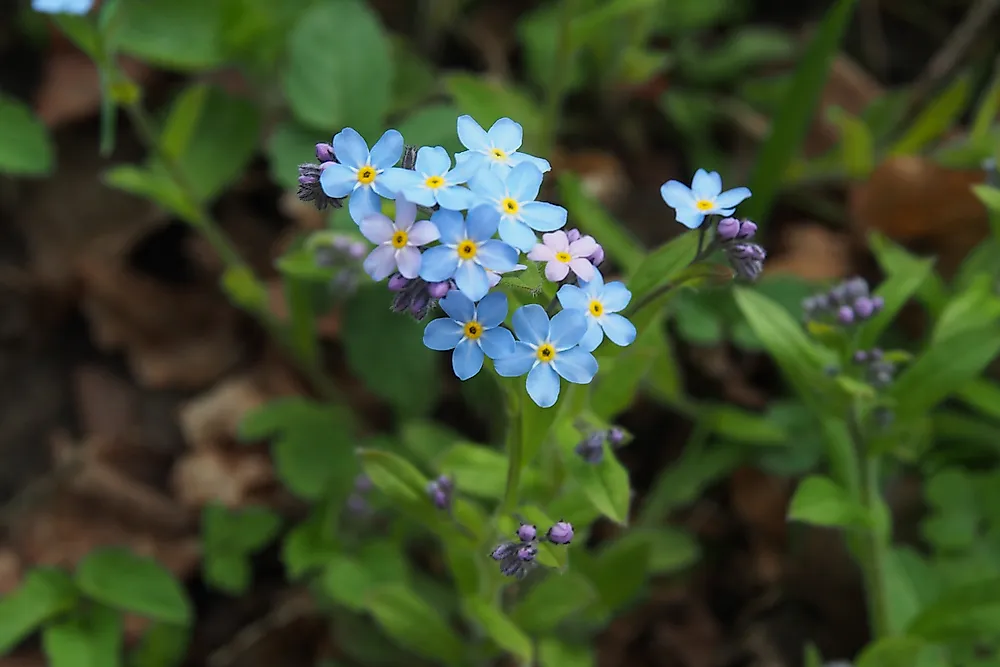
The official state flower of Alaska is the wild native alpine forget-me-not. It was adopted in 1917 and belongs to the species Myosotis alpestris that is part of a few plant families with true blue flowers. The flower grows throughout the state of Alaska, especially in rocky regions of the mountains. It is unclear why the pioneers of the state chose the forget-me-not as the state flower, but given its distribution in the state, it was a natural fit. The poem “Forget me not” by Esther Birdsall Darling states that the flower is one thing that is cherished in the state, and by choosing it, the people of Alaska are ensuring that the state is forever remembered.

Characteristics Of the Flower

The forget-me-not is quickly identified because of its sky blue color, and the five blue petals appear vividly against the green grass. The stem is between 6 to 12 inches long and contains several flowers. The flower is about half an inch wide with a yellow center. Fine hair-like fibers cover both the flower and the stem.

Symbolic Meaning of The Forget-me-Not

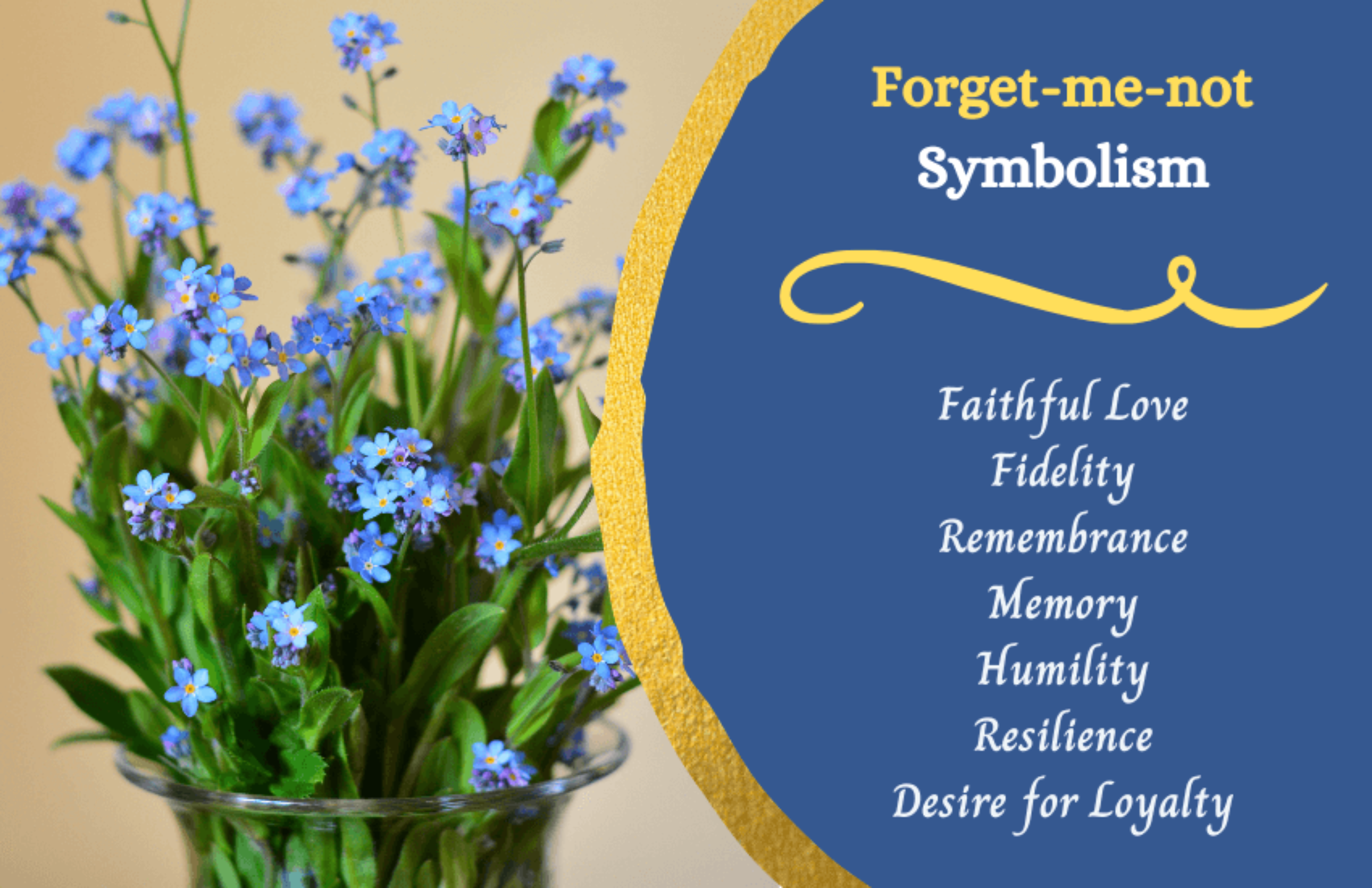
The forget-me-not flower is a plant that is spoken of in Alaska when people are talking about faithfulness. In the past, women would wear the flowers as a sign of devotion to their lovers and that they are always thinking of their husbands when they are not around. Others use the flower as a symbol of remembrance of a loved one in the event of death although this tradition has faded over time. The abundance of the forget-me-not in Alaska is an experience that one will not easily forget and therefore represents the wild nature and beauty of the state. A legend in Germany states that a lord and his lady were walking along a river bank. The lord was about to give the flowers to the lady when he fell into the river, he tossed the flowers to his lady and shouted “Forget me not!” in German. He was dragged by the river never to be seen again, and the flowers were the only thing that reminded the woman of the lord.

Care And Cultivation

The alpine forget-me-not grows in wet areas because they thrive in damp soil. They are found in rocky environments, wooded areas and under bushes. They reach maturity in late spring and early summer, but bloom from spring to fall.

SOURCE: WORLDATLAS.COM

Alaska Chilkat Bald Eagle Preserve

Want to see a hundred bald eagles in a single glance? Spy a couple dozen roosting in a lone tree? Listen to the hair-raising chorus of their weird, trilling calls? Visit the Alaska Chilkat Bald Eagle Preserve—site of the largest gathering of bald eagles in the world. Each October and November, between 3,000 and 4,000 bald eagles descend upon this 48,000-acre preserve centered on river bottomlands a few miles north of Haines to feast on late runs of salmon.

When these eagles converge, photographers travel from all over the world to capture images of the iconic birds jousting over chum and coho spawners. They perch in trees, land on gravel bars, and wing across a stunning Southeast Alaska vista. Even without the birds, the preserve anchors a pristine riverine wilderness traversed by a paved road minutes from a friendly small town with full services. The Chilkat River Valley forms a natural travel corridor between the interior and the coast, attracting moose, beavers, coyotes, wolves, brown and black bears, mountain goats on the ridges, forest birds, plus long distant migrants like trumpeter swans and Arctic terns.

Where Will You Find the Most Bald Eagles?

A vast sand-and-gravel “flat” where the Tsirku and Kleheni rivers merge with the Chilkat serves as the main viewing area, located along the Haines Highway between Mile 18 and 24. With thousands of fish finning and dying among a myriad of shallow channels that remain open well into winter, the zone draws thousands of eagles seeking a late-season snack. It is considered critical habitat for the species in the region, and the preserve was formed in 1982 with a mission to help protect this space. Eagles can be found throughout the preserve, however, with an estimated 300 to 400 of the birds in the area throughout the year.

Tips For Visiting the Park:

Best viewing will be from four main pullouts between Mile 18 and Mile 24, but eagles might be anywhere along the river.

The Council Grounds pullout at Mile 19 features pit toilets, informational displays, a boardwalk, viewing scopes and a two-mile river-side trail. Go there first.

Please pull completely off the road to view or photograph bald eagles! Keep watch for other eagle enthusiasts so awestruck that they simply brake in middle of the highway and leap out with doors ajar. (Yes, this actually happens—a headache for park rangers.)

Stay within the designated areas to avoid stressing individual birds. They need space to roost and feed.

Much of the preserve is not easily accessible, but during summer, rafting and jet boat tours are a great way reach remote spots along the river.

For more information, purchase the book Where Eagles Gather, the Story of the Alaska Chilkat Bald Eagle Preserve, Haines, Alaska by Joe Ordonez, which features incredible photographs of the area.

Attend the Alaska Bald Eagle Festival held annually in November by the American Bald Eagle Foundation.

SOURCE: ALASKA.ORG

African Violets

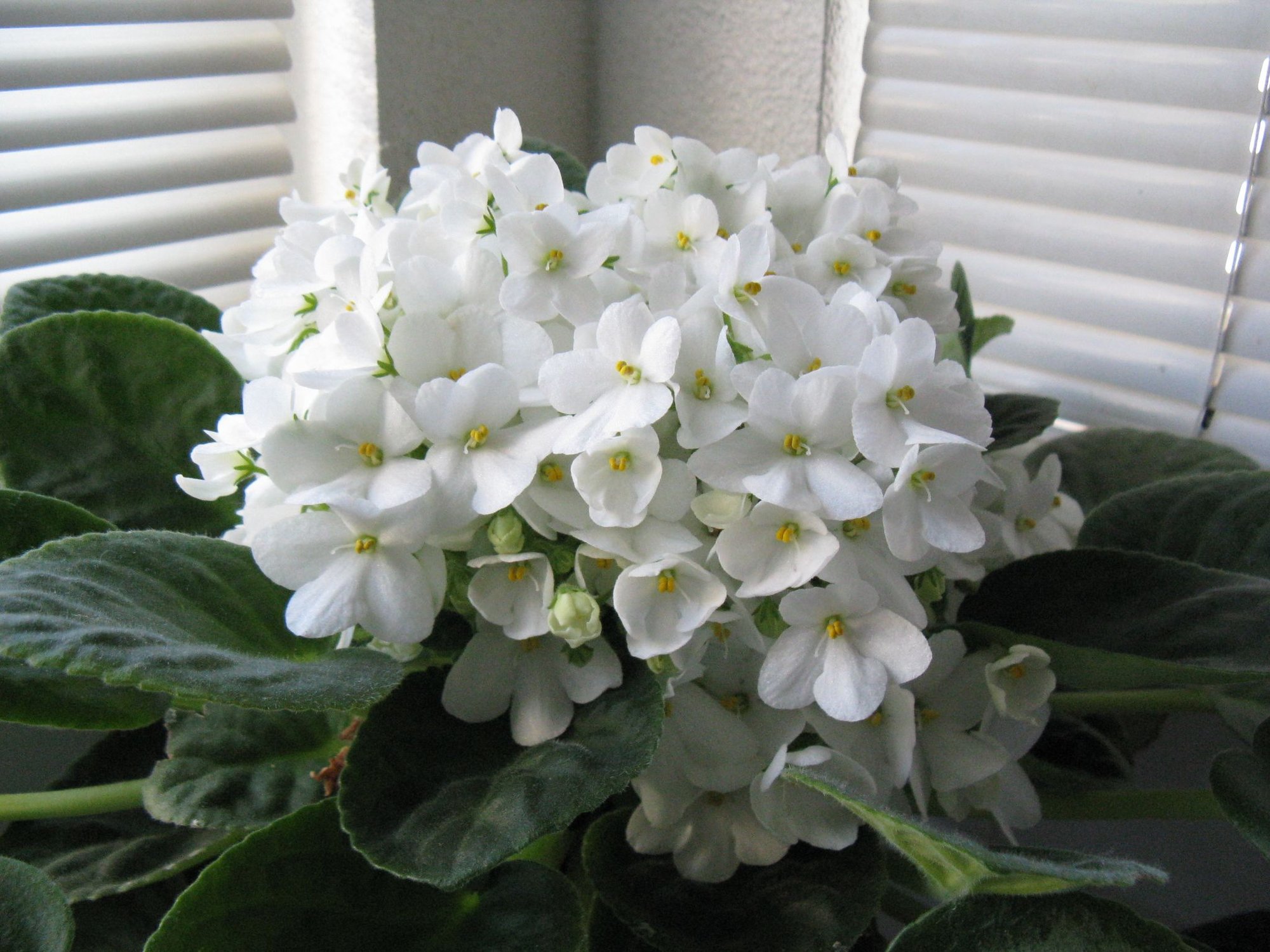
African violets are one of the world’s most popular houseplants and for good reason. These compact, low-growing plants flower several times a year, and they are available in a multitude of leaf forms and colors. African violets are distinguished by a rosette of thick, fuzzy leaves and violet-like flowers that bloom just above the evergreen foliage.

Don’t be put off by their reputation for difficulty: providing you follow a few simple rules, African violets should thrive indoors. With a little experience, it’s possible to keep these slow-growing plants in flower nearly all year round and grow them to the size of dinner plates.

African Violet Care

African violets will thrive in bright, warm and humid conditions. Keep water from touching their leaves or it will leave brown spots. Remove dead flowers and leaves as soon as you see them to encourage a healthier plant. Regularly check the soil for excess moisture. This will encourage rot. Growing these houseplants is really a matter of balance; you have to make sure that the different factors that go into their cultivation all are weighted against each other. They should be kept in moist enough conditions that they don’t dry out, yet still exposed to a fresh breeze to avoid letting them get too stuffy, and exposed to sunlight without damaging their leaf tips. Don’t be discouraged if your African violets suffer some damage—it’s all part of the process.

Light

African violets do well in bright but not direct sunlight. They are commonly grown under fluorescent lights placed 12 to 15 inches above the leaves. If the leaves start getting light green, your plant is getting too much light, while thin and dark green leaves or a leggy plant indicate too little light.

Soil

A well-drained potting mix is essential for African violets. Poor drainage can cause root rot, in which the plant becomes waterlogged and its leaves begin to fall, so make sure that the plant is never allowed to be exposed to standing water for an extended period of time.

Water

Keep soil moist with warm water and strive for high humidity. Do not allow water to contact the leaves of the plant to prevent damage, other than light misting. Water from below, or push the water spout into the soil when watering. Don’t allow the plant to sit in water.

Temperature and Humidity

African violets like warm and humid conditions and thrive at 70 degrees Fahrenheit. Do not allow the temperature to fall below about 60 degrees Fahrenheit. Do your best to keep the plants away from any drafts in the home.

Fertilizer

Feed with an African violet fertilizer every other week during the spring and summer. For the amount to use, follow product label instructions.

Types of African Violets

The original plants, the S. ionantha, were introduced in Germany in 1893. Shortly after, the S. confusa were introduced when a grower at the nursery noticed subtle differences among some of the plants. Since then, thousands of varieties have been produced. Today, African violets are available in single and double flowers, frilled and different shaped flowers. Their flowers come in all different colors, and the plants have widely varied leaf shapes. They come in both single crown and also multi-crown, trailing plants. These are just a few examples.

‘Persian Prince’ is a miniature-sized plant with scalloped medium green leaves and semidouble dark purple flowers.

‘Lyon’s Lavender Magic’ is standard size with medium green foliage, and white with light purple colored star-shaped flowers that can be single or semi-double and frilled.

‘Hawaiian Pearl’ is a standard size plant with dark green foliage and has a semi-double star shape flower that is ivory with a dark lavender/rose band.

‘Summer Twilight’ has variegated leaves with frilled lilac-purple flowers that have a white edged border.

‘Lonestar Snowstorm’ has variegated leaves with single white frilled flowers.

‘Little Maya’ has dark green foliage with deep crimson red flowers.

SOURCE: THE SPRUCE

Mandarin Dragonets

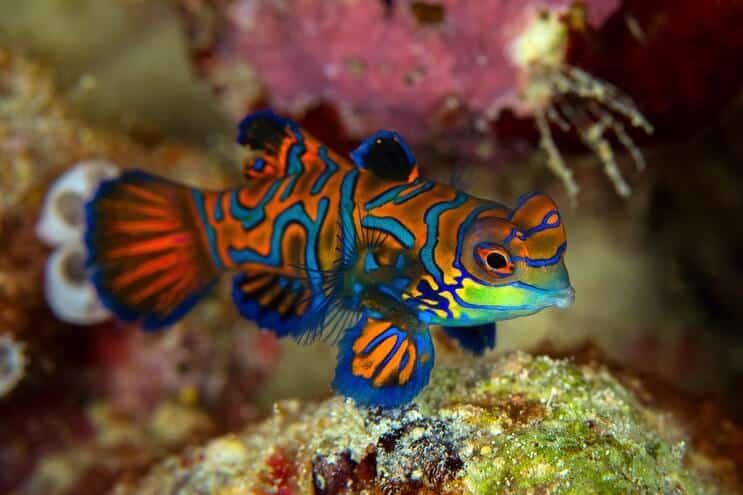
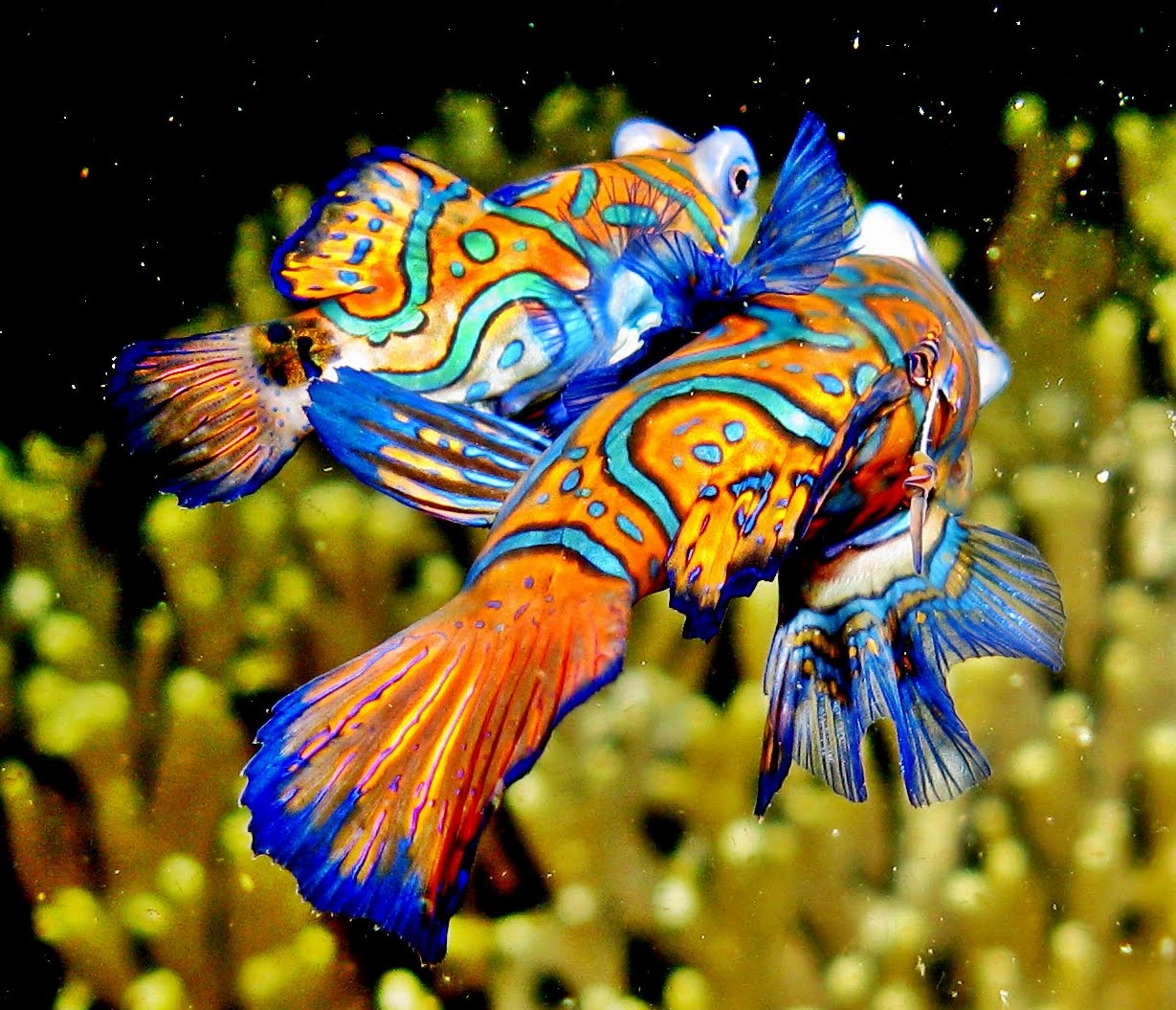
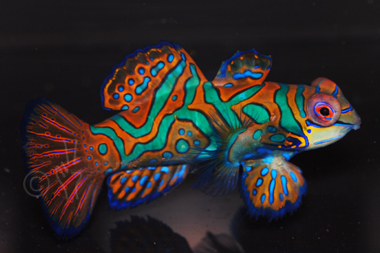
The mandarin fish is the most beautiful member of the genus Synchiropus. It is also one of the most breathtaking marine fish ever found in our oceans. It looks more like an intricate painting than it does a fish, with its entire body made up of wavy alternating lines of orange, blue and green.

While commonly known as the mandarin goby and the mandarin fish, its true name is the mandarin dragonet. It is similar to the scooter blenny (Synchiropus ocellatus) in this respect.

Mandarin Dragonets Have Particular Needs

Due to its natural beauty, this fish is heavily collected from throughout the Indo-Pacific. I’ve visited wholesalers with tanks upon tanks filled with mandarin fish, with the vast majority sure to perish within a month.

Sadly, these fishes do very poorly in captivity. They have special dietary needs that are not met by the vast majority of hobbyists. Most pick one up and simply assume they’ll get by like the rest of their fish. This could not be further from the truth. Most hobbyists cannot provide the mandarin with the proper food, and they end up starving to death.

Tank Size

Mandarin dragonets reach a maximum of 4 inches in length. They require a tank no smaller than a 30-gallon if they are accepting prepared foods.

If they are not eating anything you offer them, then you need a large established aquarium with a lot of live rock at a 75-gallon minimum per mandarin.

Temperament

Mandarins are peaceful fish that are well-suited to community tanks. They are only aggressive towards conspecifics, i.e., other mandarins and dragonets like the psychedelic dragonet and the scooter dragonet.

Diet

Getting a mandarin to take prepared foods is one of the most challenging tasks for a hobbyist. In the wild, they are carnivores that constantly scan live rock for small crustaceans such as copepods and munnid isopods. This is all they eat in the wild, and this is where the problem lies. They just don’t eat prepared foods.

Thankfully, there are solutions.

Use a Large, Well-Established Tank

The easiest solution is to house them in a well-established 75-gallon or larger aquarium that is full of copepods. This, then, requires no feeding as the mandarin will simply graze on the existing copepod populations. Smaller tanks cannot have large enough populations to feed a mandarin long-term. They’ll be wiped out in a matter of weeks.

Train Your Mandarin to Accept Prepared Foods

For this, you need frozen and live brine shrimp, preferably adults.

First, get them feeding on live brine shrimp, which is simple enough to do.

Then, mix in frozen artemia with the live ones. Once they start feeding on frozen artemia, slowly scale back on the amount of live brine shrimp you feed.

Eventually, you’ll be able to feed them exclusively on frozen brine shrimp.

But your work isn’t over yet. You need to get them on something nutritious like mysis shrimp, krill and a good pellet.

Start mixing in mysis with the frozen brine.

Do the same for all the other foods.

Breeding

Mandarin dragonets have been bred in captivity. They are pelagic spawners, which means the male and female both rise up into the water column to release eggs and sperm. Raising their larvae is a tough job that requires live rotifers, live brine shrimp and phytoplankton cultures.

Identifying Males and Females

If you want a pair of mandarins, buy a male and a female and put them together. The very first dorsal spine in males is very elongated and can be seen clearly. Females lack an elongated spine.

SOURCE: PETHELPFUL

Blue Morpho Butterfly

A Morpho Butterfly (Morpho menelaus), is one of over 80 described species of butterflies that reside in the rainforests. Morpho butterflies are neotropical butterflies found mostly in Central America as well as Mexico and South America including Brazil, Costa Rica and Venezuela. Morpho Butterflies dwell in the forest canopy layer and rarely come near the under story and forest floor layers.

However, they have sometimes been observed flying near the ground in clearings.

Morpho Butterfly Characteristics

Morpho butterflies range in wingspan from the 3 inches to the larger 8 inches of the Sunset Morpho (M. hecuba).

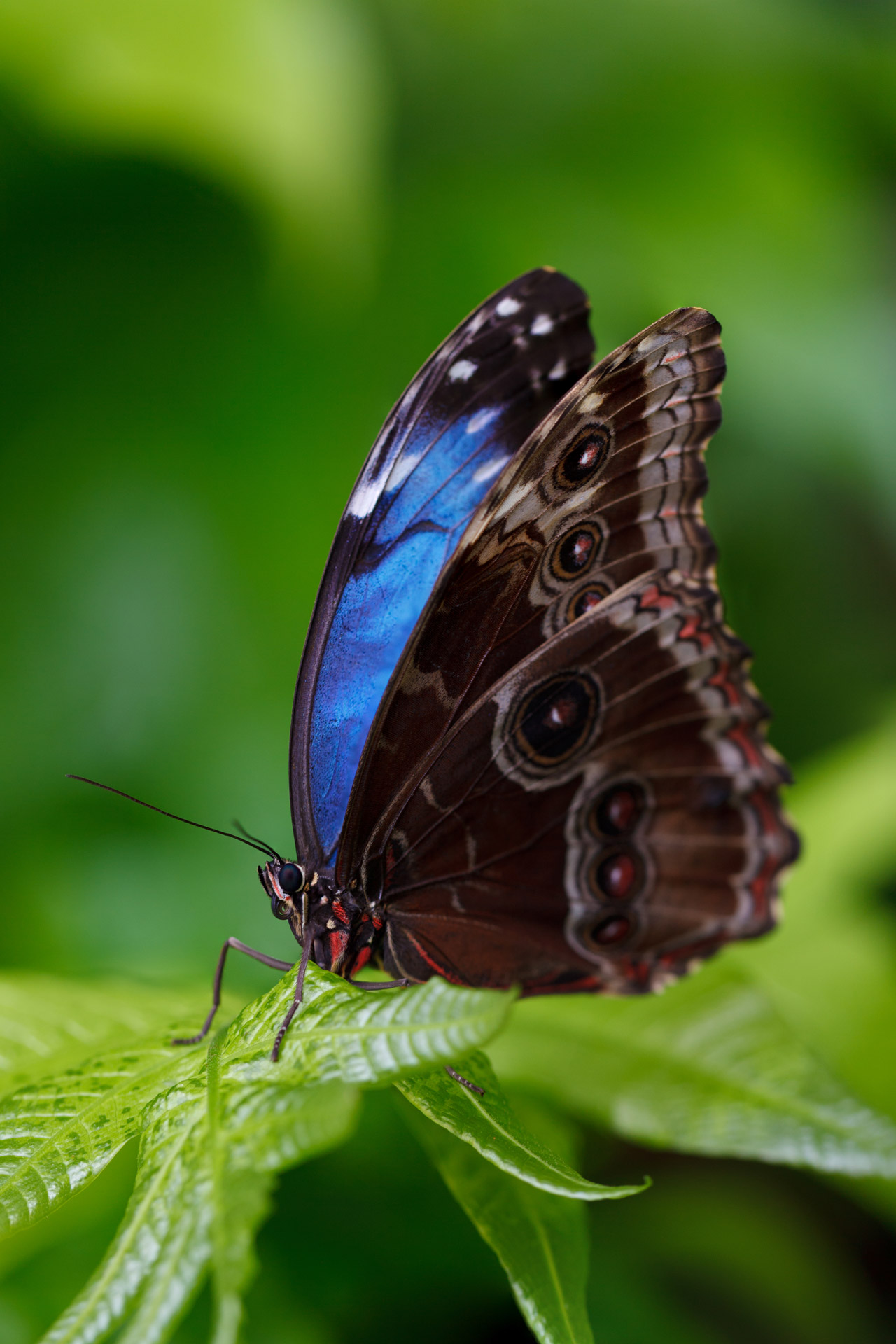
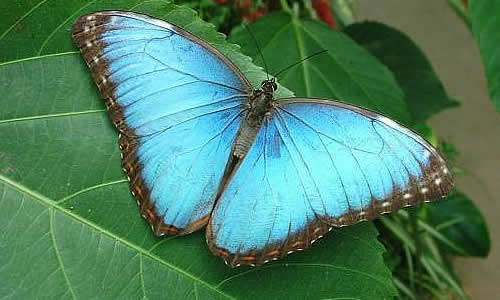
Many Morpho butterflies are colored in metallic, shimmering shades of blue and green on the upper wing surface. The underside of the wings resembles foliage, with mottled brown, greys, blacks and reds. The female Morpho butterfly is less vivid than the male. The males bright coloring is designed to intimidate any rivals that might fly into his territory. The male’s wings reflect the bright, iridescent color over an extremely wide angle, to maximize its visibility in the rainforest.

These colors are not a result of pigmentation but rather are an example of iridescence (an optical phenomenon characterized as the property of surfaces in which hue changes according to the angle from which the surface is viewed). The colors produced vary with viewing angle, however they are actually surprisingly uniform, perhaps due to the tetrahedral (diamond-like) structural arrangement of the scales. This structure may be called a ‘photonic crystal’.

The ventral side is decorated with ‘ocelli’ or eyespots. Not all Morpho butterflies have iridescent coloration, however, they all have ocelli. The eyes of Morpho butterflies are thought to be highly sensitive to UV light and therefore the males are able to see each other from great distances.

There also exists a number of white Morpho species. An unusual species that is white in coloration, but which exhibits a stunning purple iridescence when viewed at certain angles. The metallic blue Morpho species (M. rhetenor) stands out as the most iridescence of all.

Morpho Butterfly Habitat

Morpho butterflies are forest dwellers but will venture into sunny clearings in order to warm themselves. Males are territorial and will chase any would-be rivals.

Morpho Butterfly Diet

The Morpho butterfly drinks its food rather than eats it. It uses its proboscis (long, protruding mouth part) to drink sap and fruit juices. Morpho butterflies taste with sensors on their legs and taste-smell the air with their antennae. Morpho butterflies feed on the juices of fermenting fruit with which they may also be lured. The inebriated butterflies wobble in flight and are easy to catch. Morphos will also feed on the bodily fluids of dead animals and on fungi. Therefore, Morpho butterflies may be important in dispersing fungal spores.

Morpho Butterfly Behavior

Morpho butterflies are diurnally active (active during the day) and have the capability of ‘crypis’, meaning when they sleep at night, they fold their wings so that only the dark underside is seen, making them less visible to predators. It also has a ‘flashing’ defense mechanism, meaning, due to the slow beating pace of their wings, the iridescent blue is flashed and then disappears as the wings are raised only to return in another place in a short while. This causes predators to lose track of the Morpho butterfly when it is flying as they only glimpse blue flashes as the brown underside makes them invisible in the thick foliage of the jungle.

Morpho Butterfly Reproduction

Like all butterflies, Morpho butterflies pass through four distinct phases of metamorphosis.

First, the pale green eggs that resemble dewdrops hatch into larvae, better known as caterpillars. The caterpillar is red-brown with bright patches of lime-green on its back and has stinging hairs. The hairy brown caterpillars feed on a variety of leguminous plants (a simple dry fruit which develops from a simple carpel and usually opens along a seam on two sides). In some species the caterpillars are cannibalistic. If disturbed, some Morpho caterpillars will secrete a fluid smelling of rancid butter. The tufts of hair decorating the caterpillars have been recorded to irritate human skin.

After a while, the caterpillars wrap themselves in a protective enclosure, called a chrysalis. At this stage the insects are called pupae. After some time, pupation ends and the mature butterfly emerges from its chrysalis.

The entire life cycle of the Morpho butterfly, from egg to death, is approximately 137 days. The adults live for about a month. They have few predators as the adults are poisonous due to the feeding caterpillar sequestering poisonous compounds (the process of animals accumulating poisonous compounds from the food they are eating in order to become poisonous themselves for their predators). But like all butterflies, adult morphos were plant-chomping caterpillars as youngsters. Blue morpho caterpillars are especially fond of leaves in the pea family.

SOURCE: ANIMAL CORNER

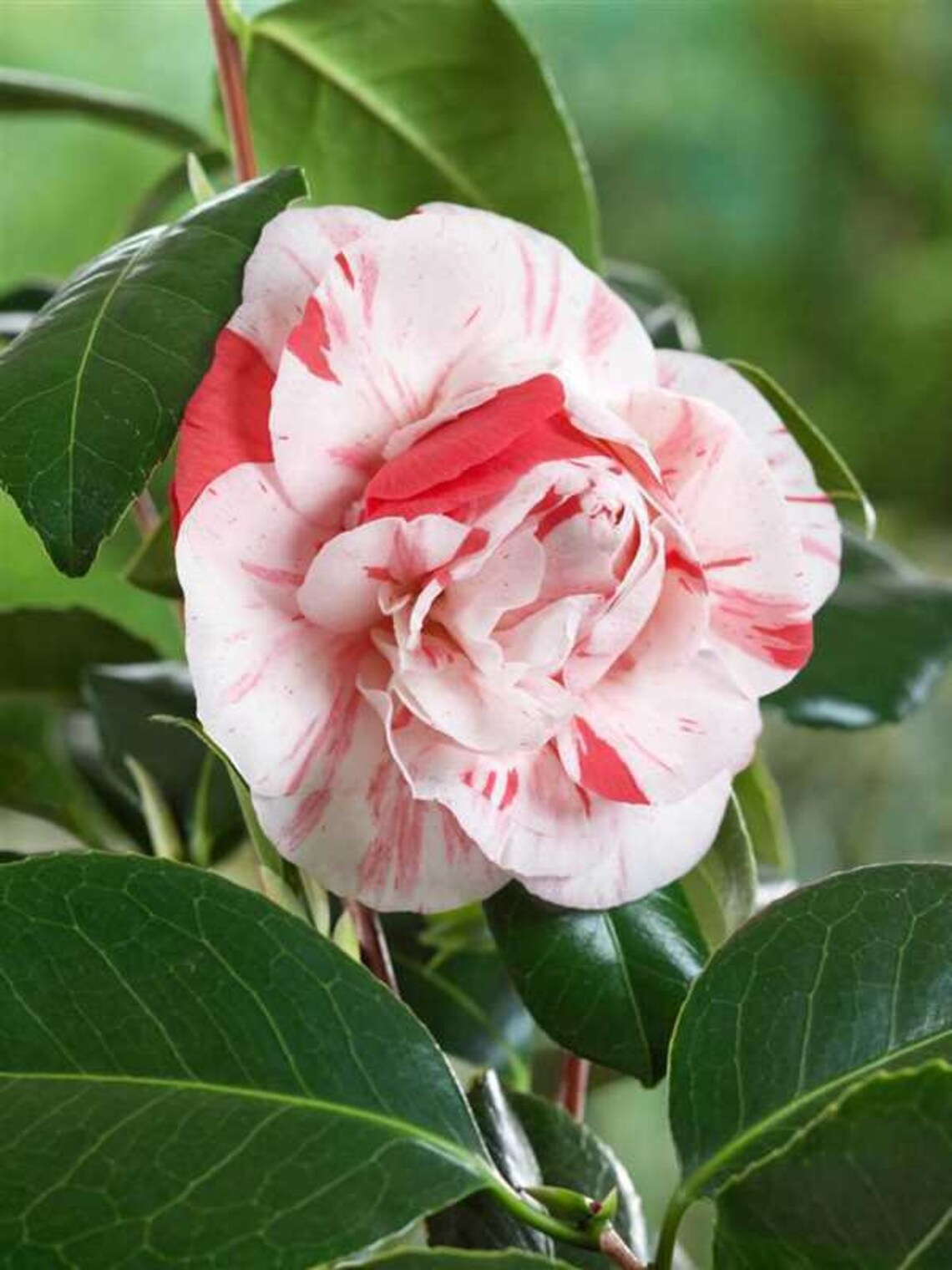
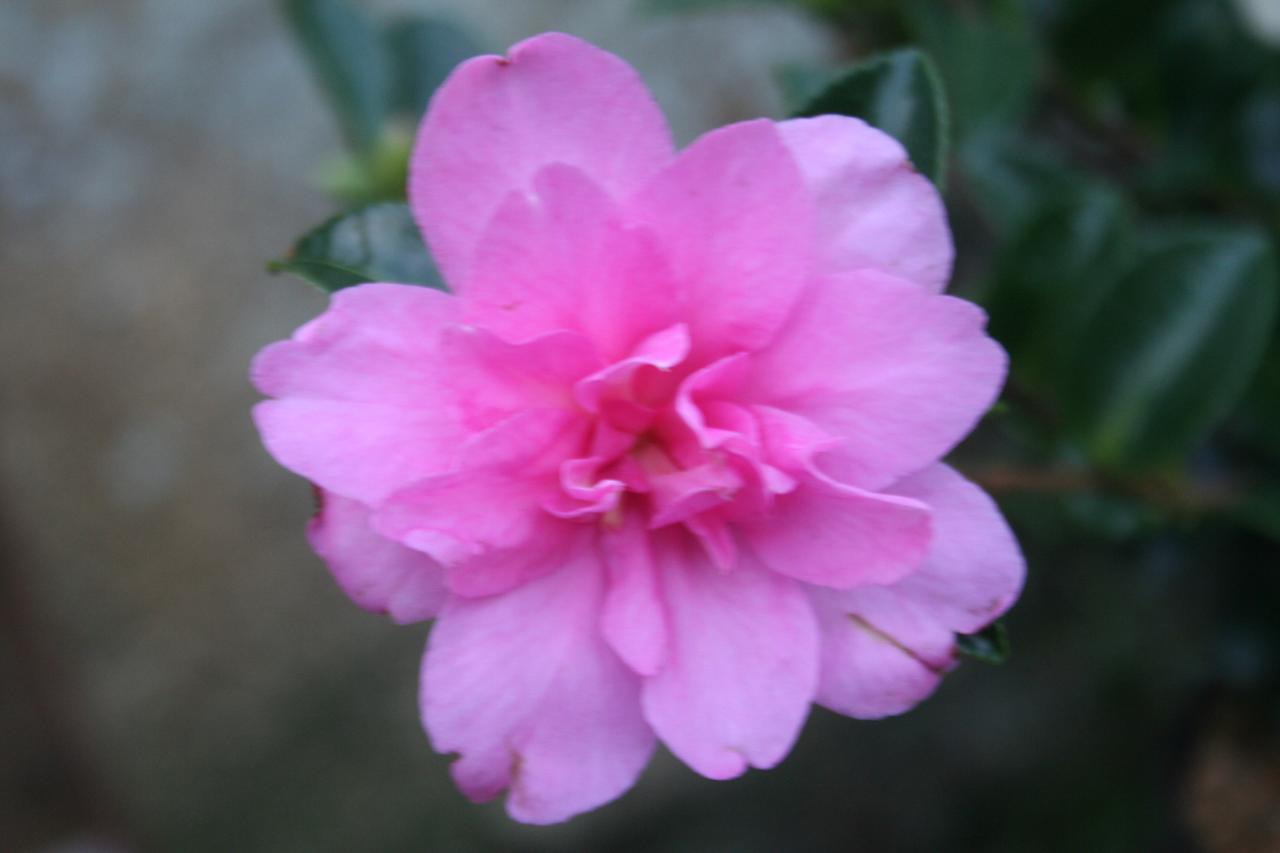
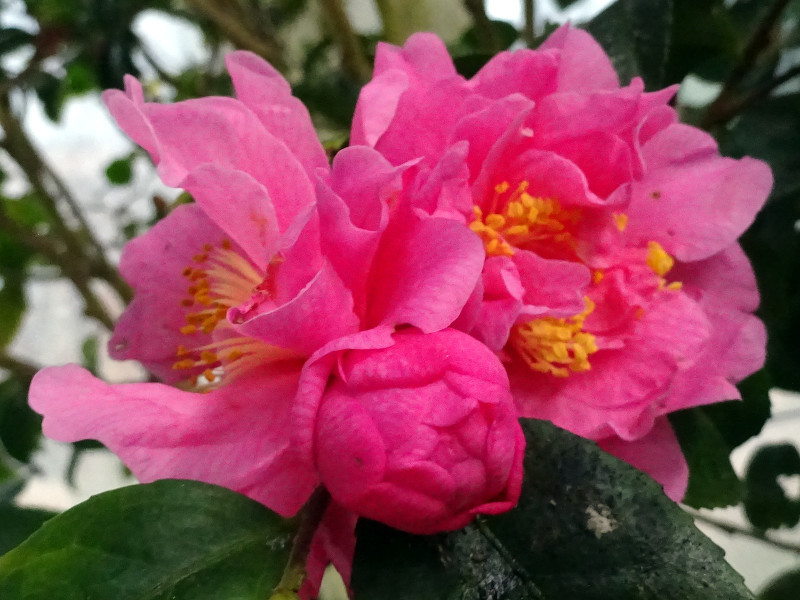
Camellia—Alabama’s State Flower

The camellia is a flowering evergreen shrub with dark, glossy leaves and large, lush blossoms that appear and bloom for several weeks during the fall through early spring period in warmer regions. Where it is reliably hardy (zones 7 to 9), the camellia is a very popular plant that is used in much the same way that northern gardeners use peonies. Similarities between peonies and camellias include lushly petaled blooms and a tendency to outlive their owners.

Camellias can be planted from container-grown nursery plants at almost any time of year except during the hottest summer months. They are slow-growing but exceptionally long-lived plants.

Camellia Care

Camellias are best planted in rich, moist soil in a partial shade location. If planting multiple camellia shrubs, space them at least five feet apart. They do not like to compete for water and nutrients with trees in close proximity. They should be planted at the same depth they were growing in their nursery container with the top of the crown slightly exposed.

Know the mature size of your camellia, and plan accordingly if planting close to a window or home foundation. You do not need to amend the soil at planting time; instead, rake compost or well-rotted manure into the top few inches of the soil.

In favorable conditions, camellia is an easy-to-care-for plant that requires pruning only to remove dead branches. However, some gardeners might find them susceptible to a variety of pest and insect problems, which are more serious if the plant is neglected or in poor health.

Light

Camellias thrive in partial shade or in locations that receive dappled sunlight for the entire day, such as the understory beneath tall airy trees. Camellia sasanqua cultivars can tolerate more sun than Camellia japonica cultivars.

Soil

Camellias require well-drained soil, and an ideal soil pH for camellias is within the 6.0 to 6.5 range—slightly acidic.

If your garden soil consists of dense clay and doesn’t drain well, grow your camellia in a container. Smaller cultivars are more suitable for container growth and require large, wide, heavy containers with adequate drainage holes and filled with rich, moisture-retentive potting soil.

Water

Camellias require consistently moist soil. Dry periods that occur during bud development result in fewer flowers with a lower petal count. Drought-stressed plants can also cause spider mite infestations. Twice-a-week watering for a total of one inch of water per week is a good watering schedule. Apply a three-inch layer of mulch to moderate soil temperatures, retain soil moisture, and stifle weeds.

Temperature and Humidity

Camellias are reliably hardy in USDA hardiness zones 7 to 9, although some, especially the hybrids, are known to be hardy in zone 6. Gardeners in colder climates can increase the chances of their camellias surviving the winter by carefully selecting a permanent planting site in the landscape. A northern-facing location has an advantage over a warmer south-facing location. South-facing locations can cause the plant to break dormancy too early, resulting in the loss of flowers to frost damage. A north-facing site combined with a building, hedge, or fence that acts as a windbreak gives cold-climate gardeners the best rate of success.

Fertilizer

Camellias are best fed with a nitrogen-rich slow-release fertilizer, such as 12-4-8 or 16-4-8 applied in three applications: early spring, late spring, and mid-summer. Avoid feeding after August because the new growth that fertilizer promotes can be damaged by cold temperatures.1

The acidity that camellias favor can be provided by a fertilizer designed explicitly for camellias or azaleas.

Types of Camellia

Although camellias are indigenous to Asia, the genus is named for Moravian Jesuit priest Brother Josef Kamel, a botanist, pharmacist, and missionary who classified plants in the Philippines.

The Camellia genus belongs to the Theaceae (tea) plantfamily and includes well over 100 species. But nearly all garden camellias, of which there are hundreds of different types, are cultivars developed from C. japonica (Japanese camellia) or C. sasanqua (sansaqua camellia). A third common species, C. sinensis, is normally grown for tea production, not as an ornamental plant. Additional species sometimes lend their genetics to hybrids.

Some popular garden varieties include:

‘April Dawn’: Reliably hardy in zone 6, this variety has double white flowers streaked with pink.

‘Elfin Rose’: This cultivar has pale pink double blooms that appear in October and November.

‘Fragrant Pink’: This variety has small pink flower clusters with a sweet fragrance that is especially obvious on warm winter days.

‘Francis Eugene Phillips‘: This popular cultivar has highly ornamental fringed foliage and ruffled pink flowers edged in white.

‘Yuletide’: This plant features red single blooms on a compact, four-foot-tall shrub.

SOURCE: THE SPRUCE