100 Interesting Facts: Part 1

A mix between a Chihuahua and a dachshund is called a “chiweenie.”

There are no seagulls in Hawaii.

Even though dragonflies have six legs, they cannot walk.

Gummy bears were originally called “dancing bears.”

Sea otters have the thickest fur of any mammal, at 1 million hairs per square inch.

The bird on the Twitter logo is named “Larry.” He was named after the basketball player Larry Bird, who played for the Boston Celtics.
The term “coccyx” (also known as your tailbone) is derived from the Greek word “cuckoo” (“kokkux”) because the curved shape of the tailbone resembles the bird’s beak.

A baby has around 30,000 taste buds. They are not just on the tongue but also on the sides, back, and roof of the mouth. Adults have about 10,000.

In one survey, three out of four people admitted to sharing an ice cream cone with their pet.

When humans take a breath, they replace only 15% of the air in their lungs with fresh air. When dolphins take a breath, they replace 90% of the air in their lungs with fresh air.

Feral pigs ate and completely destroyed $22,000 worth of cocaine that had been hidden in an Italian forest.

Pablo Picaso would often carry around a pistol loaded with blanks. He would fire it at people he found boring or anyone who insulted the painter, Paul Cézanne.

Monarch caterpillars breathe through holes in the sides of their bodies.

Male lobster’s bladders are in their heads, and when they fight, they squirt each other in the face with urine.

The word “oysterhood” means “reclusiveness” or “an overwhelming desire to stay at home.

Ancient pagan cultures, such as the Celts, believed that benevolent and helpful spirits lived in trees. Knocking on tree trunks roused a spirit for protection, which led to the saying “knock on wood.

Laughter synchronizes the brains of both speaker and listener so that they become emotionally attuned.

Isaac Newton believed he was potentially part of a line of great men to receive great and ancient wisdom. He even created a special name for himself “Jehovah Sanctus Unus,” or “to Jehovah, the Holy One.”

Hugging your cat has been shown to reduce stress and anxiety, especially for people who are dealing with illness, depression, PTSD, and other ailments.

A group of monkeys in Delhi, India reportedly attacked a laboratory assistant and escaped with several coronavirus blood samples. The monkeys were later spotted in a tree chewing one of the sample collection kits.

Bart Simpson’s name is an anagram of BRAT. His full name is Bartholomew Jojo Simpson.

An oak tree produces about 10 million acorns during its lifetime.

There’s enough concrete in the Hoover Dam to build a two-lane highway from San Francisco to New York City.

The Muppet vampire, Count von Count from Sesame Street, is based on actual vampire myth. One way to supposedly deter a vampire is to throw seeds outside a door. Vampires are compelled to count the seeds, delaying them until morning.

The “O” before an Irish name, such as “O’Reilly,” means “descendant of.”

Gossip and complaining make up approximately 80% of most people’s conversations.

Developing a larger vocabulary may help protect you against depression. It allows you to precisely label–and confront–subtle emotions.

Riding or sitting on a sea turtle in the United States is a 3rd degree felony.

Humans shed about 600,000 particles of skin every hour. By age 70, humans lose an average of 105 pounds of skin.

Listening to your favorite music for just 15 minutes a day lowers stress levels, anxiety, sadness, and a depressed mood.

To make one pound of honey, honey bees must gather nectar from nearly 2 million flowers.

Bluetooth” technology is named after a 10th century king, King Harald Bluetooth. Bluetooth united the tribes of Denmark, just like the wireless technology united cell phones and computers.

A duel between three people is called a “truel.”

There is a Statue of Liberty in Paris that faces the Statue of Liberty in America, showing friendship between the two countries.

Research shows that people who laugh at dark jokes have higher IQs and report less aggressive tendencies.

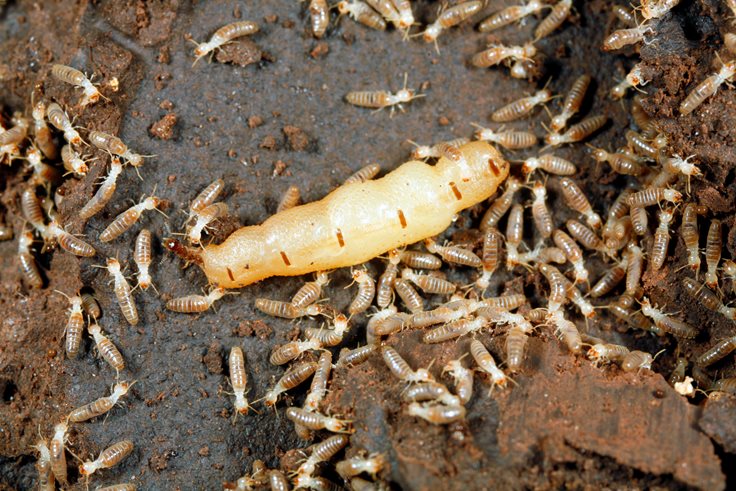
Termite queens live longer than any other insect. Some scientists estimate that they can live as long as 100 years.

Ancient Romans left graffiti on Egyptian pyramids that says, “I didn’t like anything but the sarcophagus,” and “I can’t read the hieroglyphs.”

The kererū (New Zealand Wood Pigeon) is well-known for getting drunk off fermented fruit and falling out of trees.  Consequently, it has earned the reputation for being “clumsy, drunk, gluttonous, and glamorous.”

Sweden has a rabbit show jumping competition called Kaninhoppning. The world record for the highest rabbit jump is 42 inches (106 cm).

A female chicken will mate with many different males. If she decides later that she doesn’t want a particular rooster’s offspring, she can eject his sperm. This happens most often when the male is lower in the pecking order.

Scientists believe that early human ancestors used to have three eyelids. One of the eyelids eventually became the small fold in the corner of human eyes today.

The space between the eyebrows is called the “glabella,” which is derived from the Latin word “glabellus,” meaning “smooth.”

The seagulls in the Alfred Hitchcock movie “The Birds” (1963) were fed a mixture of wheat and whisky so they would stand around and not fly too much.

A pangram is a sentence that contains every letter in the language. For example, “The quick brown fox jumps over the lazy dog.”

Isaac Newton was a member of the British parliament for one year. He spoke only once, and that was to tell someone to please close the window.

The word “porcupine” means “spiny pig” in French.

In the 2004 movie “Mean Girls,” the “nice girl,” Cady, is named after Elizabeth Cady Stanton, a 19th-century pioneer in the American women’s rights movement.

In 1962, a laughter epidemic broke out in Tanzania. The outbreak began in a girls’ school and spread to other communities, ultimately affecting 1,000 people and causing the temporary closure of 14 schools.

Gelotophobia is the fear of laughter. Those who suffer from gelotophobia respond to all laughter as if it is at their expense. Up to 13% of the population could be afraid of laughter.

The Wizard of Oz’s Full Name is Oscar Zoroaster Phadrig Isaac Norman Henkel Emmannuel Ambroise Diggs. In the book, he explains that he called “myself O.Z., because the other initials were P-I-N-H-E-A-D.”

Source: Factretriever.com

Birthstones and Their Meanings

According to the The Almanac, the birthstones we associate with certain months now are not necessarily the same ones as those used centuries ago. Originally, they related to the 12 gemstones appearing on the breastplate of the High Priest of the Isrealites described in the Book of Exodus.

Color was once the most important feature of a stone, which meant that there was no significant difference in meaning between a ruby and a garnet, for example. And the names used in the past may not relate to the stone we think of with that name today either. For example, a sapphire was probably what we know today a lapis and diamonds were most likely white sapphires or white topaz. The wearing of birthstones is thought to bring good luck, good health, and protection and astrologers long ago attributed supernatural powers to certain gemstones.

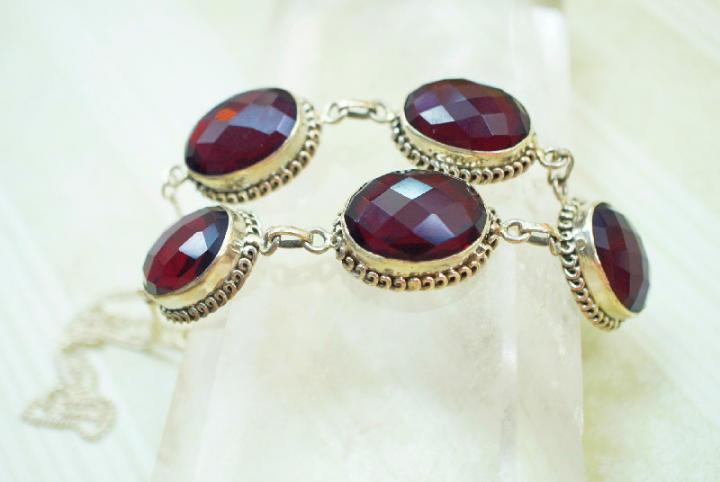
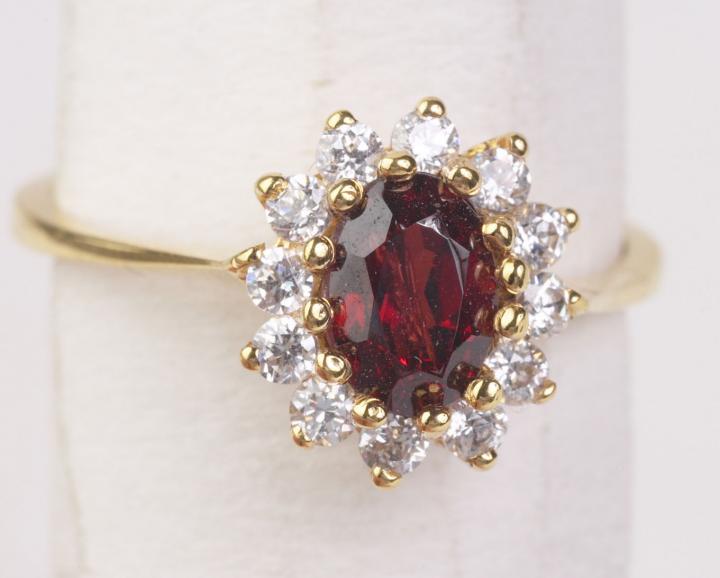
JANUARY: GARNET

The garnet is thought to keep the wearer safe during travel. The word “garnet” is derived from a term that means “seed,” because the gem resembles the color and shape of a pomegranate seed.

FEBRUARY: AMETHYST

Amethysts are said to strengthen relationships and give their wearers courage. At one time, only royalty could wear the gem. Ancient Greeks thought that the amethyst guarded against intoxication. In fact, “amethyst” comes from amethystos, a Greek word meaning “sober.”

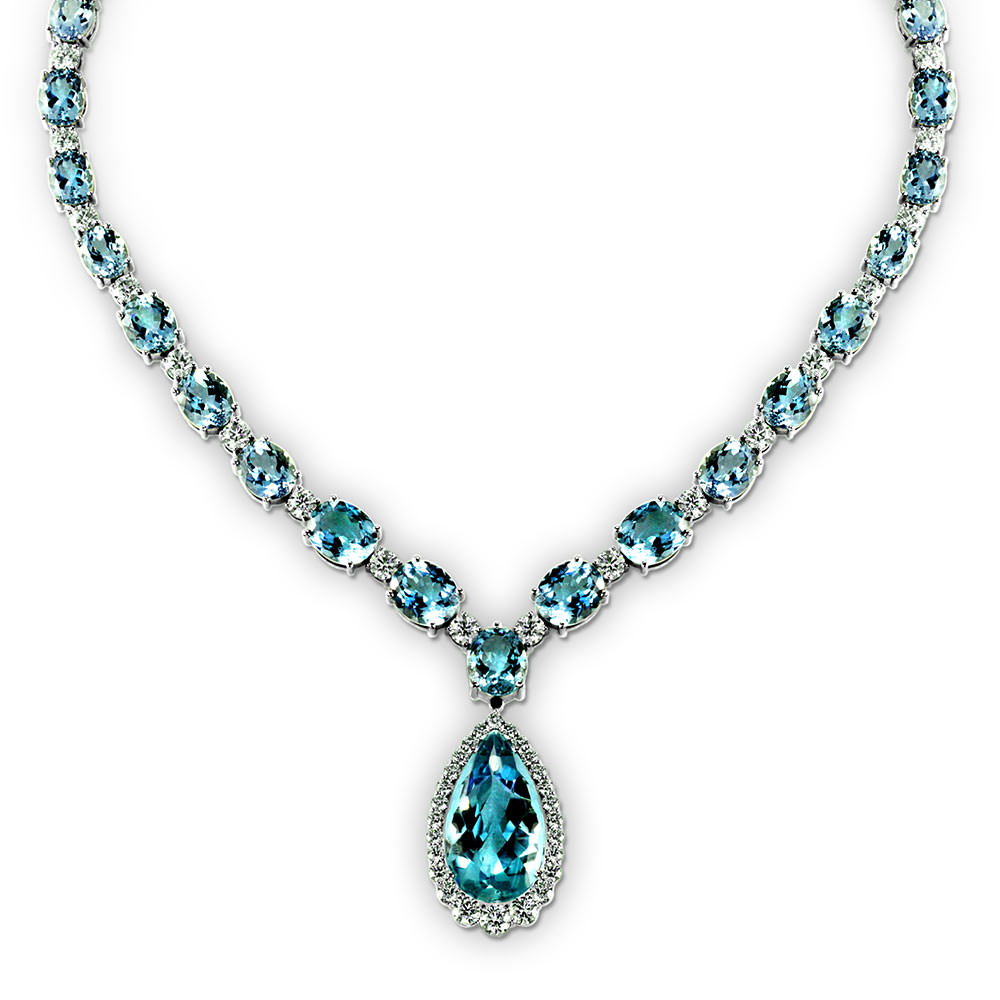
MARCH: AQUAMARINE

The aquamarine was thought to cure heart, liver, and stomach diseases—all one had to do was drink the water in which the gem had been soaking. Early sailors believed that aquamarine talismans, etched with the likeness of the sea god Neptune, protected them against ocean dangers.

APRIL: DIAMOND

The April birthstone, the diamond, in addition to being a symbol of everlasting love, was once thought to bring courage. In Sanskrit, the diamond is called vajra, which also means lightning; in Hindu mythology, vajra was the weapon of Indra, the king of gods.

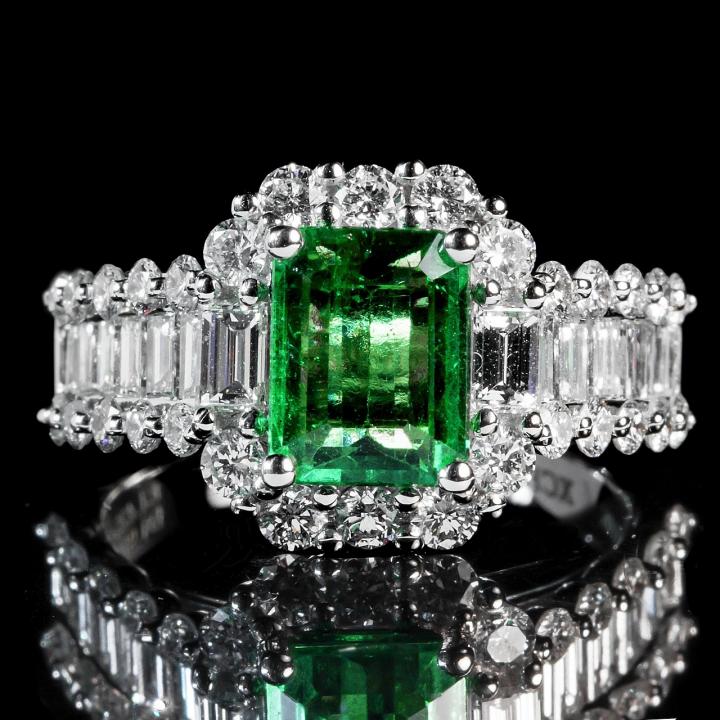
MAY: EMERALD

The emerald, was one of Cleopatra’s favorite gems. It has long been associated with fertility, rebirth, and love. Ancient Romans went so far as to dedicate this stone to Venus, the goddess of love and beauty. Today, it is thought that emeralds signify wisdom, growth, and patience.

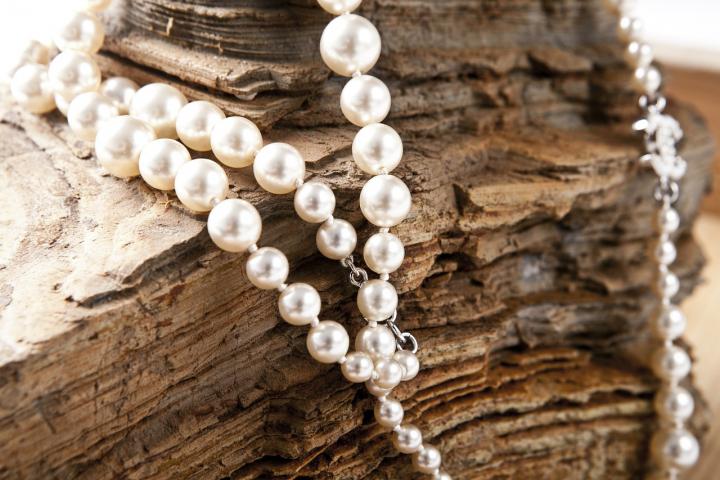
JUNE: PEARL

The June birthstone,the pearl, has long been a symbol of purity. The ancient Greeks believed that pearls were the hardened tears of joy from Aphrodite, the goddess of love.

JULY: RUBY

The ruby, was regarded by ancient Hindus as the “king of gems.” It was believed to protect its wearer from evil. Today, the ruby’s deep-red color signifies love and passion.

AUGUST: PERIDOT

The August birthstone, the peridot, symbolizes strength. It is sometimes called the “evening emerald” for its light green color. It was once believed that the green peridot crystals found in volcanic ashes were the tears of the volcano goddess, Pele. When set in gold, this gem was said to protect the wearer from nightmares.

SEPTEMBER: SAPPHIRE

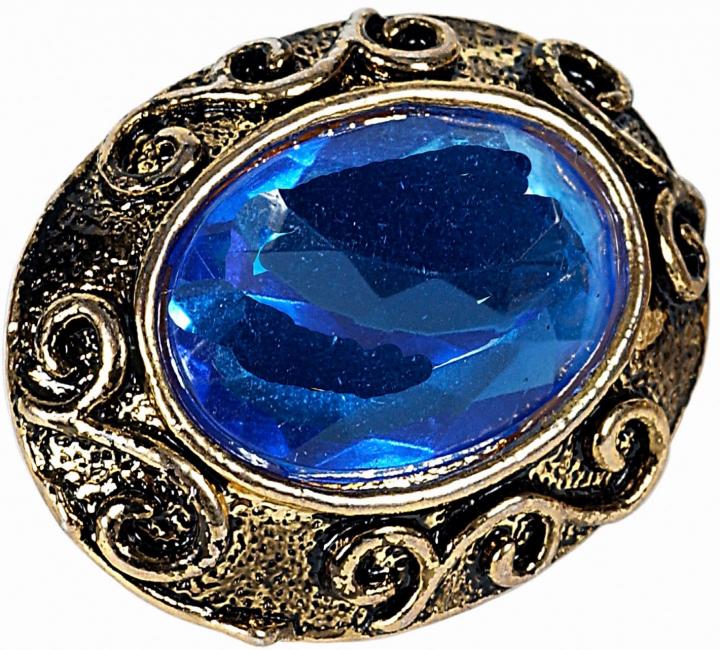
The sapphire was once thought to guard against evil and poisoning. It was believed that a venomous snake would die if placed in a vessel made of sapphire. Traditionally a favorite stone of priests and kings, the sapphire symbolizes purity and wisdom.

OCTOBER: OPAL

The October birthstone, the opal, symbolizes faithfulness and confidence. The word comes from the Latin opalus, meaning “precious jewel.” Necklaces with opals set in them were worn to repel evil and to protect eyesight.

NOVEMBER: TOPAZ

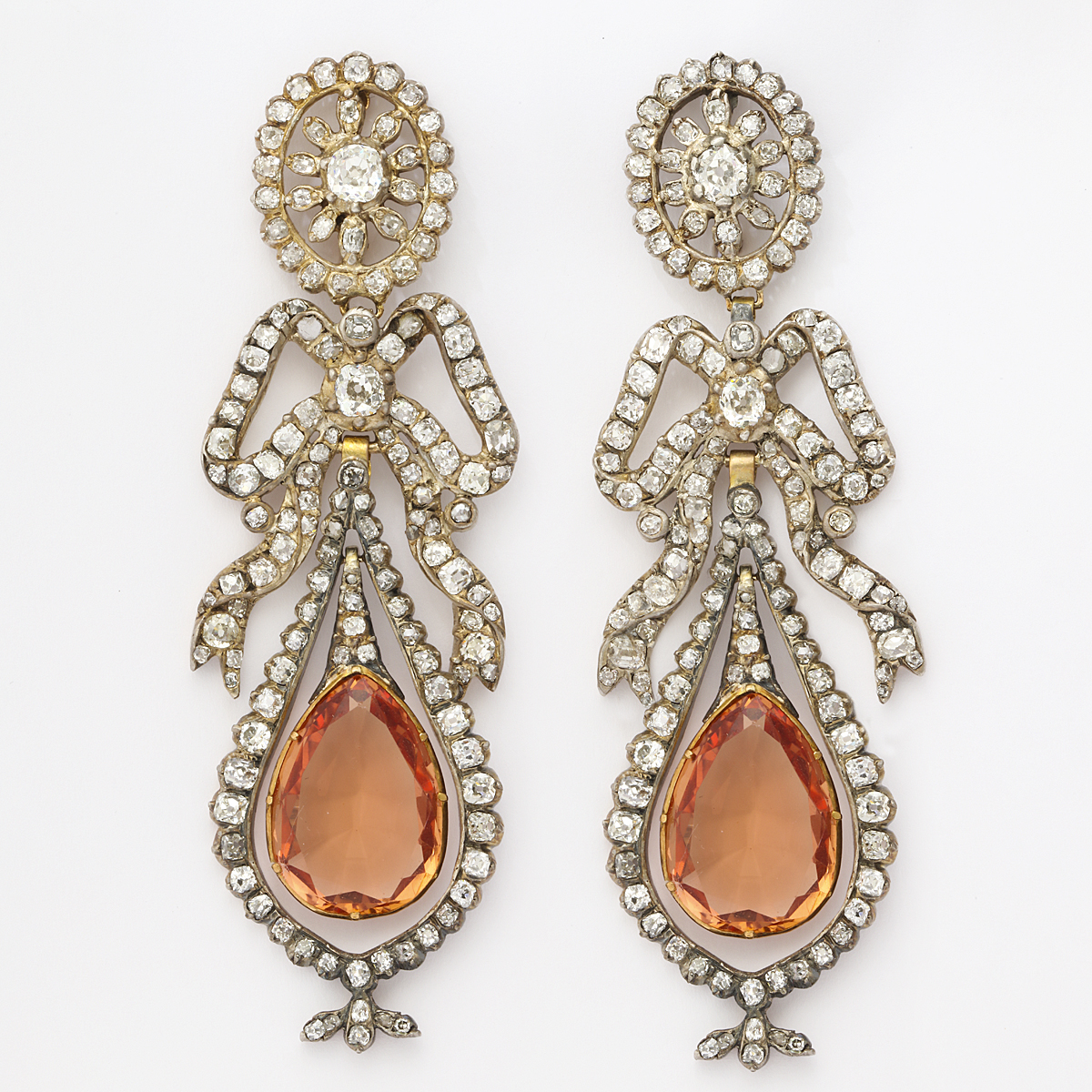
The November birthstone, topaz, symbolizes love and affection. It is believed to give the wearer increased strength and intellect.

DECEMBER: TURQUOISE

The December birthstone, turquoise, is regarded as a love charm. It is also a symbol of good fortune and success, and it is believed to relax the mind and to protect its wearer from harm. Turquoise rings, in particular, are thought to keep away evil spirits.

Source: almanac.com

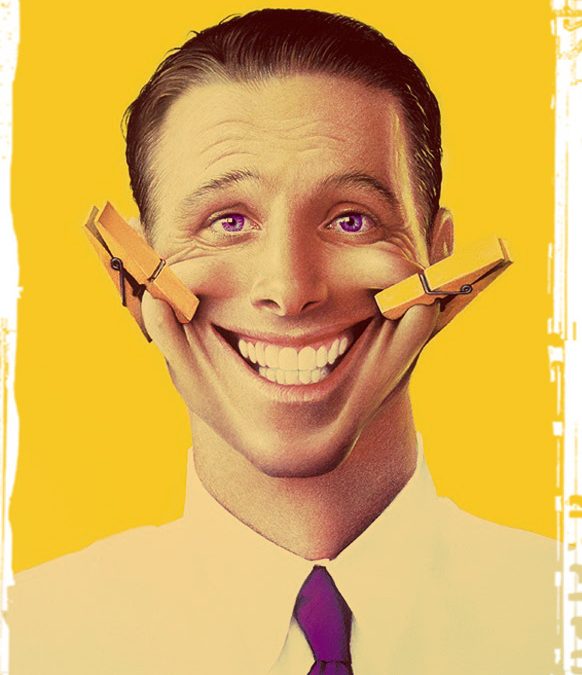
SMILE

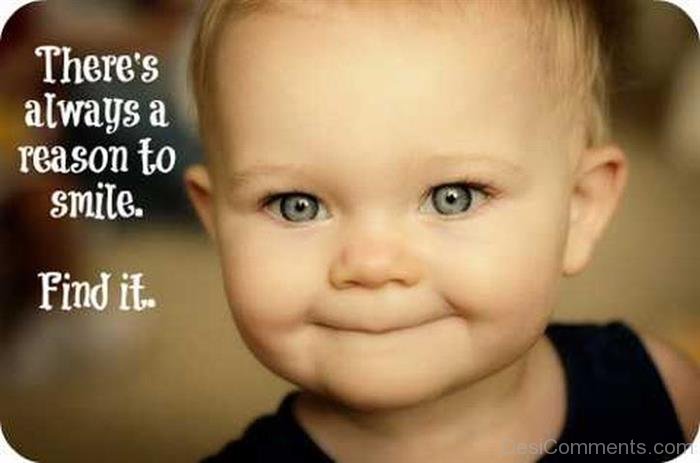
In today’s ever depressing world, finding a reason to smile might seem futile, but smiling provides a lot of great benefits for the body and soul!

Smiling Helps You Live Longer

Perhaps the most compelling reason to smile is that it may lengthen your overall lifespan. One 2010 study found that genuine, intense smiling is associated with longer life. Overall, happy people seem to enjoy better health and longevity, though more research is needed to understand why that is. Research does suggest that happiness could increase lifespan by years—suggesting maintaining a happy, positive mood may be an important part of living a healthy lifestyle.

Smiling Relieves Stress

Stress can permeate our entire being, and it can really show up in our faces. Smiling not only helps to prevent us from looking tired, worn down, and overwhelmed but it can actually help decrease stress. Believe it or not, smiling can reduce stress even if you don’t feel like smiling or even if you fake it with a smile that isn’t genuine. When you are stressed, take the time to put on a smile. You and those around you will reap the benefits.

Smiling Elevates Mood

Next time you are feeling down, try putting on a smile. There’s a good chance your mood will change for the better. The physical act of smiling actually activates pathways in your brain that influence your emotional state—meaning that by adopting a happy facial expression, you can “trick” your mind into entering a state of happiness. This holds true whether or not your smile is real. A simple smile can trigger the release of neuropeptides that improve your neural communication, as well as neurotransmitters like dopamine and serotonin, which can boost your mood. Think of smiling like a natural antidepressant.

Smiling Is Contagious

How many times have you heard that a smile has the power to light up the room? While it is certainly a beautiful sentiment, it carries a hint of truth. Smiling not only has the ability to elevate your mood, but it can also change the moods of others for the better. Your brain automatically notices and interprets other people’s facial expressions—and sometimes, you may even mimic them. That means that you might spot someone else’s smile and unconsciously smile yourself. Yes, it is scientifically proven that smiles are contagious.

Smiling Boosts the Immune System

Smiling can also boost your overall health by helping your immune system to function more effectively. It is thought that when you smile, immune function improves because you are more relaxed (thanks to the release of certain neurotransmitters). Whether you’re trying to maintain your overall health or strengthen your immune system ahead of cold and flu season, smiling may help.

Smiling May Lower Blood Pressure

Smiling could have a beneficial impact on your blood pressure. Laughter specifically seems to lower blood pressure, after causing an initial increase in heart rate and breathing. While smiling has been shown to lower your heart rate in the face of stress, more research is needed to determine exactly how it reduces blood pressure. You can try testing this idea for yourself if you have a blood pressure monitor at home. Sit for a few minutes and take a reading. Then smile for a minute and take another reading while still smiling. Do you notice a difference?

Smiling Reduces Pain

Studies have shown that smiling releases endorphins, other natural painkillers, and serotonin. Together, these brain chemicals make us feel good from head to toe. Not only do they elevate your mood, but they also relax your body and reduce physical pain. Smiling is a natural drug.

Smiling Makes You Attractive

We are naturally drawn to people who smile. While more severe or negative facial expressions like frowns, scowls, and grimaces work in the opposite manner, effectively pushing people away, smiling is seen as more attractive—and people may even assume you have more positive personality traits if you’re smiling. Not only can smiling make you more attractive, but it can also make you look more youthful. The muscles we use to smile also lift the face, making a person appear younger. So instead of opting for a facelift, just try smiling your way through the day—you’ll look younger and feel better.

Smiling Suggests Success

Research has shown that people who smile regularly appear more confident, are more likely to be promoted, and are more likely to be approached. Try putting on a smile at meetings and business appointments. You might find that people react to you differently.

Smiling Helps You Stay Positive

Try this test: Smile. Now try to think of something negative without losing the smile. It’s hard, isn’t it? Smiling can influence your feelings of positivity, even if it feels unnatural or forced. Regardless of whether or not your smile is genuine, it still sends the message that “Life is good!” to your brain and, ultimately, the rest of your body.

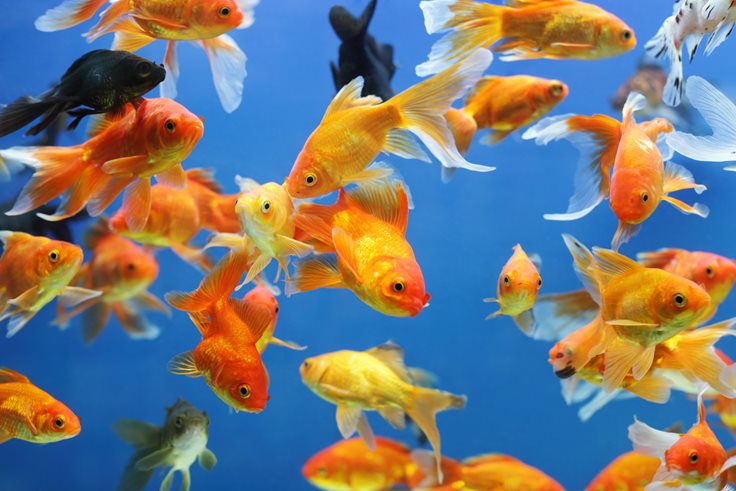
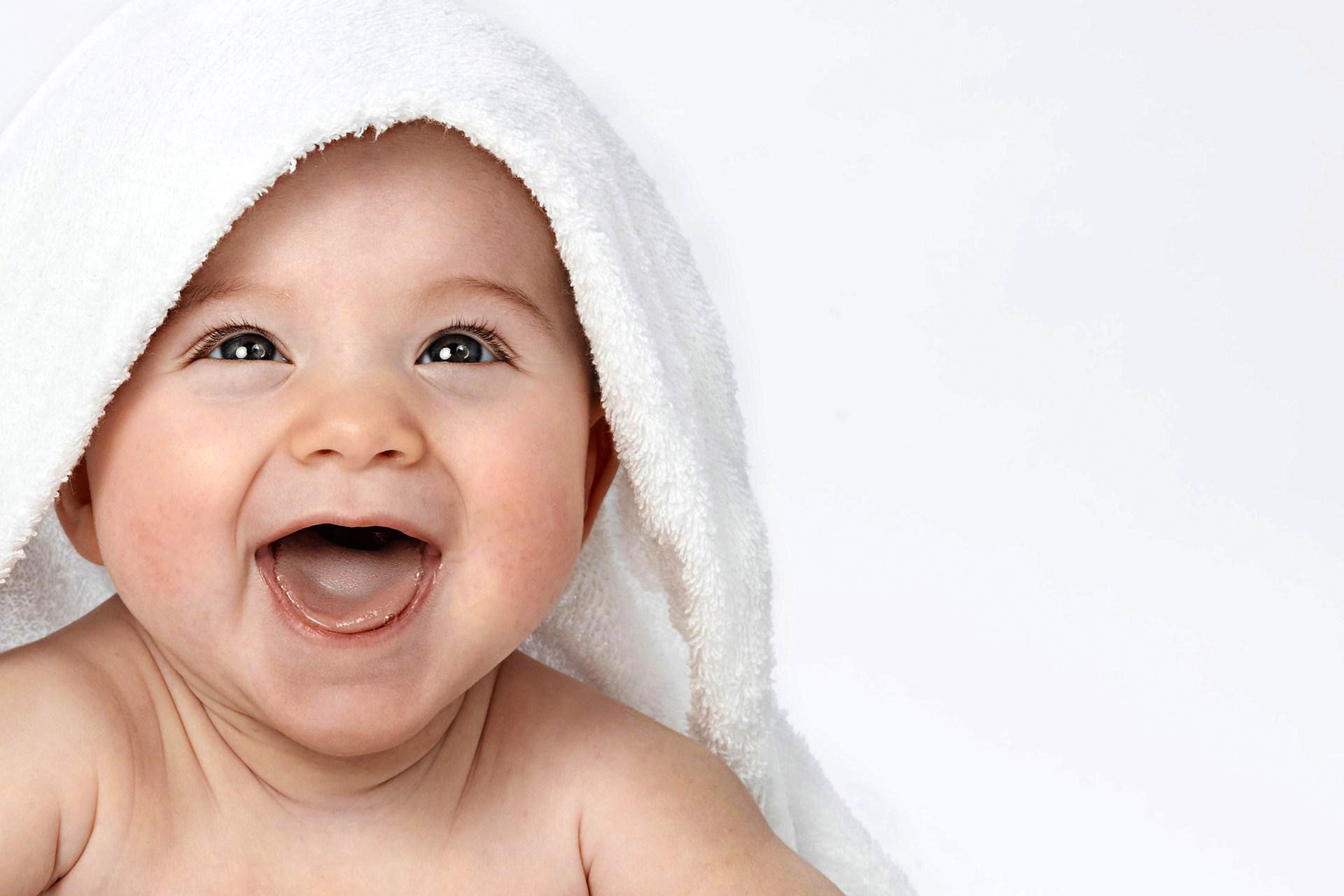
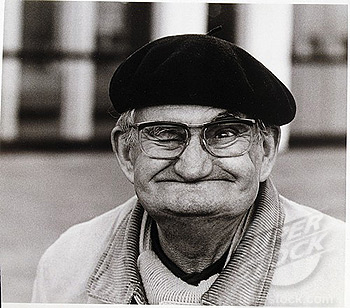
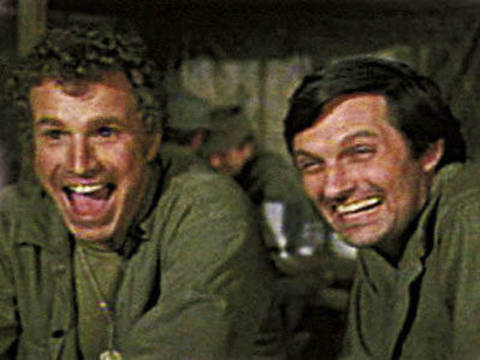
Some parting pictures to help you along with your smile today…

Source: verywellmind.com: 10 Big Benefits of Smiling

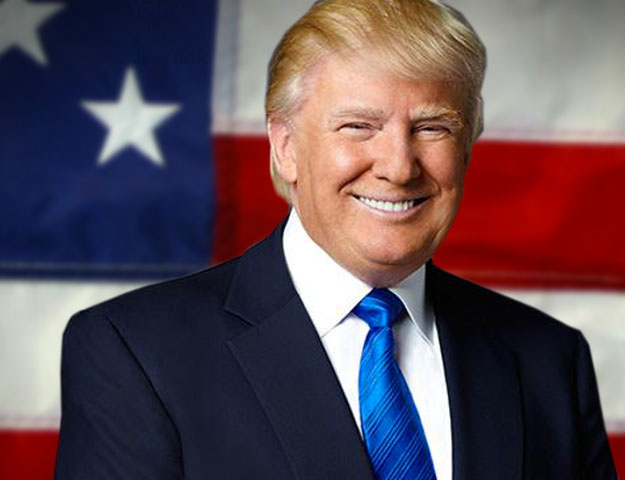
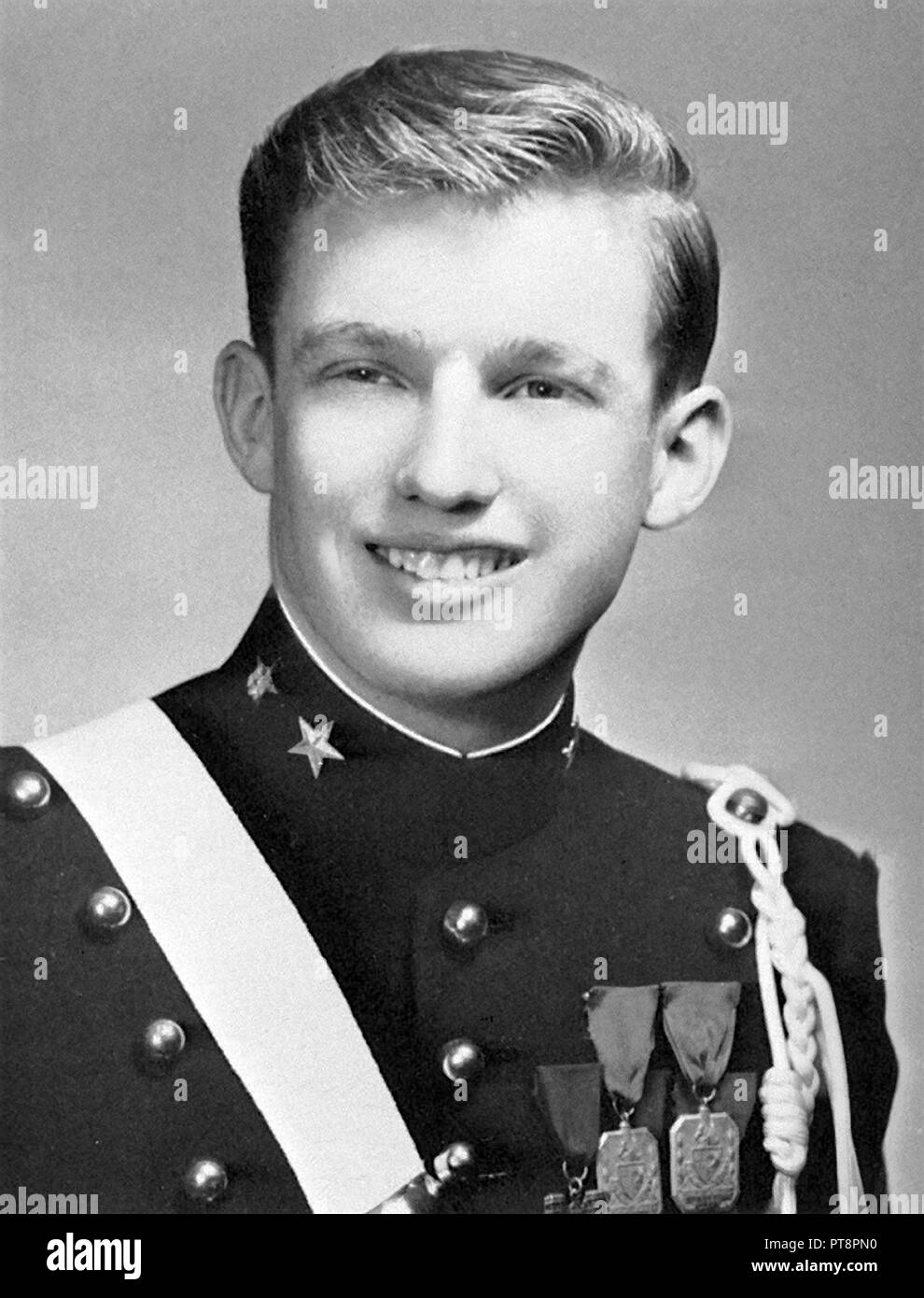
Happy Birthday Mr. President

the GOAT

From Britannica:

Donald Trump, in full Donald John Trump, (born June 14, 1946, New York, New York, U.S.), 45th president of the United States (2017–21). Trump was a real-estate developer and businessman who owned, managed, or licensed his name to several hotels, casinos, golf courses, resorts, and residential properties in the New York City area and around the world. From the 1980s Trump also lent his name to scores of retail ventures—including branded lines of clothing, cologne, food, and furniture—and to Trump University, which offered seminars in real-estate education from 2005 to 2010. In the early 21st century his private conglomerate, the Trump Organization, comprised some 500 companies involved in a wide range of businesses, including hotels and resorts, residential properties, merchandise, and entertainment and television.

Manhattan

Trump was the fourth of five children of Frederick (Fred) Christ Trump, a successful real estate developer, and Mary MacLeod. Donald’s eldest sister, Maryanne Trump Barry, eventually served as a U.S. district court judge (1983–99) and later as a judge on the U.S. Court of Appeals for the Third Circuit until her retirement in 2011. His elder brother, Frederick, Jr. (Freddy), worked briefly for his father’s business before becoming an airline pilot in the 1960s. Freddy’s alcoholism led to his early death in 1981, at the age of 43.

Donald Trump attended New York Military Academy (1959–64), a private boarding school; Fordham University in the Bronx (1964–66); and the University of Pennsylvania’s Wharton School of Finance and Commerce (1966–68), where he graduated with a bachelor’s degree in econmics. In 1968, during the Vietnam War , he was diagnosed with bone spurs, which qualified him for a medical exemption from the military draft (he had earlier received four draft deferments for education). Upon his graduation Trump began working full-time for his father’s business, helping to manage its holdings of rental housing, then estimated at between 10,000 and 22,000 units. In 1974 he became president of a conglomeration of Trump-owned corporations and partnerships, which he later named the Trump Organization.

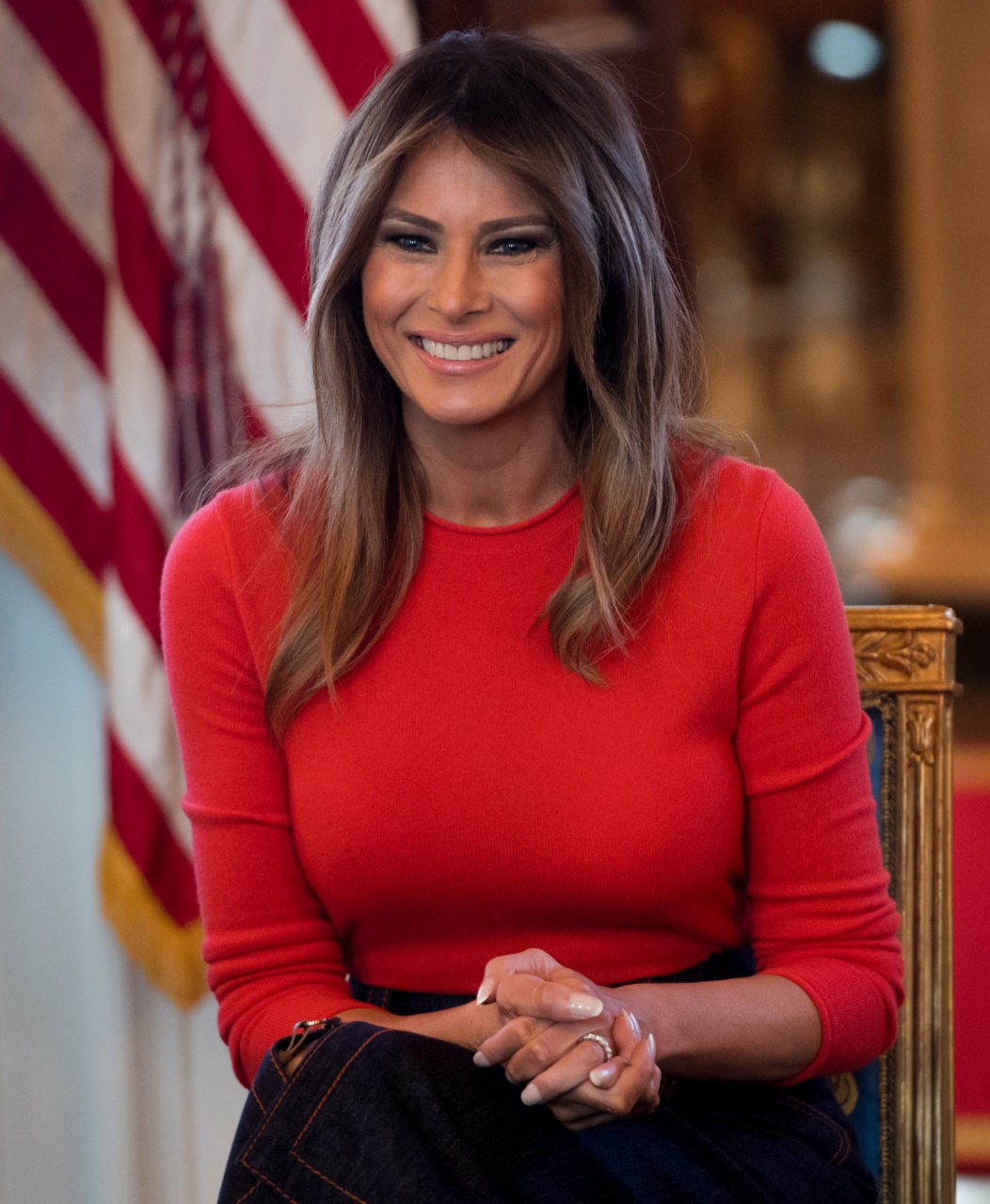
In 1977 Trump married Ivana Zelníčková Winklmayr, a Czech model, with whom he had three children—Donald, Jr., Ivanka, and Eric—before the couple divorced in 1992. Trump married the American actress Marla Maples after she gave birth to Trump’s fourth child, Tiffany, in 1993. Their marriage ended in divorce in 1999. In 2005 Trump married the Slovene model Melania Knauss, and their son, Barron, was born the following year. Melania Trump became only the second foreign-born first lady of the United States upon Trump’s inauguration as president in 2017.

First Lady Melania

The rest of the article from Britannica details lawsuits, impeachments and other “scandals” but it fails to depict the true nature of this man in my opinion. He loves God, his family and this country and is the embodiment of a true patriot. He is passionate and funny, brash and honest and the man I’d choose to have in my corner any day of the week!!

Happy Birthday, Sir!

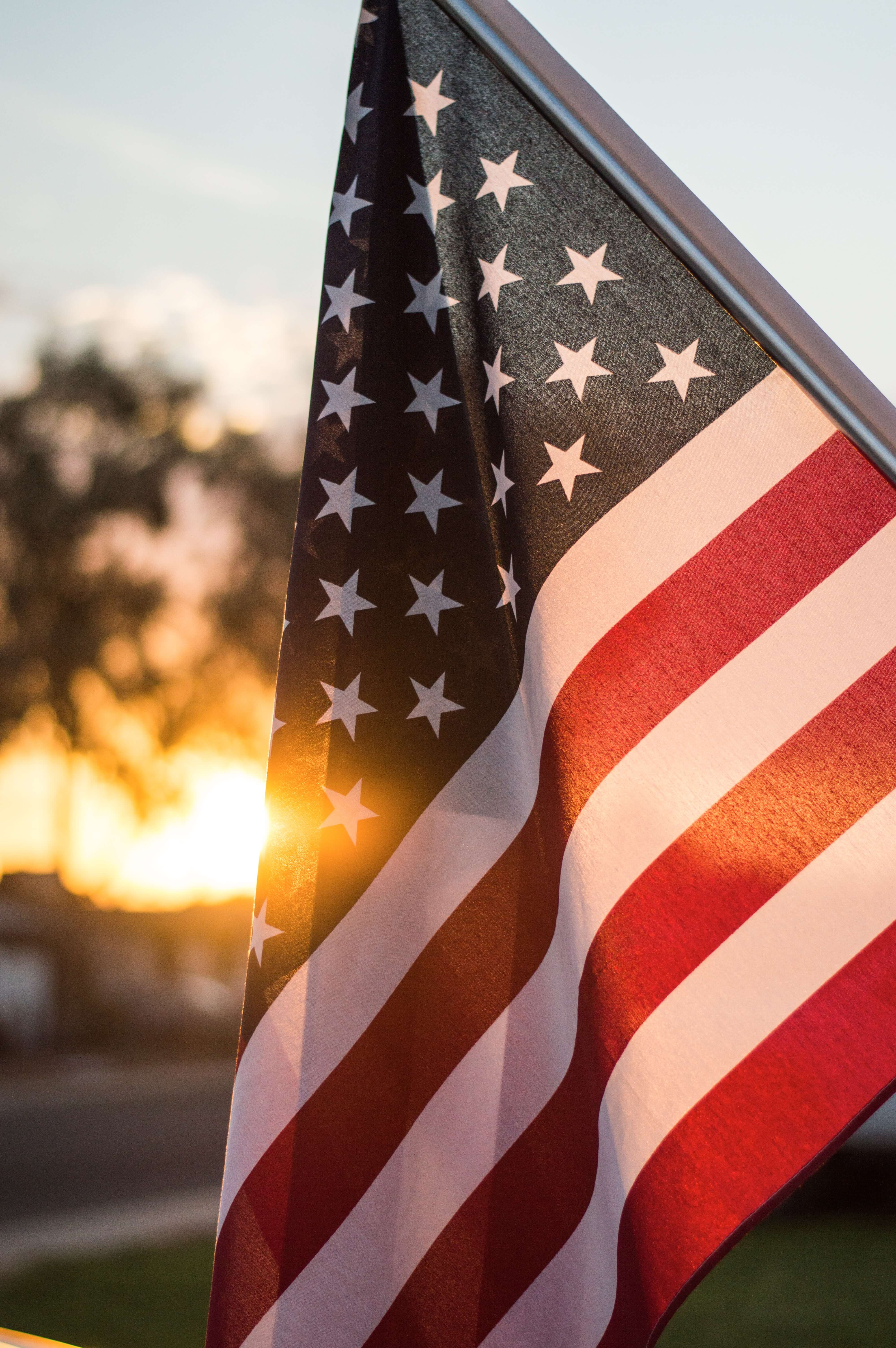
She’s a Grand Old Flag!!

Tomorrow, June 14th, is Flag Day, so I thought we could all use a refresher on flag etiquette. I am bringing this info from military.com, an article dated June 11, 2020:

The U.S. Flag Code formalizes and unifies the traditional ways in which we give respect to the flag, also contains specific instructions on how the flag is not to be used.

The following is a list of do’s and don’ts associated with Old Glory, the U.S. Flag.

When displaying the flag, DO the following:

  • Display the U.S. flag from sunrise to sunset on buildings and stationary flagstaffs in the open. When a patriotic effect is desired the flag may be displayed 24-hours a day if properly illuminated during the hours of darkness.
  • When placed on a single staff or lanyard, place the U.S. Flag above all other flags.
  • When flags are displayed in a row, the U.S. flag goes to the observer’s left. Flags of other nations are flown at same height. State and local flags are traditionally flown lower.
  • When used during a marching ceremony or parade with other flags, the U.S. Flag will be to the observer’s left.
  • On special days, the flag may be flown at half-staff. On Memorial Day it is flown at half-staff until noon and then raised.
  • When flown at half-staff, should be first hoisted to the peak for an instant and then lowered to the half-staff position. The flag should be again raised to the peak before it is lowered for the day. By “half-staff” is meant lowering the flag to one-half the distance between the top and bottom of the staff.
  • When the flag is displayed over the middle of the street, it should be suspended vertically with the union (blue field of stars) to the north in an east and west street or to the east in a north and south street.
  • When placed on a podium the flag should be placed on the speaker’s right or the staging area. Other flags should be placed to the left.
  • When displayed either horizontally or vertically against a wall (or other flat surface), the union (blue field of stars) should be uppermost and to the flag’s own right, that is, to the observer’s left.
  • When displayed in a window it should be displayed in the same way — with the union or blue field to the left of the observer in the street.
  • When the flag is displayed on a car, the staff shall be fixed firmly to the chassis or clamped to the right fender.
  • When the flag is used to cover a casket, it should be so placed that the union is at the head and over the left shoulder. The flag should not be lowered into the grave or allowed to touch the ground.

When saluting the flag DO the following:

  • All persons present in uniform (military, police, fire, etc.) should render the military salute. Members of the armed forces and veterans who are present but not in uniform may render the military salute.
  • All other persons present should face the flag and stand at attention with their right hand over the heart, or if applicable, remove their headdress with their right hand and hold it at the left shoulder, the hand being over the heart.

When stowing or disposing of the flag, DO the following:

  • Fold in the traditional triangle for stowage, never wadded up.
  • The flag should be folded in its customary manner.
  • It is important that the fire be fairly large and of sufficient intensity to ensure complete burning of the flag.
  • Place the flag on the fire.
  • The individual(s) can come to attention, salute the flag, recite the Pledge of Allegiance and have a brief period of silent reflection.
  • After the flag is completely consumed, the fire should then be safely extinguished and the ashes buried.
  • Please make sure you are conforming to local/state fire codes or ordinances.

Quick list of Flag Etiquette Don’ts:

  • Don’t dip the U.S. Flag for any person, flag, or vessel.
  • Don’t let the flag touch the ground.
  • Don’t fly flag upside down unless there is an emergency.
  • Don’t carry the flag flat, or carry things in it.
  • Don’t use the flag as clothing.
  • Don’t store the flag where it can get dirty.
  • Don’t use it as a cover.
  • Don’t fasten it or tie it back. Always allow it to fall free.
  • Don’t draw on, or otherwise mark the flag.
  • Don’t use the flag for decoration. Use bunting with the blue on top, then white, then red.

The Peabody Ducks

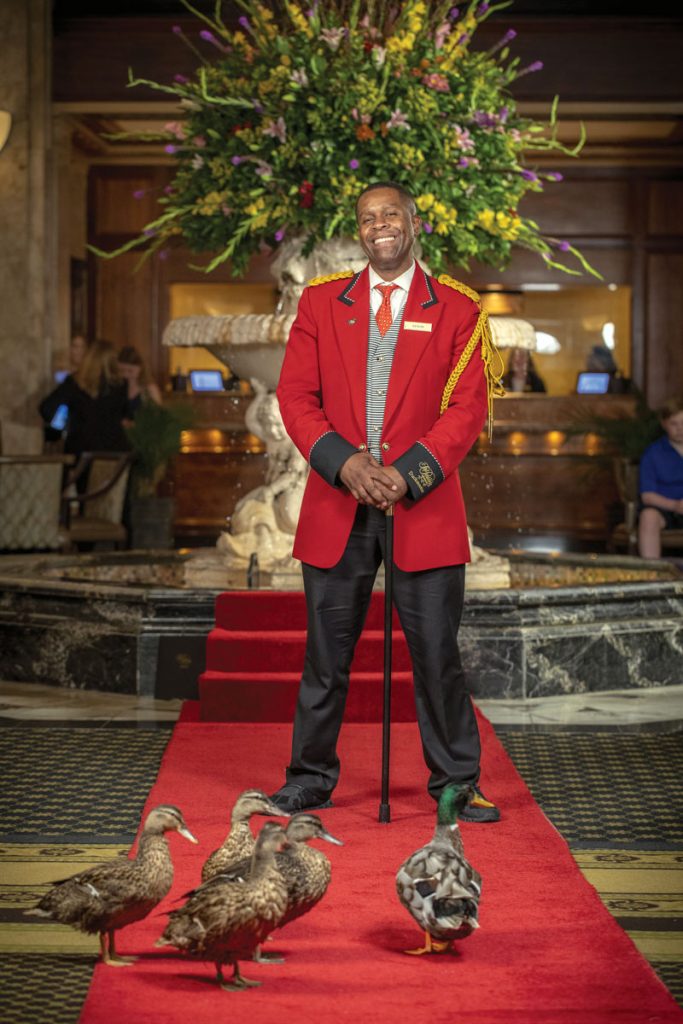
Kenon Walker Duckmaster

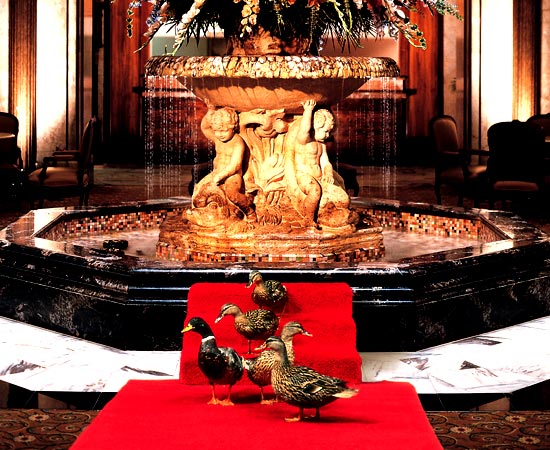
Every day at 11am, the five Peabody Hotel ducks leave their “Royal Duck Palace” on the hotel’s roof and waddle to the elevator. They ride the elevator 12 floors down to the lobby where they walk single file down a red carpet lined with adoring guests. Then they hop into the fountain where they will stay until 5 pm when the whole process occurs in reverse.

The tradition began back in the 1930s when Frank Shutt, General Manager of The Peabody, in Memphis, and a friend, Chip Barwick, returned from a weekend hunting trip to Arkansas. The men had a little too much Tennessee sippin’ whiskey, and thought it would be funny to place some of their live duck decoys (it was legal then for hunters to use live decoys) in the beautiful Peabody fountain. Three small English call ducks were selected as “guinea pigs,” and the reaction was nothing short of enthusiastic.

In 1940, Bellman Edward Pembroke, a former circus animal trainer, offered to help with delivering the ducks to the fountain each day and taught them the now-famous Peabody Duck March. Mr. Pembroke became Peabody Duckmaster, serving in that capacity for 50 years until his retirement in 1991.

Kenon Walker, a current duckmaster, describes his duties and activities:

“Every three months, we rotate our ducks and release the current group to live on a nearby farm. The first marches of the new team happen in front of everybody. I try to line the red carpet with people all the way from the elevator to the fountain so they form a human tunnel; otherwise, I get a lot of cardio. I’ve literally had to chase ducks into the gift shop, behind the bar, and out to the valet stand. After about two weeks, they get accustomed to it.”

“The $200,000 marble Royal Duck Palace on the hotel’s rooftop has a glass wall that gives the mallards gorgeous downtown views. They even have their own miniature Peabody Hotel replica to crawl inside for a nap. On weekends, the hotel sets up a bar next to the Palace so guests can sip cocktails and watch the ducks at sunset.”

the Royal Duck Palace on the roof

“I feed the ducks scratch grains from a silver platter twice a day. The hotel has a French restaurant, but we don’t serve any duck in the hotel. Ours might be the only French restaurant in the world that does not have duck on the menu.”

From The Peabody’s own website: 10 Fun Duck Facts

1. Ducks were not the first residents of The Peabody’s lobby fountain. Rumor has it that turtles and baby alligators each briefly graced the fountain in the 1920s.

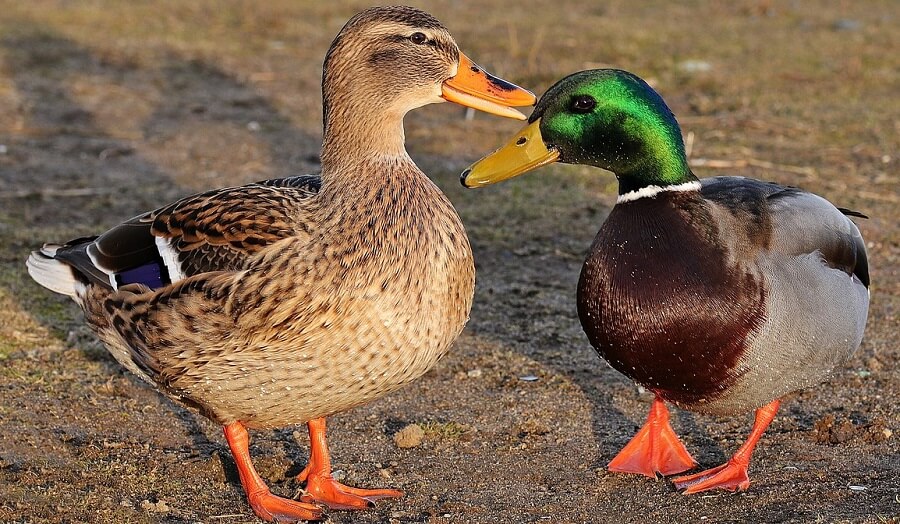
2. The Peabody Ducks are five North American mallards – one drake (male) with a white collar and green head and four hens (females) with less colorful plumage.

3. Duck is not served anywhere at The Peabody and has not been seen on the hotel’s menus since its 1981 reopening, quite possibly making Chez Philippe the only French restaurant in the world that does not offer duck.

4. The Peabody Ducks do not have individual names. However, the very first team of ducks were Peabody, Gayoso and Chisca – named for the three hotels owned by the Memphis Hotel Company in 1933.

5. When off-duty, the ducks live in their Royal Duck Palace on the hotel’s rooftop. The $200,000 structure is made of marble and glass and features its very own fountain with a bronze duck spitting water. It also includes a small house – a replica of the hotel – where the ducks can nest with a soft, grassy”front yard.”

6. The Peabody Marching Ducks have appeared on “The Tonight Show with Johnny Carson,” “Sesame Street” when Bert and Ernie celebrated Rubber Ducky Day, “The Oprah Winfrey Show” and in People magazine and the Sports Illustrated Swimsuit issue.

7. The Peabody Ducks have been a question on the TV game show “Jeopardy” and in the board game Trivial Pursuit.

8. Original Duckmaster Edward Pembroke held the position for 50 years.

9. Raised by a local farmer and a friend of the hotel, each team of Peabody Ducks lives at the hotel for only three months before retiring from their duty and returning to the farm, where they are free to live as wild ducks. With a return to the great outdoors in mind, the hotel recognizes its resident waterfowl as wild animals and does not domesticate them or treat them like pets.

10. The Peabody Ducks are mentioned in the 1999 Jimmy Buffet song “Math Sucks” in a line that says “quackin’ like those Peabody ducks.”

***I will be away for a few days and Filly will be in and out. See you soon!***