Happy Birthday Reba McEntire! She was born in 1955 and her tv series is a favorite here at home. I found this article on fame10.com detailing some things I didn’t know about her show.
From fame10.com:
Over the years there has been an onslaught of family sitcoms, but one of the best was Reba which ran on The WB for five seasons and The CW for one before going off the air. Over the years it amassed a large and loyal fanbase who would have been more than happy to see the series continue on well past 6 seasons thanks to its excellent writing and a perfect cast pulling it all together. Reba McEntire proved she really is a comedic genius and talented actress as well as an amazing singer, and was supported by a cast including Christopher Rich, Melissa Peterman, Steve Howey, Scarlett Pomers and JoAnna Garcia. All these years later, take a look back at the fantastic series with these 7 things you probably never knew about Reba.
7. Sally?
It only makes sense for a series starring Reba McEntire to be called Reba, right? Well it seems that isn’t how it started out. Originally Reba’s main character was supposed to have the name Sally, but Reba quickly convinced executives that because of her loyal fanbase from her singing career, calling the show Reba would help fans connect to it. In fact her character’s name ended up being Reba Nell Hart and Reba’s real full name is Reba Nell McEntire.
6. Best Friends
For a whole lot of the show, the basis was on Reba dealing with the fact her husband Brock has left her to marry his young, naive and ditzy dental hygienist Barbra Jean who he had an affair with. A lot of the comedy revolves around Reba “hating” Barbra Jean, known as B.J., while B.J. considers Reba her best friend. Despite all of this the two actresses Reba McEntire and Melissa Peterman really are best friends in real life.
5. Ratings
For all five seasons that Reba was placed in The WB’s Friday night lineup, the series set a new all-time viewership record for any program on the network’s Friday night lineup. Meanwhile the premiere on the The CW on Sunday made it the highest rated sitcom on the network and as a result of its placing before 7th Heaven, 7th Heaven saw a season high of 4.51 million viewers. It also beat out all others in repeats during The CW’s very first season from 2006-2007, and when ratings for the summer drama Hidden Palms plummeted, Reba re-runs were added to the CW’s schedule in June of 2007 and instantly became the most-watched program of the night, and later in the summer the Reba re-runs became the most-viewed program on the CW.
4. The Cancellation
Halfway through Reba‘s sixth season, rumors circulated that “the back nine” Reba episodes, or the final episodes, had been ordered by the network which would have given Reba a full-season order. Then, abruptly in January 2007 during the TCA Press Tour it was announced that the series had been cancelled and there was not going to be any “back nine” episodes ordered. The news came as a shock to fans and the finale garenerd 4.4 million viewers, and soon rumors began that the show was going to be picked up by another network; however, when stars JoAnna Garcia and Steve Howey signed on to new CBS and Fox shows it was clear Reba would not continue on any network. In May 2007, 20th Century Fox TV president Gary Newman stated that he regretted how the show was handled and was sure it could have been a hit for many more years on CBS or ABC.
3. The Switch
Before the cancellation, Reba was already hitting a rough patch that it was luckily able to get through. Reba was actually originally cancelled when The WB and UPN merged into The CW Television Network in 2006. Then, abruptly on May 17, 2006, The CW made the decision to actually renew Reba instead which was when the show was paired with 7th Heaven on Sunday evenings. The success of Reba was more than the network could have imagined as it quickly surpassed hit dramas such as Supernatural, One Tree Hill and Veronica Mars.
2. Eating Disorder
Fans were well aware when one of the show’s stars, Scarlett Pomers, who played Reba’s middle child, Kyra Hart, was absent for almost all of season five, appearing in only two episodes; however, her absence was not really addressed. As it turns out her absence was actually because she had to enter treatment for an eating disorder which had seen the 5’2″ actress drop down to 73 lbs. Pomers appearance drew concern from her castmates when she showed up for filming season five and it was with good cause because Pomers was barely eating and exercising for up to six hours a day in secret. Despite the severity of her condition, once she had received help she returned to the show, and a joke about her extended absence was even made. In Pomers’ first episode back, Reba asked, “Where have you been?” to which her character, Kyra, replied, “I went to get something to eat.”
1. Music Video
Fans absolutely loved the romance between JoAnna Garcia’s character Cheyenne and Steve Howey’s character Van, and as such, the two went on to star in a music video for Reba McEntire and Kenny Chesney’s song “Every Other Weekend.” The two were not necessarily in character, but they did portray a divorced couple who share custody of their children and have to exchange them “every other weekend.”
In honor of the great Houdini’s birthday, I present an article revealing some of Harry’s better illusions and tricks.
From: METRO.CO.UK:
The seemingly impossible stunts performed by master escapologist Harry Houdini have confused and delighted generations. Breaking locks, escaping submerged boxes, getting out of straitjackets, the fiendish Chinese Water Torture routine – his feats were simply astounding. Yet magic always has a simple explanation and, in Houdini’s case, his methods were in fact far more ingenious and impressive than the trick itself. The 52-year-old died on Halloween 1926, possibly as a result of one of his most famous stunts going wrong. The explanation of his methods has caused outrage among the magic community, with many saying they still perform some of the tricks. But, hey guys, some of these are more than 100 years old. Don’t you think your paying audience deserves some new material?
At the risk of being sawn in half by the Magic Circle, here are ten of Houdini’s greatest stunts – and how he did them.
1. Handcuffs: Harry Houdini could get out of any set of handcuffs. He often added a river or lake to the escape trick to spice things up a bit. People came to his stage shows with elaborate sets of their own, and the local police were encouraged by Houdini to try to keep him restrained. Twice it took him over an hour to free himself, but none ever succeeded in keeping him cuffed. Even specialty one-off handcuffs with a single bespoke key could not hold Harry.
What really happened: Many thought that he had trick-release stage cuffs but the truth was more simple – Houdini studied picking locks from a very early age. Sometimes he could just hit the handcuffs, at a certain angle and with enough force, for them to spring open. Other times a thin piece of string was enough to pull a screw from the locking mechanism and open it. Most times, however, he had a skeleton key hidden in the palm of his hand or sleeve. For the specialty handcuffs with only one key, Houdini would ask to inspect the cuffs and the key, secretly handing the key to an assistant – who would go back stage and choose a similar-looking key for Houdini’s vast collection. Houdini would simply hand back the lookalike key before miraculously escaping using the real one.
2. Hanging Straitjacket Escape: Straitjackets are purpose-made to restrain people, so it was an eye-popping feat to see a man wrapped up in one, dangling high off the ground from a rope tied to his feet. Houdini was famous for this stunt, regularly performing a jacket escape while hoisted up in front of the theatre where he would be putting on his evening show. He did the stunt in public in a bid to swell audience numbers, and it worked.
What really happened: When the jacket was being put on, Houdini would: cross his arms so his dominant right arm was on top; breathe in a huge gulp of air to make his chest bigger; and pinch and grab the material of the jacket to take up any slack before it was buckled. Breathing out and letting go of the slack gave him a lot of room to maneuver, but it was a matter of using brute strength to pull his right arm over his head. Once he had both arms in front of him, he would undo the straps and buckles with his teeth, or a cutting tool he had ‘palmed’ before the jacket was put on. Hanging upside down, while seemingly making the stunt more dangerous, actually helped Houdini perform the trick, because gravity worked in his favour. If all else failed, Houdini could create more room inside the jacket by dislocating his shoulder – but it’s not something he wanted to do a lot.
3. Milk Can: This was Houdini’s most enduring and dazzling escape. After audience members examined his milk can for sturdiness and any trick escape mechanisms, and watched it filled with water, Houdini asked the audience to hold its breath as he climbed inside and allowed the top of the milk can to be locked in place – many times with locks that audience members had brought with them. This took about a minute – a lot longer than most audience members could hold their breath. A curtain was pulled and, in what seemed like an impossible three minutes, a soaked Houdini would appear and show the can, its locks still in place.
What really happened: The top of the can, while made to look like it was riveted in place, could easily come away – but only when pushed up from the inside. Locks through eyelets in the top of the can would not be undisturbed while Houdini got out and put the top back on. He then waited a dramatic amount of time before revealing himself. Despite the relative simplicity of this illusion, it did mean that Houdini had to hold his breath inside the can for as long as a minute as the locks were being put in place.
4. Underwater Box: Combining a number of Houdini’s strengths – handcuffs, locks, holding his breath – this stunt involved a handcuffed Houdini being put into a wooden packing crate. The lid was nailed shut, ropes and chains were added and locked in place, and then the crate was craned into a river, where it immediately sank. After what seemed like an eternity, Houdini would bob to the surface – free of the box and his handcuffs.
What really happened: Houdini was out of the handcuffs before the box was even nailed shut. The box not only had holes drilled in it so it could fill with water and sink quickly, it also had a hidden panel on one side which opened to allow Houdini to escape once the box was in the water, and then it was a matter of how much suspense he wanted to build before he surfaced.
5. Chinese Water Torture Cell: There’s no evidence to suggest the Chinese ever used this as a torture method, but the title certainly put bums on seats. Houdini would be hoisted above a water-filled tank, his feet locked in wooden stocks, and lowered inside. The stocks were locked to the top of the tank, a curtain was drawn, and assistants then looked increasingly frantic as the seconds ticked past. Eventually, when all hope seemed lost, a damp Houdini would appear free from all bonds.
What really happened: It was more a matter of gymnastics than magic.The stocks ‘restraining’ Houdini were rigged so he could free his feet once the curtain was drawn. They were also hinged so he could get out of the tank and set the stocks back so it looked like they were still locked in place. On October 11, 1926, an accident while hoisting Houdini fractured one of his ankles.
6. Iron Stomach: Houdini famously said he could withstand any blow to the abdomen, and regularly invited audience members up to give him their best shot. No matter how hard they wailed on him, he seemed totally unfazed.
What really happened: There was no real trick to this. Houdini could prepare his stomach muscles to take the blow, and it was a combination of muscle control and fine acting to make it look like he was unaffected. The trick may have contributed to his death. On October 24, 1926 (13 days after fracturing his ankle) Houdini suffered a ruptured appendix when a fan repeatedly hit him before he had prepared. At the time, Houdini was in his dressing room lying down – not standing, as he had always done to prepare himself – because of his fractured ankle. The ruptured appendix led to the peritonitis that killed him a week later.
7. Metamorphosis: A breathtaking illusion performed by Houdini and his wife Beatrice. Houdini’s hands were bound, he was put in a sack that was tied shut at the top and put inside a box that was strapped and padlocked shut. Beatrice would draw a curtain around the box and clap three times, at which point the curtain would fly open to reveal Houdini standing there. The box was unlocked and unstrapped, and the bag undone to reveal Beatrice inside, her hands tied.
What really happened: Houdini was a master with ropes and locks. His hands, and the sack holding him, were tied using simple slip knots. He was free of the ropes and sack while his wife was locking and strapping the box where he was ‘trapped’. When the curtain was drawn, he slipped out of a panel at the back of the box and helped tie his wife’s hands and the sack before she got inside. The audience thought it was Beatrice clapping her hands but it was actually Houdini before he opened the curtain. While he was undoing the straps and locks of the box, Beatrice made sure she looked as though she was trapped and bound inside. Harry and ‘Bessie’ practiced this trick so often they got their switch time down to an astonishing three seconds.
8. The needle/razor trick: It wasn’t all about breaking locks and holding his breath. In a potentially lethal stage act (the needle version was mystically called the East Indian Needle Trick), Houdini would get audience members to examine as many as 50 sewing needles or razor blades and a length of thread before he put them all on his tongue and drank the lot with a glass of water. Following a bit of abracadabra-ry, he would regurgitate the needles/blades, perfectly strung along the thread – to the amazement of the crowd.
What really happened: Before the trick Houdini placed a packet between his cheek and teeth. The packet contained the needles/blades already attached to the thread with knots either side, so they came out evenly and did not accidentally stay in his mouth. The real trick was what to do with the loose needles/blades that he put in his mouth at the beginning of the trick. He would either spit them into the water as he pretended to drink, leaving enough water in the glass to hide the needles/blades – or deftly moved the needles and blades with his tongue between his other cheek and teeth until the end of the illusion. Needless (no pun intended) to say, it took a lot of practice to get it right.
9. Walking Through Walls: Houdini would perform his usual tricks as a team of bricklayers built a solid wall on stage. The wall cut the stage in half, was high and wide – it was impossible for Houdini to simply climb over or run around the front or back of the wall without the audience seeing. The wall was built on a large carpet that prevented the use of a trapdoor, and Houdini called up genuine audience members to hit the wall with hammers to prove it was solid. When the audience members sat back down, Houdini would position himself on one side of the wall and screens would be wheeled in. Almost straight away they would be wheeled back to reveal Houdini on the other side of the wall.
What really happened: Anyone who watched the recent Houdini TV drama starring Adrien Brody on Channel 4 will know how this one was done. The rug, instead of preventing the use of a trap door, actually hid a long trench in the stage. Once the trap door was opened, Houdini could pass under the wall via the sagging carpet and to the other side. The art was doing it quickly, so the audience literally did not have time to think about how it could be done.
10. Making an elephant disappear: Houdini did this incredible feat only once, but once is enough. Performed on January 7, 1918, at New York’s Hippodrome Theater, Houdini had an elephant brought on stage and led it into a large cabinet. The cabinet was turned around so that the audience could see there was no escape route large enough for an elephant to get through and then, with Houdini suddenly firing of a stage pistol, the elephant simply vanished.
What really (possibly) happened: This one actually is a bit of a mystery, because the elephant cabinet, the Hippodrome Theater, and Houdini himself no longer exist. But those in on the trick – and, when an elephant’s involved, there has to be a few – suggest that the stunt was all about audience perspective. The stage of the Hippodrome was very large, and the elephant cabinet was positioned at the back. Even those in the front rows didn’t have a close-up view. The cabinet was supposedly square but was actually an oblong shape, and material that exactly matched the back curtain of the cabinet was connected by wires to a powerful spring-loaded roller that almost instantly pulled the material up to conceal the elephant behind it. Stage lighting helped to fool the audience’s eyes, and when Houdini fired the pistol without warning, it distracted the audience enough to miss the material being pulled into place.
Barron Trump played a pivotal role in his father’s reelection last year, but not a lot is known about the youngest son of Donald Trump. His parents, particularly his mother Melania, prefers to guard him closely. Will he follow in his father’s footsteps, inheriting the keys to the kingdom? Who knows. But he is already influencing events and drawing attention. I found this article about him on Biography.com.
From Biography.com:
Growing up, Barron learned to speak English and Slovene, the language of his mother’s home country, Slovenia. He is fluent in both tongues and also speaks French.
Barron was raised inside his father’s New York City high-rise Trump Tower, where he had an entire floor to himself. Accordingly, Barron has always known a life of luxury. In an interview with Parenting, Melania revealed Barron really liked planes and helicopters when he was little and that, as a hands-on mom, she cooked his breakfast and prepared his lunches. She also believed in encouraging his creativity—even when he would draw on the walls. “His imagination is growing and important,” she said. “If he draws on the walls in his playroom, we can paint it over.”
Although it’s unclear if he’ll follow his family into the real estate business, Barron did like to build cities and airports using Lego bricks and Magna Tiles growing up. He also has his own aesthetic. “He likes clean and white,” Melania told Parenting. “He builds big projects. He has a big imagination, and it’s very impressive. He loves to build something and tear it down and build something else. He is very detailed at drawing. We travel often, and he remembers everything he sees.”
Melania also told the magazine she calls Barron “Little Donald” because his personality is so similar to that of his father. “He is a very strong-minded, very special, smart boy. He is independent and opinionated and knows exactly what he wants,” she said.
She also noted that Barron spent a lot quality time with his father, mostly at his Mar-a-Lago residence in Palm Beach, Florida, where they played golf, ate dinner together, and enjoyed family time.
Donald Trump’s election to the U.S. presidency in 2016 brought a new level of exposure to the family, already well-known for Donald’s real estate holdings, reality TV series, and other business ventures. But Barron didn’t immediate follow his father to Washington D.C. after the inauguration. Instead, the boy stayed at Trump Tower with his mother for almost the first five months of his father’s presidency in order to finish his studies at the Columbia Grammar and Preparatory School on the Upper West Side. He and his mother moved into the White House on June 11, 2017, and Barron began attending St. Andrew’s Episcopal, a prep school in Maryland.
Barron became the first son of a president to reside in the White House since John F. Kennedy Jr. in 1963. Although he stayed out of the spotlight for the most part, he did turn up for some of the White House’s holiday-themed events in 2017, including the annual Easter Egg Roll in April, where he joined his parents in signing cards for members of the American Armed Forces. He also supported his father’s pardoning of the turkeys before Thanksgiving and, soon after, stepped out with his mom on the North Portico to receive the official Christmas tree from Wisconsin, which went up on display in the White House’s Blue Room.
On October 14, 2020, Melania confirmed that, like her and Donald, Barron tested positive for COVID-19. Although Barron initially tested negative, the first lady revealed that her “fear came true when he was tested again and it came up positive.” Melania continued: “Luckily he is a strong teenager and exhibited no symptoms. In one way, I was glad the three of us went through this at the same time so we could take care of one another and spend time together. He has since tested negative.”
After leaving the White House in 2021, Barron moved with his mother and father to Mar-a-Lago. In August 2021, it was announced that Barron had enrolled in private school at the Oxbridge Academy in Palm Beach, Florida. Both of his parents attended his graduation in May 2024.
Soon after, his father said in an interview that Barron was still considering multiple schools to obtain his undergraduate degree. “He’s applied to colleges and gets into everywhere he goes. He’s very sought after from standpoint,” Donald said. According to People, a source said it’s possible that his mother, Melania, “will follow him wherever he goes to school.” Barron ultimately selected New York University and is studying in the Stern School of Business. He began classes there in September 2024 and reportedly lives off-campus. He commutes to campus from nearby Trump Tower.
Barron towers over both of his famous parents and, according to his father, stands at 6 feet, 7 inches tall. Donald has attributed Barron’s impressive frame to all the food his late grandmother Amalija Knavs cooked for him. He has also remarked about Barron’s potential future in sports. “I said you’re gonna be a basketball player. He said, ‘Well, I like soccer, dad, actually,’” he said at a 2024 campaign event. “I thought… at your height, I like basketball better, but you can’t talk them into everything.”
Barron’s 18th birthday in March 2024 led to debate about how the media should cover him now that he is a legal adult. However, Chelsea Clinton, the daughter of former President Bill Clinton and Hillary Clinton, has defended Barron, saying he has a right to privacy. “I think he’s a private citizen. I feel so strongly that if you are a private citizen, you have an unimpeachable right to privacy, and I think the media should leave him alone,” she said.
In May 2024, news broke that Barron had been selected to serve as an at-large delegate for the state of Florida at the Republican National Convention later in July, which would have marked his first foray into the political realm. However, the office of Melania Trump announced two days later that he “regretfully declines to participate” at the convention because of prior commitments.
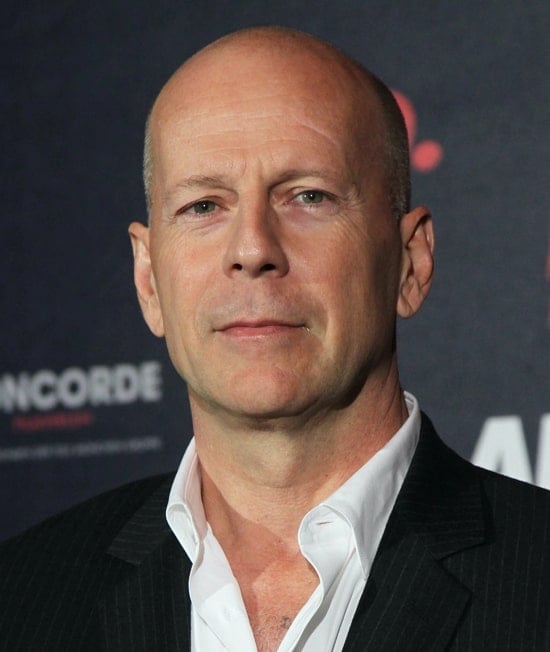
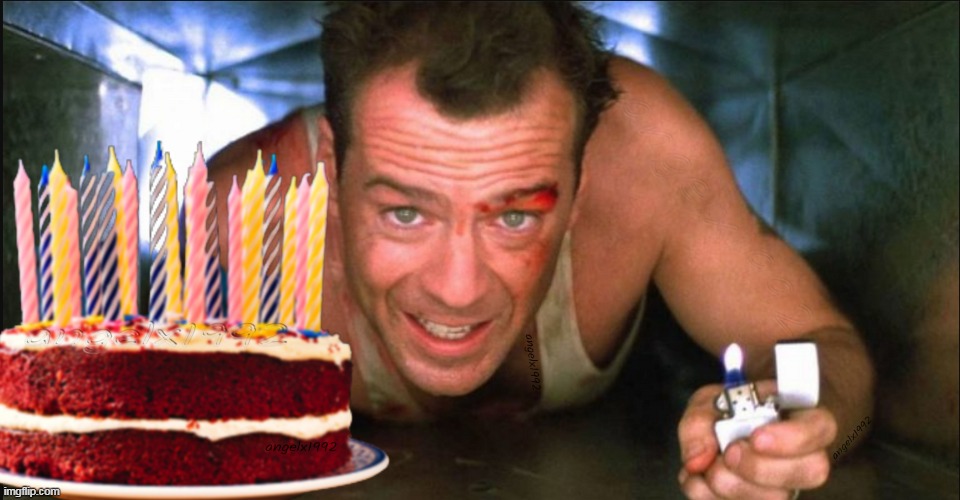
One of my favorite actors celebrates his birthday today—Bruce Willis! Born in 1955, Willis has created many memorable characters and iconic comedic lines. (“Welcome to the party, pal!”) Mental Floss had an article detailing some fascinating facts about him.
From: Mental Floss:
On March 30, 2022, Bruce Willis’s family members, including ex-wife Demi Moore and their three daughters, posted a joint statement to their social media accounts announcing that Willis would be retiring from acting due to a recent health diagnosis.
“Bruce has been experiencing some health issues and has recently been diagnosed with aphasia, which is impacting his cognitive abilities,” the statement read. “As a result of this and with much consideration, Bruce is stepping away from the career that has meant so much to him.”
From his turns as unlikely action hero John McClane in the Die Hard series to smaller supporting roles in 1994’s Pulp Fiction and 1995’s Nobody’s Fool, Willis has consistently surprised audiences with his eclectic career choices. For more on Willis, including his recording career and how he made movie history with 1988’s original Die Hard, keep reading.
1. Bruce Willis was born in West Germany.
Walter Bruce Willis, the son of a military man, was born on March 19, 1955, while his father was stationed in Idar-Oberstein, West Germany. Just two years later, parents David and Marlene Willis moved to Carneys Point, New Jersey, where he spent part of his time in both high school and at Montclair State University trying his hand at acting. After his sophomore year, Willis decided to leave college and head to New York City to pursue a performing career.
2. Bruce Willis may have been one of the best bartenders in New York City.
While auditioning for acting roles and scoring the occasional break—he appeared in an off-Broadway play, Heaven and Earth, in 1977—Willis tended bar at Chelsea Central on New York City’s Upper West Side. According to actor John Goodman, who knew Willis before either of them became famous, Willis was notable even then. “Bruce was the best bartender in New York,” Goodman told The New York Post in 2017. “He kept an entire joint entertained all night. He just kept the show going. He was amazing.”
3. Bruce Willis was cast in Moonlighting even though ABC thought the role was “uncastable.”
Willis had done only some stage work and bit parts in movies like 1980’s The First Deadly Sin with Frank Sinatra and 1982’s The Verdict with Paul Newman before he went in to audition for ABC’s Moonlighting, a send-up of detective dramas. At the time, the role of David Addison was proving so difficult to cast that the network was looking to pay creator Glenn Gordon Caron, director Bob Butler, and co-star Cybill Shepherd to abandon the project. Then Willis auditioned, beating out 3000 other hopefuls and securing the part. The series ran from 1985 to 1989.
4. Thanks to Die Hard, Bruce Willis changed Hollywood salaries forever.
While doing Moonlighting, Willis spent his hiatus shooting feature films like 1987’s Blind Date with Kim Basinger. But it was 1988’s Die Hard that cemented him as a big-screen attraction. The action film about a New York City cop trapped in a Los Angeles skyscraper with his estranged wife and a group of terrorists was a hot commodity, and 20th Century Fox agreed to pay Willis the then-astronomical sum of $5 million for the role. (Richard Gere and Clint Eastwood were also considered.) At the time, major stars like Tom Cruise and Michael J. Fox were getting roughly $3 million a picture. The payday for Willis had other performers taking notice, and salaries reportedly went up as a result.
“It was an enormous amount of money at the time,” Willis told Entertainment Weekly in 2007. “And I was a TV actor! The day after I signed the deal, every actor in Hollywood’s salary went up to $5 million.”
5. The Bruce Willis movie Hudson Hawk was based on a song.
Following Die Hard, Willis was a proven box office commodity that could help projects get made. In 1991, he starred in Hudson Hawk, a critical and commercial disappointment about a jewel thief with a love of music who is hired to steal from the Vatican. The film was based in part on a song written by musician Robert Kraft in 1981. Kraft knew Willis, then a bartender and actor, and shared it with him. Over the years, the two continued to shape the song, adding characters and stories. Eventually, it wound up in the hands of screenwriters Stephen De Souza and Daniel Waters.
6. Bruce Willis all but disappeared in Nobody’s Fool.
In contrast to conventional wisdom of the era, Willis parlayed his success as an action hero into opportunities to work with actors and directors he found interesting—even if it meant taking a small supporting role. (Willis spent just 22 minutes onscreen in 1994’s Pulp Fiction as boxer Butch Coolidge.) For 1995’s Nobody’s Fool, he passed on his normal $15 million fee to take $1400 a week since it meant working with Paul Newman. (Newman had forgotten the then-unknown Willis was a bit player in Newman’s 1982 film, The Verdict.) Because Willis felt so strongly Nobody’s Fool was Newman’s film, he opted out of having his photo included in the press kit and his name wasn’t in the production notes.
7. Bruce Willis had his own cartoon series. In 1996, Willis lent his voice to Bruno the Kid, a syndicated animated series about an 11-year-old spy named Bruno who convinces his handlers he’s really an adult. “Bruno” was Willis’s nickname growing up as well as the name of his musical alter ego. In 1987, Willis released an album, The Return of Bruno, along with a cable special. The cartoon lasted one season.
8. Bruce Willis never finished shooting one of his movies.
In 1997, Willis started shooting Broadway Brawler, a romantic comedy about a washed-up hockey player falling in love. Just 20 days into shooting, Willis used his powers as producer to fire director Lee Grant, Grant’s husband and producer Joe Feury, cinematographer William Fraker, and wardrobe designer Carol Oditz—all reportedly over creative differences. The problems continued even after replacement director Dennis Dugan was brought on board. Rather than continue to waste money on the $28 million movie, studio Cinergi opted to shut it down. Cinergi’s parent company, Disney, absorbed the production costs in exchange for Willis agreeing to star in three Disney movies: Armageddon (1998); The Sixth Sense (1999), Willis’s biggest hit to date; and The Kid (2000).
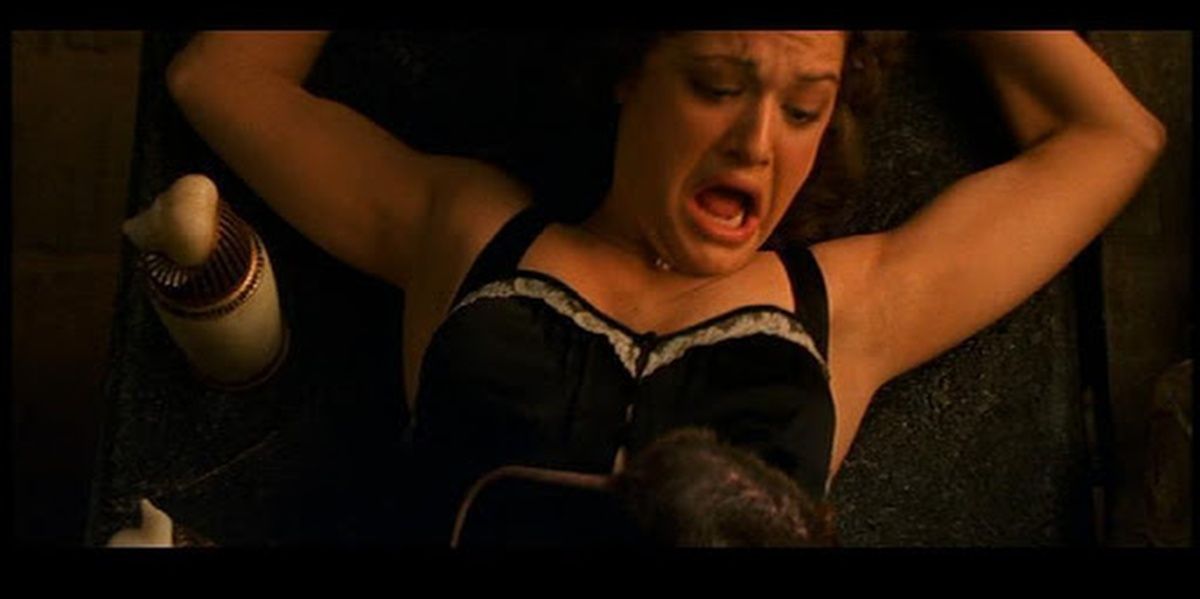
Today is Rachel Weisz’s birthday (born in 1970) and I know her best from the movie The Mummy. The movie combines horror and humor with costar Brendan Frasier. There are some very interesting things from the movie that I didn’t know and wanted to share.
This iconic scene from the movie, shows Evy (Rachel) destroying the library. The amazing thing is the stunt double did it all in ONE TAKE!
Beni (the stereotypical lackey) isn’t exactly loved by anyone in The Mummy, as he forms an alliance with Imhotep to save his own skin, willing to throw everyone else into the fire for his own benefit. Beni isn’t even loved by the camels. There’s a scene that demonstrates just that, when Beni is loading a significant amount of gold onto a camel and it refuses to budge when he instructs it to go. Apparently, the camels just didn’t care for Kevin J. O’Conner, and made it plainly obvious. Even if it wasn’t in the script, it made for more laughs, and suited Beni’s character in all his glory.
While The Mummy utilized its fair share of special effects, not everything was up to technological expertise. Sometimes brave actors have to be commended, like Rachel Weisz, for experiencing things in reality. Poor Weisz was faced with rats crawling all over her in one of the final scenes in The Mummy, and audiences assume her horrified reaction is less to do with acting and more to do with her genuine reaction. Audiences are still creeped out by this scene to this day; in regards to authenticity, the film nailed this scene.
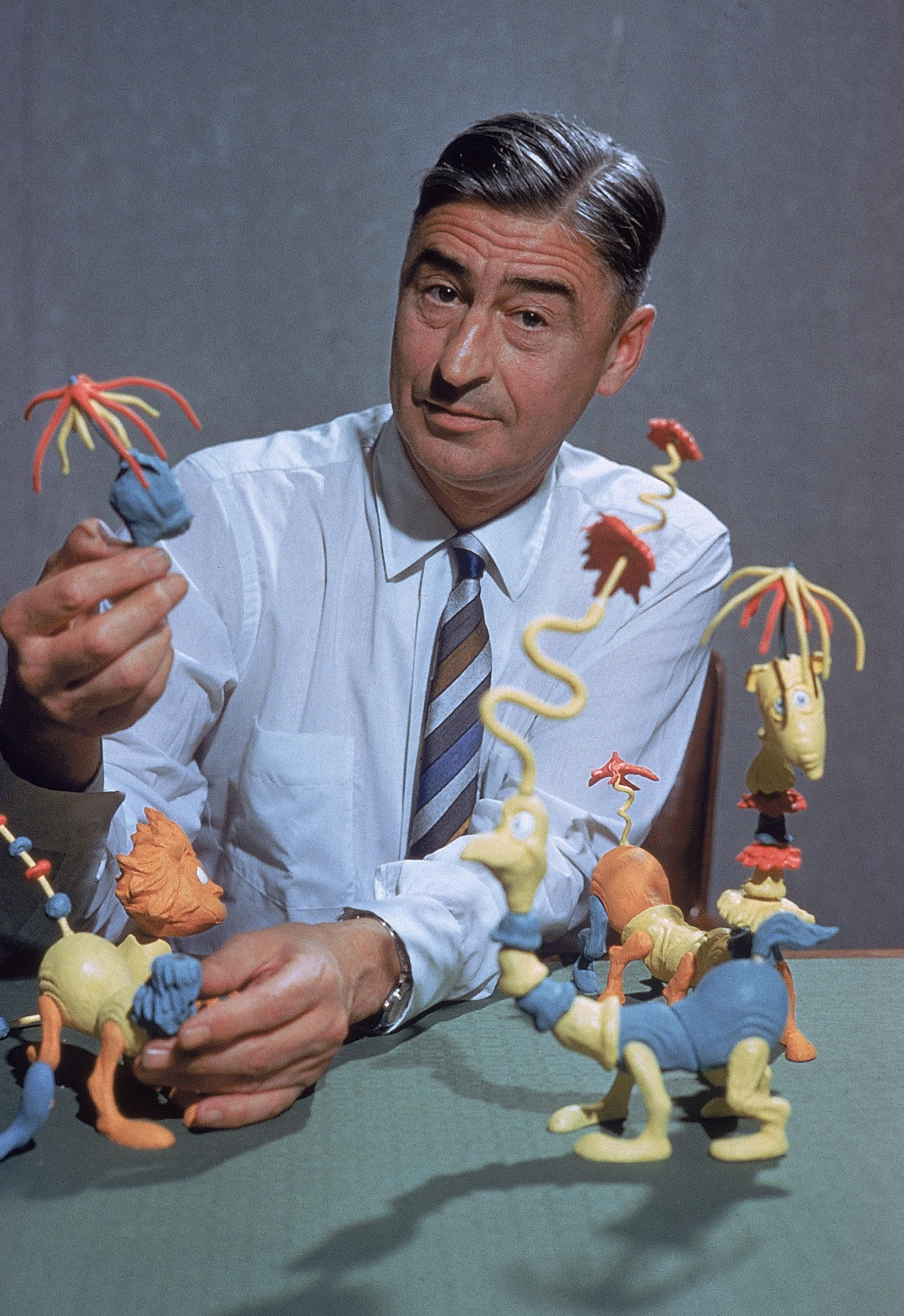
I found an interesting article about Dr. Suess since today is his birthday! He was born February 2, 1904 and he passed away September 24, 1991. Today is also National Read Across America Day! This article details 20 interesting facts about Dr. Suess.
From Parade.com:
20 Dr. Seuss Facts You Didn’t Know
1. Dr. Seuss was voted “Least Likely to Succeed” by his classmates at Dartmouth College (1921–25).
2. And to Think That I Saw It on Mulberry Street, his first children’s book, was rejected 27 times before getting published in 1937.
3. Dr. Seuss is credited with inventing the word “nerd,” which first appeared in If I Ran the Zoo in 1950.
4. Green Eggs and Ham was written on a $50 bet when his publisher challenged him to write a book using 50 words or less.
5. Celebrities who’ve voiced or acted as characters in TV shows and movies based on Dr. Seuss books and stories include Boris Karloff and Jim Carrey (How the Grinch Stole Christmas), Mike Myers (The Cat in the Hat), Danny DeVito (The Lorax) and Jim Carrey, again (Horton Hears a Who!).
6. The Dr. Seuss National Memorial Sculpture Garden in Springfield, Massachusetts, features sculptures of him and many of his characters.
7. Dr. Seuss comes by his love of verse from his mother, who used to make up rhymes based on pie flavors for him when he was a child.
8. Before finding success as a children’s author, Dr. Seuss earned his livelihood creating ads for an advertising agency.
9. At one point, Dr. Seuss’ father ran the local zoo, which is when Dr. Seuss began sketching animals.
10. Seuss added ‘Dr.’ to his name for his father, who had hoped he would become a medical doctor.
11. Dr. Seuss liked that “Soose” rhymed with Mother Goose, so he adopted that pronunciation, rather than “Soice,” which is the correct German pronunciation.
12. From 1943 to 1946, Geisel served as a captain (and ultimately lieutenant colonel) in the animation department of the Army’s 1st Motion Picture Unit and was sent to Hollywood to produce World War II propaganda cartoons featuring the military misadventures of Private Snafu.
13. After WWII, Seuss and his wife, Helen, lived in an old observation tower on a mountain outside La Jolla, California.
14. Dr. Seuss’s personalized license plate read “GRINCH.”
15. After publishing The Cat in the Hat and How the Grinch Stole Christmas in 1957, Dr. Seuss began receiving thousands of fan letters—so many that the Random House mailroom began weighing rather than counting the letters. In one year, they reported that Dr. Seuss received 9,267 pounds of mail.
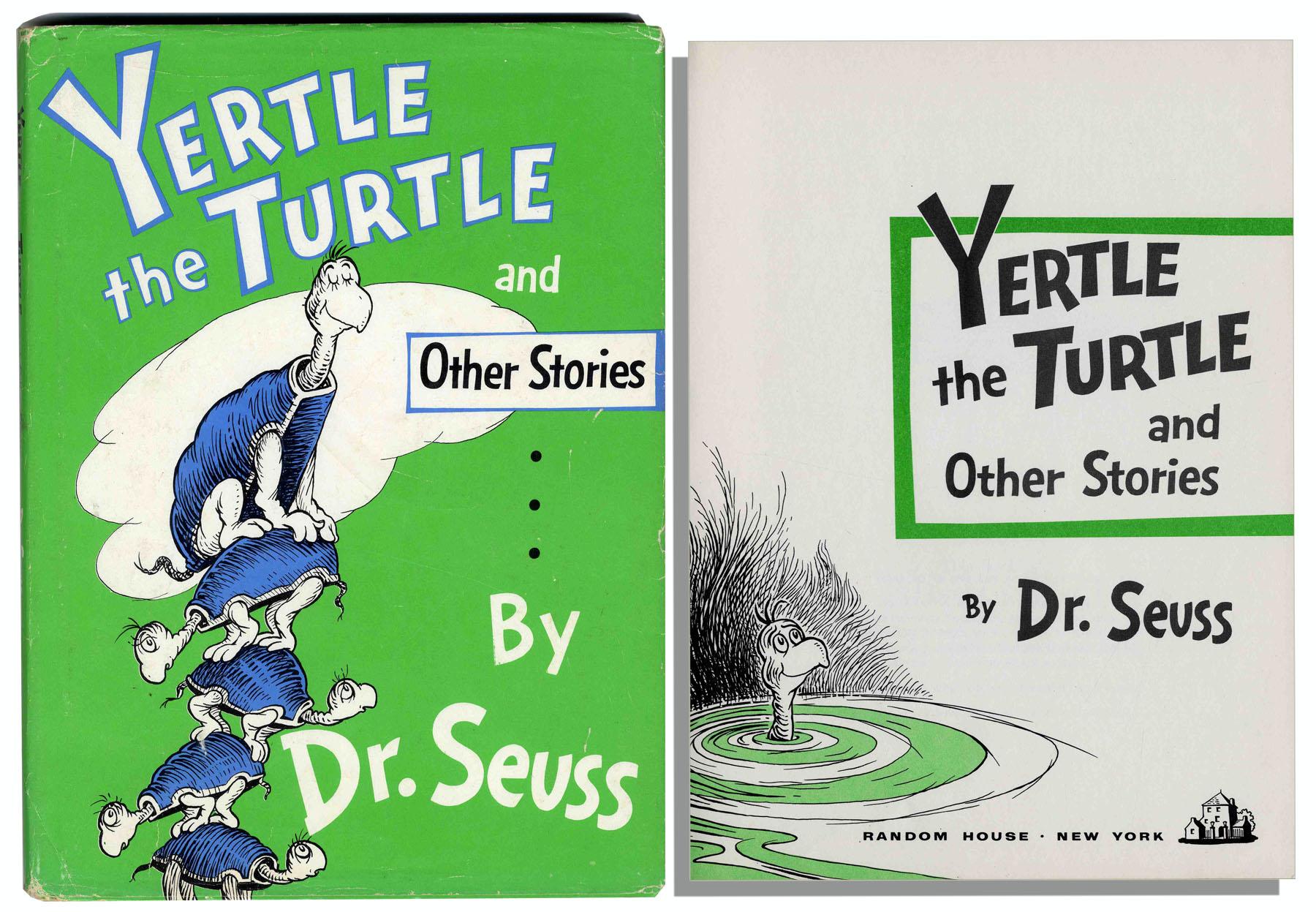
16. The title character of Yertle the Turtle was based on Adolf Hitler.
17. Seuss was awarded the Pulitzer Prize in 1984, the first person to win for writing children’s books.
18. After graduating from Dartmouth, he enrolled at the University of Oxford but dropped out in 1927.
19. Dr. Seuss had no biological children. His second wife, Audrey Dimond, had two daughters.
20. His influence even reached the scientific community, where an Ecuadorian jumping spider is named after The Lorax. The Lapsias lorax has yellow markings near its mouth, which resemble the mustache of its literary counterpart.
Every once and again, a song catches your fancy and forms an earworm. This duet by Ella Langley and Riley Green has done just that. “Excuse me…”
Ella Langley: I was all but 22 / I think at the time / I’d been out on the road / Lonely at night / And it’d been a while / So it was on my mind.
Well, I saw him walk in / With his cowboy hat / And I thought to myself / I could use some of that / His boots like glass on a sawdust floor / Had moves like nothin’ I’d ever seen before.
So I walked right up / And I pulled him to the side / I handed him a beer and looked him right in the eye / And I said Baby, I think you’re gonna wanna hear this / Then I told him …
Chorus: Excuse me / You look like you love me / You look like you want me / To want you to come on home / And baby, I don’t blame you / For lookin’ me up and down across this room / I’m drunk and I’m ready to leave / And you look like you love me.
Riley Green: Well, I was down at the local beer joint with a few of the guys / When this cute little country girl caught my eye / And boy, let me tell you / She was the prettiest thing I’d ever seen in a pair of boots / Well, she walked right up to me, handed me a beer / Gave me a look like, let’s get outta here / And that’s when I realized that she was every cowboy’s dream come true / She told me this right here, she said …
RepeatChorus
Alright, now.
So if you ever see a man in a cowboy hat / And you think to yourself / I could use some of that / Don’t waste your time / Just give ’em this here line / Goes a little like this.
SO many states have the white-tailed deer as their state mammal, and I am not going to repeat the basic facts about them over and over again. I decided to take a look at BAMBI (a baby white tail deer) and see what we may not have known about the movie.
From Mental Floss:
It’s pretty commonplace for at least one parent to meet a tragic end in a Disney movie, but the death of Bambi’s mother is definitely one of the most heartbreaking, even more than 70 years later. It took Walt Disney and his animators a while to figure out how they wanted to show that pivotal scene; they considered letting viewers see the actual shot before deciding to go with a more subtle approach. That’s just one fact you might not have known about the classic animal film—read on for 12 more.
1 LIKE MANY DISNEY MOVIES, BAMBI WAS BASED ON A BOOK.
The novel, Bambi: A Life in the Woods was intended for adults, not children. If audiences thought the death of Bambi’s mother was a bit harsh, they obviously hadn’t reviewed the source material: Among other things, Bambi’s father shows him the corpse of a man who had been shot by his fellow hunter to show that humans weren’t immortal.
2 BAMBI AUTHOR FELIX SALTEN MADE ALMOST NOTHING FROM THE MOVIE.
Felix Salten sold the American film rights to director Sidney Franklin for a mere $1000. Franklin, in turn, sold it to Disney, writing to him, “I would want it to be one of the greatest things ever attempted and done.” Disney paid homage to Franklin in the credits.
3 THE BOOK WAS BANNED IN GERMANY.
The Nazis believed Salten’s book could be viewed as an allegory for the plight of Jewish people in Europe. They banned it in 1936.
4 THE ANIMATORS STUDIED DEER EXTENSIVELY TO GET THE MOVEMENTS JUST RIGHT.
Artists spoke to animal experts, spent time at the Los Angeles Zoo, and watched nature films. They even got up close and personal with two deer donated to the studio. But animators really showed their dedication to the craft when they observed a deer corpse in various stages of decomposition for several evenings to see how the muscles and tendons really worked. “Unfortunately, each time he contracted or extended any part of the cadaver a rich aroma was pumped into the air,” animators Frank Thomas and Ollie Johnston recalled.
5 THE ANIMATION WAS EXTREMELY TEDIOUS.
Artists had to make sure that each spot on Bambi’s back was replicated perfectly in every frame. The attention to detail meant that animators were able to complete less work on a daily basis than they had on previous movies.
“I wouldn’t hurry. I wanted it right. I wanted those animal characters in Bambi to be actors, not just cute things. I wanted acting on a plane with the highest acting in the finest live-action pictures,” Walt later explained. Bambi also used an oil painting technique that previous Disney pictures hadn’t, which also added to the timeline. According to Walt:
“We took some of our top artists who worked in oils for their own enjoyment in their leisure time. They taught their technique to the watercolor men. There’s a vast difference in the two techniques, but I was set on oil painting, because of its quality. I figured oils would give a sheen to the forest and accentuate the depth. It worked, too, but perfecting a technique takes time.”
6 WALT’S OWN DAUGHTER PROTESTED THE DEATH OF BAMBI’S MOTHER.
When Diane Disney complained about the needless death, her dad explained that he was just following the book. She proceeded to point out other instances where his movies had veered off from the original material, and besides, she said, he was Walt Disney and could take whatever liberties he liked.
7 “MAN IS IN THE FOREST” HAD DOUBLE MEANING.
It’s uttered in the movie to warn of approaching humans, of course, but to Disney animators, it also meant something else: Walt was coming down the hallway, and anyone who was slacking needed to shape up immediately.
8 THE MOVIE IS RATHER ECONOMICAL WITH ITS DIALOGUE.
Although the animals in the movie speak, they don’t speak much; there are fewer than 900 words in the whole film.
9 SOME OF BAMBI ‘S ANIMATION SEQUENCES WERE REUSED IN OTHER MOVIES.
Over the years, Disney has often employed an animation technique called “rotoscoping,” where animators trace over the frames of old footage to use it in a different environment. Check out this video for a few examples of how animation from Bambi and other early films ended up in later movies.
10 THE STUDIO CONSIDERED A BAMBI “ROAD SHOW.”
Instead of a standard release, the road show would have placed the movie in theaters specially outfitted with advanced sound systems and limited the number of daily showings.
11 BAMBI LATER BECAME A CAREER MARINE.
In 1940, six-year-old Donnie Dunagan was picked for the role of a lifetime: Disney hired him to provide the voice for the lead role in his newest animated feature, Bambi. Dunagan retired from acting after that, and became a decorated career Marine—and its youngest-ever drill instructor, in fact. He served in the Vietnam War and was wounded three times.
Dunagan didn’t want to give recruits or commanding officers any extra reason to harass him, so he kept his mouth shut about his child acting past for the duration of his entire career. He says it didn’t come up until he was two months away from retirement, and, swamped with other things, balked at completing a task an officer had asked him to do.
“General, when do you think I’m going to have time to do that?” Dunagan asked. And that’s when the general revealed that he had some very interesting intel:
“He looked at me, pulled his glasses down like some kind of college professor. There’s a big, red, top-secret folder that he got out of some safe somewhere that had my name on it. He pats this folder, looks me in the eye and says, ‘You will audit the auditors. Won’t you, Maj. Bambi?'”
12 THESE DAYS, DUNAGAN EMBRACES THE PAST.
“I love it now,” he has said. “When people realize, ‘This old jerk, he’s still alive and was Bambi.’ And I wouldn’t take anything for it, not a darn thing for it.”
Dunagan says kids still ask him to say some of Bambi’s most famous lines: “At first I had to modify my long developed adult voice and get all the Marine tones out of it, in order to say ‘bird,’ ‘flower,’ and so on. With some practice I have been able to do it!”
Today is John Travolta’s birthday ( born 1954) and I wanted to showcase a favorite John Travolta movie of mine: Look Who’s Talking. The movie is a romantic comedy with voice overs done by Bruce Willis.
From: Mental Floss:
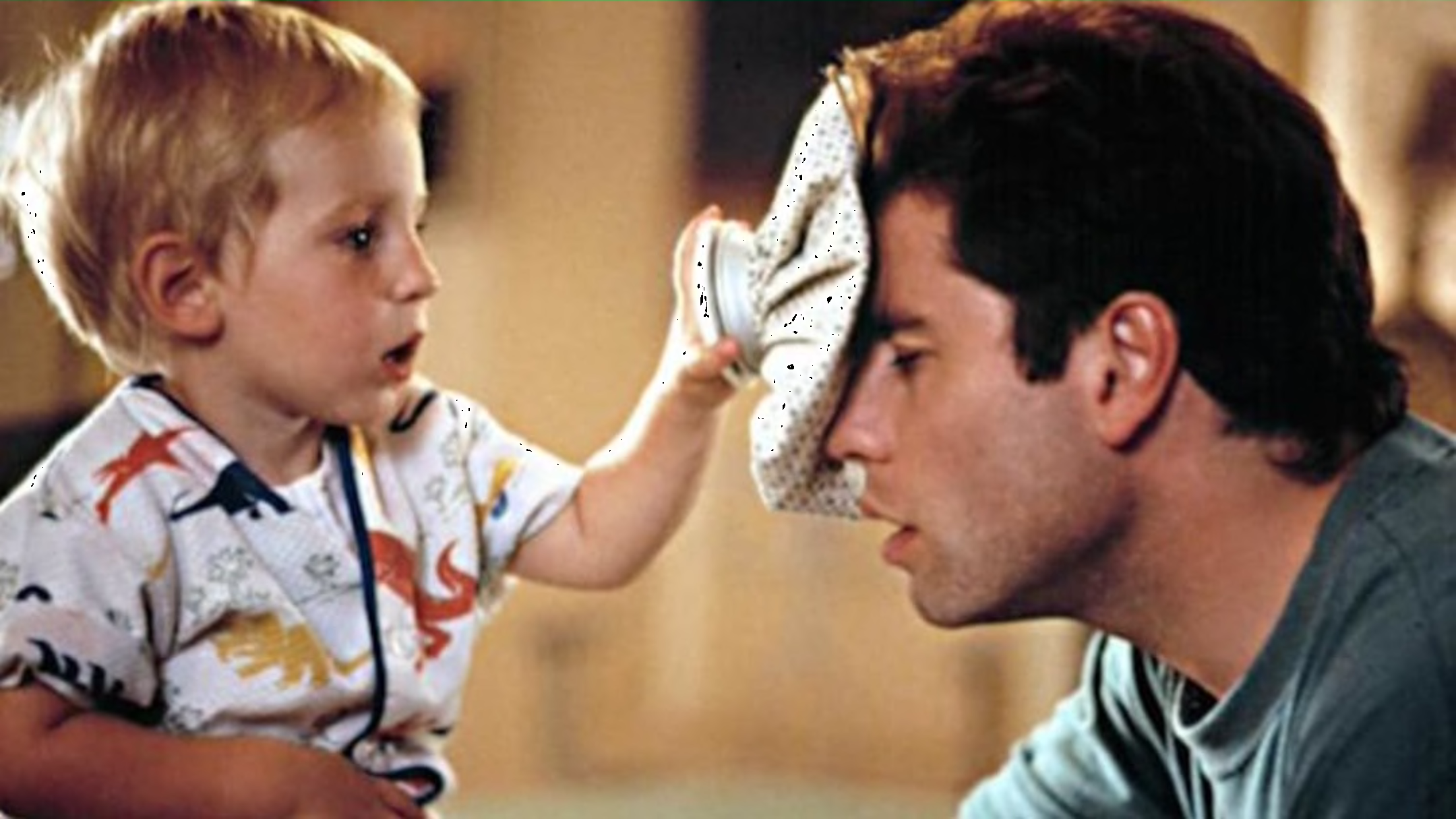
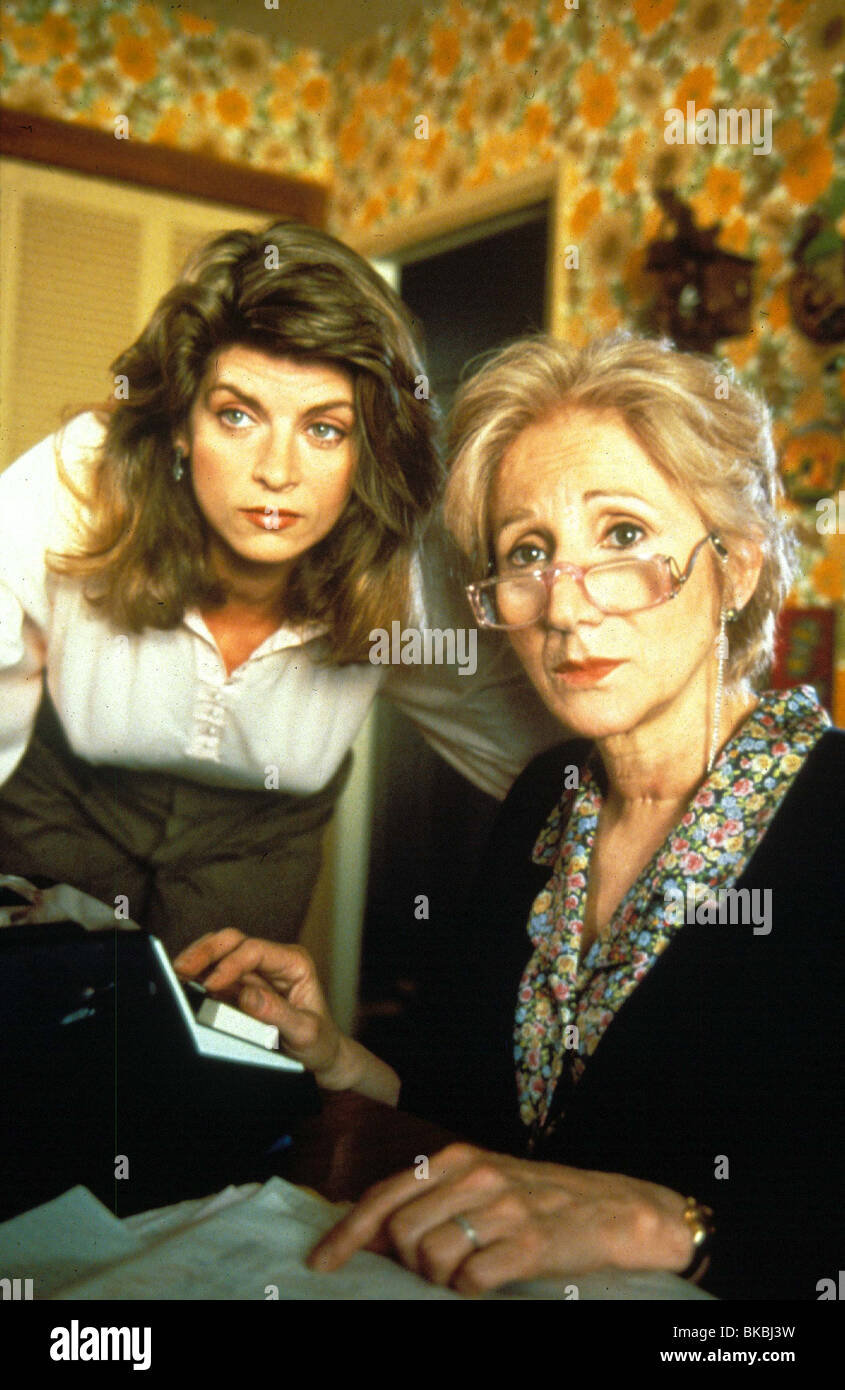
In 1989’s Look Who’s Talking, Kirstie Alley played Mollie, a single mother whose love life is manipulated by her newborn son Mikey, so she ends up with a cab driver named James, played by John Travolta. The twist to writer-director Amy Heckerling’s movie is that the audience can hear baby Mikey’s inner monologue, voiced by Bruce Willis. The original film spawned two sequels, and influenced a TV show (plus a popular ad campaign).
1 AMY HECKERLING GOT THE IDEA FROM HER DAUGHTER.
The Fast Times at Ridgemont High and future Clueless director noticed her young daughter, Mollie, constantly look around whenever she was propped up in her baby seat. “My husband and I started to put words in her mouth, what she might be thinking based on her expressions,” Heckerling told the Los Angeles Times.
2 A LAWSUIT CLAIMED THAT HECKERLING STOLE THE IDEA.
A $20 million lawsuit alleged that Heckerling stole the idea from a short story called Special Delivery, a science-fiction tale featuring an unborn infant who can talk to its parents. The terms of the eventual settlement weren’t disclosed.
3 THREE STUDIOS PASSED ON THE FILM.
Warner Bros., Disney, and Orion Pictures all passed on the idea before Tri-Star took a shot.
4 OLYMPIA DUKAKIS GOT AN OSCAR PAY RAISE.
Olympia Dukakis was told that she would be paid $50,000 to play Kirstie Alley’s mother if she won an Academy Award for her work as Rose Castorini in Moonstruck. She did.
5 IT WAS SHOT IN VANCOUVER TO SAVE MONEY.
Producer Jonathan D. Krane, who was also John Travolta’s manager, cut the $13 million budget almost in half by moving the film’s production to Vancouver, instead of shooting on location in New York City.
6 KIRSTIE ALLEY FELL FOR JOHN TRAVOLTA IN REAL LIFE.
The actress recently claimed “it took all the power I had” to not run off with her co-star, whom she called the love of her life. Alley was married at the time; Travolta was single.
7 TRAVOLTA GOT SILLY DURING THE ROMANTIC SCENES.
Whenever Alley and Travolta tried to shoot their first kiss, Travolta kept evoking Barbra Streisand singing “Papa, Can You Hear Me?” from Yentl.
8 JAMES WAS ORIGINALLY WRITTEN AS A DARKER CHARACTER.
When Travolta came on board, Heckerling changed James. She also added James’ dancing with her new star in mind.
9 ONE SHOT OF THE FETUS TOOK 115 TAKES.
The fetuses were puppets. Twelve puppeteers—some hanging upside down—were required to shoot the scene where Mikey plays with the placenta. The sperm were made of vinyl with tiny fishing weights in front.
10 HECKERLING DIDN’T WANT ALBERT’S HEAD EXPLODING TO LOOK TOO SCARY, LIKE IN SCANNERS.
A fake head was made for George Segal. Weather balloons were stuffed into the fake head’s cheeks.
11 AUDIENCES IN DIFFERENT COUNTRIES HEAR DIFFERENT BABY VOICES.
Foreign countries had their own celebrities voicing baby Mikey. It was Travolta’s idea.
12. TWO OF MOLLIE’S BLIND DATES HAVE NAMES.
They were credited as Mr. Impatience and Mr. Anal.
13 HECKERLING PUT HER FAMILY TO WORK.
Alley’s father was played by Heckerling’s dad, Louis (who is an accountant in real life). She admitted to being skeptical of Louis’ ability to pretend to laugh, but he pulled it off. Writer Neal Israel—who is Heckerling’s ex-husband and the father of Mollie, their daughter who inspired the movie—played Alley’s boss, Mr. Ross. Mollie also has a brief role in the movie.
14 THE STUDIO DELAYED ITS RELEASE FOR SEVEN MONTHS.
Tri-Star changed the movie’s release date from March to October, which led insiders to believe that the studio hated what they saw in the rough cut and it would never be released. Instead, Look Who’s Talking made nearly $300 million worldwide.
15 IT INSPIRED THE TV SHOW BABY TALK AND THE E*TRADE BABY.
ABC’s Baby Talk, featuring Tony Danza as the voice of the little one, wasn’t as successful as the movie; star Scott Baio called it a “nightmare.” The E*Trade baby endorsed the financial company from 2008 to 2014.
16. THERE IS TALK OF A REBOOT.
In 2010, it was reported that Fast & Furious producer Neal H. Moritz had plans to bring the Look Who’s Talking franchise back. Heckerling hopes the reboot does happen: “then I’d make some money!”
Today is the real Laura Ingalls Wilder’s birthday! She was born February 7, 1867 and died February 10, 1957 and PBS.ORG had an interesting article on her.
From: PBS.ORG:
When the Ingalls family first began traversing the grassy frontier of America in their covered wagon — bouncing from Kansas to the Dakotas and Wisconsin and back, they had no idea that their stories would go on to become the stuff of folklore — woven in the very fabric of the modern American imagination, and forever memorialized in a series of books for children.
The author of these stories, Laura Ingalls Wilder, based the bestselling “Little House” series on her childhood and the simple joys and upheavals of the pioneer life alongside her family: Pa, Ma, her sisters and Jack the dog. But despite the author’s insistence that the books were purely biographical, the truth behind the stories was much more complex. The details and dealings of the characters did not always match up with reality. To help understand who the real Laura Ingalls Wilder was, we’ve compiled these sometimes lesser-known facts about the real life of this pioneering author.
1 She found publishing success later in life.
Wilder was in her 40s when she first began writing for small farming publications in the rural town of Mansfield, Missouri where she and her husband, Almanzo, lived at the time. She didn’t begin writing her first novel, “Pioneer Girl,” until she was in her 60s, with the help and encouragement of her daughter, Rose Wilder Lane, who was already a successful author. With the Great Depression in full swing, however, the novel, which documented the harsh realities of life on the frontier, was not met with enthusiasm by publishers, who one by one rejected the novel. But Rose never gave up, and set about adapting her mother’s novel into stories for children – stories which would eventually form the basis of the “Little House” series. The first book in that series, “Little House in the Big Woods,” was published in 1932 when Wilder was 65.
2 Her first book was published 84 years after she wrote it.
Wilder’s very first novel may have been turned down numerous times when it was first presented to publishers in 1931, but the original manuscript of “Pioneer Girl” was preserved and posthumously published in 2014 — some 84 years after it was written. The annotated autobiography for adult audiences quickly climbed to the top of bestseller lists around the country, following the successes of Wilder’s other novels that were all sprung from this very first memoir.
3 She refused to say “obey” in her wedding vows.
In the last book of the series, “These Happy Golden Years,” Laura recounted the time she told Almanzo (known affectionately to her as Manly) that she would not utter the word “obey” when it came time to say their wedding vows. “I cannot make a promise that I will not keep,” she told Almanzo, and “even if I tried, I do not think I could obey anybody against my better judgement.” He simply replied: “I’d never expect you to.”
“Almanzo was perfectly competent and a strong, hard worker. But he was willing to defer to his wife,” said biographer William Anderson. “They had a unique partnership in their marriage before most marriages were organized in that fashion. Before Almanzo made any purchases or changes on the farm, they consulted together. And if he would do something rash without asking her, she made it known that she really didn’t care for that.
4 The couple faced many hardships early on that traumatized their only child.
The couple also fell on many hard times over the course of their long marriage — some of which were documented in the book, “The First Four Years.” The family survived natural disasters, crop failures, the loss of a son, severe cases of diphtheria that left Almanzo with limited use of his legs, and a house fire that burned everything they owned. When they eventually settled in Mansfield, the pair struggled to make ends meet, with each having to take on second and third jobs. Laura raised chickens and took in boarders while her husband worked in the apple orchard and delivered kerosene. Their daughter Rose also chipped in by picking and selling huckleberries.
Rose later wrote about the trauma of her upbringing in a 1926 article for Cosmopolitan, saying: “No one knew what went on in my mind. Because I loved my parents, I would not let them suspect that I was suffering. I concealed from them how much I felt their poverty, their struggles and disappointments. These filled my life, magnified like horrors in a dream.”
5 She was distantly related to President Franklin Delano Roosevelt.
They were fifth cousins, one time removed, to be exact. But Laura Ingalls Wilder couldn’t stand FDR and was extremely critical of him and his efforts to push forward the “New Deal” — a series of reforms, projects, and programs designed to help Americans recover financially from the Great Depression.
“Politically, she’s writing at a time when FDR is in the White House and is apparently never leaving, and she doesn’t like him very much at all,” said Sarah Miller, author of “Caroline: Little House Revisited.”
“Laura thought that everybody was starting to whine in response to the New Deal. She just couldn’t stand it. It made her sick,” said Christine Woodside, author of “Libertarians on the Prairie.”
6 She found an unlikely audience in Japan.
The sixth book in the “Little House” series became the first book that was approved for translation and publication in Japan during the American occupation at the end of World War II. General Douglas MacArthur, the Supreme Commander for the Allied Powers (SCAP), granted permission for “The Long Winter” to be published under the title “Nagai Fuyu” in 1949. The books recounting tales of pioneer life — of hardships and rugged individualism and finding joy in simplicity — really resonated with audiences in Japan where they quickly gained widespread popularity.
7 Her name was removed from a children’s literature award in 2018.
While the “Little House” books remain in print and are still popular today, the series has also received its fair share of criticism because of its racist and dehumanizing portrayals of Native and Black Americans — a reflection of attitudes shared among many white settlers during the time the books were written. Some of the more egregious lines in the books were later amended by publishers, but certain racist images and statements remain in newer printed versions. The controversy caused the American Library Association to rename its Laura Ingalls Wilder Lifetime Achievement Award to “The Children’s Literature Legacy Award” in 2018, and has prompted scholars and authors to call for the books to be taught to children within the proper context.
8 The “Little House” books became a global phenomenon that launched a thousand spin offs.
The “Little House” series has become so iconic over the years that it has prompted several spin-off novels, various musicals, radio plays, a Japanese anime series, parades, fashion shows, festivals, and recreations, including the annual Wilder Pageant. Reruns of the iconic “Little House on the Prairie” TV show that first appeared on screens in the US in the ’70s and ’80s are still aired in over 30 countries today. In December 2020, Paramount Television and Anonymous Content announced a one-hour dramatic reboot of that TV series. The books were so beloved that the Wilder even had a historic highway that runs across Minnesota and South Dakota and a crater on Venus named after her.



















 Sew Colorful