I’d Like to Solve the Puzzle

Today is (not) Pat Sajak’s birthday! He was born October 26, 1946 and was the host of Wheel of Fortune for over 40 years.  I thought I’d take a look at some of the funnier wrong answers to Wheel of Fortune puzzles.

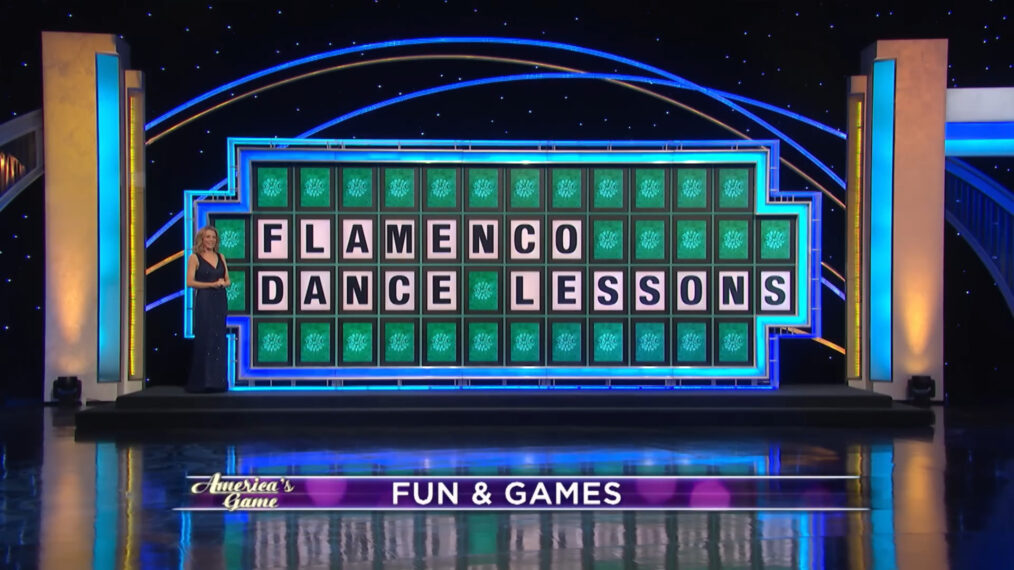
12 You say “flamenco,” he says…

In 2018, a contestant named Jonny lost out on a $7,100 prize after pronouncing “flamenco” like “flamingo.” Ashley, whose turn it was next, almost looked sheepish as she offered the correct answer.

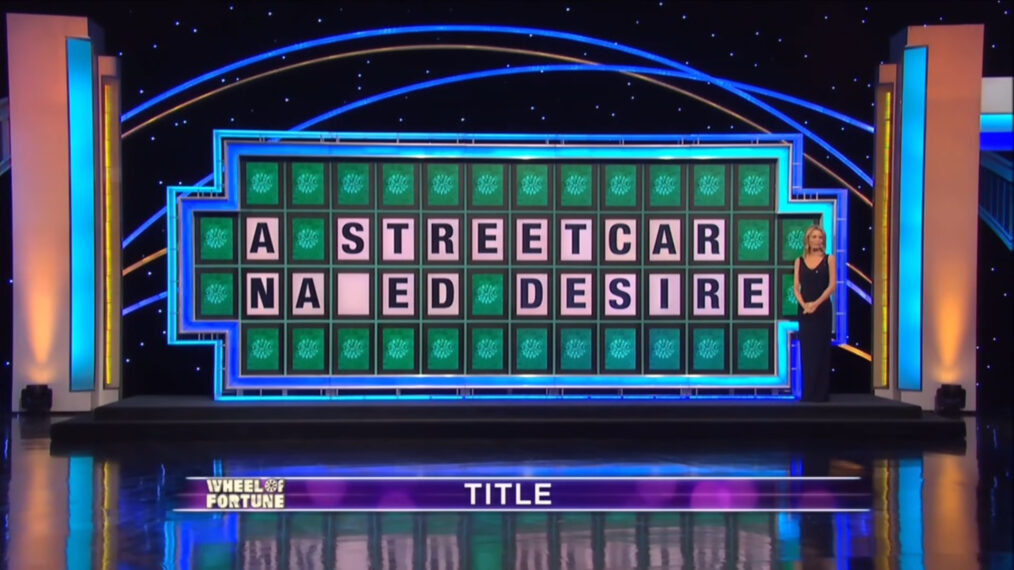
11 Tennessee Williams is rolling in his grave

After thinking that the play A Streetcar Named Desire was titled A Streetcar Naked Desire in a 2017 episode, Kevin Haas said in a statement that he was glad to give viewers a laugh. “That, my friends, is the naked truth,” he added, per TIME.

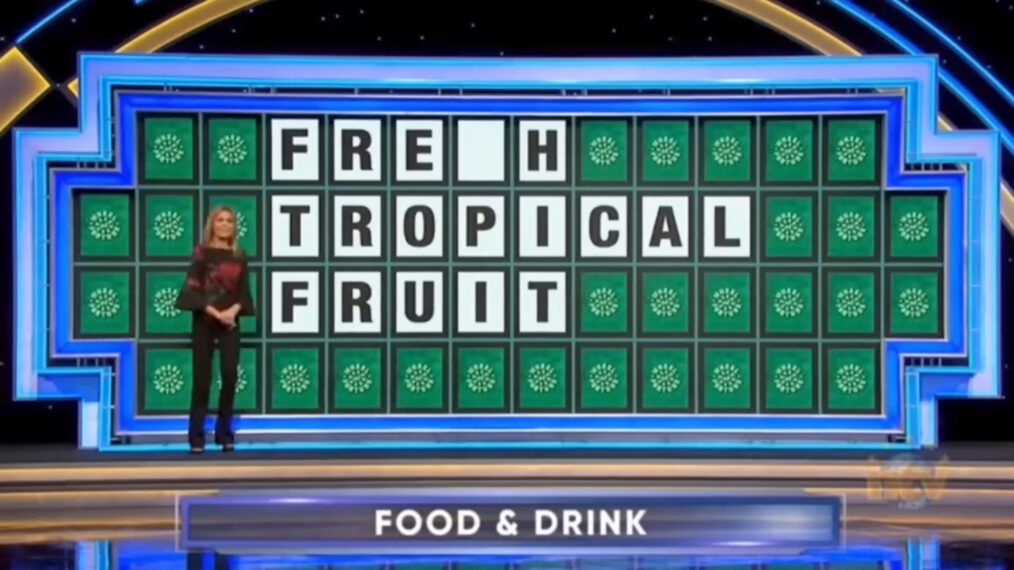
10 A “fregh” response

A contestant named Khushi might never go to a grocery store without a twinge of humiliation, having offered a “G” instead of a “S” as the final letter in “FRE_H TROPICAL FRUIT” in a 2023 Wheel of Fortune episode.

9 A child-ish flub

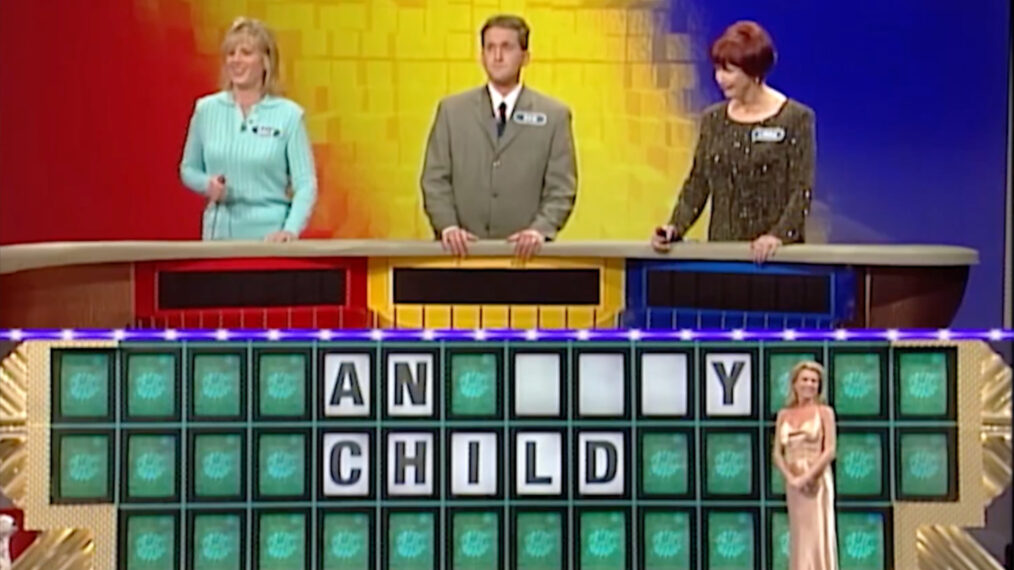
In 2002, a contestant named Linda actually thought that the answer to a Wheel of Fortune puzzle would be “an ugly child” instead of “an only child.” (“What can I say? I’m a schoolteacher,” she said by way of… explanation?)

8 No Live fans here

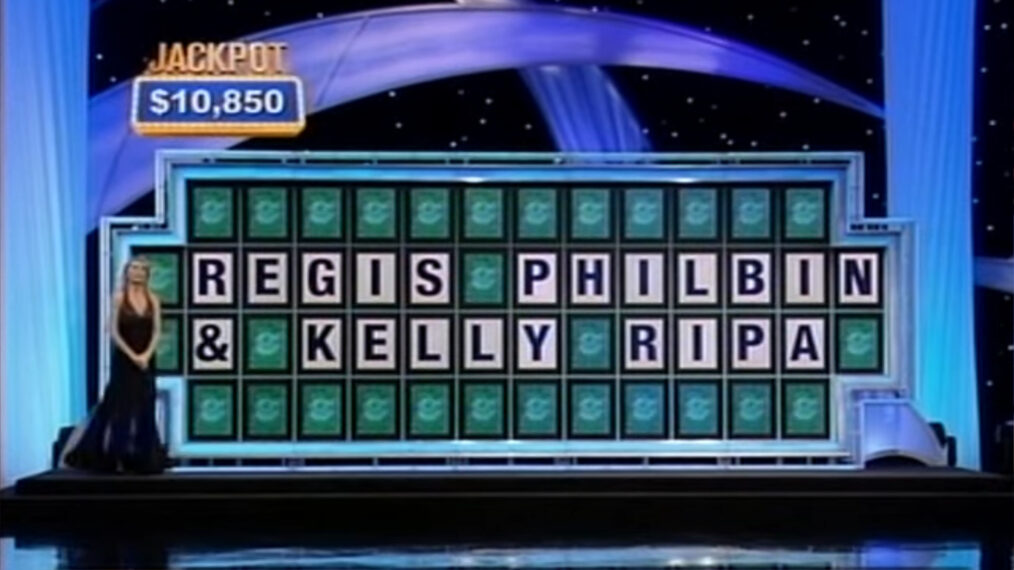
None of the contestants of a 2010 episode could nail the names of former Live cohosts Regis Philbin and Kelly Ripa at first, saying “Philburn,” “Philmin,” and — even once the answer was revealed — “Ree-pa” instead of Ripa.

7 A prescription for failure

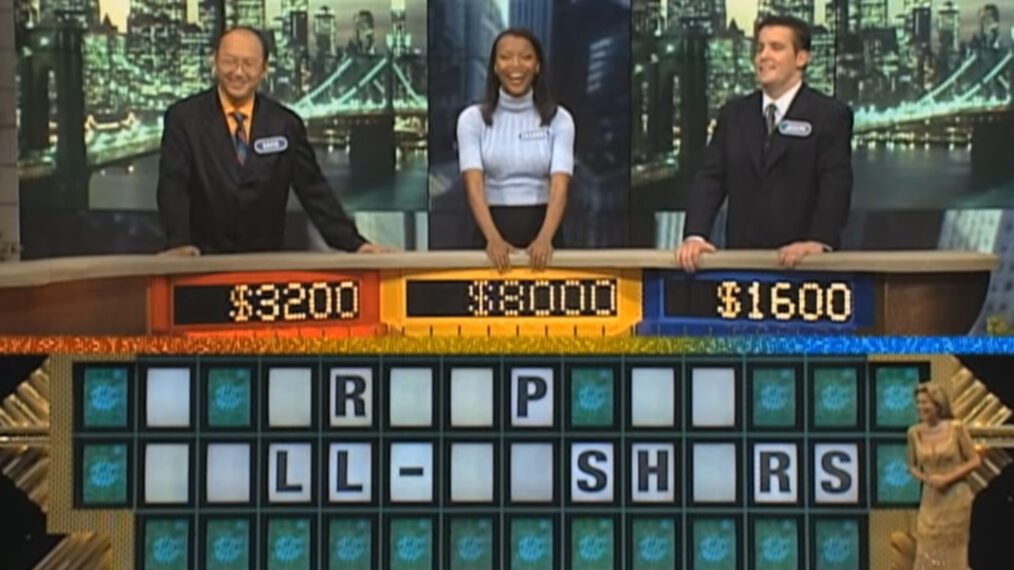
In an infamous 1999 episode of Wheel, one contestant guessed “a group of pill-pushers” instead of “a group of well-wishers.” Sajak jokingly announced the end of that episode’s taping.

6 Wand-ering around the answer

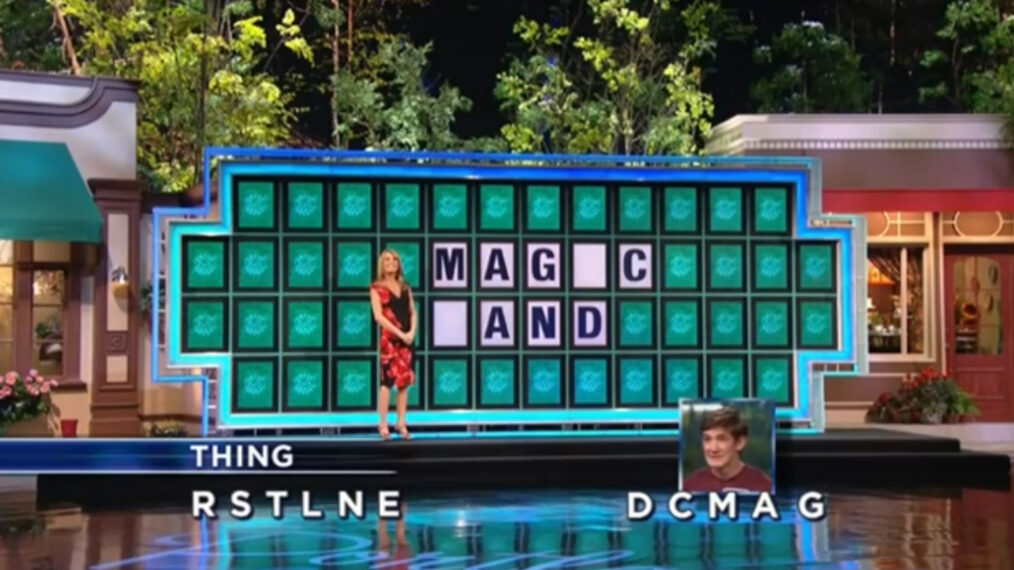
If you can deduce the answer from the puzzle “MAG_C _AND,” you’re better off than a contestant named Zach, who in a 2012 episode guessed 10 wrong consonants for that second blank before realizing — just after the buzzer — that the answer is “magic wand.”

5 Pronunciation is his Achilles heel

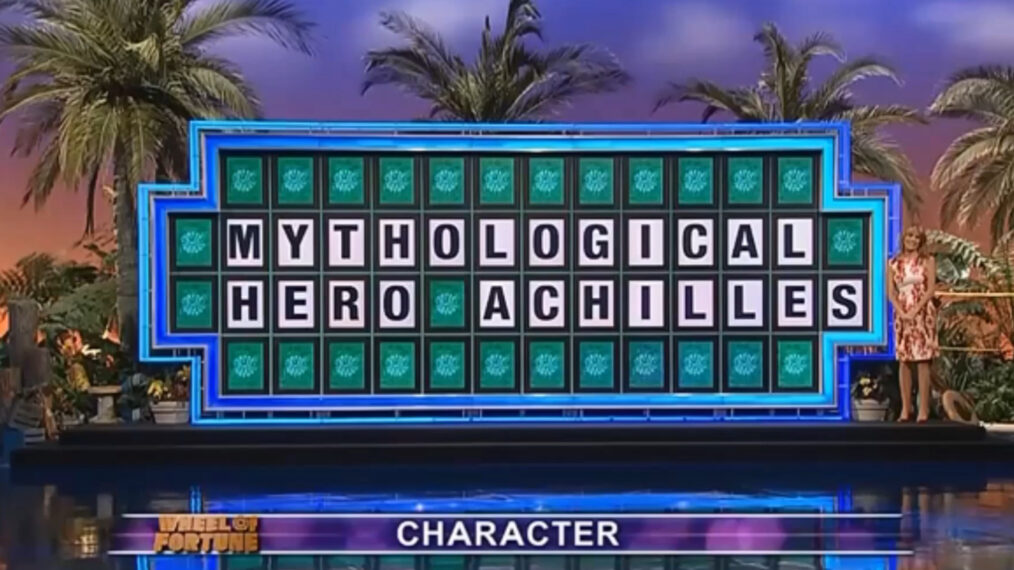
Julian Batts staked his place in game show infamy in 2014 when he lost $1 million by pronouncing Achilles like “A-chillus.” (“It’s the Wheel of Fortune,” Batts said in a follow-up interview with IndyStar. “Crazy stuff happens all the time. It’s a crazy game.”)

4 Tuber on the tube

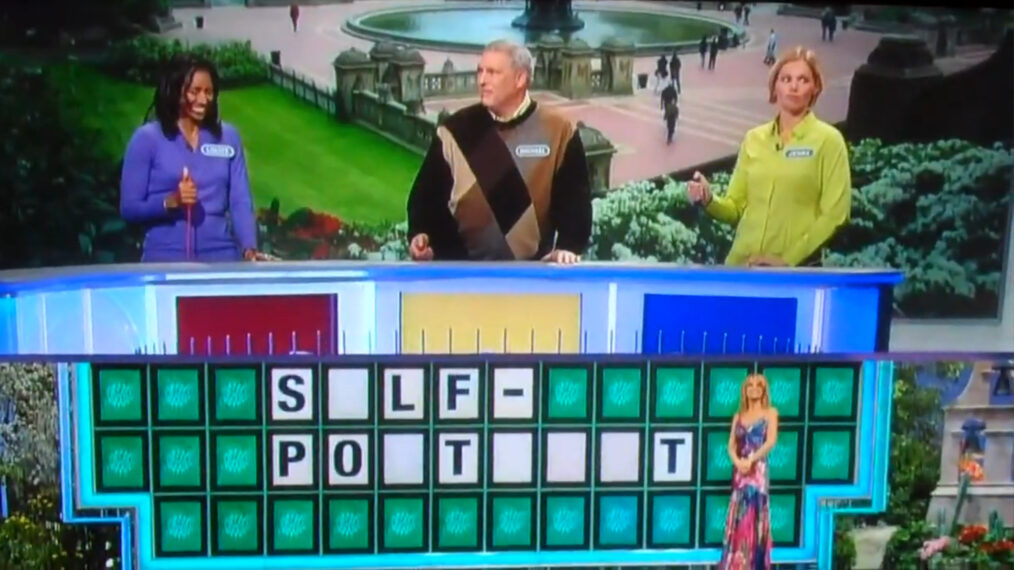
Lolita McAuley also had an embarrassing turn on the show, guessing “self-potato” — whatever that is — instead of “self-portrait” in a 2009 episode. McAuley told The New York Times she wanted to “go and hide” right after the word salad fell out of her mouth.

3 What kind of shower?

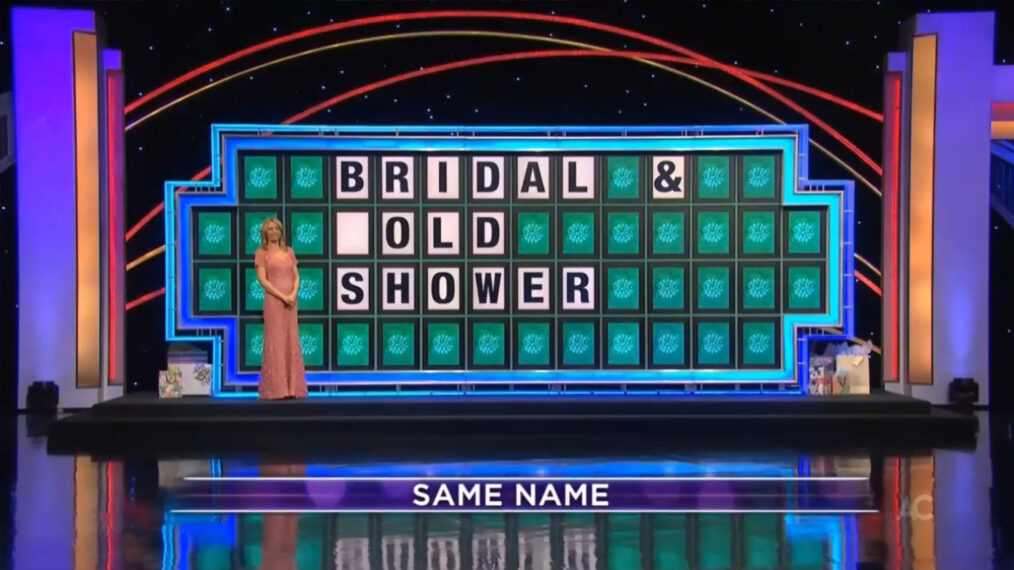
Melanie inadvertently — seemingly inadvertently, at least — name-dropped a NSFW sex act on Wheel of Fortune in 2018, saying “gold shower” instead of “cold shower.”

2 The lovely Parisian city of Venice

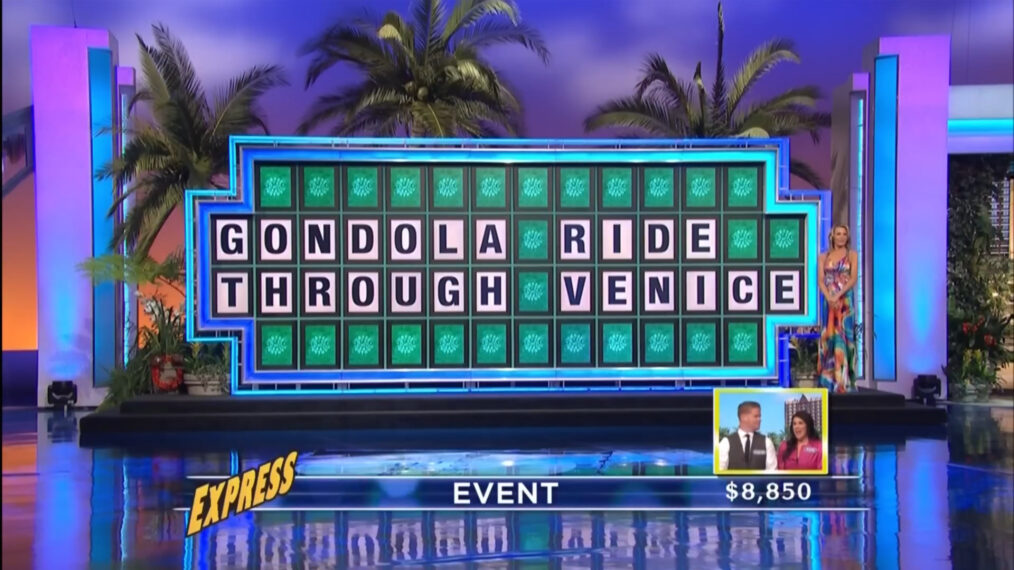
After winning a trip to Venice on the show in 2016, a contestant named David flunked Sajak’s impromptu geography quiz, venturing that Venice is a city in the country of Paris. (“Do we still get [the prize]?” asked David’s embarrassed wife.)

1 Right where?!

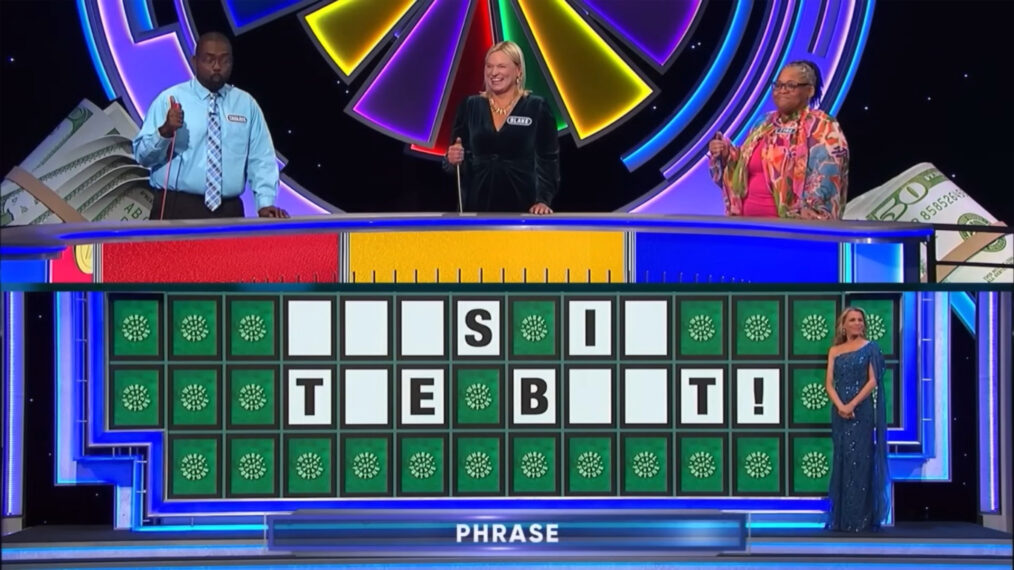
Tavaris Williams made a wild guess in a toss-up round in 2024, thinking “____ I_ T_E B__T” might be “right in the butt.” (The correct answer was “this is the best.”) “I have never used those words in sequential order a day in my life,” Williams later said on Jimmy Kimmel Live!)

Thanks for the laughs!

SOURCE: TVINSIDER.COM

As You Wish…

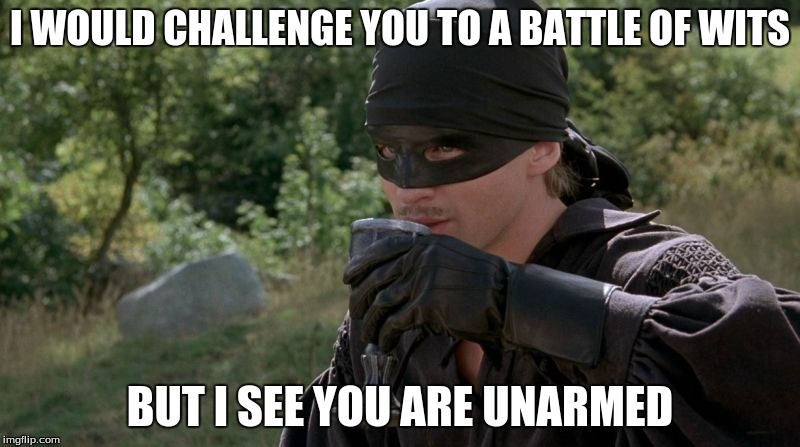
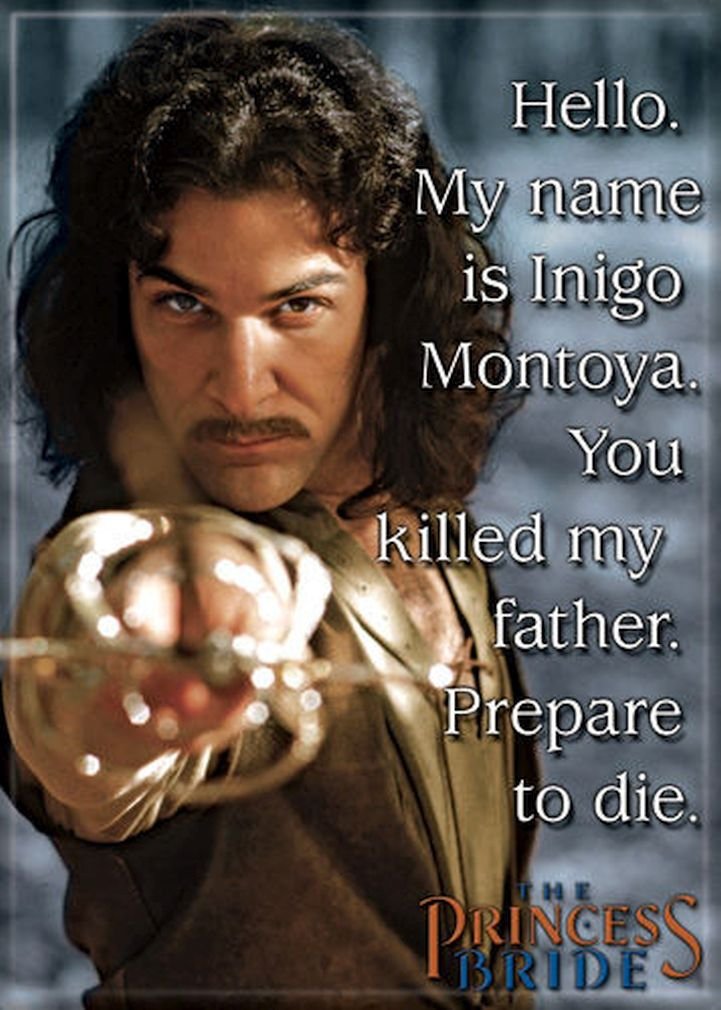
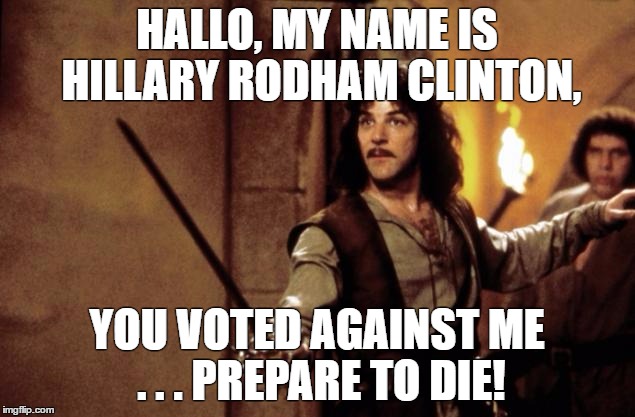
Today is Carey Elwes’s birthday.  He’s an actor that co-starred in Princess Bride—a star studded movie about young love…and an evil prince who comes between the young lovers.  It’s a very funny movie in my opinion that has spawned numerous memes. 

Real Haunted Houses in America: Part 4

From All That’s Interesting:

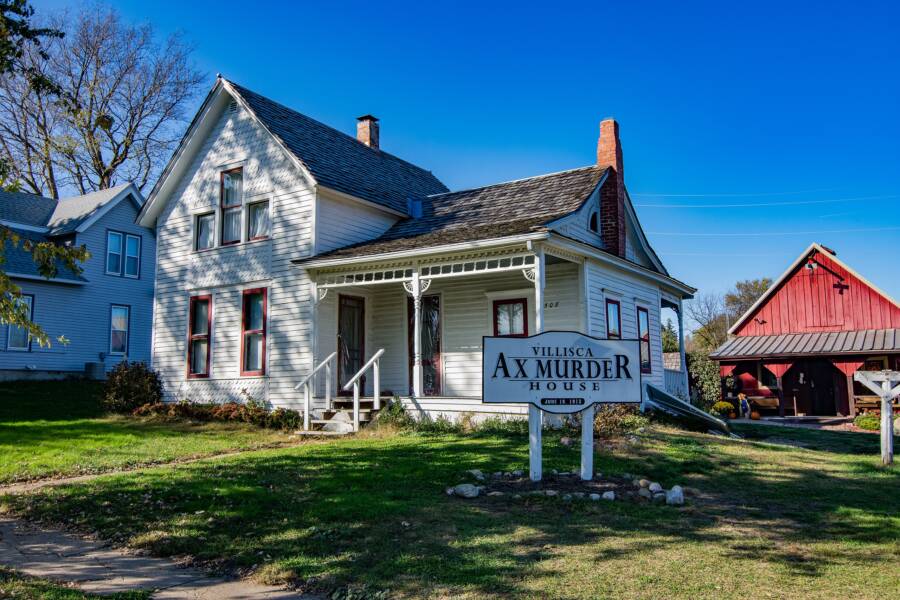
7 The Villisca Axe Murders House

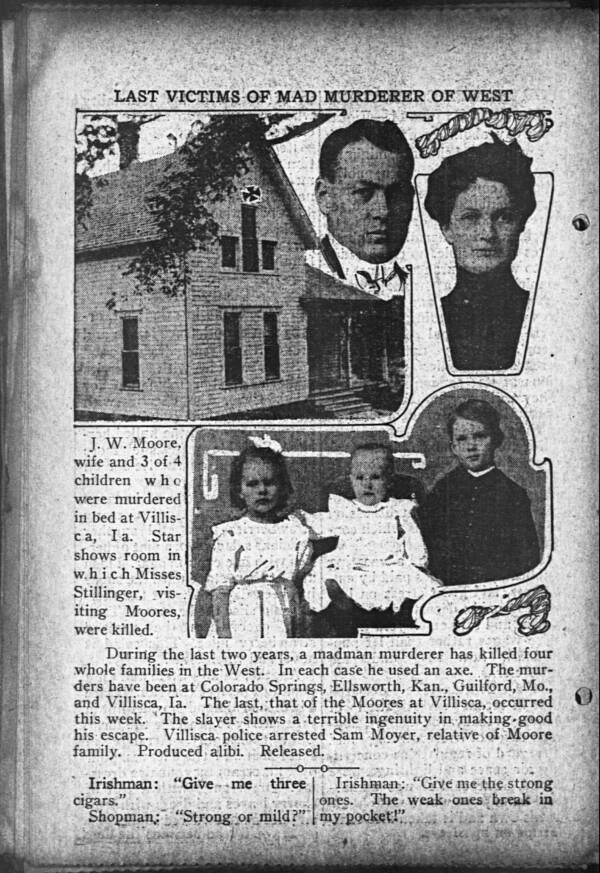
On June 9, 1912, in the small town of Villisca, Iowa, someone snuck into the Moore family house with an axe. The murderer killed all eight people inside that night, including six children.

A coroner’s report the following day determined that the killer had snuck in through the unlocked back door and went straight to the bedroom of Josiah and Sarah Moore, aged 43 and 39 respectively. Based on gouges in the ceiling, the coroner determined that the killer raised the axe high and then brought it down on Josiah’s head at least 60 times.

After killing Josiah and Sarah, the killer also bludgeoned their four children plus two more children who had been staying at the house as guests — before disappearing into the night.

“Don’t go in there, boys,” one doctor warned the next day after seeing the scene. “You’ll regret it until the last day of your life.”

The grisly murder remains unsolved to this day. Though a messy investigation ensued, no one was ever convicted of the homicides. Today, the so-called Villisca Axe Murder House is considered by some to be one of the most haunted houses in America. Visitors claim to have heard children’s voices and mysterious footsteps, as well as objects moving on their own.

The very curious — and very brave — can even spend a night at the house. Its current owners have restored it so that it looks just like it did in 1912. They’ve even added details from the night of the murder, like covering all the mirrors with sheets.

“An overnight visit to this house will make most skeptics believers come sunrise the next morning!” the Villisca Axe Murder House website exclaims. But be warned. One paranormal investigator who spent the night at the Villisca Axe Murder House stabbed himself in the chest during the night and had to be evacuated to a nearby hospital.

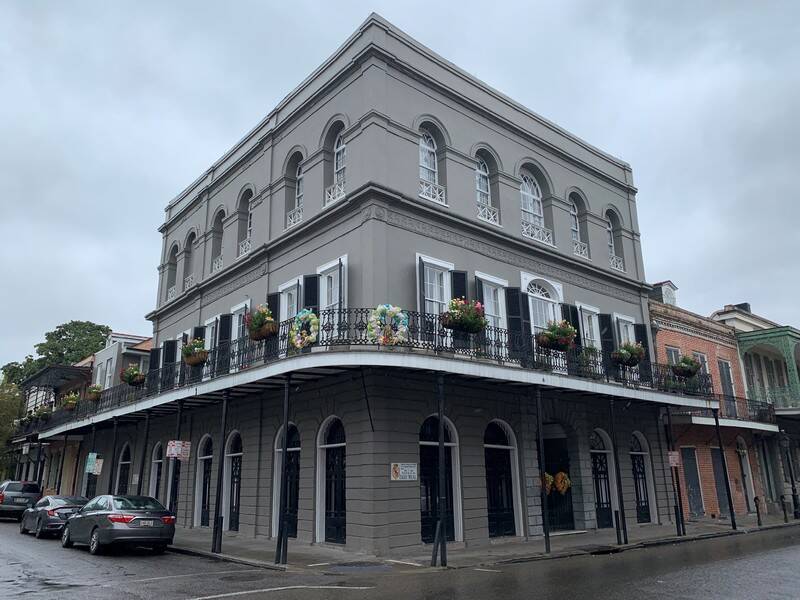
8 LaLaurie Mansion

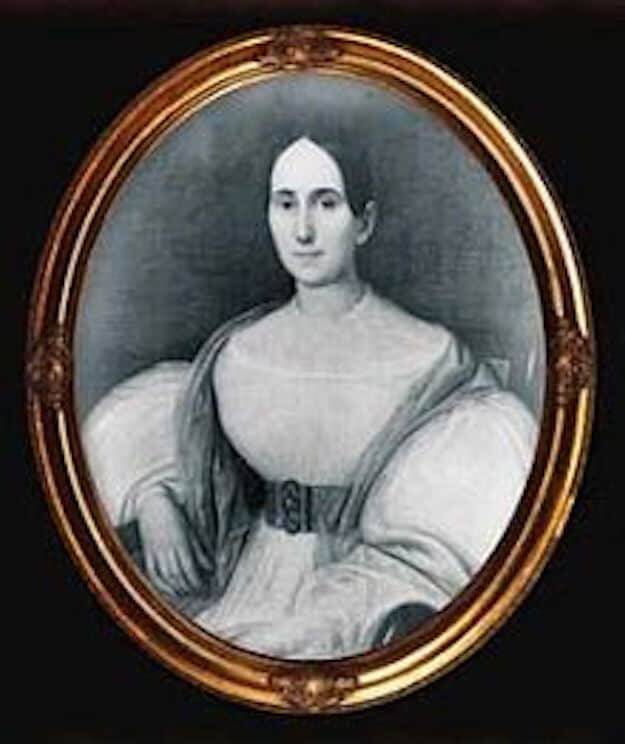
To some, the LaLaurie Mansion at 1140 Royal Street in New Orleans’ French Quarter is simply known as the “Haunted House.” Between 1831 and 1834, it was a veritable house of horrors — where a cruel woman tortured the people she enslaved.

New Orleans socialite Marie Delphine LaLaurie bought the house in 1831. Though LaLaurie appeared outwardly warm and polite, rumors swiftly spread that she was cruel toward those she held enslaved at her home. However, no one could have guessed the depth of depravity that went on behind the handsome walls of her house — at least not until a fire forced LaLaurie’s wickedness to the light. As police and firefighters battled the blaze, which broke out suddenly on April 10, 1834, they came across a shocking sight in the attic. There, the horrified responders found enslaved people who had been viciously tortured, mutilated, and murdered.

“Upon entering one of the apartments, the most appalling spectacle met their eyes,” The New Orleans Bee reported the next day. “Seven slaves more or less horribly mutilated were seen suspended by the neck, with their limbs apparently stretched and torn from one extremity to the other…“These slaves were the property of the demon, in the shape of a woman…”

Though LaLaurie skipped town, the spirits of the people she tortured allegedly remained in the mansion. Today, visitors have reported hearing footsteps and moaning from the attic, as well as seeing doors slam closed without explanation. Other hauntings are more severe. When the mansion was briefly a school, terrified young girls reported seeing a “woman” who grabbed and scratched their arm. And one boarder in the house died mysteriously after worrying to a friend about vengeful ghosts. The LaLaurie Mansion was most recently featured in American Horror Story and was briefly owned by actor Nicholas Cage.

SOURCE: ALLTHATSINTERESTING.COM

Know-It-All Tuesdays: Halloween

What are the names of the three Sanderson sisters in the movie “Hocus Pocus”?

According to the Sheb Wooley song lyric, this creature is a one-eyed, one-horned, flyin’ what?

How many bones are in the average human skeleton?

Are pumpkins technically a fruit or vegetable?

Which U.S. state produces the most pumpkins?

Who wrote “The Legend of Sleepy Hollow”?

What’s the most popular kids’ Halloween candy?

How much candy does the average American consume each year?

Before pumpkins, which root vegetable did the Irish and Scottish carve on Halloween?

Why do we trick or treat?

What historic weather event occurred on Halloween in 1991?

What is the only mammal that can fly?

What is having a fear of Halloween called?

How did you do?

Answers

Winifred, Mary and Sarah

Purple People Eater

206

Fruit

Illinois

Washington Irving

Reese’s Peanut Butter Cups

8 pounds

Turnips

Trick-or-treating is thought to have begun as a way for homeowners to reward pranksters for not vandalizing their home on Halloween

The “Halloween Blizzard” of 1991, which dumped three feet of snow and two inches of ice across parts of the Midwest

Bat

Samhainophobia

Till next month…stay sharp!

Real Haunted Houses in America: Part 2

From All That’s Interesting:

3 The Amityville House

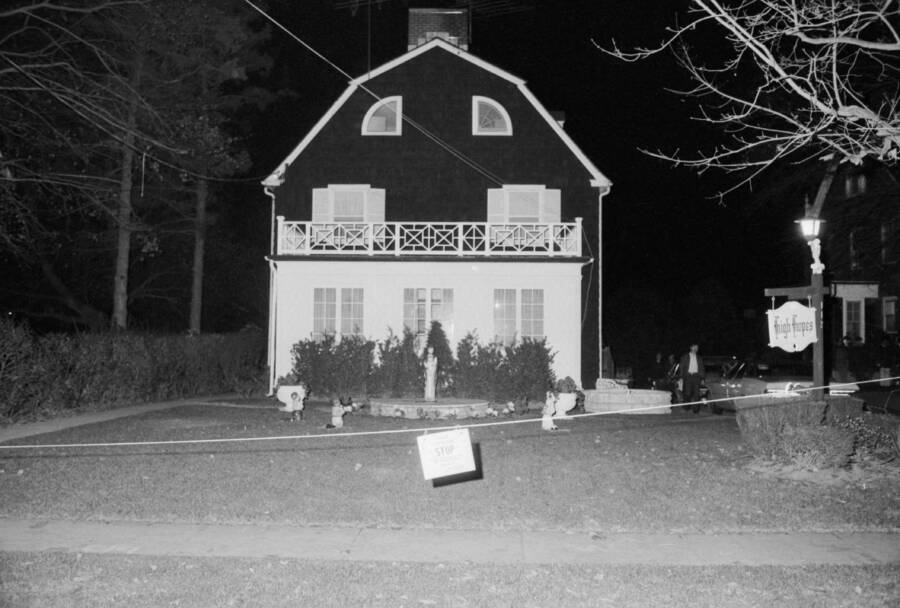
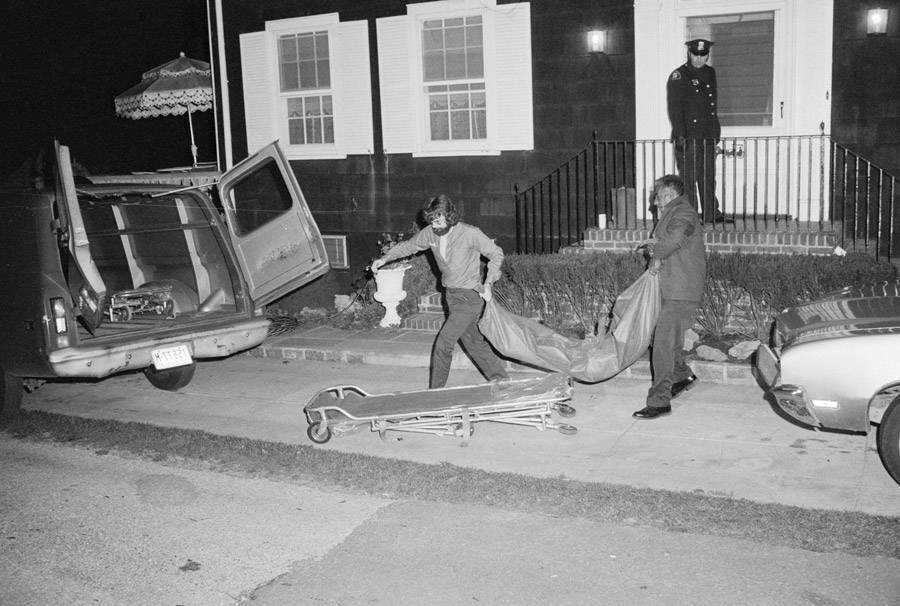
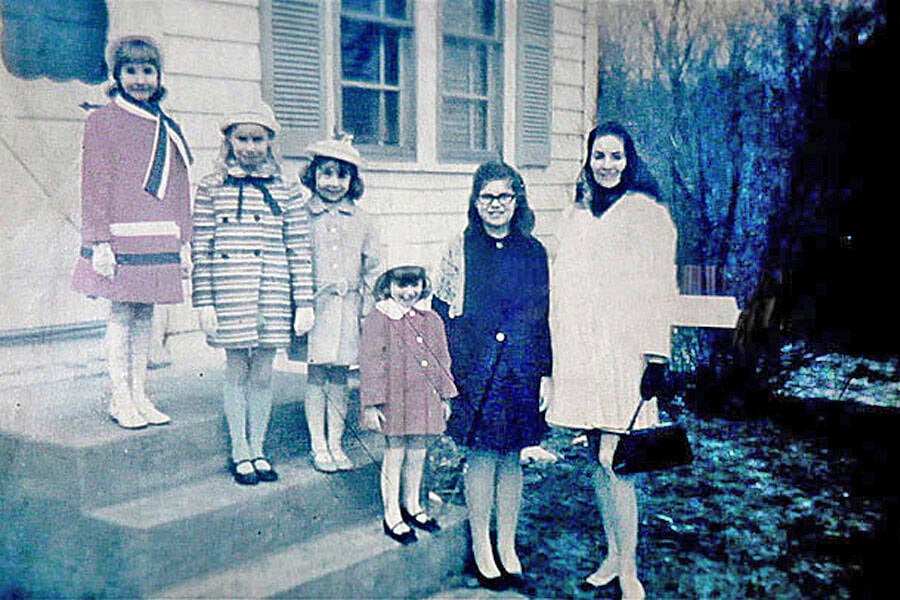
Like the house from The Conjuring, the house from the film The Amityville Horror is based on a real place. And this one has an even more violent backstory.  In the early morning hours of Nov. 13, 1974, a young man named Ronald DeFeo Jr. padded quietly along the halls of his family home. Armed with a rifle, he went methodically from room to room and murdered everyone inside.

Later, DeFeo gave conflicting reasons for killing his parents and four siblings. At one point, he claimed he’d heard voices. Later on, he shifted the blame, saying that his sister and mother had actually been involved in the murders. Regardless of why DeFeo killed his family, his murderous act left a stain on the house itself. The next owners, the Lutz family, said that they felt strange, cold drafts, smelled disgusting odors and heard odd noises.

They even called in a priest to bless the home. But as he started his ritual, an invisible hand slapped him and ordered him to “get out.” Though George Lutz, the family patriarch, was later accused of embellishing the story, he has stuck stubbornly by it.

“I’m tired of being called a liar,” he said.

In 2013, Lutz’s son, Danny, came out with a documentary of his own to back up his family’s claim that the Amityville Horror house is haunted.  “It’s not easy to tell someone how you got thrown up a staircase,” Danny said. “It’s not easy telling somebody that your bed was bouncing off the ceiling.”

He added, “There was an element [there] of whatever you want to put on it. Evil demonic spirits or whatever the f— you want to call it. It exists, and that’s the hardest thing for me to deal with. Because I know it’s true.” If George and Danny Lutz are to be believed, then the Amityville Horror house is undoubtedly one of the most haunted houses in America.

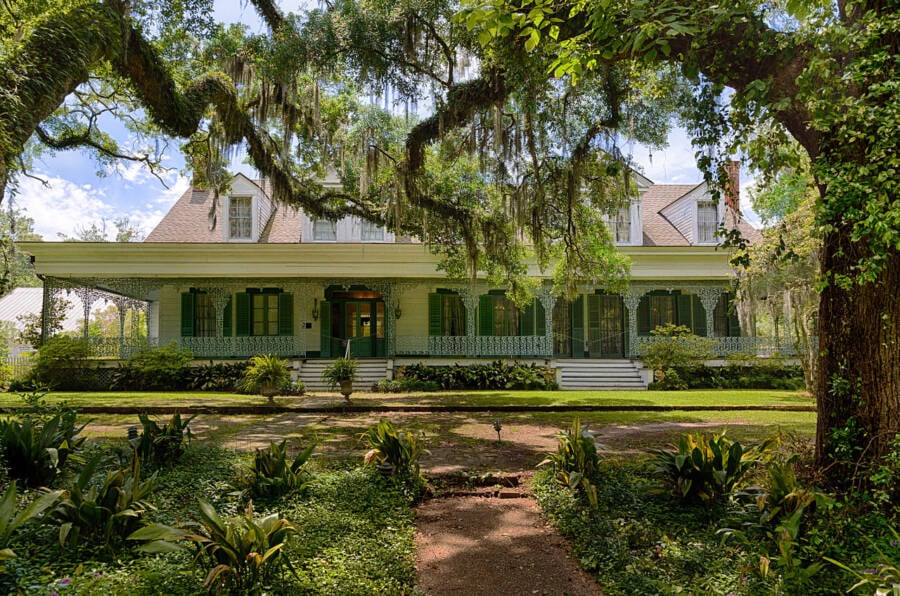
4 The Myrtles Plantation

Some American haunted houses are scary because of stories and rumors. But the Myrtles Plantation, some claim, has physical evidence that ghosts haunt it.

This St. Francisville, Louisiana, plantation, which dates back to the 18th-century, has a gory history of slavery, murder, and more. Two people, in particular, are alleged to have died bloody deaths here.  The first is an enslaved girl named Chloe. As the legend goes, she was forced into a sexual relationship with the plantation owner, Clarke Woodruff. Worried that his wife would find out and punish her, Chloe began eavesdropping on the family’s conversation. When they caught her, the Woodruffs cut off her ear.

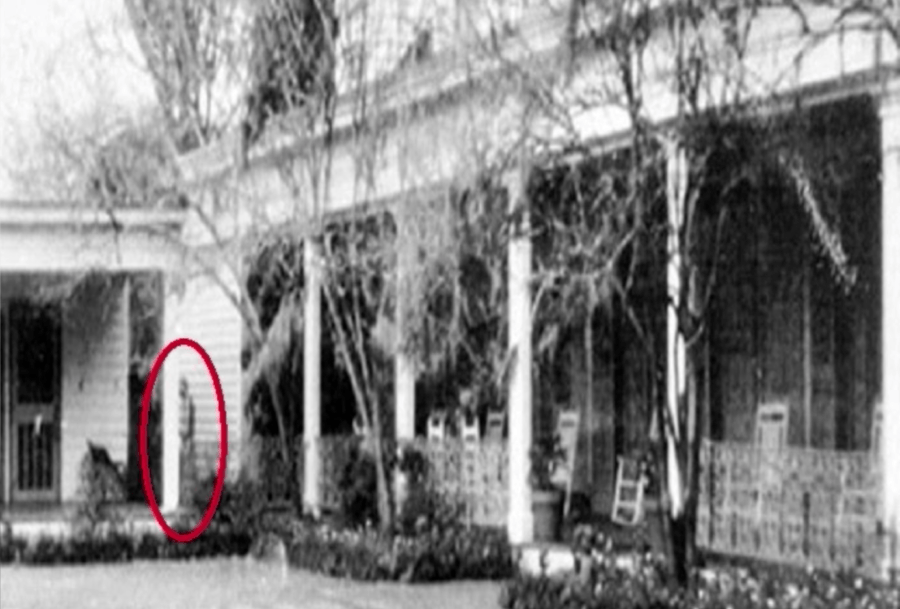
Chloe started wearing a turban to cover her mutilated ear — and began to plot her revenge. According to the story, she killed Woodruff’s wife and children with poison. Other enslaved people on the plantation panicked because they thought Woodruff would punish everyone — so they killed Chloe themselves. But although they threw Chloe’s body in the river, her spirit stayed at Myrtles Plantation. And in 1992, a photo taken for insurance reasons purportedly caught her on film.

This story does have a few holes, however. For starters, there is no documentation that the Woodruffs held someone in slavery named Chloe. And Clarke Woodruff’s family died of yellow fever, not poison. That is if you believe their version of history. The second person who died at Myrtles Plantation has a better-recorded death. William Winter, who inherited the plantation in 1871 after marrying one of the family’s daughters, died on its grounds. A mysterious man shot him in the chest, giving Winter just enough time to stumble up the stairs before he died in his wife’s arms.  Today, some claim to have seen William run indoors, only to collapse on the 17th step of the house — where he died in real life.

SOURCE: ALLTHATSINTERESTING.COM

Real Haunted Houses in America: Part 1

I found an All That’s Interesting article on real haunted houses in America, nine in total, and I’ve broken the list in several parts. 

From All That’s Interesting:

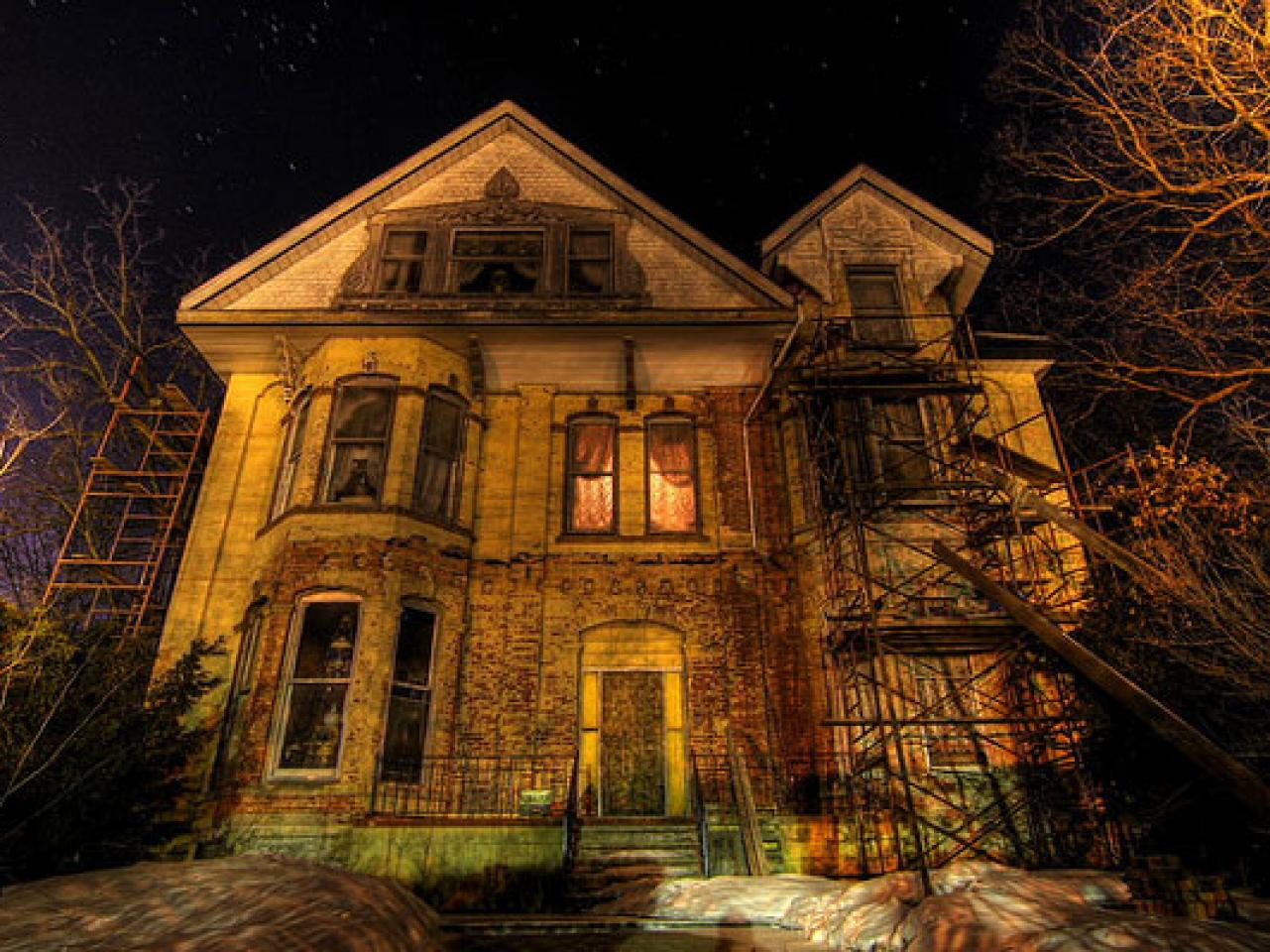
There are many haunted houses in the United States, but there are only a few genuine contenders for the title of the most haunted house in America. Some of them were the site of a gruesome crime scene. Others seem to draw spirits for different reasons.

Paranormal investigators say that homes hold on to the accumulated energy of everyone who has previously lived there or that tragedy and sadness can cause a spirit to linger, hoping to correct the pains of the past before they move on.

Some ghost hunters even say that a house can be haunted by a spirit that is happy to live amongst their former home’s new inhabitants, like the case of the Pittock Mansion’s “friendly” ghosts. Other ghosts, however, not so much. They don’t pull any punches when it comes to making it known that they’d prefer to have the place all to themselves.

But one way or another, the ghosts in these houses make themselves known. Read about the nine hauntings in homes below, and decide for yourself what is the most haunted house in America.

1 ‘The Conjuring’ House

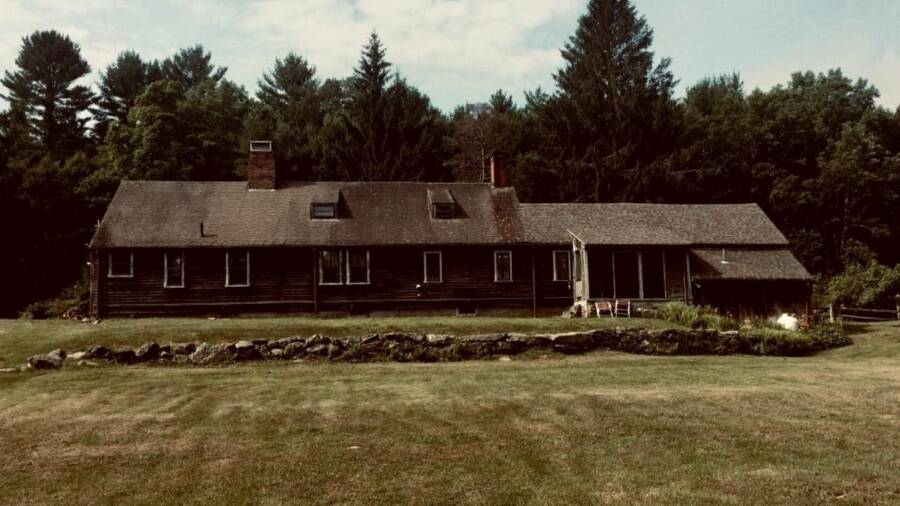
In the 2013 film The Conjuring, a character declares: “There’s something horrible happening in my house.” Though the film is fiction, it’s based on a real story — and a real American haunted house in Rhode Island. The house, a 14-room farmhouse in Harrisville, belonged to the same family for eight generations. They suffered numerous strange tragedies during that time, including the deaths of children by suicides, drownings, and murder.

But the most infamous murder on the property was committed by a woman named Bathsheba Sherman. Local lore claimed that Sherman was a witch and killed a baby by sticking a sewing needle into his brain. After her death, she — and other spirits — were thought to have stuck around the house.  As depicted in The Conjuring, the Perron family moved to the house in 1971 and immediately began experiencing strange things. Carolyn Perron, the matriarch, first noticed objects missing and piles of dirt that appeared on the floor after she’d cleaned. Things only escalated from there.

The family’s beds shook every morning at 5:15 a.m., they smelled rotting flesh, and unexplainable noises kept everyone on edge. Once, Carolyn Perron felt a sharp pain in her leg and discovered a puncture wound — just like a needle would make.  As in The Conjuring, the family eventually enlist the help of Ed and Lorraine Warren, a demonologist and a clairvoyant. The real-life Warrens confirmed that there were spirits in the house, but said they failed to entirely exorcise them.

“We have a respect for the spirits. We lived with them. It was their house first,” said Andrea Perron, one of the family’s daughters. She claims that almost everything in the movie really happened — and, in fact, the movie didn’t even tell the whole story.  Although the Perron family left the house in 1980, another family soon moved in to the Conjuring House. They, too, have had a few brushes with the supernatural, admitting: “We’ve had a few moments in here that have made us jump a bit.”

2 The Winchester House

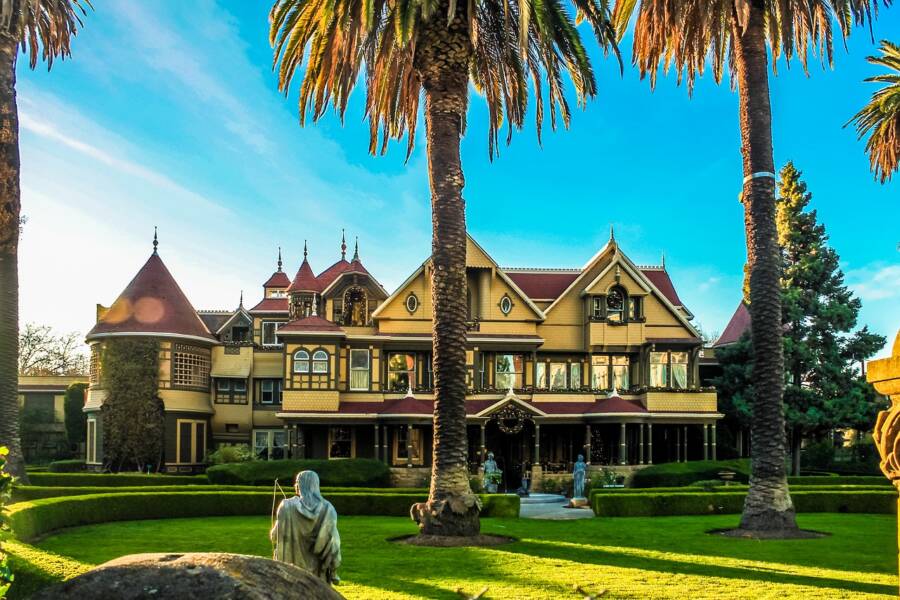
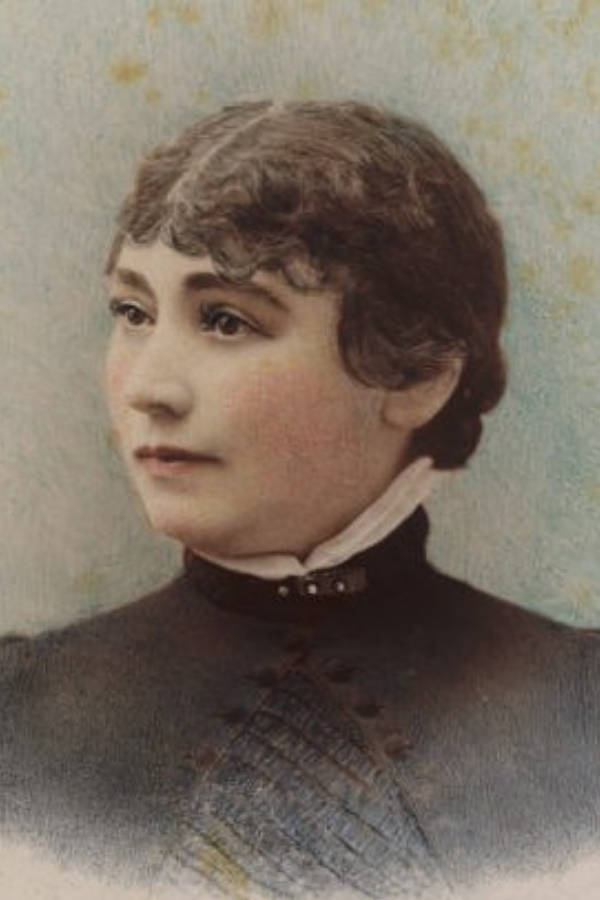
Normally, haunted houses are regular homes that become haunted. But the Winchester Mystery House in San Jose, California, is an American haunted house built specifically as a haven from — and for — spirits.  The idea for the house came from a New England woman named Sarah Winchester. A wealthy widow, she’d once been married to William Winchester, whose family produced Winchester rifles. When William died a premature death from tuberculosis in 1881, Sarah sought the help of a spiritual medium.

The medium told her the family was cursed, haunted by the spirits of people killed by the company’s guns. The only way to appease these ghosts and avoid becoming their next victim, the medium said, was to build a great house for them out west. And as long as construction never stopped, she would be safe. So, Sarah got to work. For her, money was no object. She’d inherited hundreds of millions of dollars from her husband, and thousands more poured in every day from Winchester Arms. Indeed, she couldn’t spend it fast enough — but not for lack of trying.

Sarah Winchester threw money at the house she wanted to build. As a result, the Winchester House began to grow and grow. However, her house didn’t make much objective sense. Without a concrete plan, construction advanced haphazardly — this way, then that, a staircase here, a door to nowhere there. And as the house grew, so did its legend.

A February 1895 article in The San Francisco Chronicle claimed that Sarah kept building the house to avoid death. Others say the confusing layout was meant to confound the spirits that haunted her. “The sound of the hammer is never hushed,” the article said. “The reason for it is in Mrs. Winchester’s belief that when the house is entirely finished, she will die.”

Sarah Winchester did die in 1922, after working on the house for 38 years. Today, it’s a maze of abruptly ending hallways, floors with windows, and stairways that ascend into the ceiling.  Many claim the place to be extremely haunted. Guests and employees of the Winchester Mystery House — now a popular tourist attraction — claim to have seen strange shadows, felt a mysterious tug, and heard unexplainable footsteps.

SOURCE: ALLTHATSINTERESTING.COM

Happy Birthday Walter!

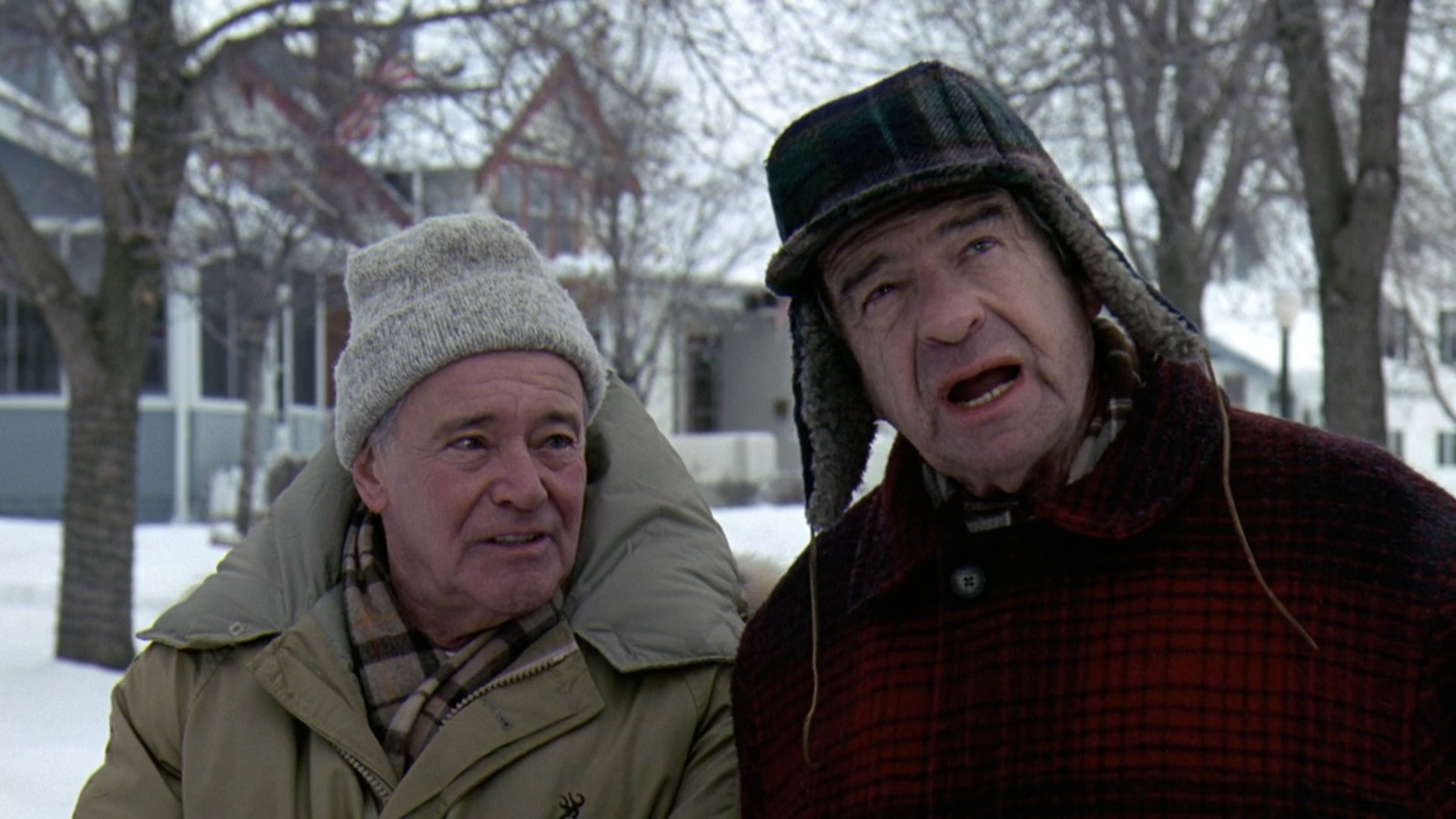
Today is Walter Matthau’s birthday (born October 1, 1920, and died July 1, 2000) and starred in one of my favorite movies, Grumpy Old Men.  I found an article on Facts.net and wanted to share it.

From Facts.net:

Walter Matthau, a name synonymous with talent, charisma, and timeless performances, left an indelible mark on the world of entertainment. From his iconic roles in classic films like “The Odd Couple” and “Grumpy Old Men” to his versatility in both comedy and drama, Matthau captivated audiences with his unique and captivating style. In this article, we will delve into the extraordinary life and career of this Hollywood legend. Prepare to be amazed as we uncover 15 mind-blowing facts about Walter Matthau that showcase his incredible talent, off-screen charisma, and enduring legacy. So, sit back, relax, and get ready to discover the fascinating world of one of the most brilliant actors of our time.

The Odd Couple became a classic comedy duo.

Starring alongside Jack Lemmon, Walter Matthau brought the characters of Oscar Madison and Felix Ungar to life in Neil Simon’s hit play and subsequent film adaptation. Their chemistry and comedic timing made them an unforgettable duo in Hollywood history.

Walter Matthau was born on October 1, 1920.

The talented actor, known for his distinctive gravelly voice, was born as Walter John Matthow in New York City. He would go on to become one of the most beloved and accomplished actors of his time.

Matthau served in World War II.

During his early adulthood, Matthau served in the U.S. Army Air Forces as a B-24 Liberator radioman-gunner in the Pacific theater. His military service greatly influenced his portrayal of tough, no-nonsense characters later in his career.

The Fortune Cookie earned Matthau an Academy Award nomination.

In 1966, Matthau received his first Academy Award nomination for Best Supporting Actor for his role as Whiplash Willie Gingrich in Billy Wilder’s The Fortune Cookie. This marked the beginning of a successful awards career for the talented actor.

Matthau and Jack Lemmon were close friends on and off the screen.

The dynamic duo of Matthau and Lemmon not only shared a successful on-screen partnership but also formed a strong friendship in real life. They went on to star in numerous films together, showcasing their incredible chemistry and friendship.

Walter Matthau won an Academy Award for The Sunshine Boys.

In 1972, Matthau won the Academy Award for Best Actor for his portrayal of Willie Clark in The Sunshine Boys. This recognition solidified his status as one of the top actors of his generation.

Matthau played a variety of roles throughout his career.

From grumpy but lovable old men to quirky and eccentric characters, Matthau’s versatility as an actor allowed him to take on a wide range of roles. He showcased his talent in both comedic and dramatic performances, captivating audiences with his unique charm.

Matthau starred in several successful films with director Billy Wilder.

Matthau collaborated with renowned director Billy Wilder on multiple occasions, resulting in critically acclaimed films such as The Fortune Cookie, The Front Page, and The Private Life of Sherlock Holmes. Their collaboration was a match made in Hollywood heaven.

Matthau received a star on the Hollywood Walk of Fame.

In 1980, Walter Matthau was honored with a star on the Hollywood Walk of Fame. This recognition celebrated his contributions to the world of entertainment and solidified his status as a Hollywood legend.

Matthau appeared in the hit film Grumpy Old Men.

In 1993, Matthau starred alongside Jack Lemmon again in the comedy film Grumpy Old Men. Their reunion was met with great excitement from fans, and the film became a box office success.

Matthau had a successful stage career.

Prior to his success in film, Matthau made a name for himself on the stage. He performed in various productions, showcasing his acting prowess and captivating audiences with his performances.

Matthau had a passion for playing poker.

Off-screen, Matthau had a love for the game of poker. He was known to engage in friendly poker games with his friends and fellow actors, adding an extra element of excitement to his already vibrant life.

Walter Matthau was married twice.

Matthau was first married to Grace Geraldine Johnson, with whom he had two children. After their divorce, he later married Carol Saroyan, with whom he had his third child. Family was important to Matthau, and he cherished his role as a husband and father.

Matthau continued to act until his final years.

Even in his later years, Matthau remained dedicated to his craft. He starred in films such as Grumpier Old Men and The Odd Couple II, showcasing his enduring passion for acting and his commitment to entertaining audiences.

Walter Matthau’s legacy lives on.

Walter Matthau left an indelible mark on the world of entertainment with his incredible talent and unforgettable performances. His iconic roles and his contributions to the industry will always be remembered, ensuring that his legacy continues to inspire future generations of actors and entertainers.

Conclusion

Walter Matthau was more than just a talented actor. He was a legend in the entertainment industry and left an indelible mark on Hollywood. From his iconic performances to his unique personality, Matthau captivated audiences for decades. These 15 mind-blowing facts about Walter Matthau shed light on the man behind the characters, showcasing his incredible talent, his humorous nature, and his enduring legacy. Whether it was his comedic genius in films like “The Odd Couple” or his dramatic depth in movies like “Charley Varrick,” Matthau truly had a range that few actors could match. His wit, charm, and ability to bring characters to life made him a beloved figure both on and off the screen. As we reflect on Matthau’s life and career, it becomes clear that he was not just a celebrity, but an artist who made a lasting impact on the world of entertainment. His talent, passion, and enduring appeal will continue to inspire and entertain generations to come.

SOURCE: FACTS.NET; GINGER HOCH

September Back-to-School Games

I Spy

Visual Puzzles:

Which Parking Spot?

This visual brainteaser was spotted on a Hong Kong first-grade student admissions test, and it’s a great puzzle to encourage children to think laterally. Can you work it out? Apparently, children around the age of 6 are much more likely to solve this problem than older students and even adults.

Move one glass only…

In this visual brainteaser, students can see three glasses on the left that are full and three on the right that are empty. If they make one small change, they can make a row of alternately full and empty glasses, but they only do one change! What do they have to do?

Make 10

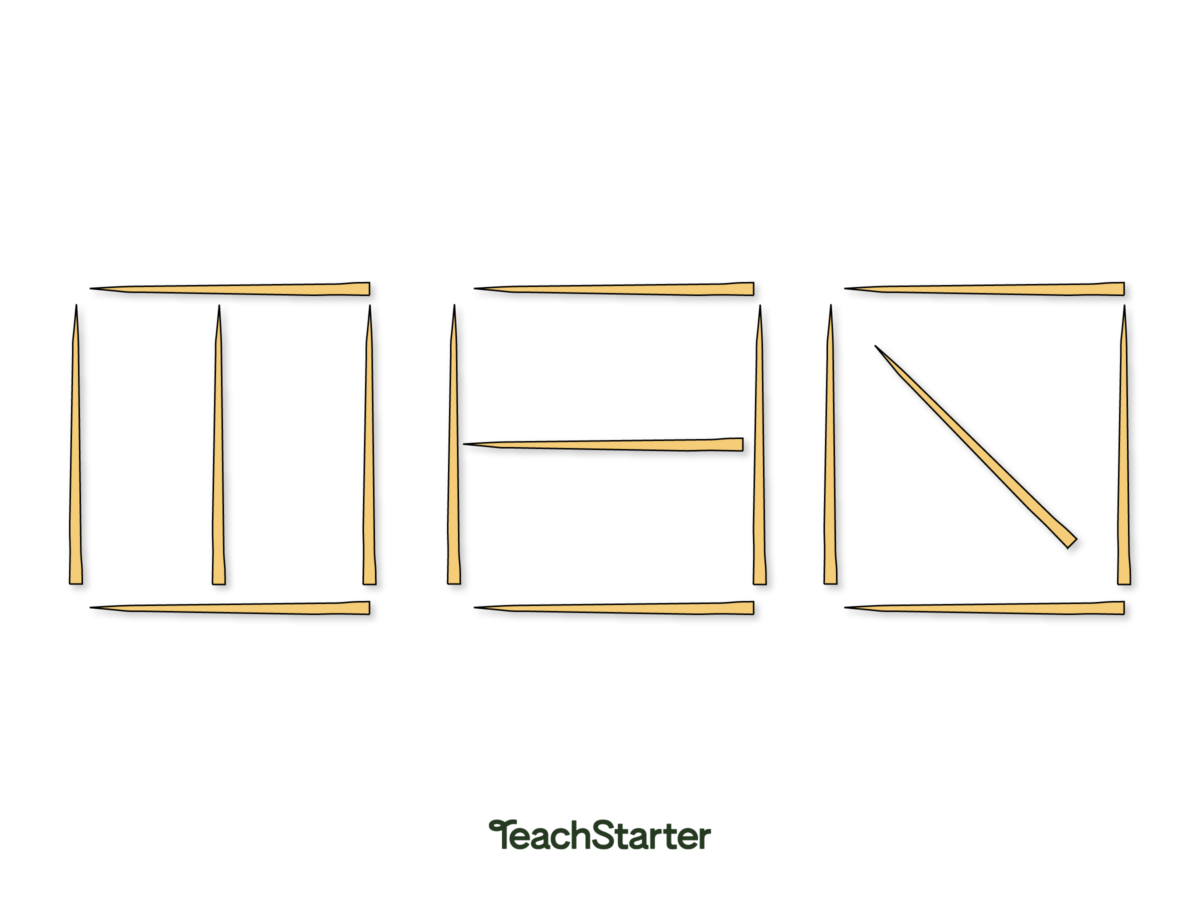
The matchstick test is a great problem-solving brainteaser. Students need to remove six matches to make 10. Which ones do they move?

Who You Gonna Call?

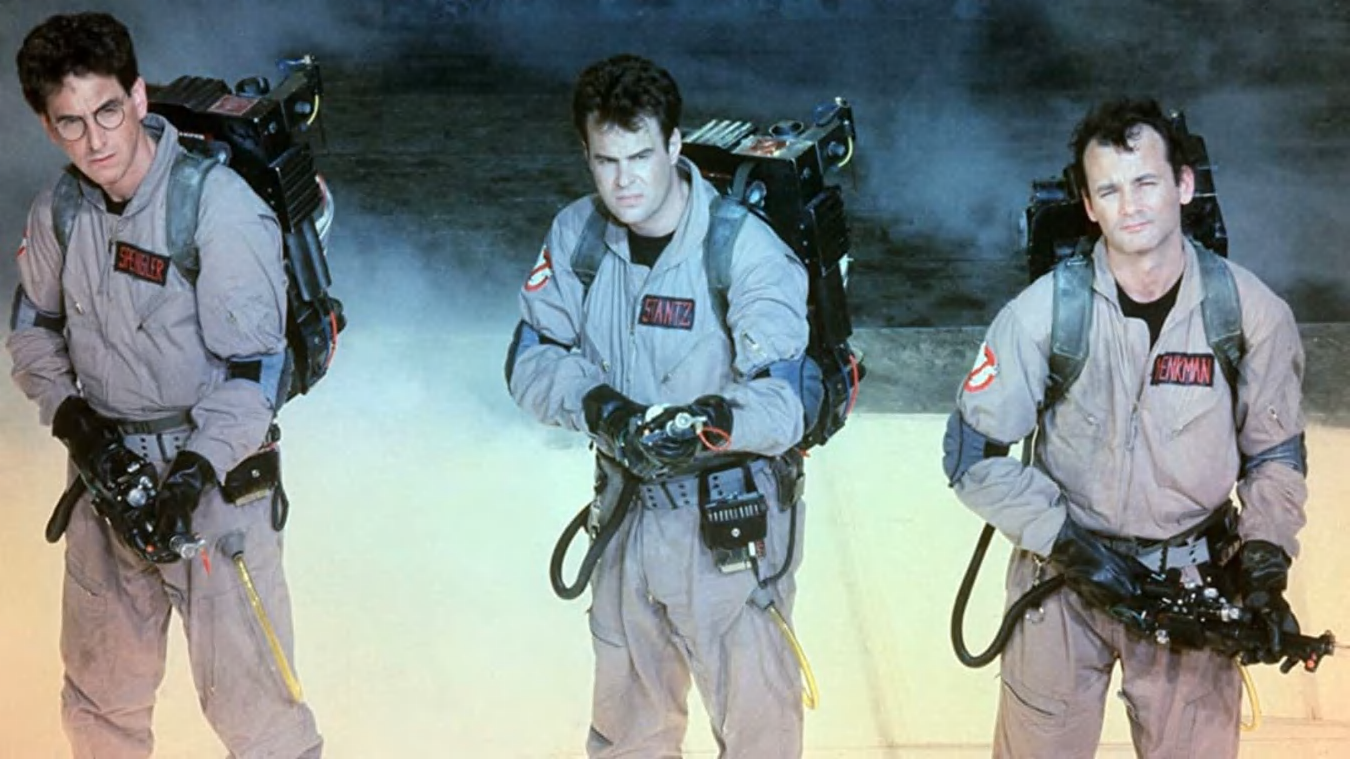
In honor of Bill Murray’s birthday today (born in 1950), I went looking for stuff we might not know about Ghostbusters! I found this article on Mental Floss:

1 DAN AYKROYD FOUND INSPIRATION FOR THE MOVIE IN HIS FAMILY’S HISTORY.

Dan Aykroyd grew up surrounded by spiritualists. His great-grandfather, Samuel A. Aykroyd, was a noted nineteenth century psychic investigator who conducted séances at the Aykroyd family farmhouse in eastern Ontario with a medium named Walter Ashurst. This predilection for the paranormal was passed down to Aykroyd’s grandfather, Maurice, who was an engineer for the Bell Telephone Company. Maurice allegedly tried to use his know-how to create a high-vibration crystal radio that could contact the spirit world. Dan’s father, Peter, kept a sizeable library of books about spooky subjects (including his great grandfather’s séances), which kept ghosts and ghouls in the back of young Aykroyd’s mind. After he left Saturday Night Live in 1979, he read an article about parapsychology in an American Society of Psychical Research publication, which inspired Ghostbusters.

2 GHOSTBUSTERS COULD HAVE BEEN MUCH DIFFERENT—AND MUCH BIGGER.

Aykroyd found comedic inspiration in films like Bob Hope’s The Ghost Breakers, the horror-comedies of Abbott and Costello, and Bowery Boys fare like Spook Busters and Ghost Chasers. He went wild writing his original script, which took place in the future and had a much darker tone. The actors he had in mind for the three main protagonists were himself, John Belushi, and Eddie Murphy. His concept involved dozens of Ghostbuster groups fighting specters across time and different dimensions. The now-iconic Stay Puft Marshmallow Man—which is in the climax of the finished film—appeared much earlier (on page 20) and was one of 50 large-scale monsters that the Ghostbusters would do battle with. Eventual director Ivan Reitman estimated that the first script would have cost up to $300 million to produce—and that was in 1984.

3 JOHN BELUSHI STILL APPEARS IN THE FINAL FILM, IN SPIRIT.

Part of the reason Aykroyd had to recontextualize and rethink his idea—other than its implausible potential budget—was the tragic death of his fellow former SNL castmate John Belushi, whom he envisioned as the sarcastic Peter Venkman. The role was later immortalized by Bill Murray, another SNL alum, but the writers still wanted to honor Belushi by somehow involving him in the movie. When it came time to think up the design for the first ghost the group is commissioned to bust, Aykroyd conceived of a gross-looking, gluttonous, party-guy persona for the apparition as an ironic homage to his friend Belushi. The ghost made it to the screen and was later christened “Slimer.”

4 THE MOVIE HAD TO BE MADE IN A VERY SHORT PERIOD OF TIME.

Once Aykroyd nailed down the general concept and the narrative of the film (but before he’d penned the final draft), he brought on Ivan Reitman, not only to direct, but also to sell the movie to a major motion picture studio. Reitman had previously directed the popular Bill Murray comedies Meatballs and Stripes—both of which had been co-written by another eventual Ghostbuster, Harold Ramis. Since Reitman had a relationship with Columbia Pictures (which produced Stripes), he approached pragmatic studio head Frank Price with Aykroyd’s outrageous one-sentence pitch—“Ghost janitors in New York”—in May 1983. While admittedly skeptical, Price was attracted to the project because the tripartite of comedy geniuses who had agreed to play the leads: Aykroyd, Murray, and Ramis.

Price asked Reitman just how much the outrageous-sounding movie would cost, and the director allegedly threw out a random guesstimate of $30 million. Price agreed on the budget and the movie with one stipulation—that it must have a firm release in June 1984, in time for the summer season. This was no small detail, considering this gave them only 12 months to finish the script, shoot the film, and create and finish the special effects. The rushed production schedule immediately forced Aykroyd, Ramis, and Reitman to retreat to rented houses on Martha’s Vineyard for a marathon three-week writing session to complete the final shooting script. Afterward, they immediately began prepping the shoot and scouting locations.

5 SIGOURNEY WEAVER GAVE A UNIQUE AUDITION.

Despite the fact that the film began production with its three leads already cast, Reitman needed the right actress for another vital part of the film. For the role of Venkman’s headstrong love interest, Dana Barrett, Reitman chose Sigourney Weaver. She was eager to do a comedy after her amazing performance as Ripley in Ridley Scott’s Alien, so she tried something altogether different for her audition. She offered up a wordless scene where she turned into one of the grotesque dogs that do Gozer’s bidding, an act that allegedly involved writhing across the casting couch and loudly snarling at Reitman. The director was impressed—if not a little scared—and she got the part.

6 THE PART OF LOUIS TULLY WAS ORIGINALLY WRITTEN FOR ANOTHER SECOND CITY ALUM.

For the loveable loser-turned whacked-out demon “Keymaster of Gozer” Louis Tully, Aykroyd thought of actor John Candy. The Canadian comedian had previously worked with him in 1941 and The Blues Brothers; with Reitman, Ramis, and Murray in Stripes; and for Ramis again in National Lampoon’s Vacation. But Candy envisioned Louis as a stern German man with a thick accent who kept dozens of dogs in his apartment. He also wanted the character rewritten and made into a starring role. Filmmakers preferred the original character that Aykroyd and Reitman had developed, so they gave the role to another member of the Second City troupe, Rick Moranis. The soft-spoken, bespectacled comic brought his own brand of misfit comedy and improv styles to the now-classic character—and he also provided his own wardrobe.

7 “EGON SPENGLER” WAS INSPIRED BY A FRIEND, AN INTELLECTUAL, AND AN UNKNOWN.

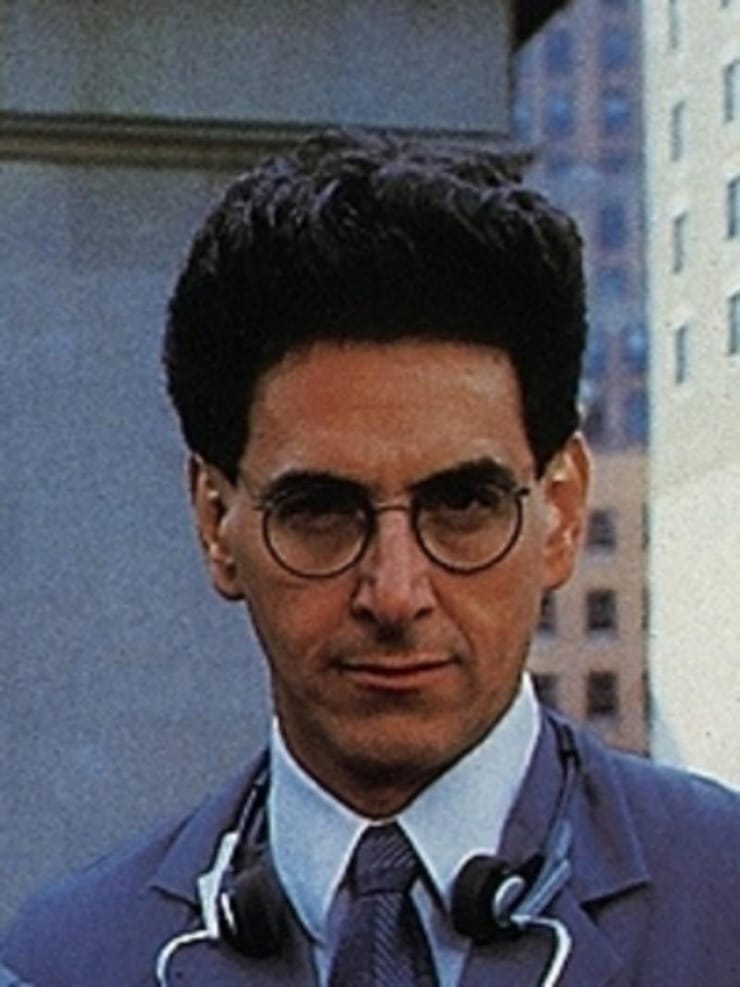
When trying to come up with the perfect name for his character—who was the brains of the Ghostbusters—co-writer Harold Ramis combined both personal and academic inspirations. “Egon” was the first name of Egon Donsbeck, a Hungarian exchange student at Stephen K. Hayt Elementary School who was Ramis’ classmate when he grew up in Chicago. “Spengler” came from German historian and philosopher Oswald Spengler. For the “look” of his character, Ramis copied the style of an unknown guy he’d seen on the cover of an abstract architectural journal. He thought the man’s old three-piece tweed suit, wire-rim glasses, and puffed-up hair were perfect for his geeky parapsychologist.

8 GHOSTBUSTERS IS THOUGHT OF AS A NEW YORK MOVIE, BUT SOME SIMPLE MOVIE MAGIC WENT INTO MAKING ITS VARIOUS LOCATIONS.

Come to New York and you can visit some key Ghostbusters locations. The exterior of the fully functioning FDNY Hook & Ladder #8 building at 14 North Moore Street in TriBeCa served as the Ghostbusters’ base of operations—definitely not a “demilitarized zone,” as Egon said. The building at 55 Central Park West housed the apartments of Dana Barrett and Louis Tully. The main branch of the New York Public Library at Fifth Avenue and 42nd Street is recognizable for the lions guarding its entrance, and Columbia University’s Havemeyer Hall served as the Weaver Hall Department of Psychology building that the guys are kicked out of at the beginning of the movie. Then there’s the legendary restaurant Tavern on the Green, where Louis was attacked by one of Gozer’s dogs.

But none of these places appear exactly as they do onscreen. The interior of the Ghostbusters’ firehouse was actually an abandoned fire station in Los Angeles, and the rooftop temple scenes at Dana’s apartment were filmed at a huge set built on Stage 16 at Columbia Pictures (large-scale matte paintings were used for long shots). The early library scene where Egon is introduced was in fact filmed at the New York Public Library, but the scene where the three Ghostbusters come across the old librarian ghost in the stacks was actually shot across the country at the Los Angeles Public Library. Similarly, the Sedgewick Hotel—where the guys bust Slimer—wasn’t in New York at all; the exterior and interior shots were taken at the Millennium Biltmore Hotel in Los Angeles.

9 THE ECTOMOBILE WAS ONE A KIND—AND THEN IT BROKE DOWN.

Out of the handful of iconic details from Ghostbusters is the Ectomobile, a 1959 Cadillac ambulance outfitted with gadgets and gizmos to help the guys bag pesky poltergeists. In a typical movie production, several similarly-adorned vehicles are used for stylistic and insurance purposes. (The production of Back to the Future, for instance, used three different DeLoreans.) Because the filming of Ghostbusters was so rushed, only one Ectomobile was put together. Naturally, everyone on set was very cautious around the then-25-year-old jalopy. While they handled the ambulance with care, the car broke down at the end of a shot of the Ecto driving across the Manhattan Bridge. Luckily, this didn’t happen until after main production wrapped in New York City, but still, the car was DOA and wasn’t available for use again.

10 ONE VISUAL EFFECT SHOT OF SLIMER INVOLVED SOME SPRAY PAINT AND A PEANUT.

Visual effects supervisor Richard Edlund and his team—who also worked on such films as Raiders of the Lost Ark, the original Star Wars trilogy, and Poltergeist—were given only 10 months to design, storyboard, build, and shoot every special effect in the film. The quick turnaround forced workers like animation supervisor Terry Windell to have to think on their feet, especially when the deadline got very tight. When a wide shot that featured Slimer quickly floating around a chandelier in the Sedgewick Hotel scene wasn’t coming out right, and time was running out, Windell spraypainted a small peanut green in order to mimic the green ghoul. The seconds-long shot depicted Slimer blurred and spinning, so detail wasn’t a factor, and the shot was used in the final print of the film. Windell revealed that the extreme tactics taken for certain shots proved that the effects team was “totally serious about making it stupid.”

11 DIRECTOR IVAN REITMAN MADE A COUPLE OF UNORTHODOX APPEARANCES IN THE MOVIE.

You won’t see Reitman in Ghostbusters, but still, he does have a presence: For the noises of Slimer pigging out on a pile of food before he famously slimes Peter Venkman, Reitman stepped in to provide the gross-out grub-gorging sounds. Reitman’s naturally deep voice also proved perfect for the moment when Dana becomes possessed and says “There is no Dana, only Zuul,” which was later enhanced with special effects for a truly spooky result.

12 BILL MURRAY’S CADDYSHACK CHARACTER, CARL SPACKLER, APPEARED IN ONE SCENE THAT WAS CUT.

It isn’t specified, but the voice and mannerisms of the character that Murray plays opposite Dan Aykroyd in this deleted scene is eerily similar to Carl Spackler, the lowly groundskeeper he portrayed in the 1980 comedy masterpiece Caddyshack (which was directed and co-written by Harold Ramis). The scene was cut for time, mostly to get to the scene where Louis Tully is attacked by the demon dog chasing him, but one doesn’t have to wonder what it would have been like if the worlds of Caddyshack and Ghostbusters had collided in such a fashion.  

13 ONE OF THE FILM’S PRODUCERS CREATED THAT ICONIC LOGO.

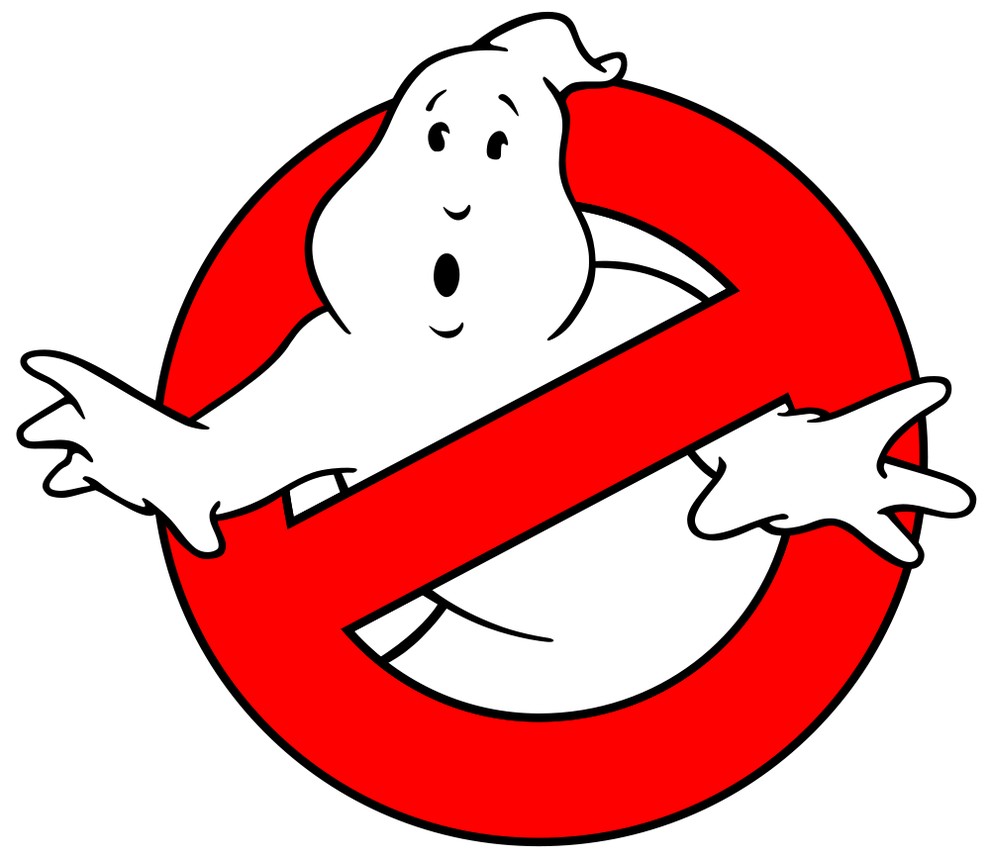
The most indelible icon from Ghostbusters is the famous “no-ghost” logo that appeared on the guys’ car, their uniforms, and widely among advertisements and promotions for the movie. Associate producer Michael C. Gross, a bit of a renaissance man, designed the image. Prior to getting into the movie business as a producer, Gross served as an art consultant for The Muppets, John Lennon, and The Rolling Stones. He also served as art director for National Lampoon and Esquire in the 1970s.  

14 PRODUCTION SHUT DOWN CENTRAL PARK WEST, AND ISAAC ASIMOV WASN’T PLEASED.

While shooting exteriors in front of Dana’s apartment building, the production had permission to temporarily shut down traffic in the area surrounding West 65th Street and Central Park West. What they didn’t know was that it would disrupt traffic throughout Manhattan. During rush hour, cars backed up to Columbus Circle, eventually going all the way downtown. In fact, Aykroyd was concerned that they had inadvertently pushed the traffic jam all the way to the Brooklyn Bridge. After receiving complaints, cast and crew members jokingly told others that the delay was caused by Francis Ford Coppola’s production of The Cotton Club, which was shooting in New York at the same time. One particularly ornery Upper West Side resident who complained was author Isaac Asimov, who stumbled on to the set and told Aykroyd that they were “inconveniencing” him. Aykroyd, a lifelong fan of the writer, smoothed things over by using the opportunity to lavish praise on the irritated Asimov.

15 “CROSSING THE STREAMS” WAS MADE UP ON THE SPOT.

The deus ex machina of the Ghostbusters crossing the streams of the proton packs helped them to—spoiler alert—defeat the Marshmallow Man and the evil demon Gozer at the end of the film. According to Ramis, this activity didn’t appear in script. He and Aykroyd were unsure how to get the Ghostbusters out of the final scene alive, and because the nuclear technology behind the proton packs was “explained” with humorous techno-babble and mostly left up to the audience’s imagination, they came up with the idea of crossing the streams—an act which would somehow cause a cataclysmic shift in our dimension. After this decision was made, they added in some foreshadowing of the event to an earlier scene, only to revisit the concept in the climactic standoff at the end.

16 ON SET, THE MARSHMALLOW WAS REALLY SHAVING CREAM.

Once the Ghostbusters cross the streams, the rift between the two dimensions causes the Marshmallow Man to explode, raining down marshmallow on the unsuspecting New Yorkers below. But getting that amount of actual marshmallows to dump on the film’s extras was implausible. Instead, Edlund’s team collected 500-gallon batches of shaving cream to substitute for the remnants of Mr. Stay-Puft. William Atherton, who played EPA villain Walter Peck, was skeptical about having such a large amount of heavy cream dropped on him, so they tested the idea on a stuntman using only 75 pounds, and it knocked him to the ground. The stuntman was okay, and another smaller batch was collected to dump on Atherton for the final take in the film.

17 THE MOVIE ALMOST HAD TO CHANGE ITS NAME.

Once production wrapped, Reitman faced a situation that would possibly have derailed the whole movie. In the 1970s, Universal Studios had produced a live-action TV series titled The Ghost Busters, and their lawyers threatened legal action if the name of the movie wasn’t changed. Reitman, who had shot footage of the leads referring to themselves as the Ghostbusters and of massive crowds shouting “Ghostbusters! Ghostbusters!” was in deep trouble.

Luckily, Frank Price—the head of Columbia Pictures and the man who originally green-lit the movie—was moving to Universal Studios to become the new studio head there, and allowed Reitman to keep the name for the film. But the legal snafu reared its head again when a TV cartoon was made out of the movie. To satisfy Universal, the Saturday- morning fare was labeled The Real Ghostbusters, so as to not legally confuse the two properties.

18 HUEY LEWIS WAS NOT A FAN OF THE THEME SONG.

Because his song “Holiday Road” was featured prominently in National Lampoon’s Vacation (directed by Harold Ramis), Fleetwood Mac guitarist Lindsey Buckingham was allegedly approached about a theme song for the film, but he passed on the project. Reitman hoped that Huey Lewis & The News would take the job, and even used their hit “I Want a New Drug” as a temporary filler song while cutting the film. Lewis declined as well, because he had already agreed to contribute the song “Back in Time” to Back to the Future and didn’t want to do any more soundtrack work. The filmmakers then approached Ray Parker Jr., who had sung hits with Raydio (“Jack and Jill”) and was finding success as a solo artist as well. Unfortunately, the titular tune—with the often quoted “Who you gonna call?” and “I ain’t afraid of no ghosts!”—bore a striking resemblance to Lewis’ “I Want a New Drug,” so much so that the song’s publishers sued for plagiarism. The suit was settled out of court, but you can decide for yourself with the mashup of the two songs above.

19 ELMER BERNSTEIN EXPERIMENTED WITH NEW INSTRUMENTS ON THE SOUNDTRACK.

Composer Elmer Bernstein wanted to go beyond a conventional orchestra for Ghostbusters, so he used both new and old technology. He included the then-cutting-edge Yamaha DX-7 synthesizer to create weird sounds that orchestral instruments couldn’t conjure up, and even employed an Ondes Martenot—a relatively obscure early electronic instrument created in 1928 by inventor Maurice Martenot—for additional otherworldly tones. You can hear it in the beginning and middle of the song above.

20 IVAN REITMAN WAS PETRIFIED DURING THE FILM’S FIRST TEST SCREENING.

On paper and out of context, Ghostbusters was an admittedly outrageous prospect for a feature film. During the movie’s first test screening, held for 200 random people at Columbia Pictures Studio only three weeks after principal photography wrapped, Reitman was utterly terrified. He was not only uncertain about the fundamental plot of the film; he was also concerned that perhaps-too-absurd major details (like the Marshmallow Man) might take audiences “out” of the movie. In addition, only one fully-completed effect shot was available for the test screening—one of the film’s opening scenes, where an old librarian ghost transforms into a frightening ghoul. Reitman waited in the wings during the scene, and when audiences burst out laughing one second and hid their eyes the next, he knew that his fears were unfounded. And Reitman knew he had a major hit on his hands while walking around New York City during the second week of the film’s release, where he saw street vendors selling bootleg Ghostbusters T-shirts.

SOURCE: MENTAL FLOSS

Know-It-All Tuesdays: Animal Names

I found this quiz on the quiz-everyday.com website:

Question 1:

A male tiger is called a tiger and a female tiger is called a _______.

Question 2:

A female zebra or a horse is known as a mare and a male zebra or a horse is known as a _______.

Question 3:

A male chicken is called a _______ or a cock and a female chicken is called a _______.

Question 4:

A male lion is known simply as a lion and a female lion is known as a _______.

Question 5:

Male pig is simply called a _______.

Question 6:

When it comes to cats, a male cat can be called a ______ and a female cat can be called a _______ or a pussy cat. (use the longer form for a male cat and use only one word in both cases)

Question 7:

When we talk about a female dog, we use the word _______.

Question 8:

Male fox is simply called a fox but for a female fox we use the word _______.

Question 9:

When we want to say a male cow, we can use the word ______.

Question 10:

For a female duck we can use the word hen but for a male duck we use the word _______.

Pretty easy quiz! How did you do?

Tigress

Stallion

Rooster, hen

Lioness

Boar

Tomcat, queen

Bitch

Vixen

Bull

Drake

Till next month…stay sharp!