Who’s Your Daddy?

Father’s Day is coming up this month, and I wanted to look at some pretty involved animal dads.

From: WILDLIFEINFORMER.COM:

In the animal kingdom, the level of parental care varies greatly from species to species. Some animals, like many egg laying (scientifically known as oviparous) animals do not invest any energy into caring for their young. Some mothers will nurse and look after their offspring for months after giving birth. And some offspring are looked after by both their mother and father! In this article we will introduce some of the best animal dads.

Producing offspring increases an animal’s fitness through passing on one’s genes. In the animal world, passing on your genes is crucial and is of the utmost importance! Most animals that produce only a few offspring at a time, like mammals, typically invest more energy into caring for their young in hopes that this will result in their young growing up to be healthy and strong.

But there are a few other types of animals that provide a great deal of care when raising young!

11 Best animal dads:

In most cases the parenting duties fall on the female, while the father goes on to mate with other females in an attempt to spread his genes as often and as widely as he can. But reproduction and parental care is a costly affair, which is why some animals take a shared approach to caring for their young.

Human dads aren’t the only great fathers, and this list proves just that!

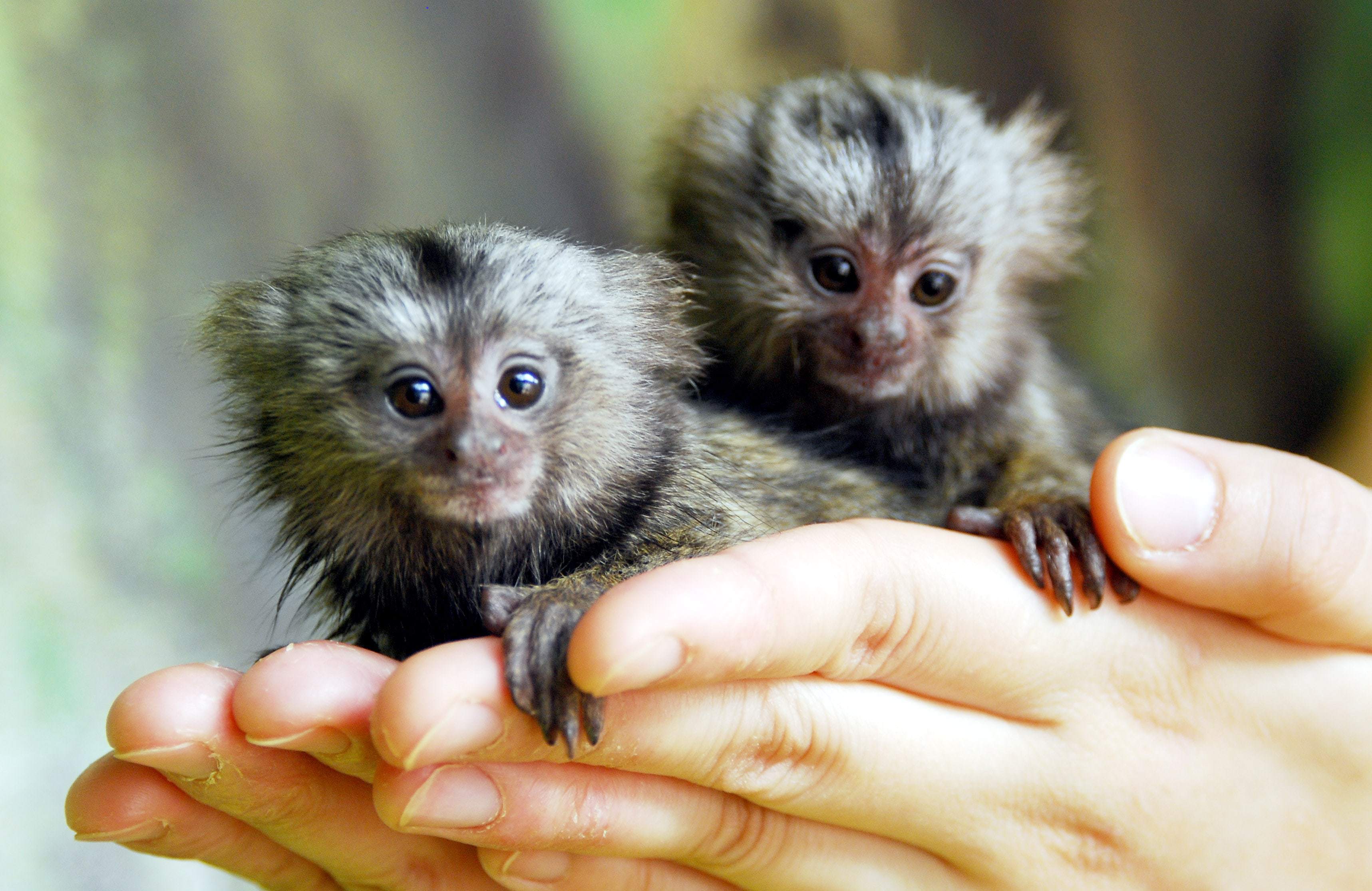
1. Common marmoset (Callithrix jacchus)

The Common marmoset is a small primate native to East-Central Brazil. These monkeys form small, but tight knit family groups. Interestingly enough, Common marmoset fathers almost act as a midwife during the birth of their offspring and help to clean up the afterbirth. Following the birth, the fathers will help to feed and carry their young and help raise them up.

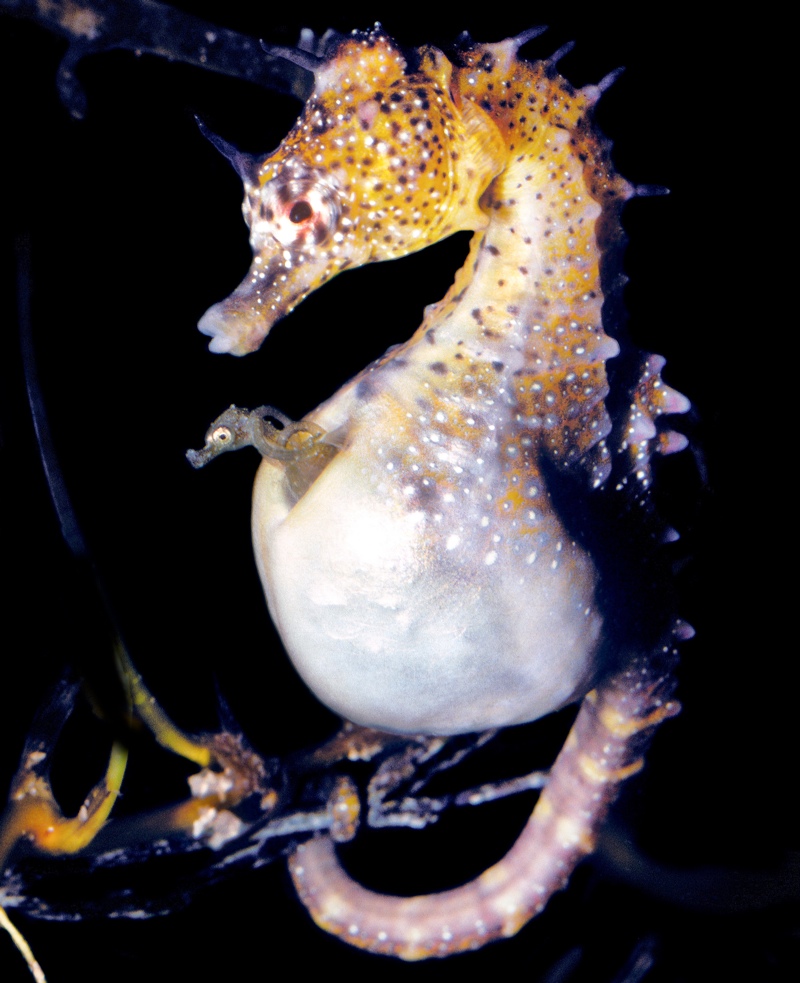
2. Seahorses (Hippocampus spp.)

Male Seahorses take fatherhood to the next level. While nearly all female animals are responsible for giving birth, it is actually the male Seahorses that carry and then birth their babies. Following mating, females will transfer eggs to the male where he will fertilize them and carry them until they are developed enough to be born.

3. Emperor penguin (Aptenodytes forsteri)

Emperor penguins, the largest species of penguin make incredible fathers! The female only lays a single egg in a breeding season, making it extra important that the egg is well taken care of. The male will incubate the egg for the entire duration, about two months while the mother heads to the ocean to forage for food. Following hatching, the parents split their parenting duties.

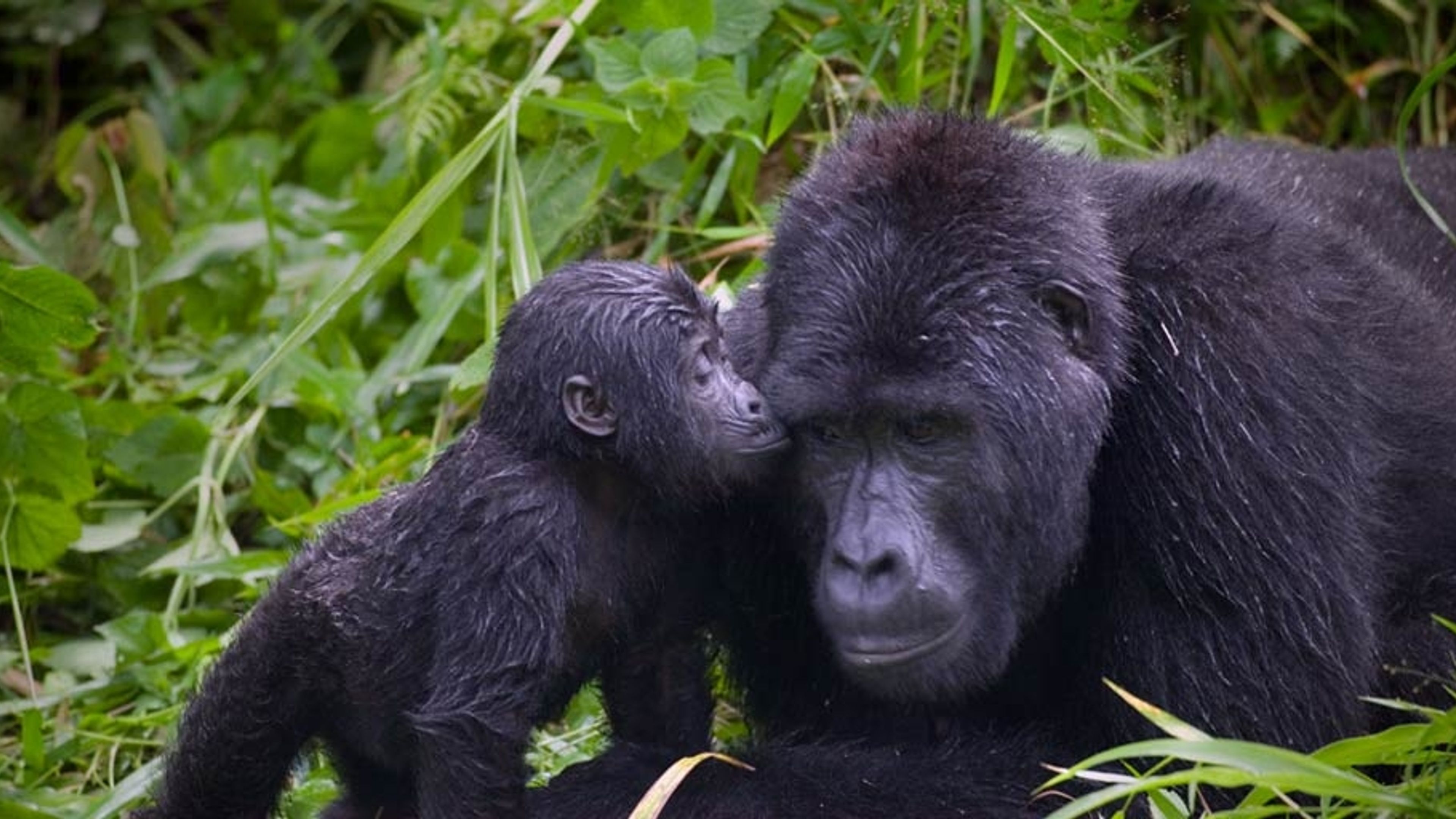
4. Gorilla (Gorilla gorilla)

The king of the jungle, the gorilla is an excellent father figure for young gorillas. Male gorillas tend to lead social groups of up to 30 other gorillas, however there is typically only one adult male per troop. This alpha male is in charge of protecting their troop as well as teaching the young how to socialize with other gorillas.

5. Piping plover (Charadrius melodus)

Piping plovers are small, endangered shorebirds that split their parenting duties nearly 50/50. Both parents will take turns sitting on the eggs during incubation while the other parent goes to feed. Males will even create a distraction by acting like they are injured, called a broken wing display to distract potential predators away from their nest or chicks. Male killdeer, a similar species, will also take turns sitting on the eggs and participating in helping to raise the young.

6. Red fox (Vulpes vulpes)

Red fox fathers are both loving and strict. They will bring food to the den after the mother gives birth so that the mother can stay in the den with their kits. Once the kits get to be a bit older, the father will play and run with them. He will also stop bringing food to the den and will instead hide it nearby to teach his young how to find their own food!

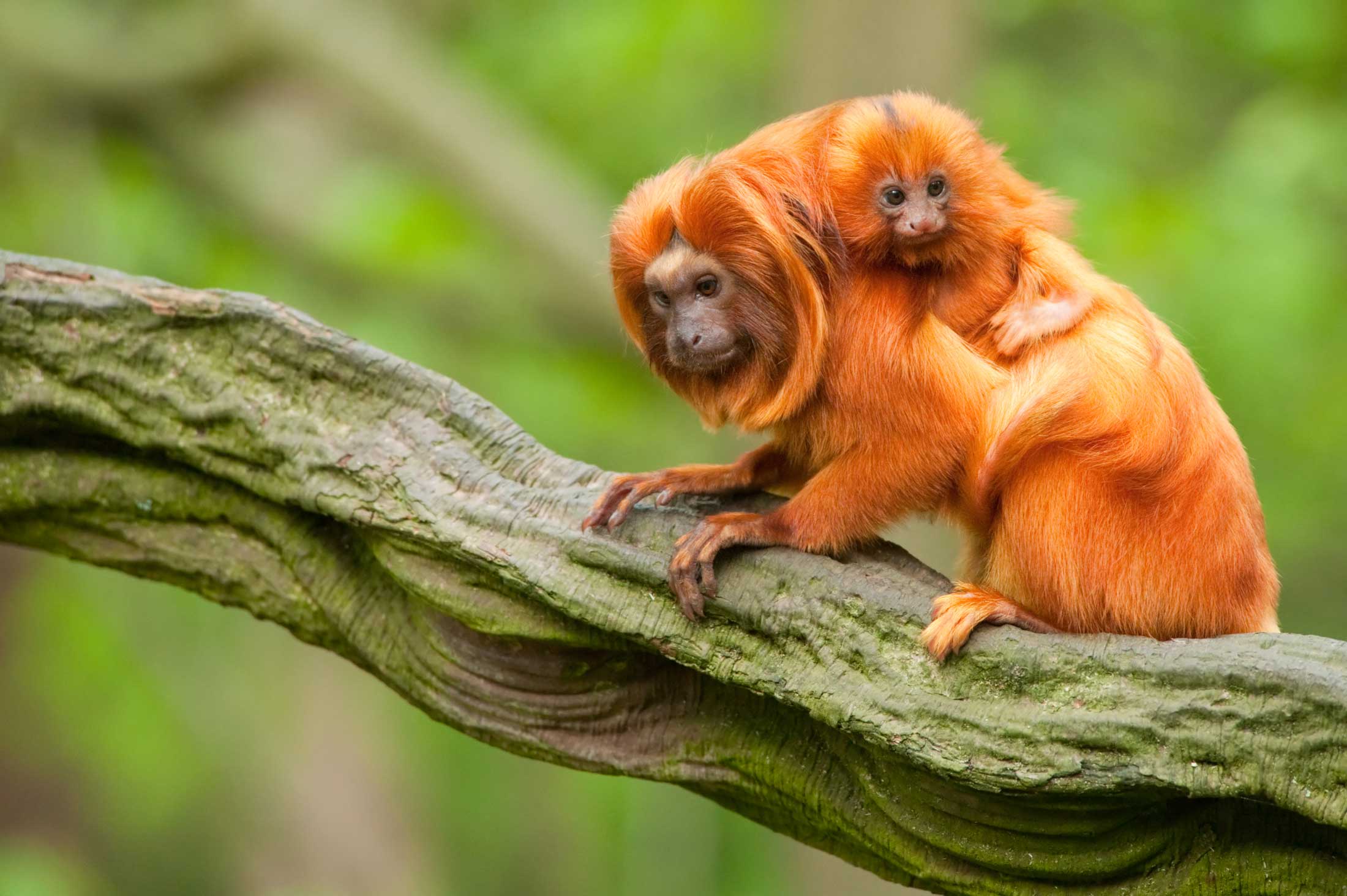
7. Golden lion tamarin (Leontopithecus rosalia)

The bond between a baby Golden lion tamarin and father is a tight one! After just a couple of weeks, the babies will be clung to their father’s backs nearly 24/7, only being passed back to their mother every few hours to nurse. One they are weaned, the father helps to find food for their babies and will even hand-feed them.

8. Greater flamingo (Phoenicopterus roseus)

Greater flamingos have co-parenting down to a science. Both parents are involved in building the nest by pushing up mounds in the mud. The female lays a single egg and then they both take turns incubating the egg. The father also helps to feed it’s chick with it’s crop milk, which is a nutrient-rich fluid excreted from the esophagus.

9. Pouched frog (Assa darlingtoni)

While amphibians don’t get much recognition for being good fathers, the pouched frog is the exception! These frogs, like many other animals found in Australia have a pouch that they use to carry their young in. The mother lays her eggs, and both parents will guard the eggs. Once the eggs hatch and morph into tadpoles, the father will carry them in his pouch while they continue to develop.

10. Gray wolves (Canis lupus)

Wolves are apex predators that form packs that are headed by one male that pairs up with one of the females in the pack. This male will watch over his mate and pups by standing guard outside of their den. Gray wolf fathers will also bring back food to their young and even regurgitate it for the young pups. Alpha males are very territorial and will protect their territory to ward off any other unwelcome males or potential threats.

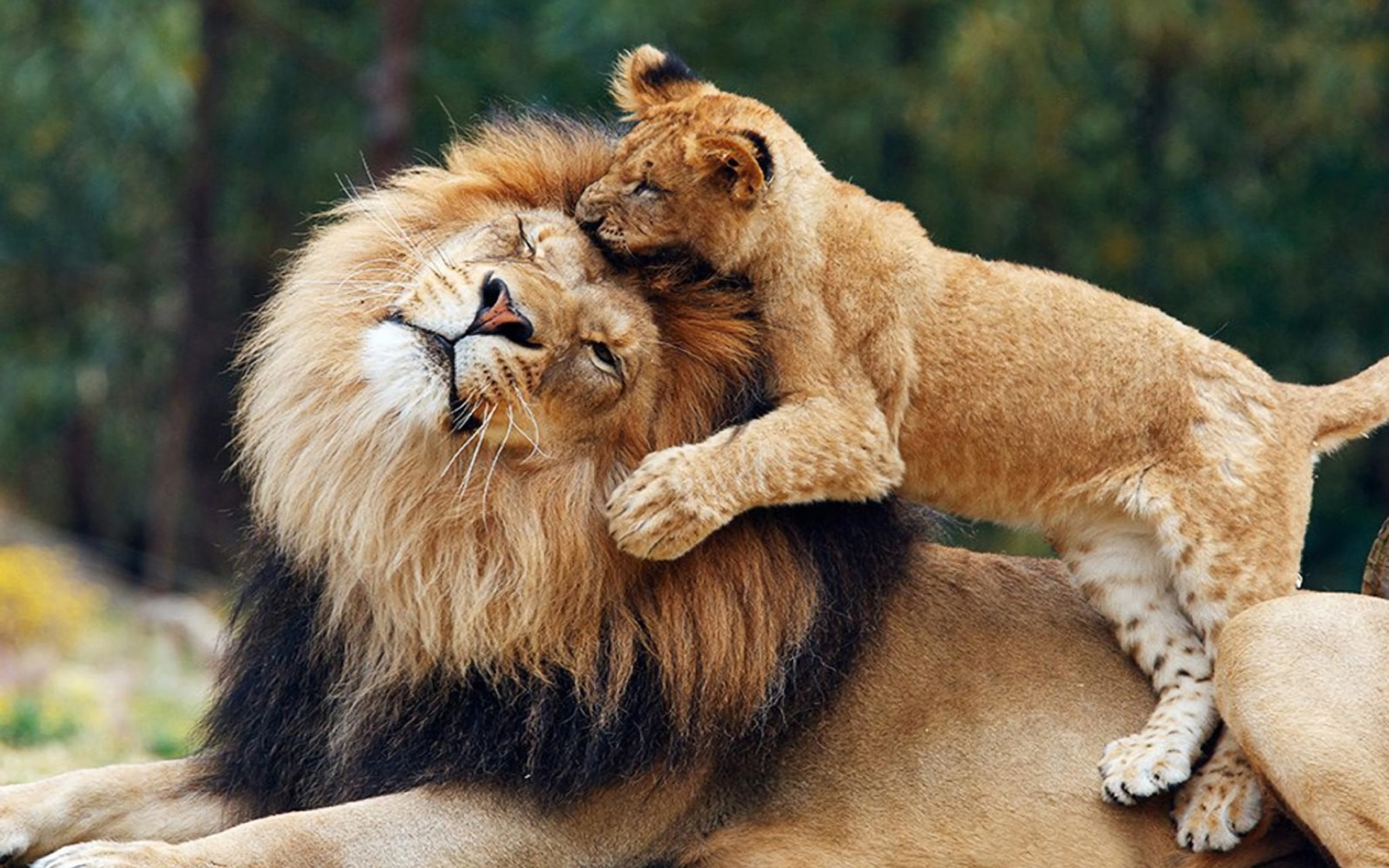
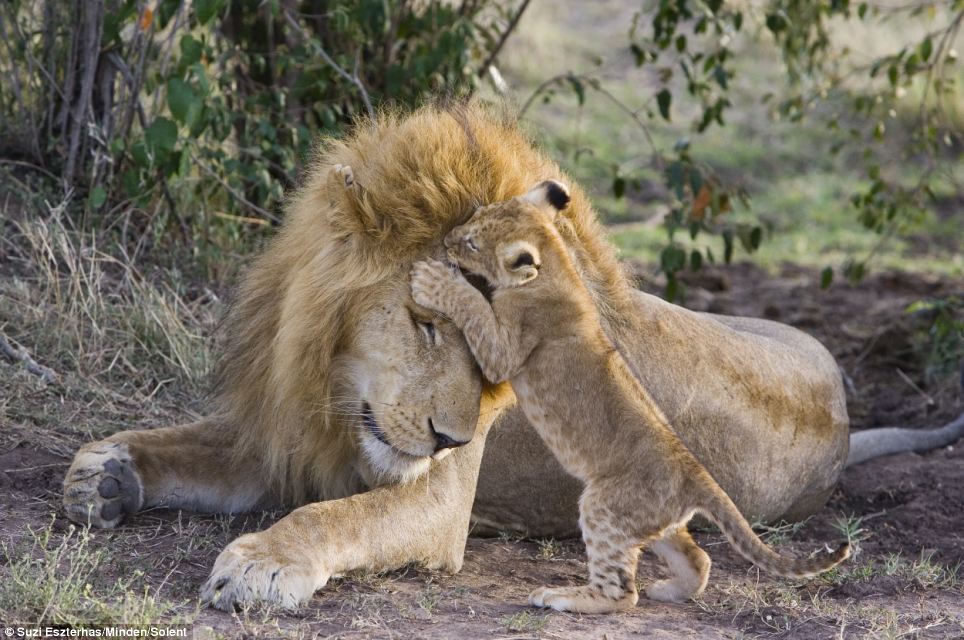
11. Lions (Panthera leo)

While male lions have a reputation of being lazy, which can be true in some cases, they are actually quite dedicated fathers when it comes to protecting their cubs. Lions form groups called a pride that tend to only have one adult male, the alpha male and several females and his many offspring. Father lions will go to great lengths to not only protect his cubs, but the entire pride from other male lions or any threats.

SOURCE: WILDLIFEINFORMER.COM

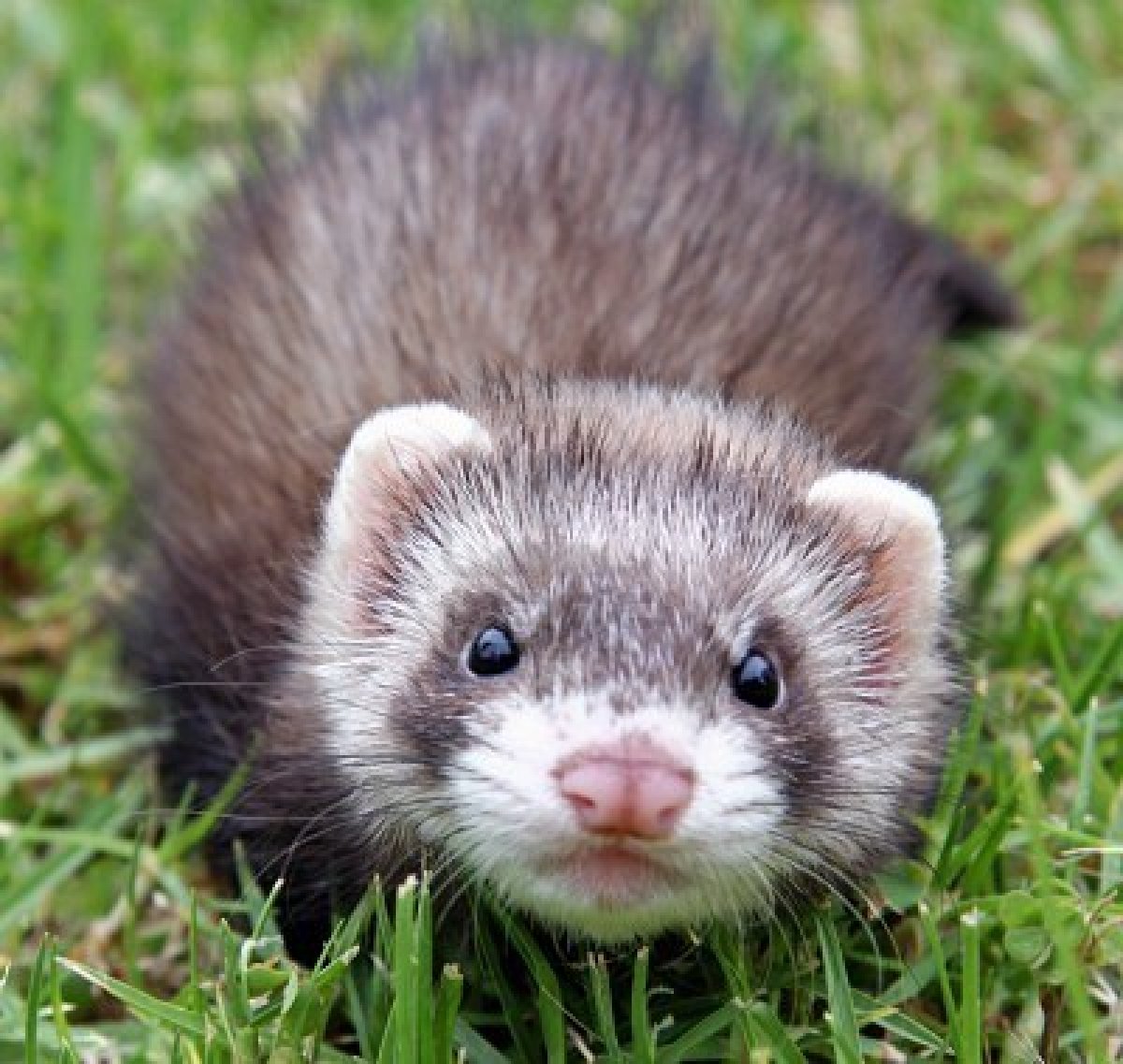
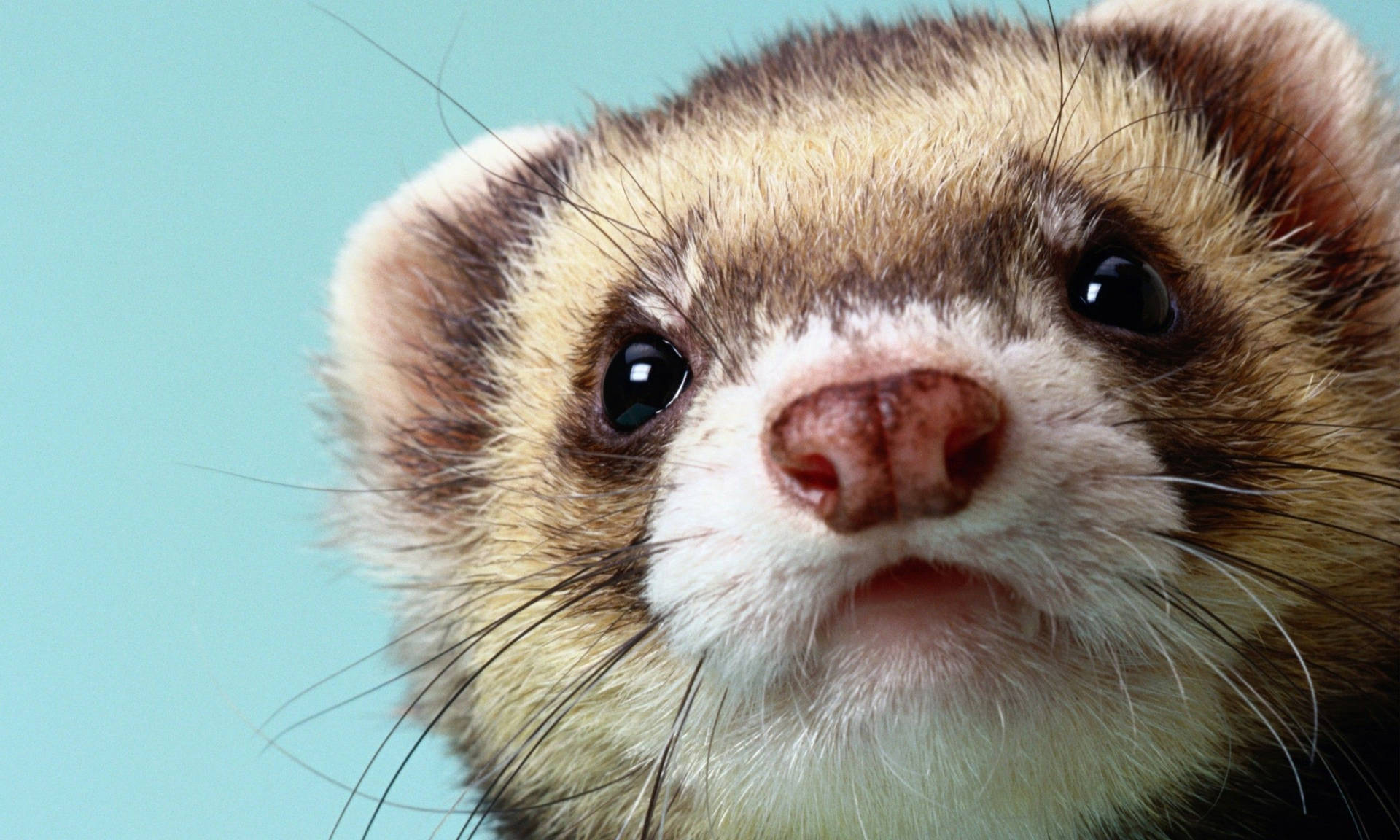
Ferret Facts

1. Ferrets are illegal in some areas of the United States.

Before you adopt or purchase a ferret, you should check out your local laws. Pet ferrets are prohibited in California, Hawaii, and New York City. While veterinarians in these locations will still treat sick ferrets, the adoption or purchase of new ferrets is not allowed. If you live in one of these areas, it’s best to consider getting another type of pet.

2. Ferrets have a strong, musky odor, even when they’re de-scented.

Ferrets have scent glands near the base of their tails that produce a potent, musky-smelling oil. For many pet ferrets, these glands are surgically removed during the process of “de-scenting” when the animals are very young—before they are sold. Ferrets that retain these glands smell so musky that most people would never want them as pets. However, even after they are de-scented, ferrets will still retain a milder musky odor that some people find unpleasant. So, if you are sensitive to odor, and you’re considering a ferret as a pet, you might want to spend some time around one to be sure you can tolerate the smell before you bring a ferret home.

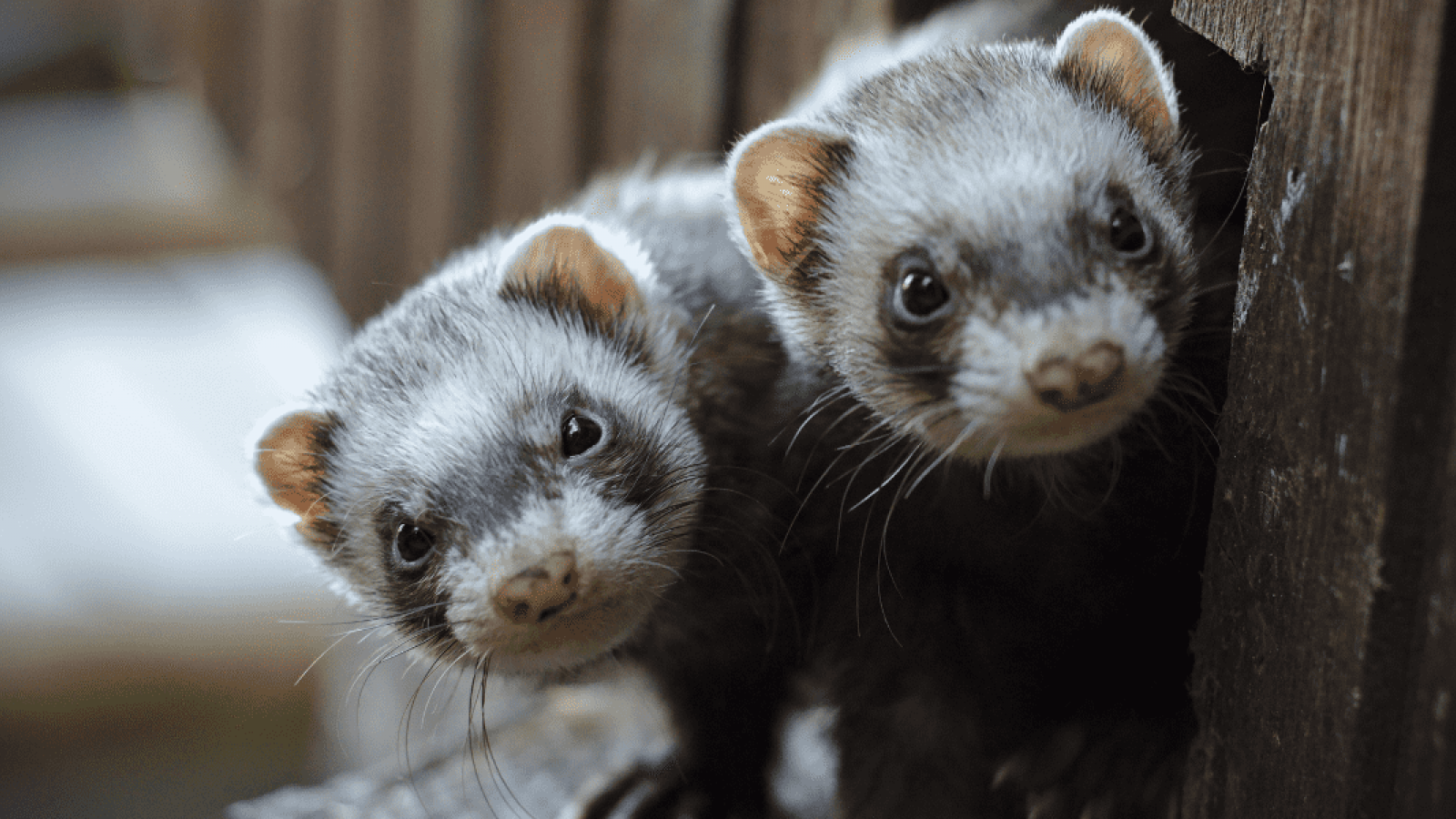
3. Ferrets love company.

Ferrets are social creatures that typically live in groups or colonies in the wild. Because they love company, pet ferrets generally look for human family members or other ferrets to hang out with. It’s much more fun to play when you have friends to play with. Consequently, many ferret owners end up owning more than one ferret. On rare occasions, two ferrets might not get along. So, if you get more than one ferret, you’ll need to supervise their interactions for several days to ensure they get along before you can safely leave them alone together. To minimize competition between ferrets, each one should have equal access to food, toys, hiding spots, and sleeping areas so that they’re less likely to fight over resources.

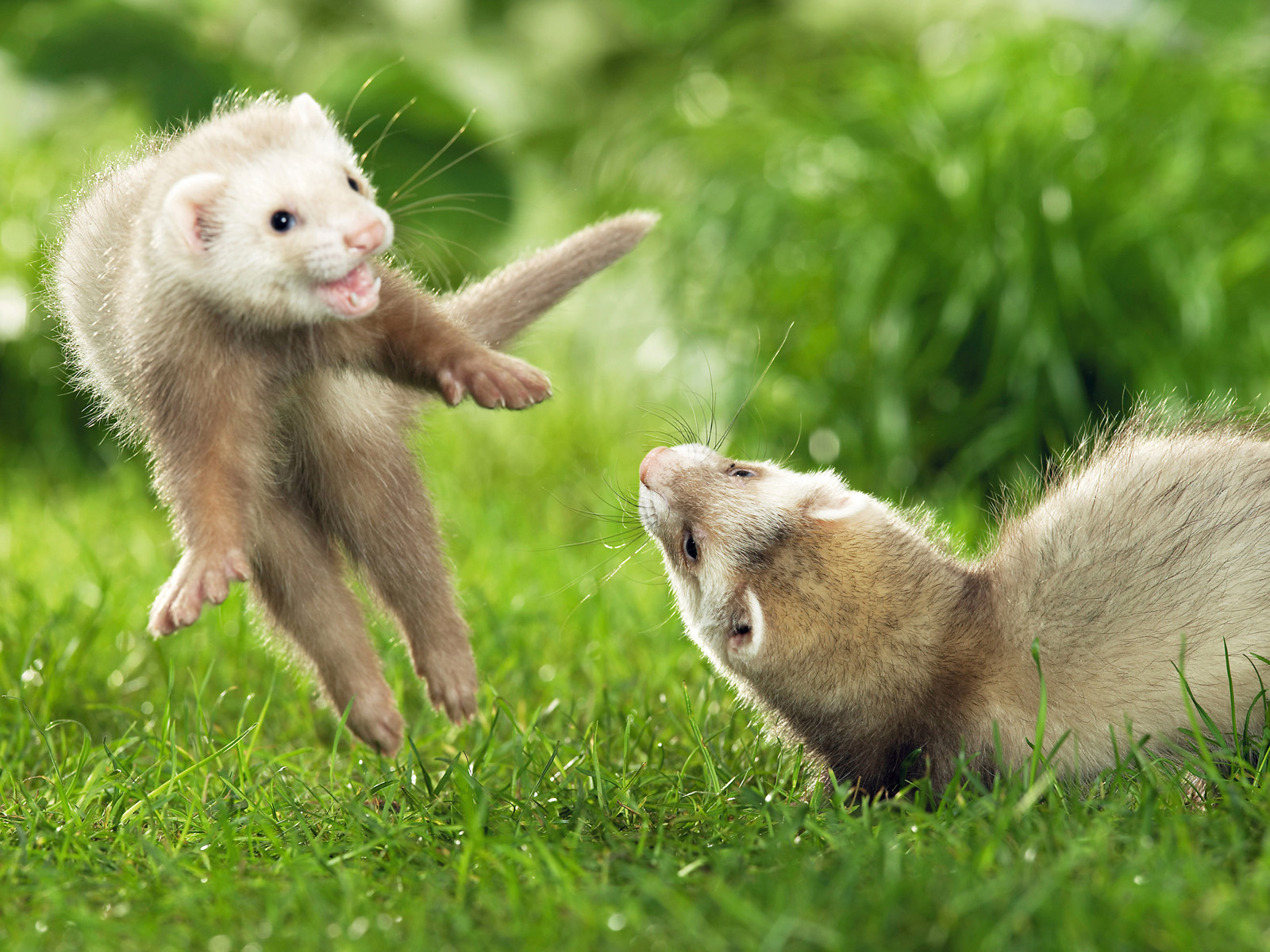
4. Ferrets need to run!

Ferrets love to curl up and sleep, particularly if they can find a warm place to nap, but when they’re not napping, they also love to run, jump, climb, and hide. Ferrets also love toys. Young ferrets, in particular, enjoying skittering across the floor and chasing toys. Exercise for ferrets is key, or they will overeat from boredom and become obese. So, if you’re going to own a ferret, plan on lots of out-of-cage time for them to run around.

5. Ferrets chew EVERYTHING.

Ferrets are called ferrets because they literally “ferret out” everything. They chew on, dig up, and pull out nearly every object they encounter—especially when they’re young and very curious. Objects made of foam, rubber, or cloth, including furniture and shoes, are special favorites. Ferrets notoriously steal everything they can get their mouths on and store their treasures in closets, under beds, or anywhere they can hide them. This mischievous behavior can lead to significant health problems, since foreign objects they inadvertently swallow can get stuck in their gastrointestinal (GI) tracts and cause life-threatening obstructions that require surgical treatment. So, if you decide to get a pet ferret, you’ll need to commit to ferret-proofing your home. That means picking up everything from the floor, creating a ferret-proofed area that’s free of tempting things to chew on, and supervising your new pet whenever he or she is out of the cage.

6. Ferrets eat meat.

Wild ferrets are carnivores that hunt for and consume rodents and rabbits. Their GI tracts have evolved to digest animal protein and not vegetable matter. While a pet ferret should also be eating meat, their intestinal tract is not adapted to consuming raw meat in the same way as their wild counterparts. In fact, pet ferrets can develop severe intestinal infection with toxic bacteria such as Salmonella. Pet ferrets should be fed commercially formulated, high-protein/moderate-fat/low-carbohydrate diets that contain all the nutrients that ferrets require. These diets have also been prepared to eliminate potentially harmful bacteria. Several kibble diets are available for pet ferrets, and they generally love them. Before diets were developed specifically for ferrets, many people fed their pet ferrets cat food. In general, it’s preferable to use commercially available ferret food over cat food because ferret-specific diets meet the nutritional needs of ferrets more closely.

7. Ferrets need annual veterinary checkups.

Ferrets can live to be 6-9 years old or more, so it’s important to provide consistent, preventative veterinary care. They should see their veterinarian annually and then semi-annually as they age. By examining ferrets every year, veterinarians may diagnose and treat conditions earlier and may help ferrets live longer, happier lives. After 3 years of age, ferrets also should have annual blood tests to help ensure that their blood sugar levels and kidney and liver functions are normal. After 5 years of age, ferrets should be checked every six months, since by this age, they have often developed more than one of the conditions they commonly encounter as they age. 

8. Ferrets often develop certain diseases as they age.

Ferrets sold in pet stores in the United States are typically from one of two very large breeding facilities, and consequently, they are extremely inbred. Inbreeding, unfortunately, increases the chances for developing certain diseases, including adrenal gland tumors and pancreatic tumors called insulinomas. These illnesses can occur in ferrets as young as a year of age. Older ferrets commonly develop heart disease and other types of cancer. If you’re planning on getting a ferret, you should expect that at some point, your ferret will develop one or more of these conditions and will require veterinary treatment.

9. Ferrets need shots.

Ferrets can contract and pass on rabies. Therefore, in many of the states in which they are legal as pets, ferrets are required by law to be vaccinated for rabies at 4-5 months of age and then annually after that. Ferrets are also very susceptible to the deadly canine distemper virus that commonly affects dogs, but it’s preventable through vaccination. There is a ferret-specific distemper virus vaccine that should be administered initially in a series of three shots (three weeks apart), starting at 2 months of age, and then annually after that. Very rarely, ferrets can develop diarrhea, vomiting, or collapse after receiving either the rabies or distemper vaccine. For this reason, ferrets that receive vaccines should wait at the veterinary hospital for 15 minutes after receiving their shots to ensure they’re not having a reaction. Ferrets that suffer from vaccine reactions should not be revaccinated in the future if their reaction is severe. Even if pet ferrets are kept indoors, they should receive annual booster vaccines against both rabies and distemper viruses for life. This is because their owners can track distemper virus inside their homes on their shoes, and pet ferrets might also have contact with wildlife, like bats, which can carry the deadly rabies virus.

10. Ferrets need flea and heartworm disease preventative.

Just like cats and dogs, ferrets are susceptible to flea infestation and deadly heartworm infection. This is true even for ferrets kept indoors, as fleas can come in from outside, especially if there are dogs and cats in the home. Mosquitos can also make their way indoors and transmit heartworm disease to indoor ferrets. Ferret-savvy veterinarians can prescribe flea and heartworm preventatives that are safe for use in ferrets, as not all flea and heartworm products are appropriate for ferrets.

11. Ferrets get hairballs.

Ferrets shed a lot of hair, particularly when the weather gets warm, and like cats, they may ingest this hair as they lick and groom themselves. This means that—like cats—ferrets can produce hairballs too. If they ingest a large amount of hair, it can stick together in their intestines and cause a potentially life-threatening obstruction. Ferrets with adrenal gland tumors commonly lose lots of hair as a result of hormones secreted by their tumors, and this often predisposes them to hairball development. To help prevent hairballs from forming, ferrets should be brushed at least once a week with a narrow-toothed hair comb meant for brushing either a ferret or a cat. If a ferret is shedding excessively, hairball laxatives made for either ferrets or cats can help hair pass through the GI tract more easily. These can be given by mouth once or twice a week. Talk with your veterinarian to find out more if you are worried about hairballs in your ferret.

SOURCE: PETMD.COM