

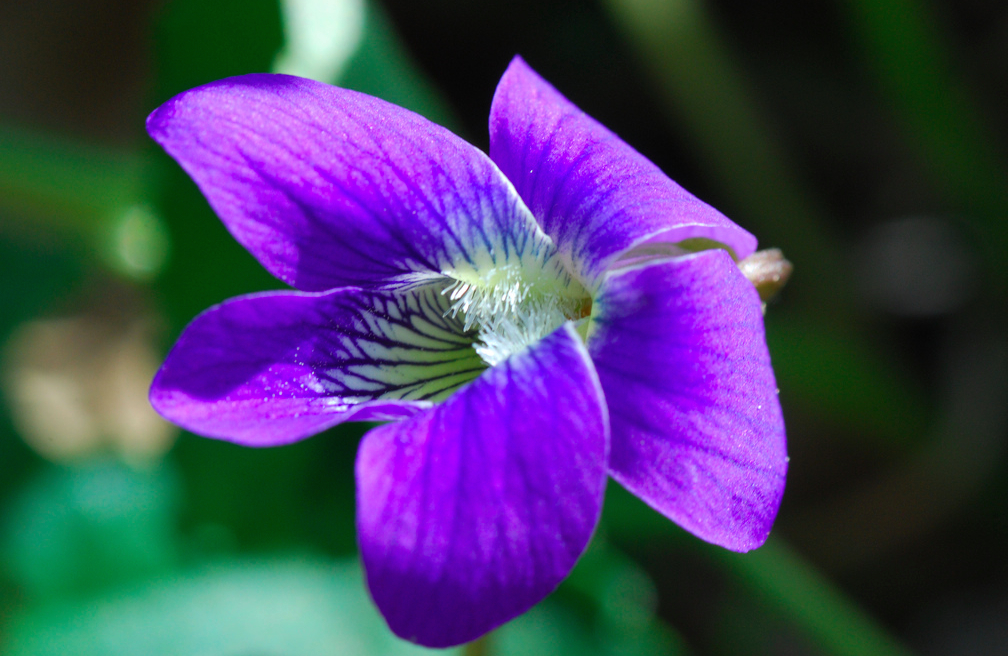
Wood Violet is a short-stemmed herbaceous perennial plant that is native to eastern North America. Wood violet flowers are irregular in shape and the flowers are deep blue/purple or violet, and sometimes almost white with blue markings. Wood violet flowers have side petals having beards or tuffs near the center of the flower. There are 5 petals in which lower one is longer and spurred, and the 2 petals having fine hairs. Other names include: common blue violet, common meadow violet, purple violet, woolly blue violet and hooded violet.
Wood Violet, also known as Viola papilionacea, is a charming wildflower commonly found in North America. With its distinctive purple petals and butterfly-like shape, this flower not only adds a vibrant touch to your garden but also brings a natural and serene atmosphere.
Wood Violet is celebrated for its charming and delicate flowers, which display a striking range of colors. The blooms are typically deep purple, lending a rich, royal hue to garden landscapes. However, variations in color are not uncommon, with some flowers showcasing light lavender tones that bring a soft, pastel touch. In rarer instances, Wood Violet produces pure white blossoms, which offer a stark and elegant contrast against its lush foliage.
The flowers consist of five petals arranged in a unique butterfly-like formation, a characteristic that gives the species its name “papilionacea,” derived from the Latin word for butterfly. The lower petal, known as the “lip,” is slightly larger and often marked with delicate, darker purple veins that act as nectar guides for pollinators. The two lateral petals sometimes bear tiny tufts of hair, adding subtle texture to the flower’s appearance.
Accompanying the vibrant blooms are the plant’s heart-shaped leaves, which are a rich, glossy green. These leaves grow in a basal rosette pattern, meaning they emerge from the base of the plant and spread outward, creating a dense, leafy ground cover. The scalloped edges and smooth surface of the leaves enhance their visual appeal, while their lush green color beautifully offsets the vividness of the flowers. Wood Violet naturally thrives in woodland habitats, where it enjoys the dappled sunlight filtering through tree canopies. It prefers partial shade, as direct sunlight can cause the delicate petals to fade or wilt. Ideal growing conditions include consistently moist, well-drained soils rich in organic matter, mimicking the humus-rich forest floors from which it originates. The plant is particularly well-suited to temperate climates, showing remarkable resilience to cold weather and even surviving light frosts
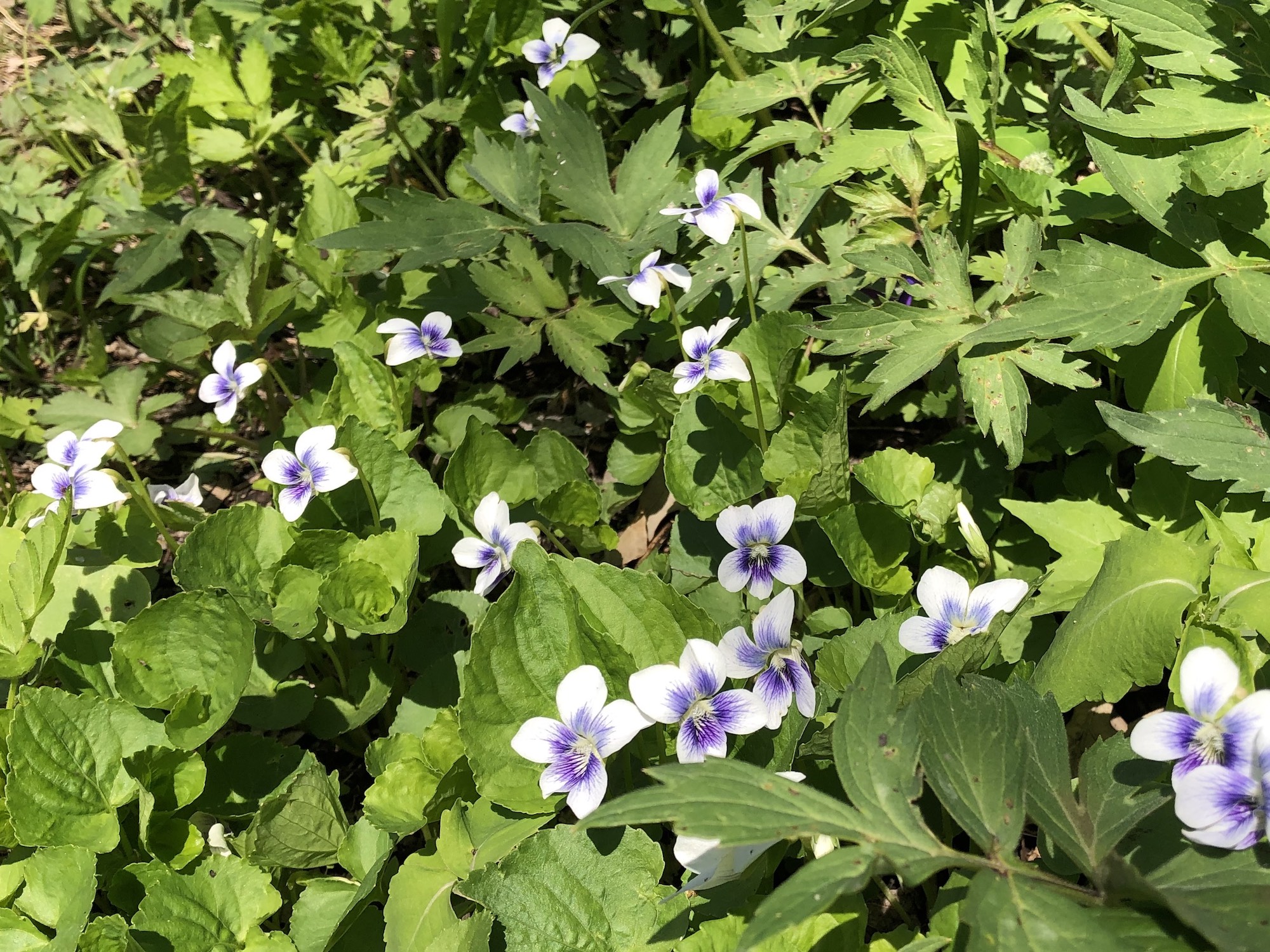
This species is highly adaptable and can flourish in a variety of soil types, although it prefers slightly acidic to neutral pH levels. It spreads easily by rhizomes, forming lush mats of greenery and vibrant flowers. Gardeners appreciate this characteristic for its usefulness as a ground cover in shaded garden corners, under deciduous trees, or along shaded pathways.
In addition to its ornamental value, Wood Violet plays an important ecological role. It provides nectar for early-season pollinators, including bees and butterflies, and serves as a host plant for the larvae of certain fritillary butterflies. Its ability to naturalize and spread effortlessly makes it a low-maintenance yet impactful addition to native plant gardens and woodland landscapes.
 Sew Colorful
Good Night All!
LikeLike