

Nevada, the Silver State, is renowned for its stunning landscapes and unique flora. Among its natural treasures is the sagebrush, the official state flower of Nevada. This hardy and aromatic plant holds great significance in the state’s ecosystem and history. In this article, we’ll explore 10 fascinating facts about the Nevada state flower, shedding light on its cultural, ecological, and botanical importance. From its role in Native American traditions to its resilience in the harsh desert environment, the sagebrush embodies the spirit of Nevada’s rugged beauty. Let’s delve into the captivating world of the sagebrush and uncover the secrets that make it a cherished symbol of the Silver State.
Key Takeaways:
Sagebrush, Nevada’s state flower, symbolizes endurance and resilience, providing habitat and food for wildlife while stabilizing the state’s arid landscapes. It’s deeply ingrained in the state’s cultural heritage and inspires conservation efforts.
The aromatic Sagebrush embodies Nevada’s untamed spirit, captivating all with its evocative scent. It’s a living symbol of the state’s indomitable spirit, resilience, and natural beauty, cherished by its people and deeply rooted in its identity.
Sagebrush: The Emblem of the Silver State
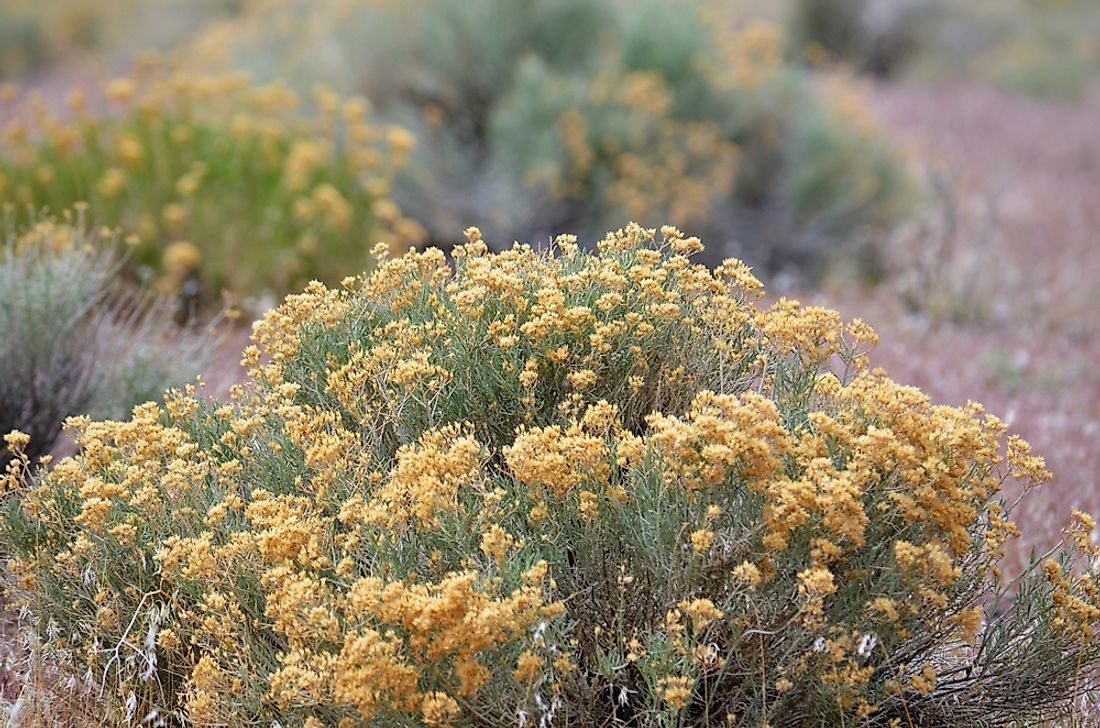
Known as the emblem of the Silver State, Sagebrush (Artemisia tridentata) is the official state flower of Nevada. This resilient and aromatic plant holds immense significance in the state’s history and ecology. Sagebrush thrives in the arid landscapes of Nevada, demonstrating remarkable adaptability to harsh environmental conditions. The plant’s distinctive silvery-green foliage and its invigorating scent are emblematic of the rugged beauty of the Nevada wilderness.
A Symbol of Endurance
Sagebrush is a symbol of endurance and tenacity, reflecting the resilience of the state’s inhabitants and its natural environment. Despite its unassuming appearance, Sagebrush plays a vital role in Nevada’s ecosystem, providing sustenance and shelter for diverse wildlife, including the state animal, the Desert Bighorn Sheep. This hardy shrub is deeply intertwined with the fabric of Nevada’s identity.
Historical Significance
Sagebrush has deep historical roots in Nevada, dating back to the time of the early settlers and Native American tribes. The plant’s presence in the state’s folklore, medicine, and daily life underscores its cultural significance and enduring legacy. Its prevalence in the Great Basin region has made it an enduring symbol of the state’s rugged beauty and the resilience of its people.
Additional Sagebrush Plant Information
Sagebrush leaves can be identified by their grayish wooly appearance. They are about an inch long and end in a three-pronged set of “teeth.” This characteristic is important sagebrush plant information and sets them apart from other species of Artemisia. The young bark is gray and covered in fine hairs while older growth is dressed in shredded bark that falls off easily. Most plants do not grow taller than 4 feet but occasionally they have been found 10 feet tall in their native habitat. The shorter size is more likely when growing sagebrush plants in the home landscape.
Uses for Sagebrush
In addition to the medicinal uses for sagebrush, it is an important habitat for native birds, small rodents and reptiles. The plant was used as building material for baskets and rope, and the wood was fuel for early Native American people. It also has importance as a spiritual and ritual aromatic plant. The smoke is thought to have cleansing properties by those with belief in spirits. As a poultice, it clears lungs and eases aches and pains. It was once chewed for its ability to soothe stomach problems and bowel issues. Another of the uses for sagebrush included lining cloth with the leaves of the plant as a diaper.
How to Care for a Sagebrush Plant
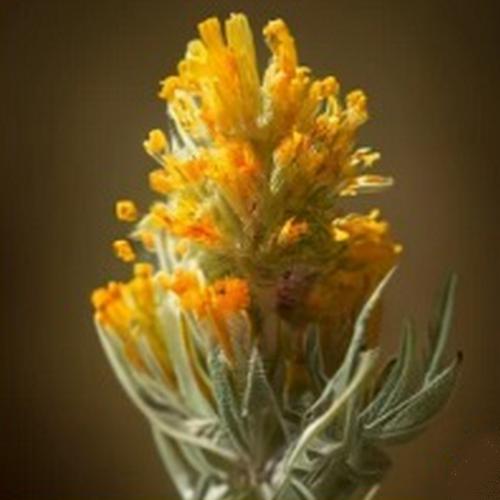
Sagebrush is a member of a hardy and adaptive genus that thrives where moisture and nutrients are low. They can survive ferocious winds and extreme periods of drought. As such, the worst thing you can do to sagebrush is overwater it. If you give the plant supplemental water in spring, it will bloom. There is no need to water after the plant has been established.
Most pests and insects are repelled naturally by the plant’s strong taste and odor.
 Sew Colorful
OK, THIS is the weirdest lava lamp I’ve ever seen!!!
LikeLiked by 1 person
looks like an octopus…???
it took me a while to figure out that was a guy under water…lol
LikeLiked by 1 person
Yep but an octopus from hell! I’m not 100% sure that guy with the green hair isn’t a statue in a lake or harbor somewhere, tbh.
LikeLiked by 1 person
OHHHHHHH…now that makes more sense…LOLOLOLOL
LikeLiked by 1 person
I am adding a short daily prayer to the board. I would invite each of you, if you wish, to also add one or maybe two of your own liking. I do not want to stifle anyone but please limit yourself to one or two religious postings. here’s one I found that I liked.
LikeLike
LikeLike
LikeLike
Good night
LikeLiked by 1 person
Good Night Filly!
LikeLiked by 1 person
LikeLike
LikeLike
Good Night All!
LikeLike