
/close-up-of-pink-peony-510820237-58b58f243df78cdcd8514fac.jpg)
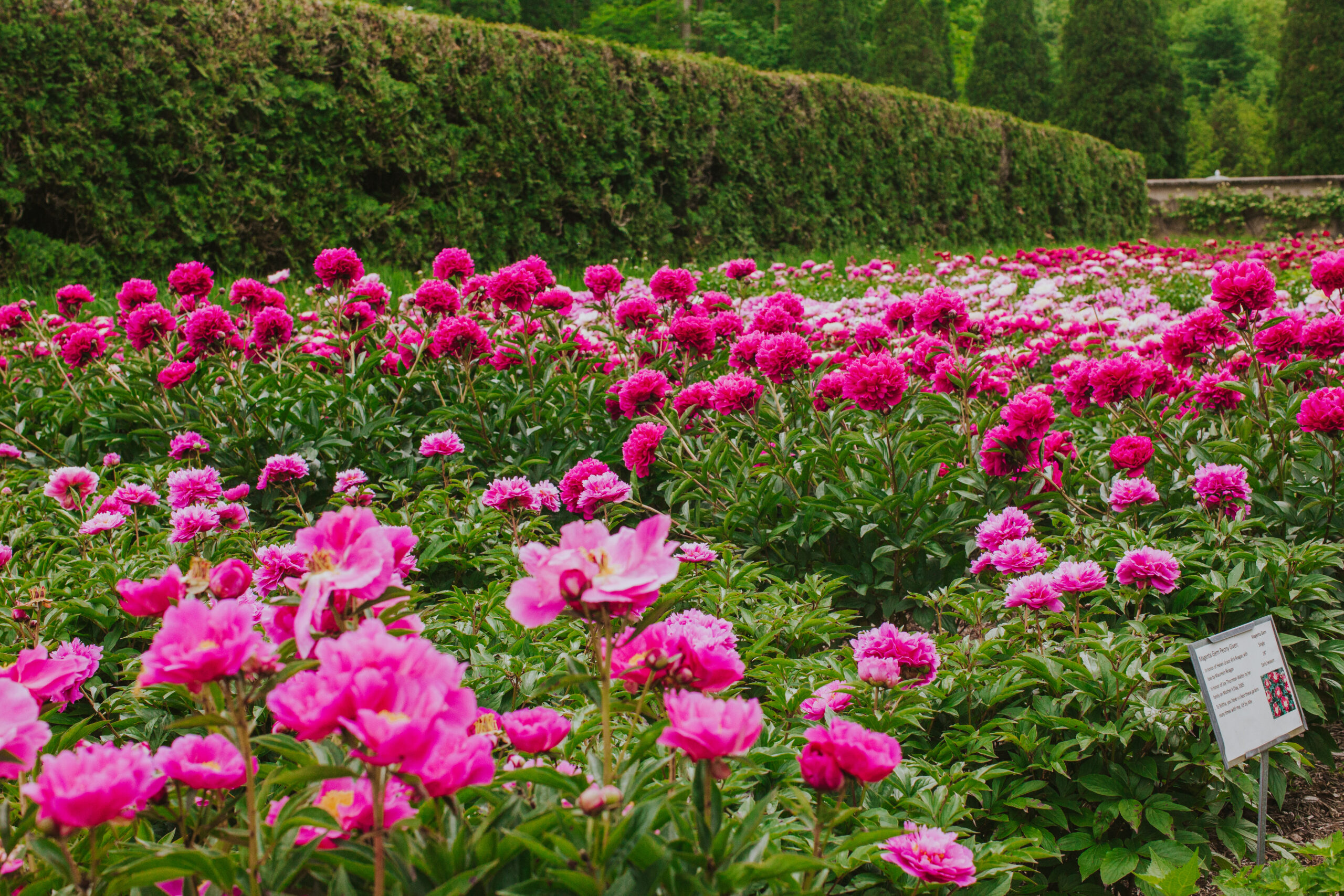
Peonies are the spring-blooming stars of your garden. They have large, showy blooms, heady aromas, and loads of personality. By some estimates, there are as many as 33 different species within the genus Paeonia, known collectively as peonies. Most are herbaceous perennials, though a few are woody shrubs. Peonies are medium-sized, have tuberous roots that are a combination of thick storage roots and thin roots that are designed to absorb water and nutrients. Careful handling of these roots is critical to planting or transplanting peonies, as well as when you are dividing plants to propagate them.
Slow-growing peonies are categorized in many different ways, such as by flower type or by growth habit. In addition to the familiar garden-variety herbaceous peonies with all their flower variations, there are special types such as fern-leaf peonies (Paeonia tenuifolia), a particularly sensitive and prized species, and tree peonies, which are woody, upright forms. These types have some special planting needs.
Bloom time for peonies varies from late spring to late summer, depending on variety, but all types are best planted in the fall, about six weeks before the ground freezes. This gives the plant time to settle in and establish roots before winter. This is especially true when planting bare root peonies or when transplanting, but even when planting potted peonies, fall planting gives better results than spring planting.
Peony Care
Peonies are classic garden plants that can thrive for decades with minimal care when planted in soil that meets their needs. One of the longest-lived of all garden plants, peonies are sometimes handed down from generation to generation in families. It is important to do the initial planting correctly because peonies can be temperamental about being moved once they are established.
Give each peony plant enough space to grow to maturitywithout being crowded. That means a 3- to 4-foot diameter for each plant. Choose a location that is sheltered from strong winds. The large heavy blooms of this plant can cause the stems to flop over during heavy rain and inclement weather. Your peonies will benefit from some type of support staking. Plant them well away from other trees and shrubs, since they don’t like to compete for nutrients and water.
Peonies like a good chill in the winter. In order to set their flower buds, peony roots should be planted relatively close to the soil surface—only about 2-to 3-inches deep. It may feel odd to leave roots so exposed, but peonies actually need this chilling to attain dormancy and set buds.
Light
Peonies need a location that receives at least 6-hours of sun each day and a full day of sun is even better. Without sufficient sunlight, you’ll get fewer blooms and smaller flowers, and the plants will have a greater risk of fungal diseases.
Soil
Peonies are very adaptable, but ideally, they like a well-drained, slightly acidic soil (6.5-7.0 pH). If you are planting in heavy, clay soil, amending with compost or a soil mix labeled for azaleas and rhododendrons will make it easier for your peony plant to settle in. Since peonies can remain in the same spot for upwards of 70 years, taking the time to prepare the soil before planting is time well spent.
Tree peonies like a slightly more alkaline soil than standard herbaceous peonies, and they do not want to compete with other shrubs.

Water
Peonies need moist, well-drained soil to thrive. Ideally, they should receive 1 to 2 inches of water weekly. They can thrive in relatively wet areas but are not drought-resistant. Mulch your peonies to help them retain water and lessen the likelihood of weeds.
Temperature and Humidity
Peonies prefer cooler areas (hardiness zones 3-8) and do best when they experience cold winters.
Fertilizer
Feed lightly. An annual application of compost mixed with a very small amount of fertilizer around the base of the plant is all that is needed. When you do feed with compost and fertilizer, do it just after the plants have finished blooming.
Don’t smother peonies with mulch in winter. In the first winter season, you can mulch loosely with pine needles or shredded bark, but mulch should be promptly removed in spring.
Tree peonies need iron and phosphate and do well with an annual feeding of sulfate and bone meal in spring. Unlike herbaceous peonies, they need regular feeding with a 5-10-5 fertilizer.
Peony Varieties
‘Big Ben’: boasts magenta flowers and a heady aroma

‘Festiva Maxima’: shows white blooms with specks of magenta

‘Pillow Talk‘: offers giant pink flowerheads with touches of yellow

‘Spider Green’: has a yellow center and large white petals

‘Sweet Marjorie’: presents hearty dark-pink blooms

SOURCE: The Spruce
 Sew Colorful
i think if canada takes in 500,000 palestinians, they will be crossing into our country quickly.
https://thepostmillennial.com/canada-could-take-in-500000-palestinian-refugees-according-to-propsed-plan
LikeLiked by 1 person
LikeLiked by 2 people
i thought something like this would happen.
look at him–that’s a WEENIE face!
LikeLiked by 1 person
LikeLiked by 1 person
LikeLiked by 1 person
LikeLiked by 1 person
LOL
LikeLiked by 1 person
I am adding a short daily prayer to the board. I would invite each of you, if you wish, to also add one or maybe two of your own liking. I do not want to stifle anyone but please limit yourself to one or two religious postings. here’s one I found that I liked.

LikeLike
LikeLike
LikeLike
LikeLike
LikeLike
LikeLike
LikeLiked by 1 person
LikeLike
LikeLike
LikeLike
LikeLike
LikeLike
Good Night All!
LikeLiked by 1 person
Good night!
LikeLiked by 1 person