
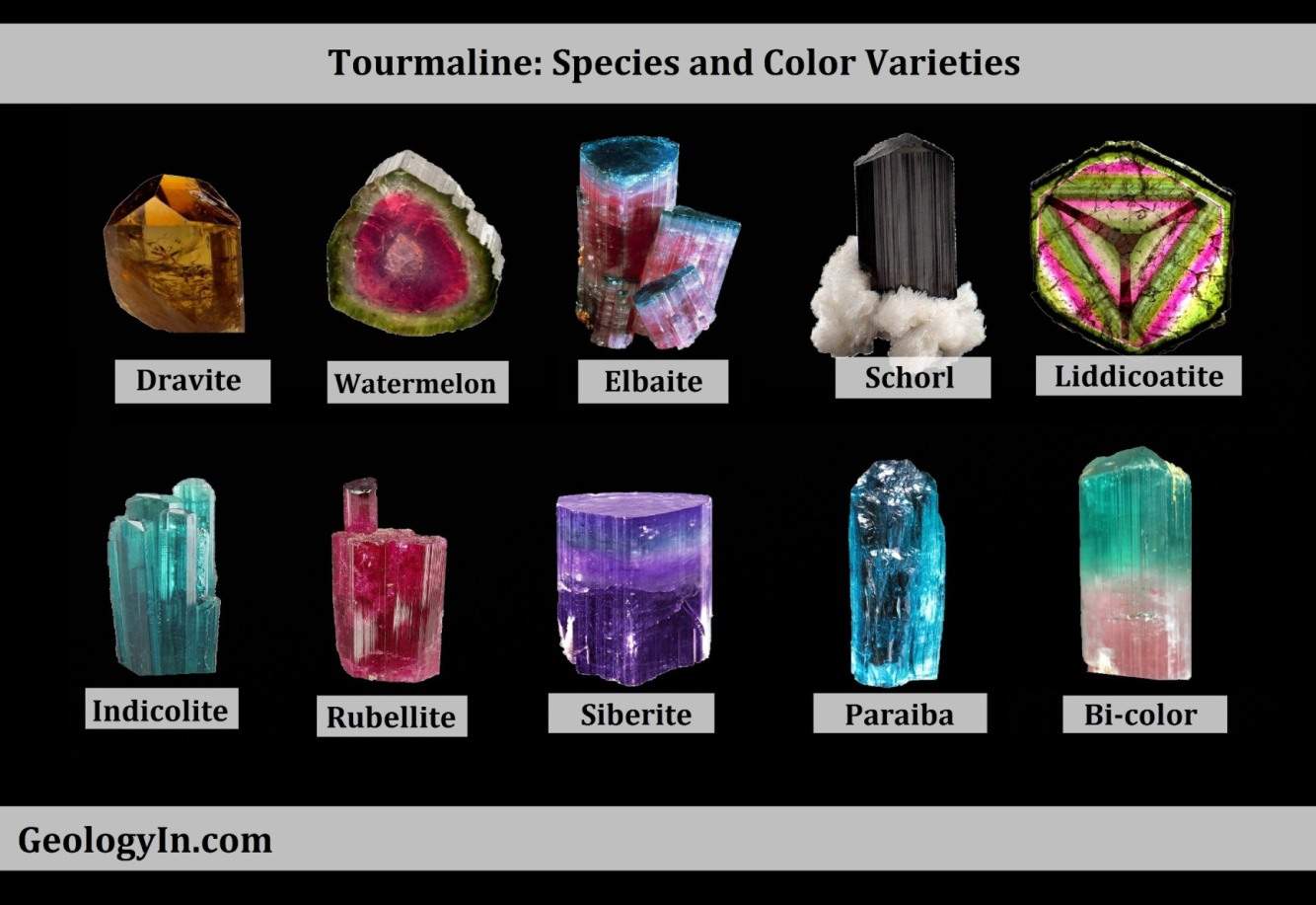
Tourmalines come in a wide variety of exciting colors. In fact, tourmaline has one of the widest color ranges of any gem species, occurring in various shades of virtually every hue.
Many tourmaline color varieties have inspired their own trade names:
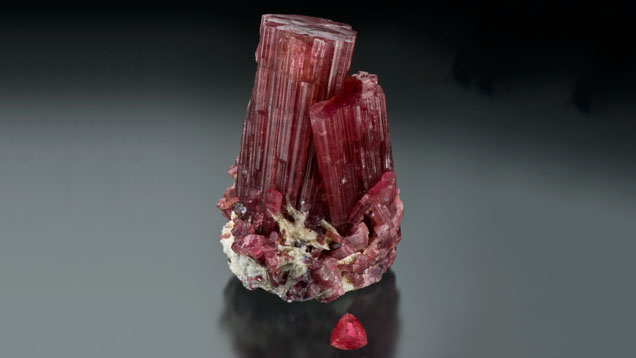
Rubellite is a name for pink, red, purplish red, orangy red, or brownish red tourmaline, although some in the trade argue that the term shouldn’t apply to pink tourmaline.
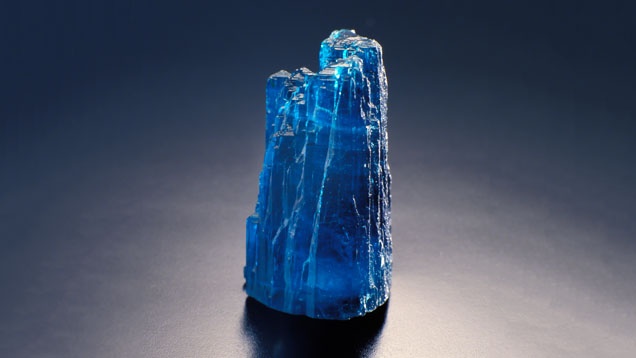
Indicolite is dark violetish blue, blue, or greenish blue tourmaline.
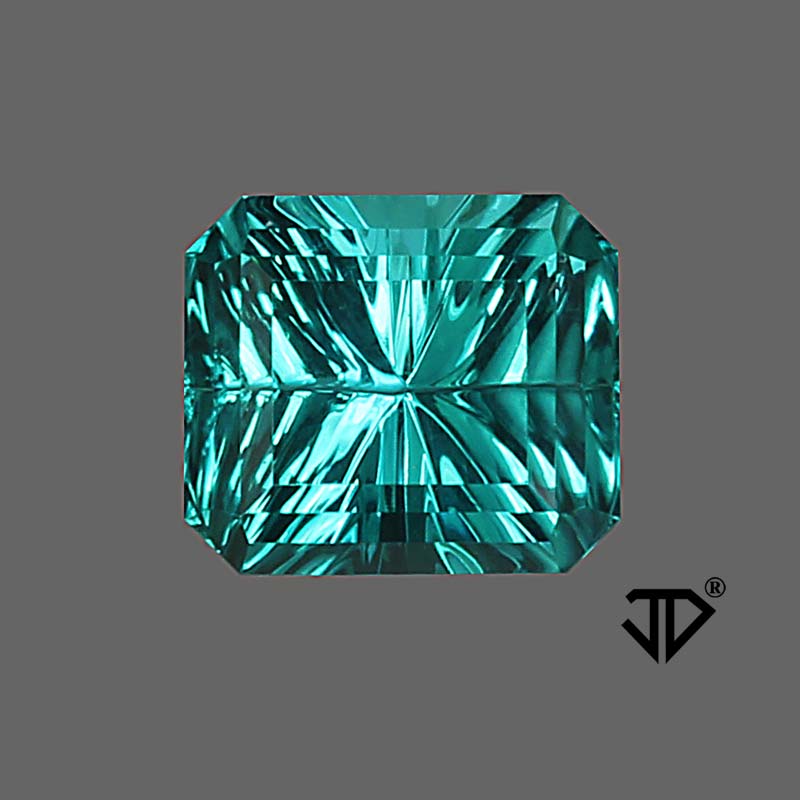
Paraíba is an intense violetish blue, greenish blue, or blue tourmaline from the state of Paraíba, Brazil.
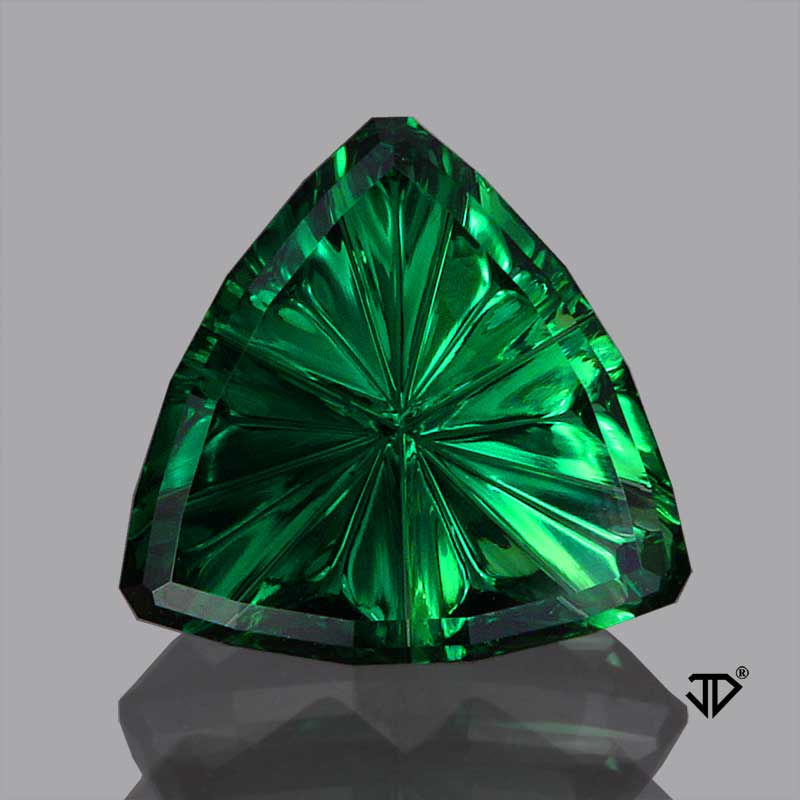
Chrome tourmaline is intense green. In spite of its name, it’s colored mostly by vanadium, the same element that colors many Brazilian and African emeralds.
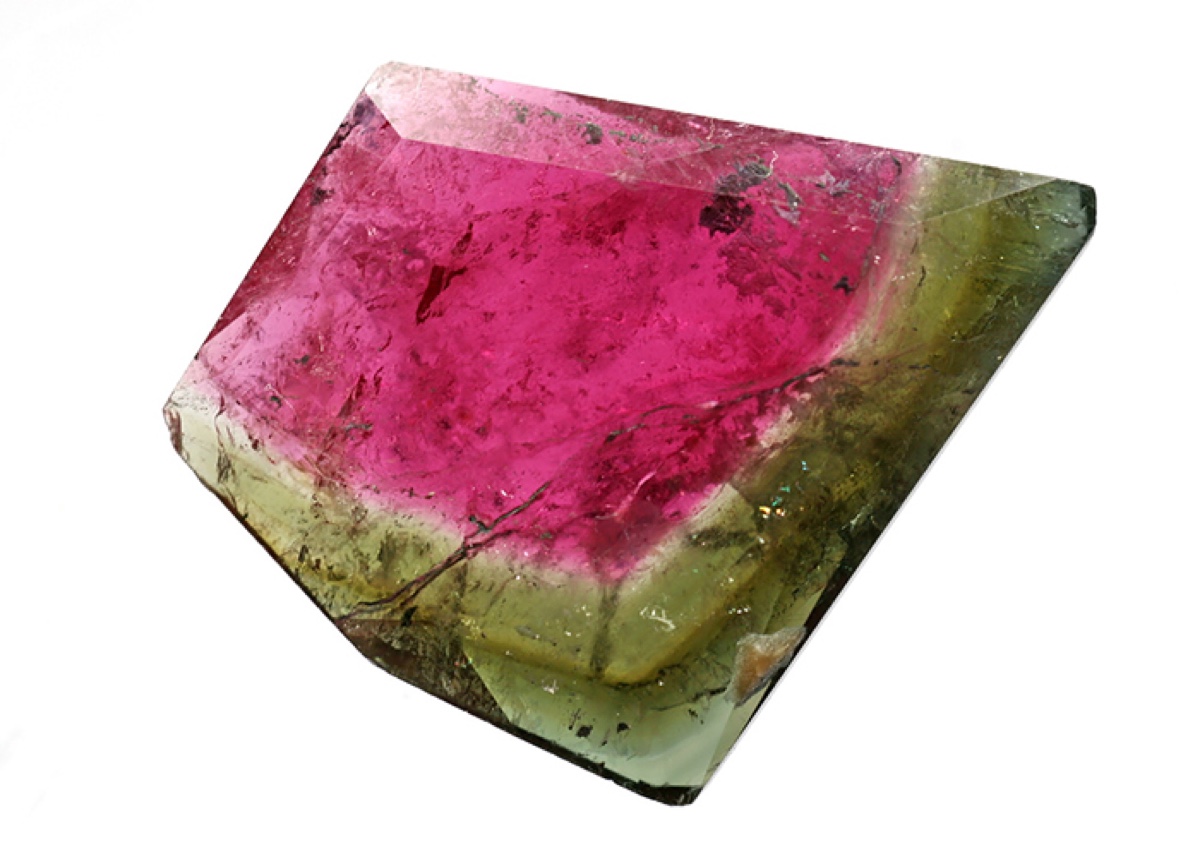
Parti-colored tourmaline displays more than one color. One of the most common combinations is green and pink, but many others are possible.
Watermelon tourmaline is pink in the center and green around the outside. Crystals of this material are typically cut in slices to display this special arrangement.
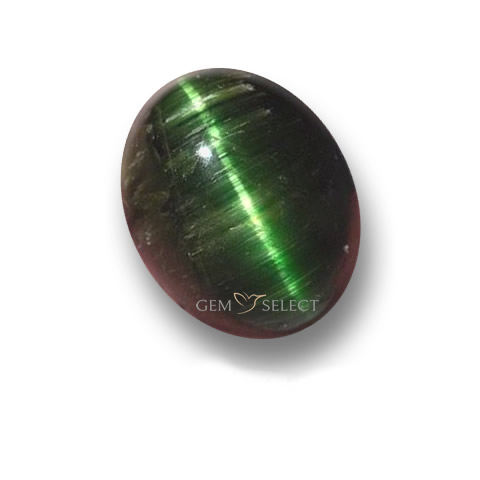
Some tourmalines also show a cat’s-eye effect called chatoyancy. Cat’s-eye tourmalines are most often green, blue, or pink, with an eye that’s softer and more diffused than the eye in fine cat’s-eye chrysoberyl. This is because, in tourmaline, the effect is caused by numerous thin, tube-like inclusions that form naturally during the gem’s growth. The inclusions are larger than the inclusions in cat’s-eye chrysoberyl, so the chatoyancy isn’t as sharp. Like other cat’s-eyes, these stones have to be cut as cabochons to bring out the effect.
A tourmaline’s chemical composition directly influences its physical properties and is responsible for its color. Tourmalines make up a group of closely related mineral species that share the same crystal structure but have different chemical and physical properties. They share the elements silicon, aluminum, and boron, but contain a complex mixture of other elements such as sodium, lithium, calcium, magnesium, manganese, iron, chromium, vanadium, fluorine, and sometimes copper.
Tourmaline’s colors have many different causes. It’s generally agreed that traces of iron, and possibly titanium, induce green and blue colors. Manganese produces reds and pinks, and possibly yellows. Some pink and yellow elbaites might owe their hues to color centers caused by radiation, which can be natural or laboratory-induced.
SOUCRE: GIA
 Sew Colorful
Huh….if you’re reading, Pat…hope the trip went safely and all turns out well with the tests. Enjoy the family! Your resident freak, Fetterman, is supporting Israel and stated now is not the time for a cease-fire, not until Hamas is neutralized. That surprises me, tbh.
LikeLiked by 1 person
Wonderful opening. those colors
LikeLike
LikeLike
LikeLiked by 1 person
close your account
LikeLike
LikeLike
LikeLike
They dumped that cat fast
LikeLike
LikeLike
LikeLike
LikeLike
LikeLike
LikeLike
LikeLike
LikeLike
LikeLike