
(This post was bumped from it’s more timely spot, but it’s still interesting imo.)
As winter loses its grip on Pennsylvania, warmer days followed by cold nights signal the beginning of maple syrup season.
When spring conditions are right, sap in sugar maple trees begins to flow, and sugars made with last summer’s sun move from their storage sites into the tree’s trunk, according to Bob Hansen, Penn State Cooperative Extension forest resources educator based in Tioga County. Mid-February to early March normally heralds the arrival of the “right” conditions, and the season runs until early April most years.
“Maple sugar products are truly North American — native Americans were the first people to make maple sugar,” he said. “We speculate they used hot stones and bark vessels to ‘boil’ sap to concentrate the sugars. Early Europeans likely appreciated this source of sugar, and, with the advantage of iron pots, they soon developed this seasonal industry and converted sap into sugar cakes or blocks, which were easier to store.”

Before tropical sugar sources were easily accessible, maple sugar was the premier sweetener. As imported sugar became increasingly available, the maple industry switched to syrup production. Today, the maple industry produces a wide-range of quality products, Hansen noted. However, syrup is the most common, best known and considered by many the ultimate natural product.
“Many woodlot owners today look forward to the maple season as an important part of their family heritage,” Hansen said. “For some, it is a major cash crop. Among the state’s diverse farm products, it is one of the few to be produced, processed and often sold entirely on the farm.”

Quebec province leads North America in maple-syrup production, and the state of Vermont has successfully built an association with maple products. However, Pennsylvania is a major producer — ranked seventh in the United States in 2009. Other leading maple states include Connecticut, New York, New Hampshire, Massachusetts, Ohio, Wisconsin, Maine, Michigan, Minnesota, West Virginia, Indiana, Iowa and Virginia.
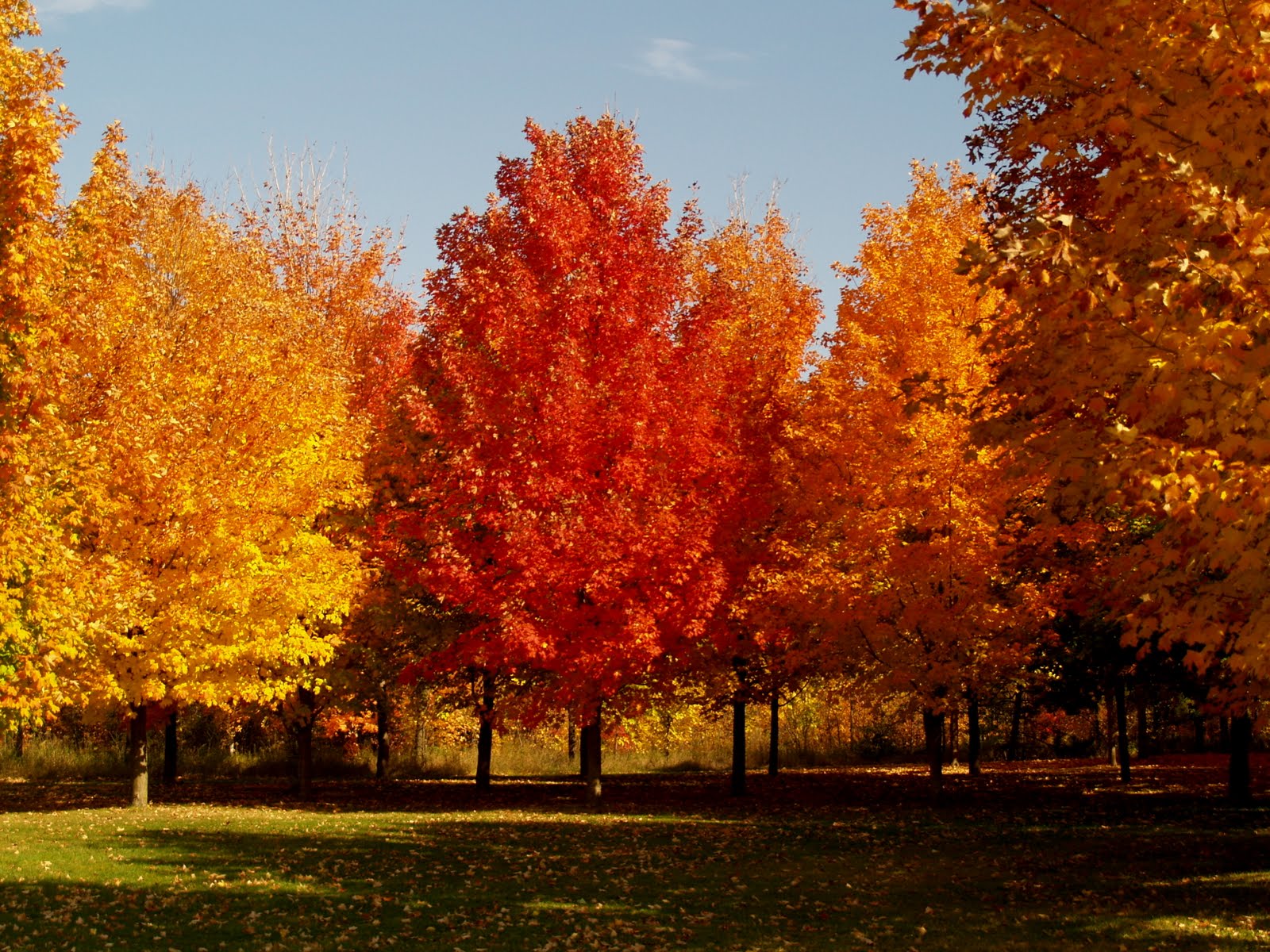
“Sugar maple is the species of choice for tapping to make maple sugar,” Hansen said. “Other maples such as black and red also yield sweet sap, but on average not as sweet as that flowing from sugar maple.”
Tapping done properly generally does little harm to the tree, Hansen pointed out. Trees 10 to 18 inches in diameter at 4.5 feet above the ground receive one tap. Trees larger than 18 inches can have two. Tap holes are made by boring a 5/16 inch diameter hole at a slight upward angle into the tree to a depth of 1.5 to 2 inches. A hollow spout or spile is then gently tapped into the hole to fit snugly.
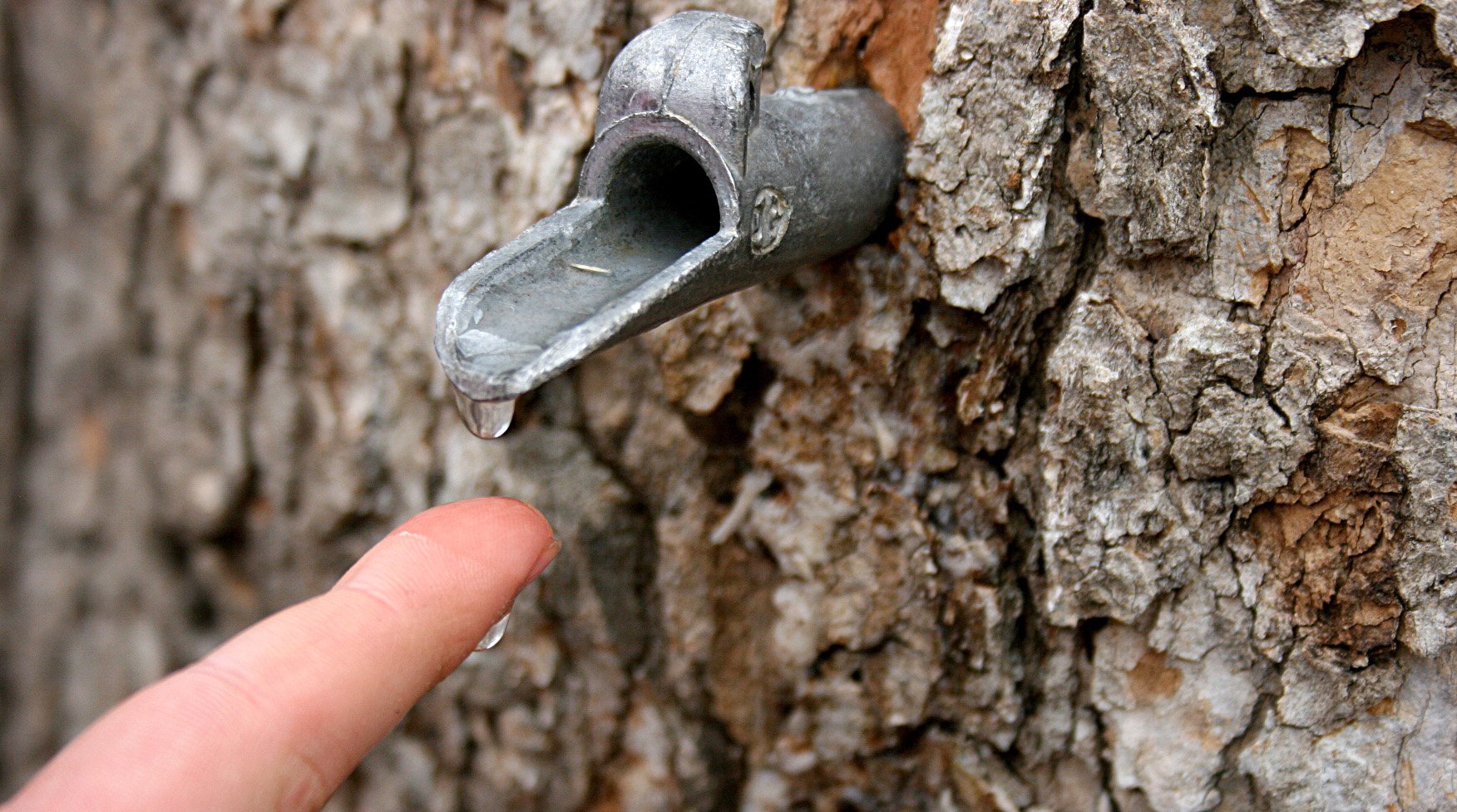
Commercial maple producers collect sap in stainless steel buckets or weave a web of plastic tubing to connect trees and move sap to a common collection point. Small producers, working with only a few trees, can collect sap in clean plastic jugs (e.g., milk cartons) suspended from the spile.
“Eventually sap is brought to the sugarhouse where an evaporator concentrates the sugar and turns the sap into the amber-colored syrup,” Hansen said. “After filtering to remove ‘sugar sand’ (mineral substances in sap concentrated in the boiling process), producers grade their product. Syrup grades depend on color — light, medium or dark amber — and flavor.”

Syrup by law has at least 66 percent sugar solids. The volume of sap needed to make a gallon of syrup varies with the concentration of sugar in the sap. Sap sugar content varies from tree to tree, from less than 1 percent to rarely 10 percent. Normally, it is about 1.5 to 3 percent. Approximately 43 gallons of sap with a 2 percent sugar content yield one gallon of syrup.
“People who are interested in maple-syrup production should consider visiting one of the state’s many maple festivals to learn more about this sweet industry,” said Hansen. “During these weekends, syrup makers open their operations and are available to answer questions.”

Source: https://www.psu.edu/news/impact/story/pennsylvania-its-time-make-maple-syrup/
 Sew Colorful
as i said above, we grabbed ice cream at the little stand in town…$5 for 2 cones with more ice cream than we could eat!
LikeLike
research is your friend!
LikeLike
I am adding a short daily prayer to the board. I would invite each of you, if you wish, to also add one or maybe two of your own liking. I do not want to stifle anyone but please limit yourself to one or two religious postings. here’s one I found that I liked.

LikeLike
LikeLike
LikeLike
LikeLike
LikeLike
LikeLike
LikeLike
LikeLike
LikeLike
LikeLike
Good Night All!
LikeLike
Ahhhhh Maple Syrup
LikeLiked by 1 person
LikeLiked by 1 person
LikeLiked by 1 person
LikeLiked by 1 person
LikeLiked by 1 person
This is a man
LikeLiked by 1 person
LikeLiked by 1 person
LikeLiked by 1 person
LikeLiked by 1 person
LikeLiked by 1 person
LikeLiked by 1 person