

If you’re like me, you’ve experienced painful, sleep-disturbing leg cramps at some point. About 60% of people report experiencing nocturnal leg cramps. Nocturnal leg cramps — also commonly called charley horses — are painful, involuntary contractions of the leg muscles during the night. Although nocturnal leg cramps generally pass after a few minutes, they are unpleasant and can disrupt sleep enough to create problems. Usually, the calves and feet are most affected, and these cramps are more prevalent in women and older adults, but anyone can experience them.The exact causes of nocturnal leg cramps are unknown. However, there are some factors that may increase the chance of experiencing leg cramps during the night.
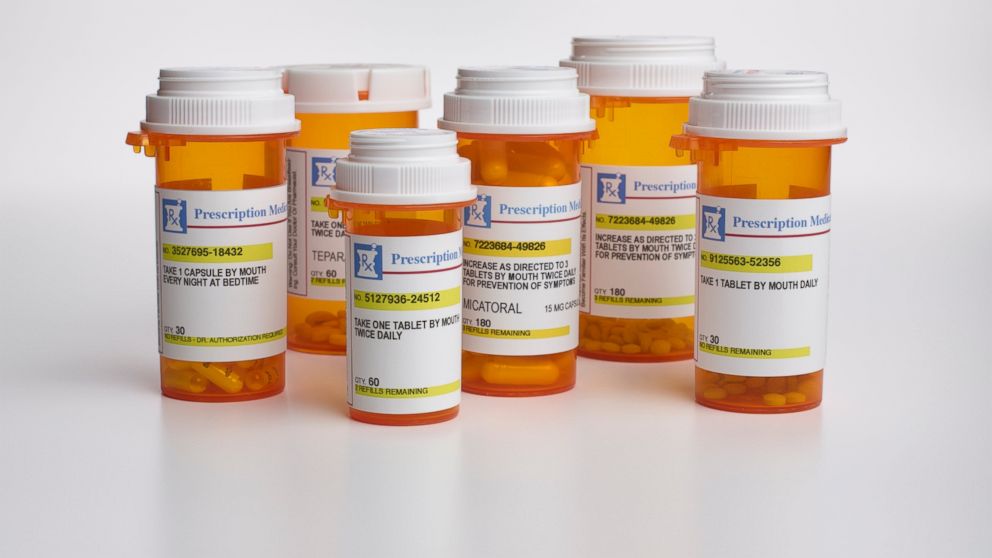
Medications: Some medications, like diuretics, steroids, and antidepressants, are associated with nocturnal leg cramping. Talk to your doctor about any medications you are taking if you experience leg cramps during the night.
Pregnancy: Leg cramps are a common experience in pregnant women, although some professionals consider pregnancy-related leg cramps different from nocturnal leg cramps. Researchers are unsure if this leg cramping occurs due to pregnancy itself, or because of a lack of blood flow in the veins as a result of pregnancy. Magnesium supplements have been shown to reduce leg cramping in pregnancy, but you should talk to your doctor before beginning any new supplements.
Dehydration: Not drinking enough water during the day can result in dehydration. Dehydration causes muscle weakness and cramping. Nocturnal leg cramps in particular are not associated with dehydration, but drinking water is still important. The exact amount of water you need to drink each day depends on your body weight, activity level, medications, and local climate.

Standing for Extended Periods: Being on your feet for long periods of time can increase the risk of experiencing these leg cramps, making them a problem for people who must stand while they work. Taking breaks from standing and setting aside time to elevate your feet may help.
Exercise: Exercising at the gym or through team sports may lead to muscle cramps. When muscles are fatigued or overworked, they can be more susceptible to cramping. Exercise-associated muscle cramps may be mistaken for nocturnal leg cramps when they occur at night. Stretching during an exercise-induced cramp has been shown to help relieve pain.
Alcohol: Research of people over age 60 shows that those who drink alcohol are more likely to report nocturnal leg cramping. This cramping could be a result of alcohol’s ability to damage muscle fibers, but more research is needed.

So what can be done to reduce the likelihood of experiencing these awful cramps? Although the exact cause of nocturnal leg cramps is unknown, there are ways to reduce the chances that you will experience them. Typically, leg cramps do not indicate a serious health problem. However, if you are experiencing frequent leg cramping, you should reach out to your doctor, but here are some possible helpful precautions:
Hydration: Staying consistently hydrated throughout the day may help reduce the frequency of muscle cramps, since dehydration can cause cramps. Though some research suggests that nocturnal leg cramps are not caused by dehydration, it may help to drink water during long periods of outdoor activity or strenuous activity. There is also research to suggest that drinking pickle juice during a cramping episode helps inhibit the cramp quickly.
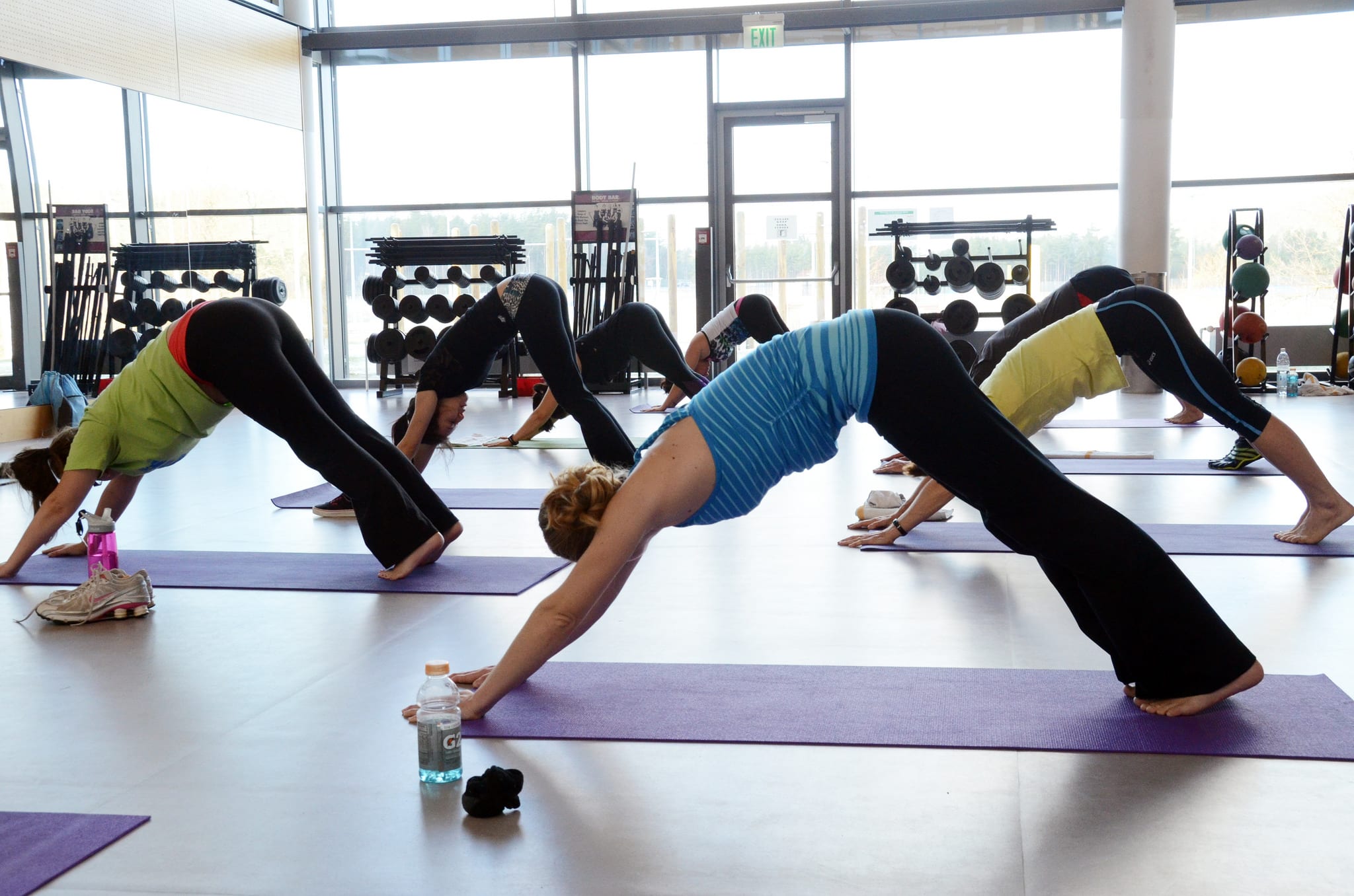
Stretching: Doing some stretching or yoga before bed may help you reduce both the frequency and intensity of nocturnal leg cramps. Research suggests that engaging in a stretching routine before bed helps reduce cramps and leg pain after about six weeks.
Baths: Some people claim that taking a bath helps relieve their nighttime cramps, though further research is needed. An epsom salt bath in particular could help reduce muscle pain mistaken for leg cramps. Epsom salt contains magnesium sulfate. An epsom salt bath could increase your magnesium levels, which may help relieve leg cramping.
Massage: Massaging your calves or feet before bed may help you reduce cramping during the night by relaxing the muscles in your legs. If you have limited mobility, consider asking a partner to help.
Heel Walking: Some people find that walking on their heels helps reduce nocturnal leg cramping. If you wake up in the middle of the night with a cramp in your calf, try getting up and walking on your heels. Although this type of walking helps release the tight calf muscle, research has found that it is not as effective as stretching during a leg cramp.

When to Talk to Your Doctor
If you are experiencing cramping in your feet and calves frequently during the night that does not go away with changes in lifestyle or diet, consult your doctor. In many cases, the cause of nocturnal leg cramps is unknown. Some leg cramps could indicate a more serious underlying disease, however, including:
Cardiovascular disease
Cirrhosis
Kidney disease
Osteoarthritis
Narrowing of the spinal canal
Nerve damage in legs
Circulation disorders
 Sew Colorful
Good Night All!
LikeLiked by 1 person